What Hakone is
Hakone is a town in the Fuji-Hakone-Izu National Park, less than 100 km from central Tokyo, built around the caldera of Mount Hakone. The volcano's last major eruption, about 3,000 years ago, left Lake Ashi in the old crater and the valley of Owakudani, which still steams. Hakone has been one of Japan's best-known hot spring resorts for centuries, with more than a dozen separate hot spring areas feeding its baths.
Most visitors come for the Hakone loop, a circuit on five kinds of transport, and stop along the way at museums, the lake and Hakone Shrine. You can do it in a long day from Tokyo, but a night at a ryokan makes the trip much calmer.
The classic Hakone loop
The loop starts at Hakone-Yumoto, the hot spring town at the bottom of the valley where the Romancecar from Shinjuku ends. From there the Hakone Tozan Railway, Japan's oldest mountain railway, climbs to Gora in about 35 minutes, reversing direction at three switchbacks. The Hakone Open-Air Museum, opened in 1969, is at Chokoku-no-Mori, the stop before Gora: about 120 sculptures on hillside lawns, a Picasso pavilion and a stained-glass tower you can climb.
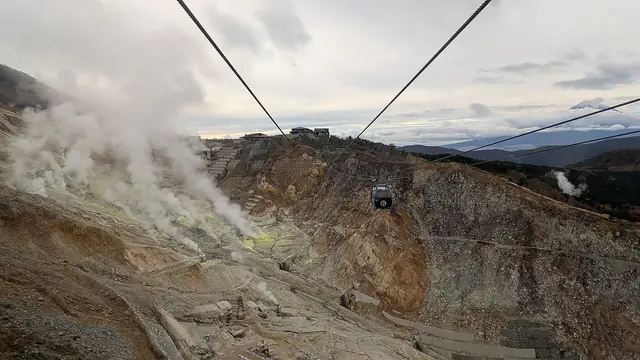
At Gora a cable car takes you up to Sounzan, where you change to the Hakone Ropeway. Its gondolas leave about every minute and pass over the sulphur vents of Owakudani; the whole ride to Togendai on Lake Ashi takes around 30 minutes, with a change of gondola at Owakudani. Get off there to see the steam and eat a black egg boiled in the hot springs, said to add seven years to your life. The short nature trail into the vents needs an advance booking.
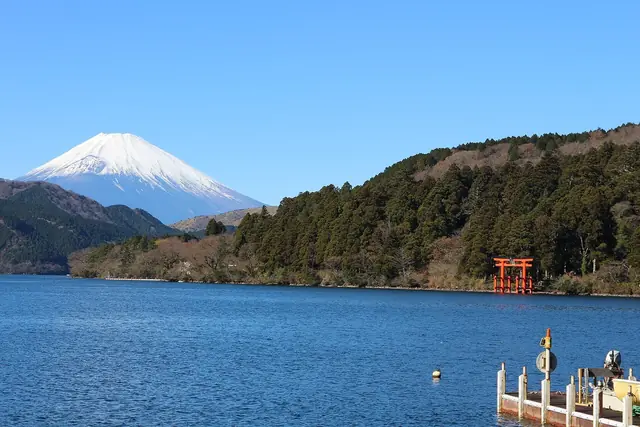
At Togendai you board a pirate-ship sightseeing boat across Lake Ashi to Hakone-machi or Moto-Hakone. A short walk from the Moto-Hakone pier, Hakone Shrine stands in a cedar forest, its torii gate rising out of the lake; tradition dates the shrine to 757. From Moto-Hakone a bus takes you back down to Hakone-Yumoto.
- Start early. On weekends the ropeway and boats get busy by late morning.
- Two boat companies run on the lake. The pirate ships are covered by the Freepass; the other cruise line is not.
- Expect a queue for photos at the lakeside torii of Hakone Shrine. Early morning is quieter.
The year in Hakone
The year opens with the Hakone Ekiden on January 2 and 3, the university relay from Otemachi in Tokyo up to Lake Ashi and back, with roadsides full of fans. Winter is cold up here but brings the clearest air: Fuji is most often visible in the colder months and in the early morning. The ropeway usually closes for a few weeks in winter for maintenance, with replacement buses.
In June and July hydrangeas bloom along the Tozan Railway, usually at their best around the start of July, and special evening trains run to see them lit up; they need seat reservations. Summer up here is cooler than in Tokyo.
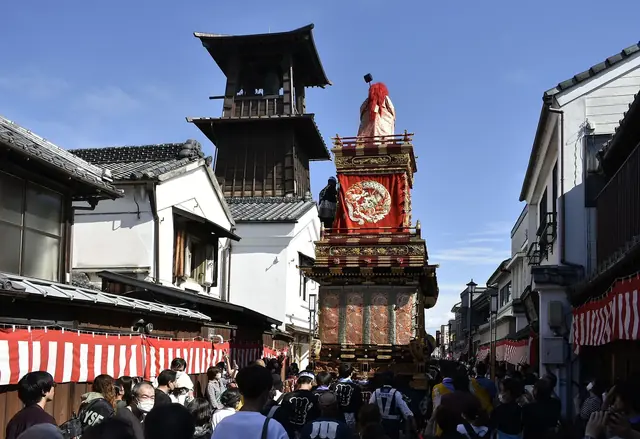
In autumn the pampas grass fields of Sengokuhara turn silver and the leaves change, usually through November and starting higher up. On November 3 the Hakone Daimyo Gyoretsu, first held in 1935, recreates a feudal lord's procession in Edo-period costume along the old Tokaido road in Hakone-Yumoto.
Onsen, timing and closures
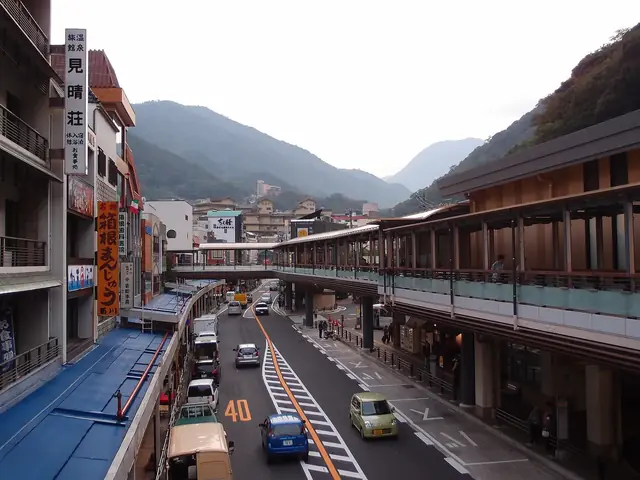
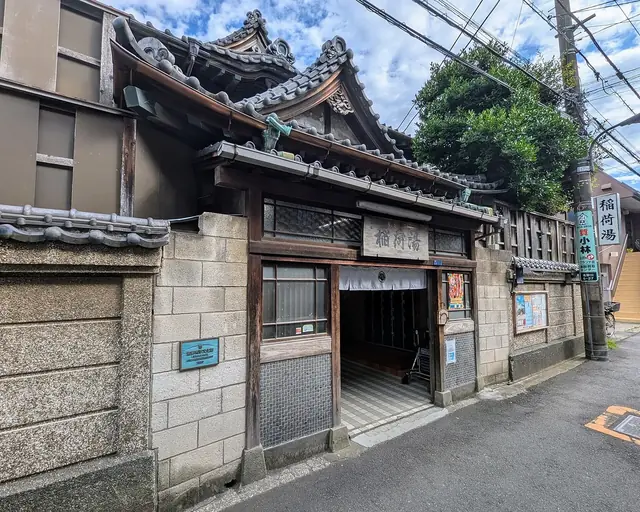
You do not need to stay at a ryokan to bathe. Many inns open their baths to day visitors, and there are day spas such as Hakone Yuryo, in the woods above Yumoto, with indoor and outdoor baths, private baths for rent and a free shuttle from Hakone-Yumoto Station. Wash before you get in, bathe without a swimsuit in shared baths, and check the tattoo rules ahead: many baths still turn away visible tattoos, and a private bath is the easy way round that.
Owakudani is an active volcanic area, and access changes with the gas and the alert level. In 2015 and again in 2019 raised activity closed the area for months, and on days when gas levels rise it can close for a few hours. The gas can be hard on people with asthma or heart and lung conditions. Check the ropeway's operating status on the morning you go.
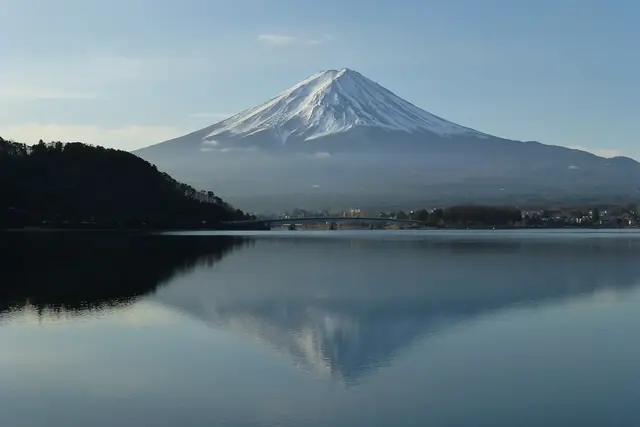
Weekends in autumn and the holiday weeks are the busiest, with queues for the ropeway and boats and slow buses on the mountain roads. A weekday or an early start makes a big difference. Clouds often hide Fuji, especially in summer, so treat a clear view as a bonus.
- Bring a layer. Owakudani and the lake are noticeably cooler and windier than Tokyo.
- Big suitcases are awkward on the mountain railway and ropeway. Leave them in a coin locker at Hakone-Yumoto.
- Day spas sell or rent towels, but bringing your own saves a little.
Getting there, the Freepass and nearby
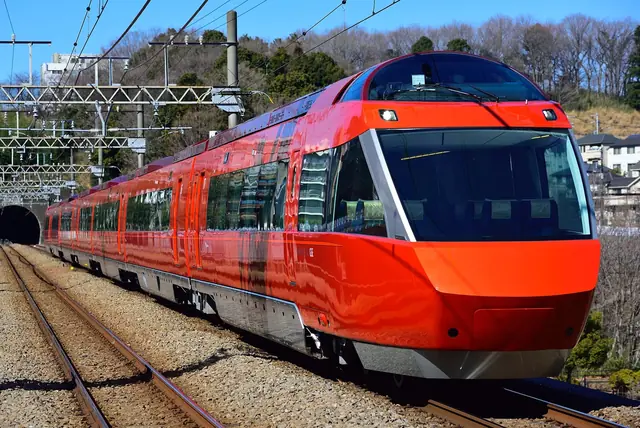
From Shinjuku, the Odakyu Romancecar runs straight to Hakone-Yumoto in about 85 minutes with reserved seats; cheaper express trains take about two hours with a change at Odawara. JR only goes as far as Odawara: with a JR Pass, take the Tokaido Shinkansen from Tokyo or Shinagawa (about half an hour on Kodama and some Hikari trains) and change to the Hakone Tozan Railway. Direct highway buses also run from Shinjuku towards Lake Ashi.
Odakyu's Hakone Freepass gives two or three consecutive days of unlimited rides on the Tozan Railway, the cable car, the ropeway, the pirate ships and most buses in the area, plus discounts at many sights, and can include the round trip from Shinjuku. The Romancecar needs a limited express ticket on top. It pays off if you do the full loop, but not if you only go to the lake and back. You can buy it at Odakyu stations or as a digital pass on the official site.
The Pola Museum of Art and the Okada Museum of Art are good rainy-day stops near the loop, Odawara Castle stands near Odawara Station, and Kamakura or the Fuji Five Lakes make a good second day.