Tokyo Station and the red-brick building
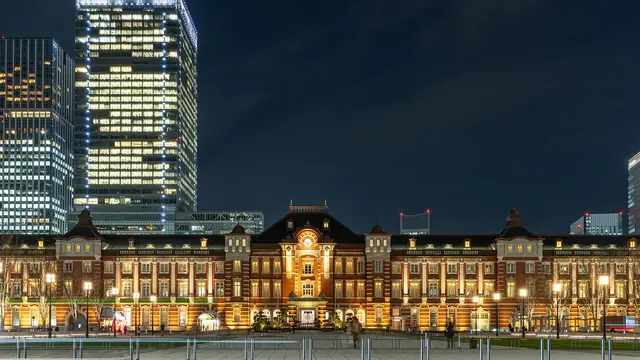
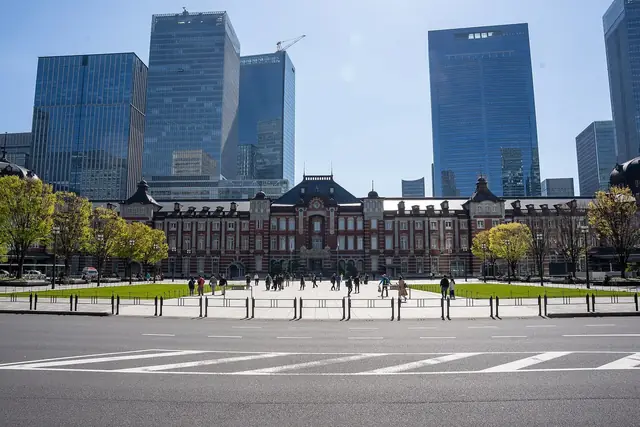
Tokyo Station opened in December 1914, and its long red-brick Marunouchi building is a national Important Cultural Property. Damaged in the war, it was rebuilt with two floors instead of three; in 2012 it was restored to its original form, with the third floor and the two domes back. Step inside the north or south dome and look up: the ceilings carry restored reliefs with eight large eagles and eight of the twelve zodiac animals.
The building is still a working station, and it also holds the Tokyo Station Hotel and the Tokyo Station Gallery. The gallery, opened in 1988 in the north dome, puts on changing exhibitions in rooms with the original brick walls left bare. In front of the building is a wide open plaza, and from there Gyoko-dori runs straight west to the Imperial Palace: a broad avenue lined with ginkgo trees, with a stone-paved walkway down the middle that opened to pedestrians in 2010.
For the classic view of the whole station, go to KITTE, the former Tokyo Central Post Office building right across the plaza. Its sixth-floor roof garden, KITTE Garden, is free, open into the evening and looks straight down on the station and the tracks. It closes in bad weather.
Marunouchi: Naka-dori, museums and winter lights
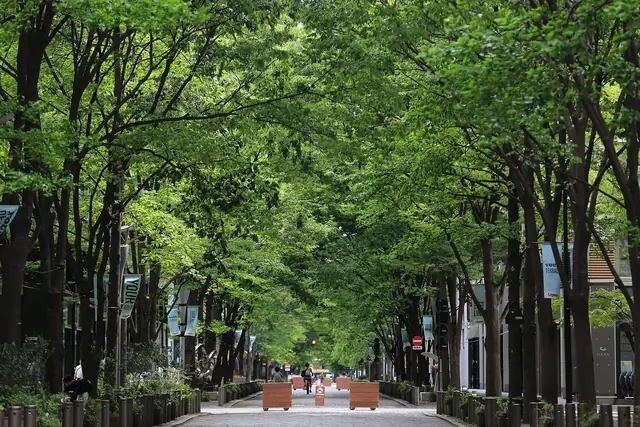
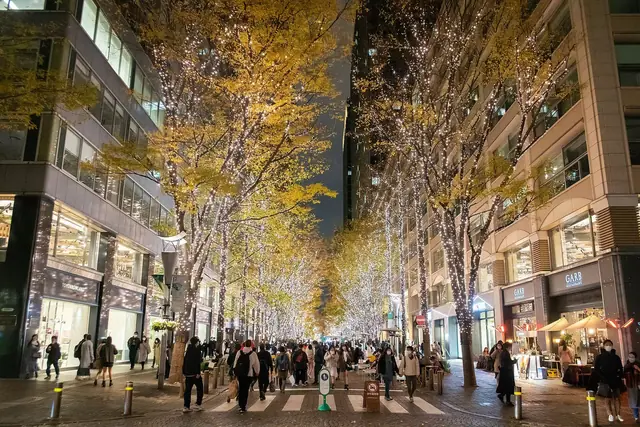
Marunouchi Naka-dori runs north to south a block west of the station, between office towers whose ground floors are filled with shops, cafés and restaurants. It is lined with trees and pleasant to walk at any hour. Marunouchi Brick Square, halfway along, has a small garden and the Mitsubishi Ichigokan Museum, a rebuilt 1890s red-brick office building that shows 19th-century art; it reopened in November 2024 after a long renovation. KITTE has shops on its lower floors and Intermediatheque, a museum built on the University of Tokyo's collections.
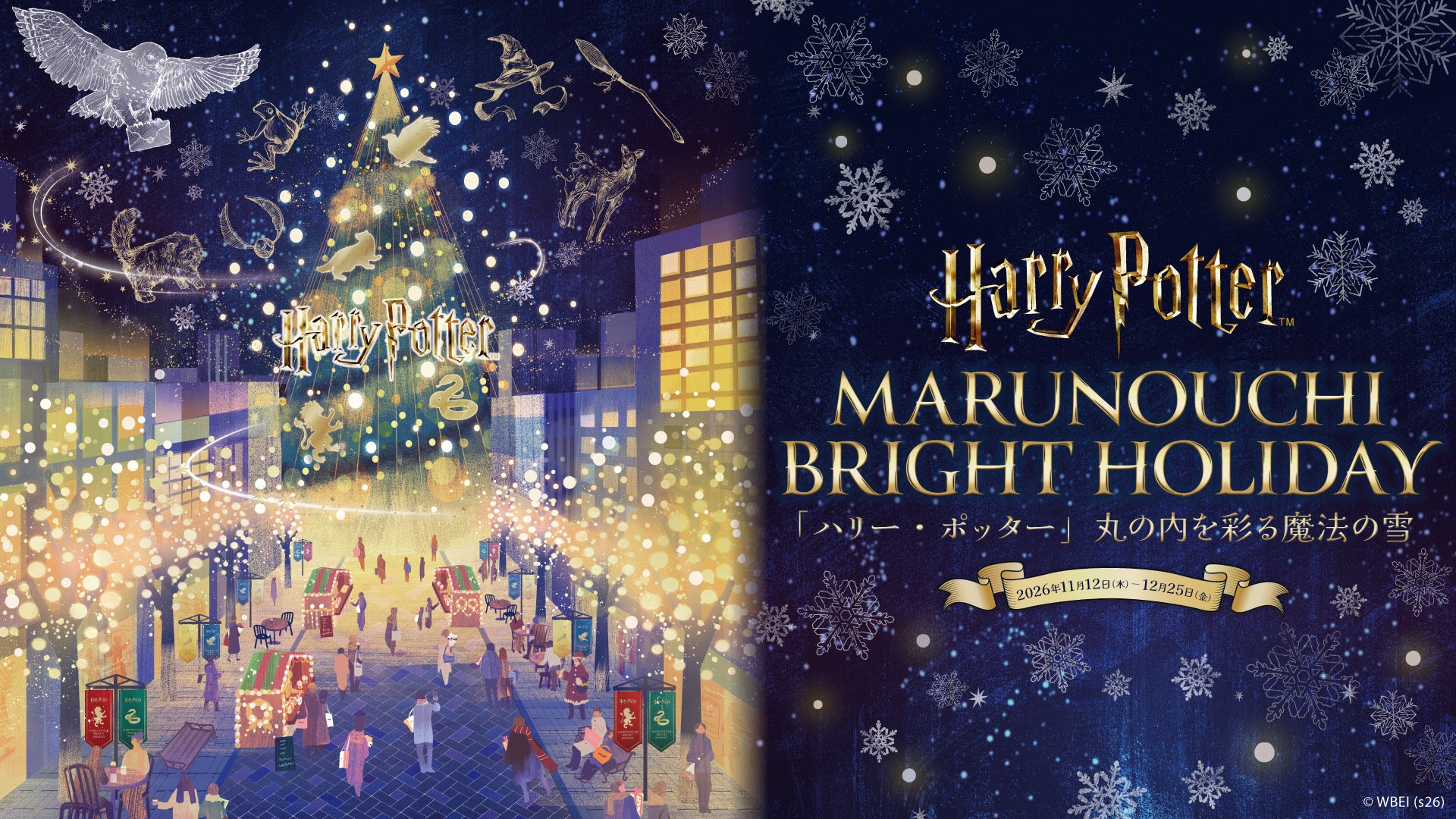
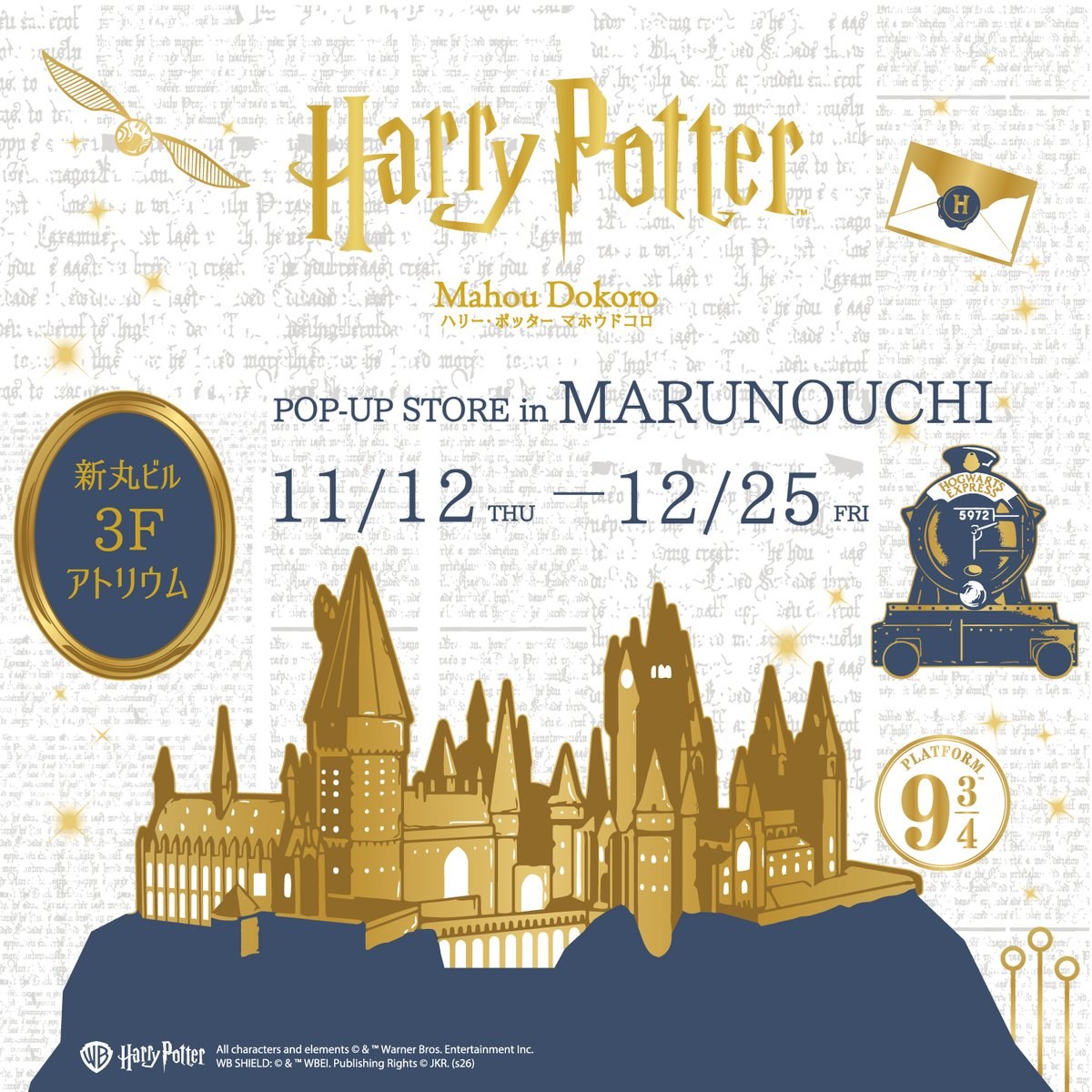
In winter, Naka-dori is one of the classic illumination walks: the street trees are wrapped in champagne-gold lights for more than a kilometre, and it has been lit every winter for over twenty years. In recent years the lights have run from November into February, and Marunouchi has also held a Christmas market nearby. In late autumn the ginkgo trees of Gyoko-dori turn yellow, a short and photogenic walk towards the palace.
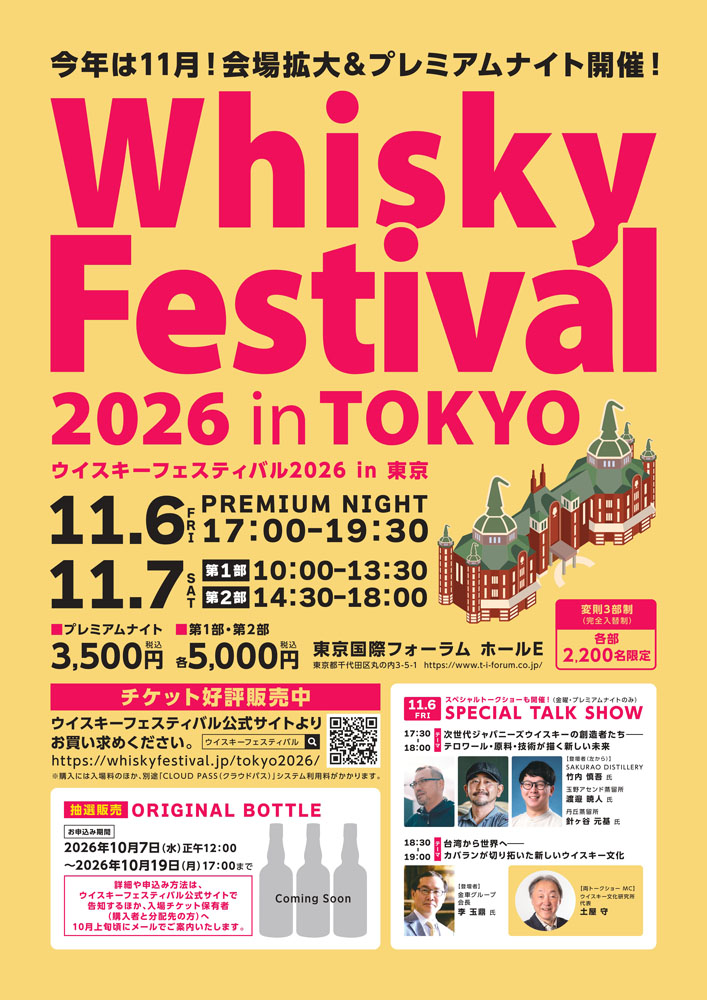
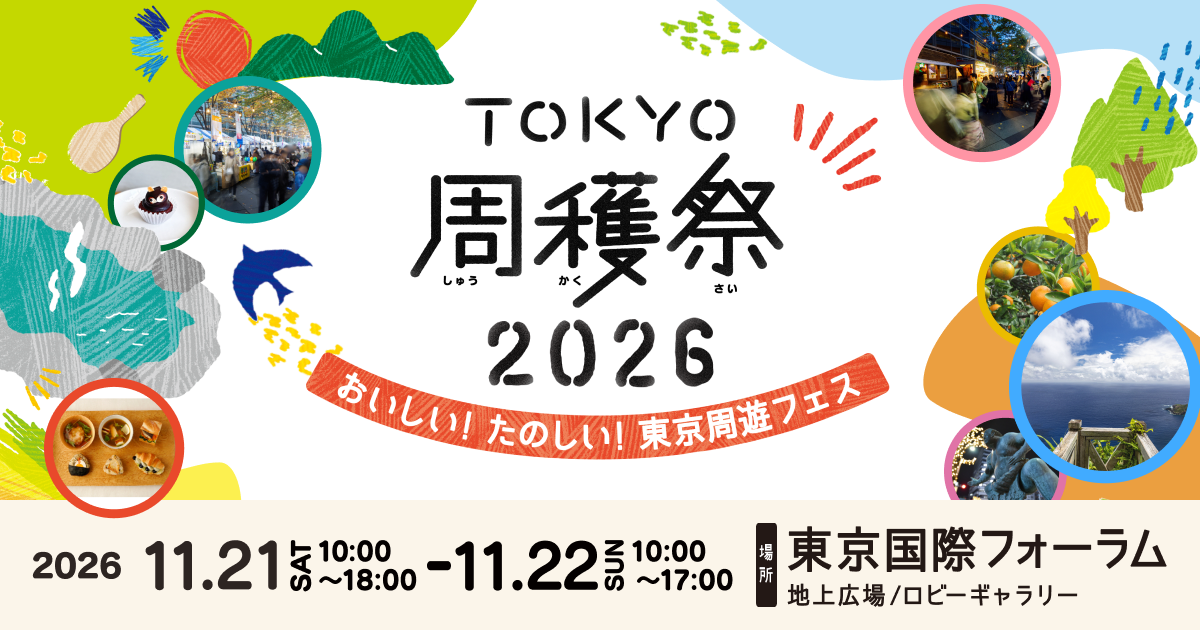
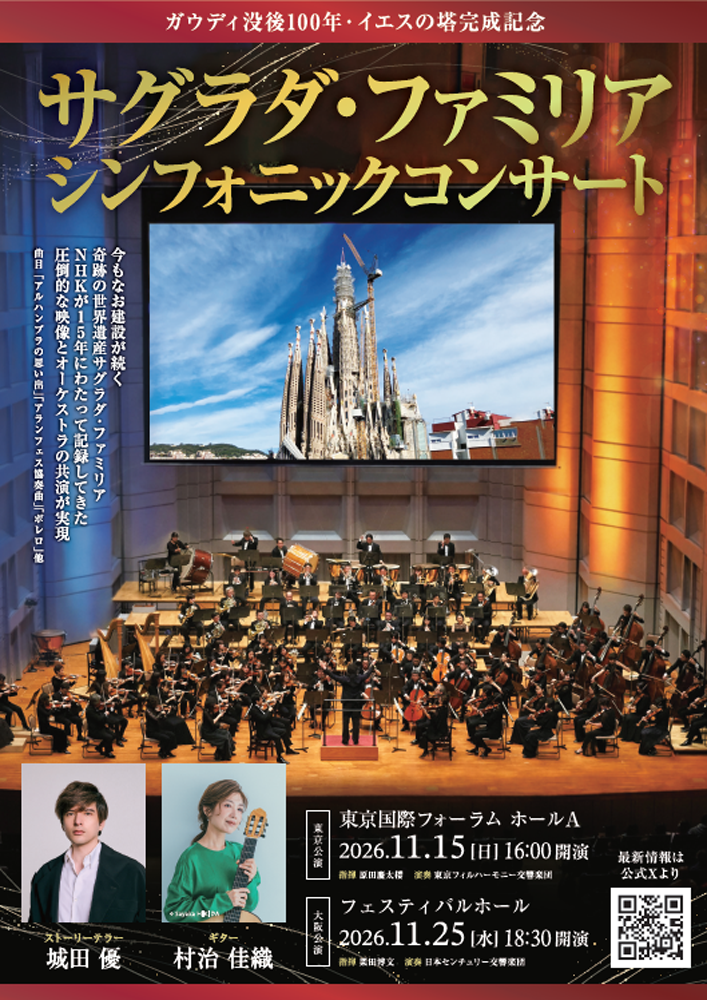
Two practical things help here. The Marunouchi Shuttle is a free bus that loops through Otemachi, Marunouchi and Yurakucho every 15 to 25 minutes. And at the south end of the district, the plaza of the Tokyo International Forum hosts the Oedo Antique Market on about two weekend dates a month, with around 250 dealers, free entry and no market in August or in rain.
- The illumination is free and lights up after dark. Weekday evenings are calmer than weekends in December.
- At the antique market, bring cash. Few dealers take cards, and the best pieces go early.
Inside the station: Character Street and Ramen Street
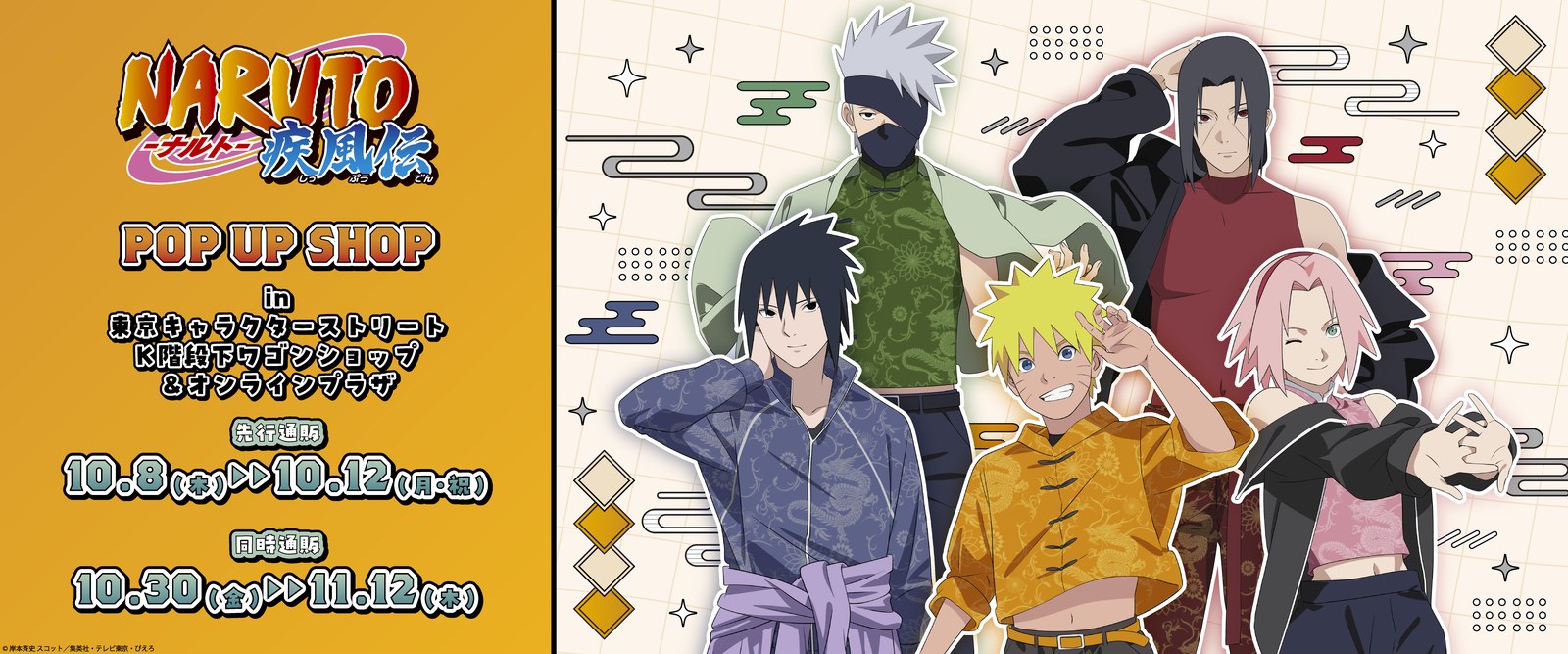
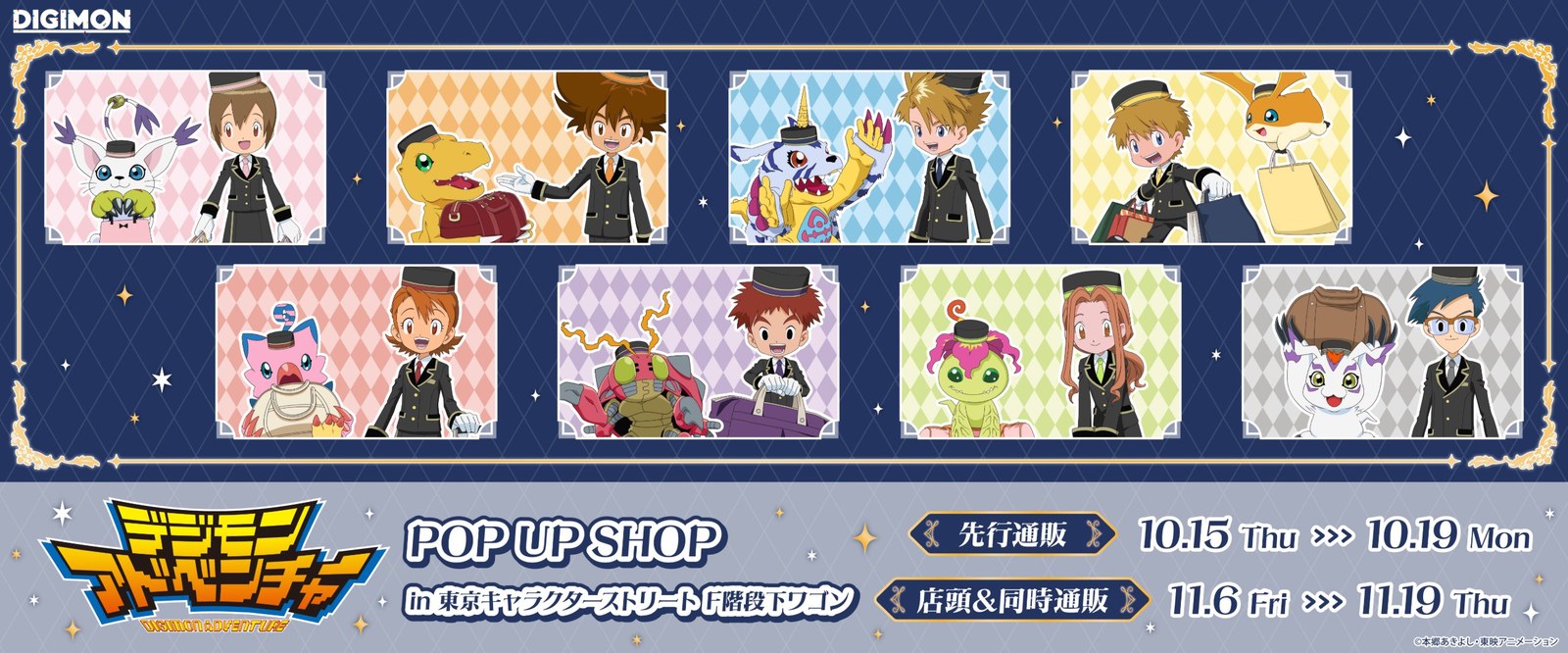
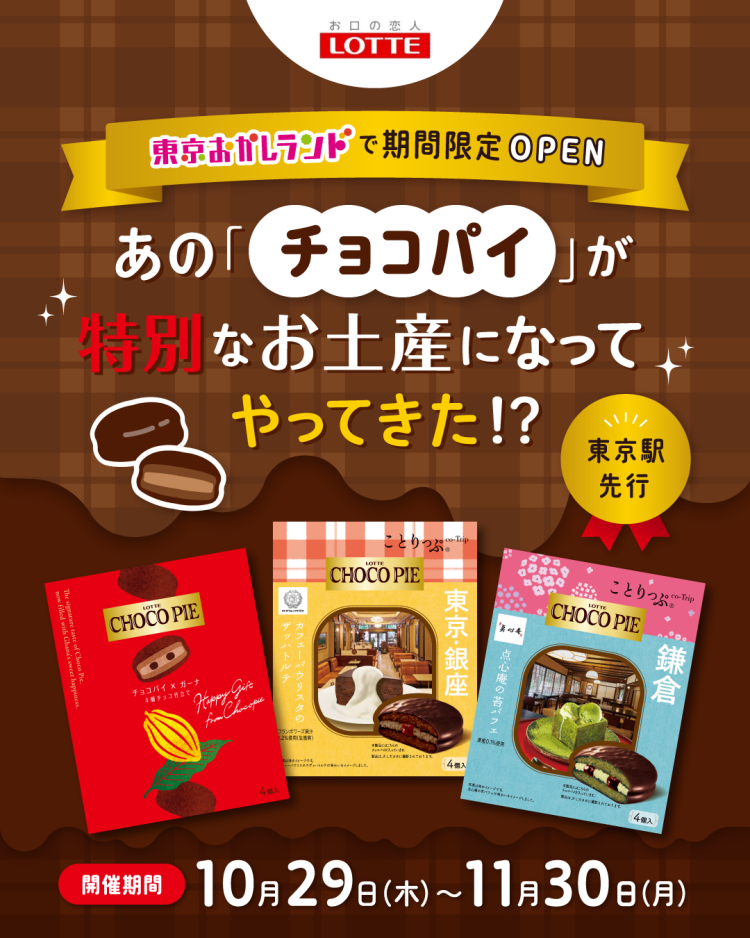
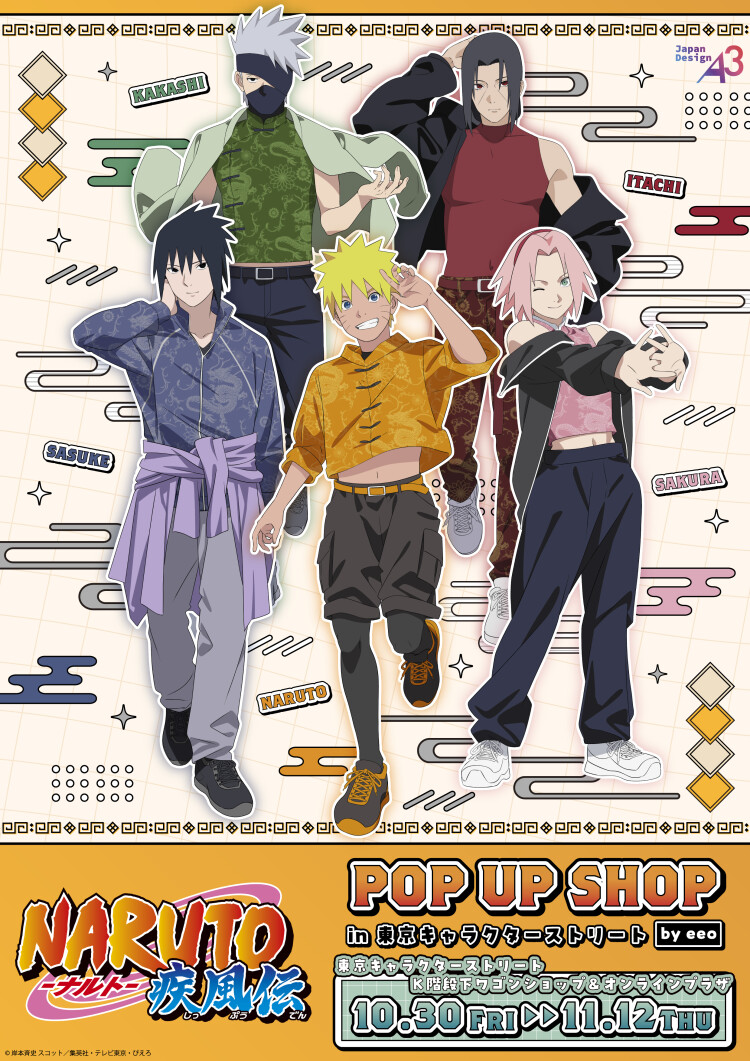
On the Yaesu (east) side of the station, the basement of First Avenue Tokyo Station (Tokyo Eki Ichibangai) is where most visitors end up. Tokyo Character Street is a corridor of shops for characters from Japanese TV channels, anime, games and children's shows, with a small event space where limited-time pop-up shops and promotions change every few weeks. Next to it, Tokyo Ramen Street gathers several well-known ramen shops in one row, and Tokyo Okashi Land has stores run by big Japanese snack makers, some with flavours sold only here.
The station is huge, with dozens of exits and shopping areas both inside and outside the ticket gates. Character Street, Ramen Street and Okashi Land are outside the gates, so you can visit without a train ticket. Follow the signs for the Yaesu side; from the Marunouchi side it takes several minutes to walk through.
- Ramen Street has long queues at lunch and dinner. Mid-morning or mid-afternoon is much shorter.
- Coin lockers near the Yaesu exits often fill up by late morning. Lockers on the Marunouchi side or in KITTE are an option.
- Pop-ups at Character Street change often and can have queues on the first day. Check the shop's page before going.
Nihonbashi: the bridge and the old shops
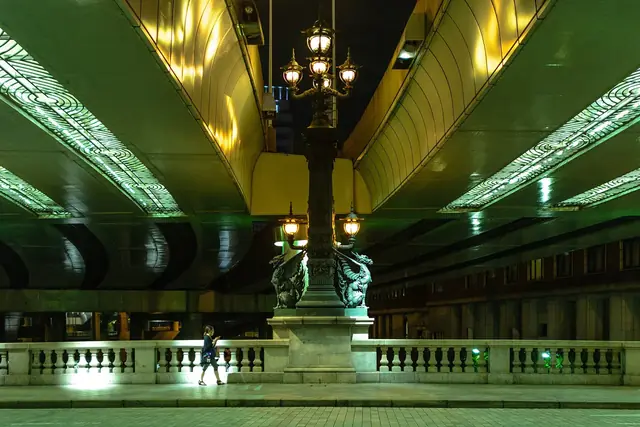
The first Nihonbashi bridge was built in 1603, and in the Edo period it was the starting point of the five main highways. The current stone bridge with two arches dates from 1911 and is an Important Cultural Property; look for the bronze winged kirin and the lions on its lamp posts, and for the plaque in the middle of the road that marks the zero point of Japan's national roads. An elevated expressway still runs over the bridge, but work to move it underground has begun, and the viaduct is planned to come down around 2040. Small sightseeing boats leave from a pier beside the bridge.
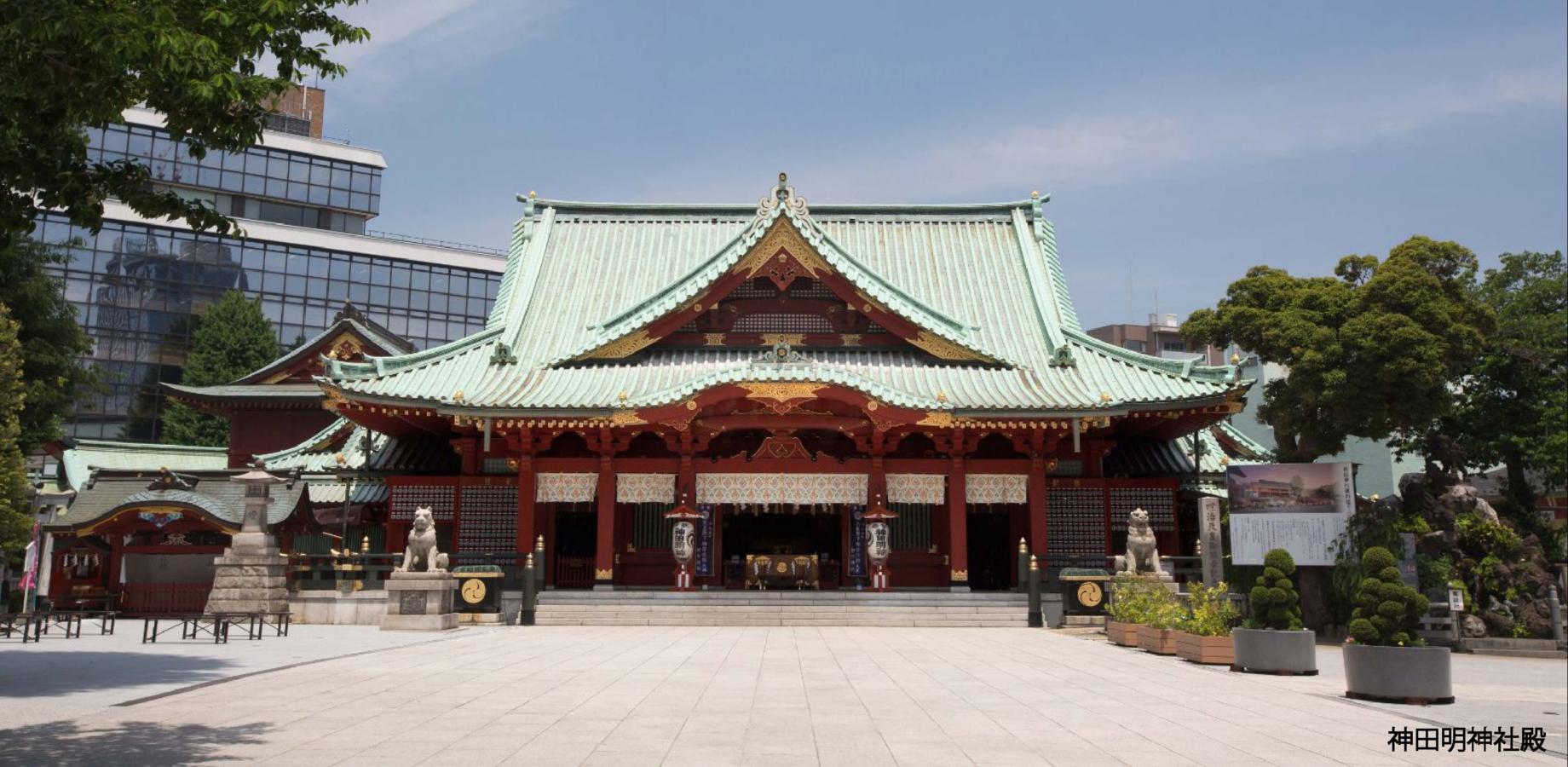
The streets around it were Edo's merchant quarter, and the area still has that feel. Nihonbashi Mitsukoshi traces its roots to a kimono shop opened in 1673; its main building, with two bronze lions at the entrance and a tall carved statue in the central hall, is itself an Important Cultural Property. Across the road, next to the Coredo Muromachi buildings, stands Fukutoku Shrine, rebuilt in 2014, whose small plaza holds seasonal events. Several shops founded in the Edo period still trade here, selling things like dried bonito, nori, tea, knives and washi paper.
One fixed date worth knowing: every year on October 19 and 20, the Bettara-ichi fair fills the streets around Takarada Ebisu Shrine near Kodenmacho Station with stalls selling bettara-zuke, a sweet pickled daikon, and street food.
- Old Nihonbashi shops often close early in the evening and on some weekends or holidays. Go in the daytime.
- Department store food halls in the basement are the easiest place to buy gifts and a picnic lunch.
Getting there and nearby
Tokyo Station is served by the JR Yamanote, Chuo, Keihin-Tohoku and other JR lines, all the Shinkansen lines to the north and west, and the Tokyo Metro Marunouchi Line. Otemachi Station, with five subway lines, sits just to the north, and Nijubashimae on the Chiyoda Line is close to the palace end of Gyoko-dori. For Nihonbashi use Nihonbashi Station (Ginza, Tozai and Toei Asakusa lines) or Mitsukoshimae (Ginza and Hanzomon lines). Underground passages link most of these stations and buildings, which helps on rainy or very hot days.
Everything here is walkable. The Imperial Palace East Gardens are a short walk west, Ginza is about fifteen minutes south through Yurakucho, and Akihabara is two stops north on the Yamanote Line. A good evening in winter: the station dome and the KITTE roof garden at dusk, dinner in Marunouchi, then the illuminated Naka-dori towards Yurakucho and Hibiya.