Where to go for what
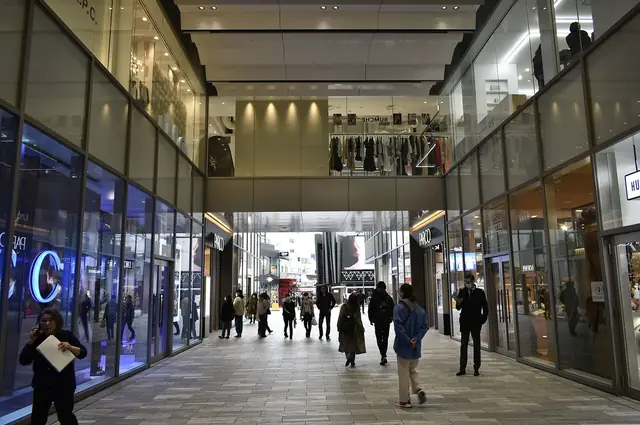
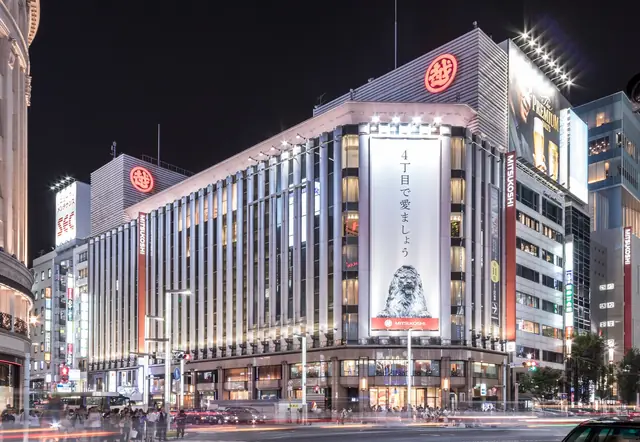
Ginza is the classic department store district. Mitsukoshi, Matsuya and the Ginza Six complex sit within a few minutes of each other on Chuo-dori, along with flagship stores of Japanese and international brands and Itoya, a stationery store spread over many floors. On weekend afternoons part of Chuo-dori closes to cars and becomes a pedestrian street, which makes it an easy area to browse slowly.
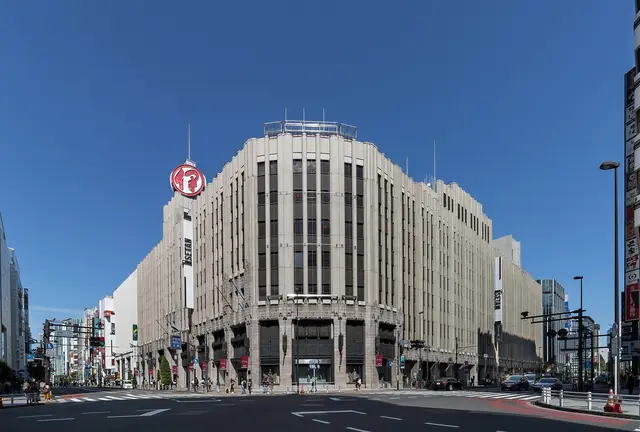
For fashion and youth culture, go to Shibuya and Harajuku. Shibuya 109 is the landmark for young women's fashion, and Shibuya Parco holds Nintendo Tokyo and the Pokémon Center Shibuya. A short walk away, Takeshita Street in Harajuku is packed with cheap accessories, crepes and character shops, Laforet Harajuku collects small Japanese labels, and Omotesando and the side streets around Cat Street carry the bigger brands and independent boutiques. Shinjuku has the huge Isetan department store and large electronics stores around the west exit.
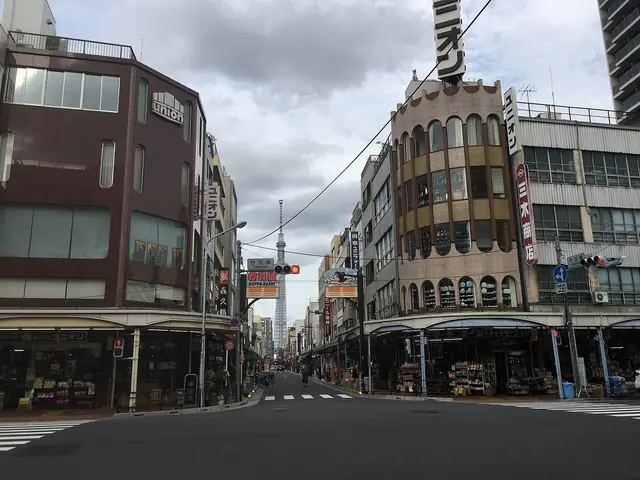
Akihabara is the place for electronics, games, anime and figures: big stores such as Yodobashi Akiba next to the station, and many floors of small specialist shops in buildings like Akihabara Radio Kaikan. For second-hand collectables, Nakano Broadway, a 1960s shopping arcade by Nakano Station, is full of shops for vintage toys, manga and figures, including several branches of Mandarake; many of the shops do not open until around noon. Ikebukuro is the other big anime hub. Kappabashi, the kitchen street between Ueno and Asakusa, runs for about 800 metres with shops for knives, pots, ceramics, lacquer and the plastic food samples you see in restaurant windows. Most of its shops close in the late afternoon and many shut on Sundays and holidays, so go on a weekday or Saturday.
- Group your shopping by area. Shibuya to Harajuku and Ginza to Tokyo Station are easy walks; Akihabara to Kappabashi is a short train ride.
- Collectors' shops in Nakano and Akihabara often keep the rarest items behind glass. Ask staff before you handle them.
Don Quijote, drugstores and 100-yen shops
Don Quijote, or Donki, is a discount chain stacked floor to ceiling with snacks, cosmetics, household goods, costumes and souvenirs. Many branches stay open late into the night, and the big Mega Don Quijote store in Shibuya is open around the clock, which makes it a handy last stop on your final evening. Most large branches have a tax-free counter.
Drugstores such as Matsumoto Kiyoshi and Sundrug are on almost every shopping street and sell Japanese skincare, sunscreen, face masks, bath salts and snacks, often cheaper than department stores. For small, useful things at low prices, try the 100-yen shops Daiso, Seria and Can Do (prices are 100 yen plus tax, though bigger items cost more), 3COINS for slightly pricier homeware, and Loft or Hands for stationery, gadgets and well-designed everyday items.
- Donki gets crowded in the evening. If you want a calm look around, go in the morning.
- Read the label on drugstore cosmetics: some popular items come in versions for different skin types, marked in Japanese only.
Food souvenirs: department store food halls and Tokyo Station
The basement food floors of department stores, called depachika, are the best place for edible gifts. You will find beautifully boxed Japanese sweets, rice crackers, tea, pickles and Western-style cakes from famous makers, and the staff will wrap them neatly. Isetan Shinjuku, Mitsukoshi Ginza and the Daimaru store at Tokyo Station all have large ones, and many sweets are made only for one store or one city.
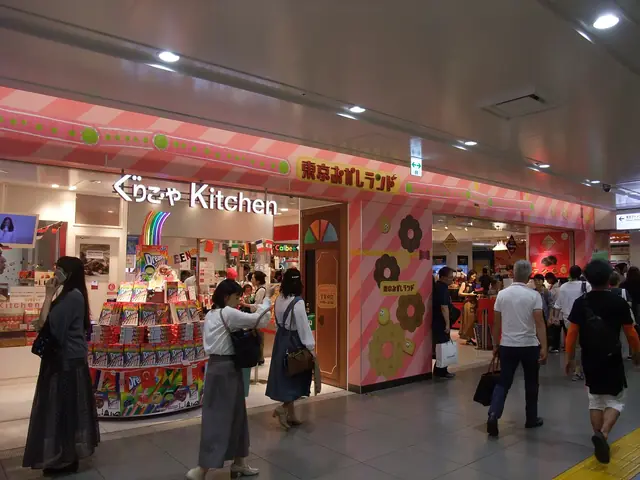
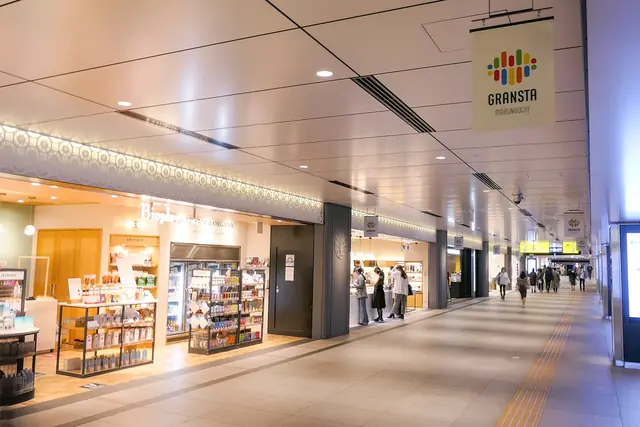
Tokyo Station is the other big souvenir market, because it is where travellers from all over Japan buy gifts before going home. Under the station on the Yaesu side, First Avenue Tokyo Station holds Tokyo Okashi Land, with shops from big snack makers, and Tokyo Character Street, with stores for well-known anime and character brands. Inside the ticket gates, the GranSta area is full of sweet shops and bento. The airports have similar shops, but the choice is wider in the city.
- Look for 限定 (gentei, limited edition): flavours or packages sold only in Tokyo or only in that shop.
- Check the best-before date (賞味期限) on the box. Fresh cakes last a day or two, boxed biscuits and crackers usually much longer.
- Individually wrapped sweets in a box are the classic gift for sharing at an office or school.
What makes a good souvenir
The best souvenirs from Tokyo are light, useful and hard to find at home. Tenugui (printed cotton hand towels) and furoshiki (wrapping cloths) fold flat and come in hundreds of designs. Chopsticks, small ceramics, Japanese stationery, tea and boxed sweets are easy to carry and easy to give. Kitchen knives from Kappabashi are a lasting gift for someone who cooks, and the shops there can usually engrave a name.
For pop culture, look for Tokyo or shop-exclusive goods at character stores and pop-ups, which change often. Second-hand shops are good for vintage games and figures. With electronics, remember that Japan uses 100 volts and plugs with two flat pins, and that menus or language settings may be in Japanese only, so check before you pay. Before you buy food, alcohol or anything made from plants or animals, check what your own country allows you to bring in.
- Knives go in checked luggage only, never in your carry-on.
- Wrap ceramics in clothes, or ask the shop to pack them for travel (most will).
- Sake and other drinks count as liquids: pack them in checked luggage unless you buy them after security.
- Bought too much? Send a suitcase to your departure airport by takkyubin from a convenience store or hotel, at least two days before you fly.
Sales seasons, store hours and tax-free
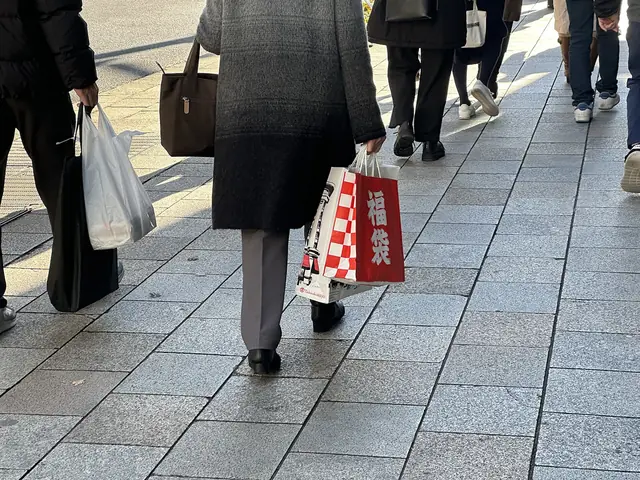
The biggest shopping moment of the year is the New Year sale, hatsuuri. Most department stores close on 1 January and open on the 2nd or 3rd, and fashion brands sell fukubukuro, lucky bags with mixed goods worth more than their price. Popular brands now often take reservations or run lotteries for them online in December, so check the brand's site early. Winter sales run through January, and summer sales usually start in late June or July.
Most shops are open seven days a week, weekends and holidays included. Department stores and malls usually open around 10 or 11 in the morning and close around 8 or 9 in the evening, while convenience stores and some Don Quijote branches never close. Price tags in Japan include consumption tax. Visitors can get that tax back on purchases of 5,000 yen or more per shop per day, and from 1 November 2026 this works as a refund at departure rather than a discount at the till. Our tax-free guide explains the steps.
- Carry your passport when you plan to shop. You need it for tax-free purchases.
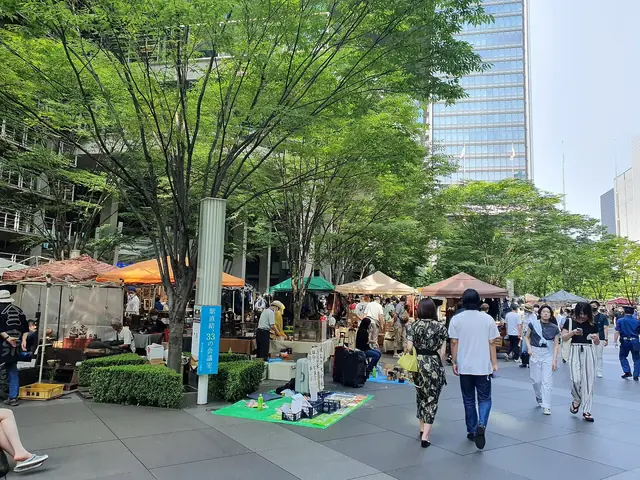
- Flea and antique markets on weekends are good for one-off finds such as old kimono, ceramics and prints. Bring cash.
- Pop-up shops for anime and brands come and go every few weeks. Our pop-ups page lists the current ones.