Reading the rules: signs, concerts, museums
Look for a small sign before you raise the camera. 撮影禁止 means no photos or video at all. 撮影OK or 撮影可 means you may shoot, often with conditions printed underneath: フラッシュ禁止 (no flash), 動画撮影禁止 (no video), 三脚禁止 (no tripods), 自撮り棒禁止 (no selfie sticks). Some pop-ups and exhibitions add SNS投稿OK, which means posting online is fine. If there is no sign and you are indoors, ask a staff member with a simple gesture at the camera; the answer is quick and friendly either way.
At concerts, theatre and kabuki the default is no photos and no video, and staff do watch for raised phones. A growing number of artists allow phone photos during set songs or a short window called 撮可 time, often near the end of the show. It is announced on stage, on screens or on the official page, so only shoot when you are clearly told you may, keep the phone low and never use flash. Museums are more relaxed than they used to be: many exhibitions now mark certain rooms or works as 撮影可, while loaned works nearby are often off limits.
- 撮影禁止 also covers phones and video. Staff may ask you to delete what you took.
- When a concert allows photos, check whether video is also allowed. Often it is photos only.
- Flash is almost never welcome indoors, even where photos are allowed.
People in the frame: privacy and portrait rights
Japan has a strong sense of 肖像権 (shōzōken), the right to your own image. It is not written as a single law, but courts have long recognised it, and in daily life people simply expect to be asked. Wide shots of a parade, a crowd at a stall street or dancers in a bon odori circle are normal. A close-up of one person's face is different: ask first with 写真を撮ってもいいですか (shashin o totte mo ii desu ka), and accept a no without fuss.
Be extra careful with children. Do not photograph other people's kids, and if they end up in your shot, crop or blur them before posting. The same goes for staff, stall holders and people at shrines who are clearly there to pray. Performers in a festival parade are fair game from the roadside, but stepping into their path or following one person with a lens is not.
Phones sold in Japan make a shutter sound that cannot be turned off. This is a long-standing voluntary rule among Japanese phone makers and carriers, meant to stop hidden photos. It also means people notice when you shoot, so be open about it. Do not use silent camera apps to photograph strangers.
- Ask before close-ups, show the photo if someone seems unsure, and delete it if asked.
- Blur faces of strangers and children before posting group shots online.
- On trains and in stations, avoid photographing passengers at all.
Cosplay events: registration and shooting areas
Big cosplay events in Tokyo are well organised and have written rules for photographers as well as cosplayers. The Ikebukuro Halloween Cosplay Festival is a good example. Cosplayers buy a cosplay registration ticket in advance, change only in the official changing rooms, and may not arrive or leave in costume. Photographers also buy a camera registration ticket, even if they only use a phone. Photos and video are allowed only in the marked shooting areas, both sides must agree to every shot, and excessive low angles, shooting people who walk or dance past, and catching bystanders in the frame are all banned. Tripods are allowed only in the areas set aside for stands.
Other cosplay events and conventions publish similar rules, and they can change from year to year, so read the rule page before you go. Out on the street, a person in costume is not an invitation: ask, wait your turn if there is a small queue, and thank them when you are done.
- Ask before every shot, even inside the official shooting areas.
- Do not post cosplayers with their real names or tag them without asking.
- Keep your bag and gear out of the walkway while you shoot.
Tripods, selfie sticks and drones
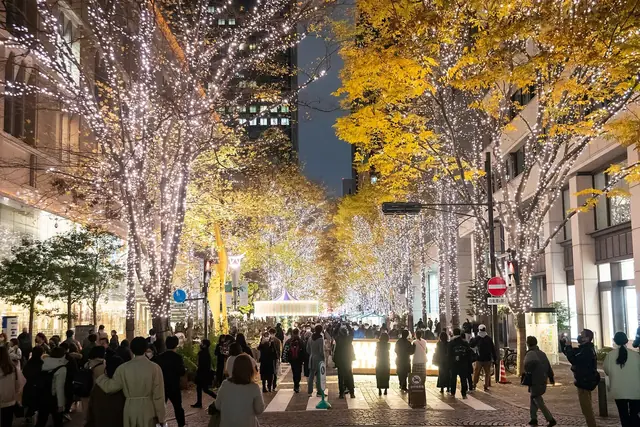
In crowds, tripods and long selfie sticks are the first things staff ask you to put away. Many fireworks festivals and illumination streets ask visitors not to set up tripods or stepladders in crowded viewing areas, and theme parks restrict them too. Gardens have their own rules: Shinjuku Gyoen, for example, bans drones and alcohol outright, and in peak seasons such as sakura it bans tripods, reflectors and similar gear used to shoot portraits on its paths. Check the venue page, and if you bring a small travel tripod, be ready to fold it.
Drones are the clear no. Under Japan's aviation law any drone of 100 g or more counts as an unmanned aircraft and must be registered, most of central Tokyo is a densely inhabited district where flying needs national permission or a licence, and flying over events and crowds needs individual permission. Tokyo's metropolitan parks ban drones of any weight, and most ward parks have similar rules. For a visitor the practical answer is simple: leave the drone at home.
- A small clamp or a beanbag on a railing often works where tripods are not allowed.
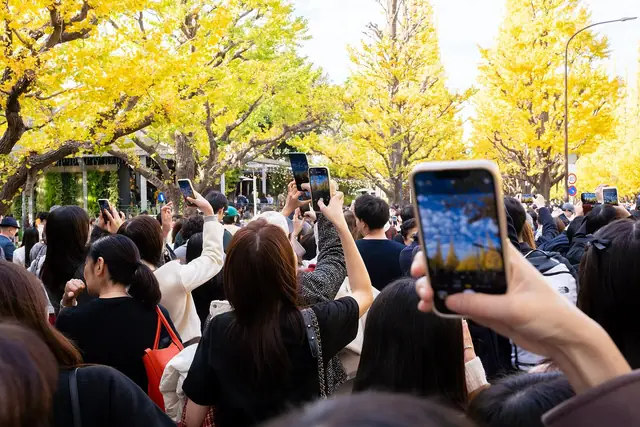
- Hold the phone at chest height in crowds. Arms raised high block everyone behind you.
- Never take a selfie stick onto a crowded station platform or a packed festival path.
Fireworks, illuminations, blossoms and shrines
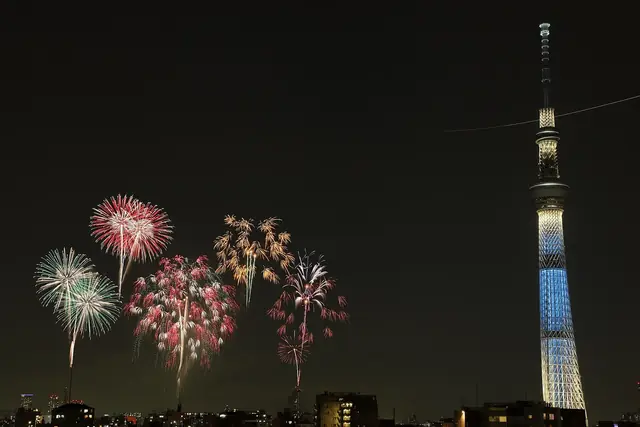
Fireworks reward planning. Pick a spot with a clear view of the sky before dark, frame the scene with a building, bridge or the river, and use a few seconds of exposure with the camera resting on something steady; on a phone, night mode or a video clip often looks better than single photos. Arrive early, because good spots fill hours before the start, and respect the blue sheets other people laid out. Do not stand in front of seated viewers to get your shot.
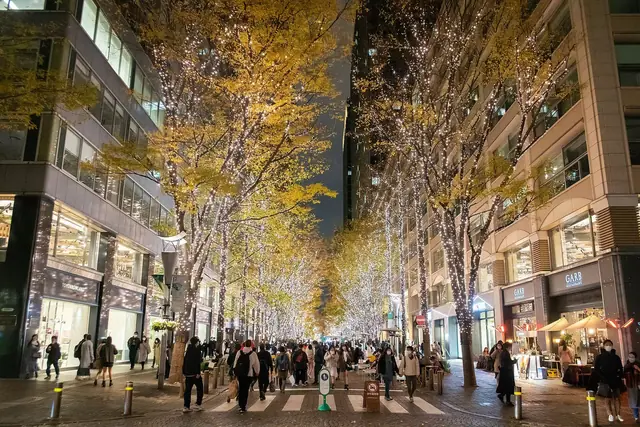
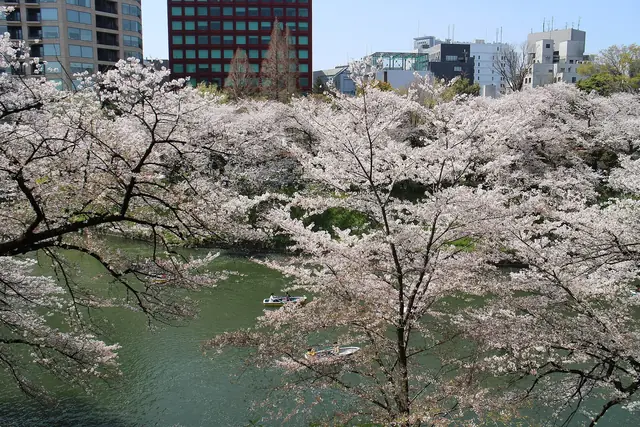
Illuminations look best just after dusk, when the sky still has some blue, and on weekday evenings when the crowds thin. Many illumination streets keep people moving, so stop only where staff allow it. In sakura season, never shake or pull branches to make petals fall, do not climb trees and stay outside roped areas: the trees are old and the rule is taken seriously. At shrines and temples, photos of the grounds and gates are usually fine, but many ask you not to photograph inside halls, during prayers, ceremonies or weddings. Watch for signs and keep a respectful distance from people praying.
- For fireworks on a camera: low ISO, a few seconds of exposure, manual focus at infinity.
- Charge a spare battery for night shoots. Cold winter nights drain batteries fast.
- Lower your voice and the camera when a ceremony starts at a shrine.