Special exhibitions and permanent collections
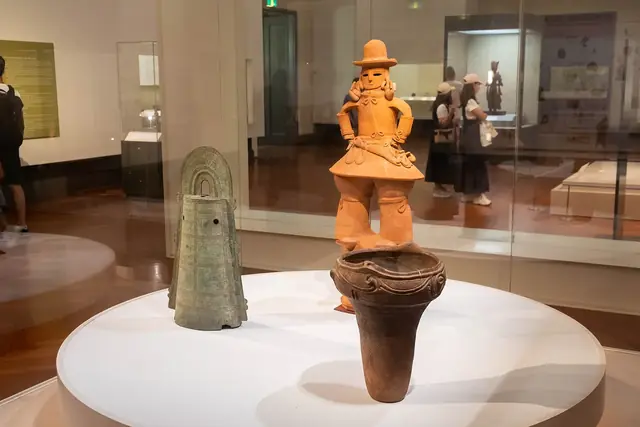
Japanese museums run two kinds of shows. The special exhibition (tokubetsu-ten or kikaku-ten) is the one on the posters in every station: borrowed works, a separate and higher ticket, and a fixed run of a couple of months. The permanent collection (josetsu-ten, also called the collection exhibition) is the museum's own holdings, cheaper or sometimes included with a special exhibition ticket, and usually far quieter.
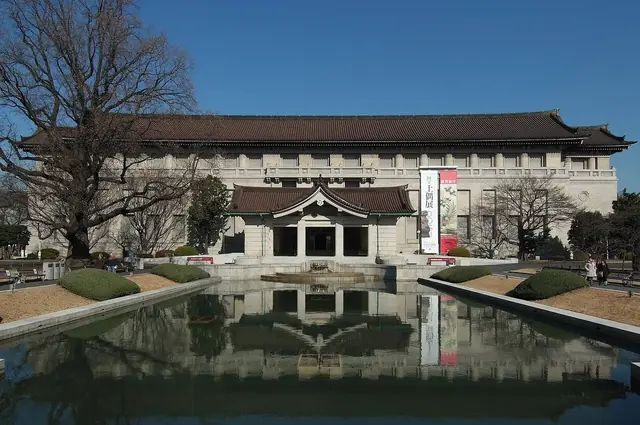
Some of the busiest venues, such as the National Art Center and the Ueno Royal Museum, have no collection on show at all and only host exhibitions. Others, like the Tokyo National Museum, have collections so large that the permanent galleries alone are worth half a day. When a blockbuster is packed, the collection upstairs is often the calmest room in the building.
Where to go: the main museum areas
Ueno Park is the biggest cluster, a short walk from the Park exit of JR Ueno Station. The Tokyo National Museum holds the largest collection of Japanese art, from swords and kimono to national treasures. The National Museum of Western Art, in a building by Le Corbusier that is a UNESCO World Heritage site, has Rodin sculptures out front and a strong Western collection. The Tokyo Metropolitan Art Museum and the Ueno Royal Museum host big touring shows, and the National Museum of Nature and Science is next door for dinosaurs and space.
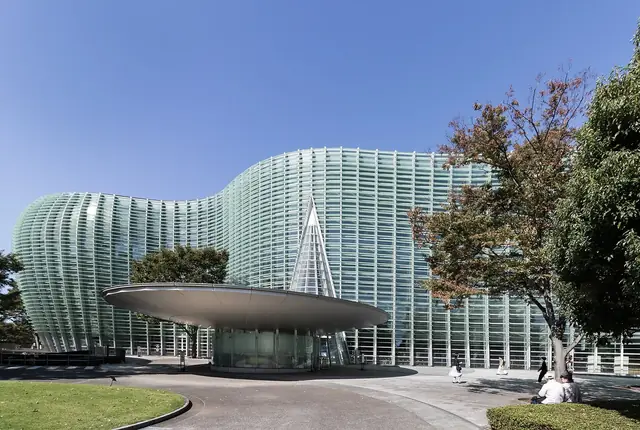
Roppongi has three within walking distance. The Mori Art Museum, high up in the Roppongi Hills tower, shows contemporary art and stays open late most nights. The National Art Center, in a wavy glass building, is one of the largest exhibition spaces in Japan. The Suntory Museum of Art in Tokyo Midtown focuses on Japanese art and crafts.
Around Marunouchi and Kyobashi you have the Mitsubishi Ichigokan Museum in a rebuilt red-brick office building, the Tokyo Station Gallery inside the station itself, the Artizon Museum, and the National Museum of Modern Art near the Imperial Palace. Out east, the Museum of Contemporary Art Tokyo (MOT) sits in Kiyosumi-Shirakawa, an area known for coffee roasters. For digital art, teamLab runs large venues in Toyosu and Azabudai, and the Ghibli Museum is in Mitaka.
Tickets, crowds and timing
For popular exhibitions, book online. Many big shows now sell timed-entry tickets (look for nichiji shitei, 日時指定) for a specific slot, and weekend slots can sell out. Some venues, like the Ghibli Museum and teamLab, sell tickets only in advance, and the Ghibli Museum opens each month's tickets on the 10th of the month before. Buying online also saves the queue at the door.
Crowds follow a clear pattern. The last two or three weeks of a run are the busiest, because everyone remembers the show just before it closes. Weekends and public holidays are much busier than weekdays. If you can, go early in the run, on a weekday morning or during a late opening. Some museums stay open into the evening on Fridays, and sometimes Saturdays, and those hours are often the calmest.
- Check the closing day. Most museums close on Mondays, but the National Art Center and Suntory close on Tuesdays.
- Big exhibitions often close between shows for a week or two while the next one is installed.
- The exhibition shop can have its own queue. Popular goods sell out in the final weeks.
Free days, discounts and audio guides
Permanent collections at some museums are free on certain days. In recent years the national museums in Ueno have opened their collections free on International Museum Day (May 18) and Culture Day (November 3), and Tokyo's metropolitan museums have done the same on Tokyo Citizens' Day (October 1). The National Museum of Western Art also opens its collection free on the second Sunday of most months. Special exhibitions are usually not included. Students and seniors often get discounts, and under-18s get into many permanent collections free, so carry ID.
Audio guides are popular in Japan and are often narrated by well-known actors. Most big exhibitions rent them at the entrance for a fee, and many have an English version, though not every show does. Some are now offered as a smartphone app, so bring earphones.
Rules inside: photos, bags and lockers
Photo rules change from show to show. Many special exhibitions ban photography, some allow it in one or two marked rooms, and some permanent collections allow photos without flash. Look for the signs at the entrance: satsuei OK (撮影可) means allowed, satsuei kinshi (撮影禁止) means not. Video and selfie sticks are almost always off limits.
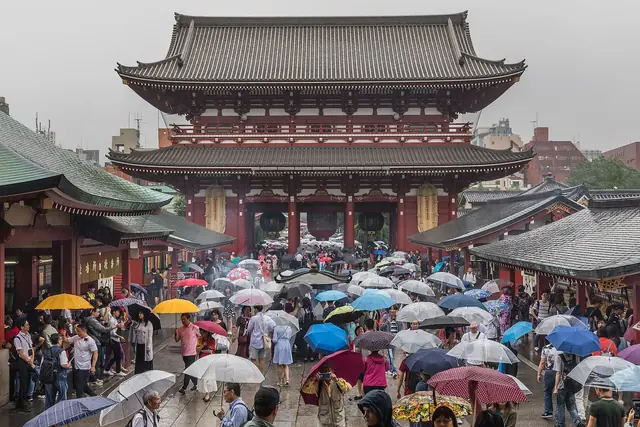
Large bags and backpacks often have to go into lockers, and most museums have coin lockers that return your 100 yen coin when you take your things out. Pens are often not allowed in galleries, so take notes in pencil. Galleries are kept cool, so a light layer helps in summer. A big museum makes a good rainy-day plan, but on rainy weekends everyone has the same idea.
- Keep a 100 yen coin for the locker. You get it back.
- Lock your umbrella in the stand at the entrance. Wet umbrellas are not allowed in galleries.