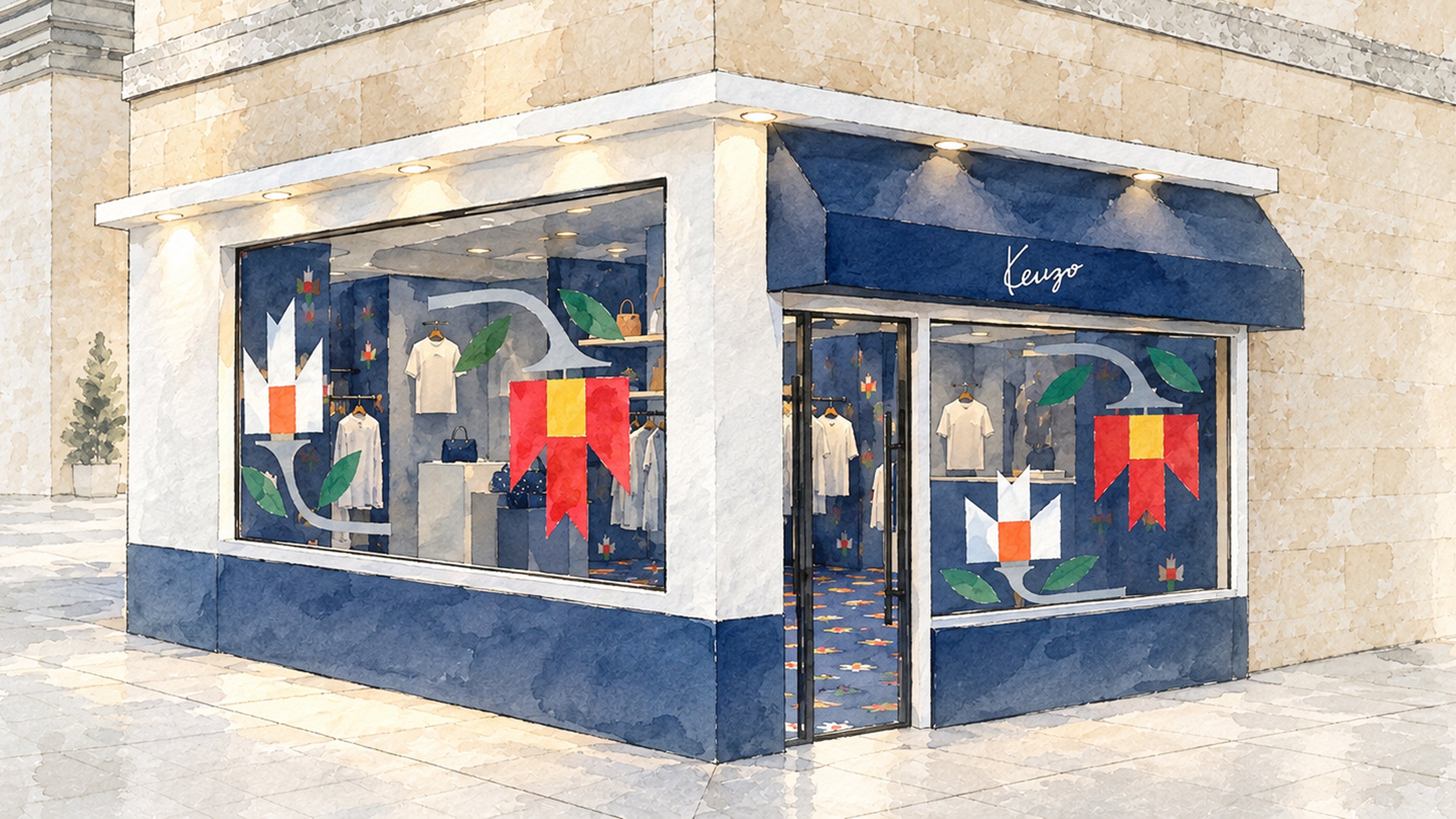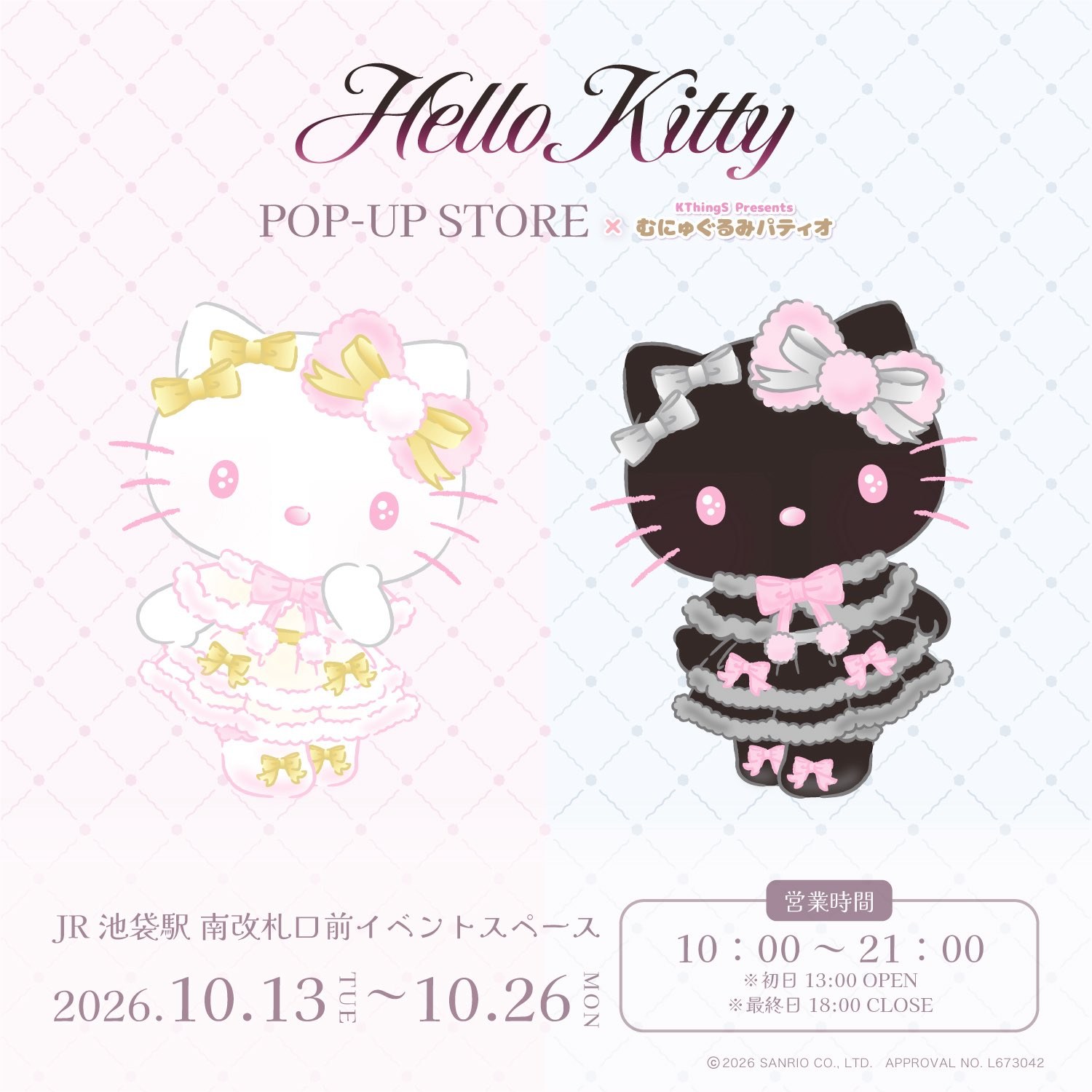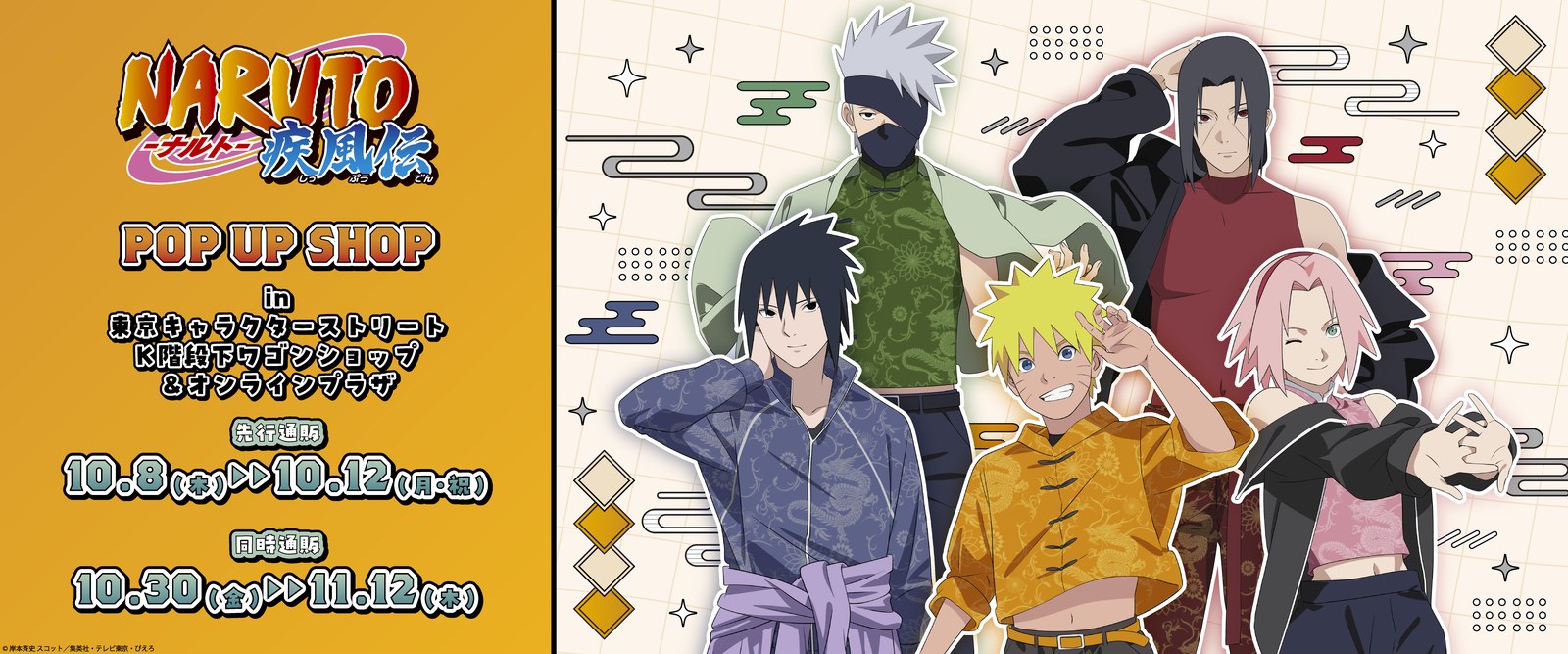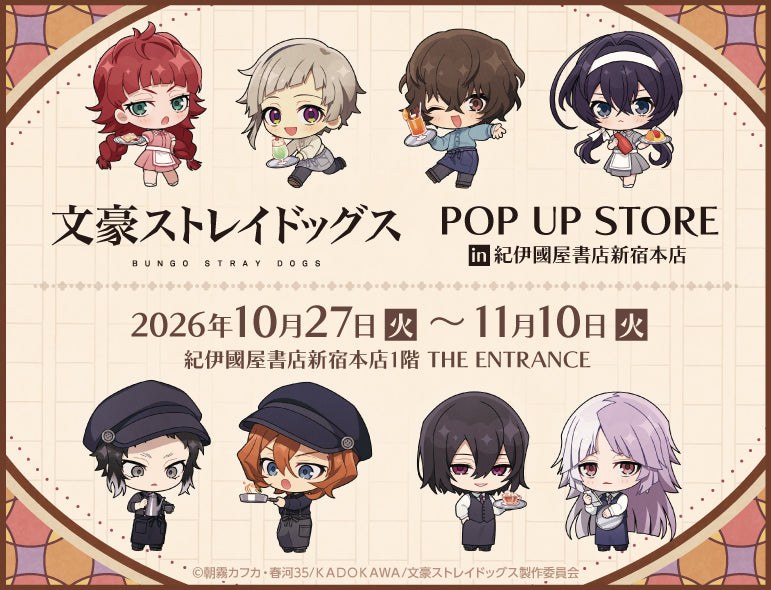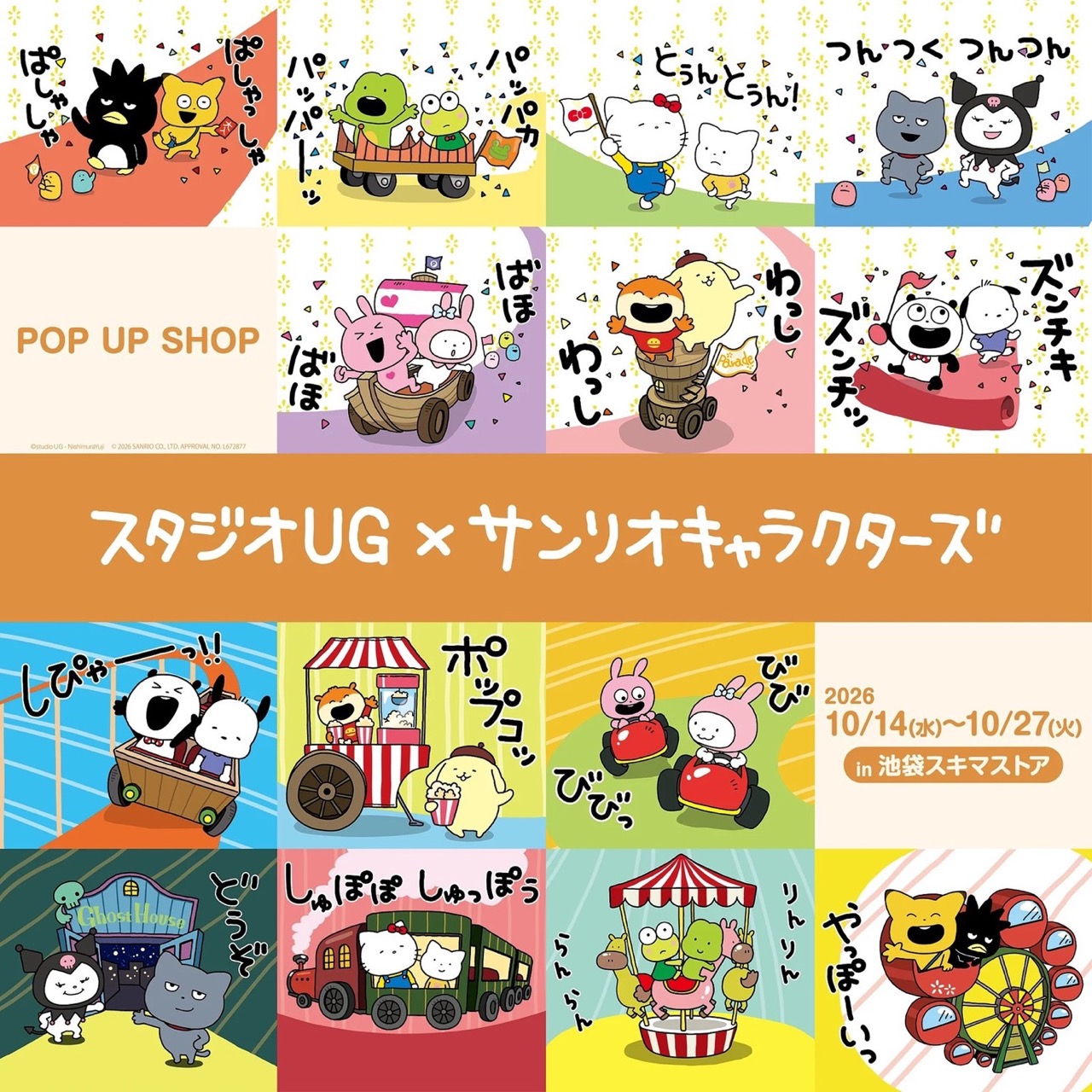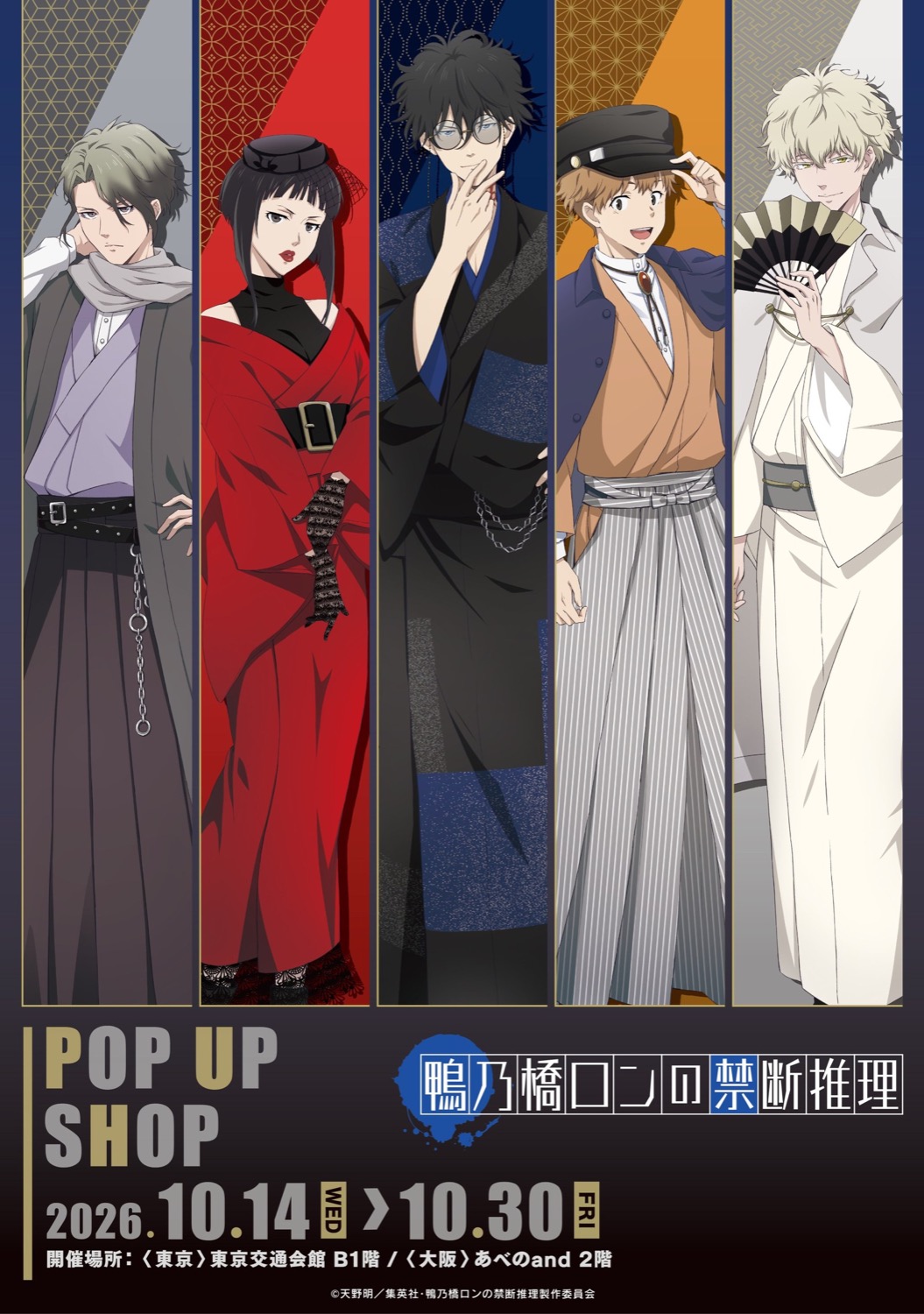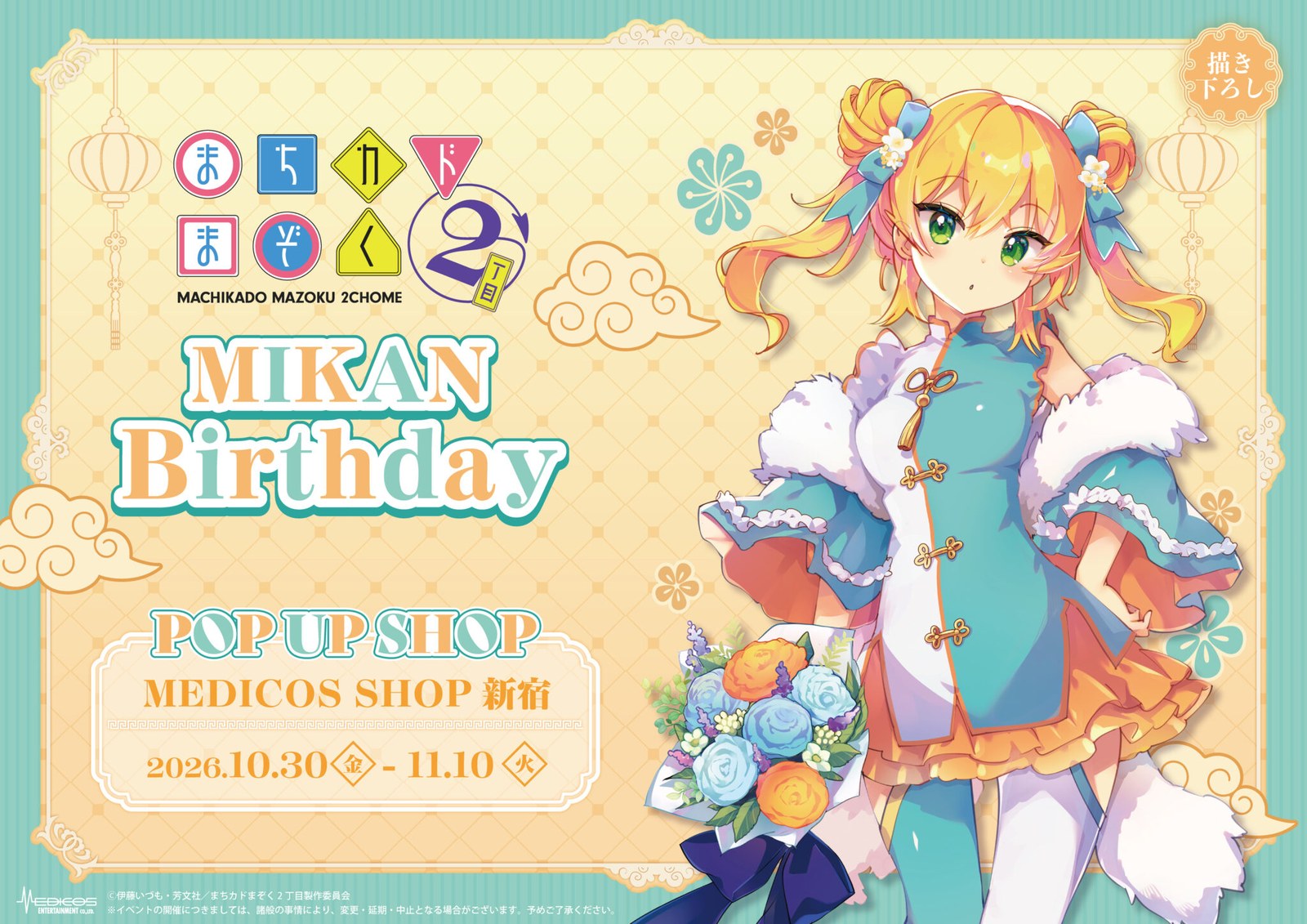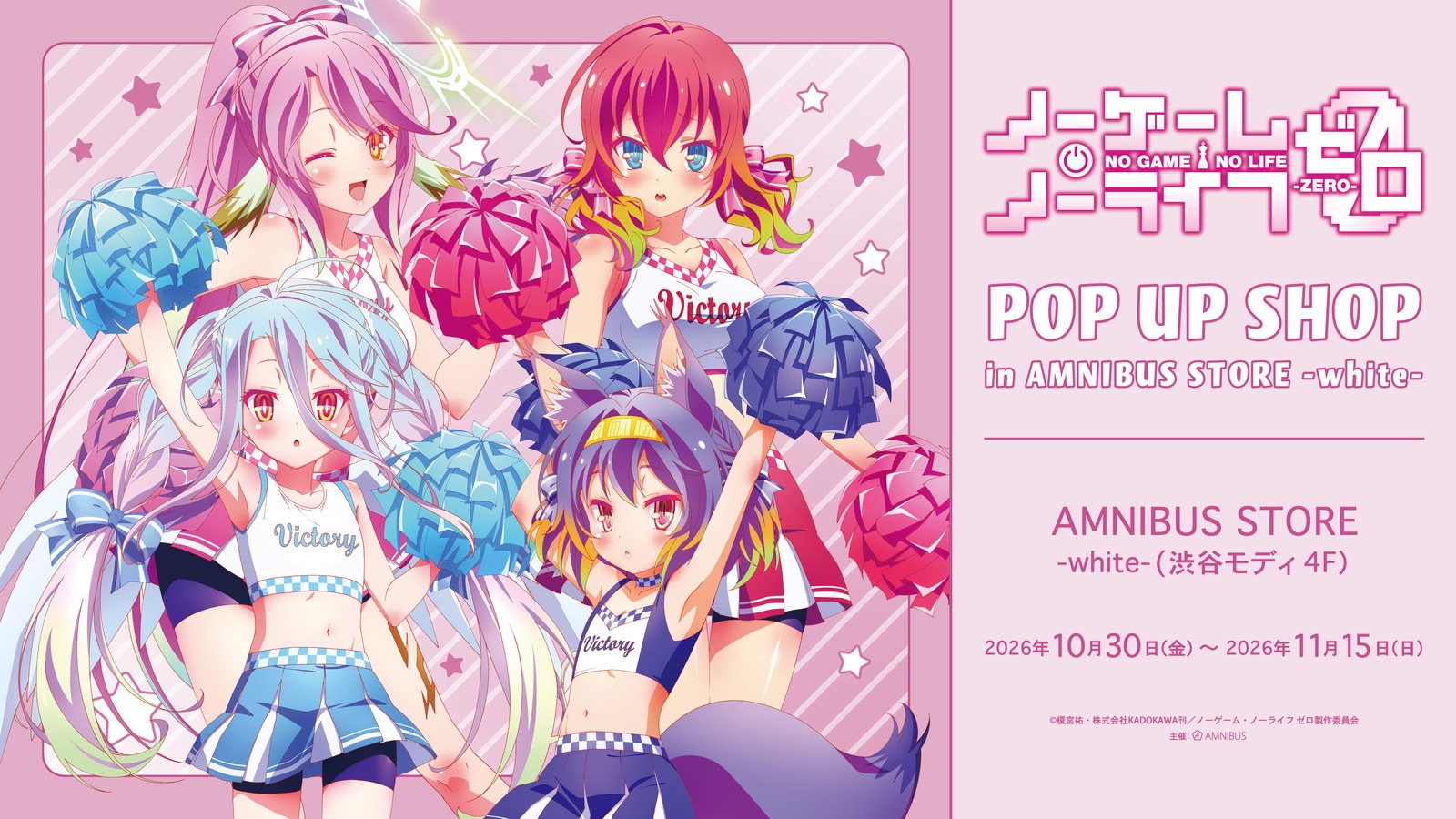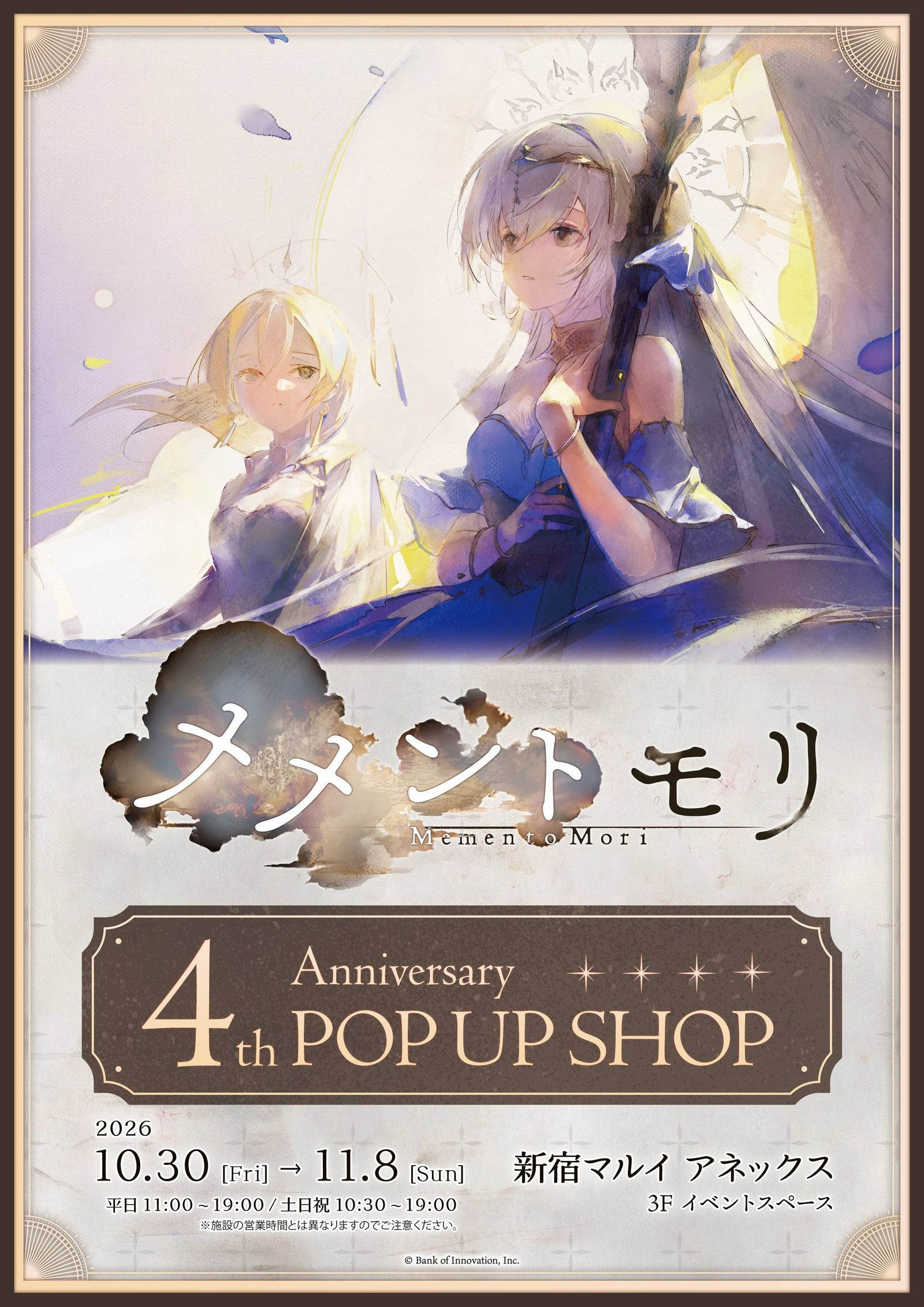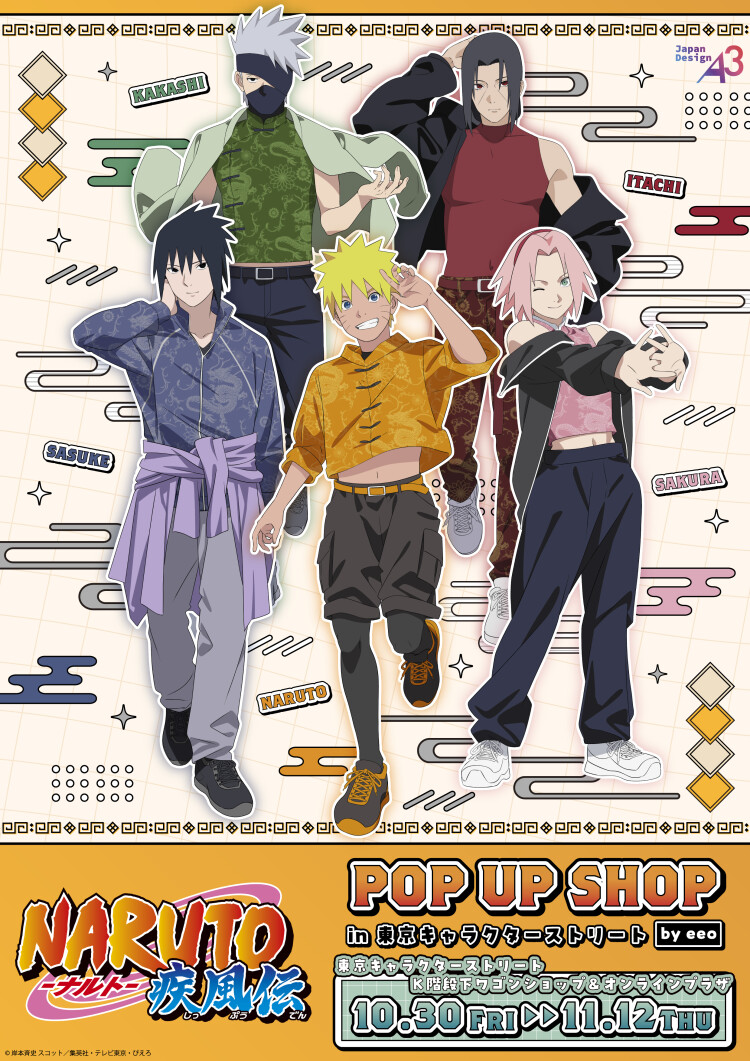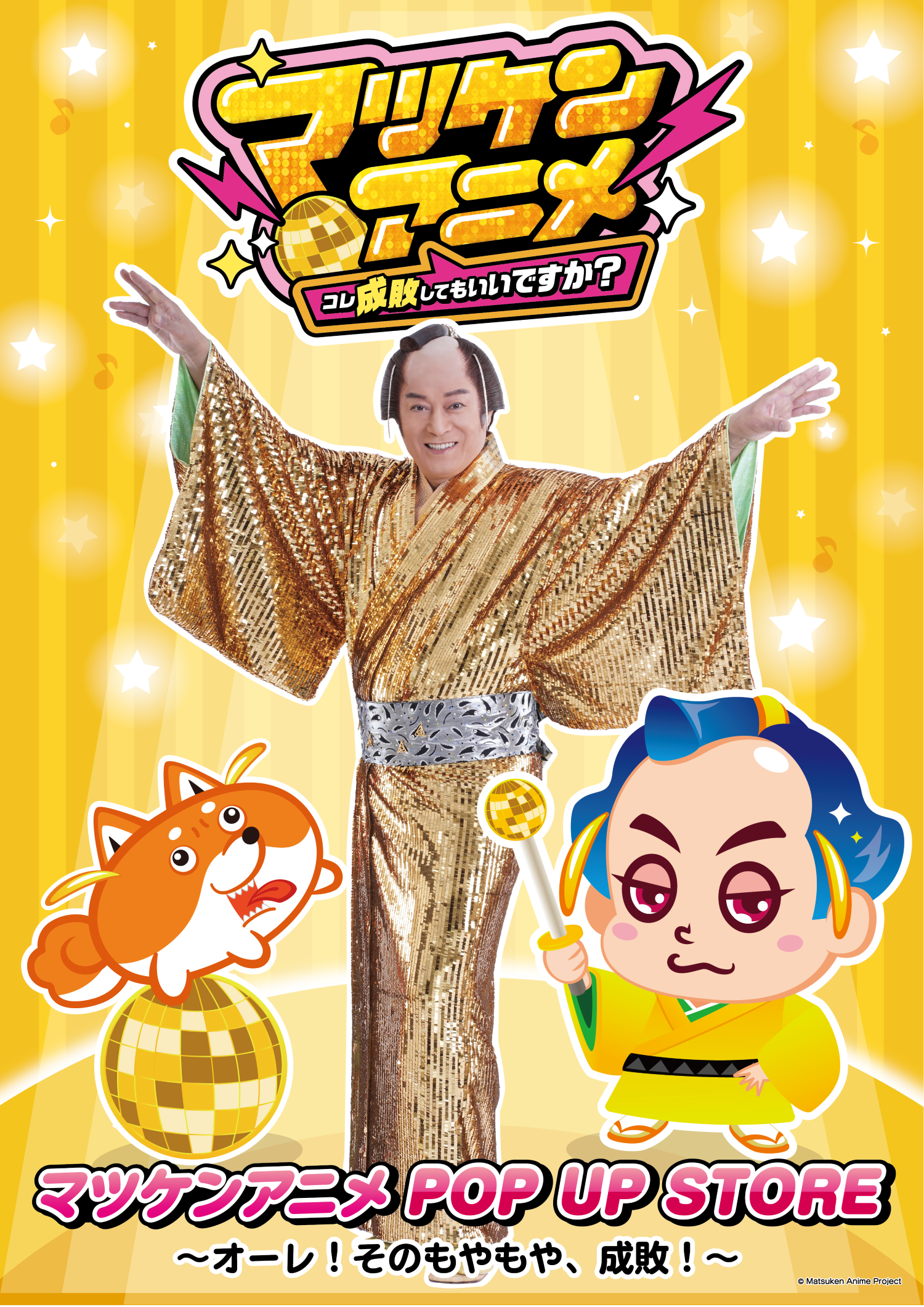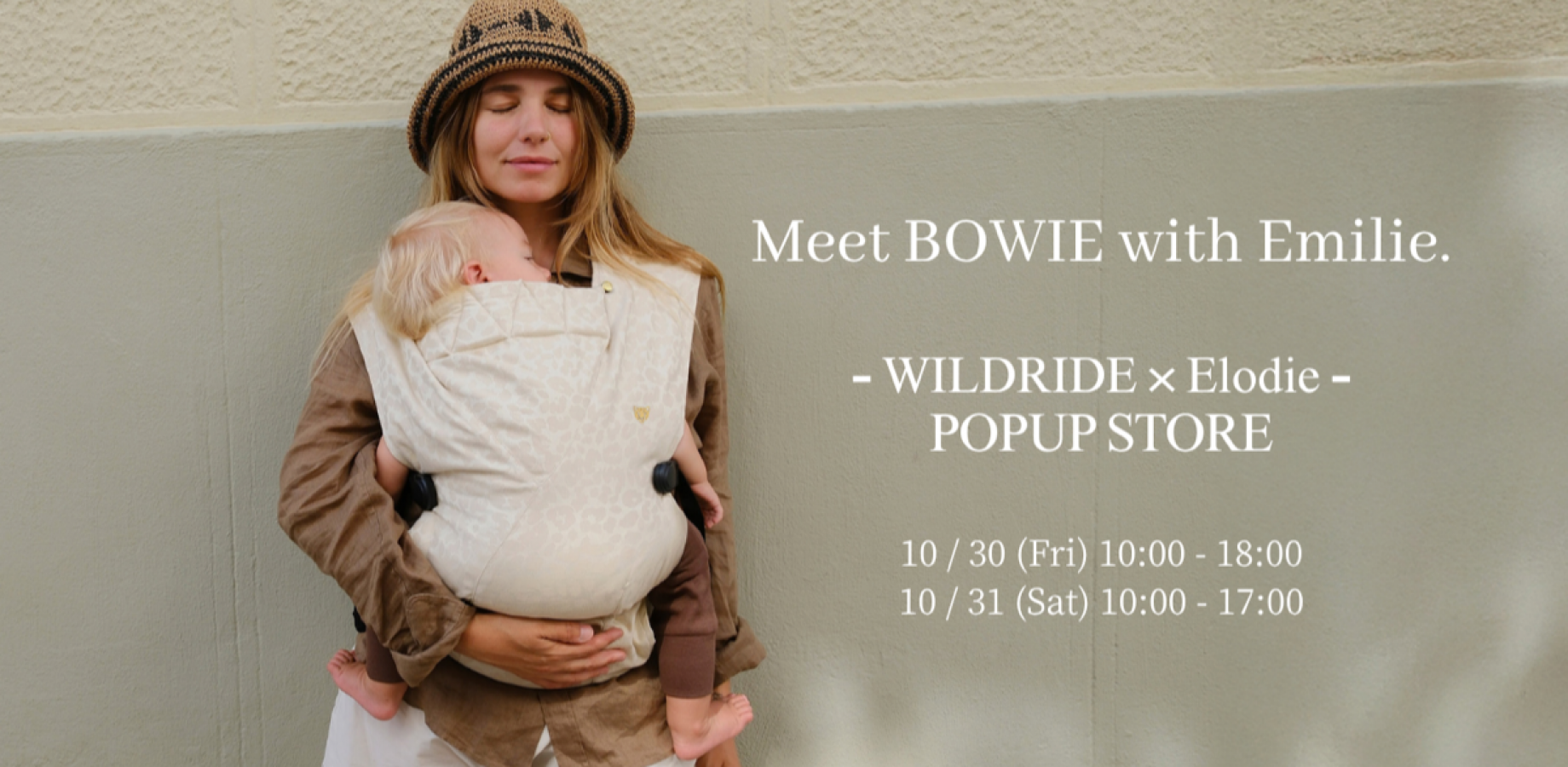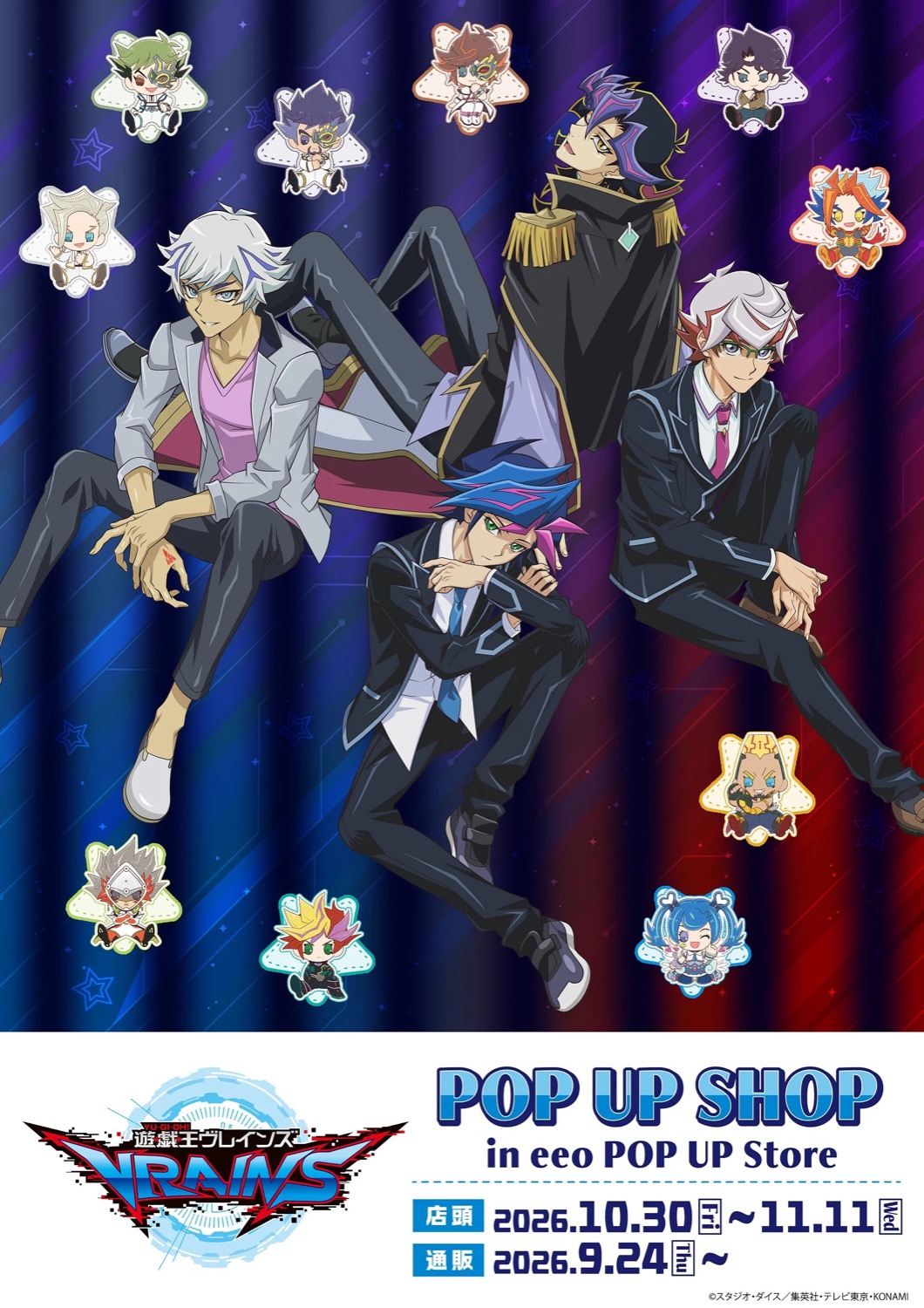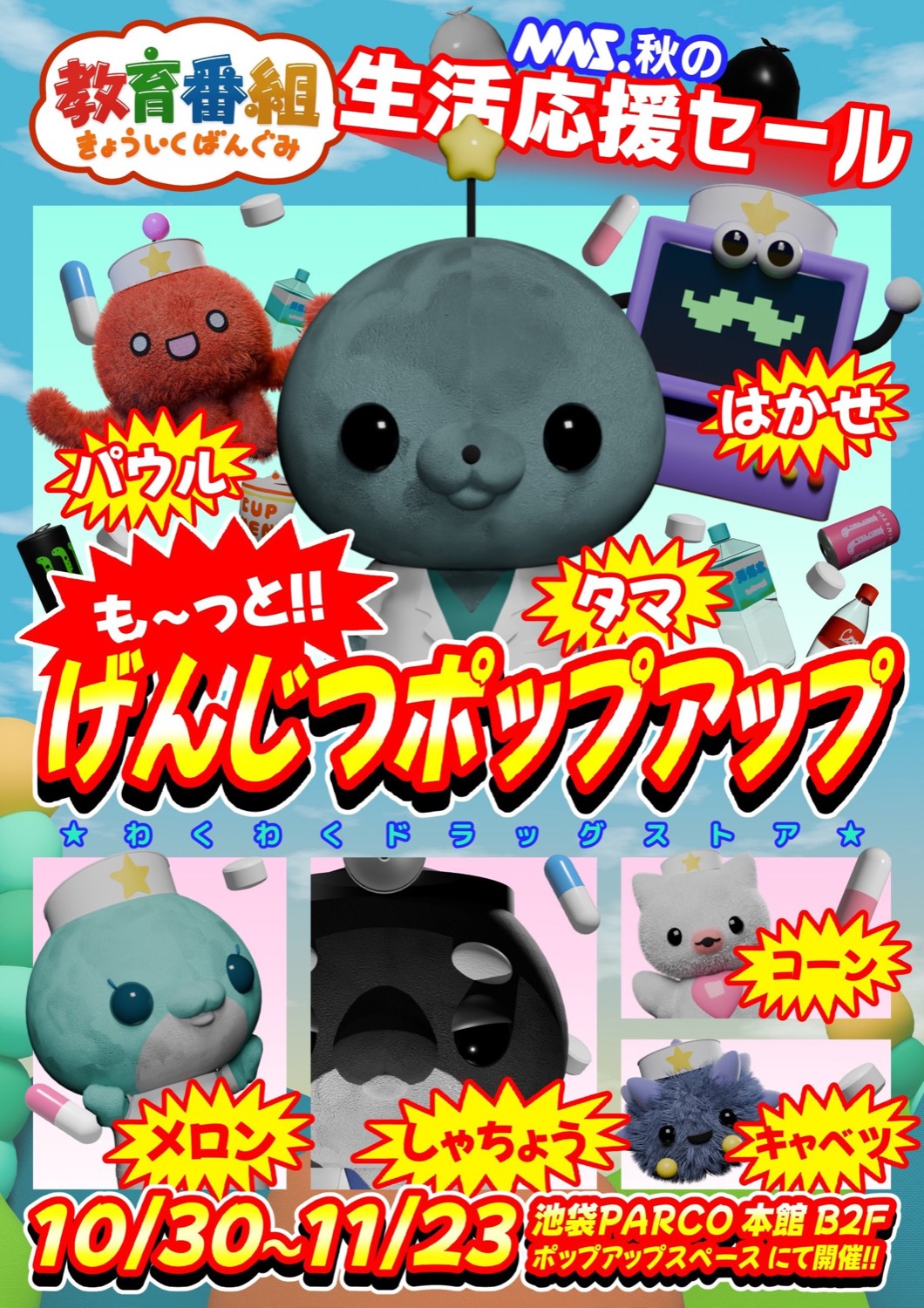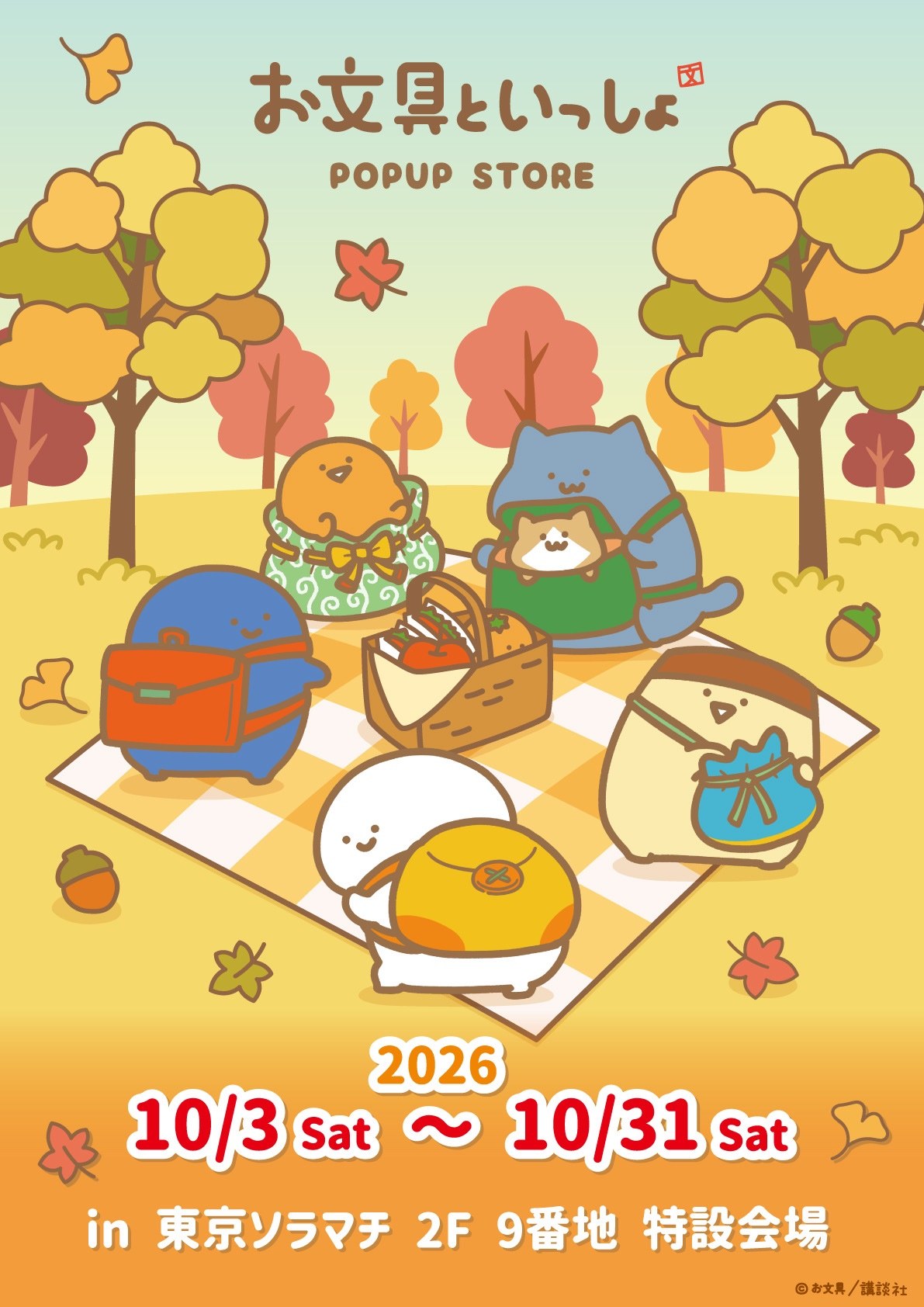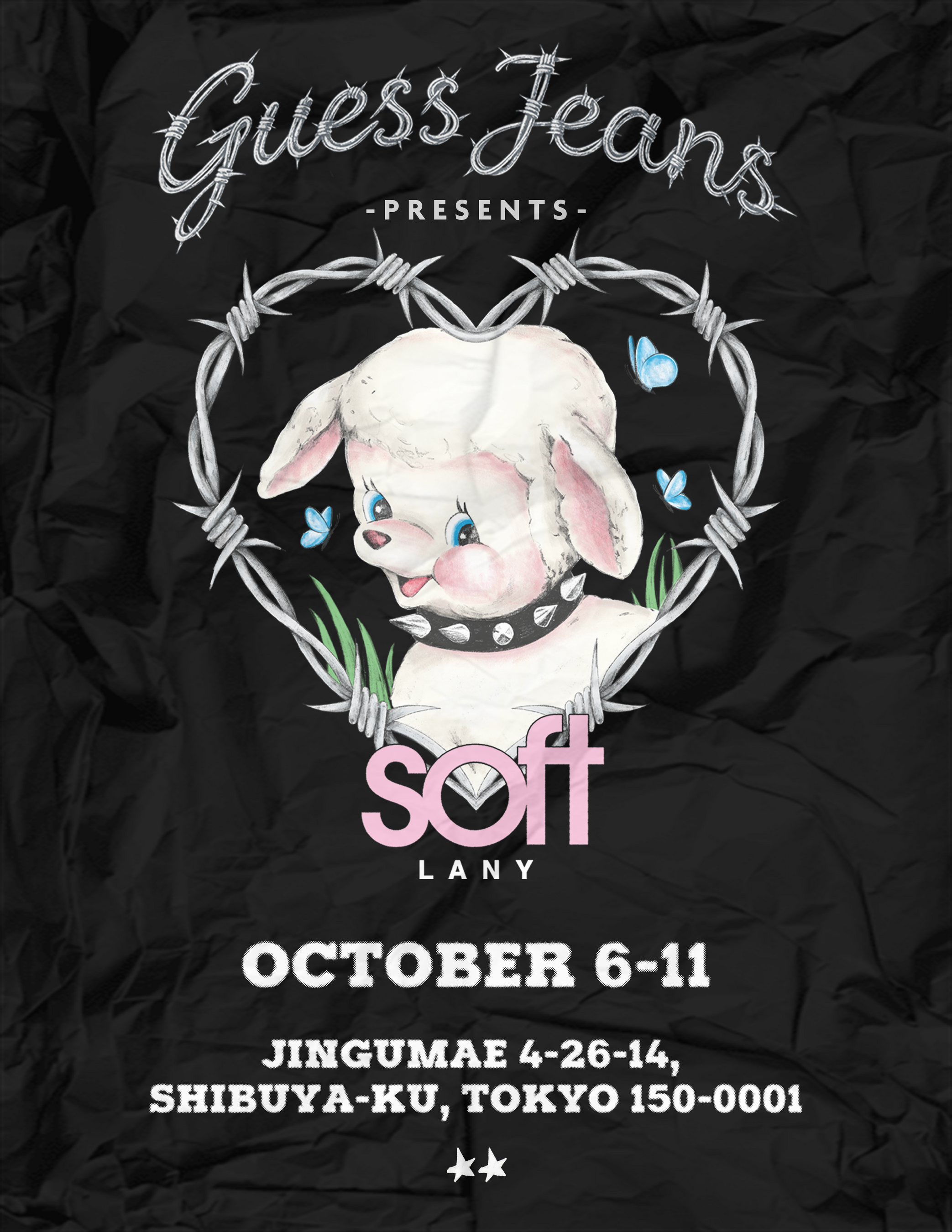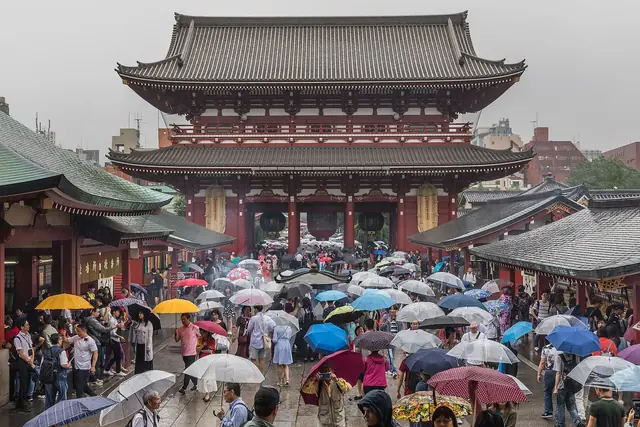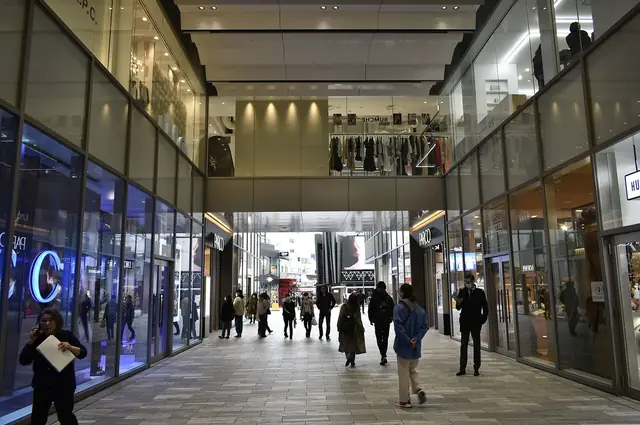
What a Tokyo pop-up is
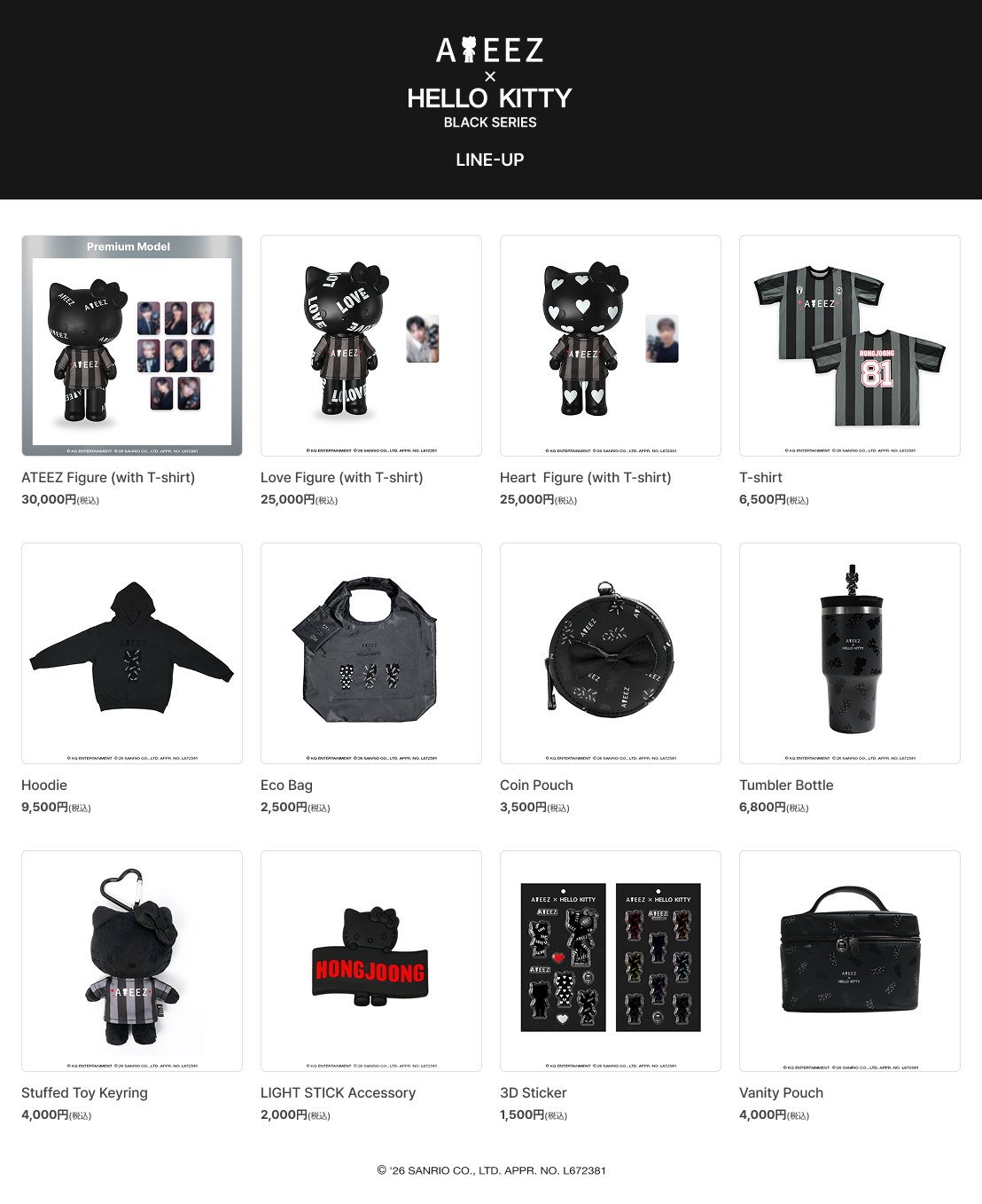
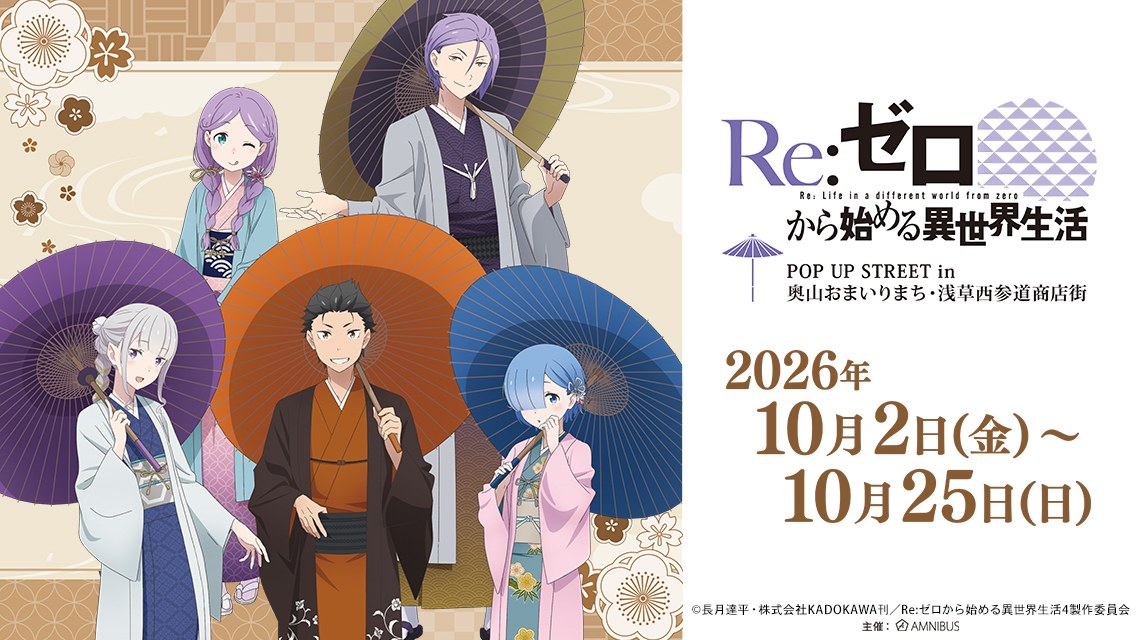
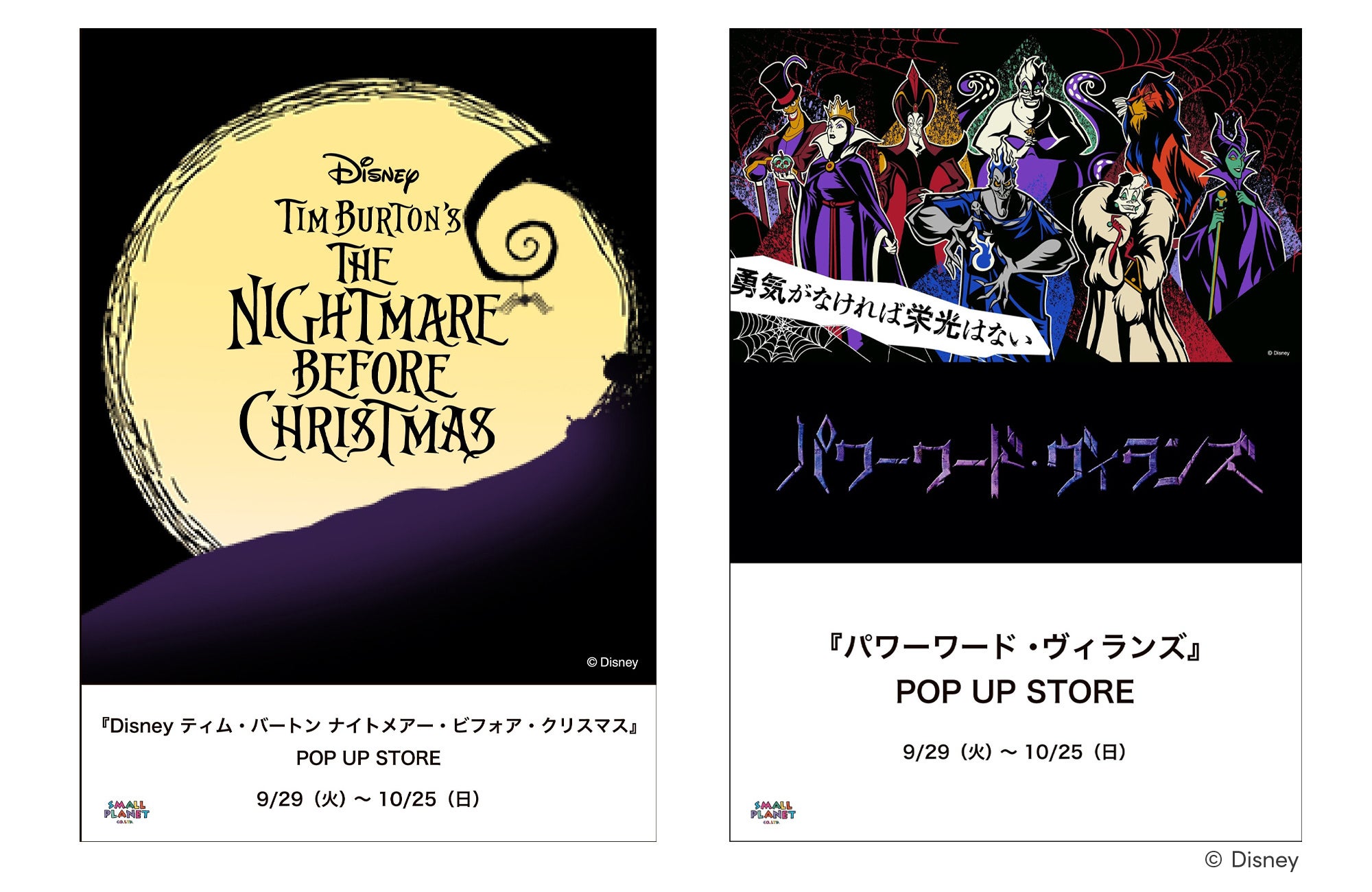
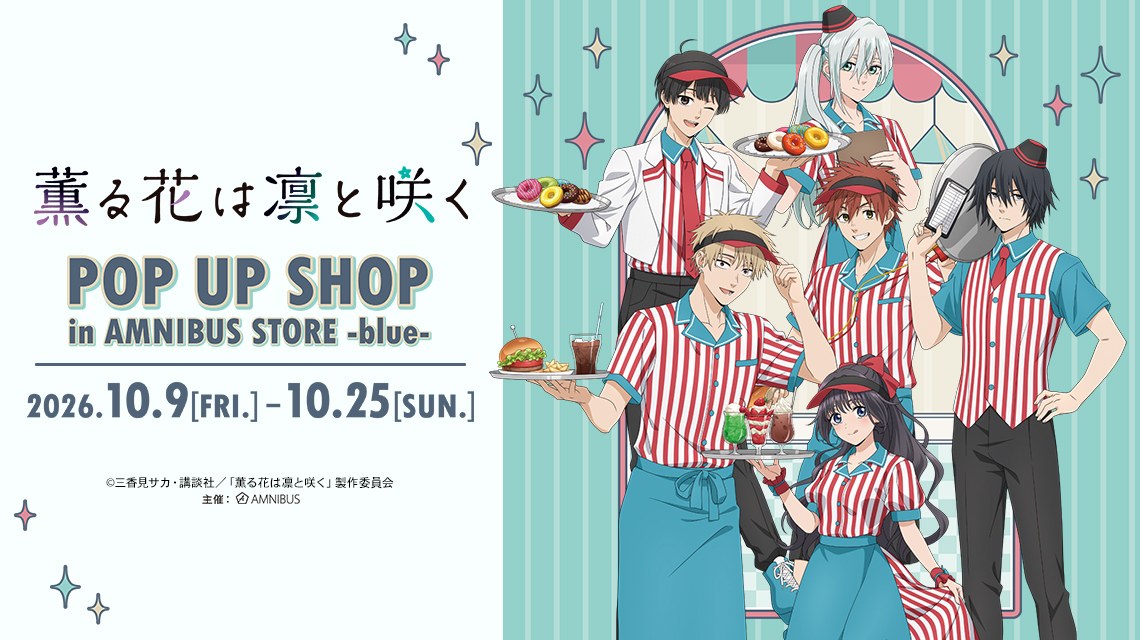
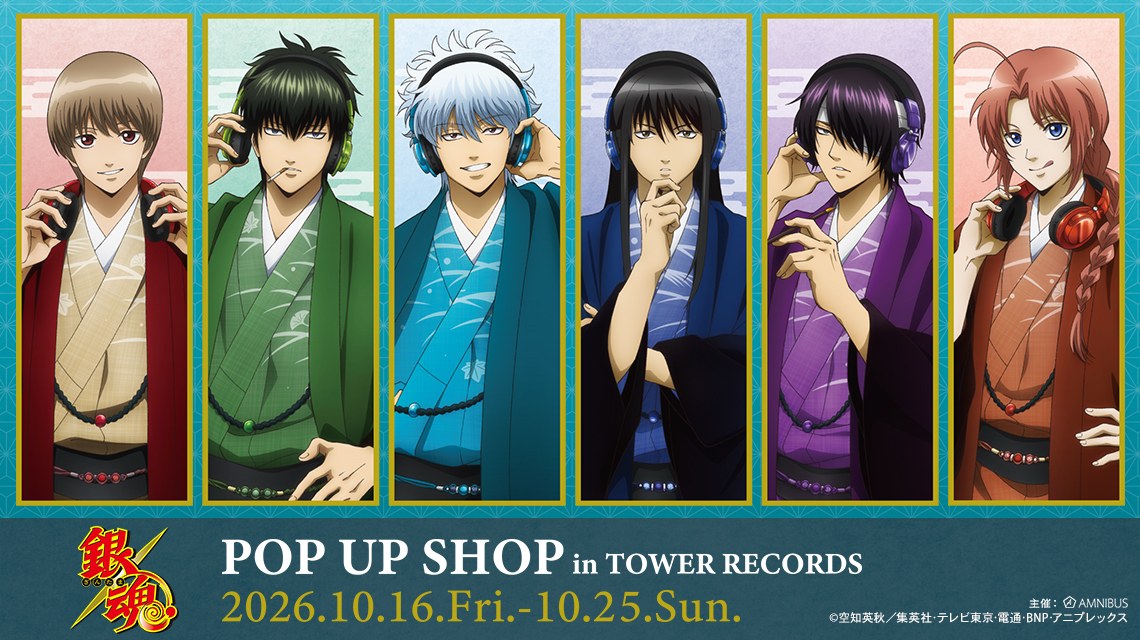
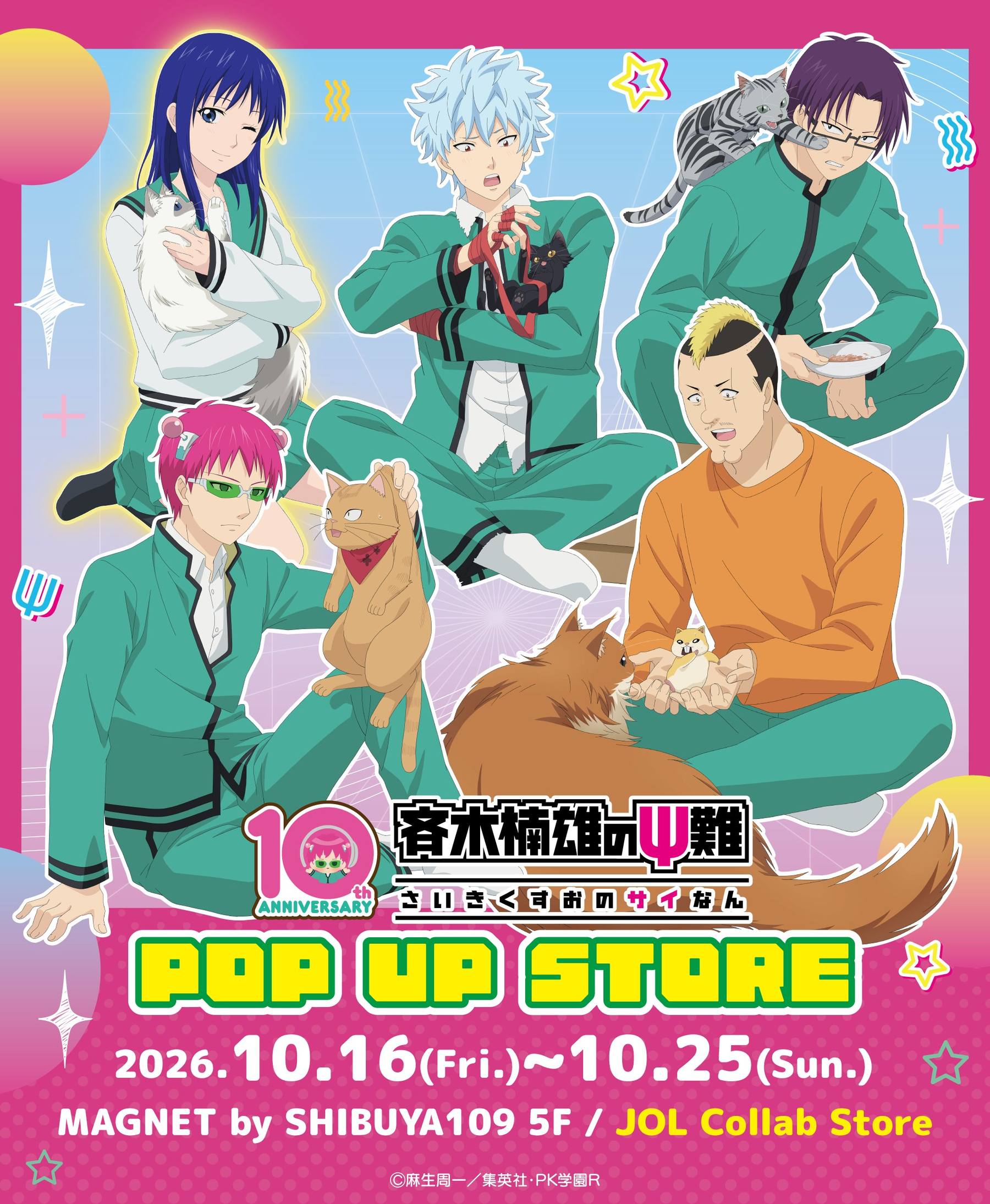
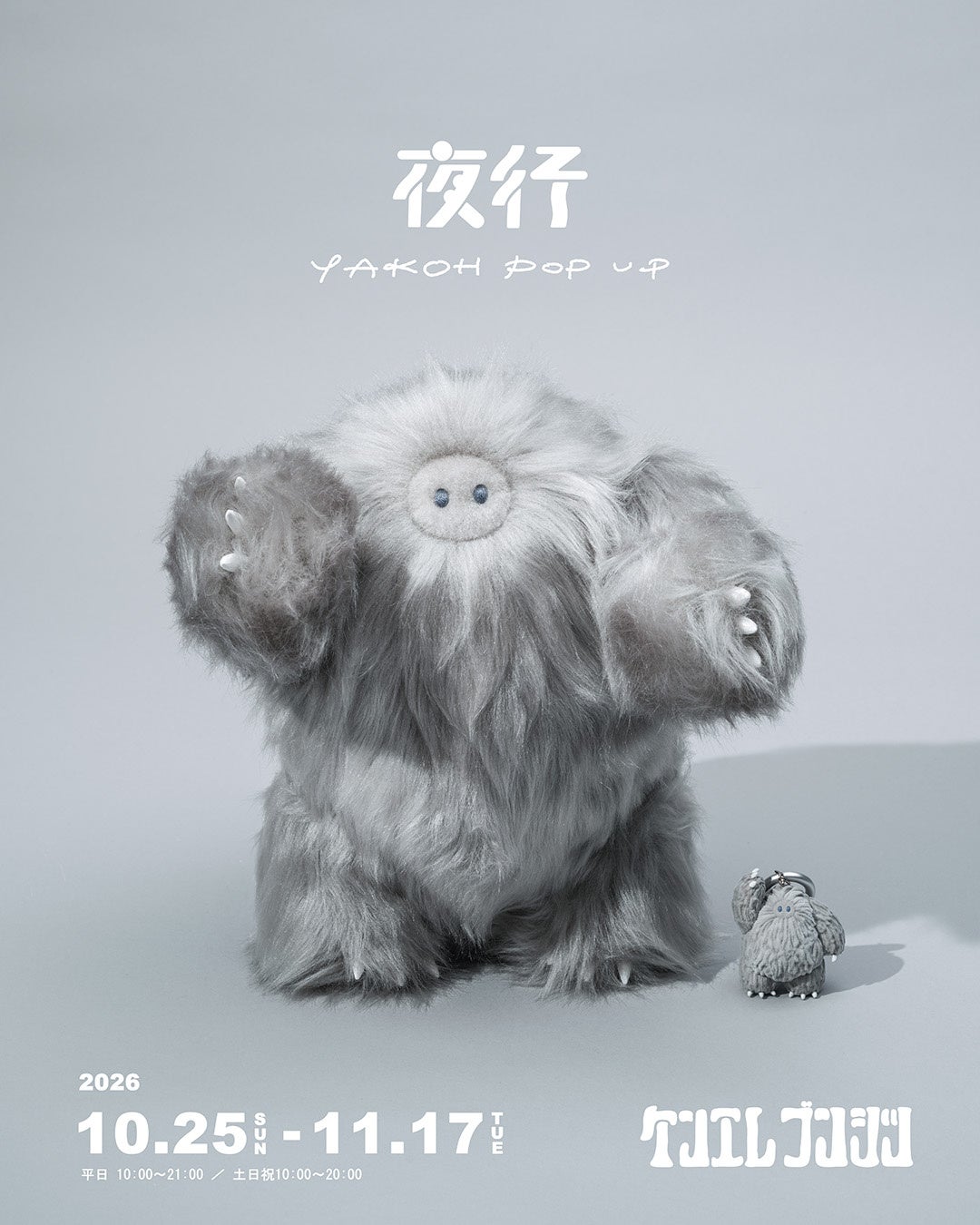
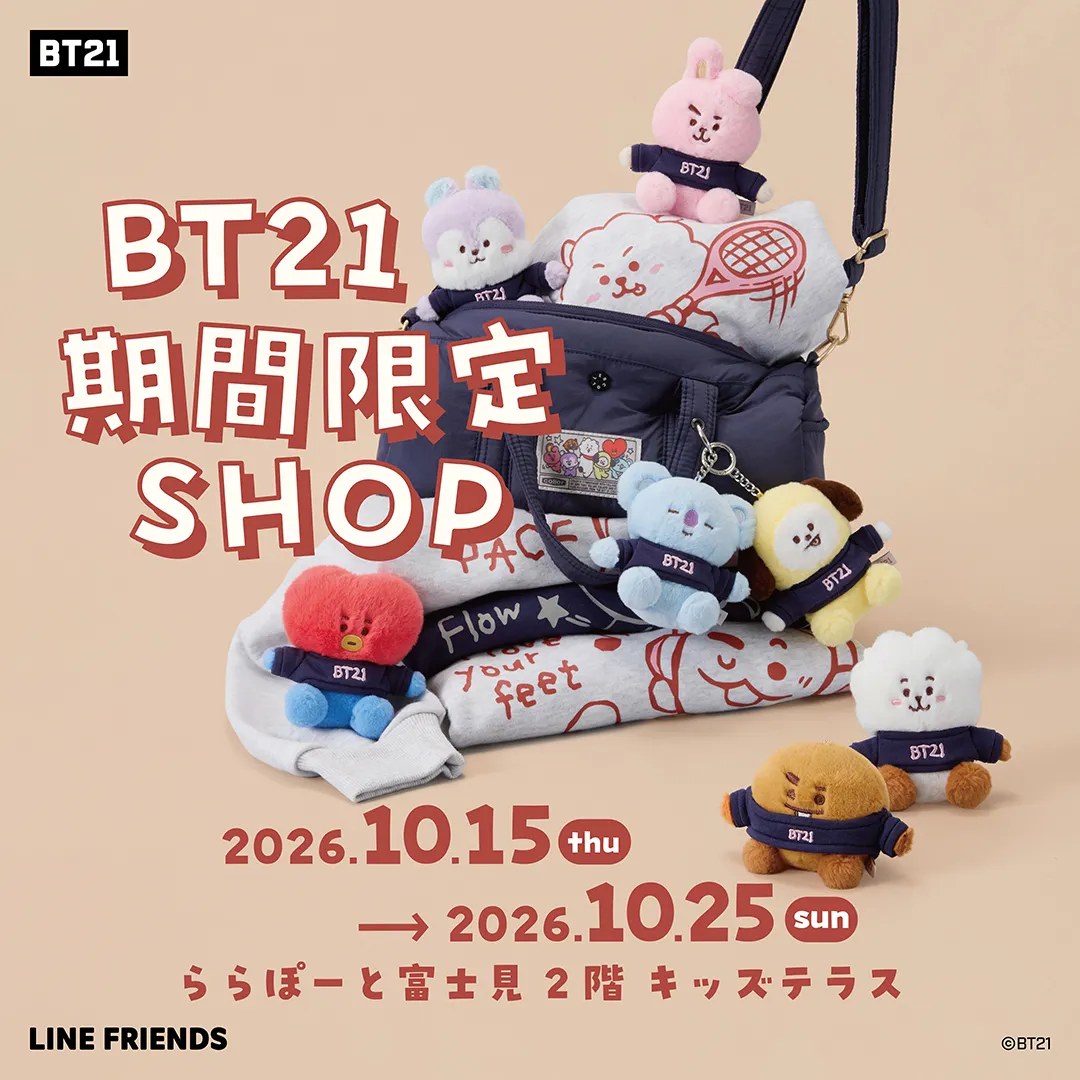
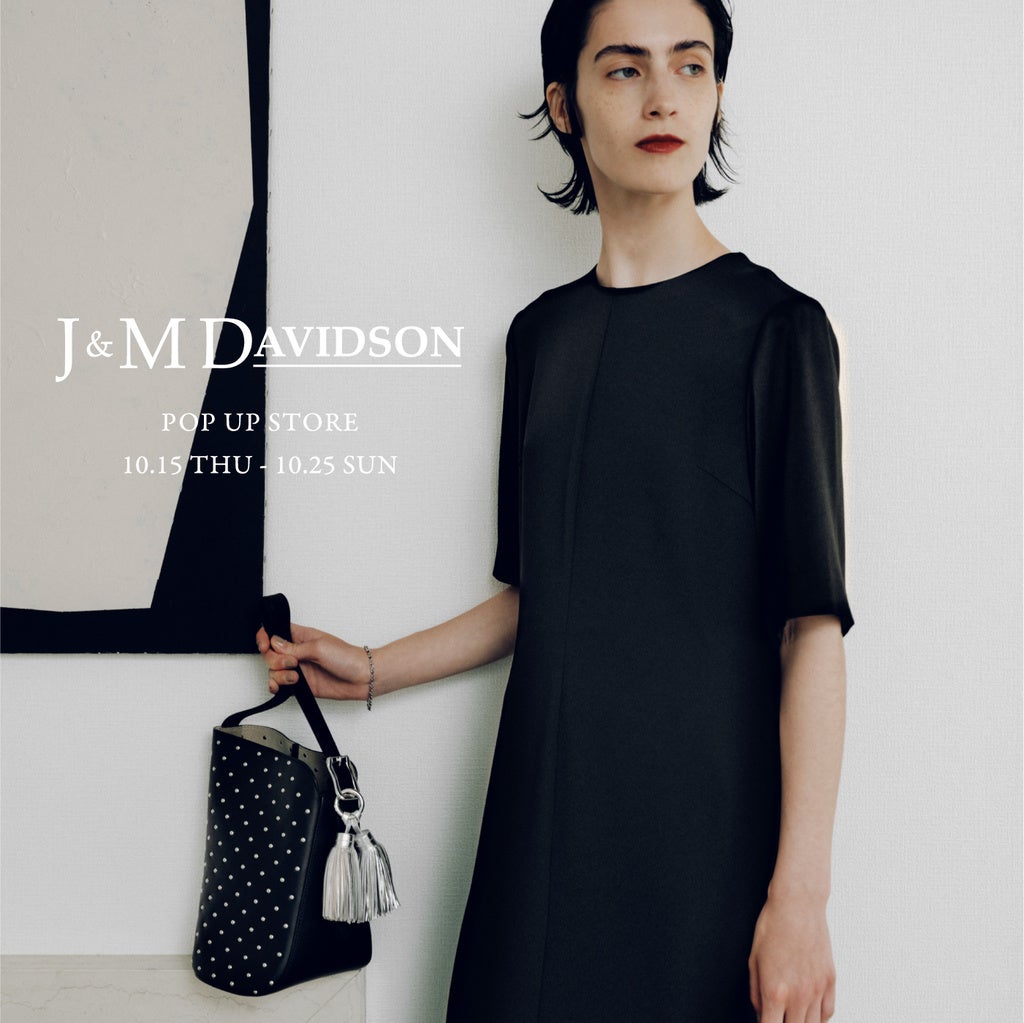
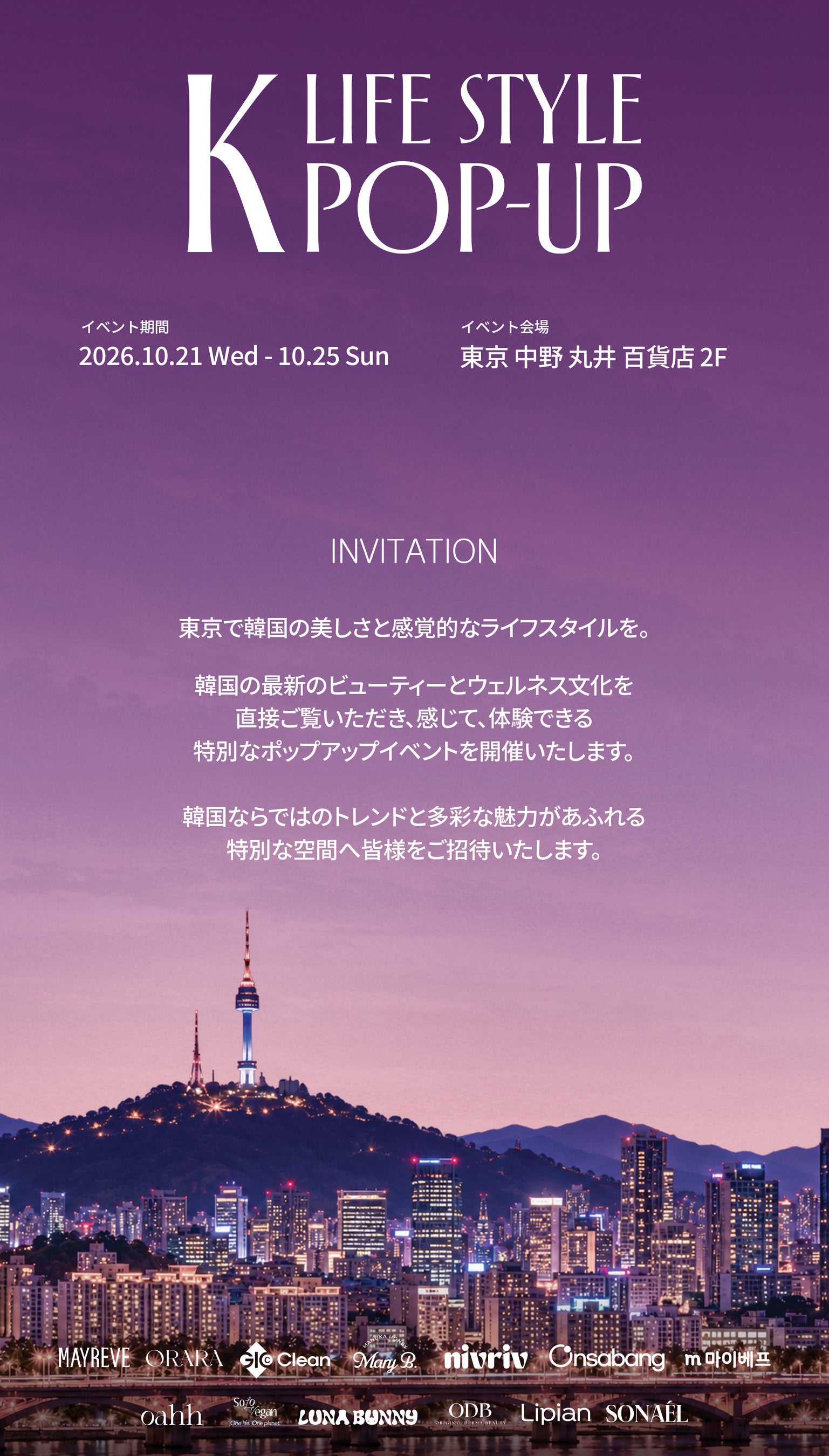
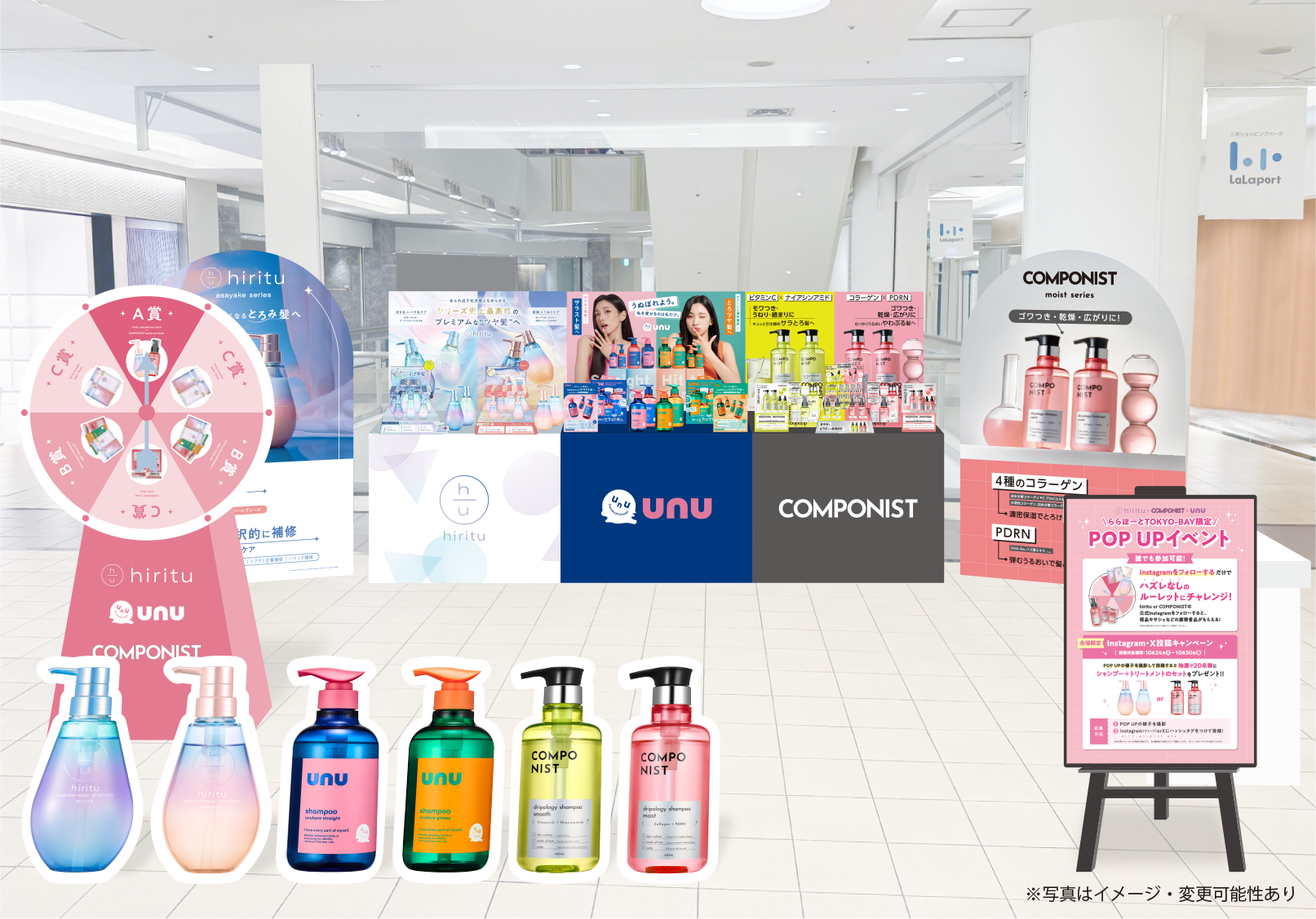
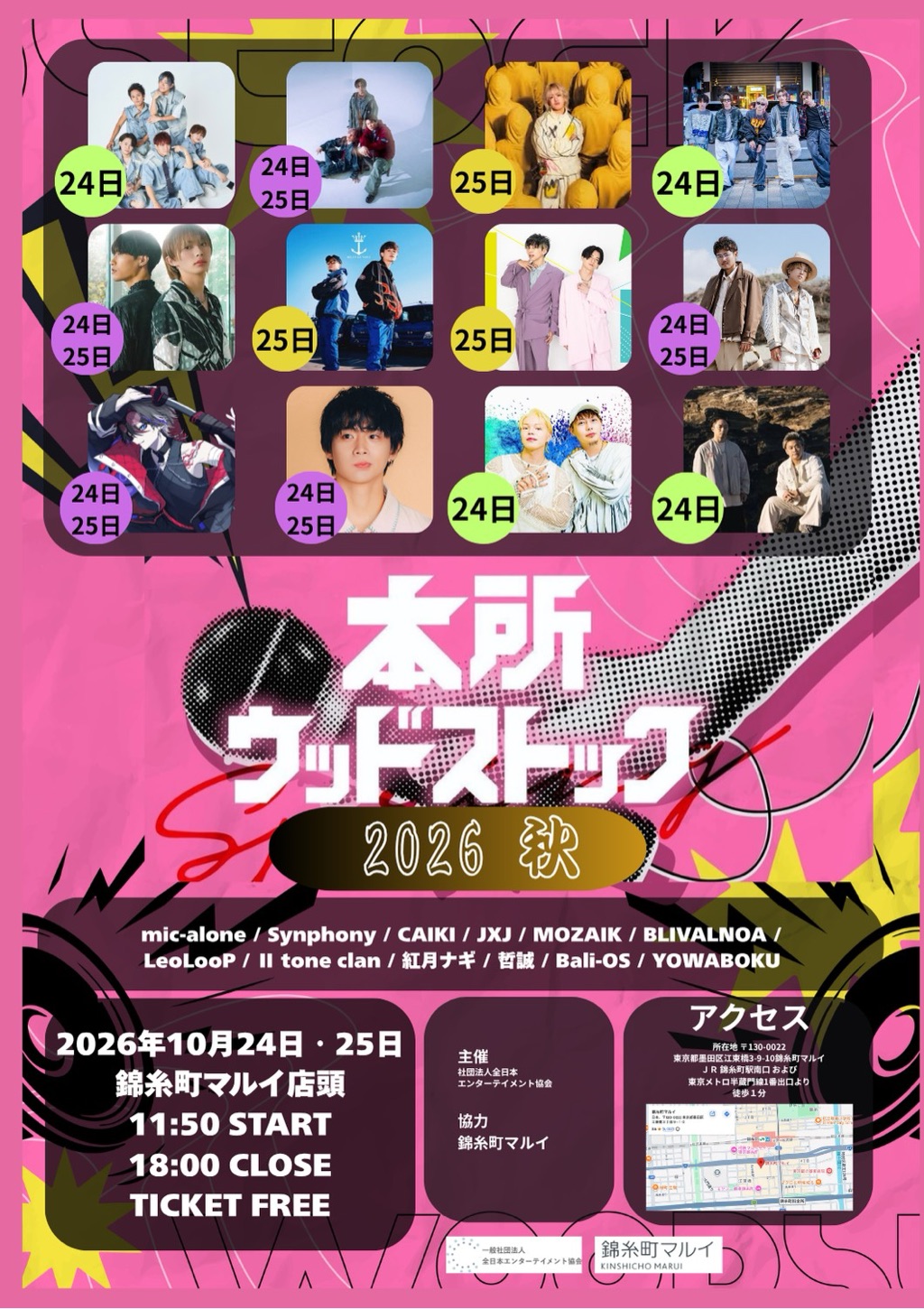
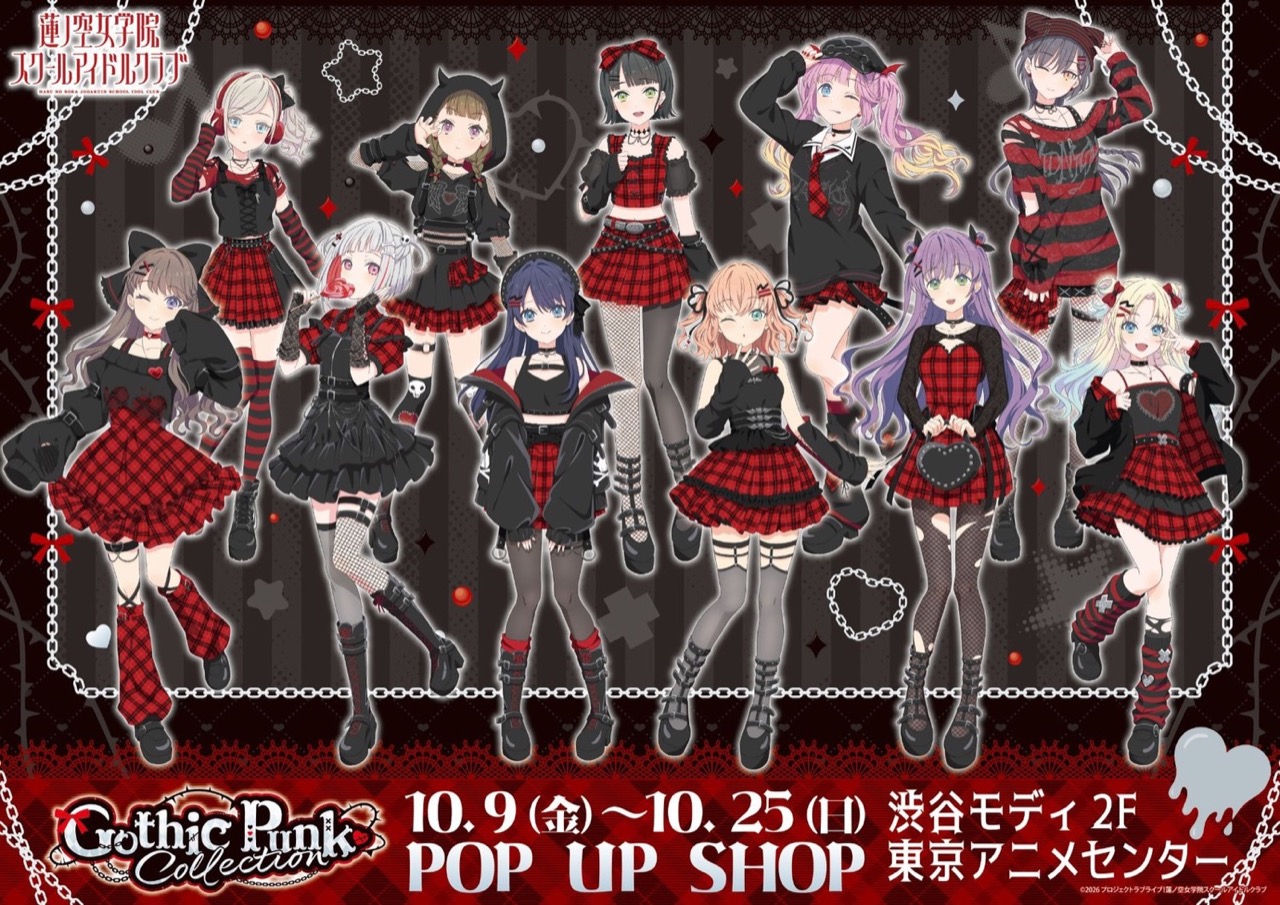
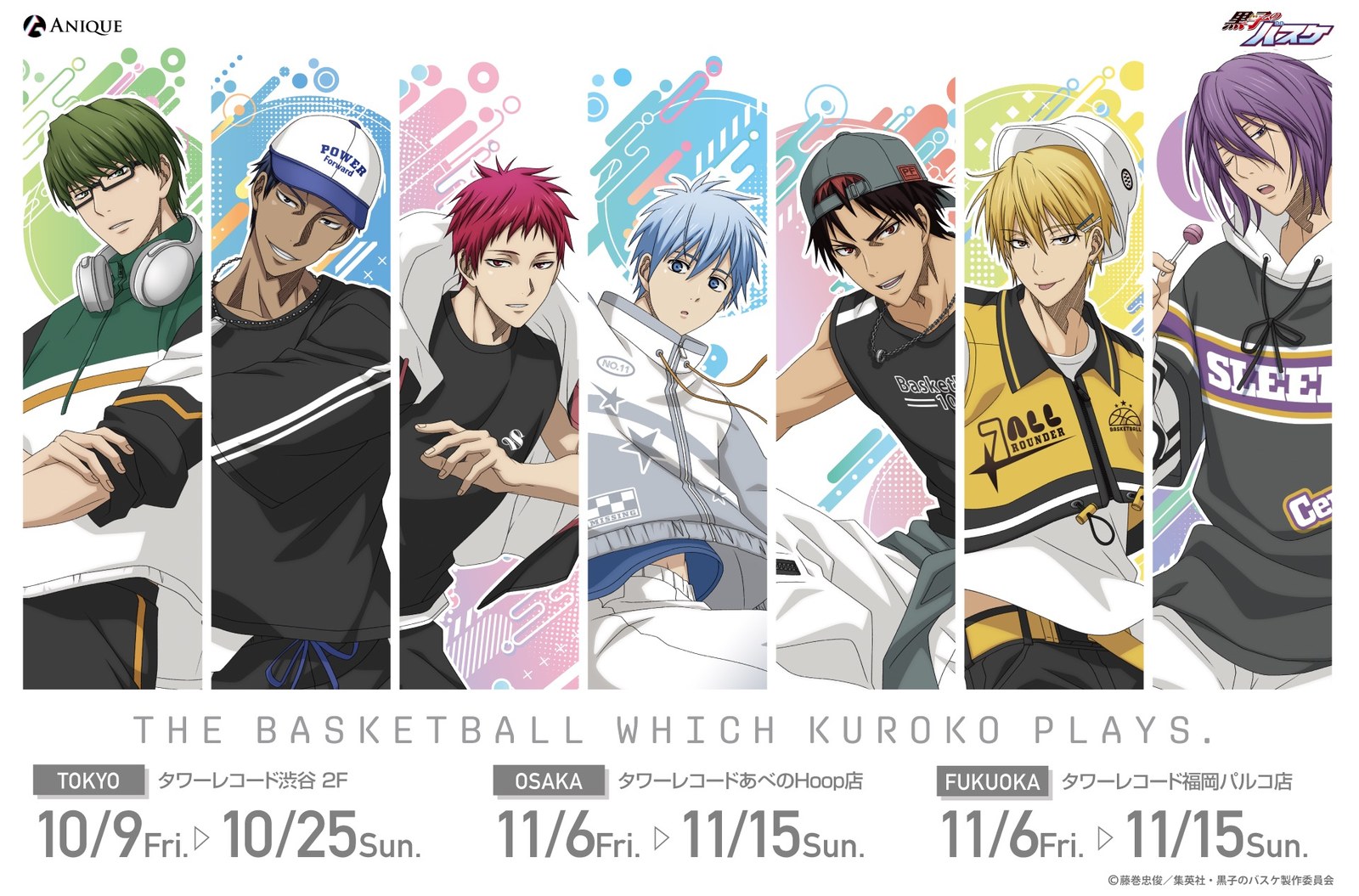
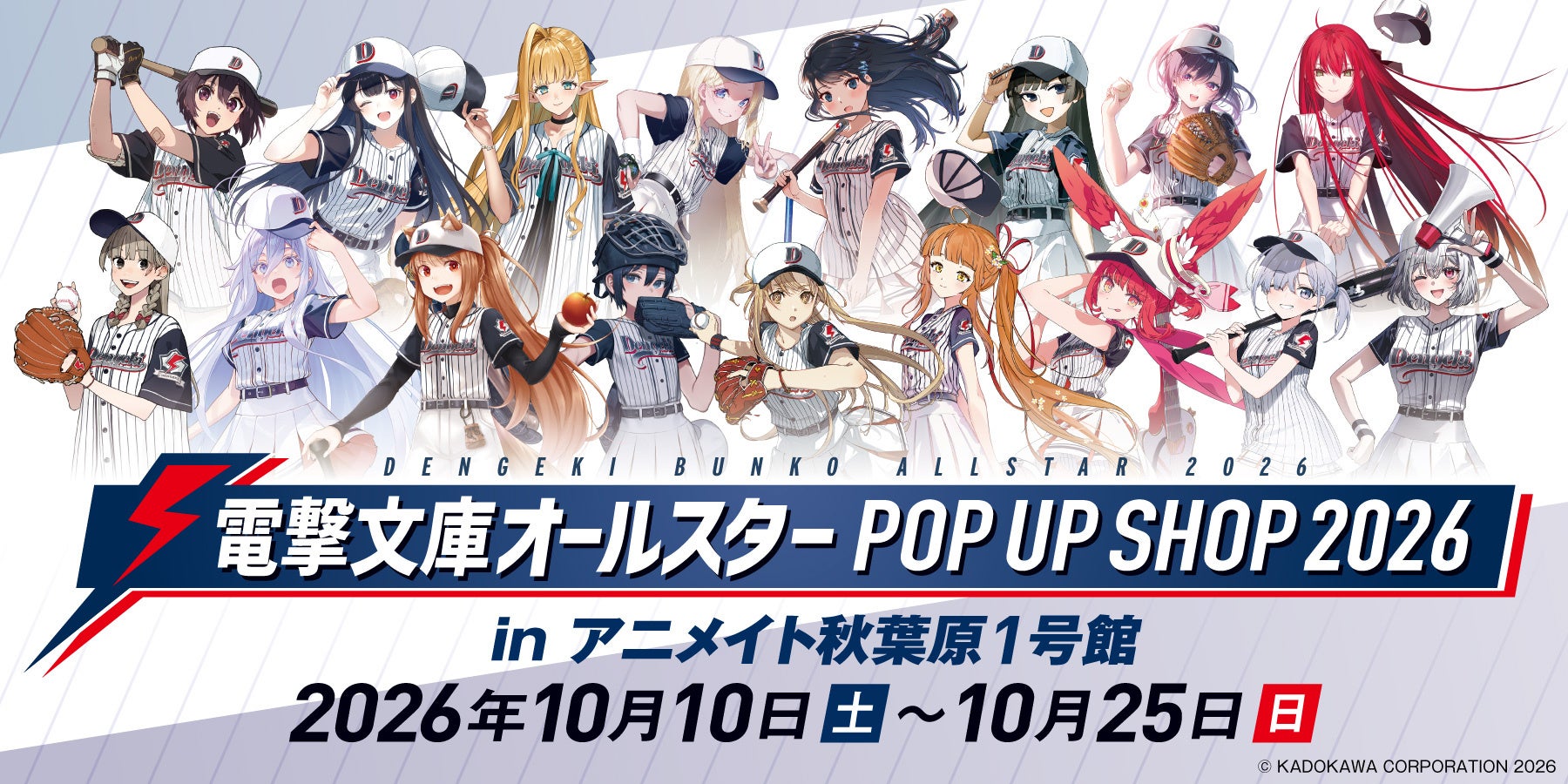
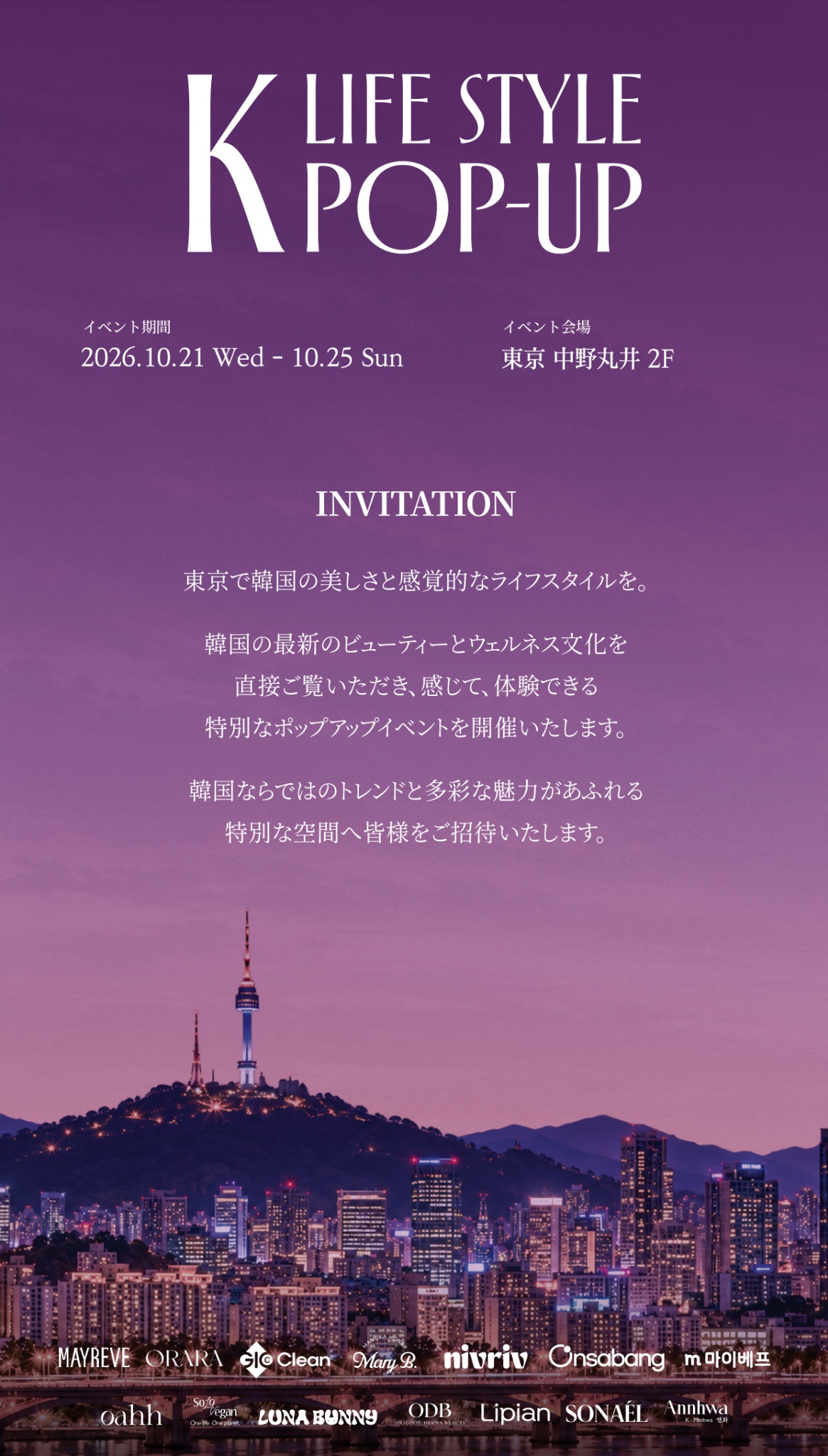
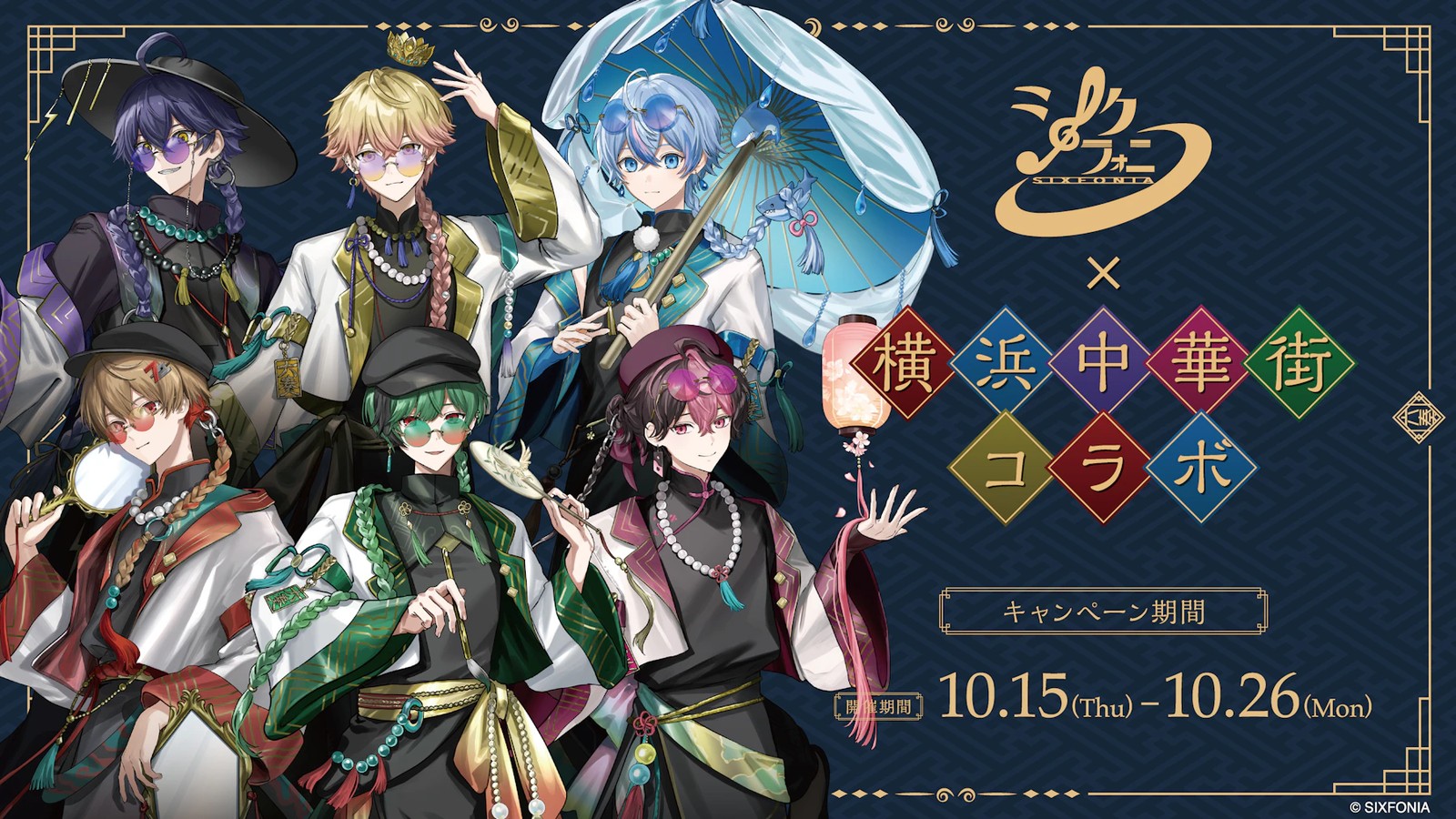
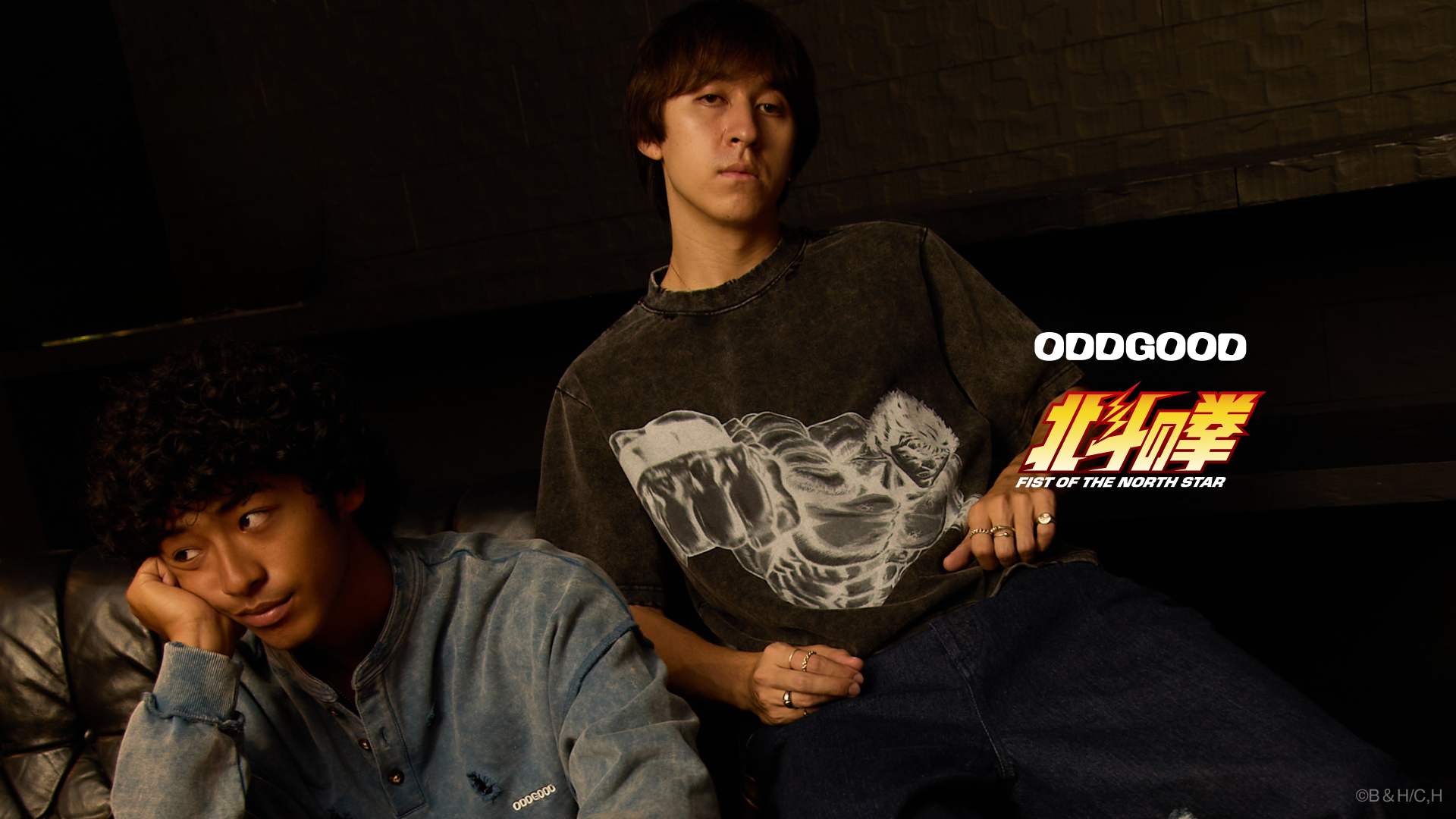
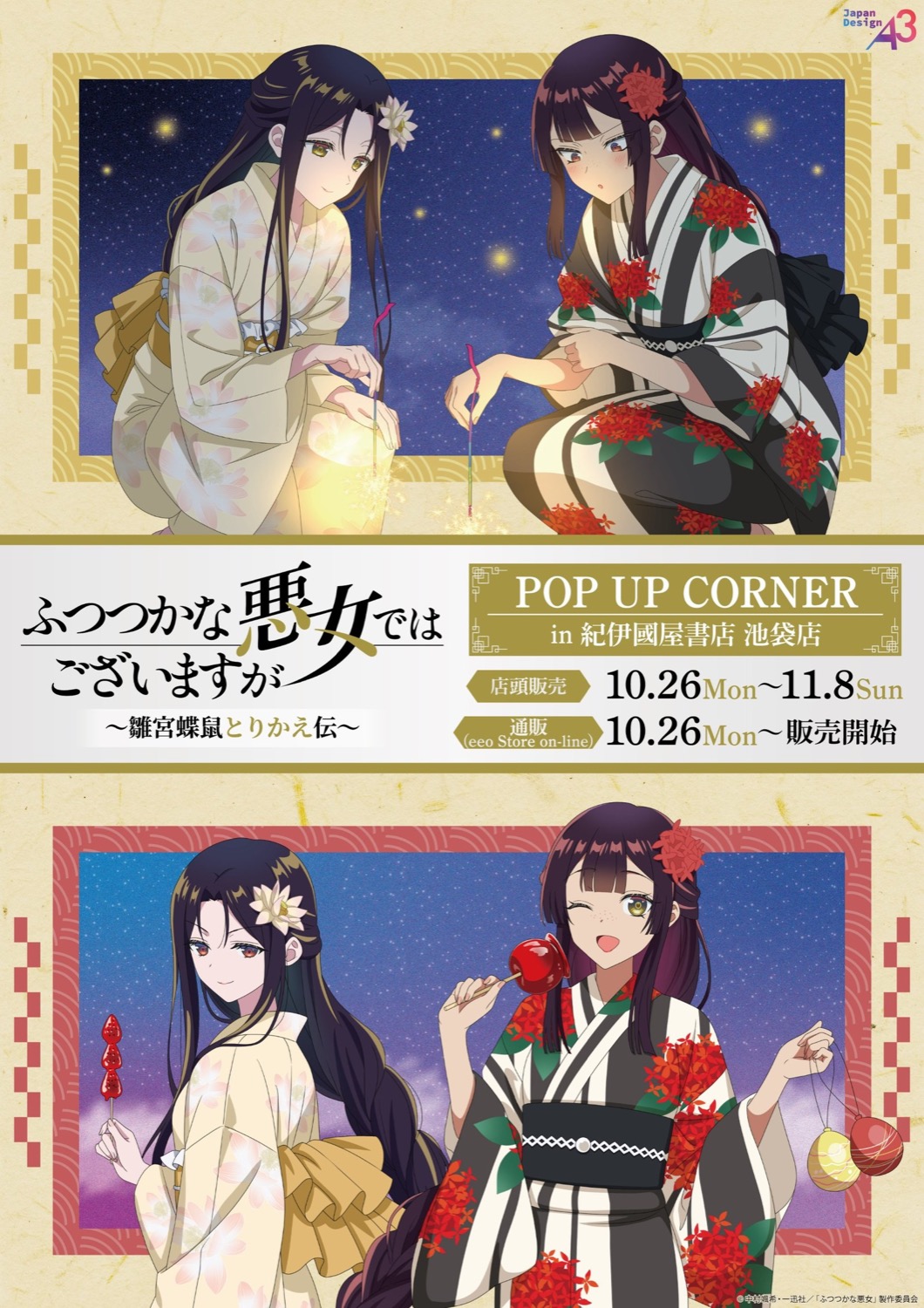
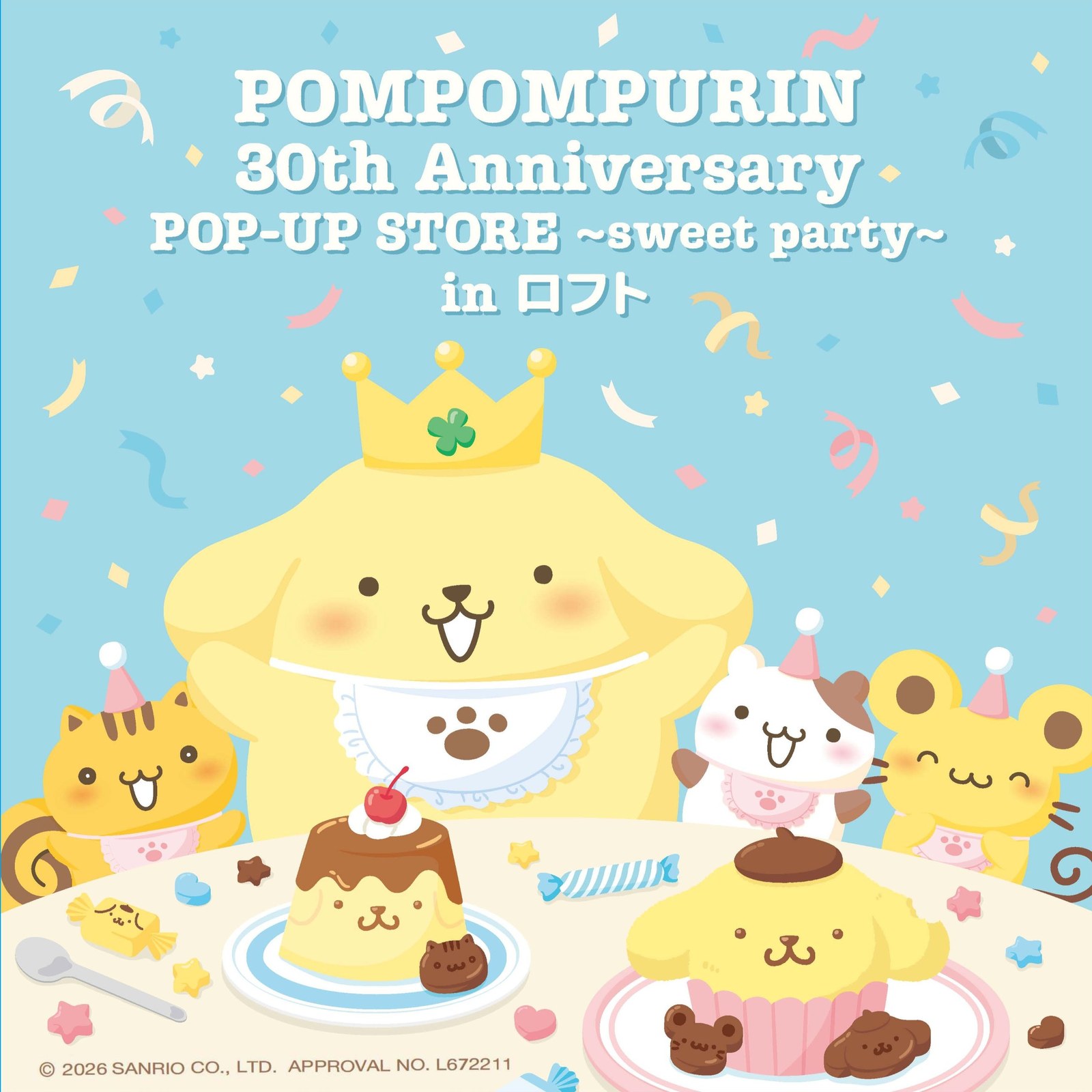
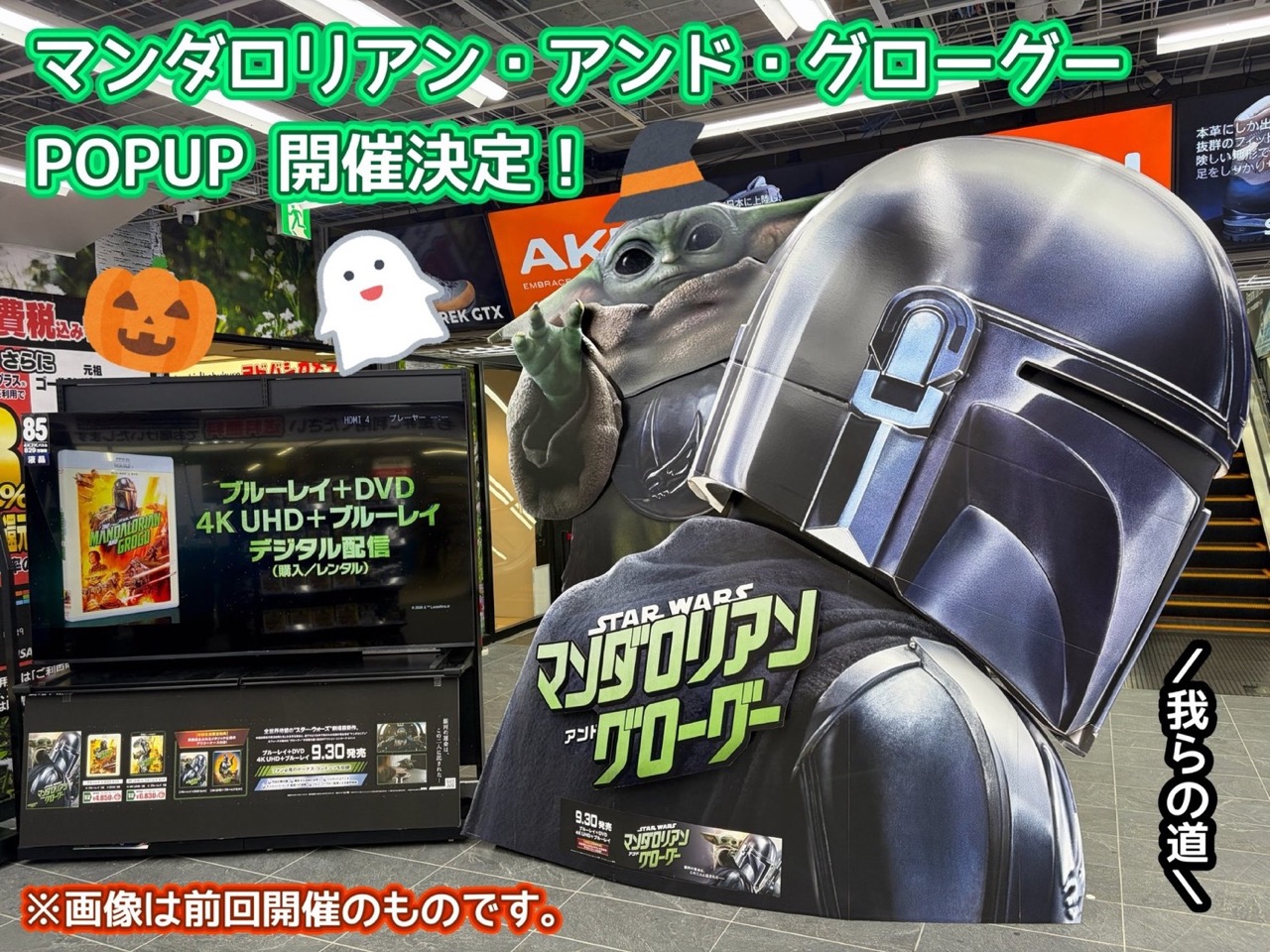
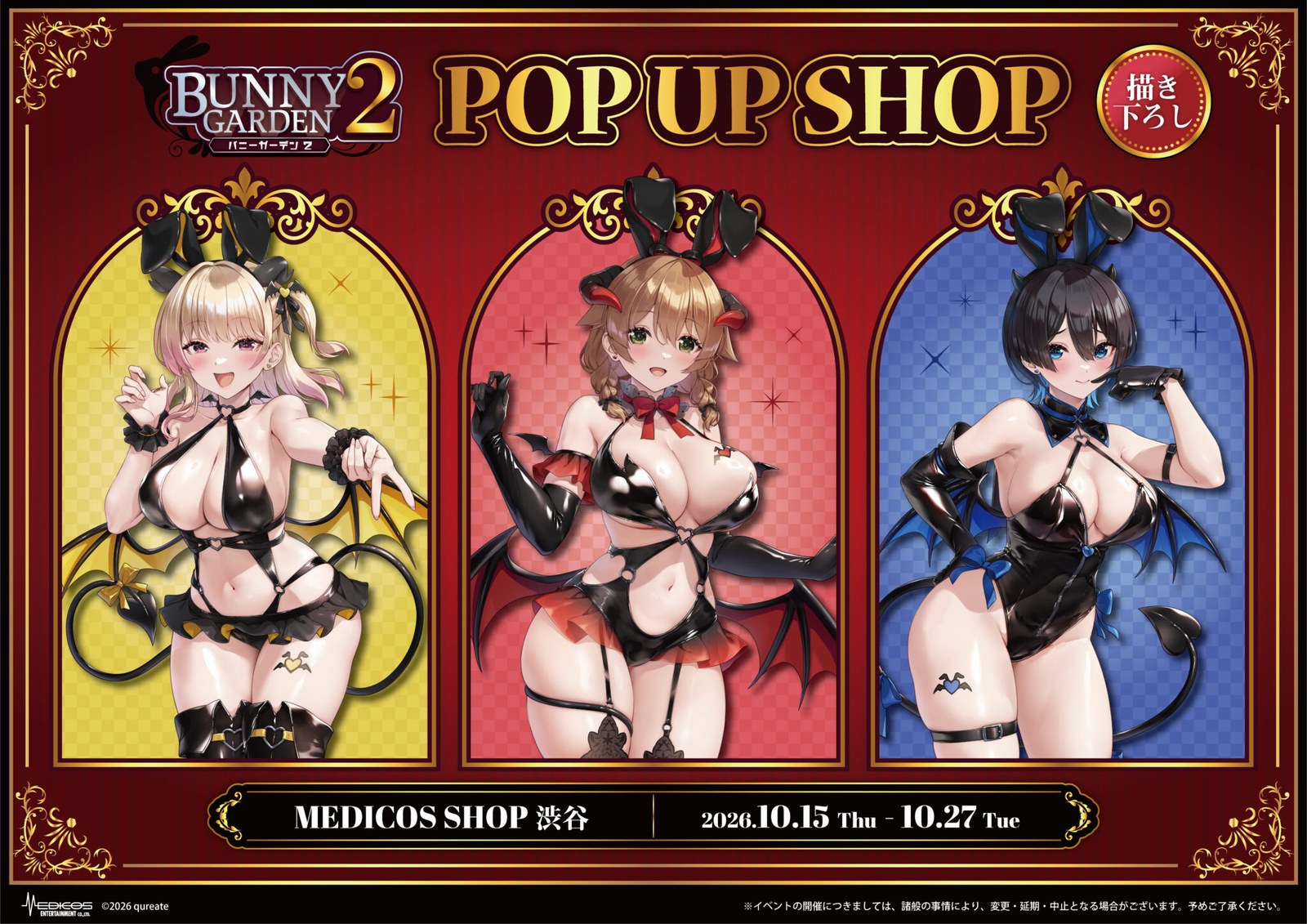
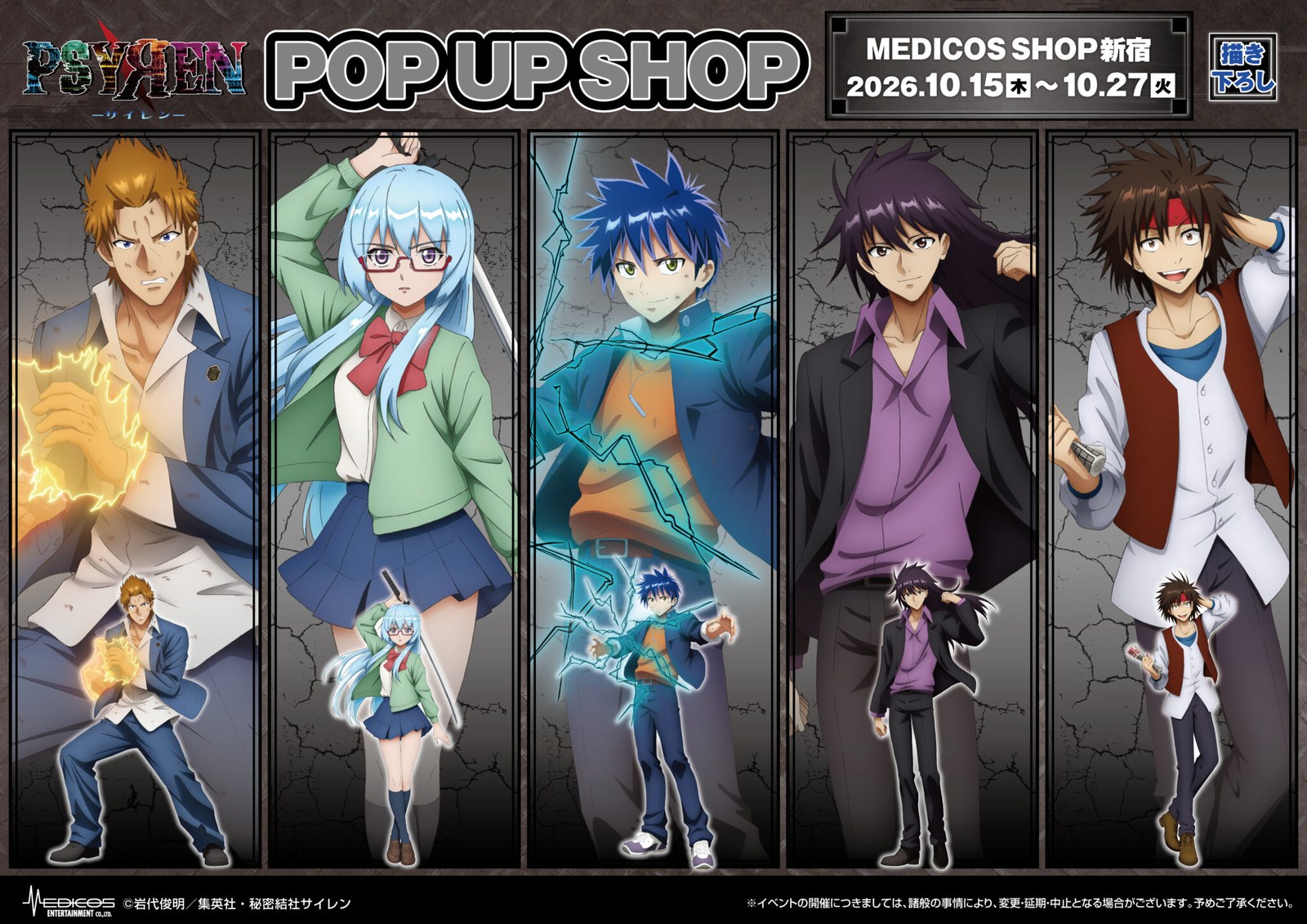
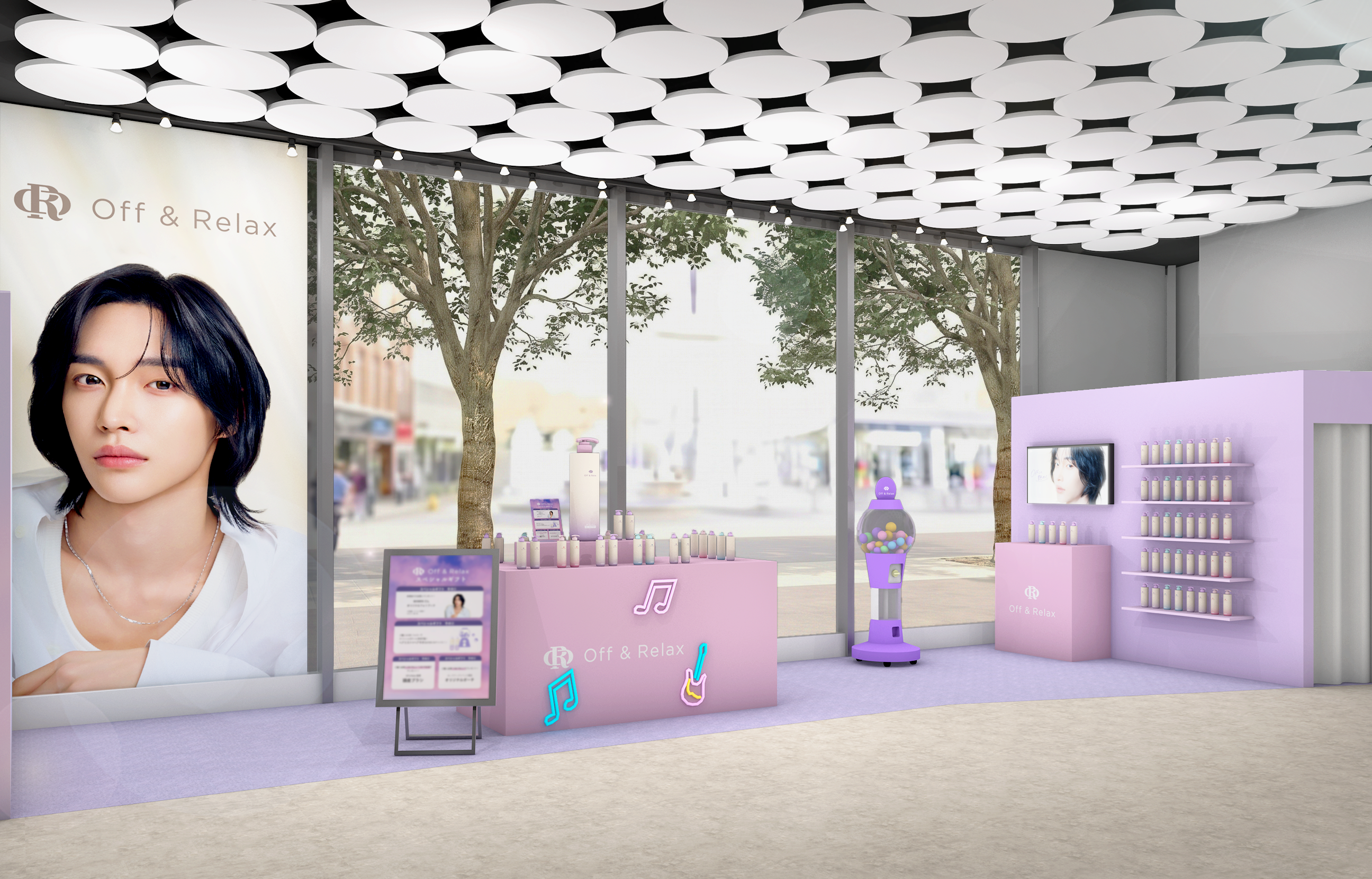
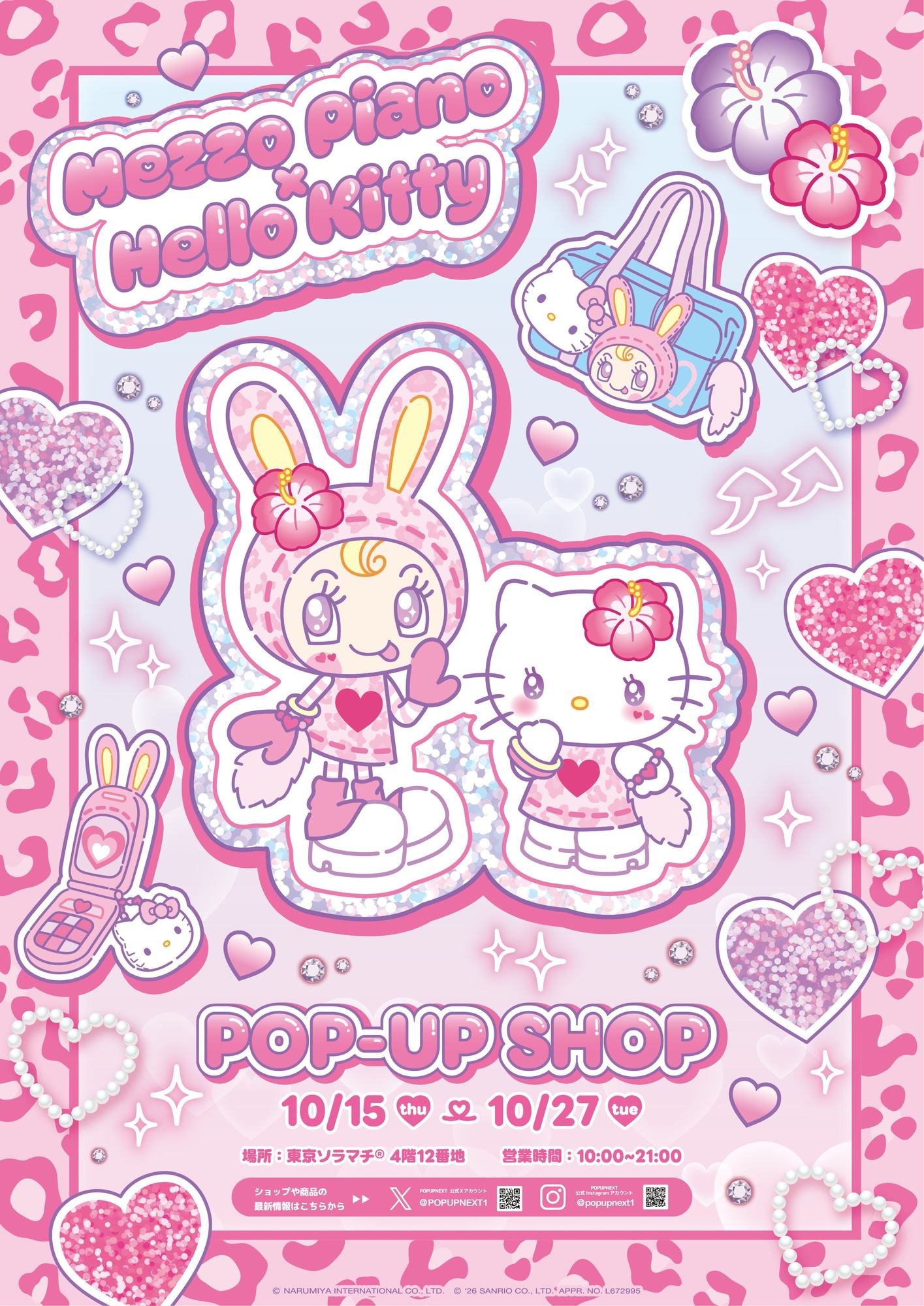
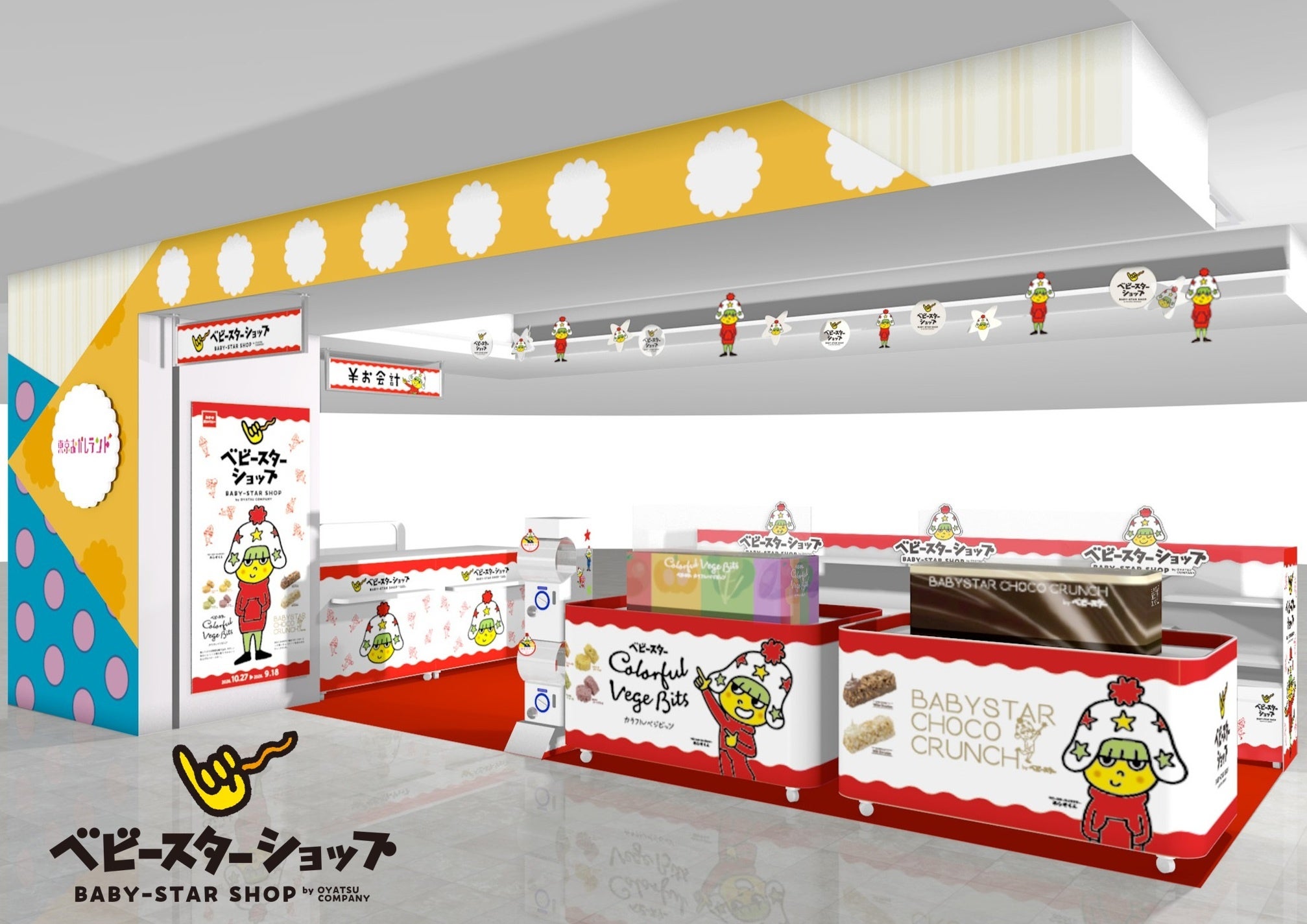
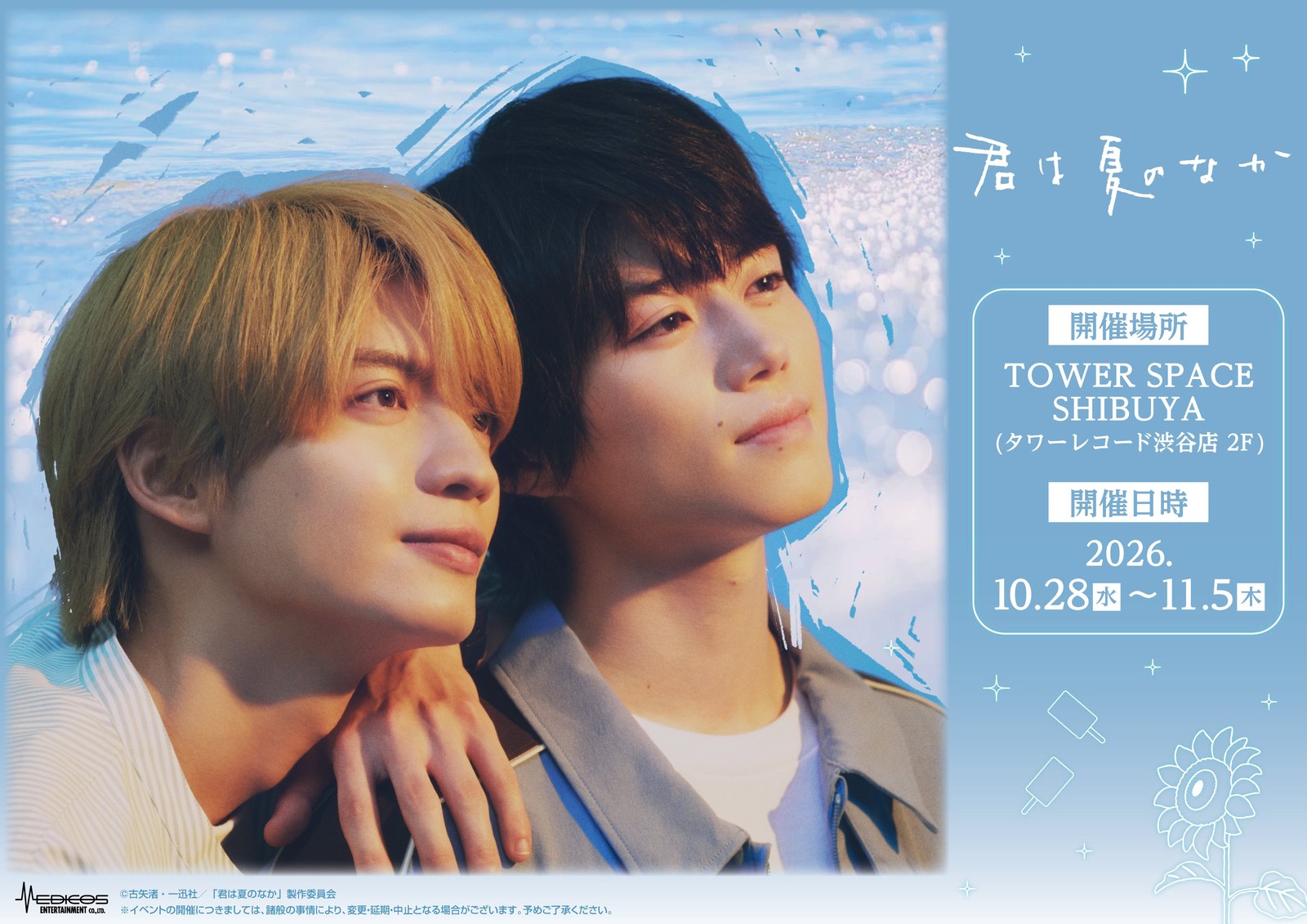
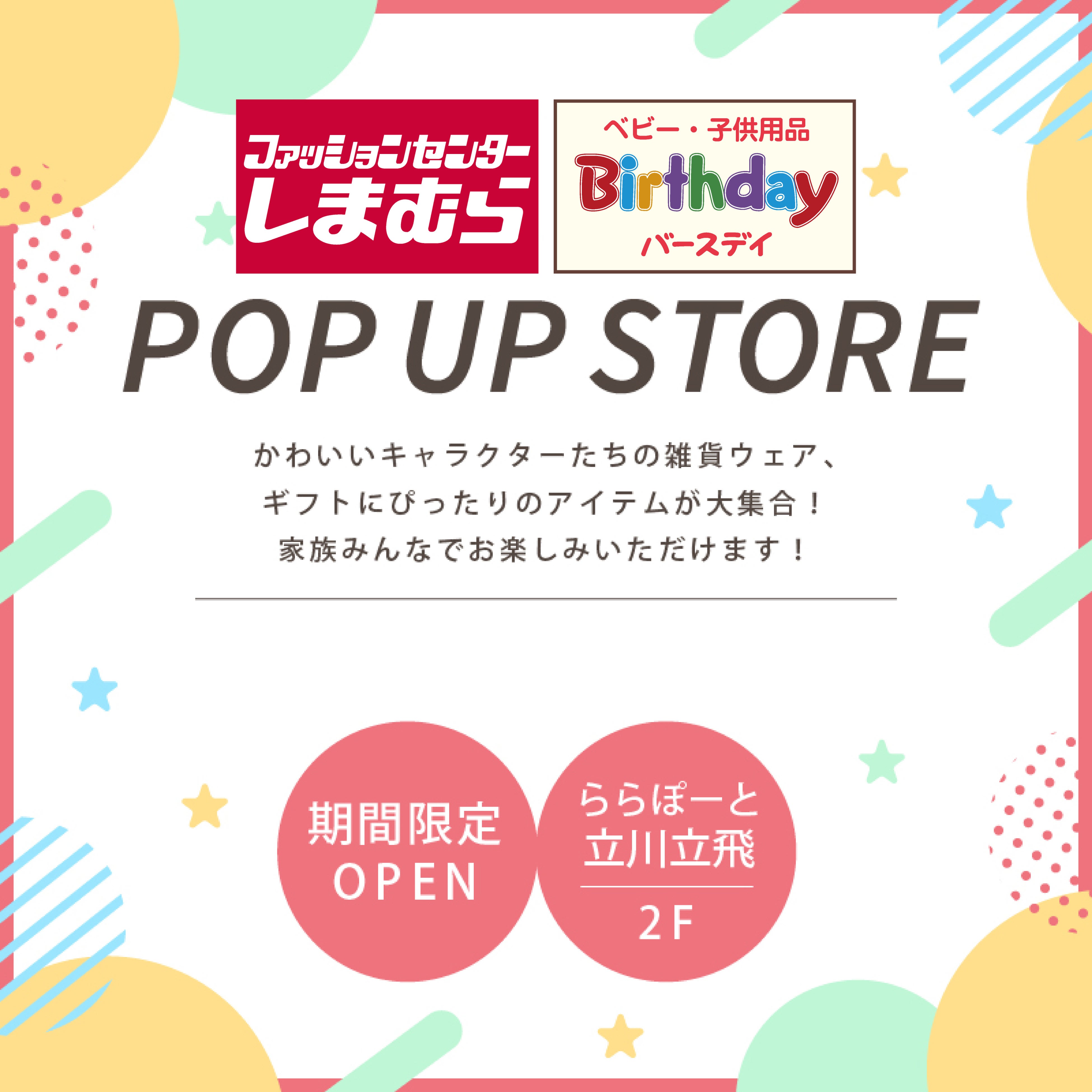
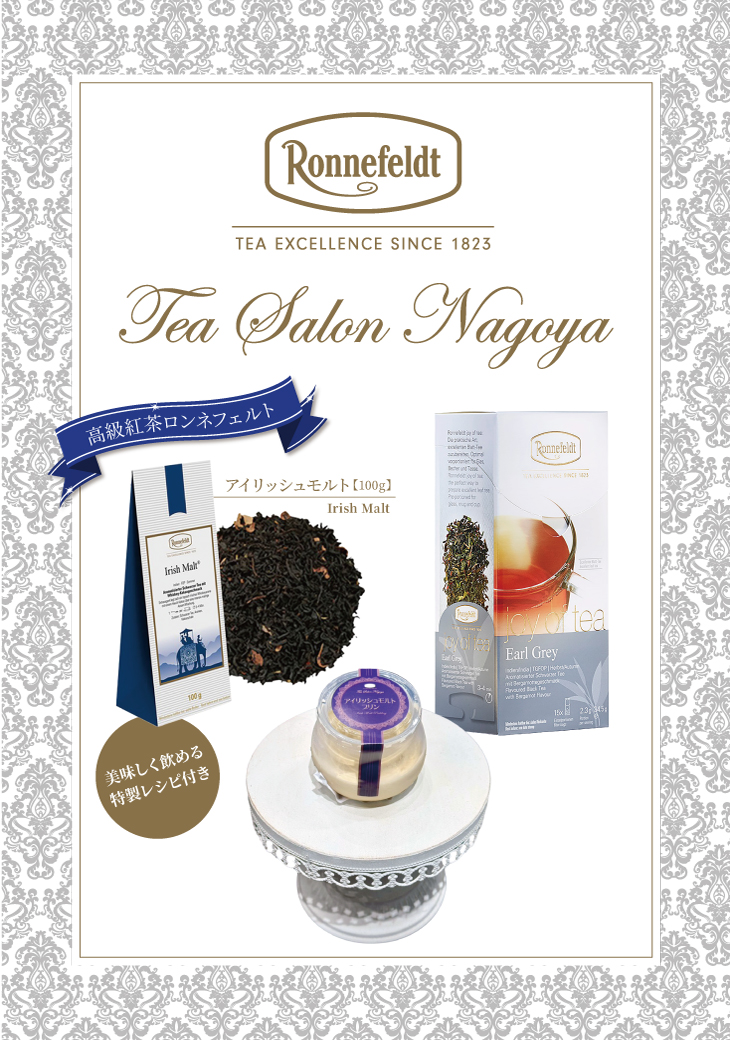
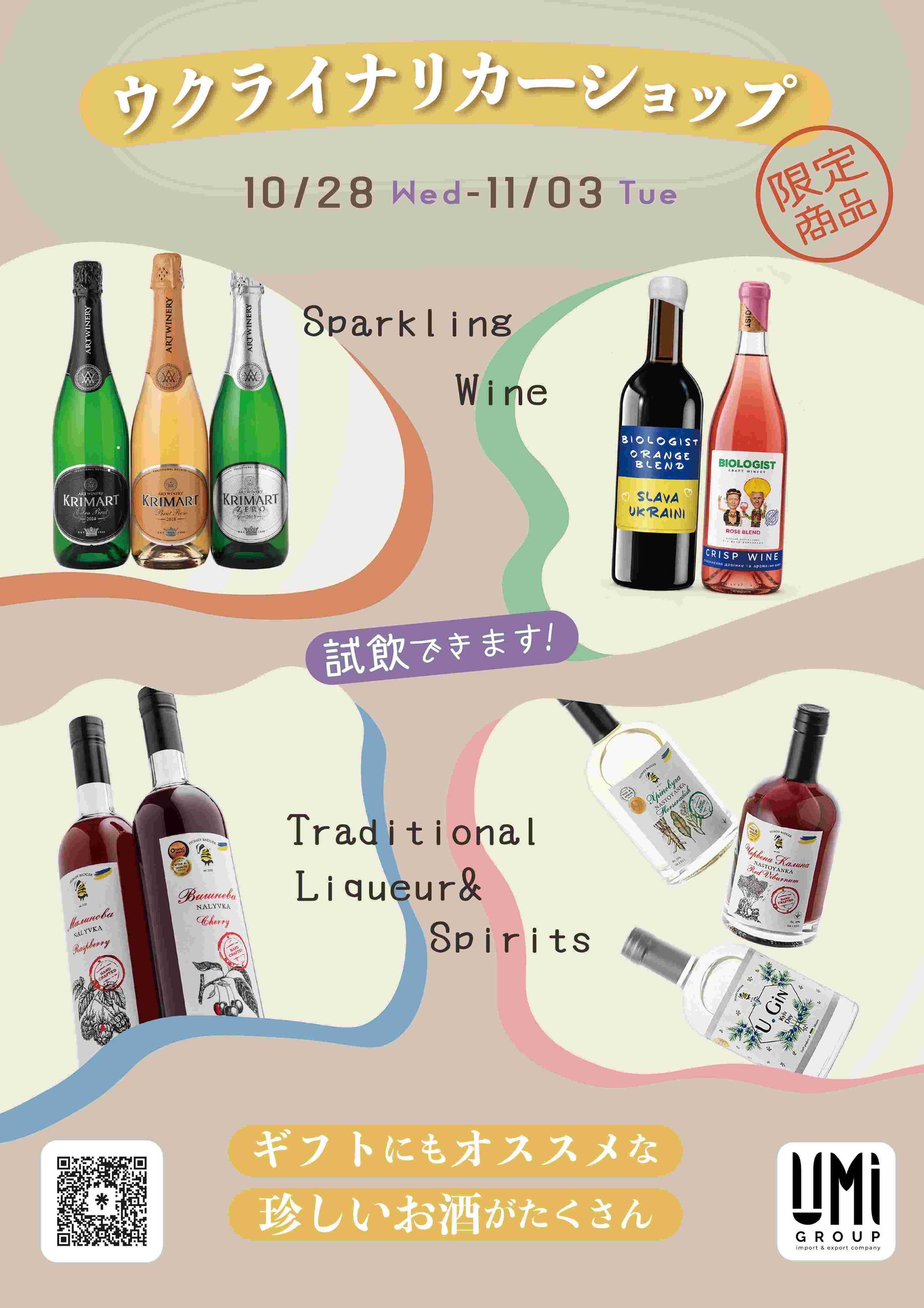
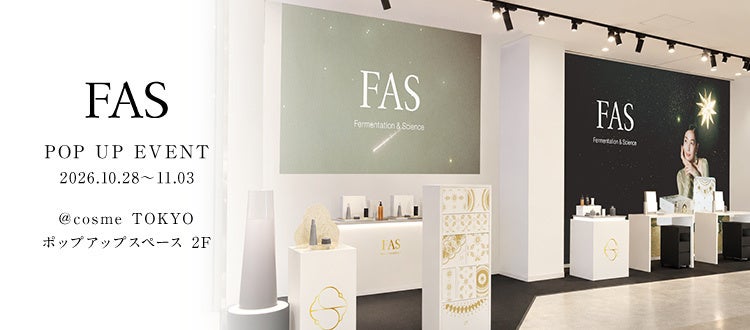
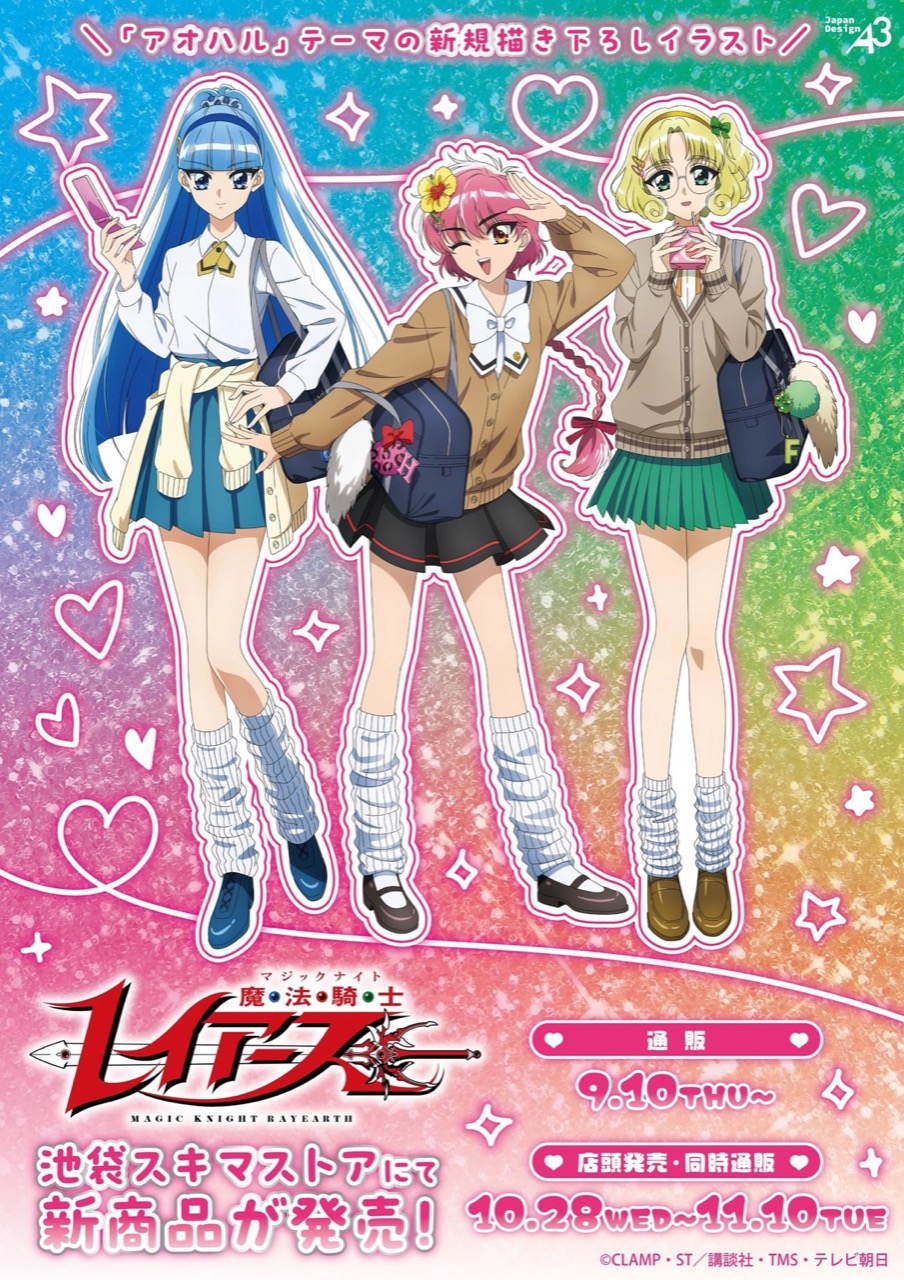
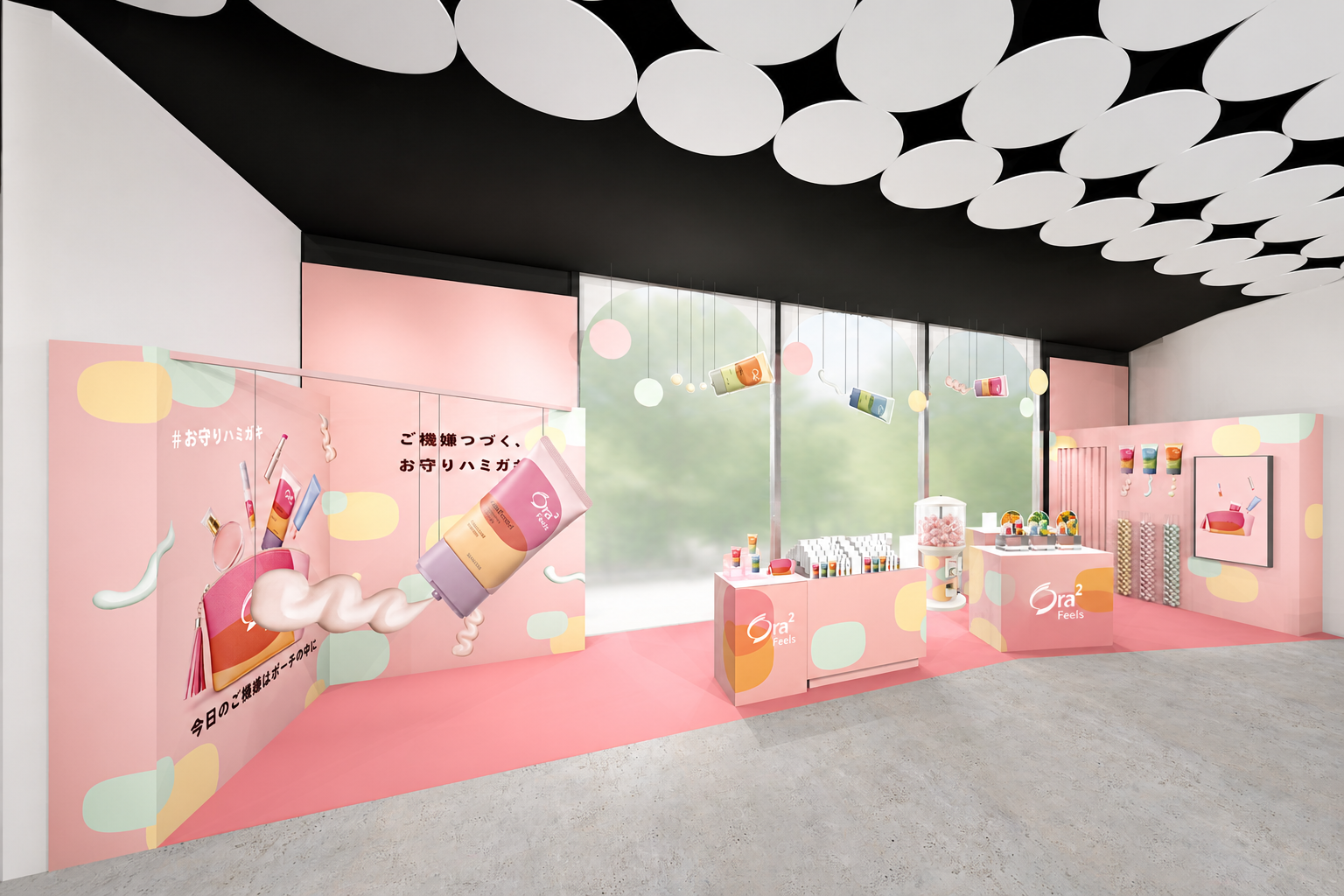
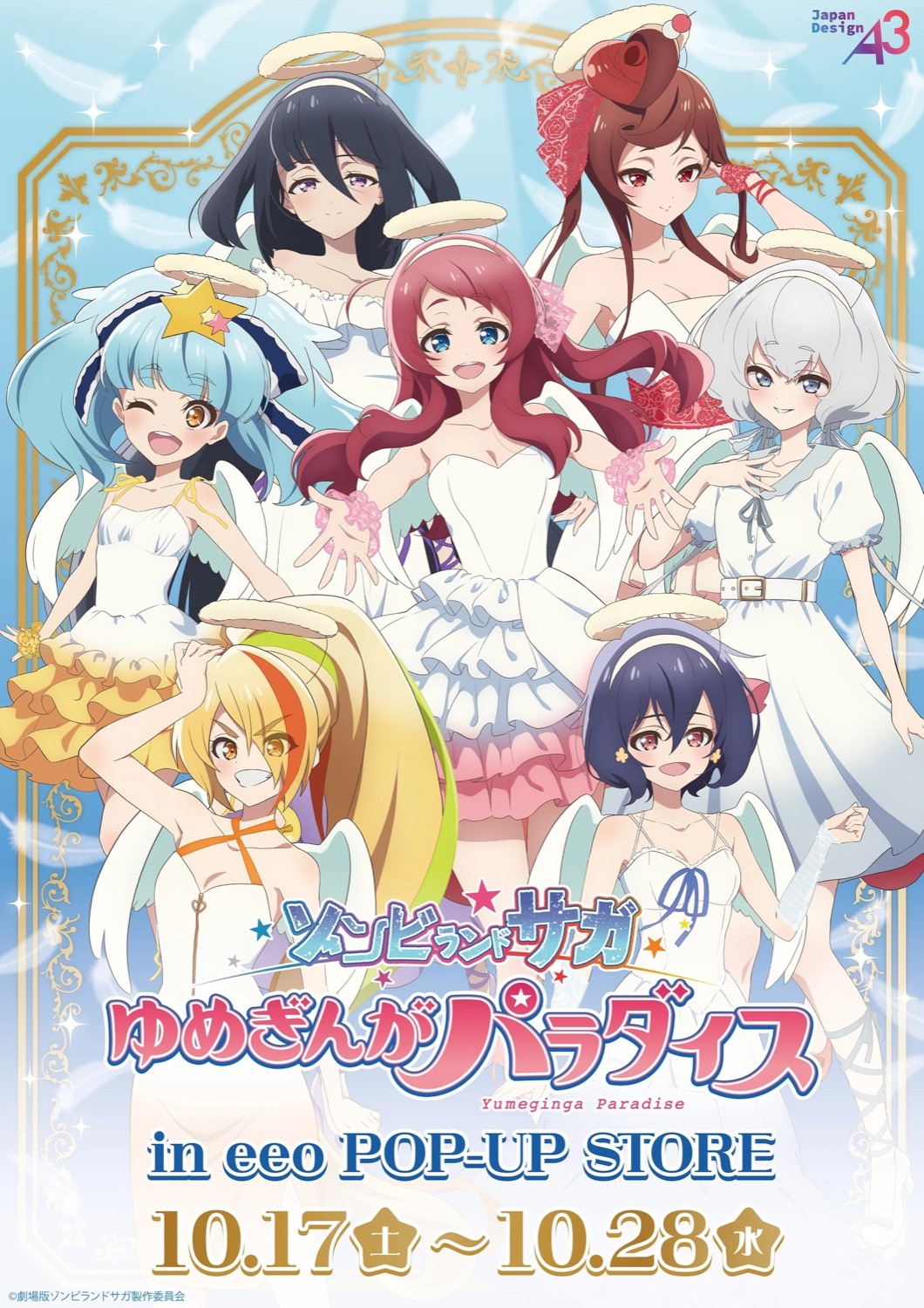
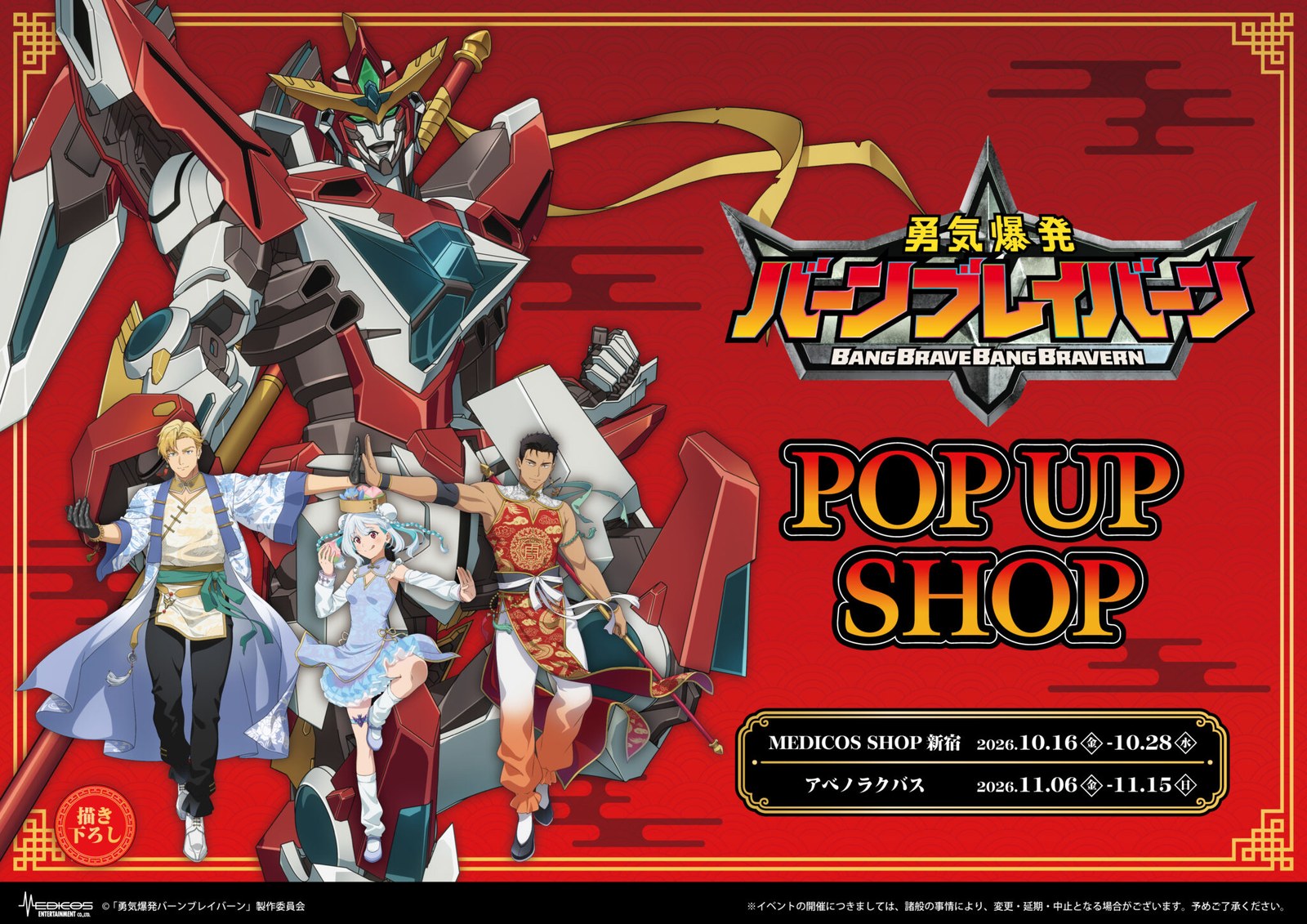
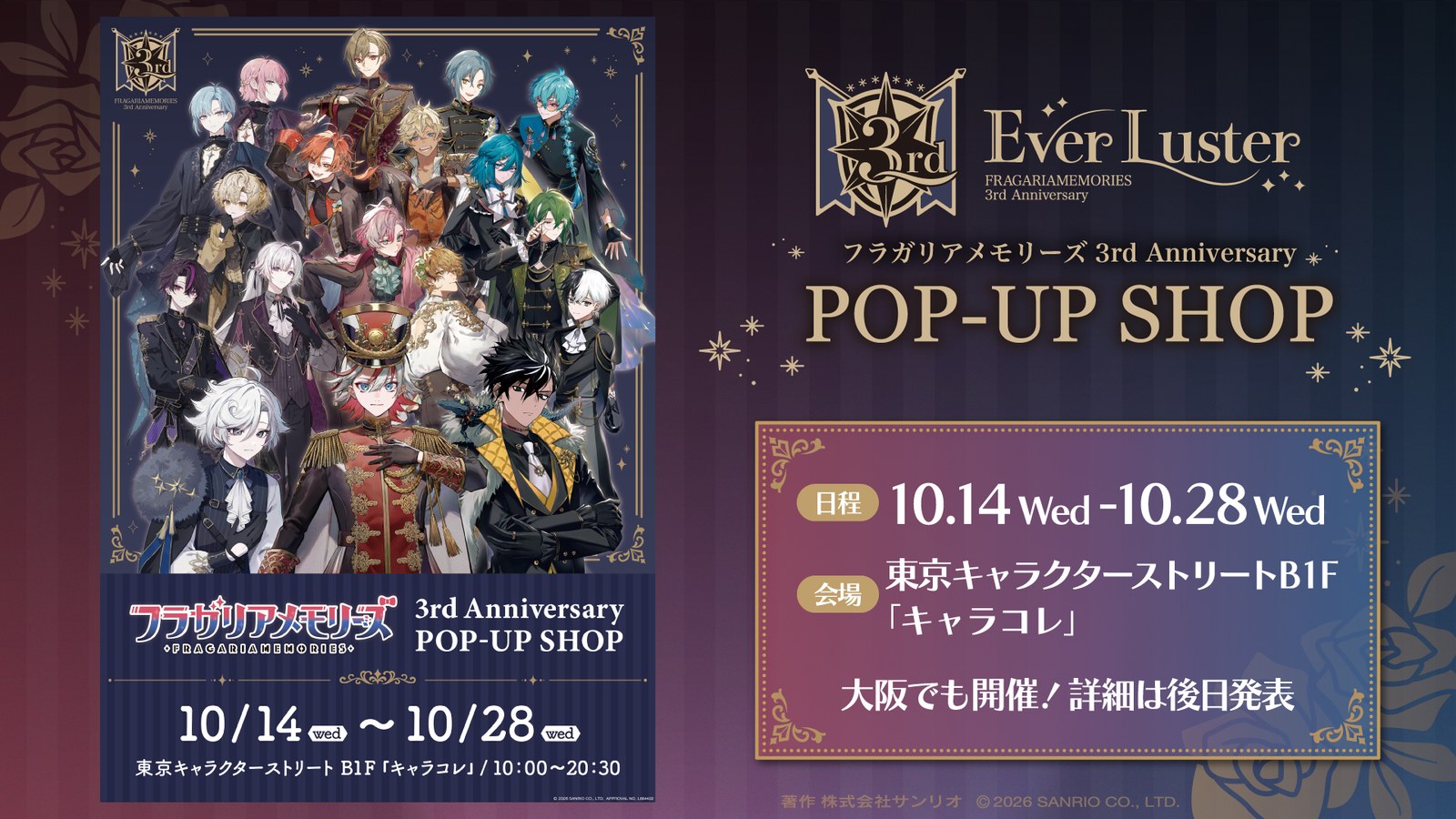
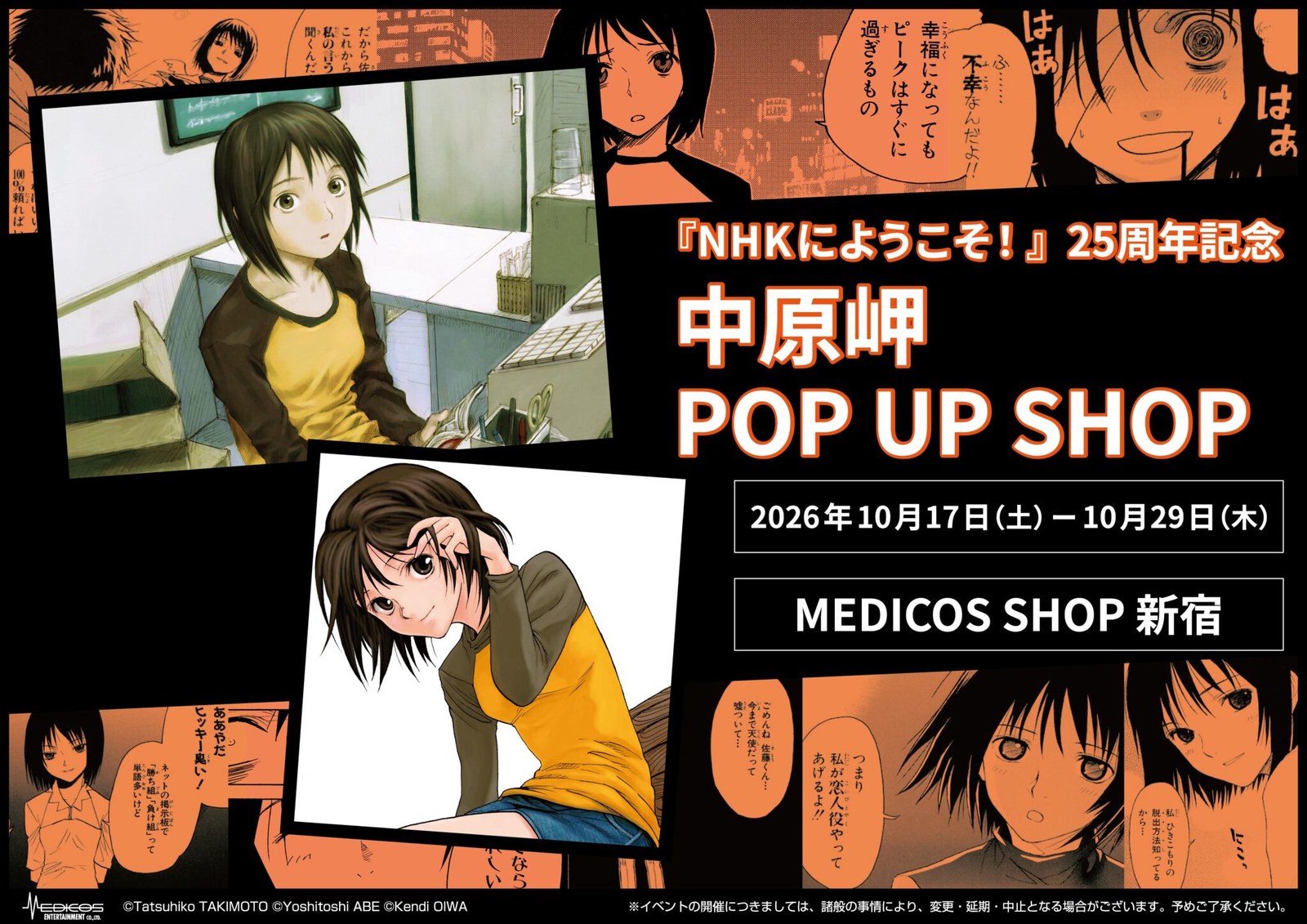
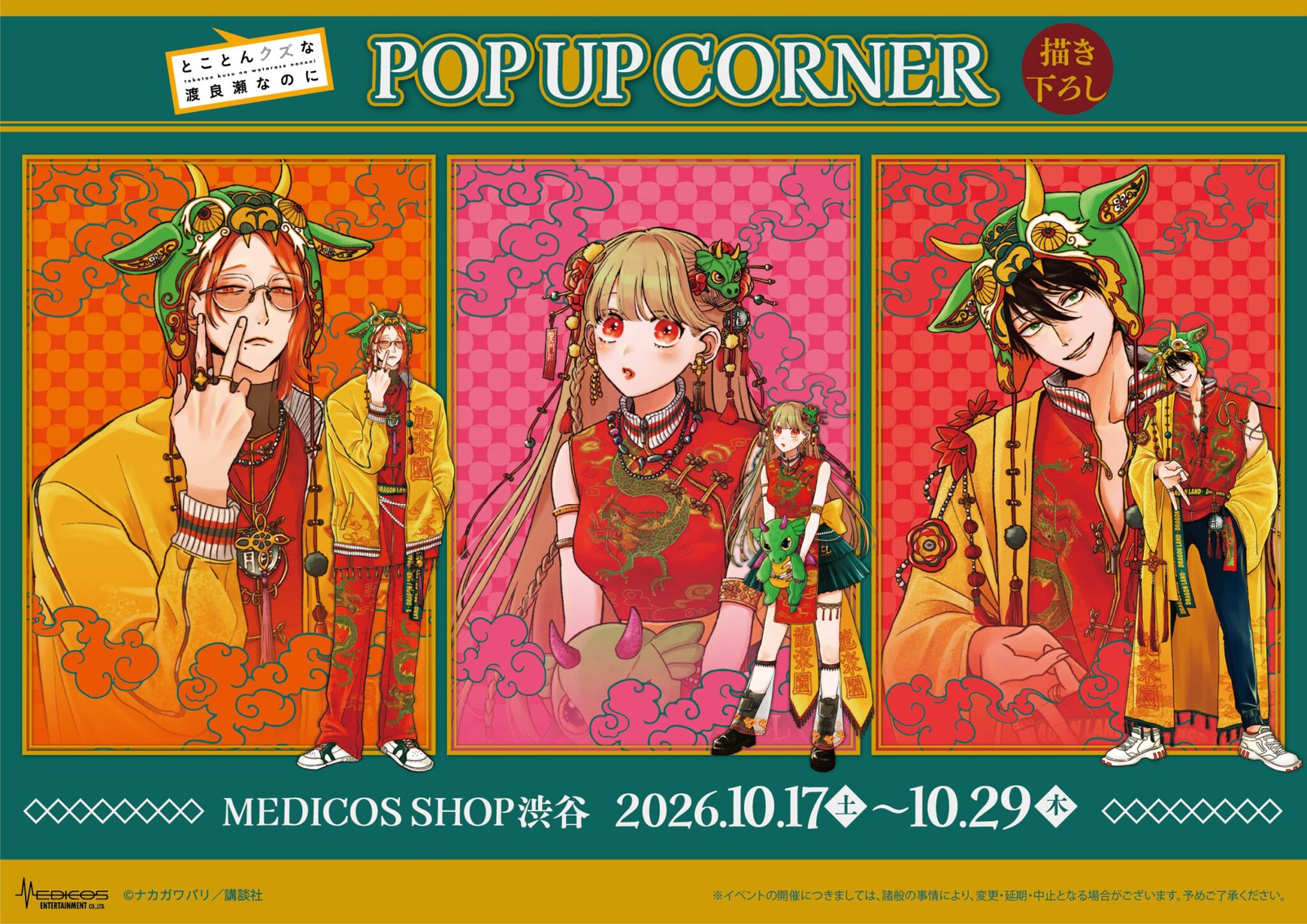
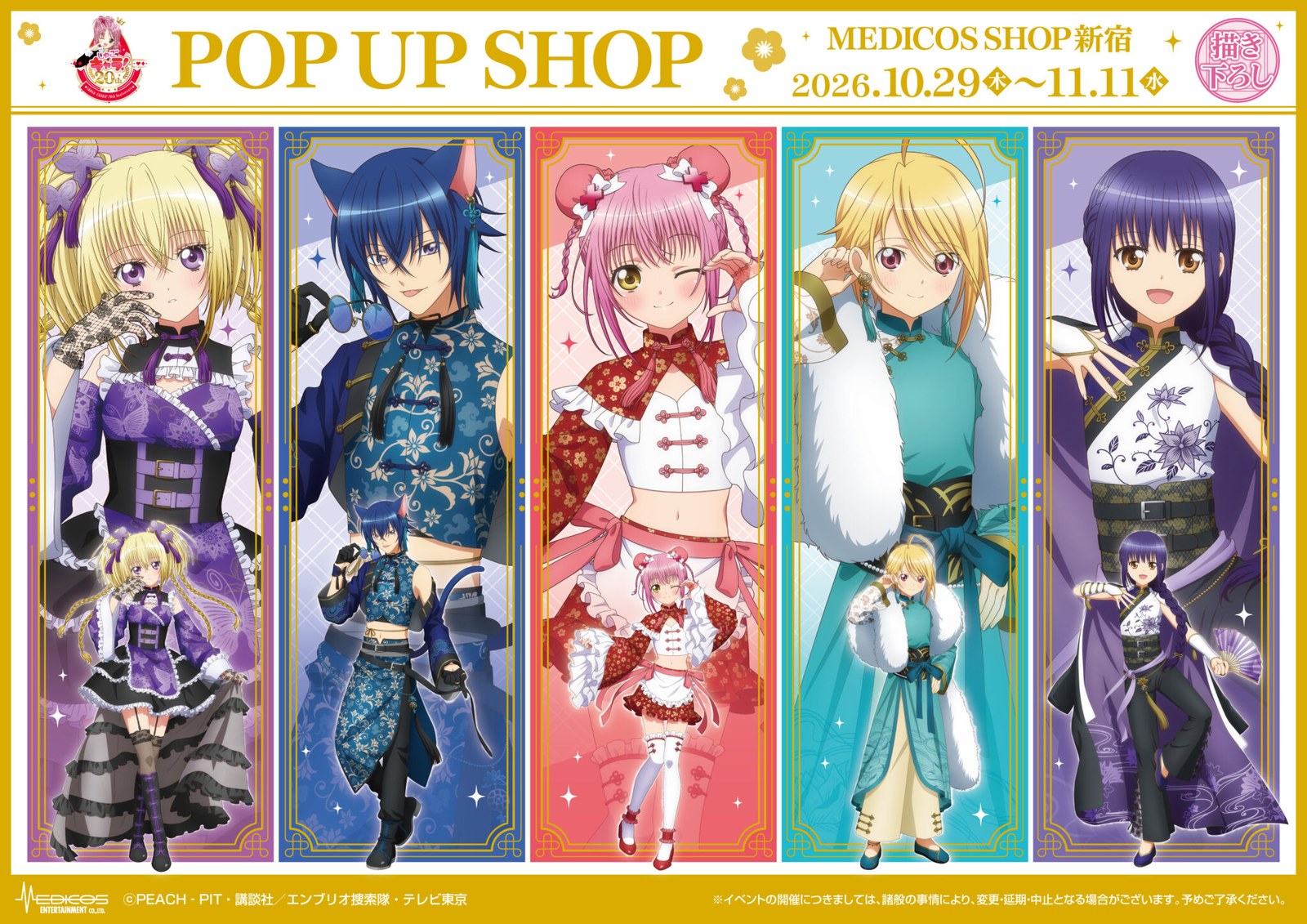
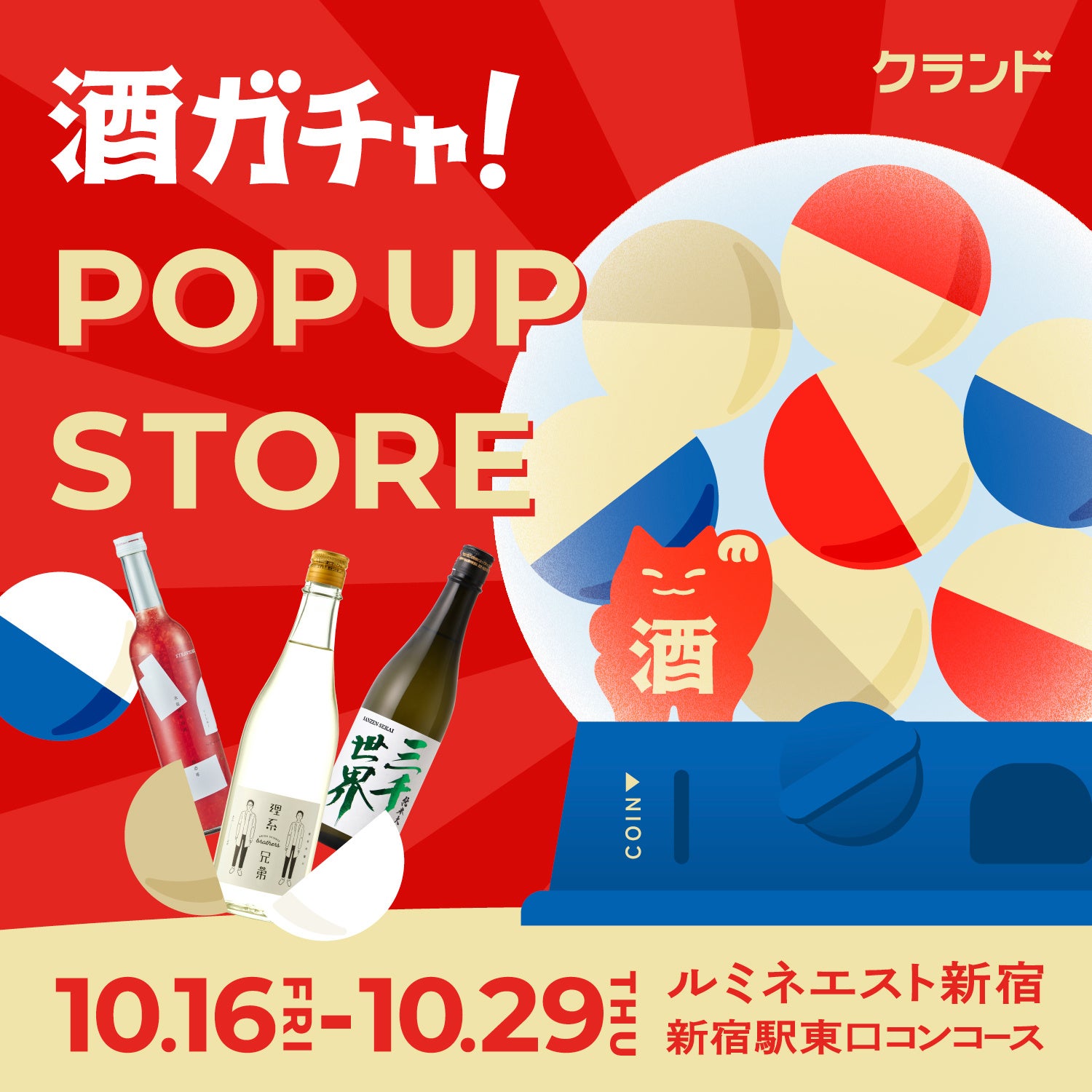
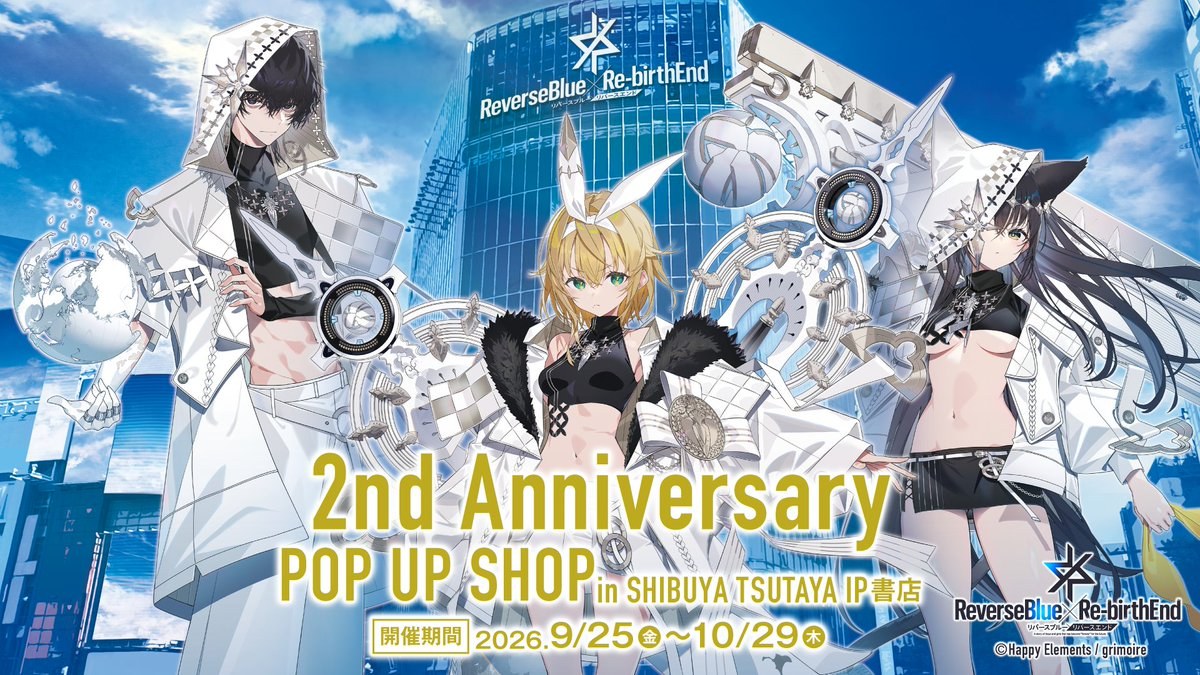
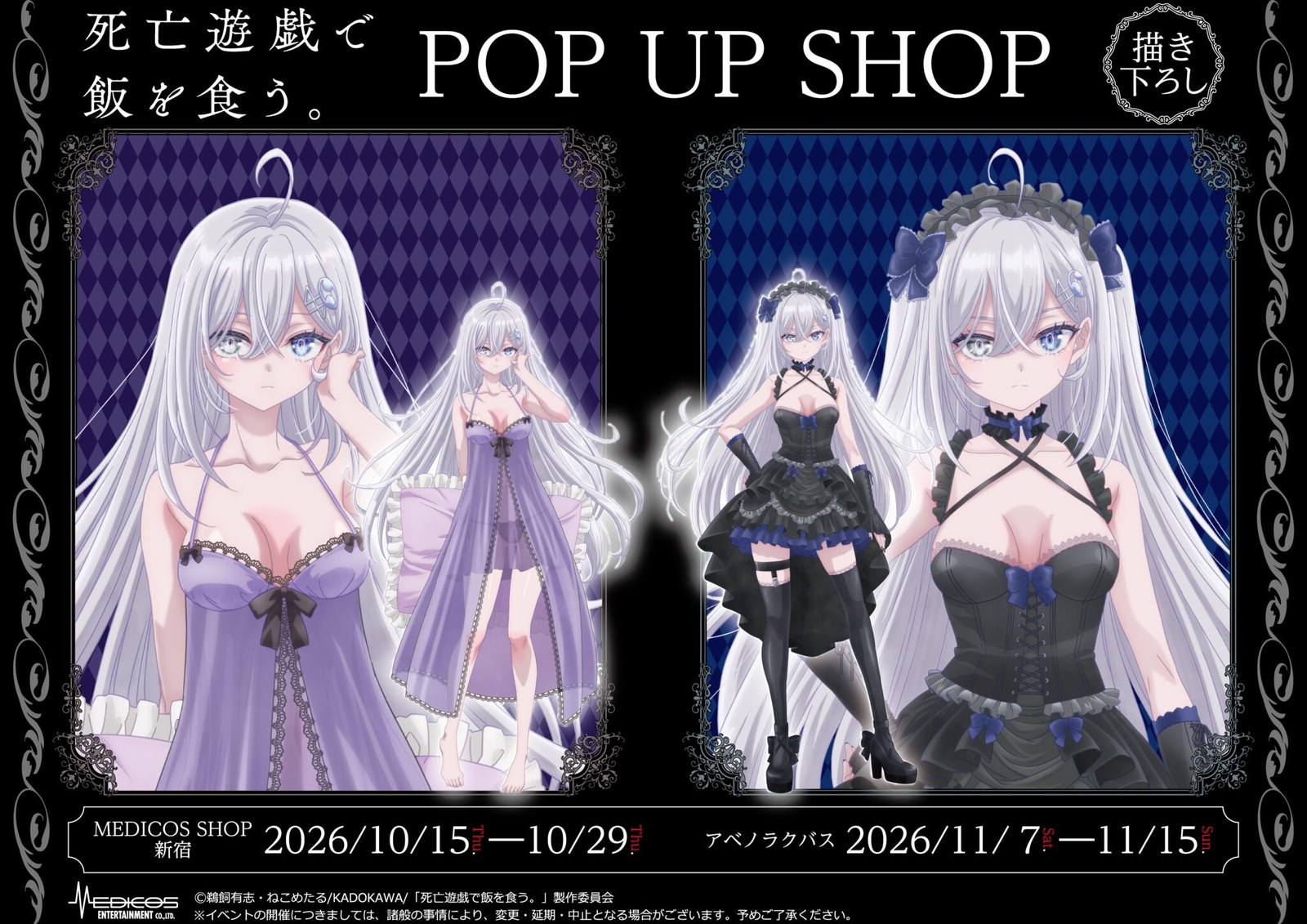
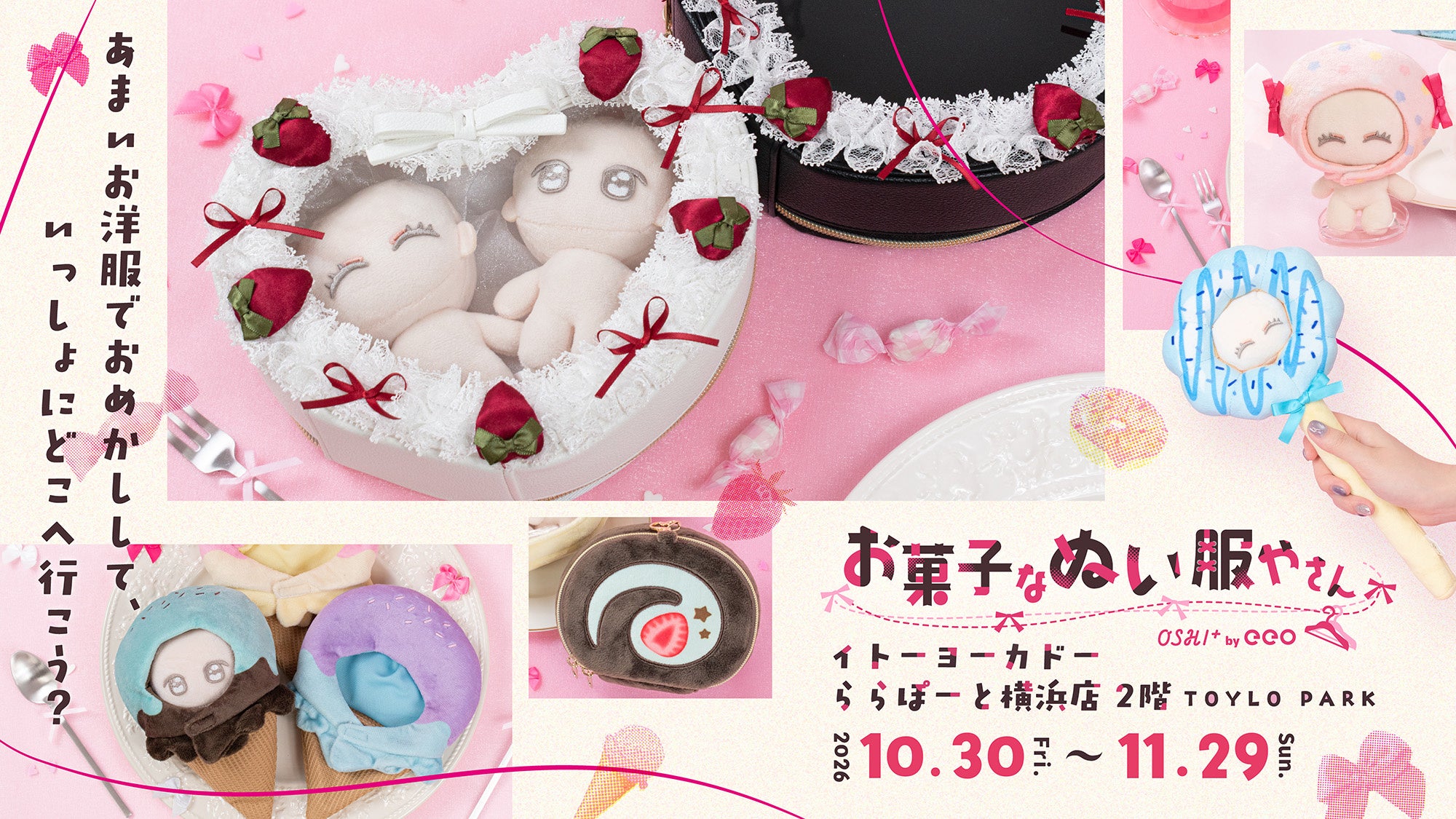
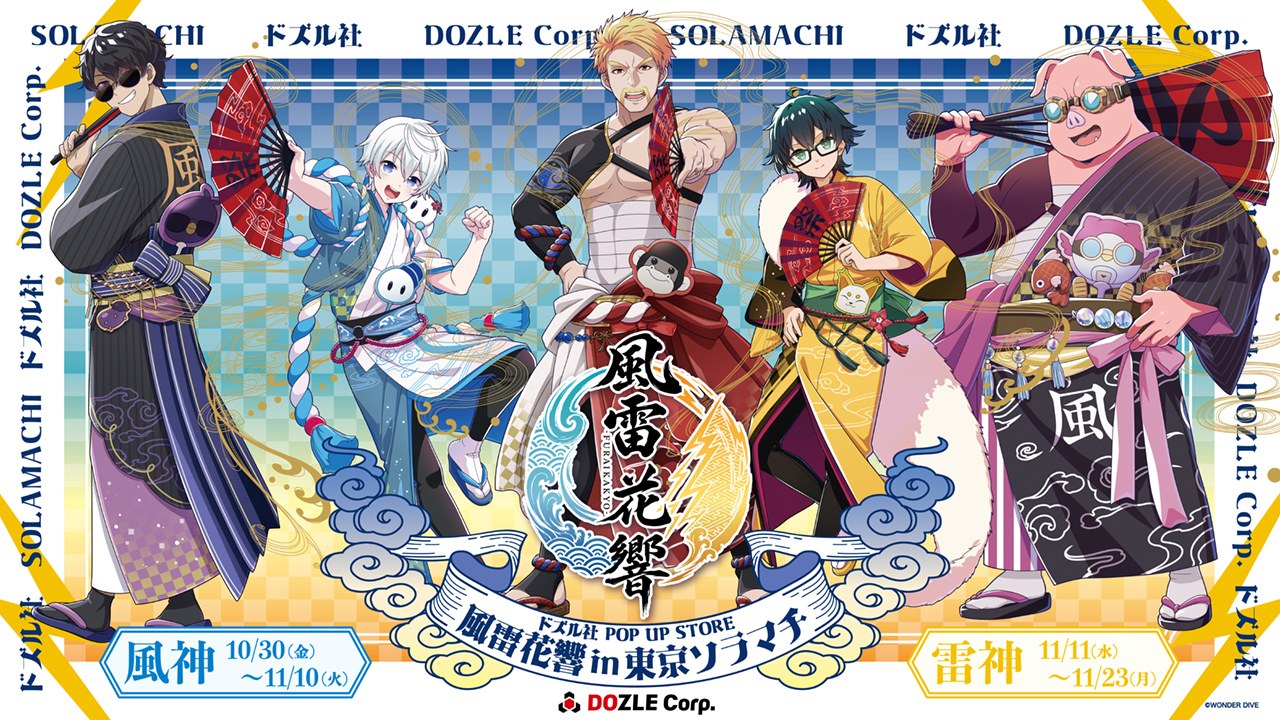
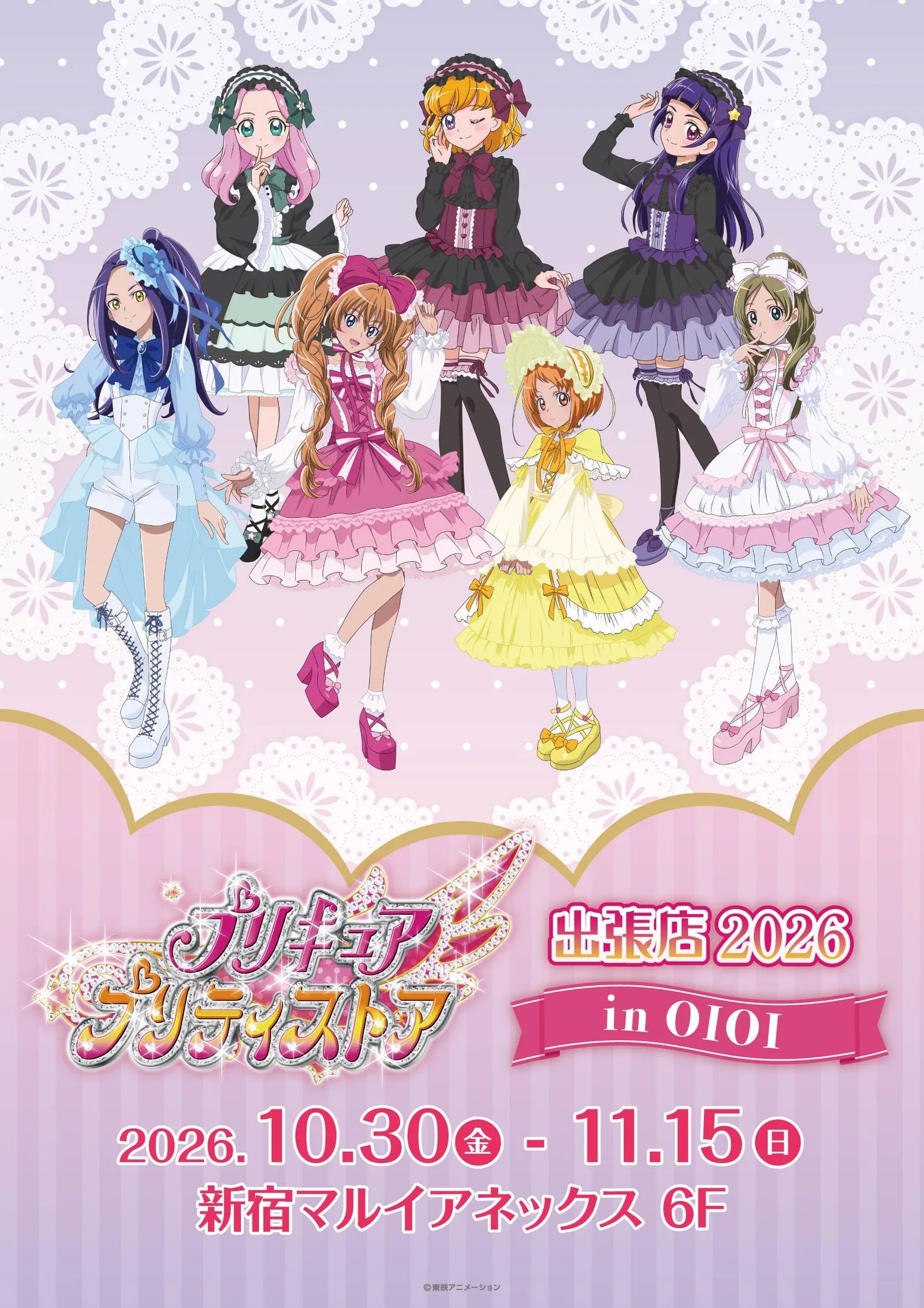
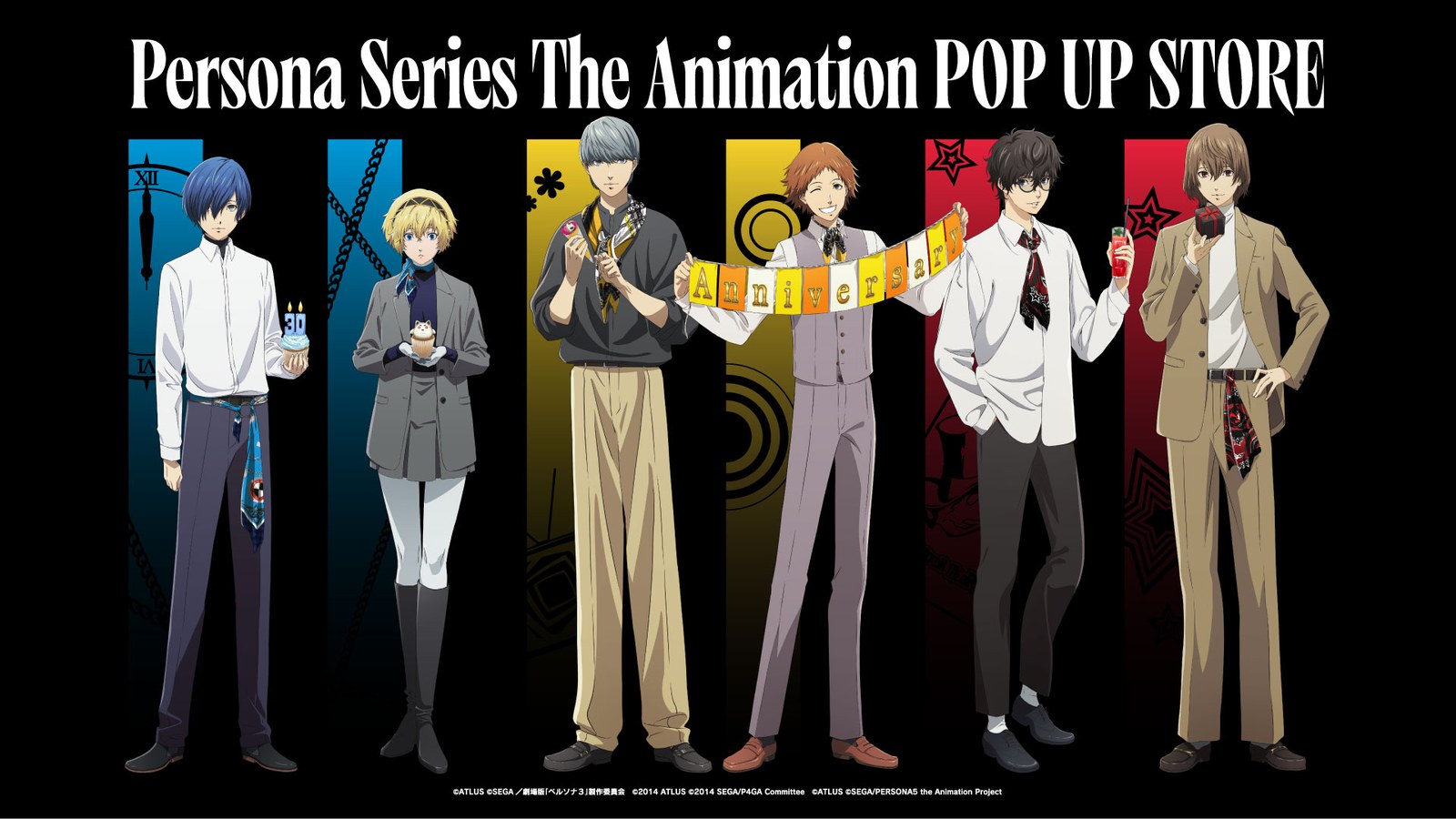
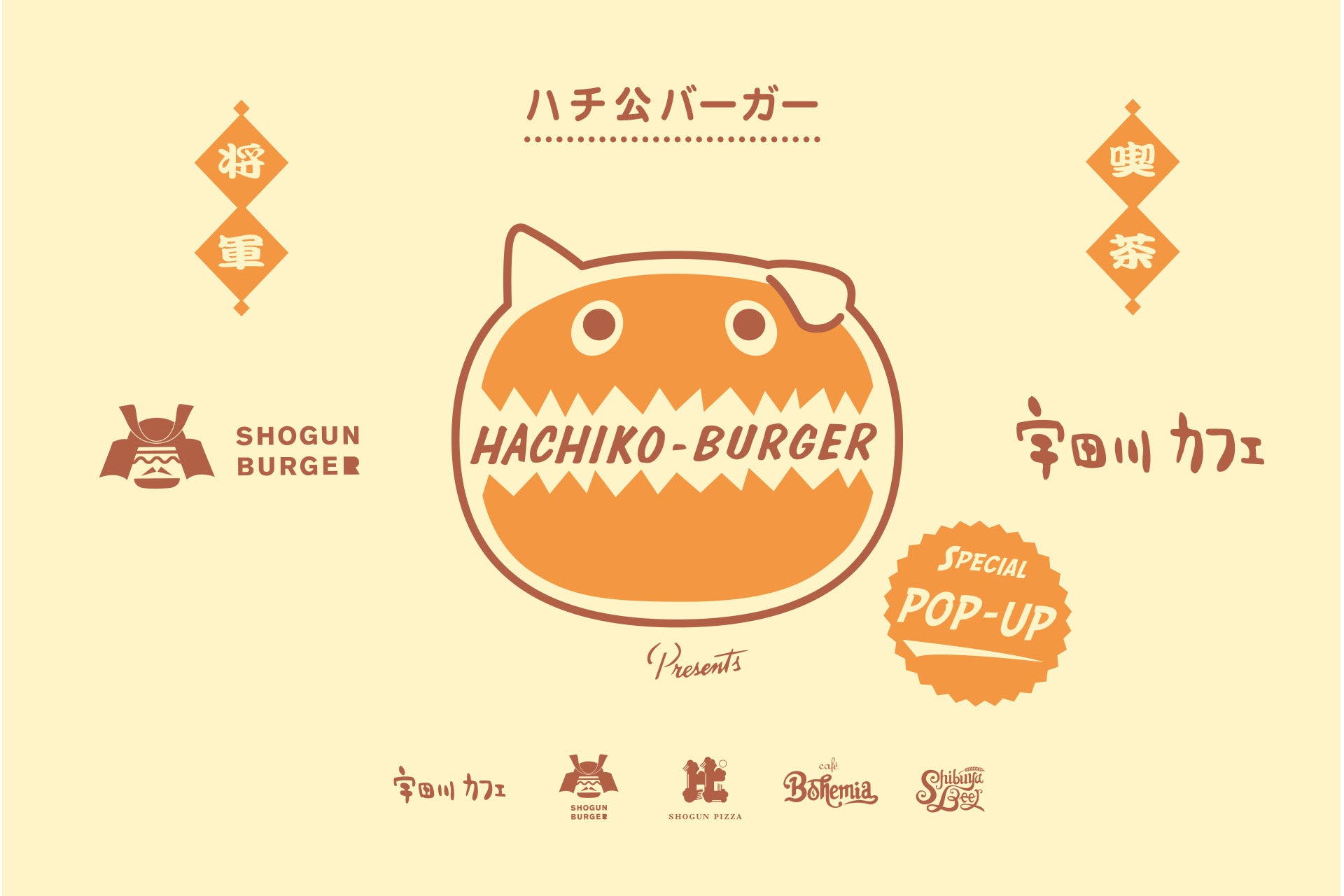
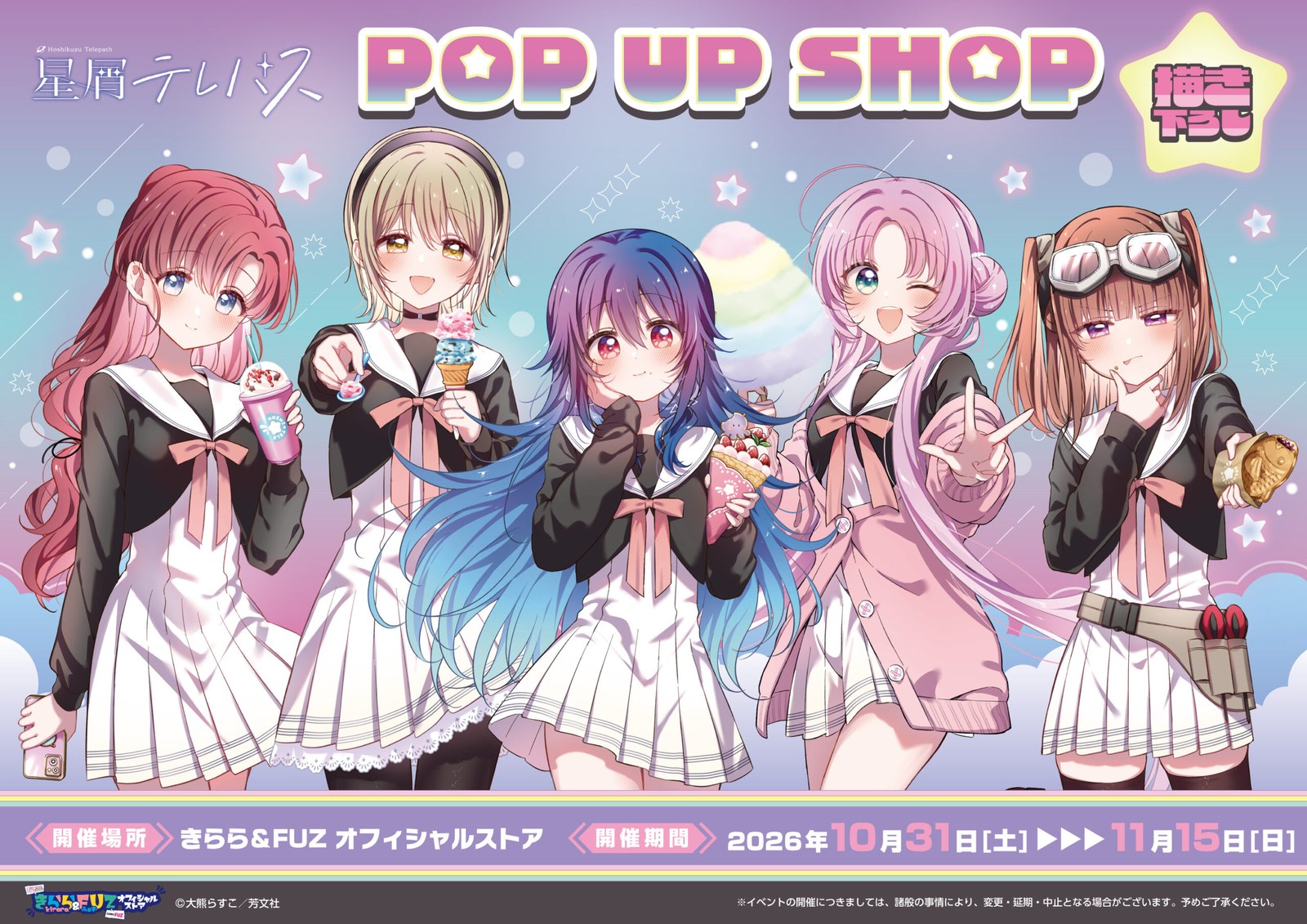
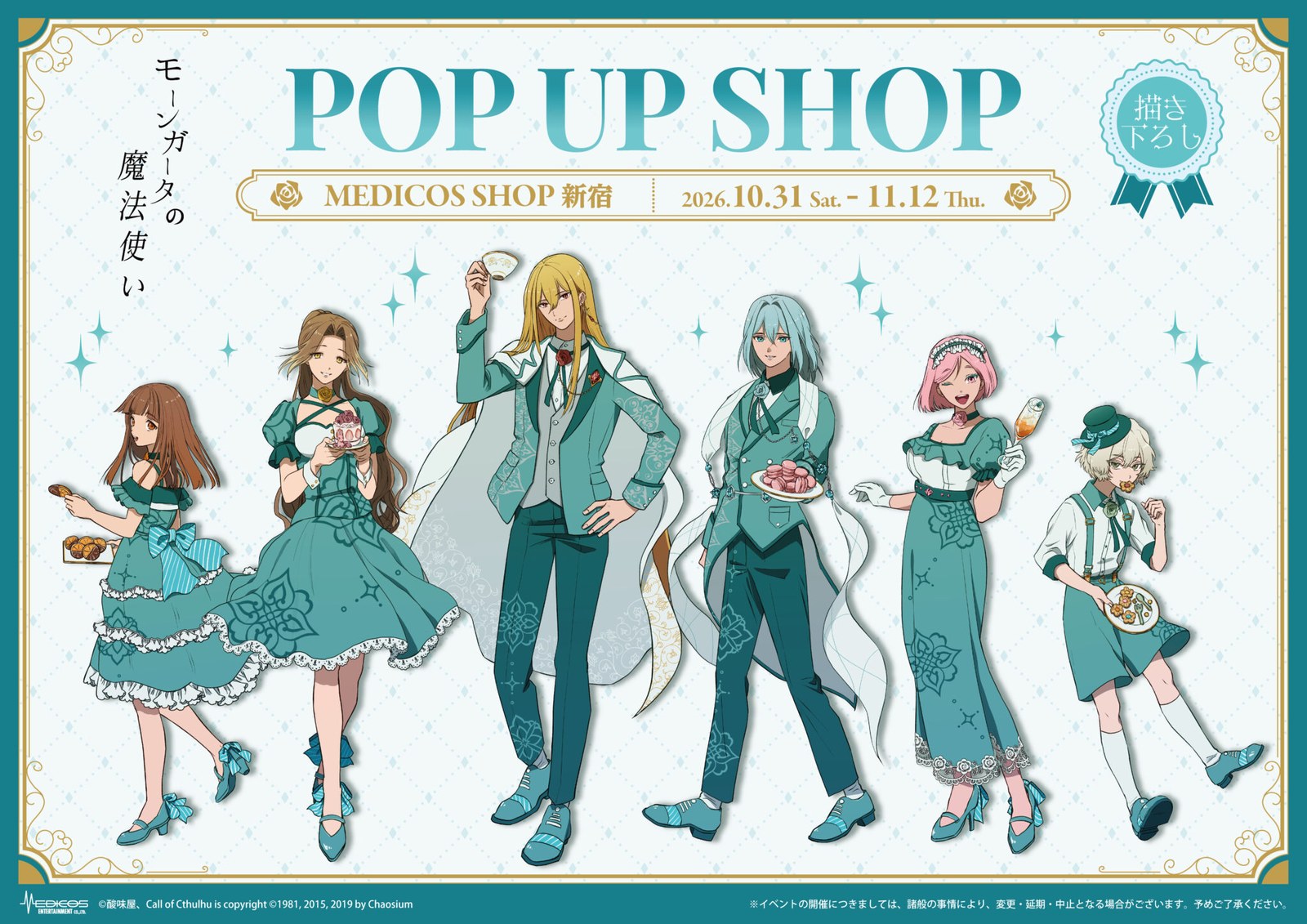
Most pop-ups run for one to three weeks, sometimes only a few days. They usually tie in with something: a new season of an anime, a game release, a character's anniversary, a film, a VTuber agency or a fashion collaboration. The goods are made for the event: acrylic stands, badges, clear files, plush toys and apparel with new artwork, often with a few items sold only at that store. Many also put up life-size panels or small displays for photos, and entry is usually free.
Two things make them different from a normal shop. Many goods are sold blind (ランダム or トレーディング): you pay for a sealed pack and get one character at random. And most stores hand out a bonus item (購入特典) for every set amount you spend, often a random card or sticker, while stocks last. Both are designed to make you buy more, so set a budget before you go in.
Where pop-ups happen
Shibuya PARCO is a hub for anime and game culture: its sixth floor has the Nintendo and Capcom stores, Pokémon Center Shibuya and a dedicated pop-up space, and other floors host game and character pop-ups too. Nearby, Shibuya Modi, Tokyu Plaza Shibuya and Seibu Shibuya regularly host limited stores. In Shinjuku, Marui Annex is one of the busiest buildings in the city for anime pop-ups, Lumine EST above the station runs character collaborations, and the Isetan department store has hosted game pop-ups that needed numbered tickets.
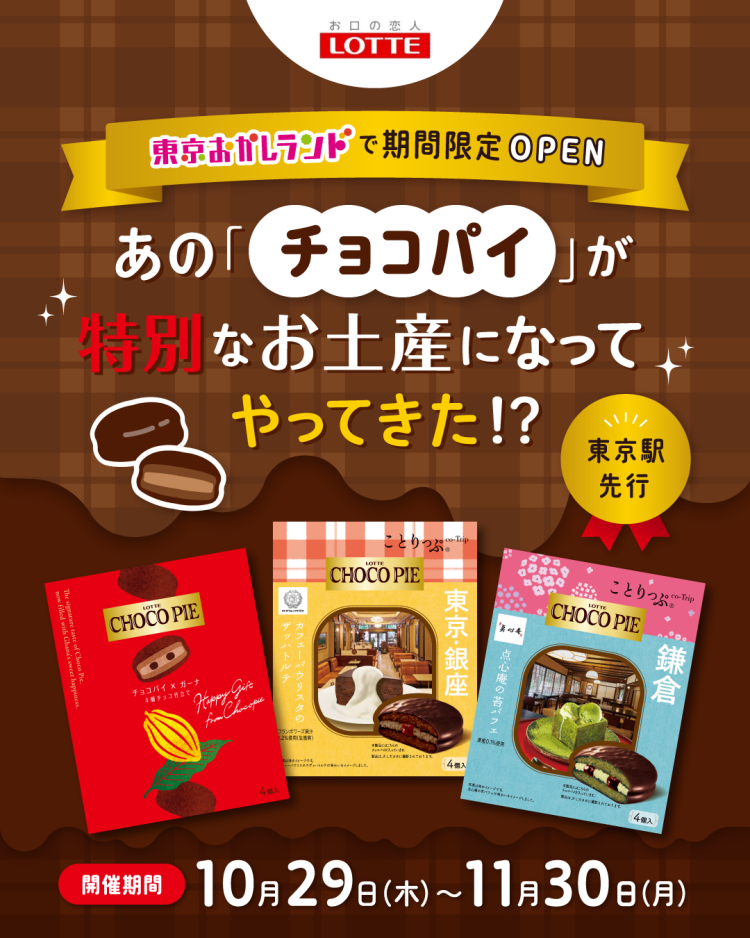
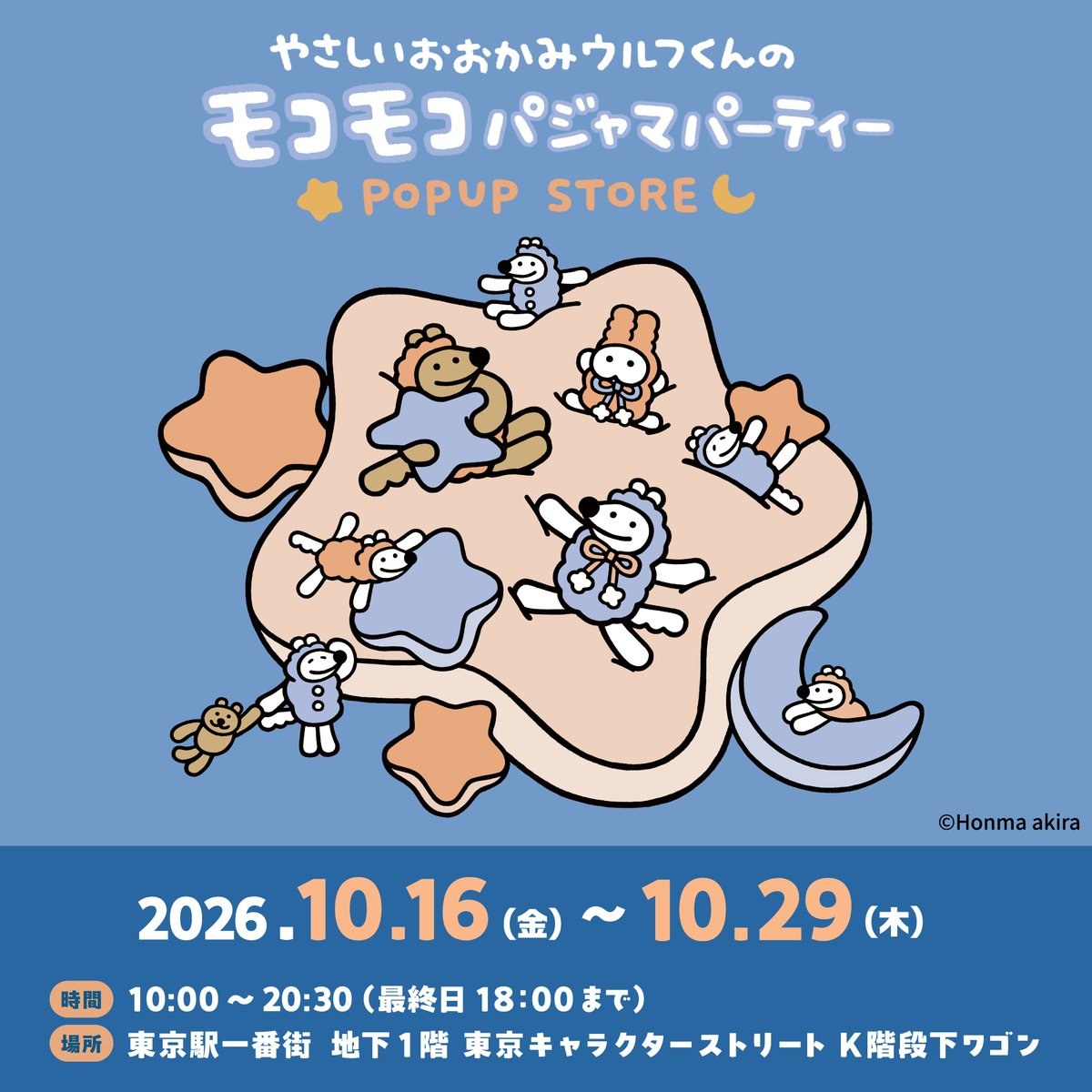
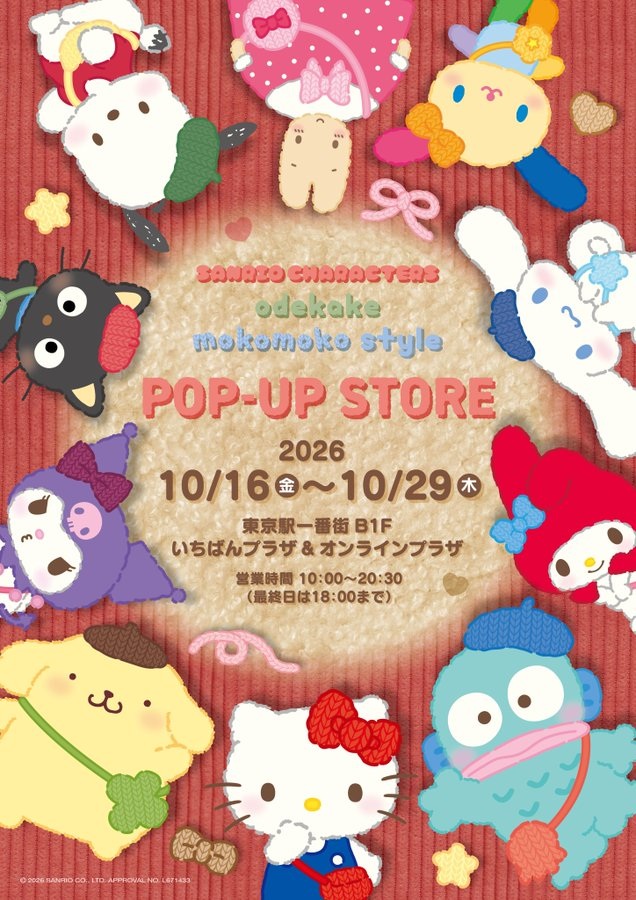
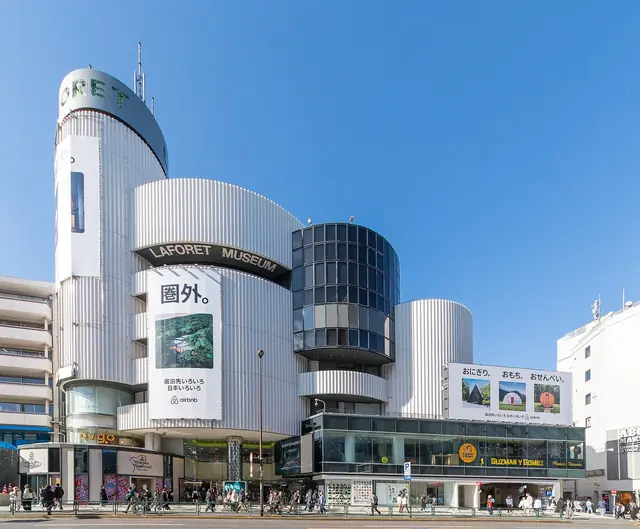
Ikebukuro is the other centre. Sunshine City and its Alpa shopping mall host pop-ups and official stores, and Otome Road and the big Animate store nearby make it the base for many anime fans. Harajuku and Omotesando lean towards fashion and brand pop-ups, with Laforet Harajuku the classic. Tokyo Character Street in the basement of Tokyo Station rotates limited shops in its event space, handy if you are catching a train.
- Follow the building's X account (Marui Annex, Shibuya PARCO, Sunshine City). They post every new pop-up.
- Several buildings host pop-ups on the same floor at once. Plan one area per day rather than crossing town.
How entry works: tickets, lotteries and limits
Quiet pop-ups let you walk in. Popular ones control the crowd, especially on the first days. The most common system is the numbered ticket (整理券), handed out in the morning or released online, which gives you an entry slot later that day. Others use timed reservations (事前予約) on a booking site, and for the opening weekend of a big title there is often a lottery (抽選) with an application window weeks ahead. A ticket gets you in; it does not guarantee that every item is still in stock.
Purchase limits (購入制限) are normal: a cap per item, per person or per visit, often stricter on day one. Once the opening rush is over, many stores switch to free entry. If a store notes 整理券配布終了, today's tickets are gone, and if it says 入場制限中, there is a queue at the door.
- Check the official page the night before. Entry rules for the first days are posted there and can change.
- Some lotteries need an account on a Japanese booking service. Register early.
- Bring your own bag. Many pop-ups charge for one or hand goods over in a thin paper bag.
When to go and how to pay
The first weekend is the worst time. Weekday mornings after the first few days are usually the easiest, and the last days can be busy again with people who left it late, with popular items sometimes sold out. Some pop-ups take mail orders after the event, so if a queue is hours long, it can be worth checking whether goods will be sold online later.
Payment varies. Many pop-ups now take cards, IC transit cards and QR payments, and some are cashless only; others in smaller spaces prefer cash. Prices are shown including tax in most stores, and bonuses are counted by the amount on one receipt, so split purchases may not earn them.
- Arriving right at opening time on a weekday beats arriving at noon on a Saturday.
- Bonuses usually count per receipt. Pay for everything in one go if you want the extra card.
Etiquette: queues, trading and resale
Queue where staff tell you to. Big pop-ups often form the line on another floor or outside the building, and lining up early in front of a closed store before the stated time is usually not allowed. Inside, photos of displays are normally fine, but some stores ban photographing the goods shelves, so look for signs.
Fans often swap random items with each other, but many stores ask people not to trade inside or right in front of the shop, so move somewhere else nearby. Buying to resell is the one thing that gets pop-ups their strict rules: some stores say they will refuse purchases they believe are for resale, and buying the full limit only to flip it online is frowned upon. If you collect, ask in fan groups for trades at face value.