Ramen and the ticket machine
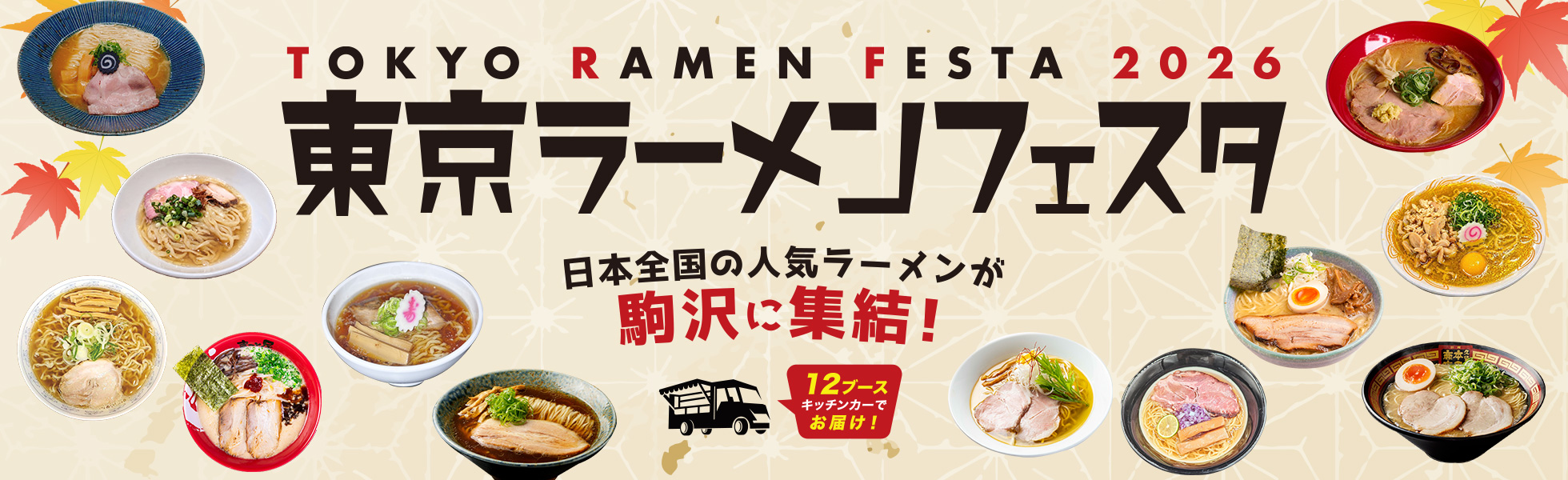
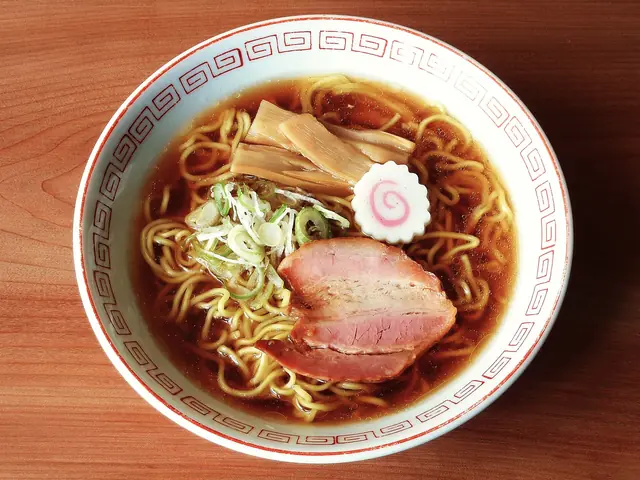
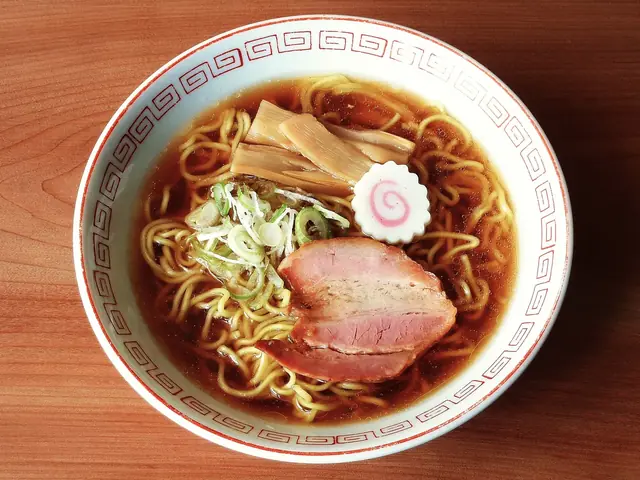
Tokyo's own style is shoyu ramen: a clear soy-based broth of chicken and pork with thin curly noodles, sliced pork, bamboo shoots and a sheet of nori. Around it you will find every other style. Tonkotsu is the creamy pork bone soup from Kyushu, miso ramen comes from Sapporo, shio is a light salt broth, and iekei is the thick pork and soy style born in Yokohama, served with spinach and nori. Tsukemen is cold, thick noodles dipped into a concentrated hot soup; when you finish, ask for soup-wari, hot broth poured into the leftover dip so you can drink it.
Many shops sell through a ticket machine by the door. Put in money, press the button for your bowl and any toppings, and hand the ticket to the staff or leave it on the counter. Older machines take only cash and sometimes only 1,000 yen notes, while newer ones also take IC cards or QR payments. At some shops you will be asked how firm you want the noodles (katame means firm) and how rich the soup should be. Slurping is normal. Lingering after you finish is not, because ramen counters are for eating and leaving.
- At a shop with a queue, join the end of the line. Some shops want you to buy the ticket first, so look at what the people ahead are doing.
- Kaedama is an extra portion of noodles for your remaining soup, common at tonkotsu shops.
Sushi three ways: conveyor, standing, counter
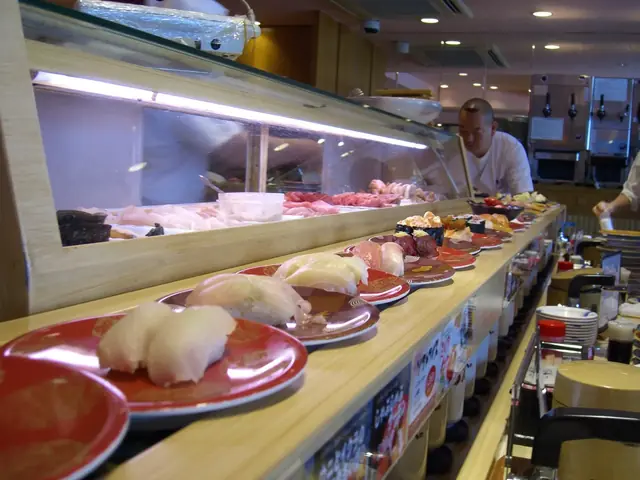
Kaiten-zushi, conveyor-belt sushi, is the easy start. You order from a touch screen at your seat, most of which switch to English, and plates arrive on the belt or an express lane. Green tea powder and a hot water tap sit at the seat and pickled ginger is in a box. Prices are set per plate, so the bill holds no surprises.
Standing sushi bars, tachigui, sit near stations and in market areas. You order a piece or two at a time from the chef, eat quickly and pay at the end, often for much less than a sit-down meal. At the other end are counter restaurants serving omakase, the chef's choice in a set order. The best need reservations weeks ahead, through their own booking pages or reservation services, and cancellation rules are strict.
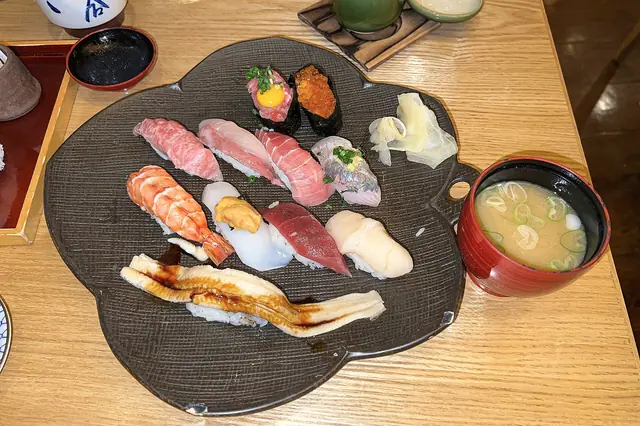
Eating nigiri with your fingers is fine. Dip the fish side lightly in soy sauce, not the rice, and eat each piece in one bite if you can. At a good counter the chef often brushes on sauce already, so skip the dish. For a sushi breakfast, the Tsukiji outer market and the restaurants at Toyosu Market are the classic choice.
Tempura, soba, monjayaki and yakitori
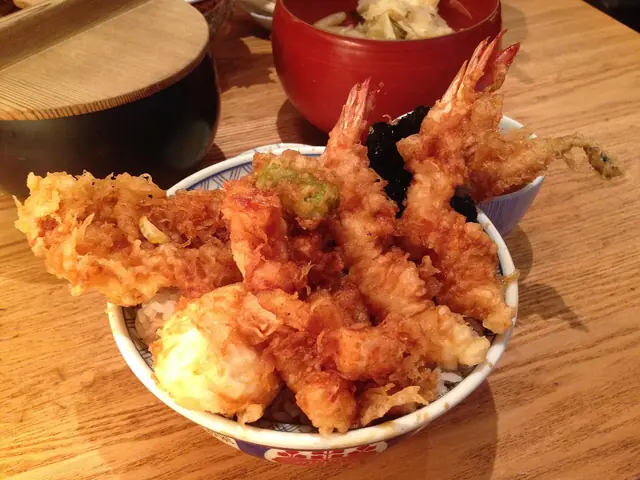
At a tempura counter the chef fries one piece at a time and sets it on the paper in front of you while it is still crackling. Dip it in tentsuyu with grated daikon, or touch it to salt. Tendon, tempura on rice with a sweet sauce, is the cheap version and is sold at chain shops all over the city. Soba, buckwheat noodles, comes cold on a bamboo tray with a dipping sauce, or hot in broth. Standing soba counters in and around stations are the fastest cheap meal in Tokyo. At a sit-down soba restaurant you may get soba-yu at the end, the cooking water, to mix into the leftover sauce and drink.
Monjayaki is the dish of downtown Tokyo: a runny batter of dashi and a little flour with cabbage and toppings, cooked on a hotplate at your table. Nishinaka-dori in Tsukishima, a short walk from Tsukishima Station on the Yurakucho and Oedo lines, is lined with dozens of monja restaurants. You make a ring of cabbage, pour the liquid into the middle, mix, flatten and eat it straight off the plate with a tiny spatula. If you have never made one, ask the staff to cook the first for you.
Yakitori, chicken skewers over charcoal, are ordered with tare (sweet soy glaze) or shio (salt). They taste best in the yokocho, the narrow drinking alleys by the stations, such as Omoide Yokocho by Shinjuku's west exit or the bars under the train tracks at Yurakucho. Small places there have few seats, often take cash only and usually serve a small cover dish.
- Buckwheat is a strong allergen and soba shops cook all noodles in the same water. Say so if it matters.
- Monjayaki with mentaiko and mochi is the order many locals point first-timers to.
Depachika, konbini, kissaten and wagashi
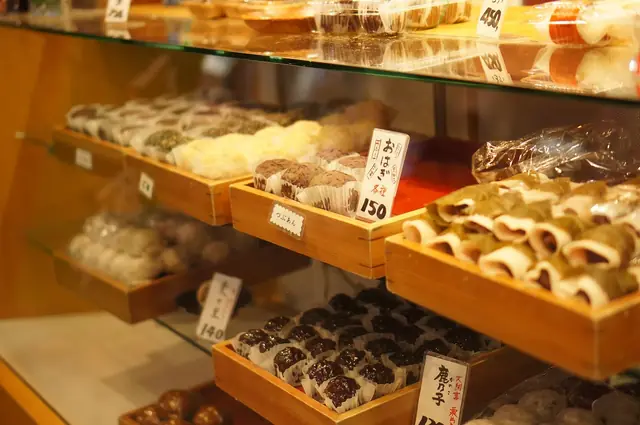
Depachika are the basement food floors of department stores: bento, sushi, tempura, salads, bread, fruit and rows of Japanese sweets, all beautifully packed. Prepared food is often marked down in the last hour before closing. Eating on the floor itself is usually not allowed, so take your box to a park or your hotel.
Convenience stores, konbini, are a real part of Tokyo food. 7-Eleven, FamilyMart and Lawson all sell onigiri (pull the tabs in numbered order to open the wrapper), egg sandwiches, fried chicken from the counter and, in the colder months at many stores, oden simmering by the register. If the staff ask if they should heat your bento, a nod is enough.
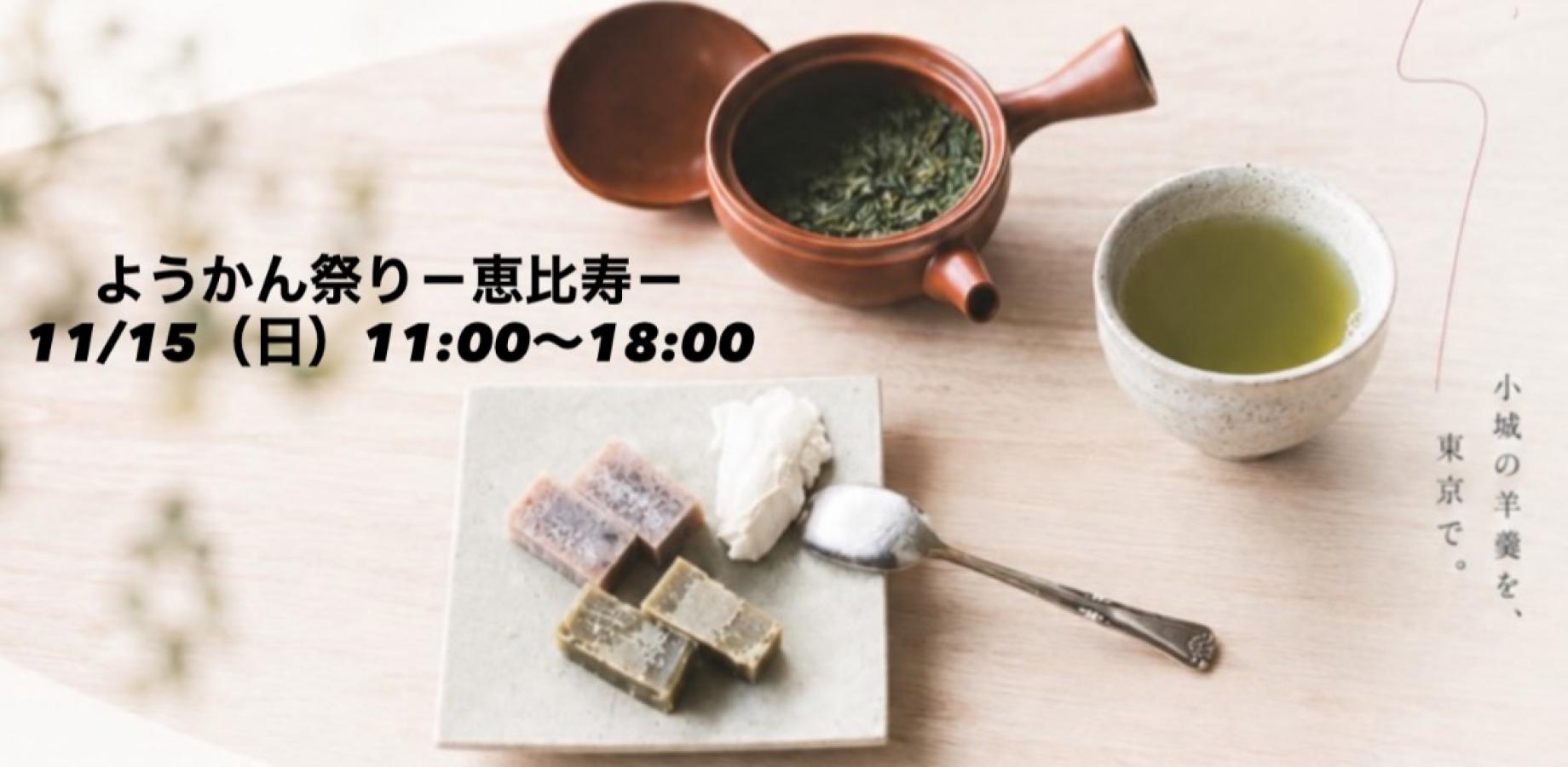
For breakfast, look for a kissaten, an old-style coffee shop with hand-poured coffee. Many offer a morning set until late morning: thick toast, a boiled egg and coffee at one price. Wagashi are the traditional sweets made from sweet bean paste, rice flour and agar. Some, like nerikiri, are shaped for the season, while dorayaki and daifuku are everyday treats. They are made to go with green tea, and old shops in downtown areas such as Asakusa still make them by hand.
Ordering, queues, cash and special diets
Most restaurants hand you a wet towel and free water or tea as you sit down. To call staff, raise a hand and say sumimasen, or press the call button on the table. There is no tipping, and you usually pay at the register by the door. Lunch sets (teishoku) cost far less than dinner at the same place, and many restaurants close between lunch and dinner. Popular places have a line: join the end, and do not hold spots for friends who have not arrived. Cards and mobile payment are now normal at chains and department stores, but small shops are often cash only.
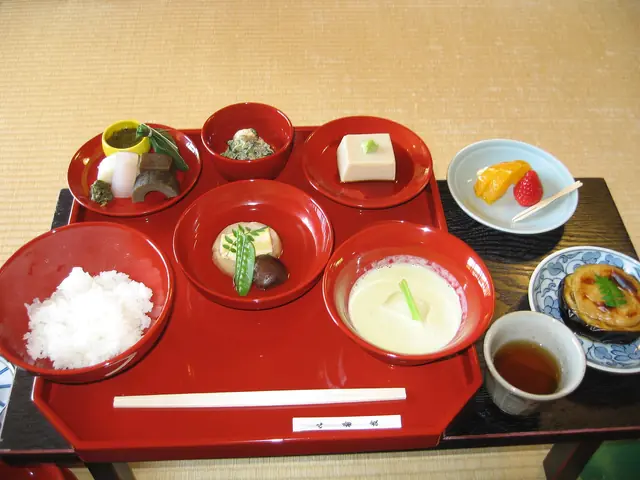
Vegetarian food is harder than it looks, because dashi, fish stock made from bonito flakes, is in most soups and sauces, so a dish with no visible meat may still contain fish. Shojin ryori, Buddhist temple food, is fully plant-based. The Tokyo Convention and Visitors Bureau publishes a free vegan and vegetarian restaurant guide on its GO TOKYO site. Halal and Muslim-friendly restaurants are easy to find in central Tokyo, including halal ramen, but standards differ: some places are certified, others simply avoid pork and alcohol. Soy sauce and mirin can contain alcohol, so ask.
- Useful phrase: niku to sakana wa taberaremasen, dashi mo (I can't eat meat or fish, including stock).
- Many restaurants keep an English menu and bring it on request: ask for eigo no menyu.