Marunouchi side or Yaesu side
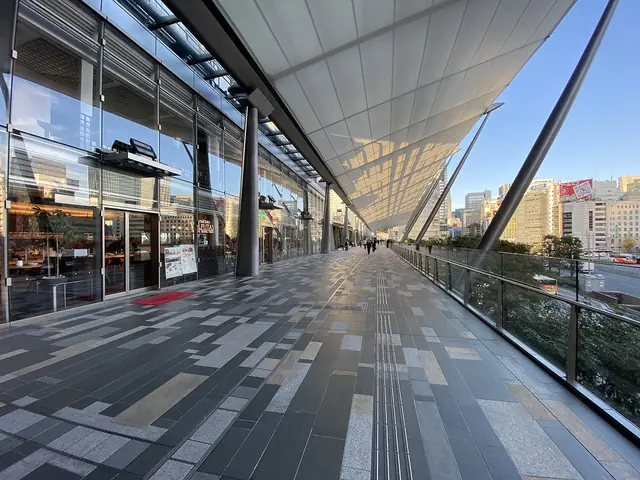
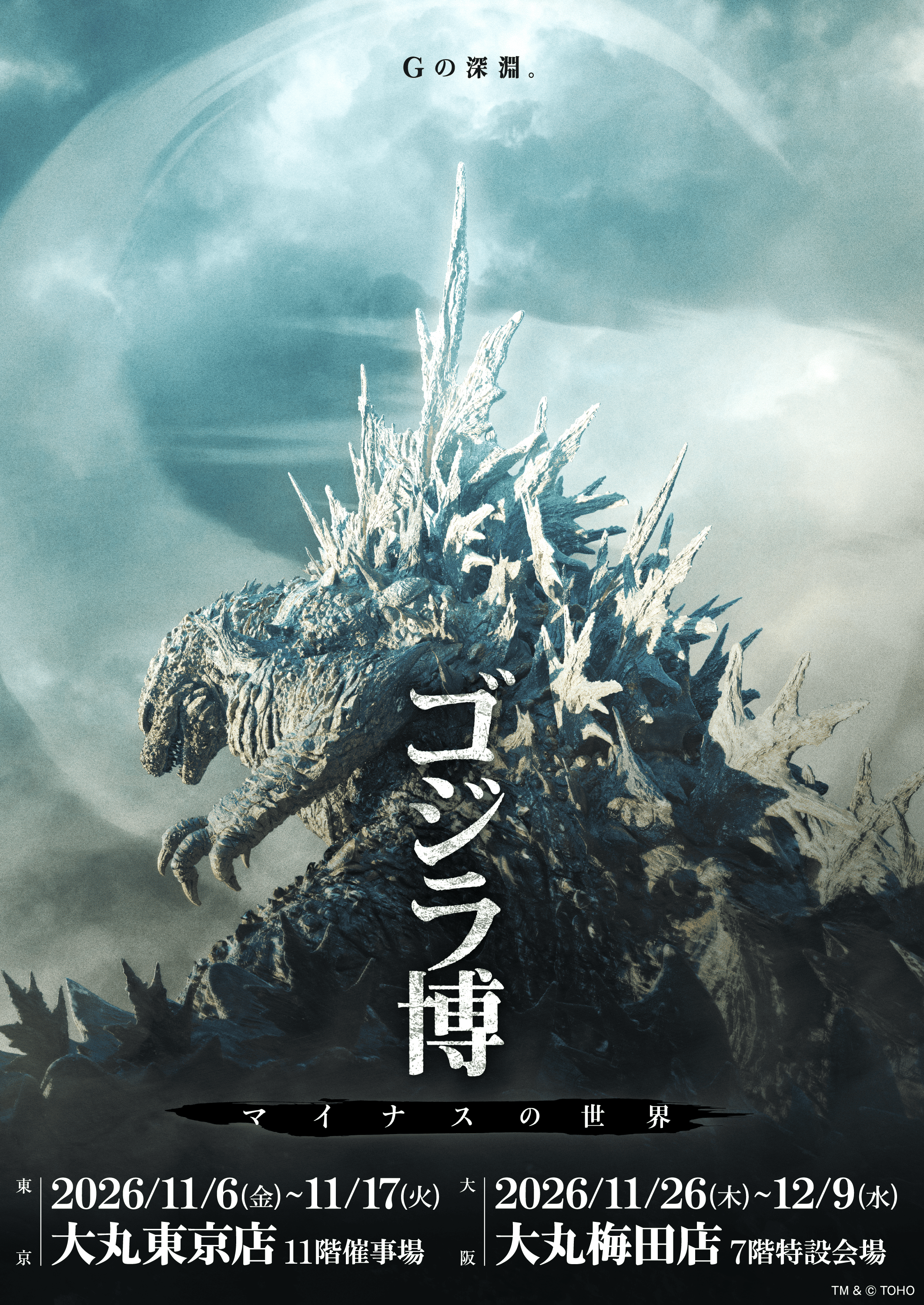
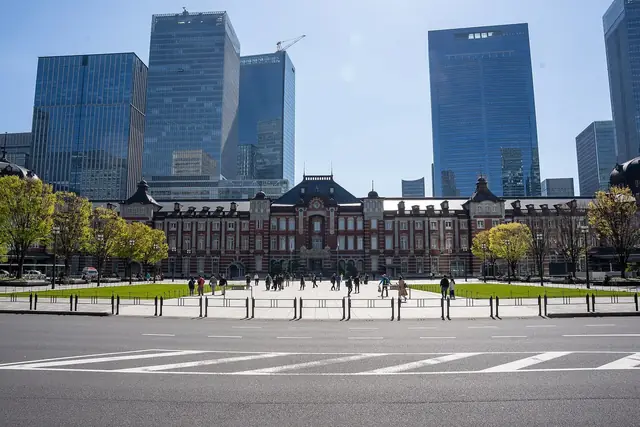
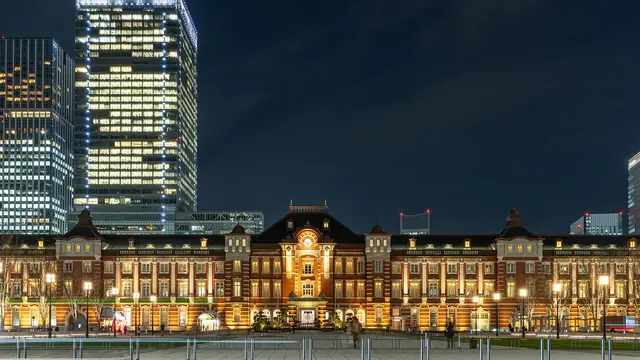
The tracks run north to south through the middle, so the station has two faces. The Marunouchi side (west) is the red-brick building of 1914, facing the office towers and the Imperial Palace. The Yaesu side (east) is modern: the Grand Roof, a white sail-shaped canopy about 230 metres long, the Daimaru department store, the shinkansen gates and, across the road, Tokyo Midtown Yaesu, opened in 2023, with Bus Terminal Tokyo Yaesu in its basement. JR highway buses leave from in front of the Yaesu South exit.
Inside the gates, three passages (North, Central and South) cross under the tracks, and each side has a North, Central and South exit at street level, plus underground exits. When you meet someone, name the exact exit, such as Marunouchi North or Yaesu Central: Tokyo Station alone can leave you a 10-minute walk apart. Underground passages link the Marunouchi side to the Marunouchi Line, the Marunouchi Building and Otemachi, and the Yaesu side to the Yaesu underground mall, so on rainy or very hot days you can walk a long way without going outside.
- The floor maps on Tokyo Station City show exits, lockers and toilets. Screenshot the one you need before you go.
- The classic meeting point inside the gates is the Silver Bell (Gin no Suzu) in the underground central passage on the Yaesu side.
First Avenue: Character Street, Ramen Street, Okashi Land
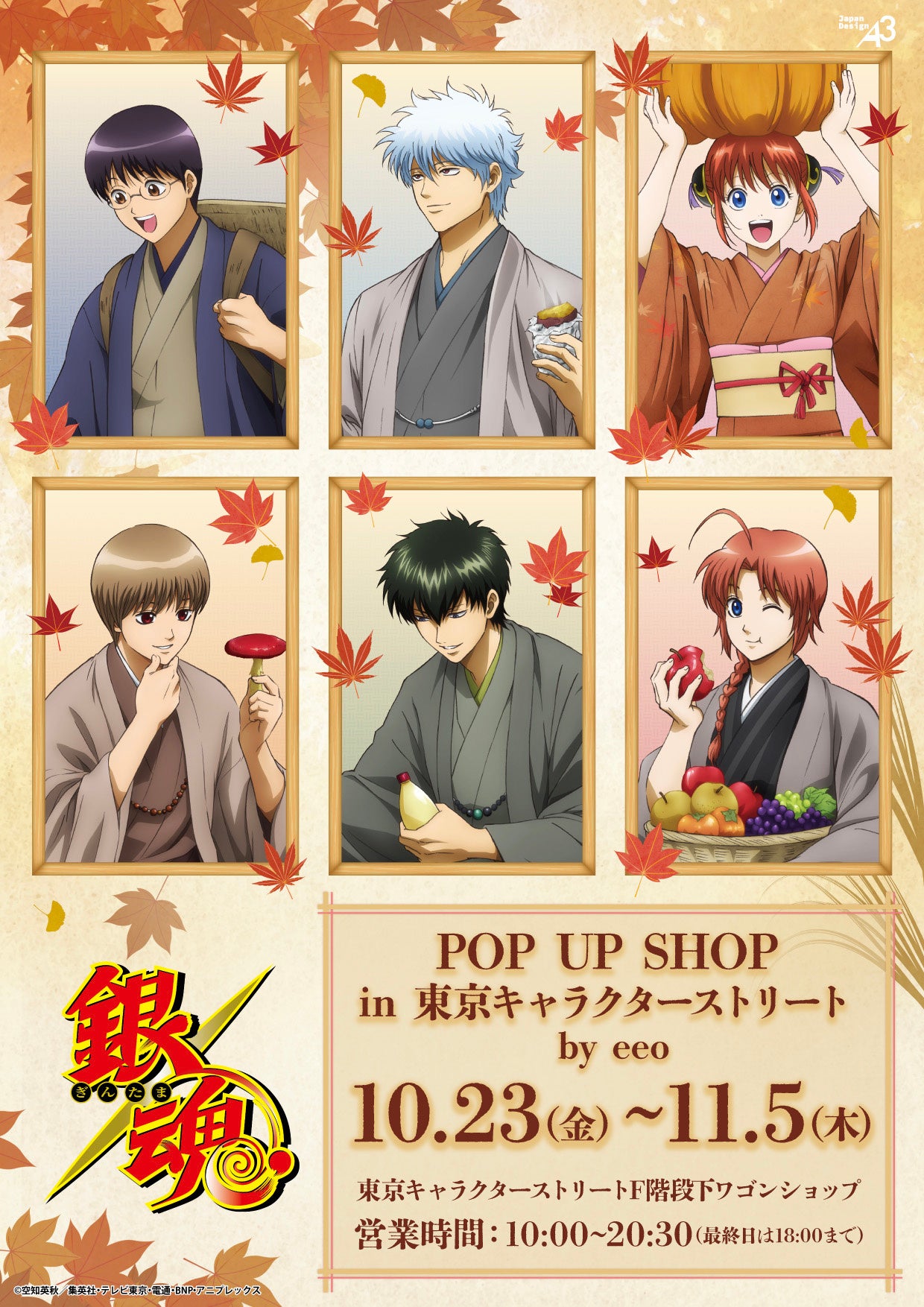
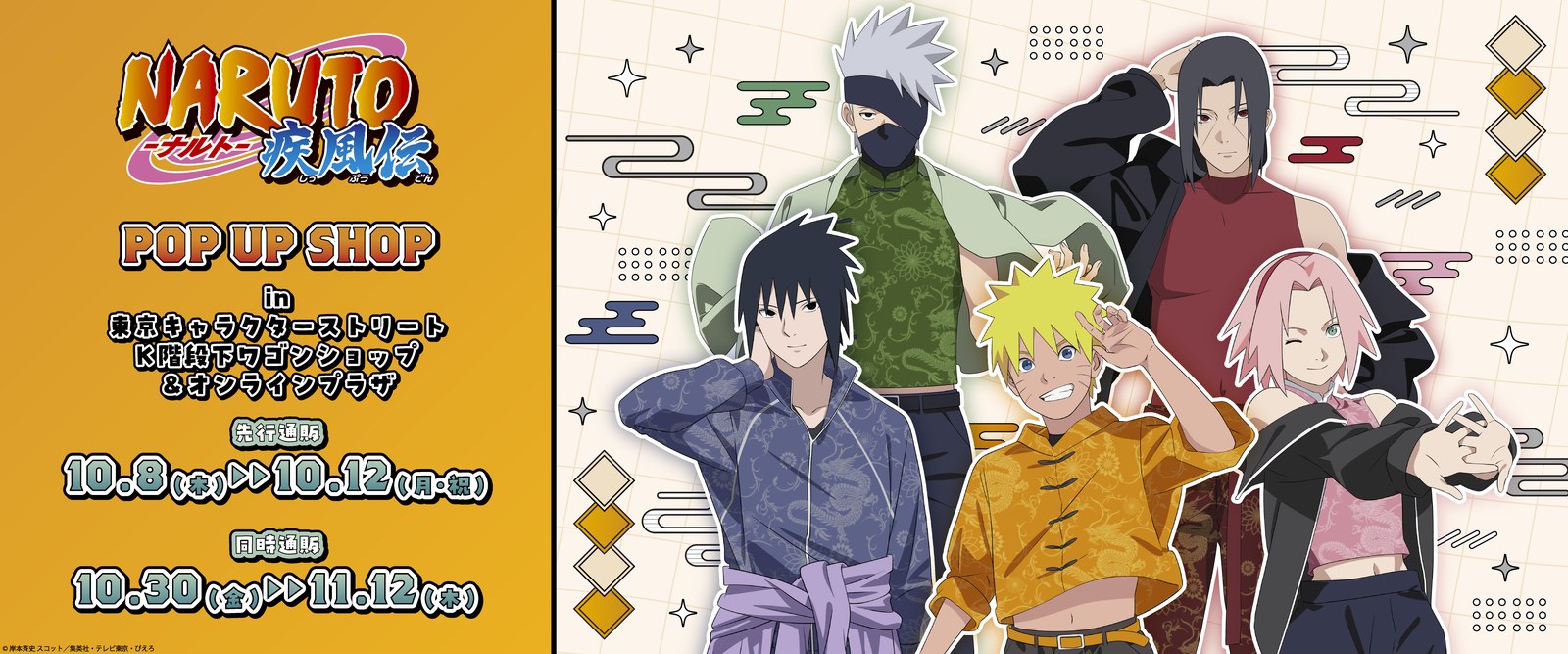
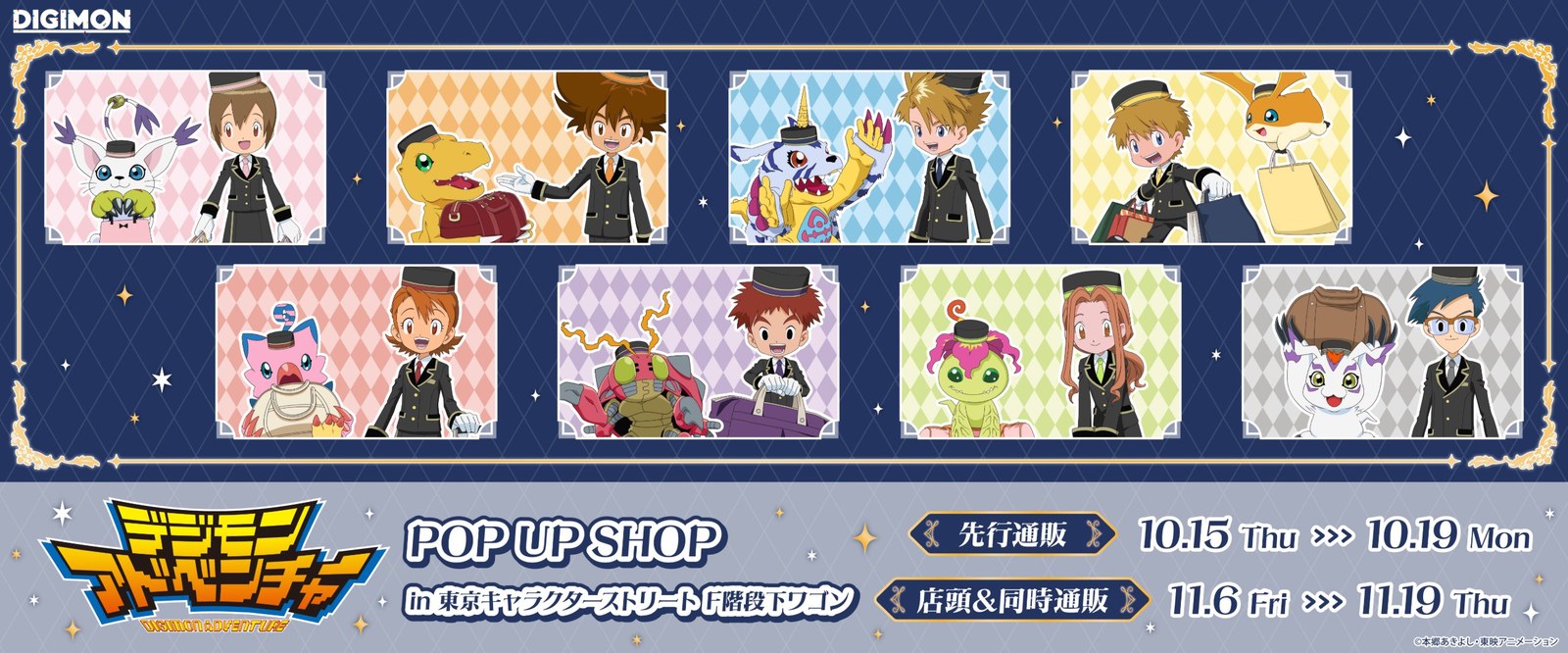
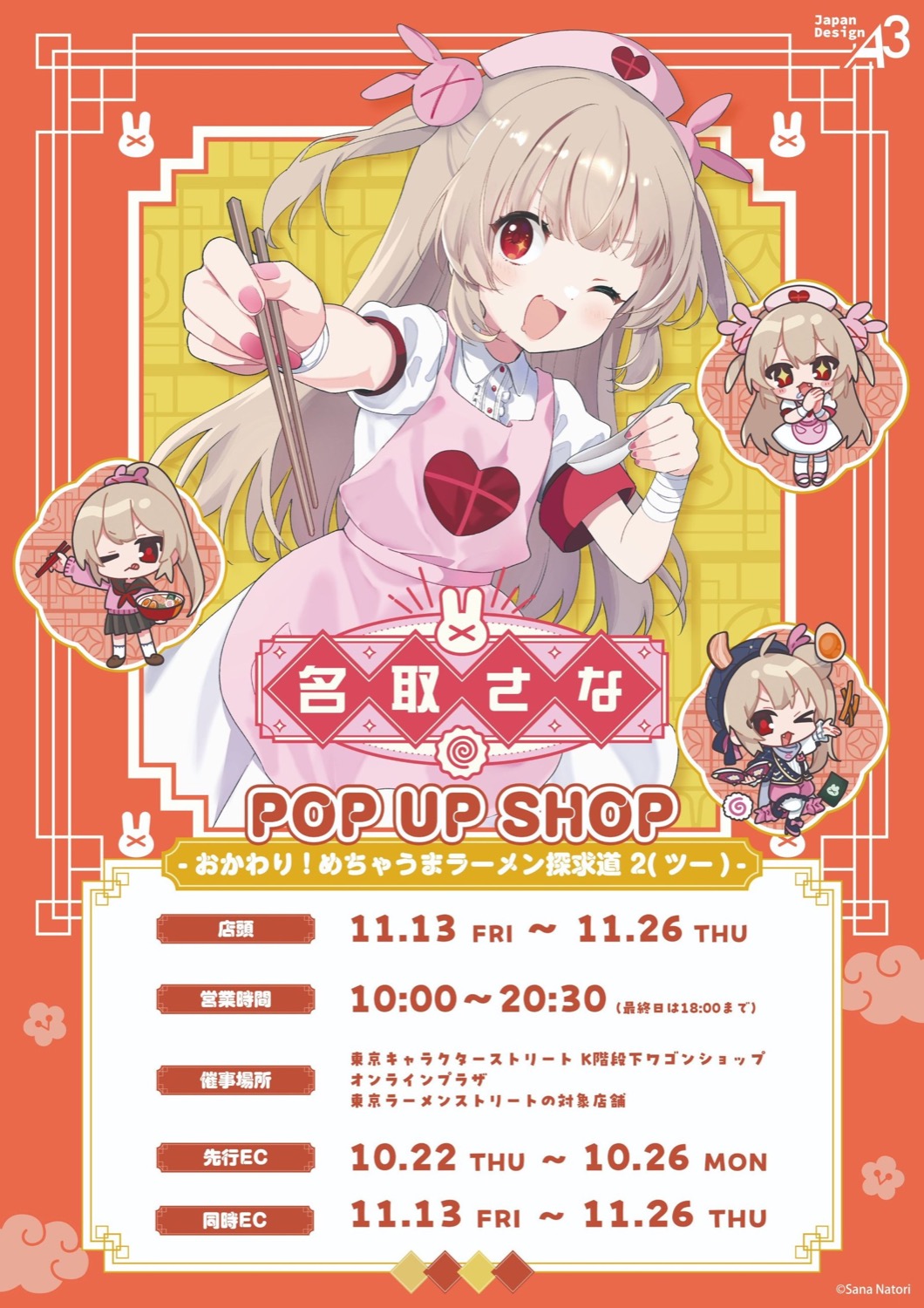
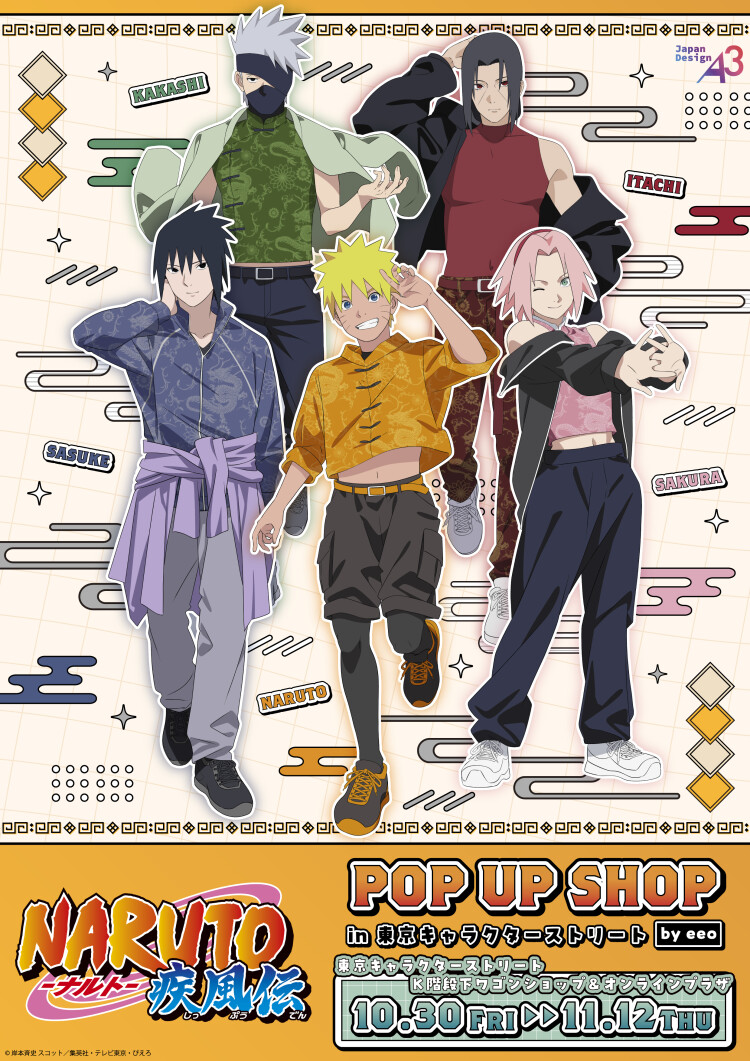
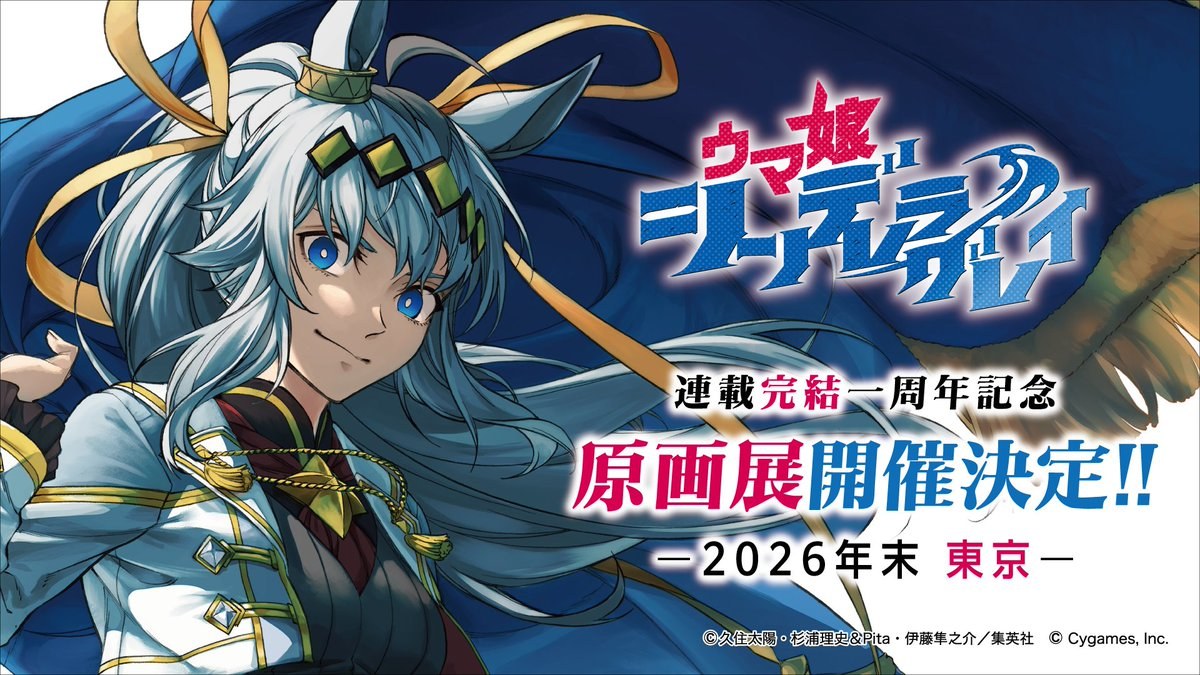
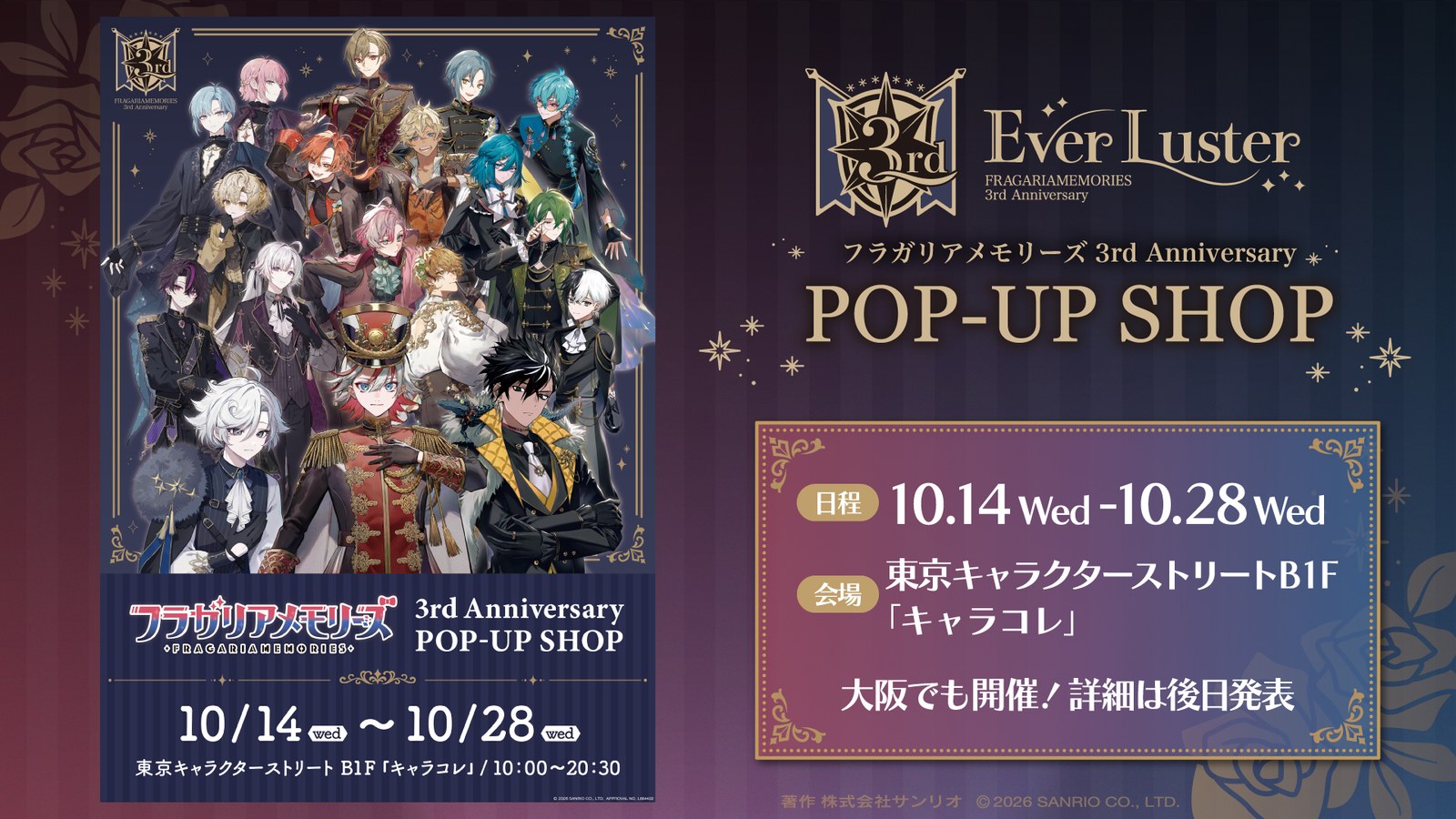
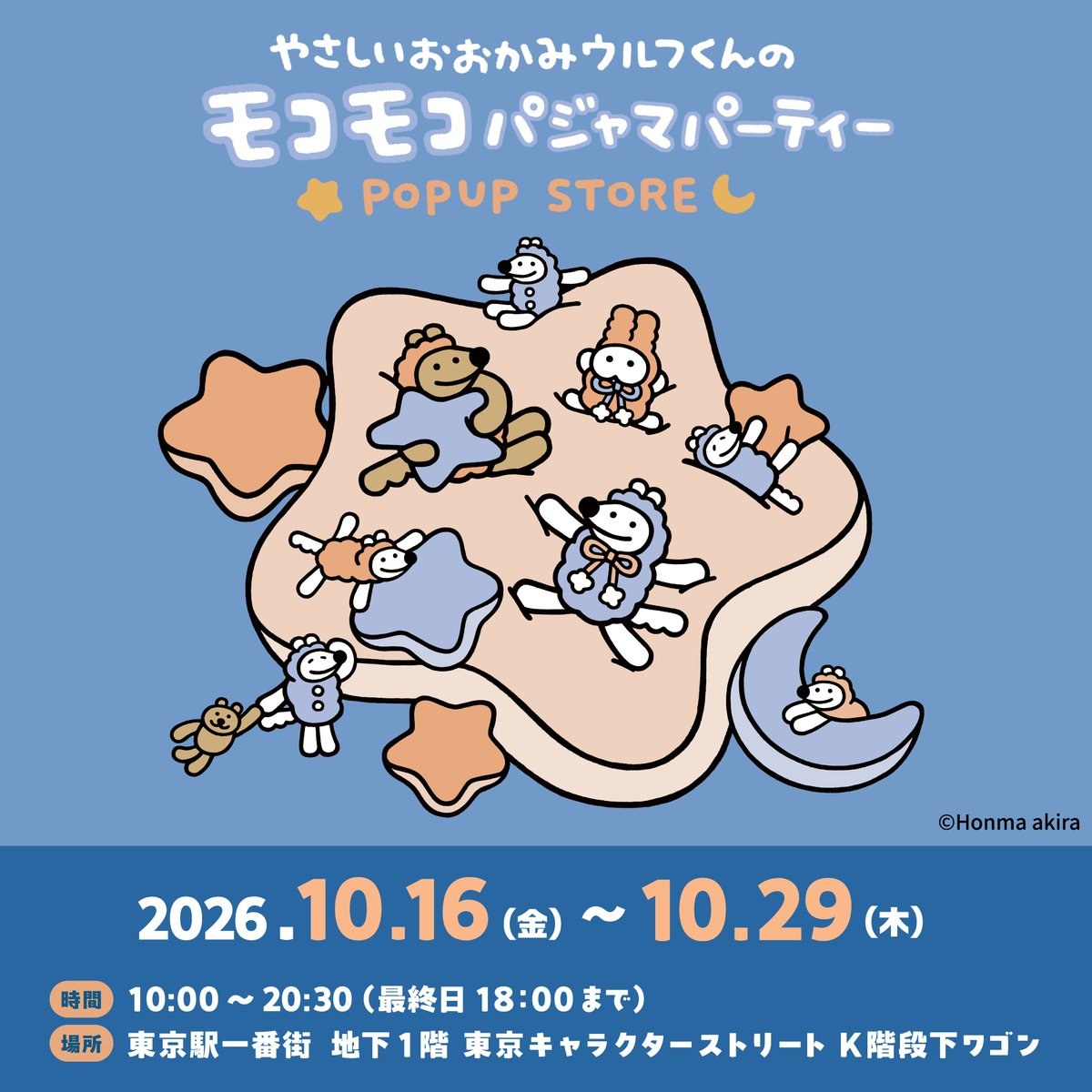
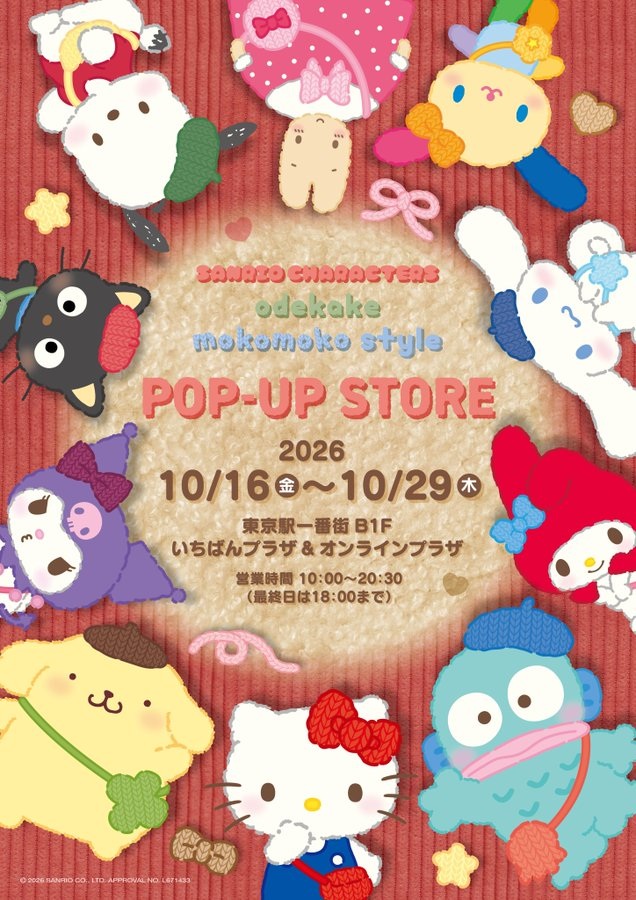
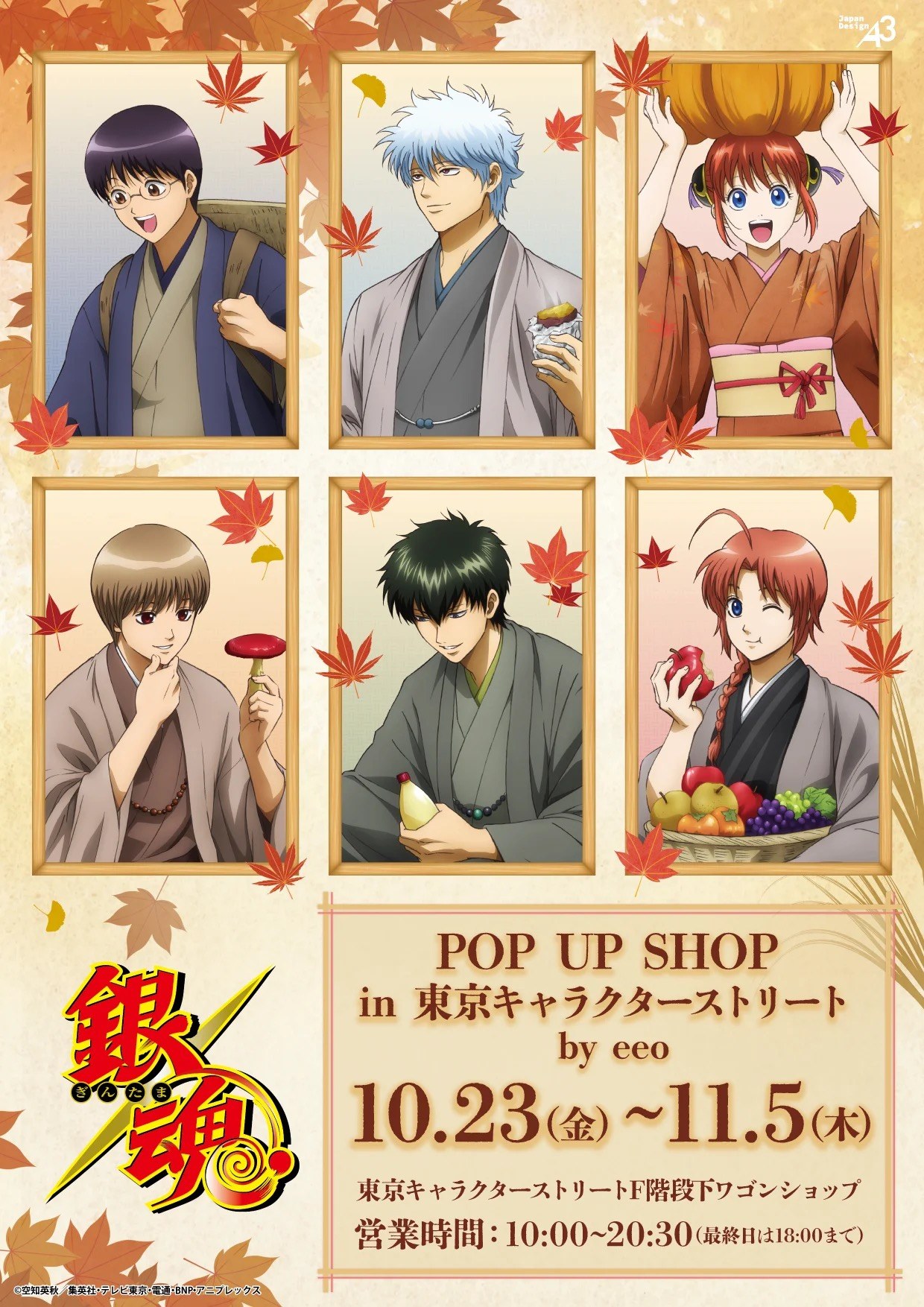
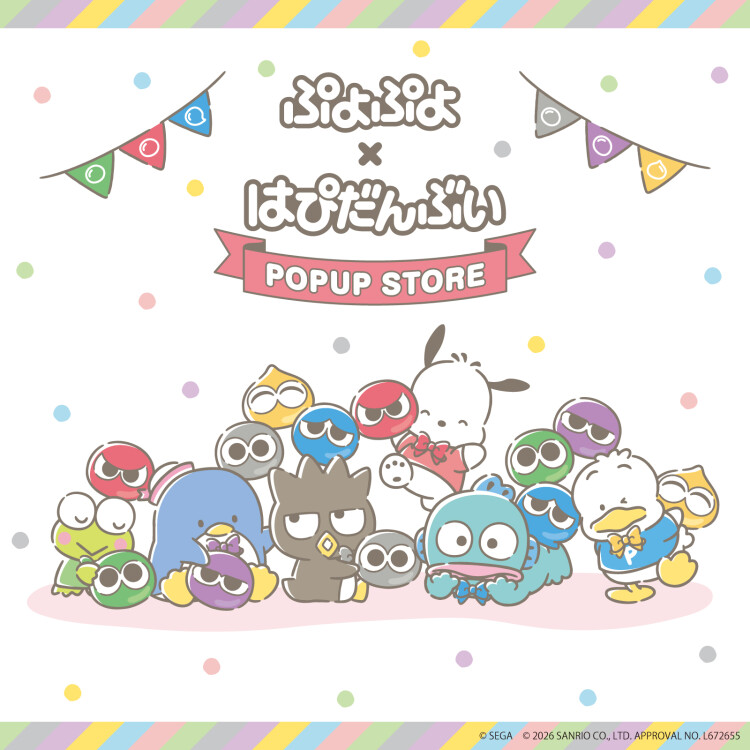
Most visitors head for First Avenue Tokyo Station (Tokyo Eki Ichibangai) on the Yaesu side, outside the ticket gates, so no train ticket is needed. Tokyo Character Street, mostly in its basement, has more than 30 shops: the TV channels' own stores, Pokémon Store Tokyo Station, Jump Shop, Donguri Republic for Studio Ghibli goods, Chiikawa Land, Kirby Café Petit, Tomica and Plarail, LEGO, Detective Conan, One Piece and a kabuki goods shop run by Shochiku. The line-up changes, and a small event space, Ichiban Plaza, hosts limited-time character shops every few weeks.
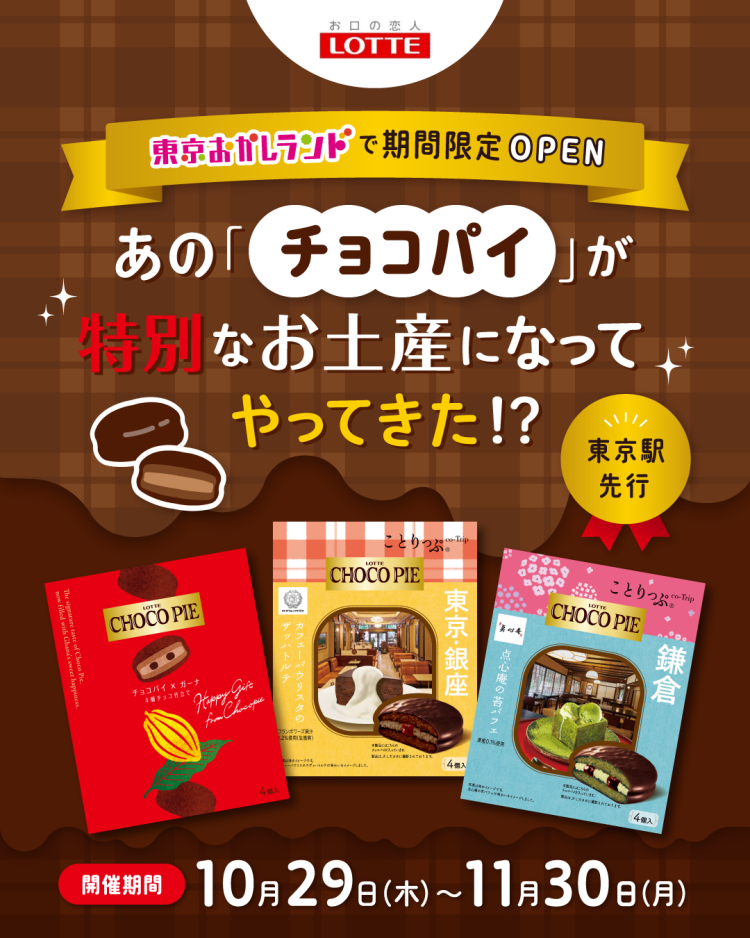
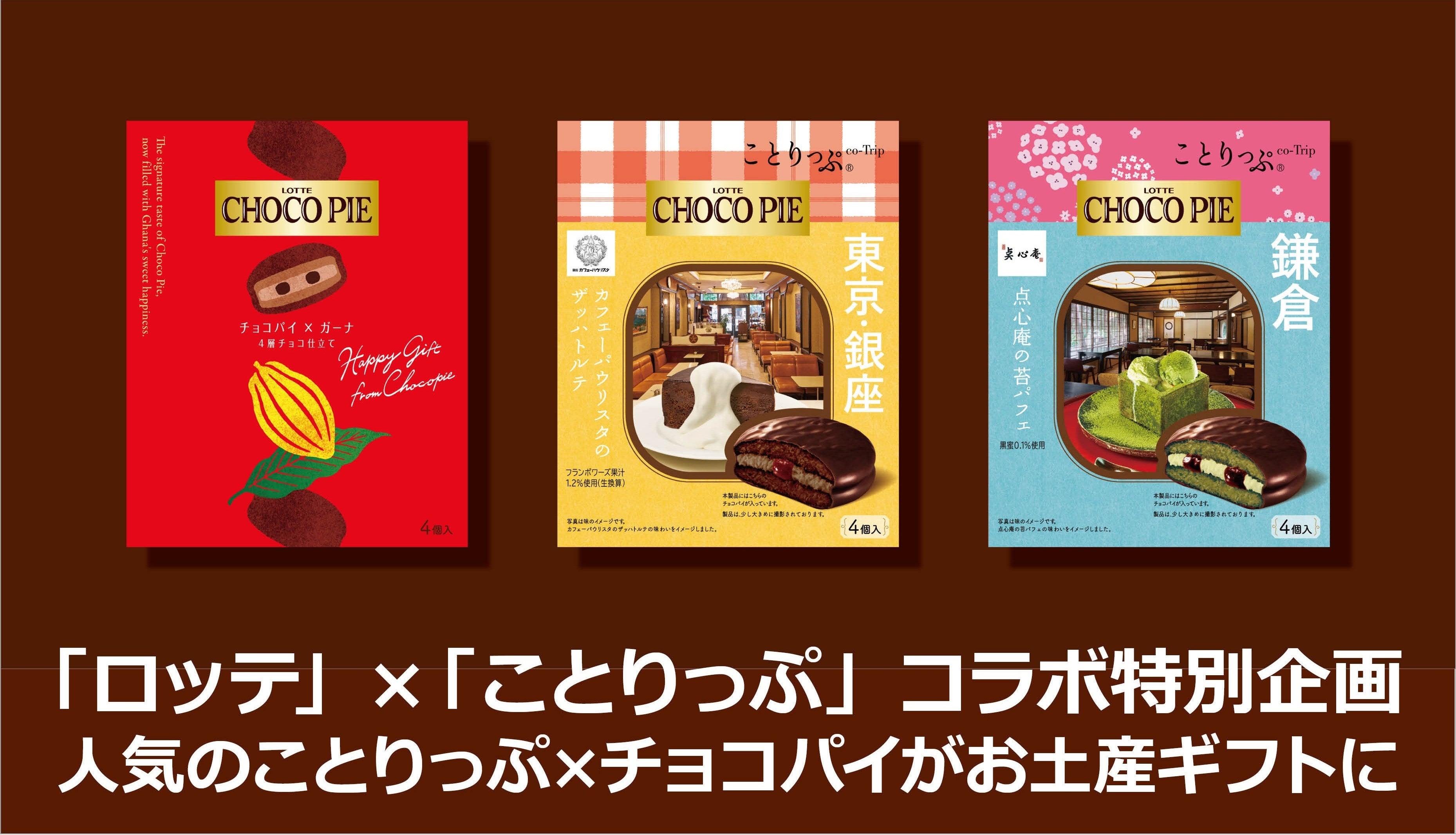
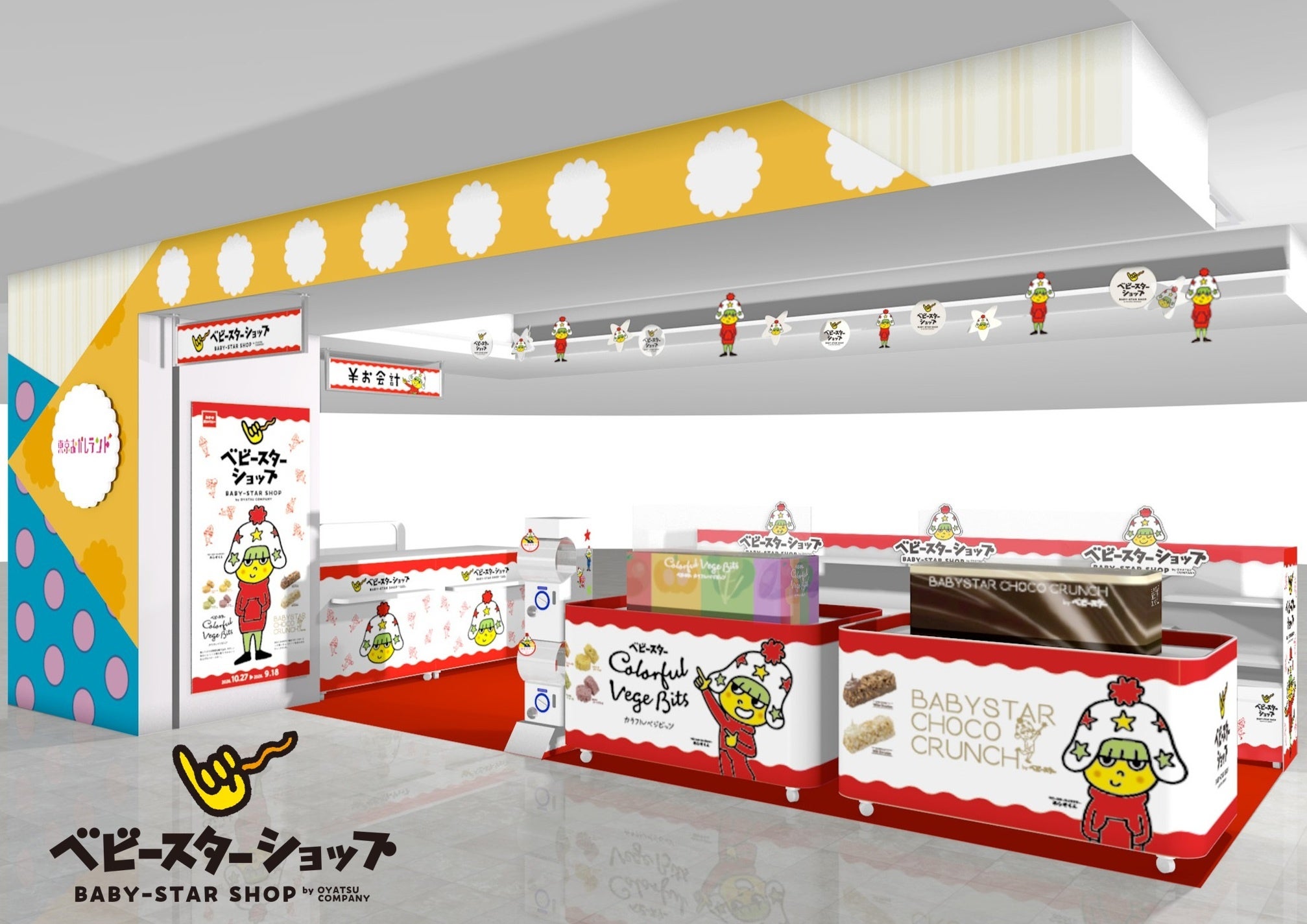
Next to it, Tokyo Ramen Street puts about ten well-known ramen shops in one corridor, from Rokurinsha's thick tsukemen to Hirugao's light shio ramen. Tokyo Okashi Land has shops run by Calbee, Glico, Morinaga and the makers of Happy Turn rice crackers, with snacks made on the spot or sold only here. On the ground floor by the Yaesu North gate, Tokyo Gift Palette is a cluster of sweet shops built for gift shopping.
- Ramen Street queues peak at lunch and dinner. Mid-morning or mid-afternoon is much shorter.
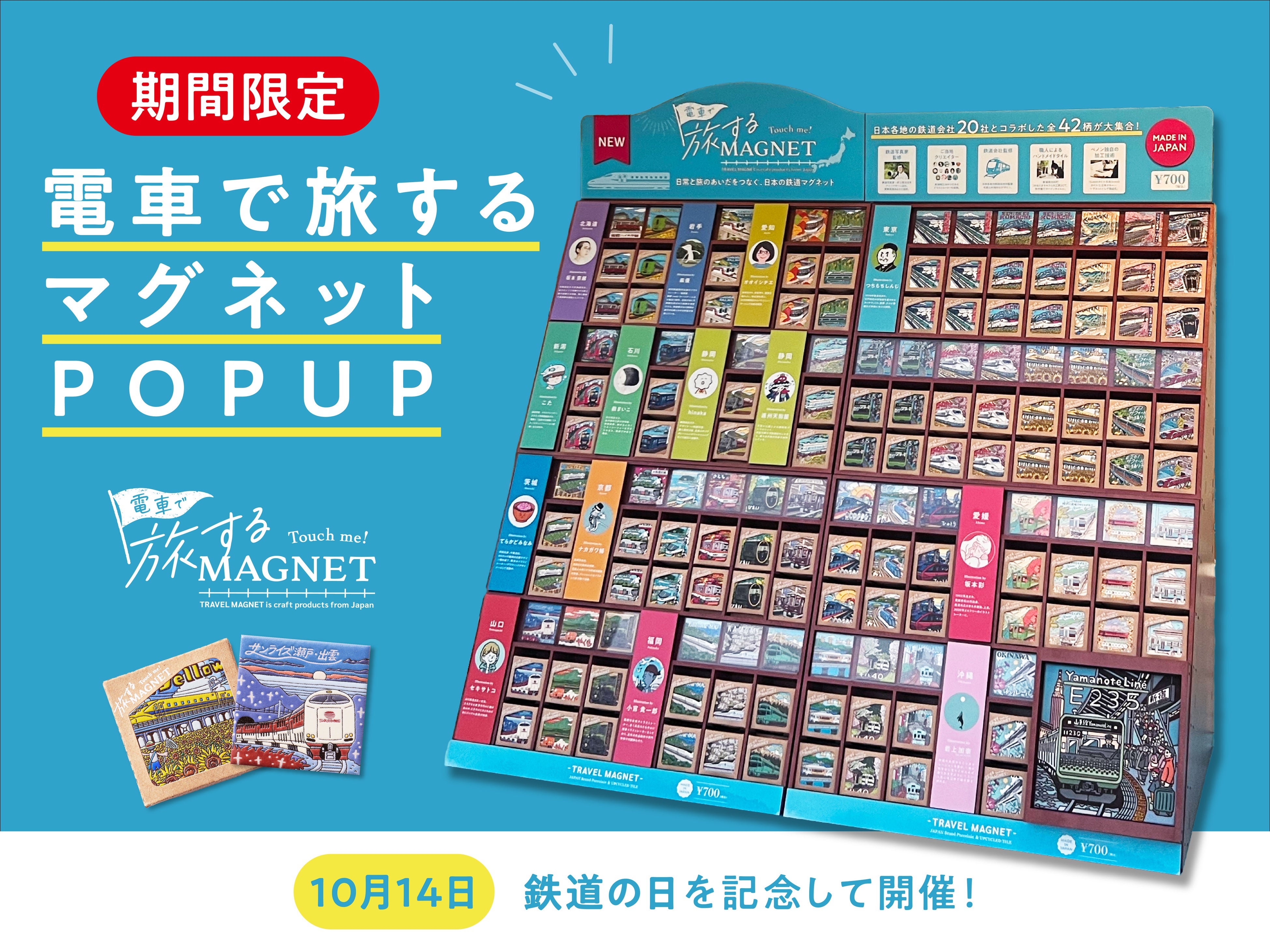
- New pop-ups can mean numbered tickets or a queue on the first days. Check the shop's page or X account before you go.
Gransta and ekiben: food inside the gates
Gransta Tokyo is the station's main food and shopping zone, spread over the ground floor and the basement, most of it inside the ticket gates: bento, sweets, bakeries, restaurants and gift shops, plus Square Zero, an event space for regional food fairs and pop-ups. Outside the gates there are three more Gransta zones: Gransta Marunouchi in the Marunouchi basement, Gransta Yaesu under the Grand Roof, and Gransta Yaekita by the Yaesu North exit, whose Kurobei Yokocho and Kitamachi Sakaba floors are good for dinner or a drink before a late train.
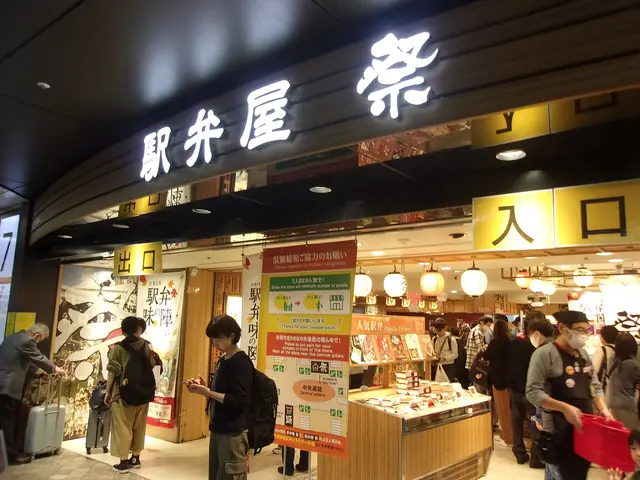
For ekiben, the boxed lunches made to eat on a train, go to Ekibenya Matsuri inside the gates. It sells more than 150 kinds from all over Japan, from Yonezawa beef on rice to Niigata's shrimp chirashi and seasonal specials, and it sits on the Central Passage between the stairs to platforms 5 and 6 and to platforms 7 and 8. It opens early and closes late, and it is busiest before morning departures and on Friday evenings. A few steps away, opposite the Tokaido Shinkansen Central Transfer Gate, Ekibenya Odori stocks Matsuri's ten best sellers, which saves time in a hurry, and takes online orders for pick-up.
Both shops are in the JR East area before the shinkansen transfer gates, so buy your box before you go through. Eating an ekiben on the shinkansen or a limited express is normal; on local and commuter trains it is not.
- To shop inside the gates without travelling, buy a platform ticket (nyujoken) at a ticket machine. It is valid for a limited time.
- Popular ekiben sell out by the evening. For a particular box, come earlier or order ahead at Odori.
Shinkansen gates, the Narita Express and the Keiyo Line
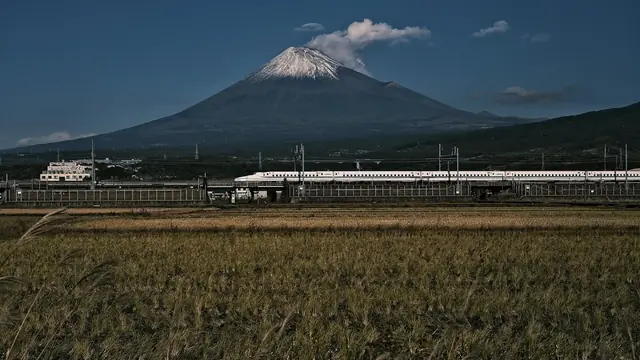
Two companies run the shinkansen here. JR Central's Tokaido Shinkansen to Nagoya, Kyoto and Osaka, which continues as the Sanyo Shinkansen, uses platforms 14 to 19 on the Yaesu side. JR East's lines to Tohoku and Hokkaido, Yamagata, Akita, Niigata and Kanazawa use platforms 20 to 23 right next to them. From the street, use the shinkansen gates on the Yaesu side; if you arrive on a local JR train, stay inside and follow the signs to a shinkansen transfer gate (North, Central or South).
Give yourself at least 15 minutes from the Marunouchi side to a shinkansen platform, more with luggage and an ekiben stop. The Narita Express and the Yokosuka and Sobu Rapid lines leave from platforms five floors below ground at the Marunouchi end of the Central Passage. The Keiyo Line, for Maihama (Tokyo Disney Resort) and Kaihin-Makuhari (Makuhari Messe), surprises most people: its platforms are about 500 metres south of the main station, deep underground, reached by long corridors with moving walkways, so allow at least 10 minutes from the Yamanote Line.
Rail passes and help in English are at the JR EAST Travel Service Center, just outside the Marunouchi North gate. Staff there exchange Japan Rail Pass orders, reserve seats, change money and keep bags for the day.
- On shinkansen platforms each car has a fixed boarding spot. Find your car number on the ticket and queue at the matching sign.
- Changing between the Tokaido Shinkansen and a JR East shinkansen? Use the dedicated transfer gate between the two systems.
Lockers and luggage
Tokyo Station has coin lockers in more than 100 spots, but the banks near the shinkansen gates and the Yaesu exits fill up by late morning on busy days. The largest, with over 900 lockers, is inside the gates in the basement near Gransta; others stand by the Marunouchi Central gate, the Marunouchi underground gates, the North free passage and the corridor to the Keiyo Line, which is often the emptiest. Suitcase-size lockers go first.
Multi Ecube lockers can be booked online up to a month ahead, the safest bet with big cases. Staffed counters also keep bags for the day: the Gransta cloak in the basement inside the gates, the JR EAST Travel Service Center outside the Marunouchi North gate and a counter by the Shinkansen South Transfer Gate. The first two can also send luggage on by courier, including to the airport; same-day dispatch currently closes around 5pm.
- Arriving with a big suitcase and leaving later? Book a Multi Ecube locker before you arrive, or head straight for a staffed counter.
- Counters keep bags for the same day only. For longer storage, check a locker's maximum time or use a luggage-storage service.
The domes, the gallery and the station hotel
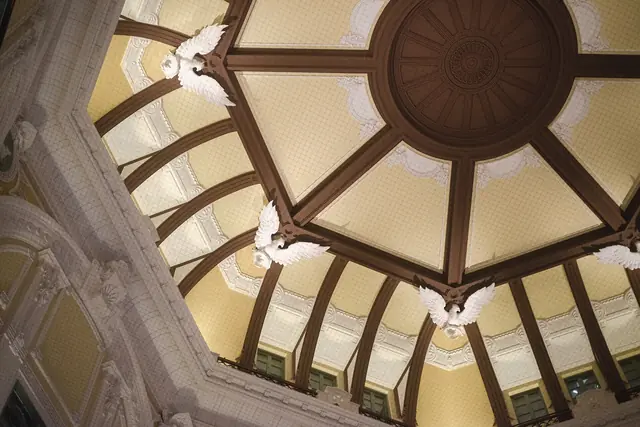
Walk into the Marunouchi North or South exit hall and look up: the domes were restored in 2012 with their original reliefs of eagles and eight of the twelve zodiac animals. The building, designed by Tatsuno Kingo and Kasai Manji, burned in a 1945 air raid and ran for decades with two floors and simpler roofs before the restoration. In the north dome, the Tokyo Station Gallery shows changing exhibitions in rooms where the original brick is left bare.
The Tokyo Station Hotel has been inside the building since 1915 and reopened in 2012 after the restoration, with about 150 rooms. Dome-side rooms look into the domes above the exit halls, and a lounge for guests sits under the roof, but its restaurants and bars are open to everyone. For the classic photo of the whole facade, cross the plaza to the free roof garden of KITTE, covered on our Marunouchi page with the area's winter lights.
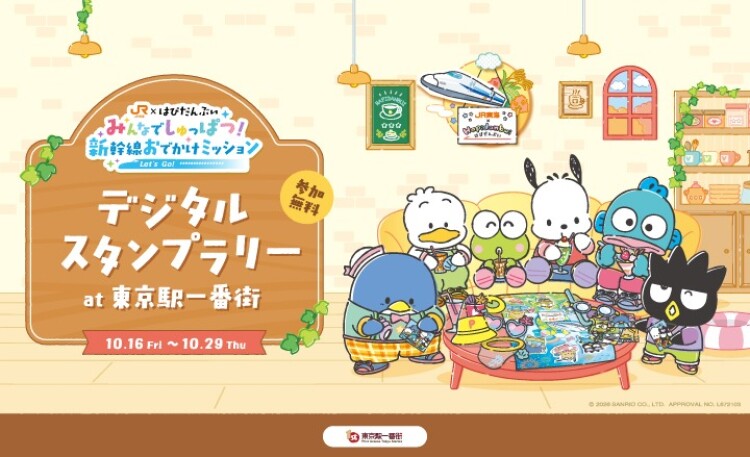
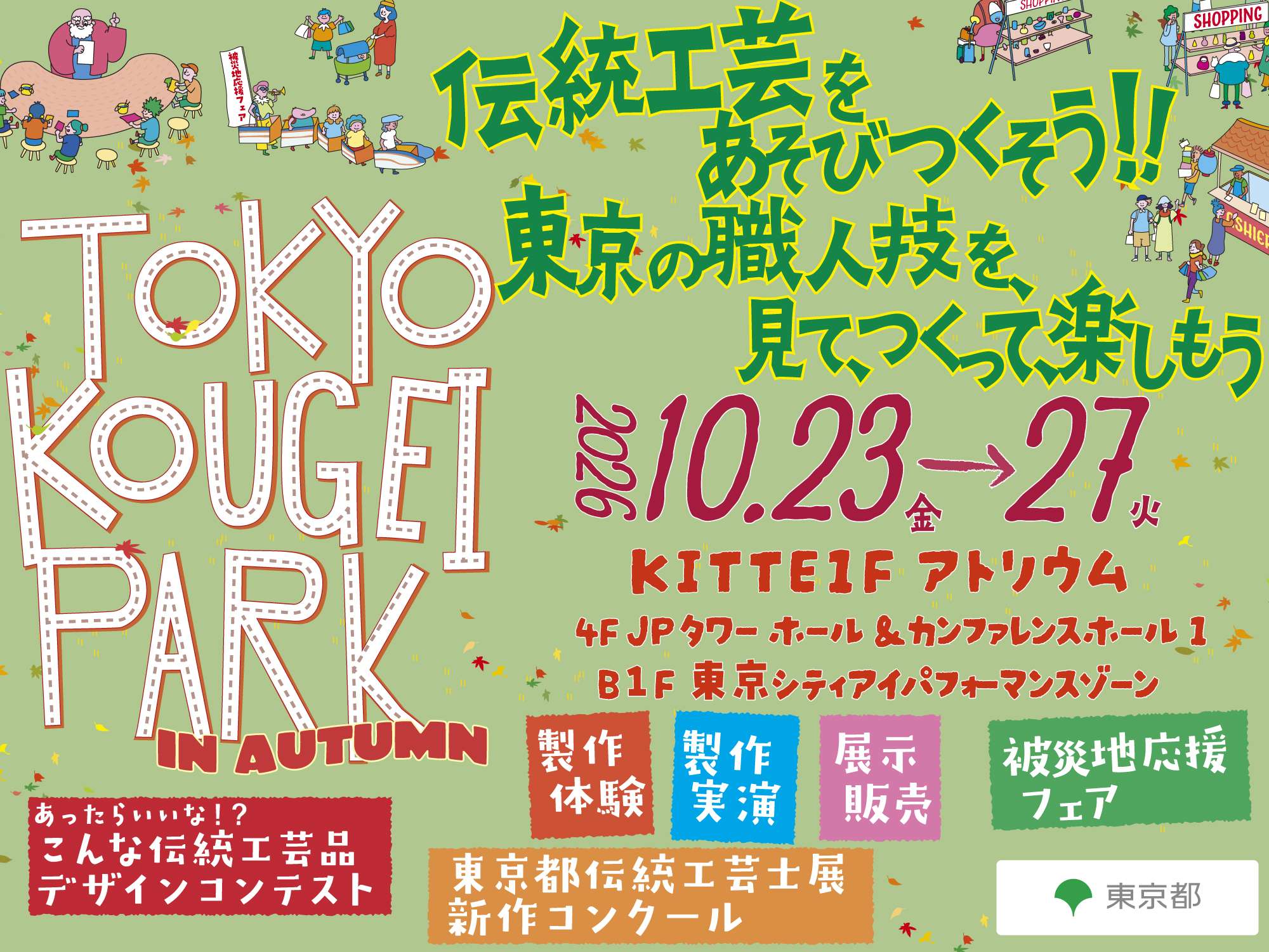
The station also runs its own events: in recent years a summer lantern display, a Santa puzzle walk in December and a small monthly concert called Tokyo Ekimachi Live, while Square Zero and Ichiban Plaza change every few weeks. Those we know about appear in the list below.