What the Imperial Palace is
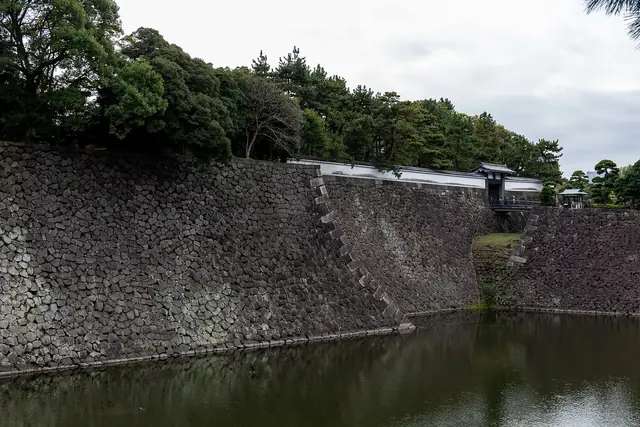
For about 260 years this was Edo Castle, the seat of the Tokugawa shoguns. In 1868, after the Meiji Restoration, the Emperor came here from Kyoto and the castle became the palace. The stone walls, moats, gates and corner towers you see today mostly date from the castle years, while the palace buildings stand deep inside and are seen only on the guided tour or at the public greetings.
The grounds come in parts with different rules. The Outer Garden (Kokyo Gaien), the wide gravel plaza with black pines in front of the palace, is open all day. The East Gardens, the old inner citadel, open on most days. The inner palace grounds are visited only on the tour, and Kitanomaru Park to the north is an ordinary public park.
What to see
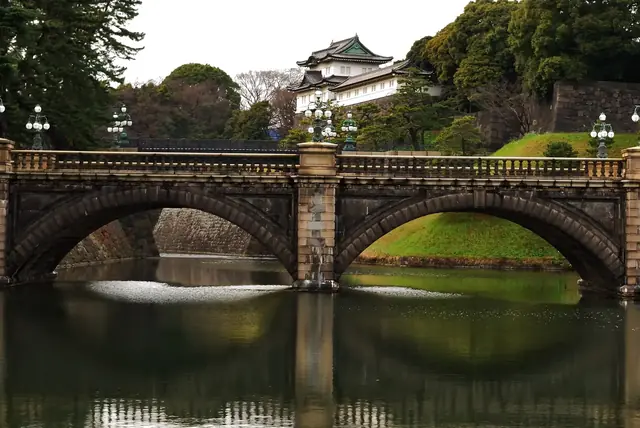
Start on the plaza for the classic view: a stone bridge in front and an iron bridge behind it, the one usually called Nijubashi, with Fushimi-yagura, a corner tower said to have been moved from Fushimi Castle in Kyoto, above them. The bridges are used only for state occasions and the public greetings.
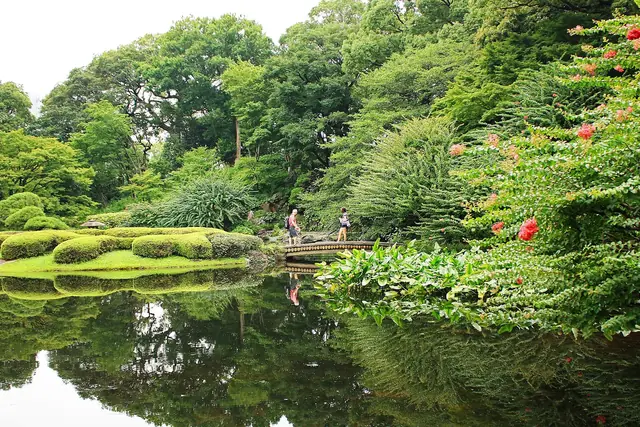
The East Gardens are entered through Otemon, Hirakawamon or Kitahanebashimon gate. Inside are guardhouses from the castle era, the stone base of the main keep (Tenshudai), whose tower burned in 1657 and was never rebuilt, the broad Honmaru lawn, and the Ninomaru garden with its pond and iris beds. By Otemon, the Museum of the Imperial Collections (Sannomaru Shozokan) shows art held by the imperial family; it was rebuilt in stages and is fully open from November 2026, and its big exhibitions use timed tickets bought in advance.
The free guided tour of the inner grounds starts at Kikyomon gate and usually passes Fujimi-yagura, the plaza in front of the main palace hall and the iron bridge seen from the inside. On an ordinary day it is the only way to stand on the far side of Nijubashi.
- The East Gardens are closed on Mondays and Fridays and over New Year. If a Monday is a national holiday, they open that day and close on Tuesday instead.
- Garden hours are longer in summer and shorter in winter, and last entry is 30 minutes before closing.
The year at the palace
The palace year opens on January 2 with the New Year greeting (shinnen ippan sanga). The inner grounds open in the morning and early afternoon. Visitors walk in through the main gate, and the Emperor and members of the imperial family appear several times on the glass-fronted balcony of the Chowaden hall. A similar greeting is held on the Emperor's Birthday, February 23. Both draw very large crowds, with bag checks and long queues.
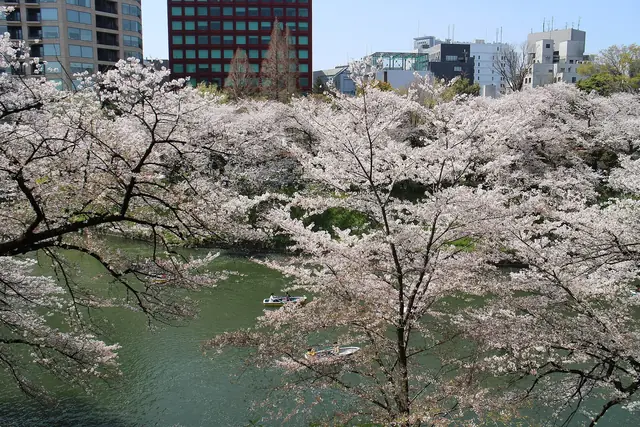
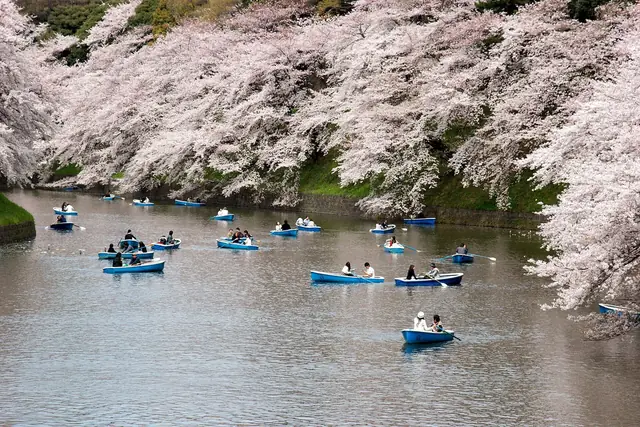
Plum trees flower on the East Gardens' slopes around February, and cherry trees follow in late March. For about a week around the cherry peak, and again when the leaves turn in late November or early December, Inui-dori, the road through the inner grounds from Sakashitamon to Inuimon, opens to the public without booking. Chidorigafuchi, the moat beside Kitanomaru Park, is one of Tokyo's best-known cherry spots, lit up in the evenings during the Chiyoda cherry blossom festival, with rowing boats on the water. In June irises bloom in the Ninomaru garden.
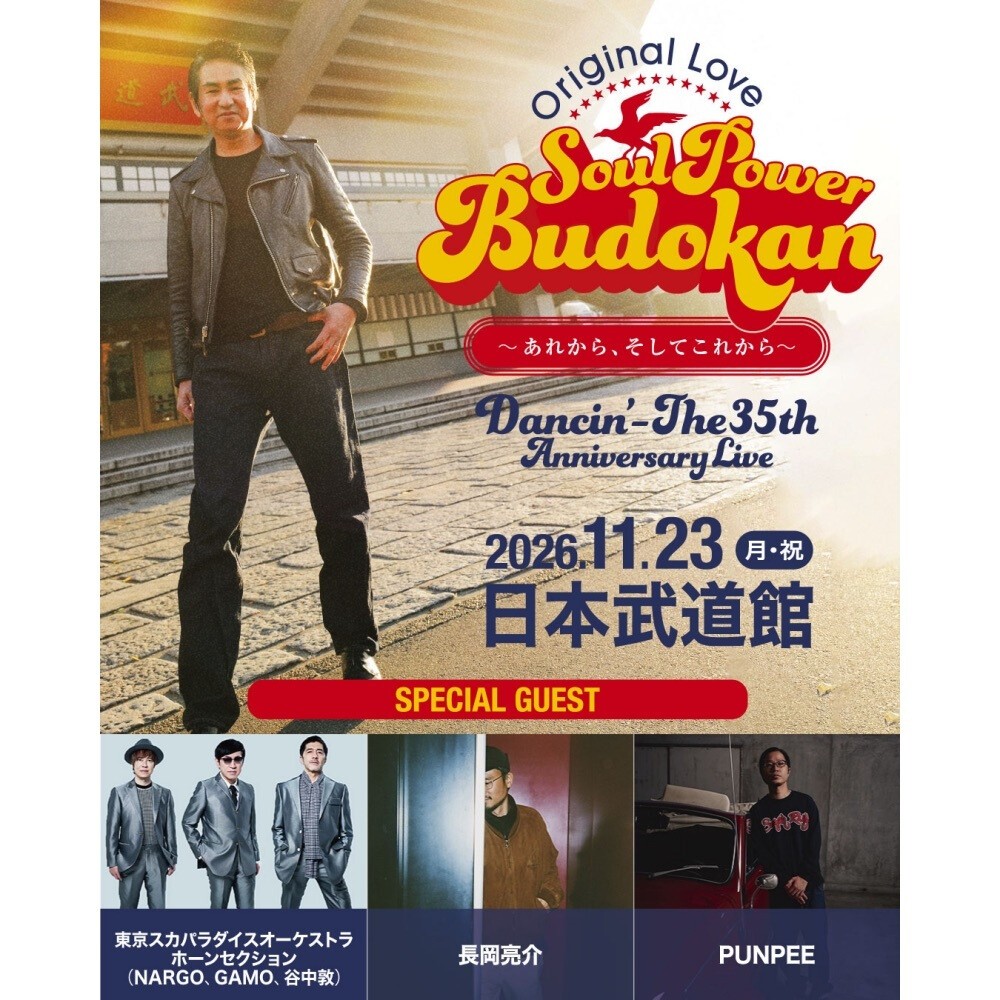
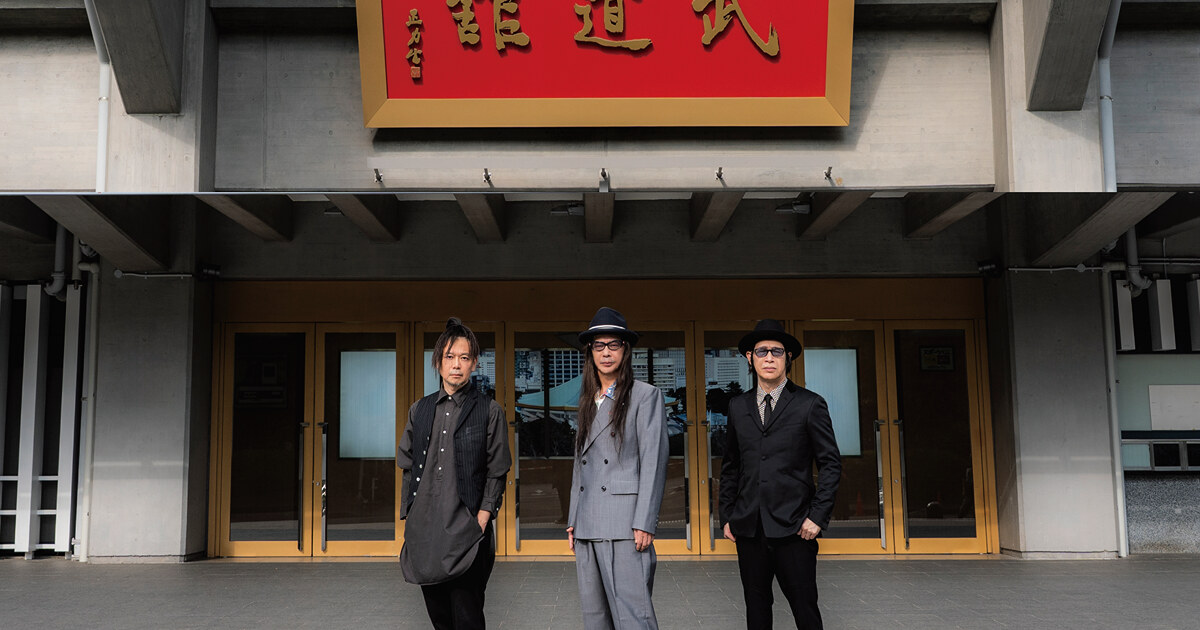
Kitanomaru Park holds the Nippon Budokan, where concerts and martial arts events run all year, and the Science Museum. The National Museum of Modern Art is just across the road at Takebashi.
Timing, tours and rules
For the guided tour, apply on the Imperial Household Agency's visit website in advance, or try for a same-day ticket handed out at Kikyomon gate before the morning and afternoon tours, first come first served. Bring photo ID, since it is checked. The walk covers about 2.2 km in roughly an hour. It is not held on Sundays, Mondays, national holidays or over New Year, and from July to September only the morning tour runs. Same-day places are limited and can run out early in busy seasons.
The East Gardens need no booking. Go on a weekday morning: by midday the main paths fill with tour groups. Inui-dori openings and the public greetings have security checks and one-way routes, so you enter at one named gate and leave by another, and tripods and stepladders are not allowed on Inui-dori.
- For the tour, carry a passport or other photo ID.
- The plaza has little shade. In summer bring water and a hat.
- Check the Imperial Household Agency site before you go: gardens and tours close at short notice for state events.
Running, cycling and getting there
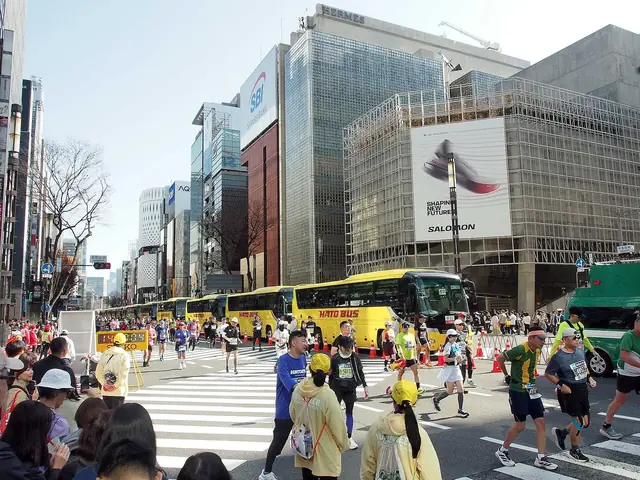
The loop around the moats is Tokyo's classic running route: about 5 km with no traffic lights. Runners go anticlockwise and keep left, and in narrow places run in single file. Walkers share the path, so leave room. On Sundays a stretch of Uchibori-dori is usually closed to cars for Palace Cycling.
Otemon, the main entrance to the East Gardens, is about 5 minutes on foot from Otemachi Station. Hirakawamon and Kitahanebashimon are about 5 minutes from Takebashi Station on the Tozai Line. For the plaza and Nijubashi, walk from Nijubashimae Station, or about 10 minutes from the Marunouchi side of Tokyo Station. Chidorigafuchi and the Budokan are close to Kudanshita Station.
The Marunouchi office district and Tokyo Station are right next door, Hibiya Park lies to the south, and Ginza is a short walk beyond it.