How the autumn season works
September still feels like summer in Tokyo, often humid and above 30°C, so the busiest stretch of autumn events runs from late September to late November. October and November bring the most comfortable weather of the year and the longest lists of things to do. Events cluster on weekends and on the long weekends around the public holidays: Respect for the Aged Day and the autumn equinox in September, Sports Day in October, Culture Day on November 3 and Labor Thanksgiving Day on November 23.
Typhoon season runs into September and October, and outdoor events can be called off at short notice. Japanese event pages use two phrases worth knowing: 雨天決行 means it goes ahead in rain, 荒天中止 means it is cancelled in a storm. October 1 is Tokyo Citizens' Day, when metropolitan gardens such as Rikugien and Hama-rikyu and several metropolitan museums usually waive their entry fee.
- On a typhoon weekend, check the organiser's site or social account on the morning itself. Decisions are often posted early that day.
- Evenings cool quickly from late October. Bring a light jacket for night events.
Art and design: Roppongi Art Night, DESIGNART and gallery week
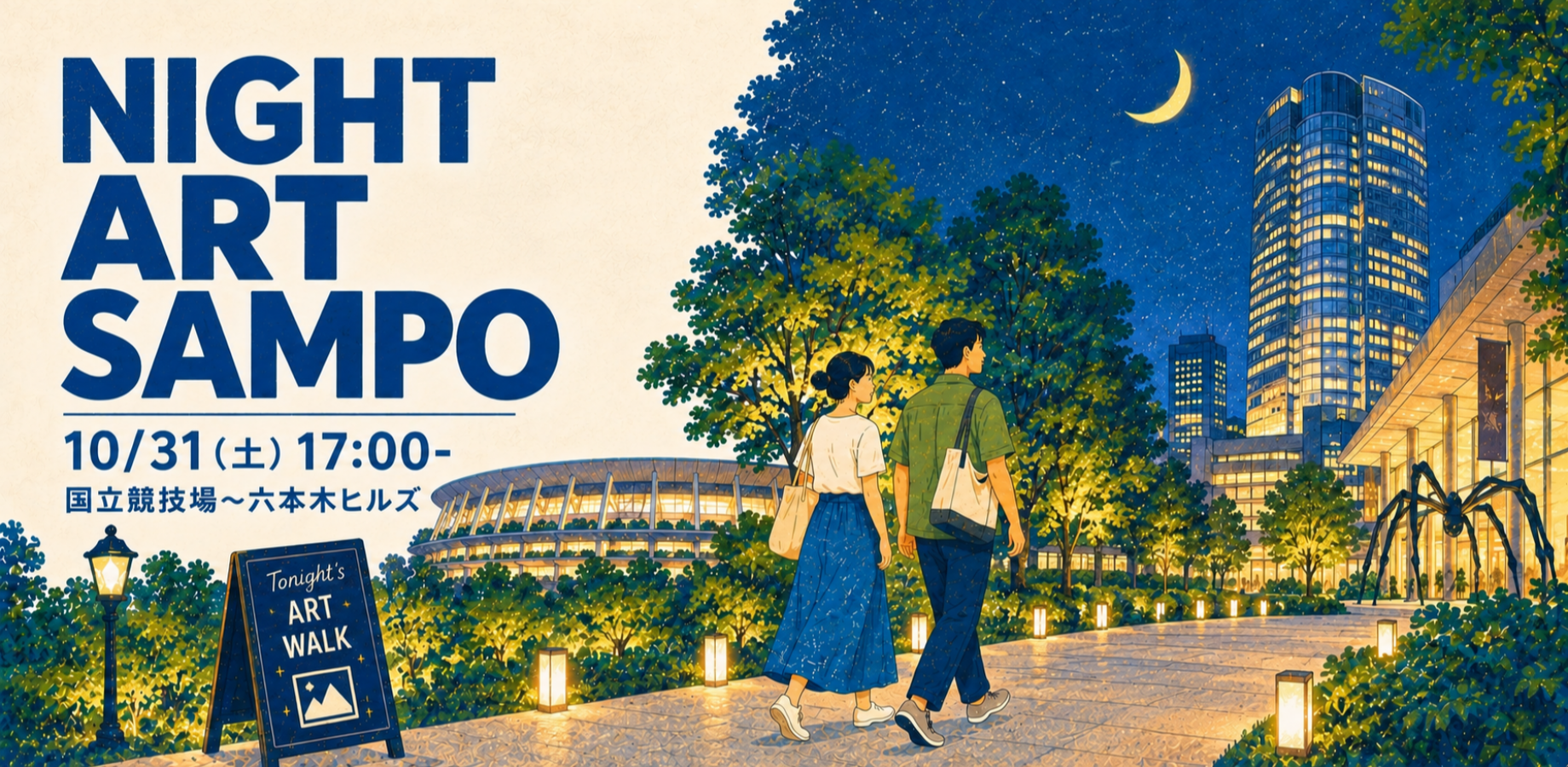
Roppongi Art Night turns the streets around Roppongi Hills, Tokyo Midtown and the National Art Center into an outdoor gallery for a night or two, with large installations, performances and projections. Most of it is free, while museum exhibitions charge as usual. The festival has moved around the calendar in recent years, from spring to late September to the end of October, and some editions run through the night, so check the official site for the current timing.
DESIGNART Tokyo runs for about ten days from late October into early November, with exhibits spread through shops, showrooms and galleries in Omotesando, Harajuku, Shibuya, Daikanyama, Roppongi, Gaienmae and Ginza. Many venues are places you can simply walk into, though the headline exhibition may need a ticket. Art Week Tokyo, usually in early November, links contemporary galleries and museums with free shuttle bus routes, which makes it an easy way to see a dozen spaces in a day. The Tokyo International Film Festival takes over cinemas around Hibiya, Yurakucho and Ginza at about the same time.
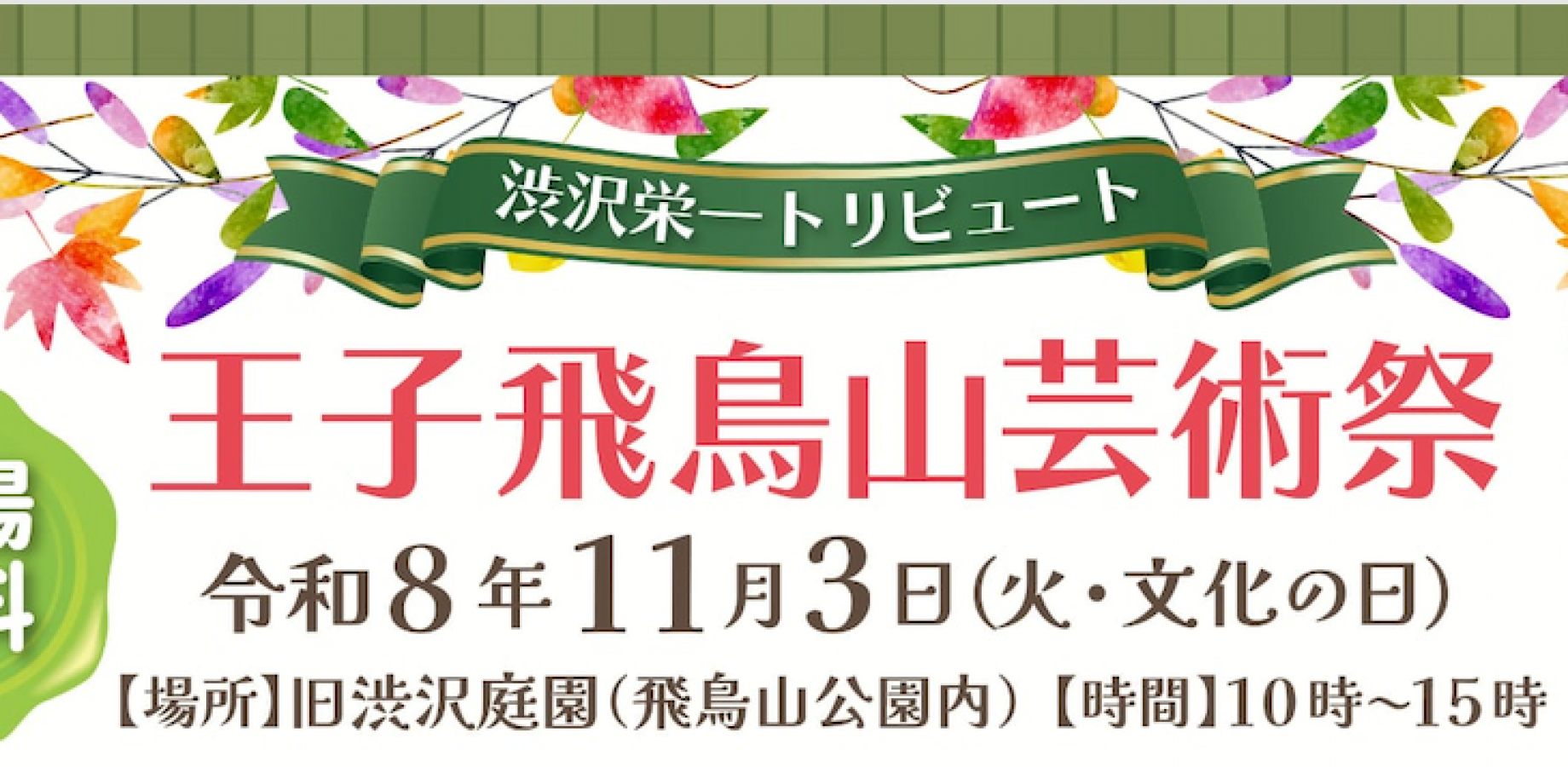
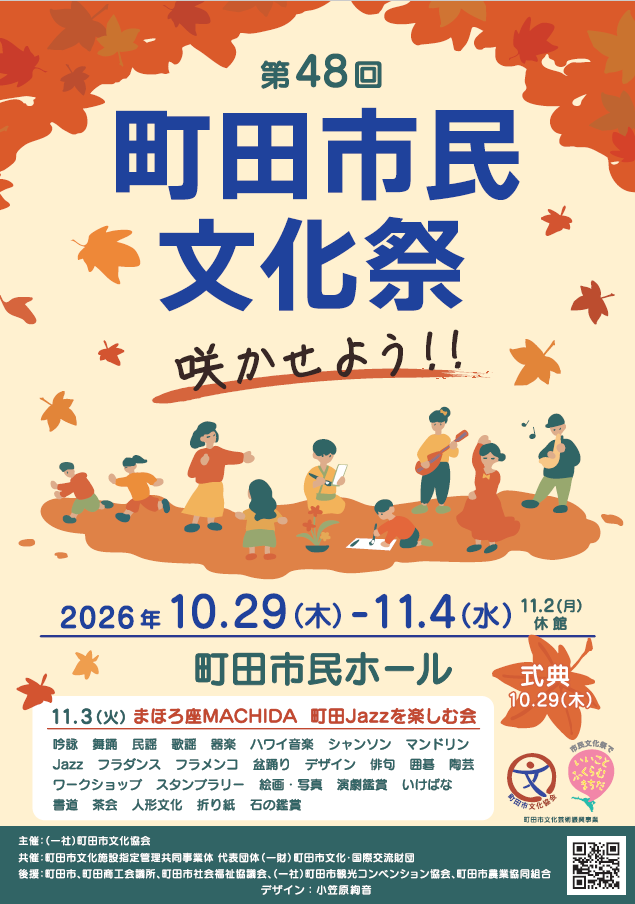
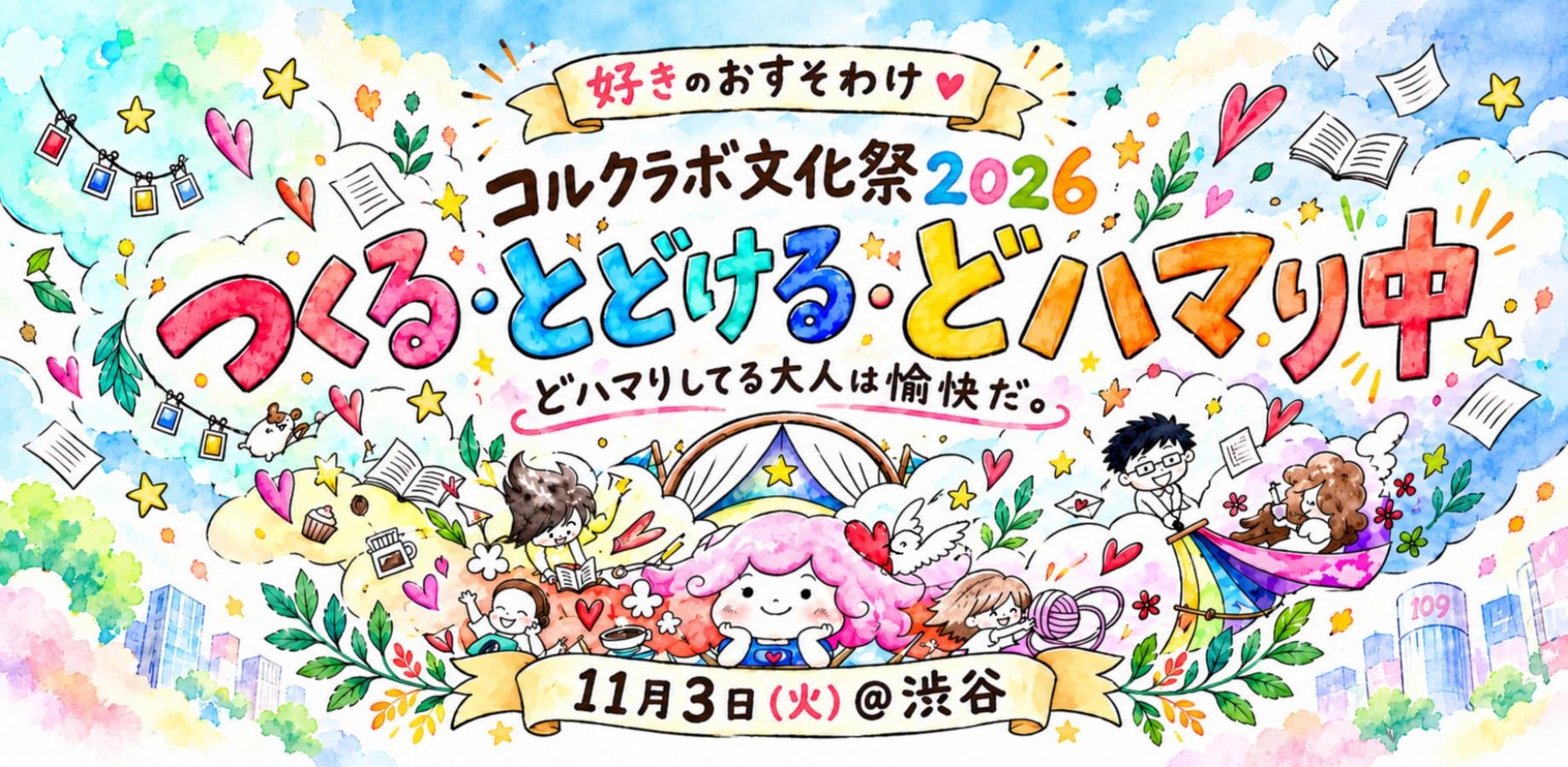
Culture Day on November 3 is a good day for museums. In recent years the Tokyo National Museum, the National Museum of Western Art and the National Museum of Modern Art have opened their permanent collections for free on that day. Expect crowds by late morning.
- Pick up a printed map at the first DESIGNART or Art Week venue you visit. Planning by neighbourhood saves a lot of walking.
University festivals (gakuensai)
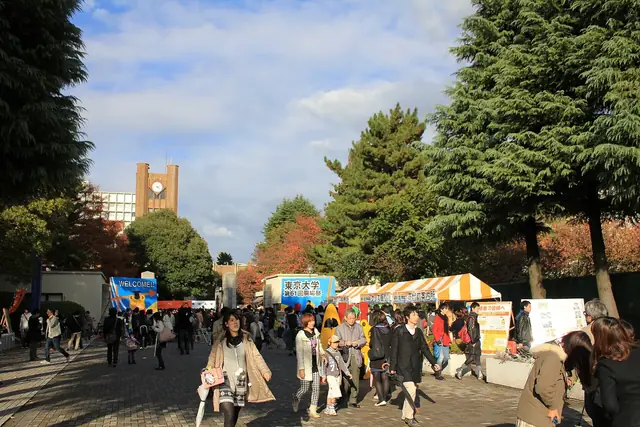
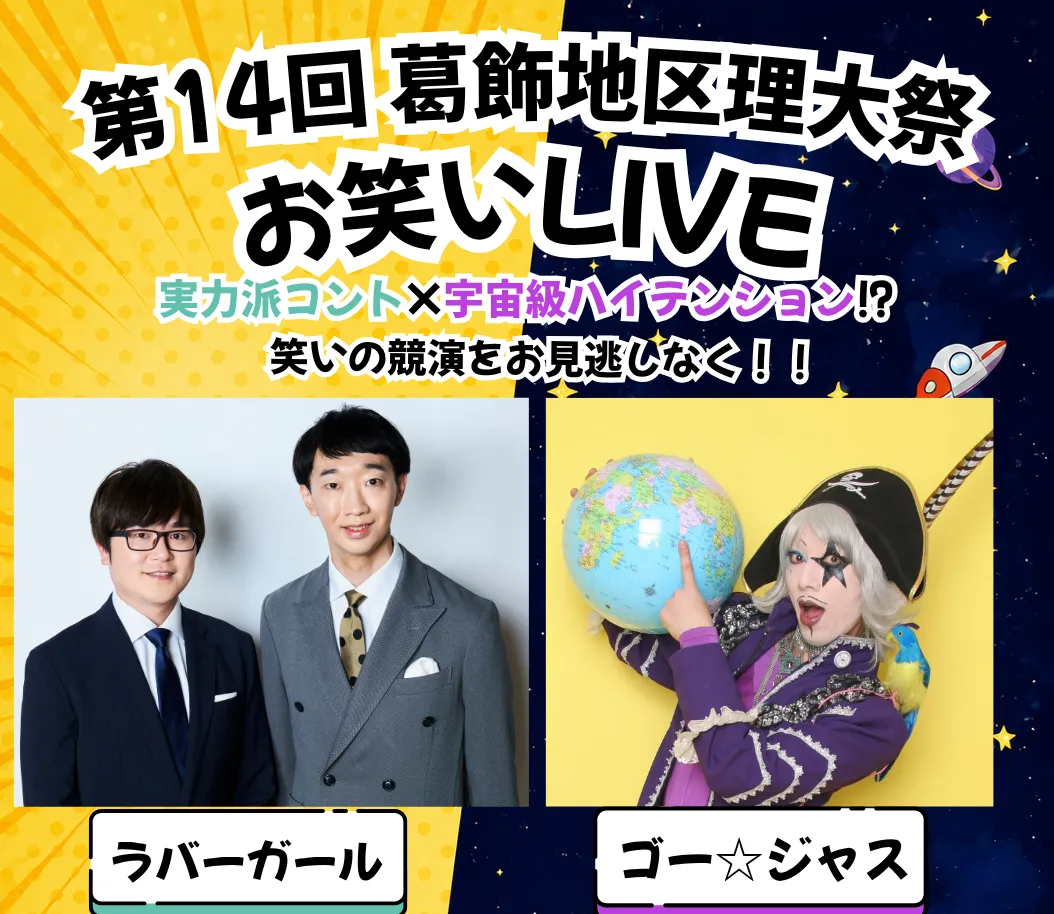
Almost every university in Tokyo holds a festival in October or November, and most are open to anyone for free. Student clubs run food stalls with yakisoba, karaage and crepes at student prices, and the stages carry dance crews, bands, comedy and rakugo clubs, theatre and talks. It is one of the cheapest and most relaxed days out of the year, and a rare look at campus life.
Waseda Festival, one of the largest in Japan, fills the Waseda and Toyama campuses over a weekend in early November. Sophia University's festival takes over its Yotsuya campus around Culture Day. The University of Tokyo's Komaba Festival runs for three days at the Komaba campus in late November, and Keio's Mita Festival is held at the Mita campus around Labor Thanksgiving Day. Each sets its own dates, so check the official site of the festival a few weeks ahead.
- Bring cash in small coins and notes. Most student stalls do not take cards.
- Some festivals ask visitors to register in advance or limit entry to certain areas. The festival website says so.
- Bins are sorted strictly by type, and some stalls take back their own trays. Follow the signs.
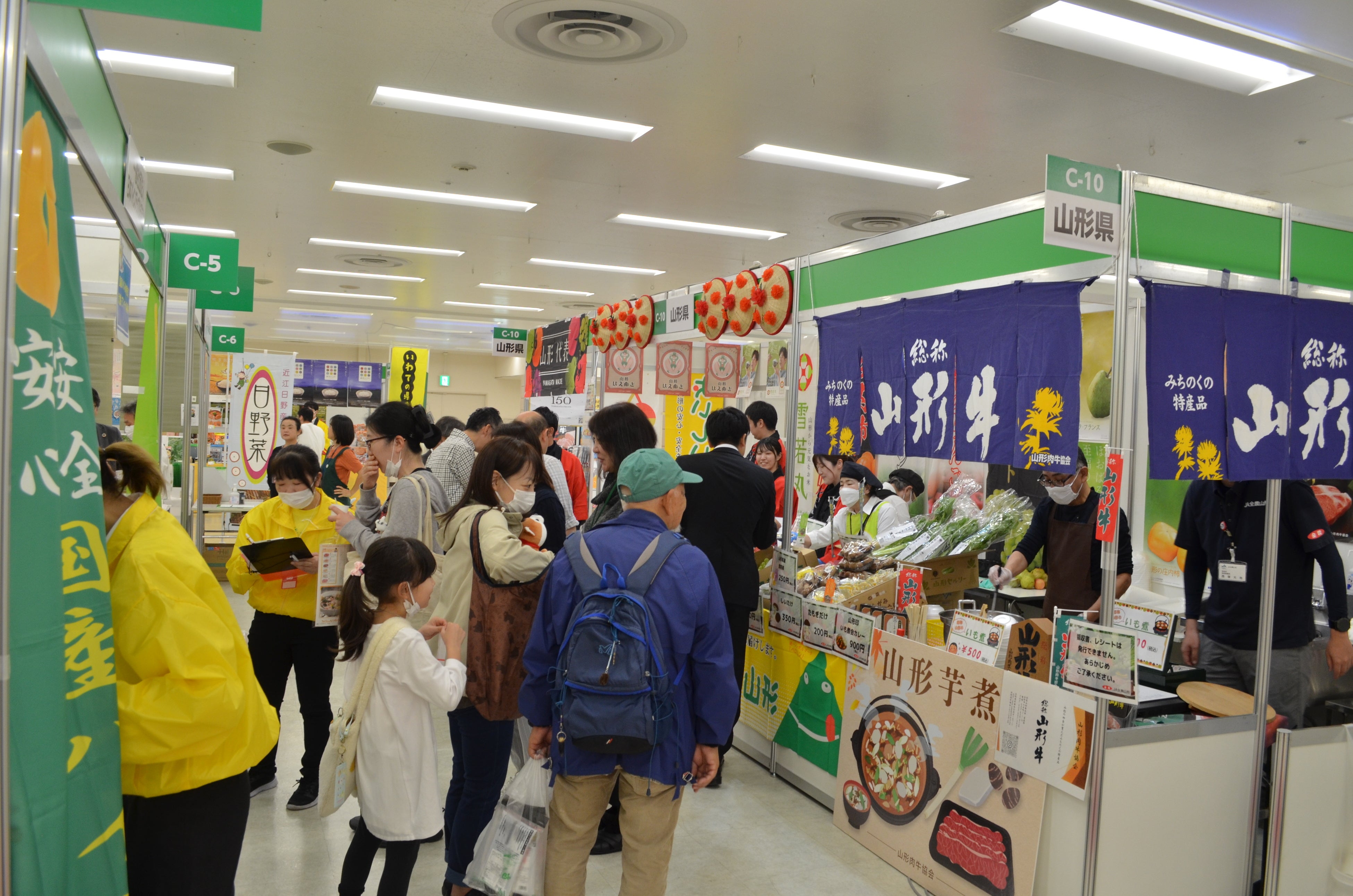
Food fairs: ramen, beer and grilled saury
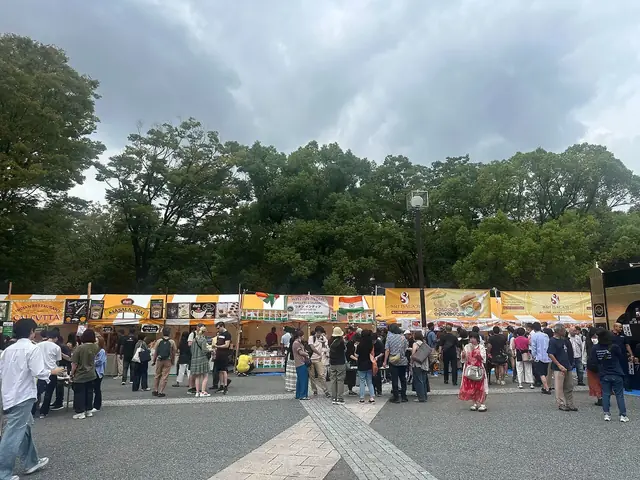
Tokyo Ramen Festa has brought ramen shops from all over Japan to the central plaza of Komazawa Olympic Park from late October into early November since 2009, but the 2026 edition was announced as the last one there, so check the official site for where it goes next. Entry is free; you buy a ticket for each bowl, and it goes ahead in rain. Weekday lunchtimes are much calmer than weekends.
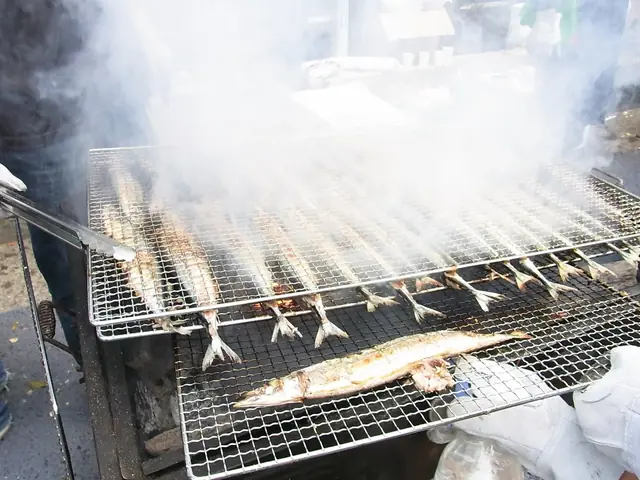
The autumn edition of Oktoberfest takes over Shiba Park in September, near Tokyo Tower, with German beer by the glass, sausages and live music. You pay a deposit on your first glass and bring it back for refills. In Meguro, autumn means sanma, Pacific saury, grilled over charcoal and handed out in their thousands at September festivals inspired by the rakugo story Meguro no Sanma. Queues are long, and in recent years some of these festivals have switched to advance application.
Shrine festivals and autumn traditions
Many neighbourhood shrines hold their annual festival in September. Akasaka Hikawa Shrine's festival in mid-September is known for its Edo-style floats, whose dolls rise and fall so they could once pass through the gates of Edo Castle. On the night of October 12, the Oeshiki at Ikegami Honmonji in Ota ward brings around 3,000 people carrying towers of paper flowers and lanterns through the streets, to flutes and drums, until late at night.
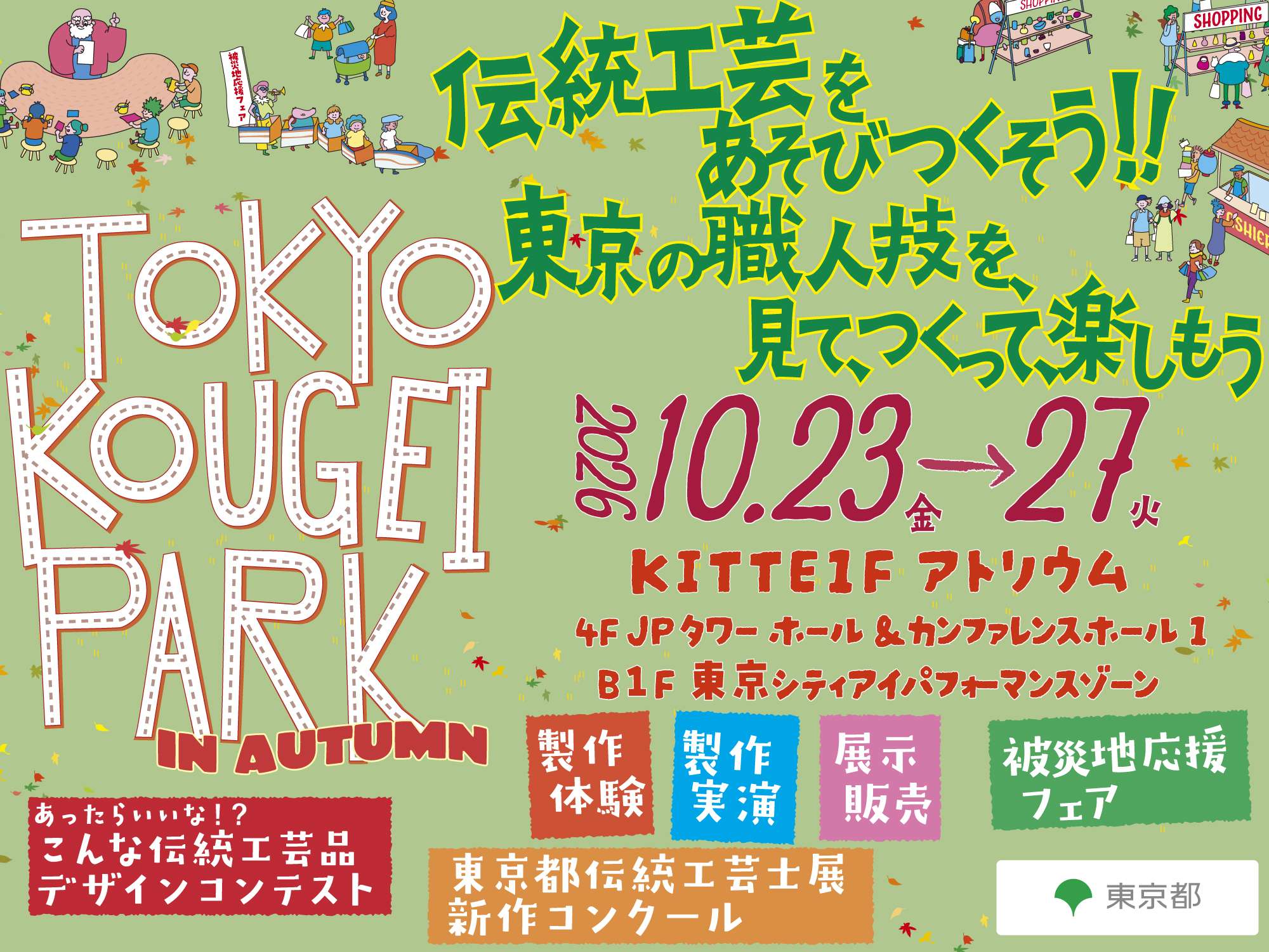
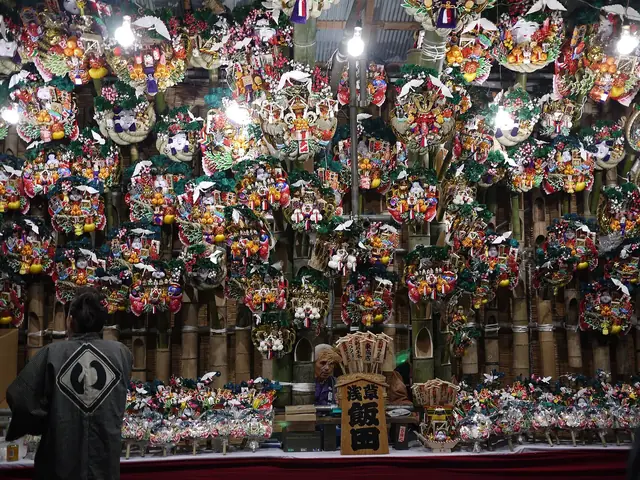
Around November 3, Meiji Jingu holds its autumn grand festival with traditional performances such as horseback archery and noh, and a chrysanthemum exhibition lines the approach. On the rooster days of November, shrines such as Otori Shrine in Asakusa and Hanazono Shrine in Shinjuku hold Tori-no-ichi, a market of decorated bamboo rakes (kumade) for good business luck. When a big rake sells, the stallholders clap in rhythm for the buyer. In Jimbocho, the Kanda used book festival lines the pavements with stalls of secondhand books from late October.
- Tori-no-ichi stays open late into the night, and the evening is the best time to see the lanterns and the clapping.