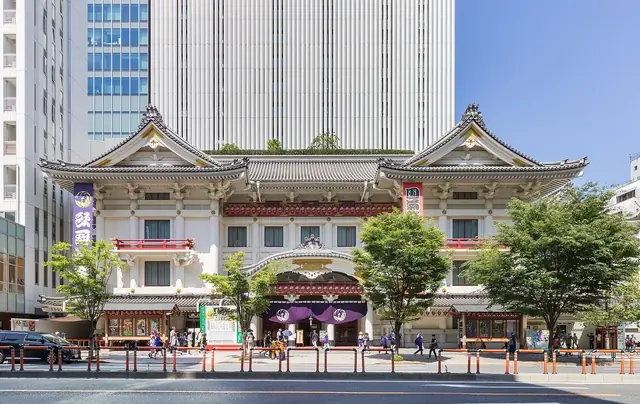
Kabuki at Kabukiza
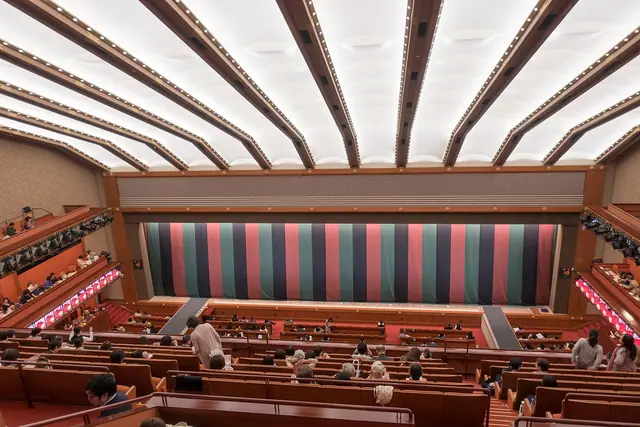
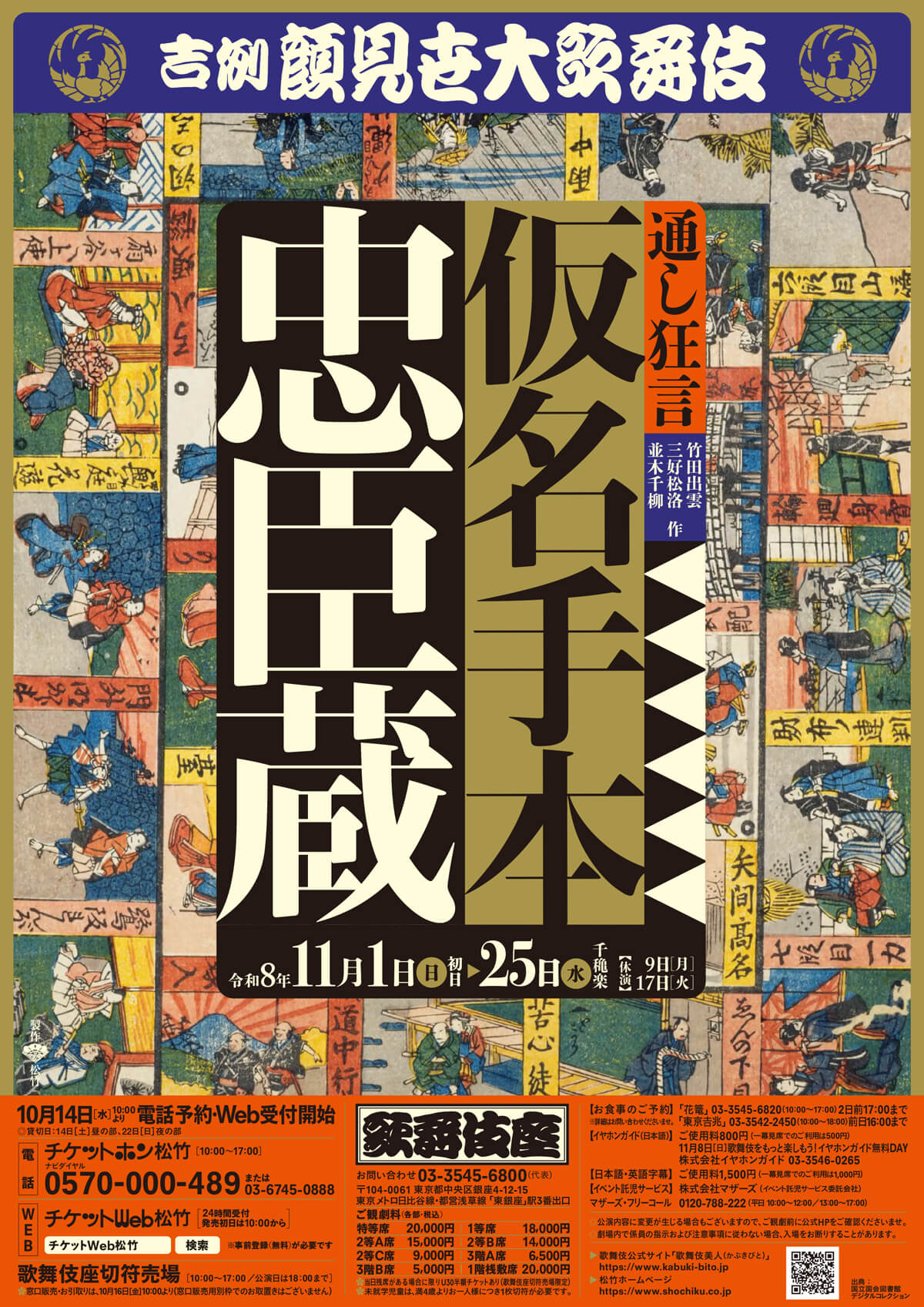
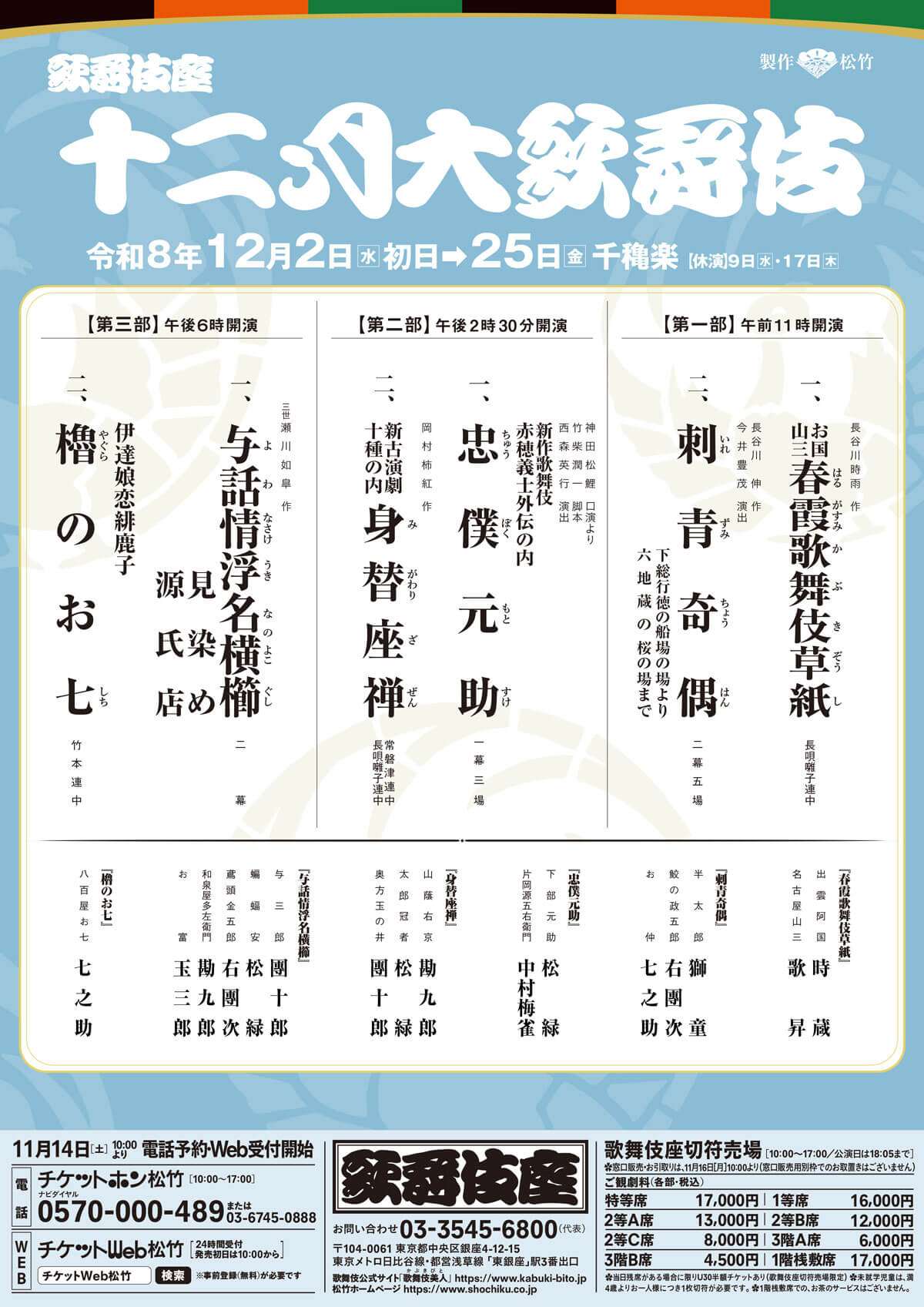
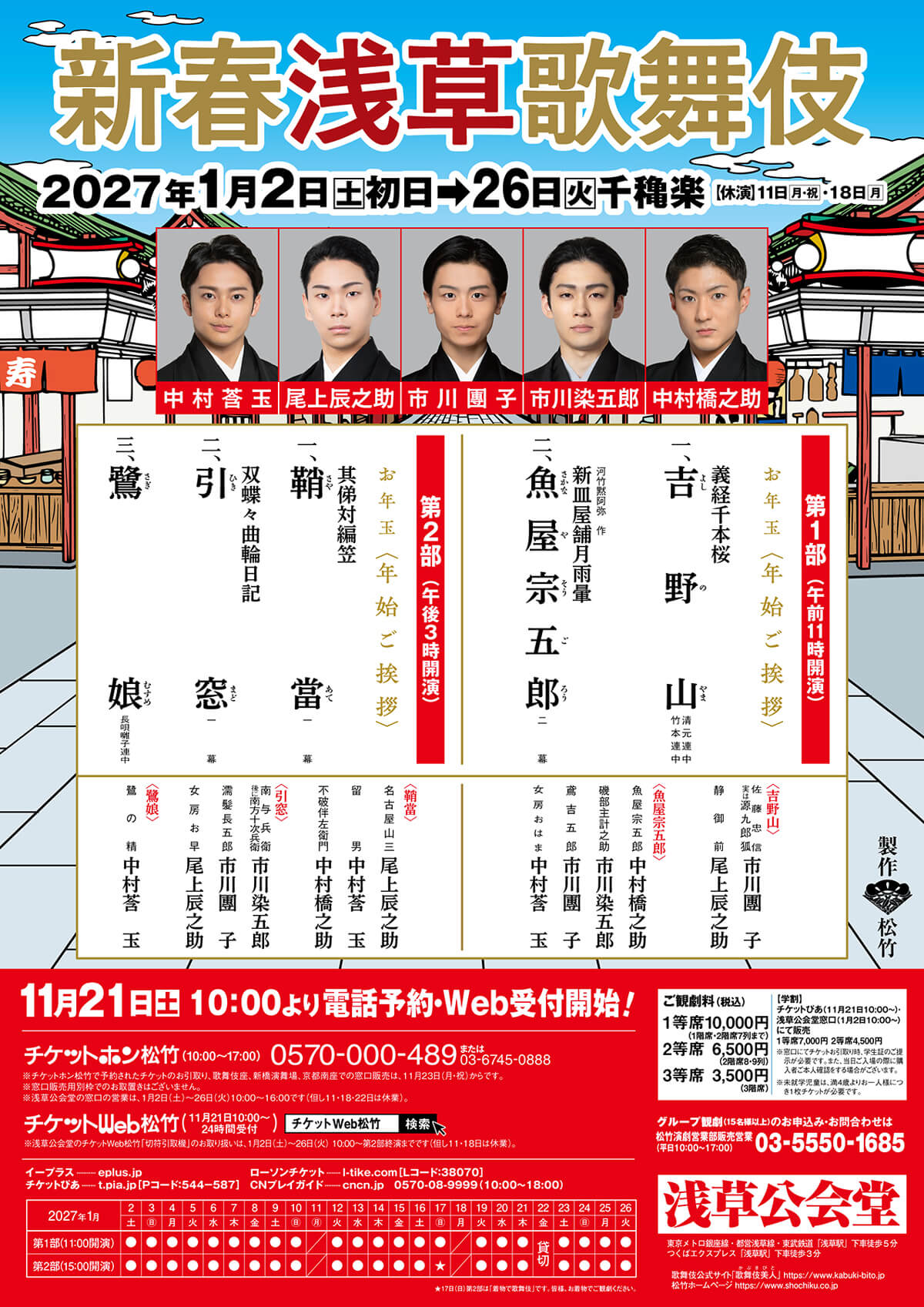
Kabukiza in Ginza is the main home of kabuki, run by the Shochiku company. It was rebuilt in 2013 with an office tower behind the old-style facade, and Higashi-Ginza Station (Hibiya and Toei Asakusa lines) connects straight into its basement. In most months a new programme opens early in the month and runs for a few weeks. Each day is split into two or three parts (bu), each a few hours long with intervals, and a ticket covers one part.
A part usually mixes a history play, a dance and a domestic drama, often one famous scene from a longer story, so a short plot summary beforehand helps a lot. The theatre rents small screens with English captions that explain what is happening as it happens. Full tickets sell on Shochiku's ticket site, which has an English version, and good seats for popular months and big-name actors go quickly.
- Eating is part of the day: buy a bento in the theatre and eat it at your seat during the interval, never while the curtain is up.
- Even without a ticket you can browse the souvenir shops in the basement and go up to the small rooftop garden.
Single-act seats and other kabuki stages
If a whole part feels like a lot, take a single-act seat (makumi, often called hitomakumi) on the fourth floor of Kabukiza. You watch one play, which can be half an hour or well over an hour, for a fraction of the full price. In recent years most of these seats have gone on sale online from noon the day before, with a smaller number sold at the theatre on the day for cash. The view is high and far back, so opera glasses help, but the sound and the shouts from the regulars are the real thing.
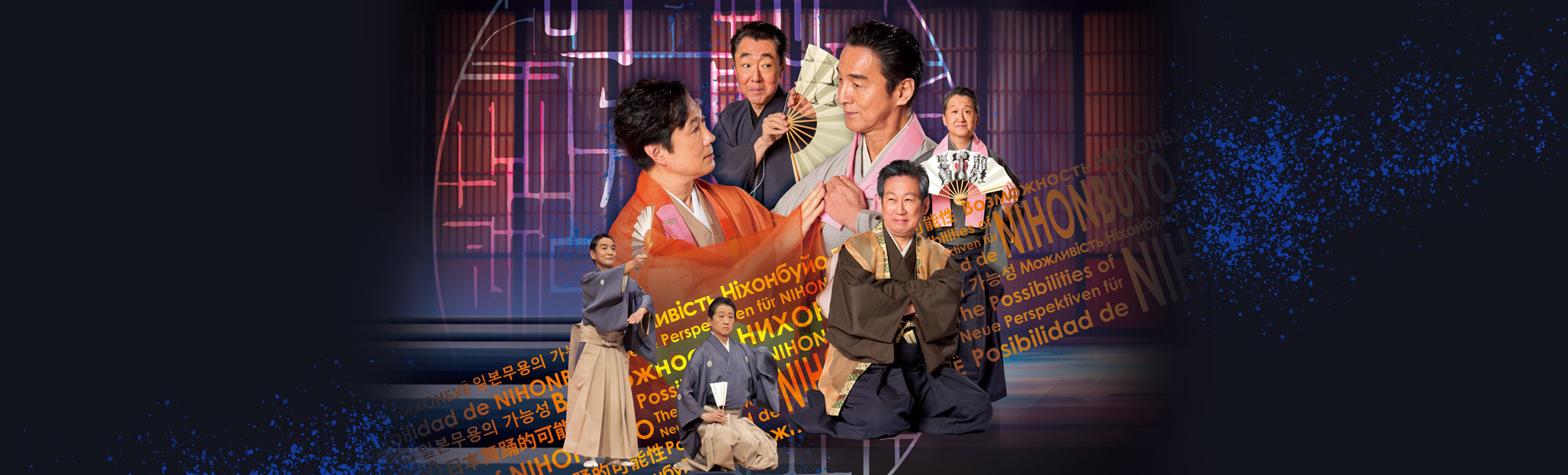
Kabuki is also staged at Shinbashi Enbujo, a few minutes' walk from Kabukiza, and at Meijiza in Nihonbashi Hamacho, in some months alongside other productions. The National Theatre near Hanzomon, long the place for full-length classics and beginner programmes, closed in late 2023 for rebuilding and is not expected to reopen before the 2030s. Its kabuki runs continue in borrowed halls, recently including the New National Theatre in Hatsudai, so check the venue on each listing.
- Check how long your act runs before buying. Some are short dances, others are long dramas.
- Single-act holders stay on the fourth floor and leave between acts, so buy each act you want separately.
Noh, kyogen and bunraku
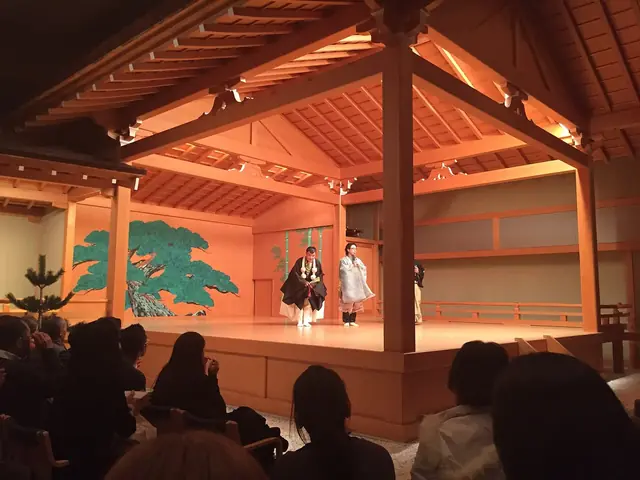
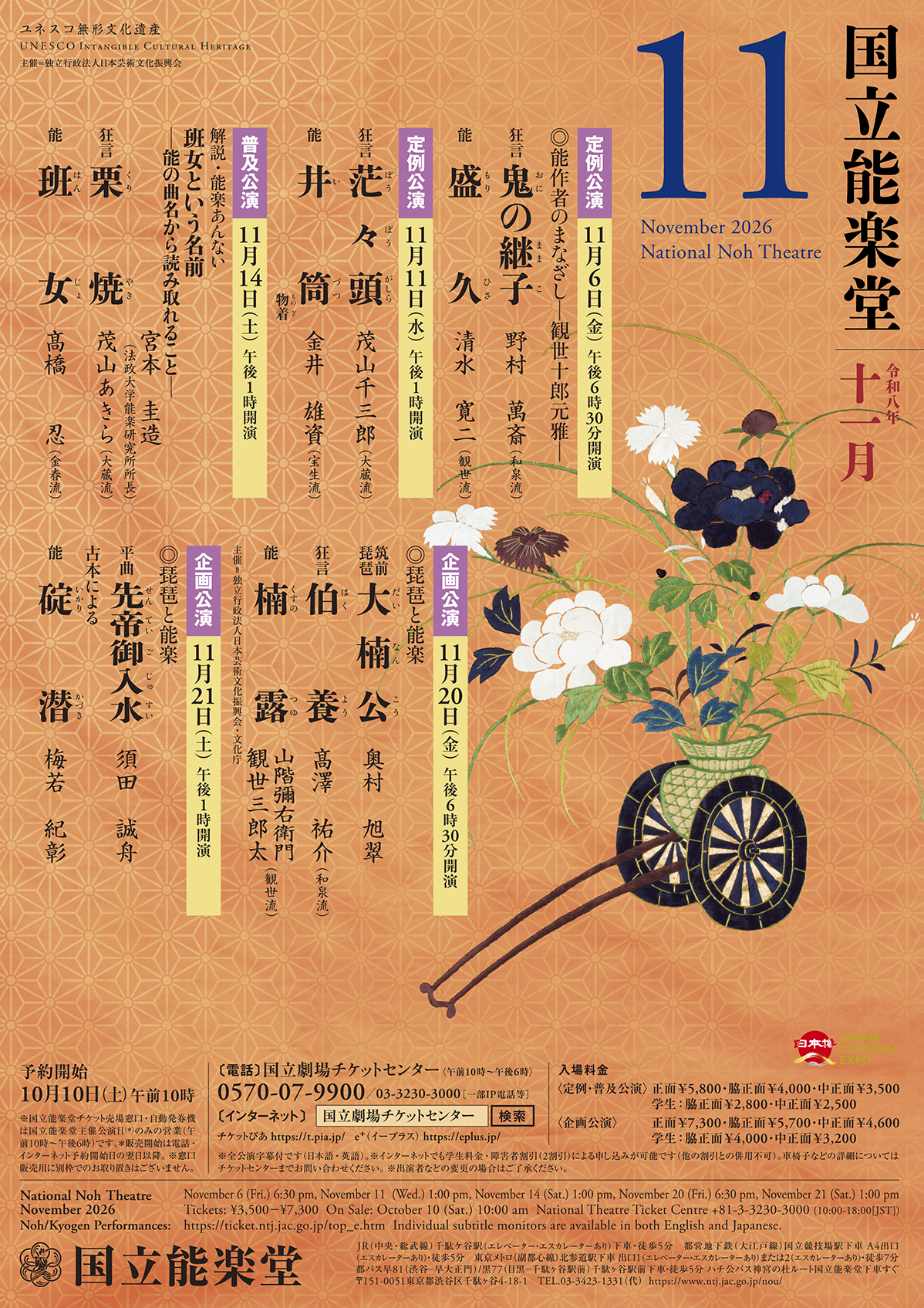
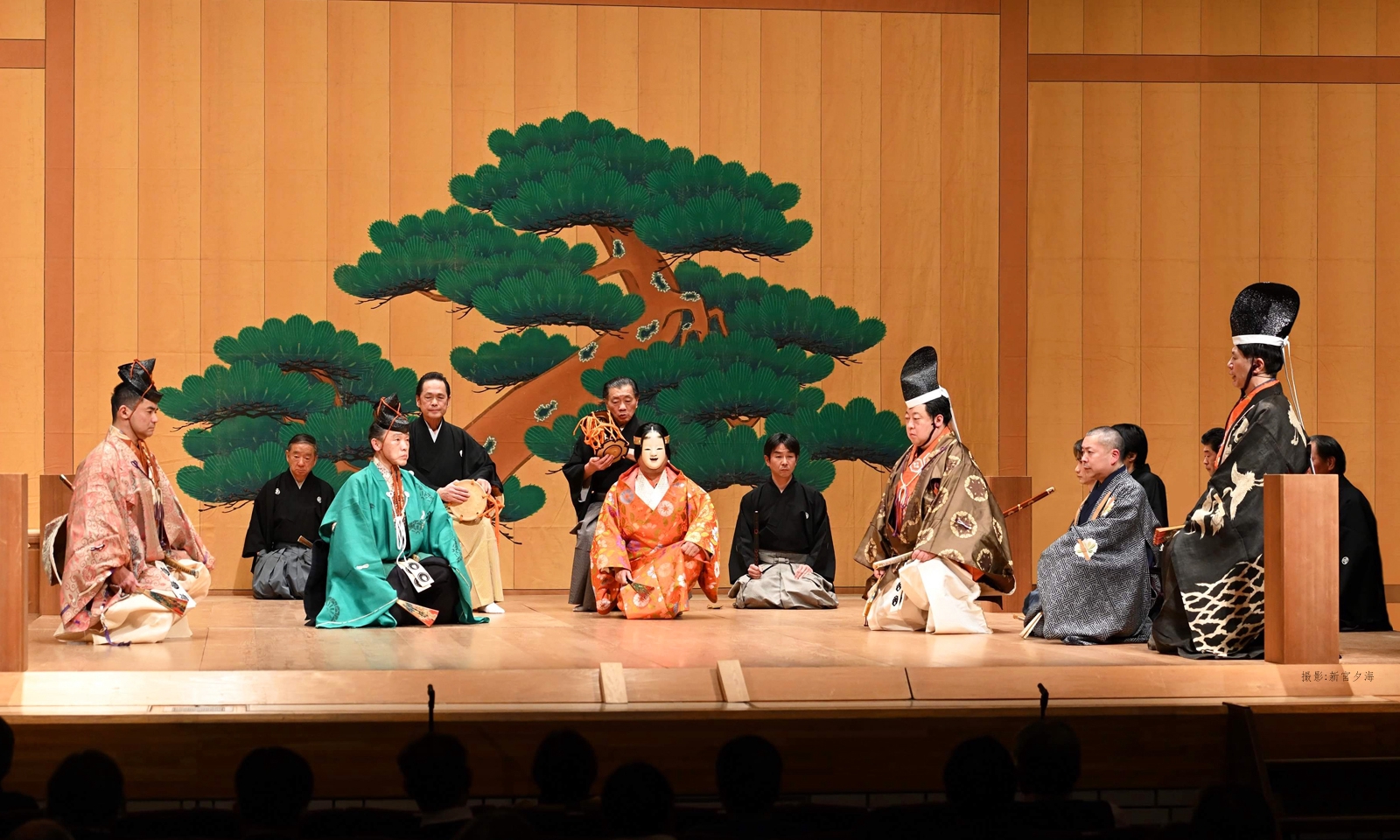
Noh is the older, slower art: masked actors, a chorus and a small ensemble of flute and drums on a bare cypress stage. A programme usually lasts a couple of hours and pairs noh plays with kyogen, short comic pieces about everyday life that are much easier to follow. The National Noh Theatre, a short walk from Sendagaya Station, has small screens in the back of each seat with English or Japanese subtitles, which makes it the best place to start. The Kanze Noh Theatre is in the basement of Ginza Six in Ginza, and the Cerulean Tower Noh Theatre is in Shibuya.
Bunraku is puppet theatre. Each large puppet is worked by three puppeteers in full view, while a narrator (tayu) voices every role to a shamisen. Its home is the National Bunraku Theatre in Osaka, and the company usually comes to Tokyo for several runs a year. While the National Theatre is closed, these runs move between other halls, so they are easy to miss unless you watch the list.
- Noh is slow and quiet on purpose. Keep still and keep your phone fully off.
- Many noh tickets are sold by the performers' groups, sometimes only in Japanese. The National Noh Theatre has an English page.
Rakugo and the yose halls
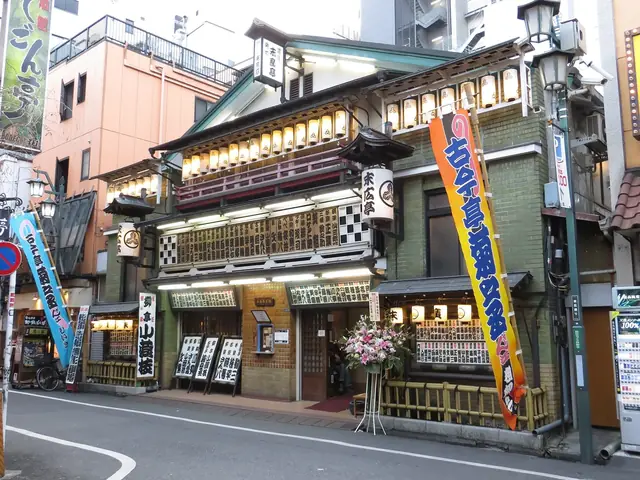
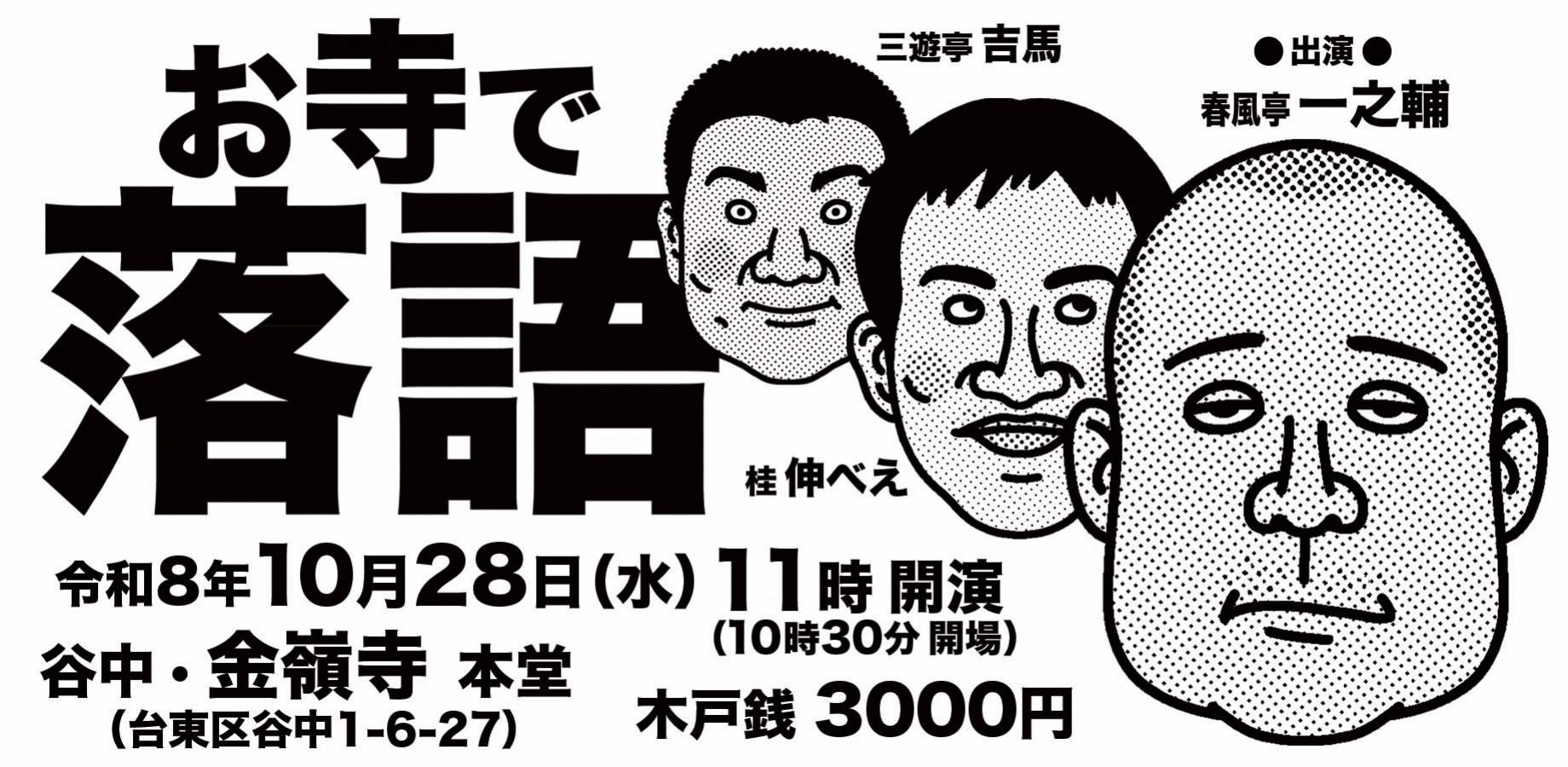
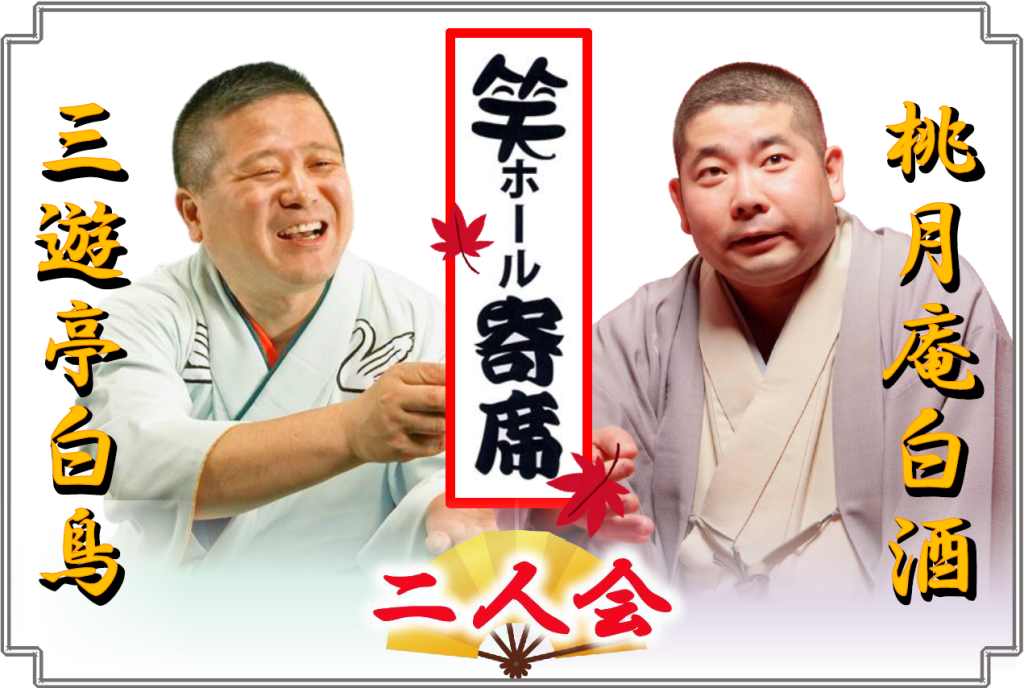
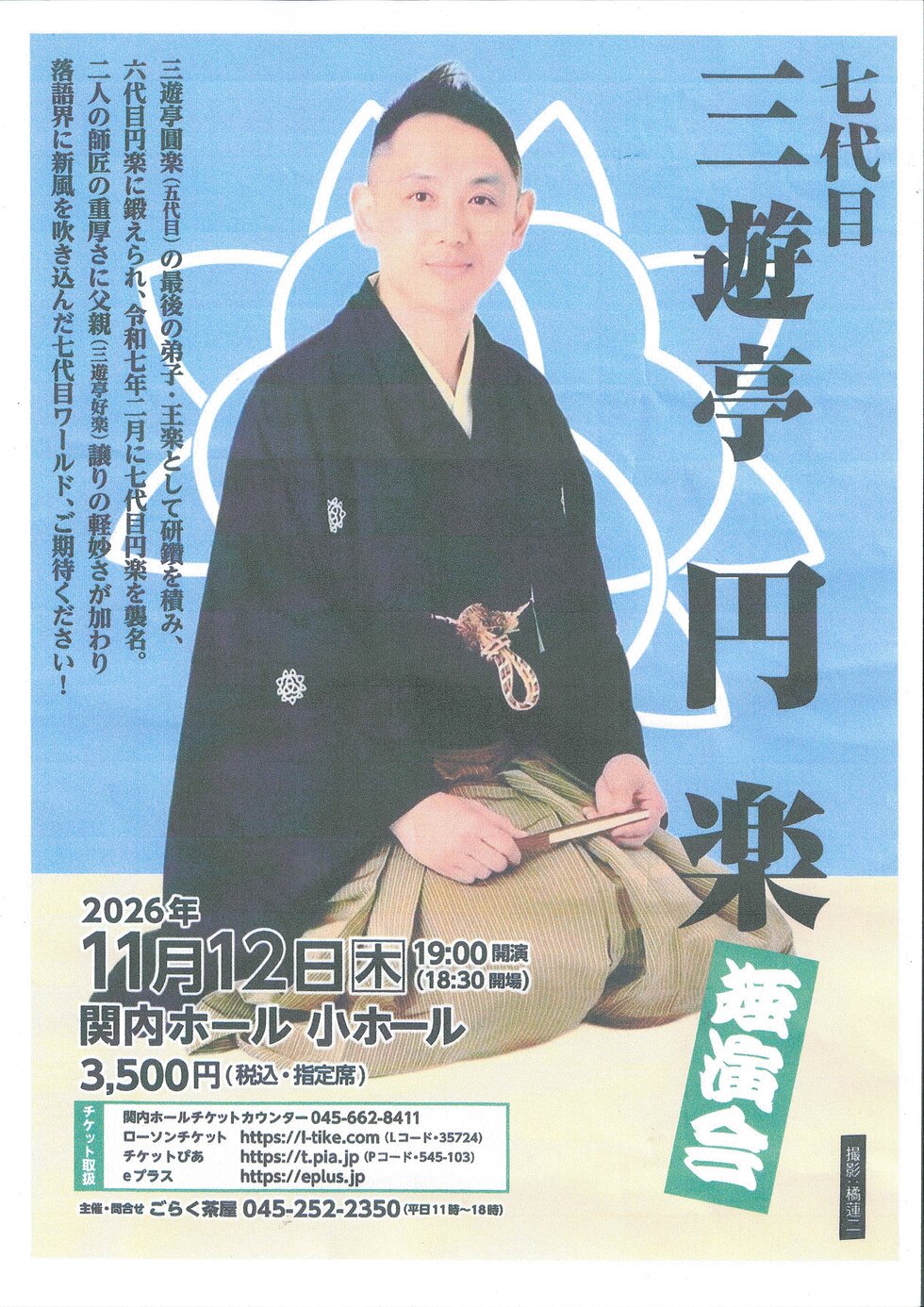
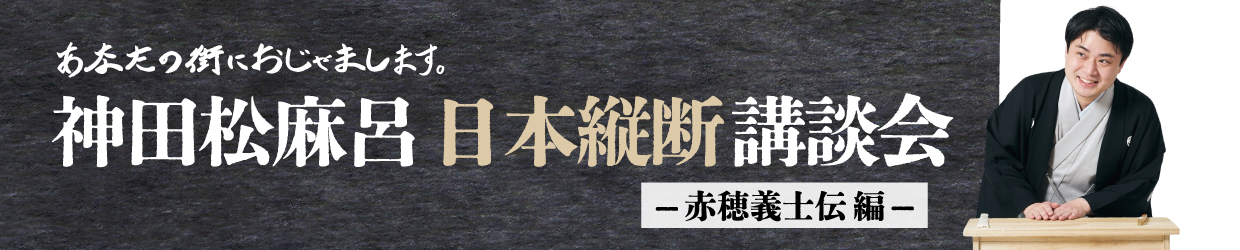
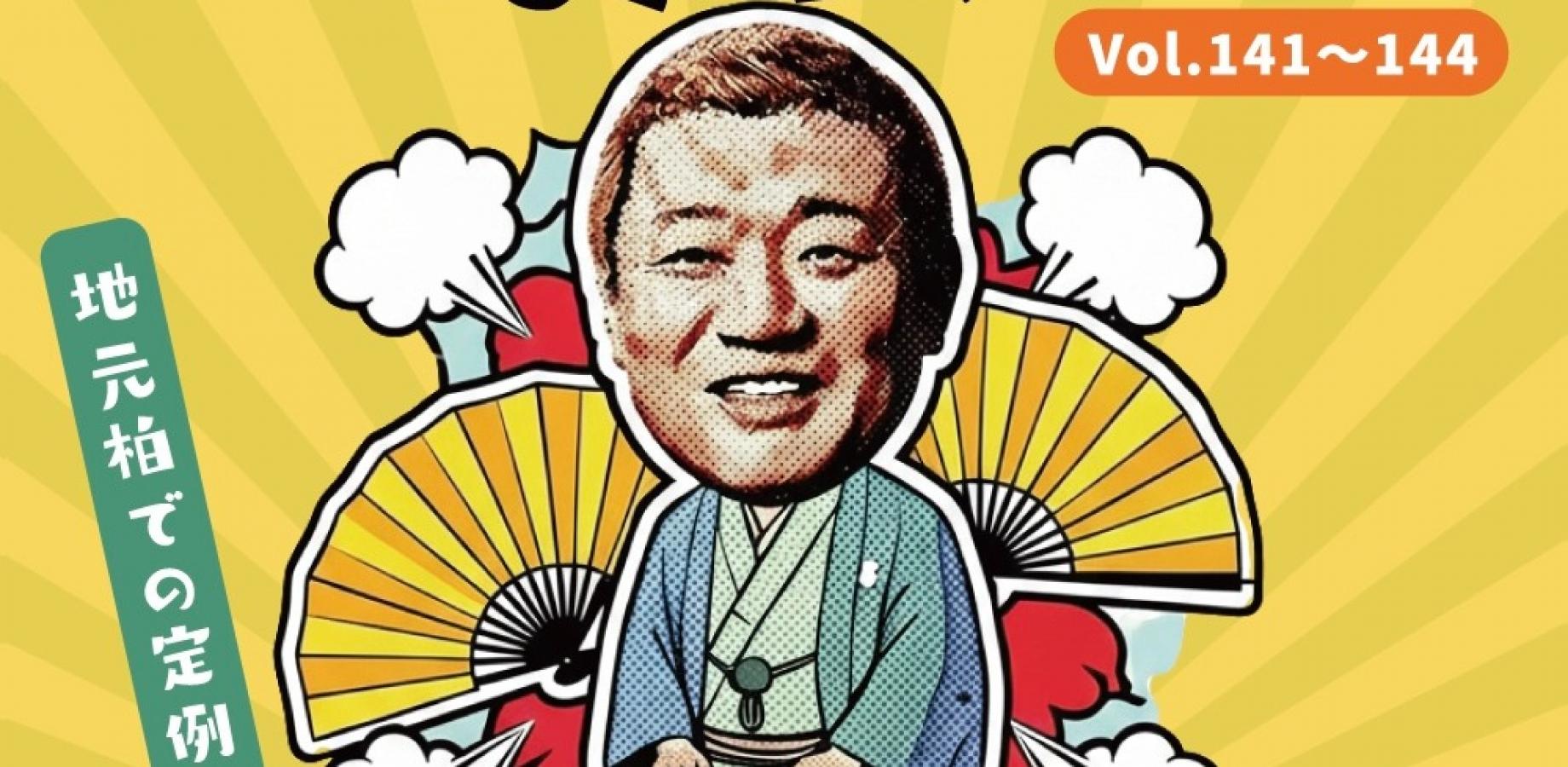
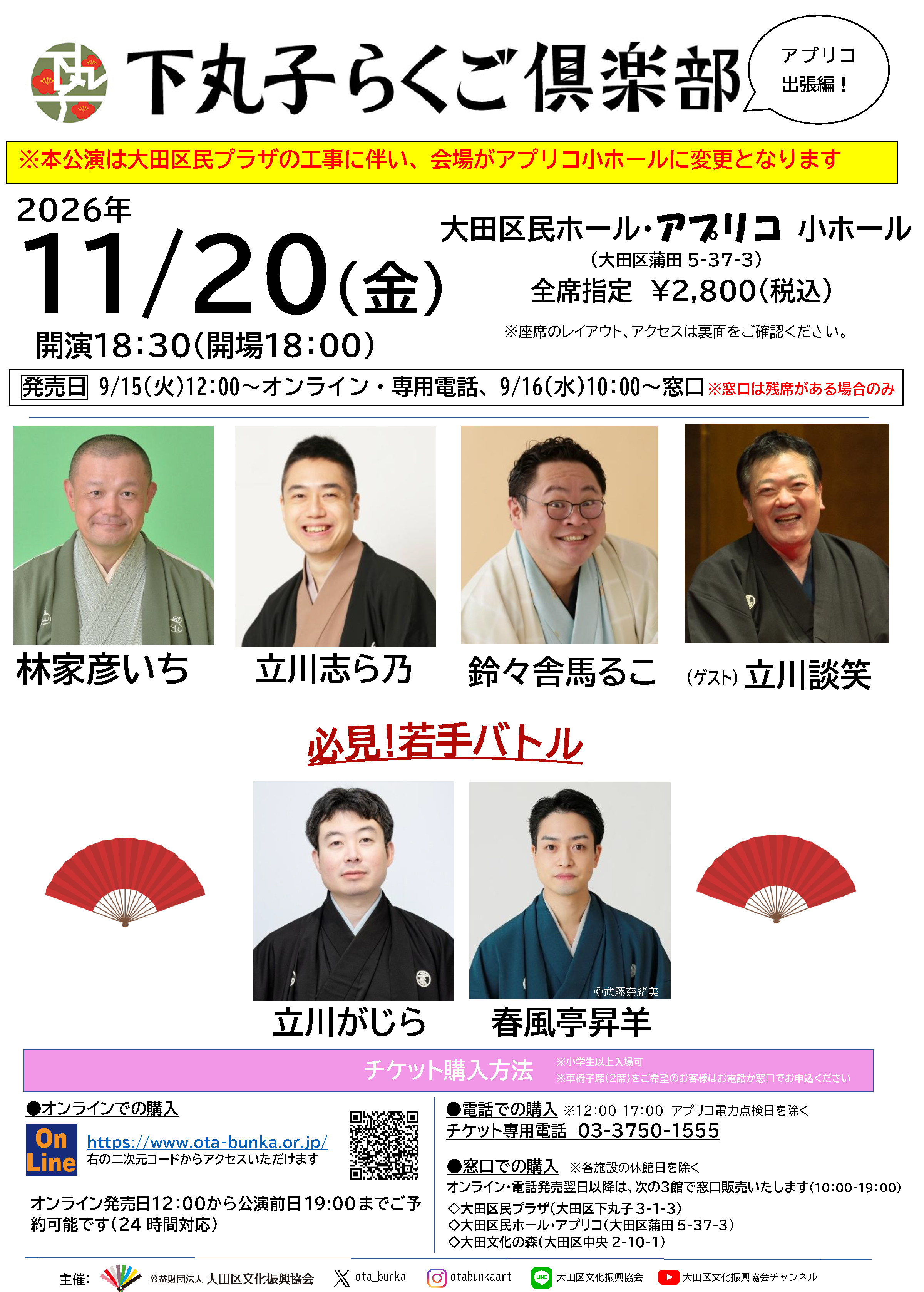
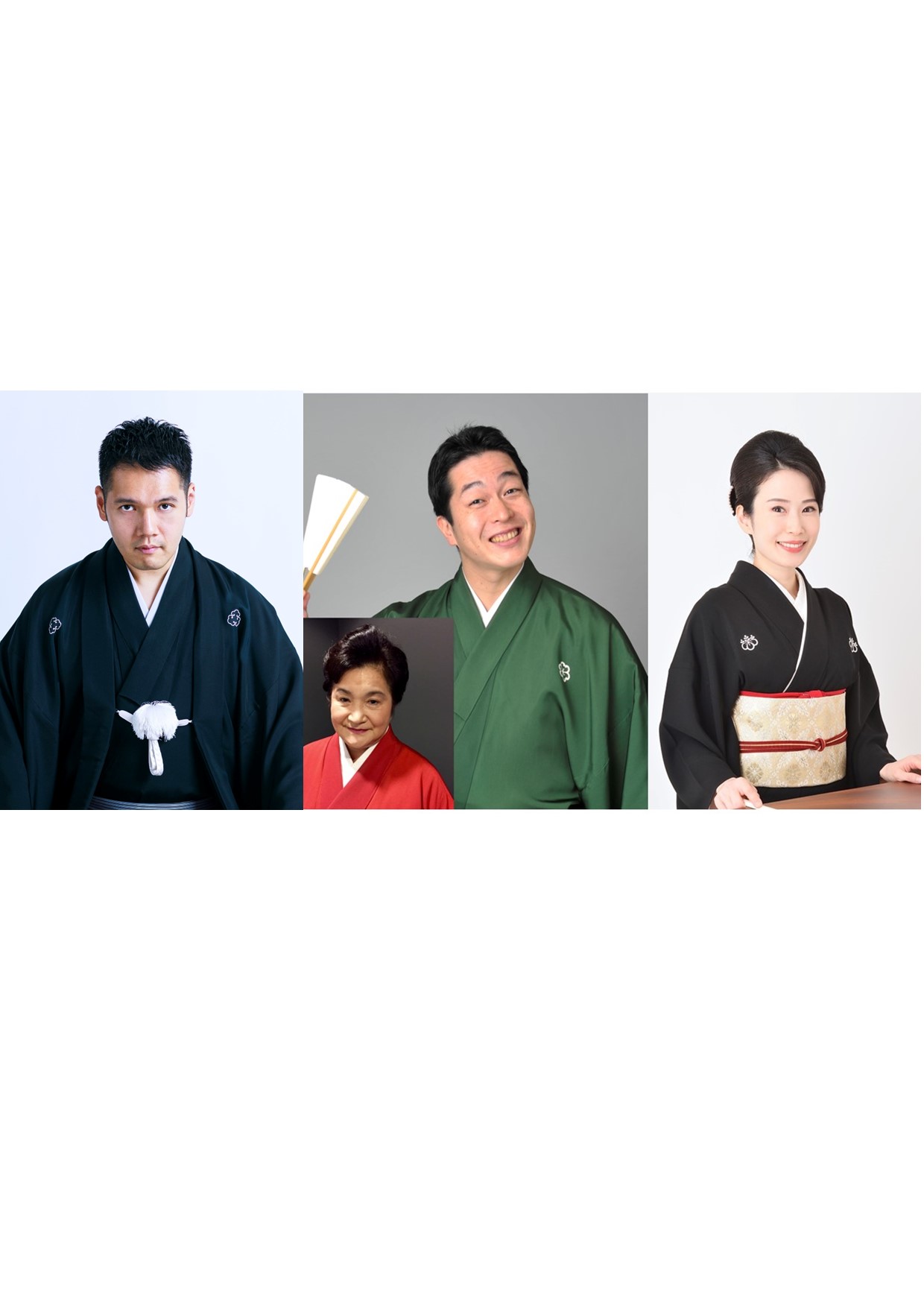
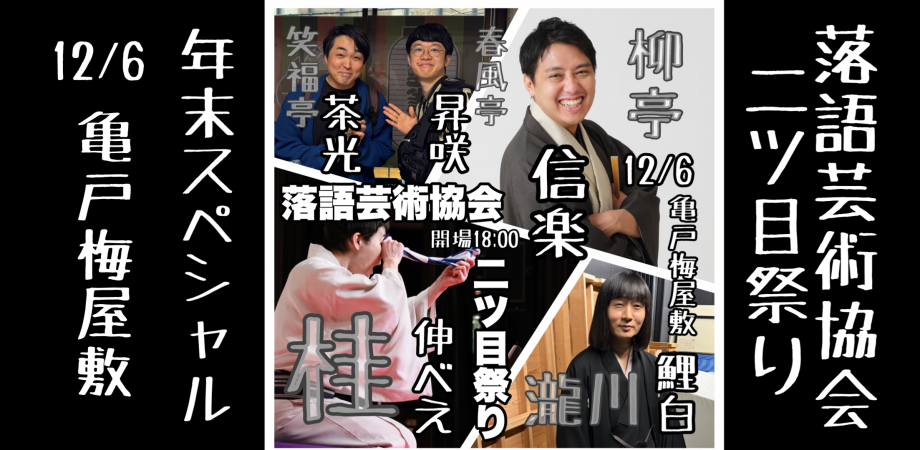
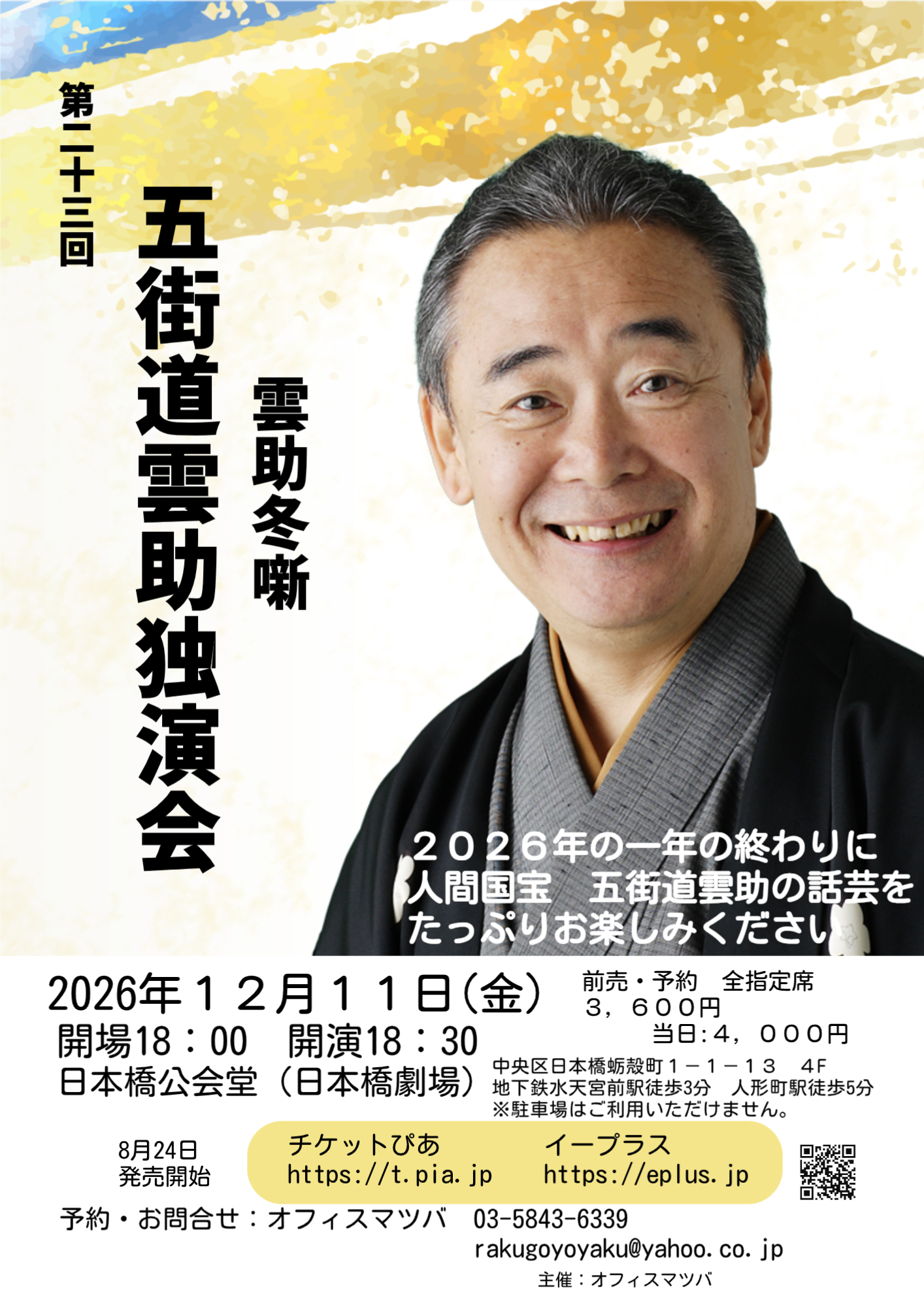
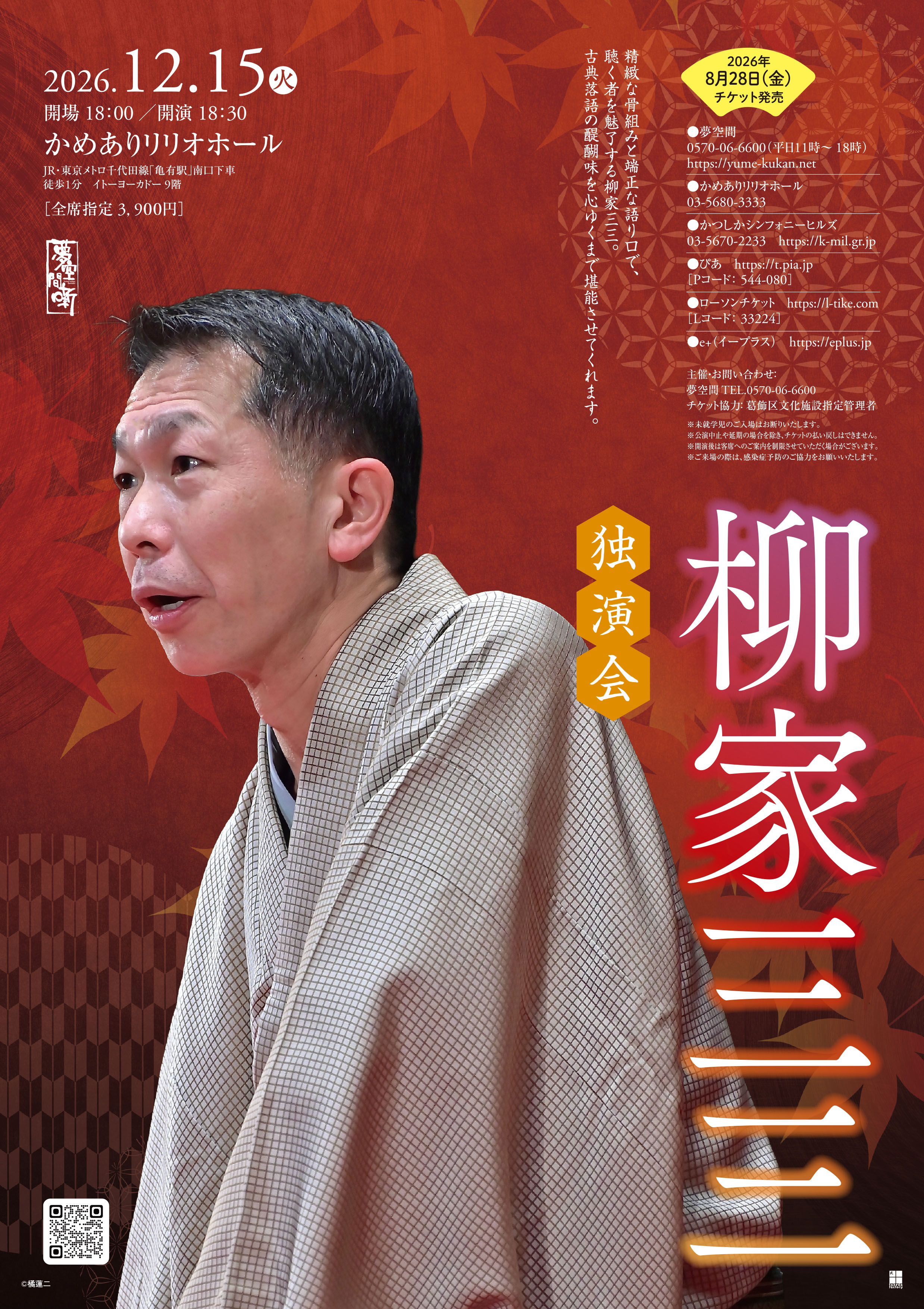
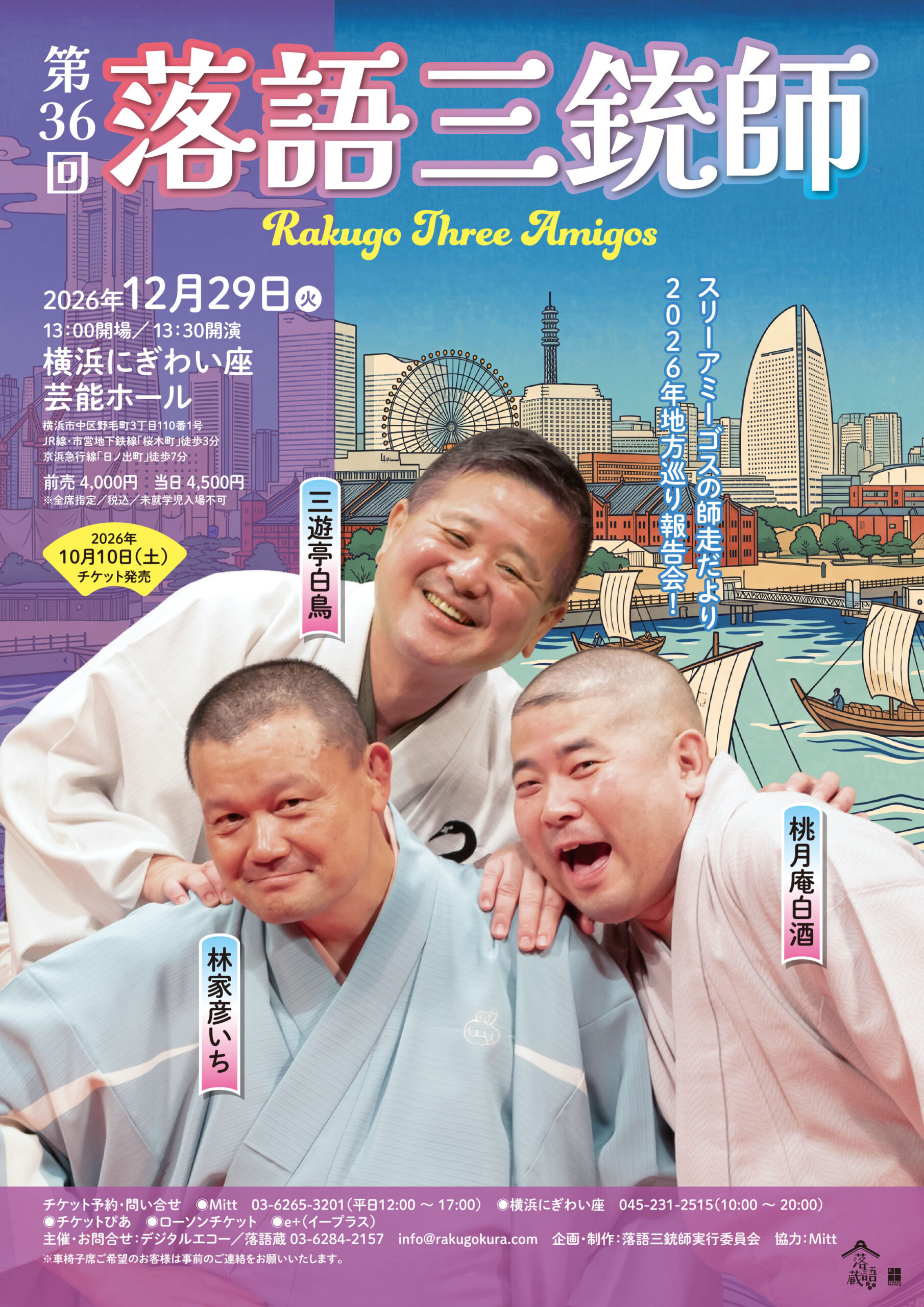
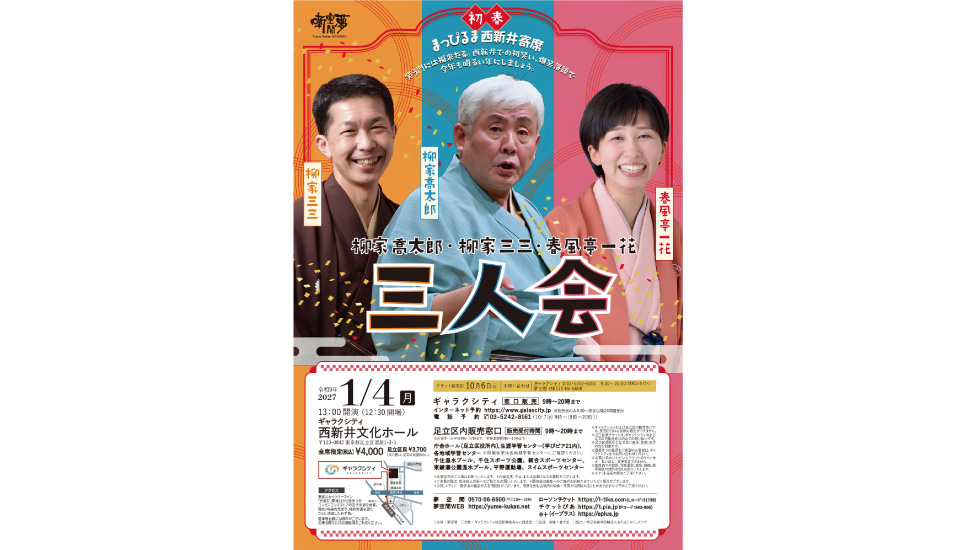
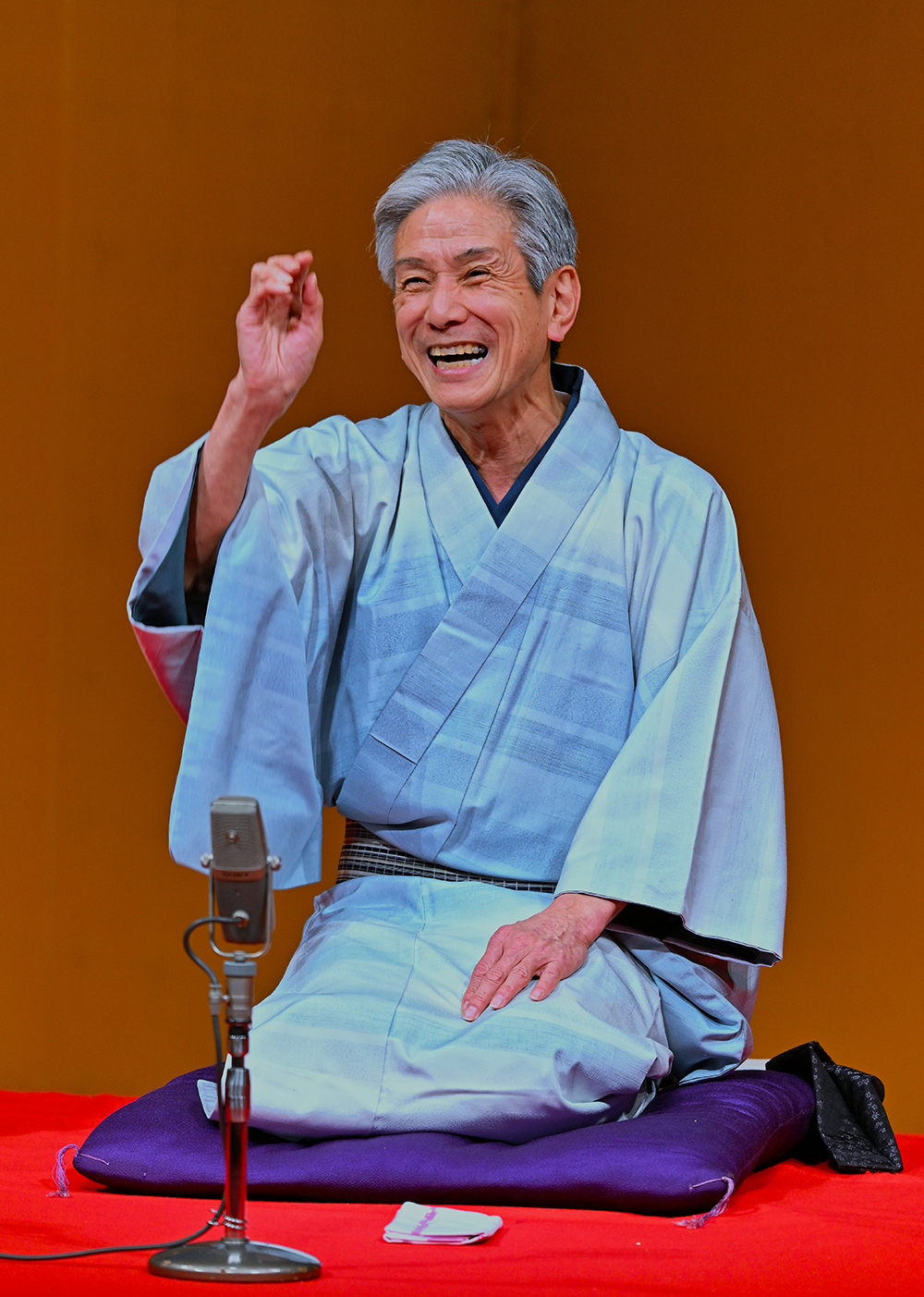
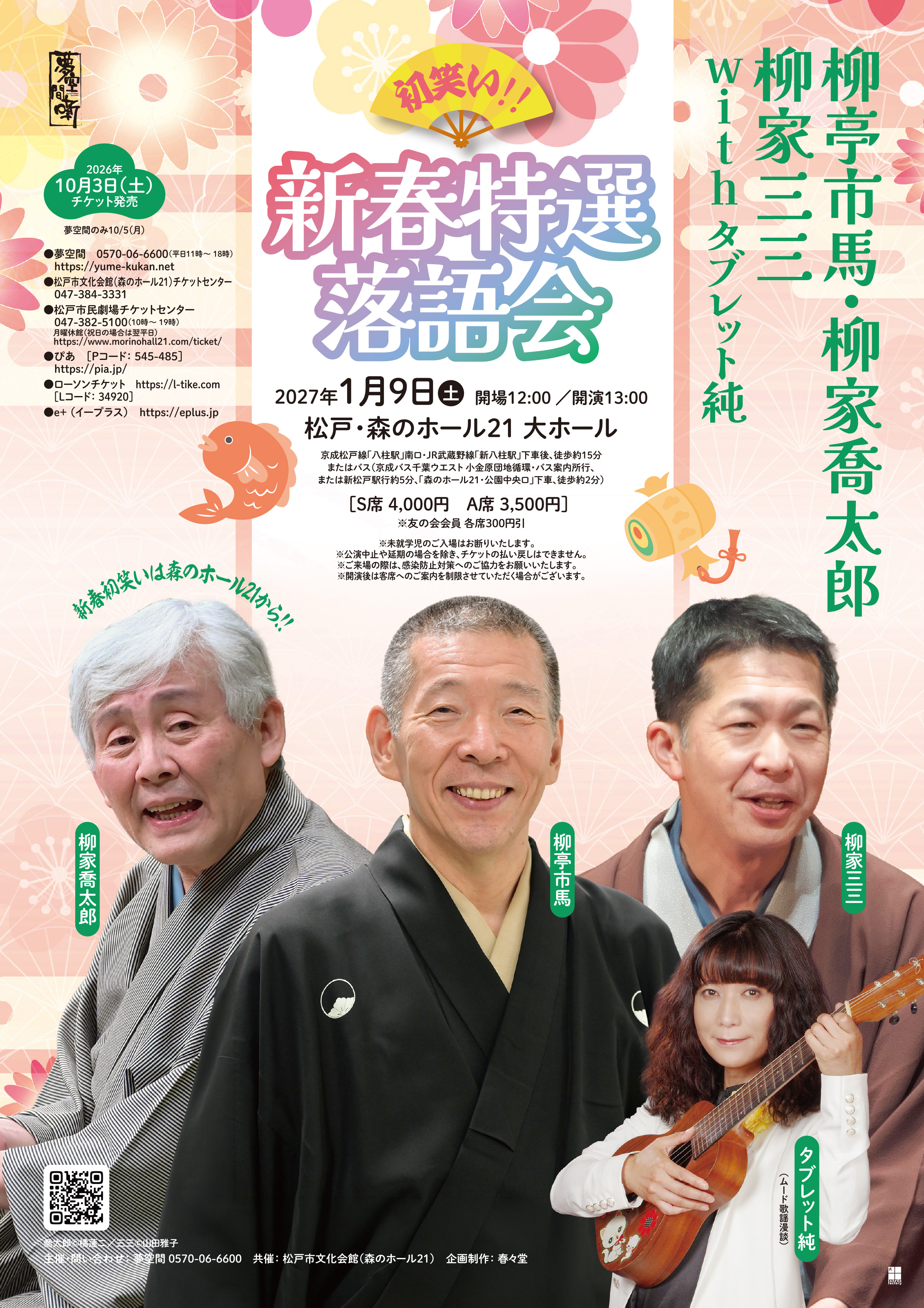
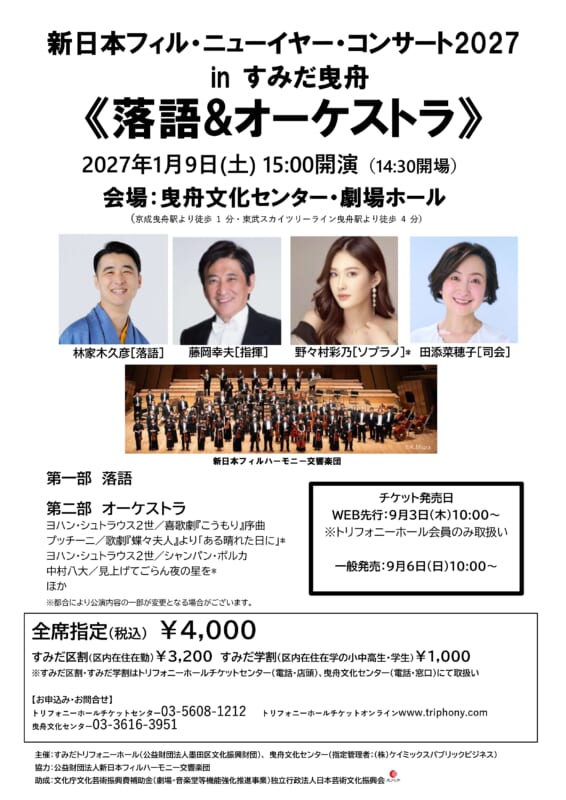
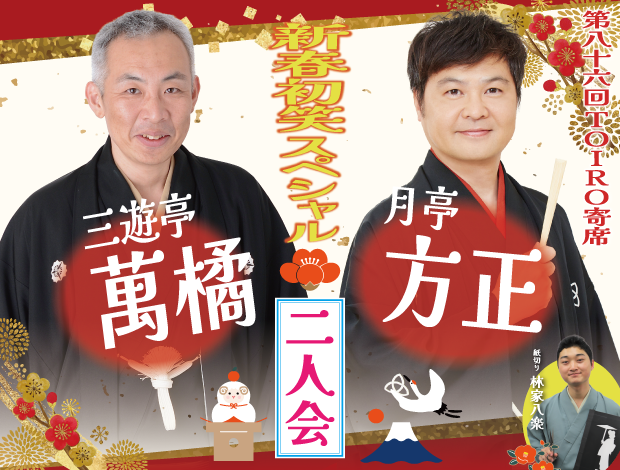
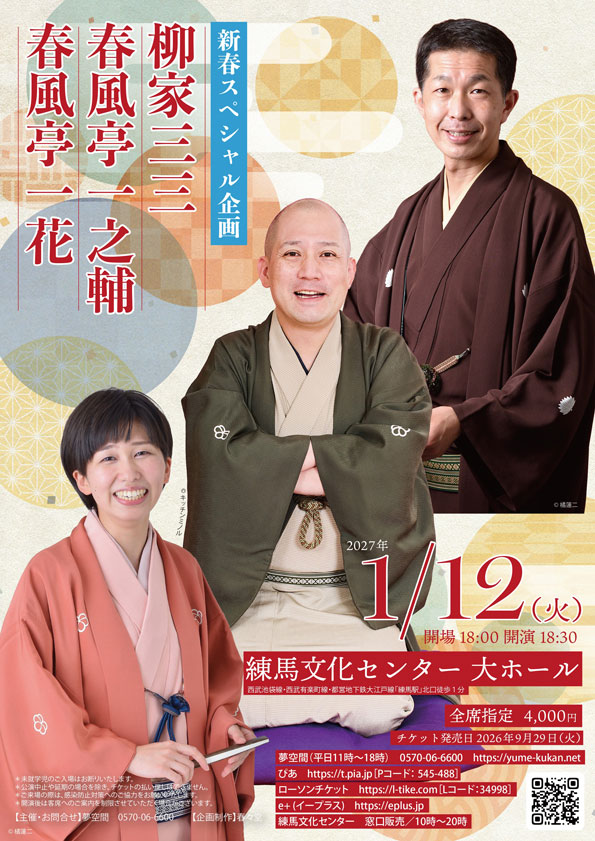
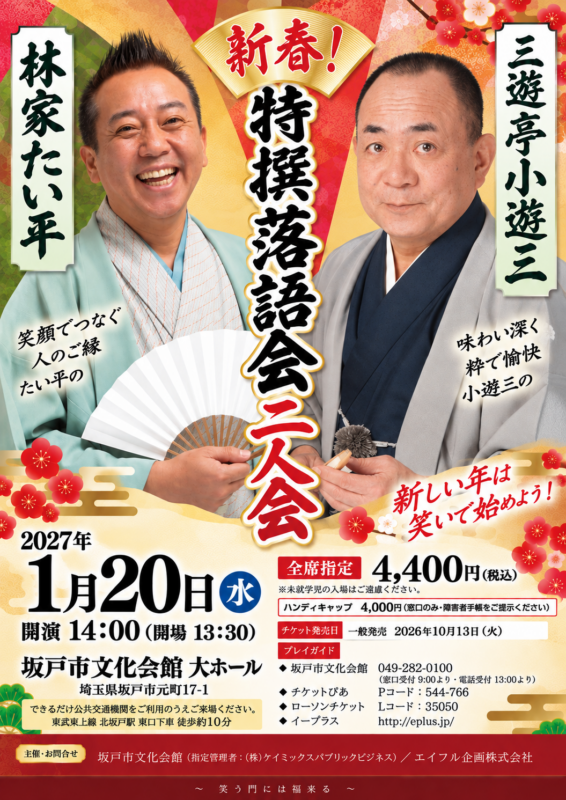
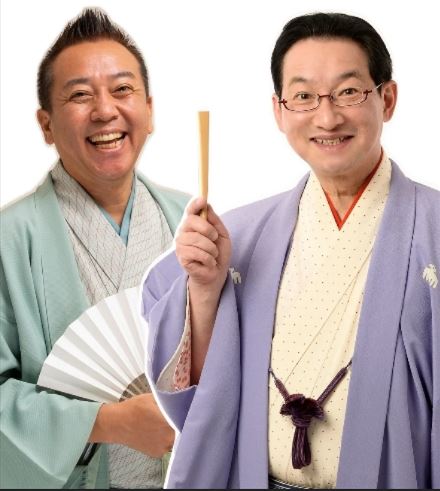
Rakugo is comic storytelling for one person: a performer in kimono kneels on a cushion and plays every character with only a fan and a hand towel as props. The place to hear it is a yose, a small variety hall. Tokyo has four that run almost every day of the year: Suzumoto Engeijo in Ueno, Asakusa Engei Hall in the Asakusa Rokku entertainment street, Shinjuku Suehirotei near Shinjuku-sanchome Station (the last wooden yose building in Tokyo), and Ikebukuro Engeijo near Ikebukuro Station. The National Engei Hall closed together with the National Theatre.
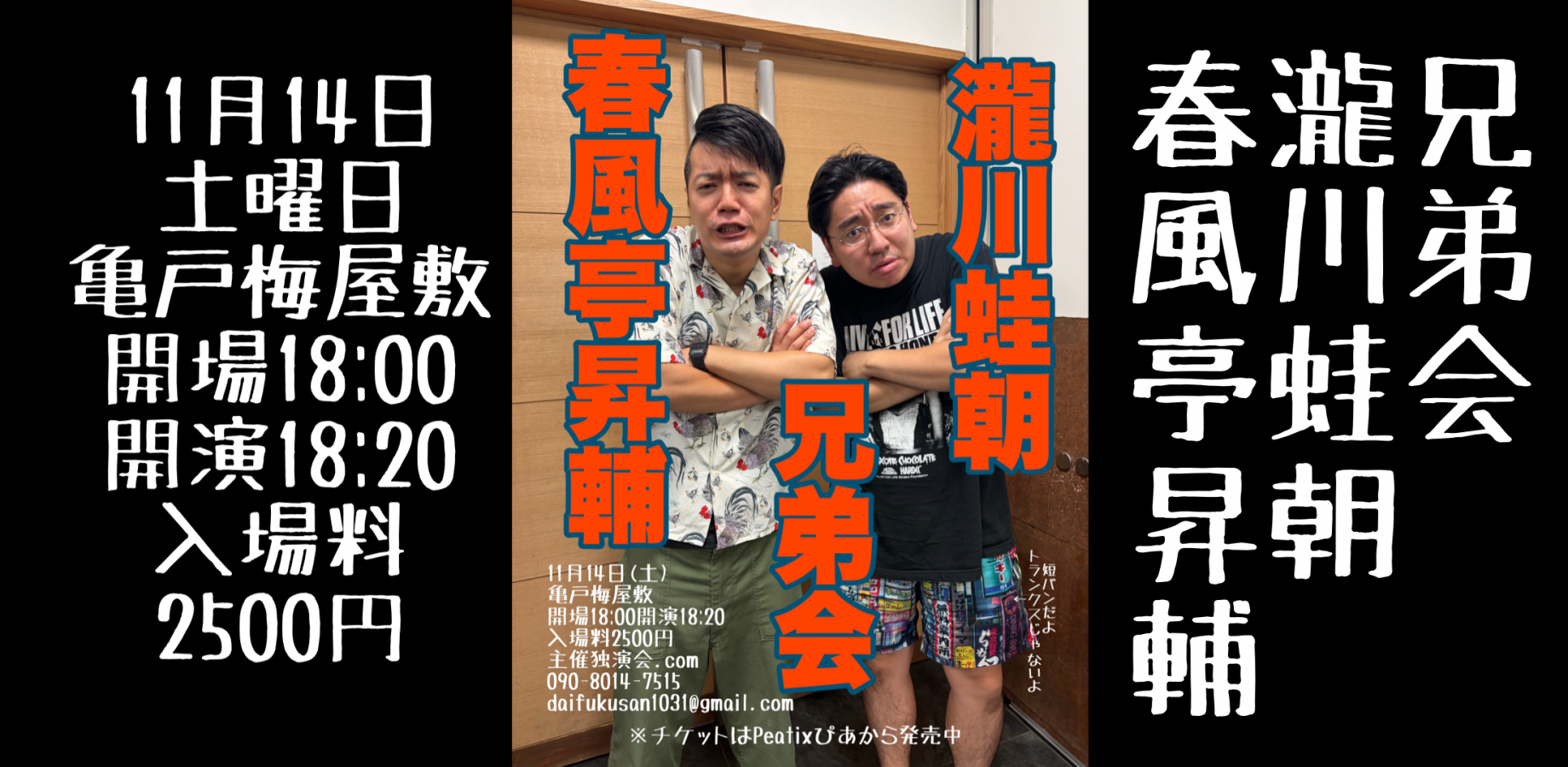
A yose is the easiest traditional show to just walk into. Regular programmes need no booking: you pay at the door, sit anywhere and can come in or leave between acts. The line-up changes every ten days, and the afternoon and evening shows mix many short rakugo sets with iromono, the variety acts in between, such as manzai double acts, magic, juggling and paper cutting. The stories are in Japanese, but the variety acts work for anyone.
For English, the Oedo English Rakugo Show is held in Asakusa from time to time, and a few performers tell stories in English or in two languages at small venues around the city. These shows appear in the list when they are announced.
- Bring cash for the door. Small halls may not take cards.
- The last performer of each show (the tori) is the headliner, so the final hour is often the best.
Etiquette and practical tips
There is no dress code at any of these theatres. Some women wear kimono to kabuki, especially on opening days, but jeans are fine. Switch your phone fully off, not just to silent, and don't take photos or video of the stage. At kabuki you will hear regulars shout an actor's house name (yago) at key moments. Enjoy it, but leave it to them. The figures in black on stage (kurogo) are stagehands you are meant to treat as invisible.
Big kabuki names and New Year programmes sell out, while yose and most noh shows rarely do. Many shows run in the afternoon, so they make a good plan for a rainy day. Leave large bags in a coin locker at the station: seats are close together.