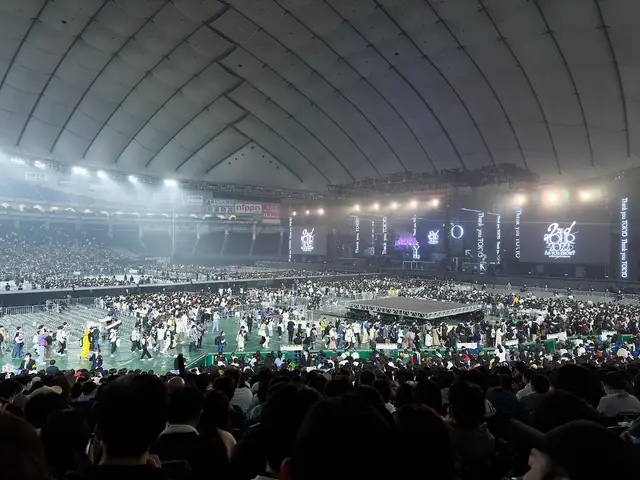
How a Japanese concert works
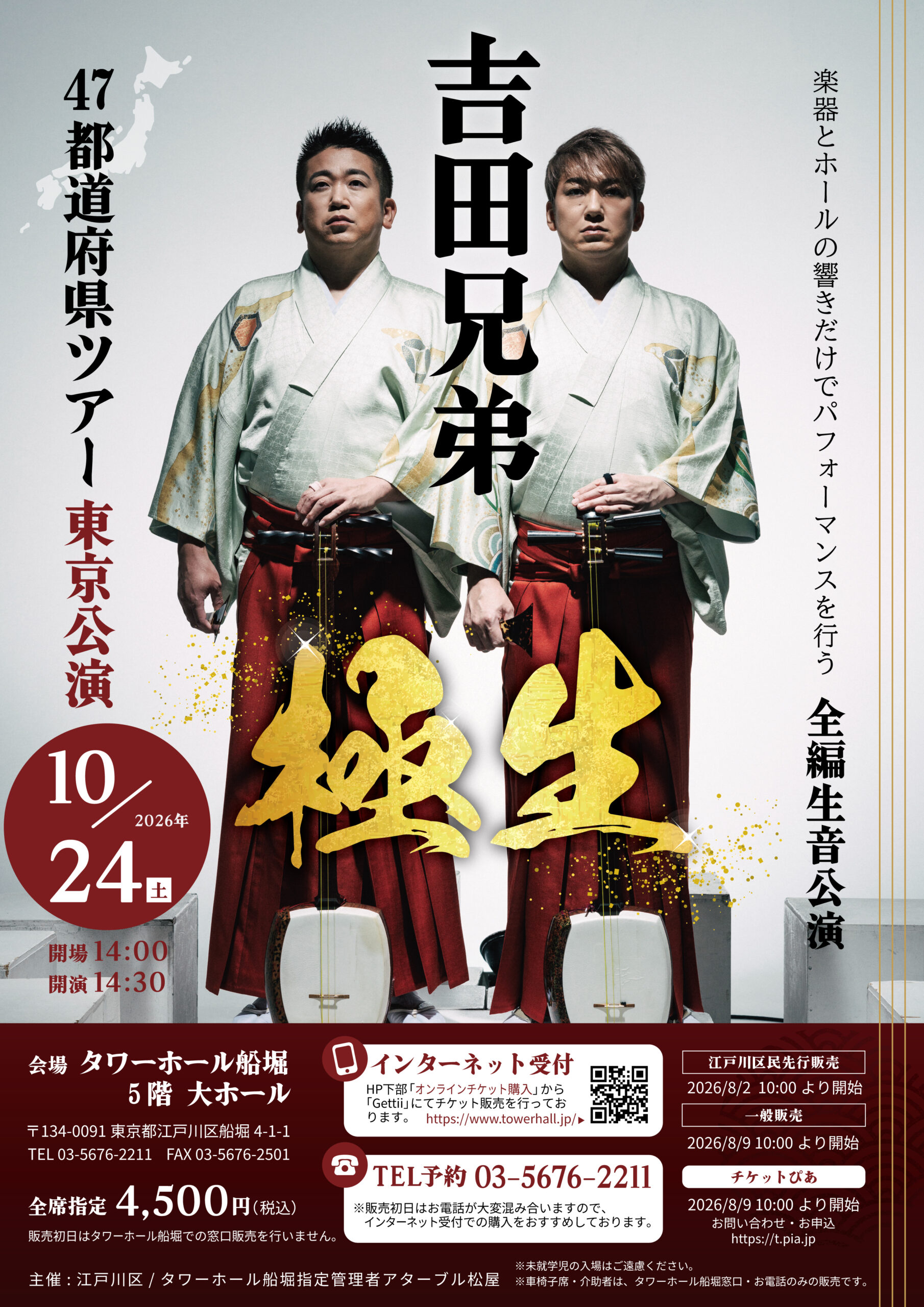
Every ticket shows two times: 開場 (doors open) and 開演 (show starts). Doors usually open 30 to 60 minutes before the start, and at big venues the gap can be longer because of bag checks and ID checks. Weekday shows tend to start around 6 or 7pm, weekend shows often earlier, and most concerts are over by about 9pm so the audience can catch trains home. Encores are standard, and when the house lights come up and a closing announcement plays, the show is truly over.
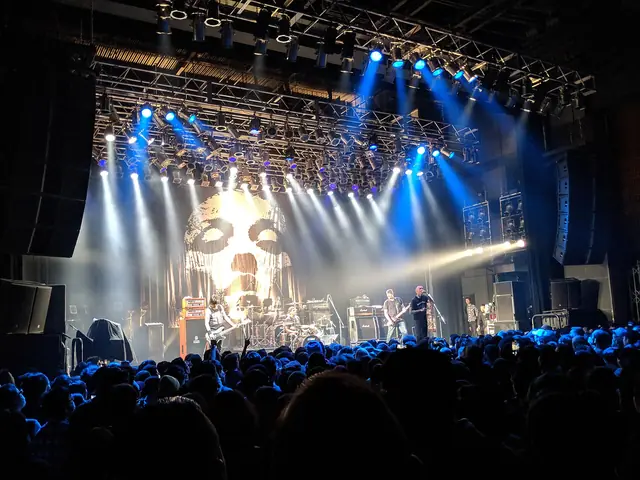
Japanese crowds are attentive. People cheer loudly between songs and often go quiet while the artist talks. Moshing is rare outside punk and metal shows. At standing shows you enter in the order of the entry number (整理番号) on your ticket, while at seated shows you stay in your own seat or the space in front of it. Most arena and dome shows do not allow re-entry (再入場不可), so once you are in, you are in until the end.
Venue types, from live houses to stadiums
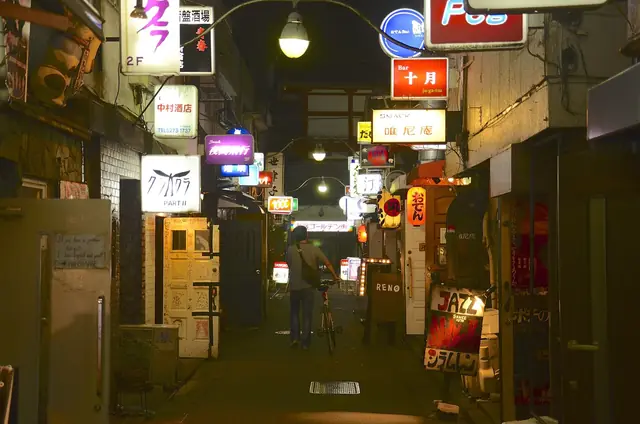
Live houses are small clubs for a few hundred people, packed into Shimokitazawa, Shibuya, Shinjuku and Koenji. Long-running names include Shinjuku LOFT, Shibuya CLUB QUATTRO, Shibuya WWW and LIQUIDROOM in Ebisu. Almost all add a drink charge paid at the door, usually somewhere between 500 and 1,000 yen and often in cash, and you swap the token for a drink at the bar. The Zepp halls (Zepp DiverCity in Odaiba, Zepp Haneda) are the next size up, still mostly standing.
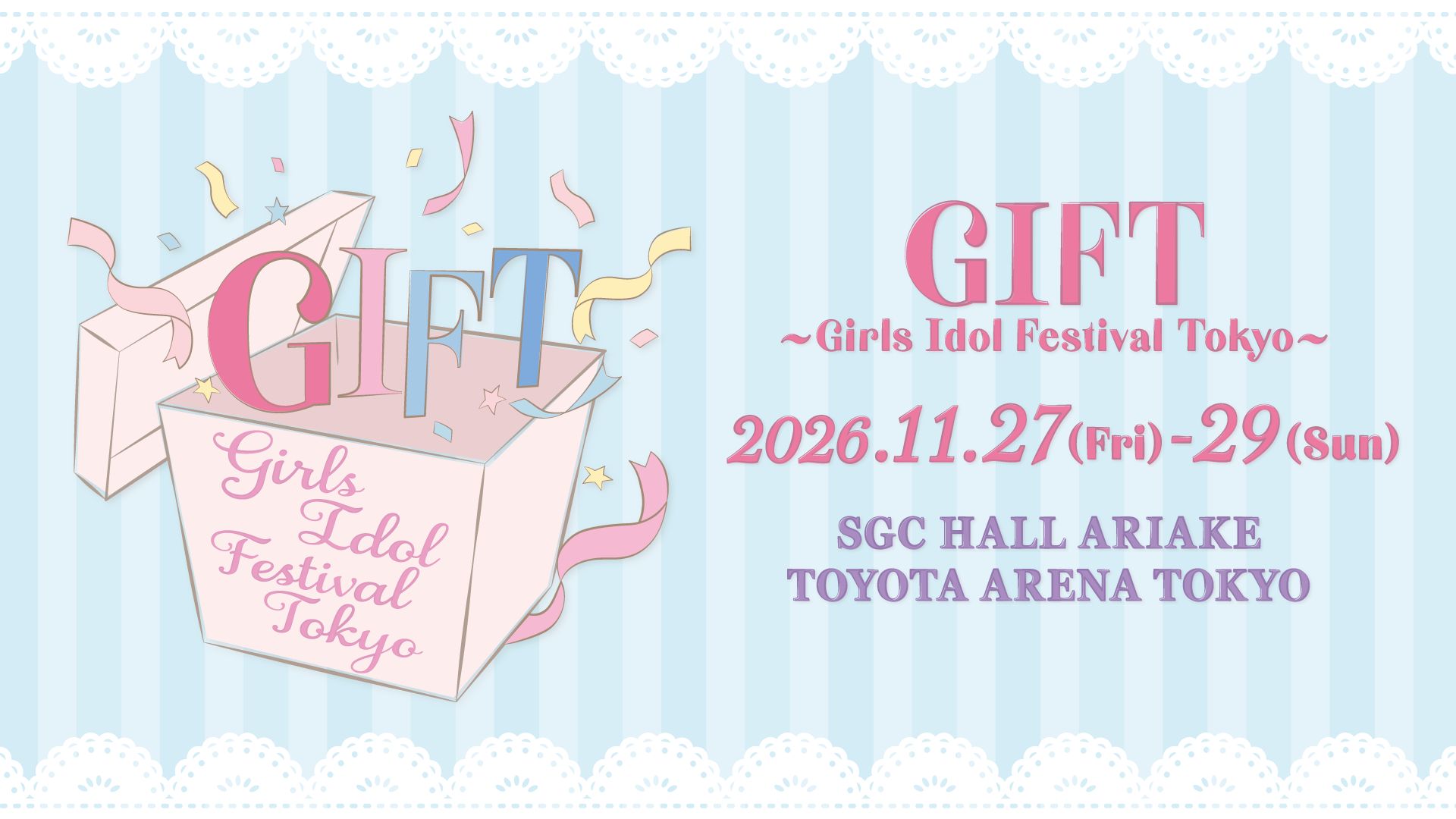
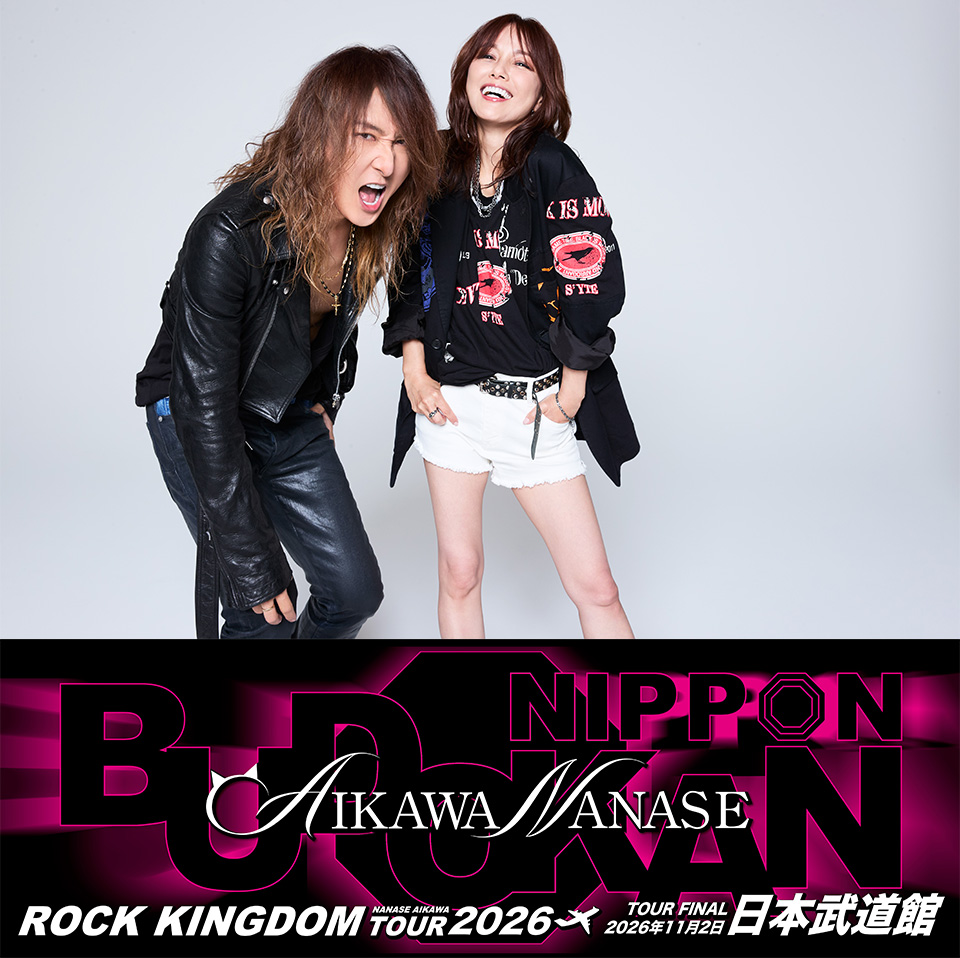
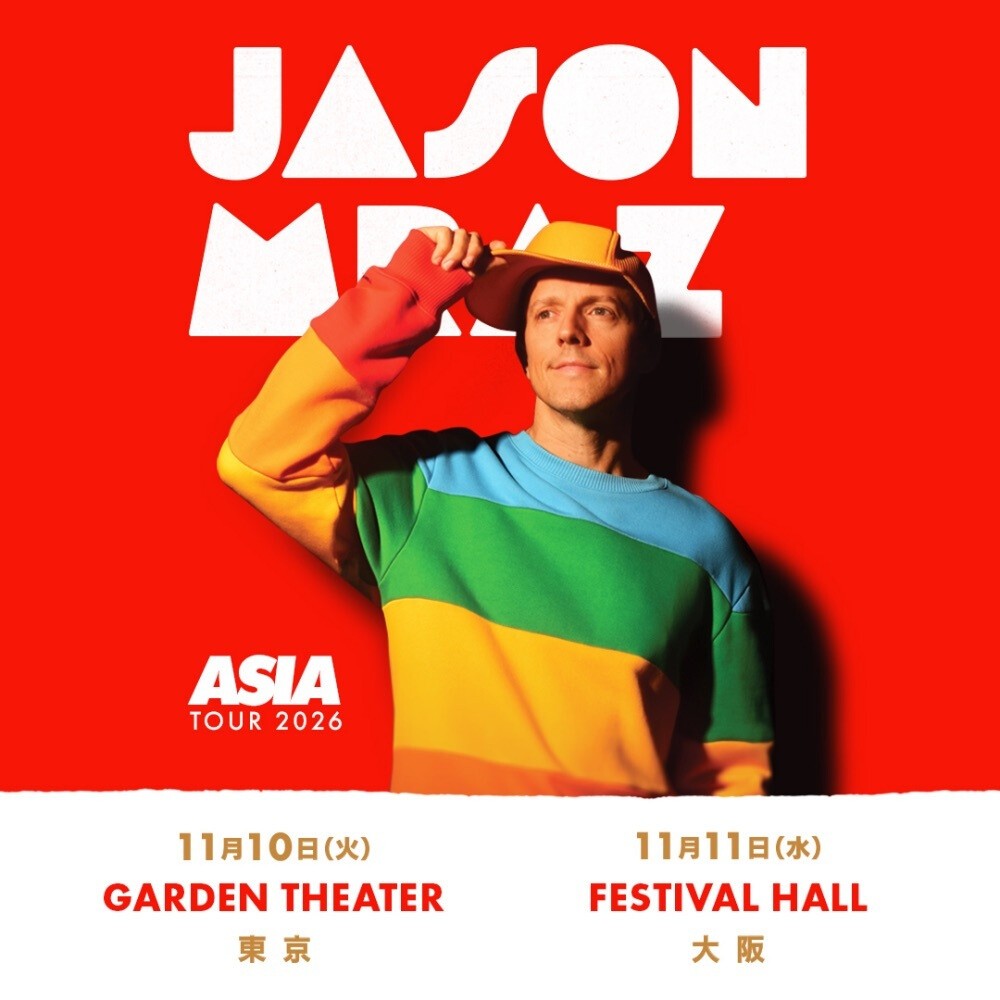
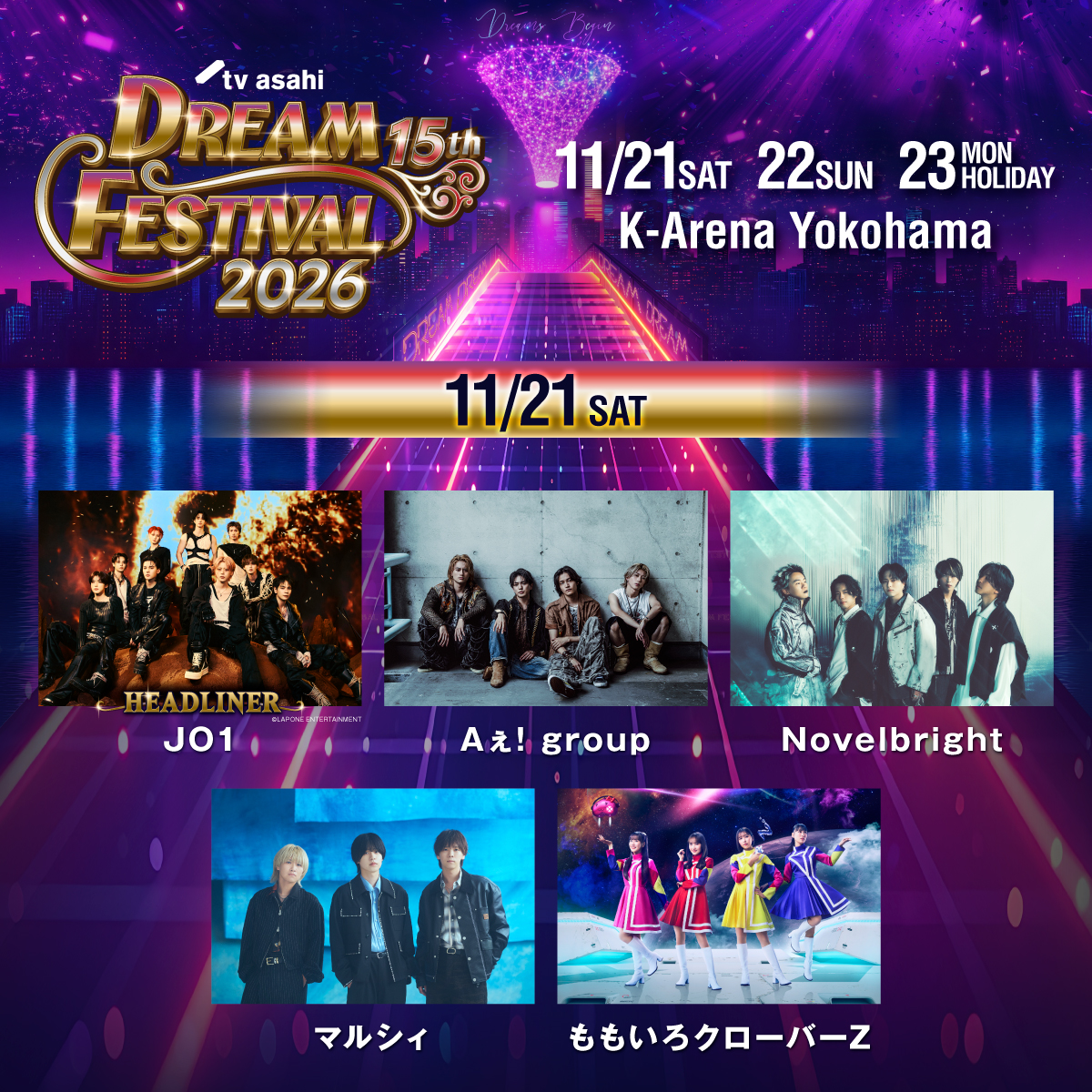
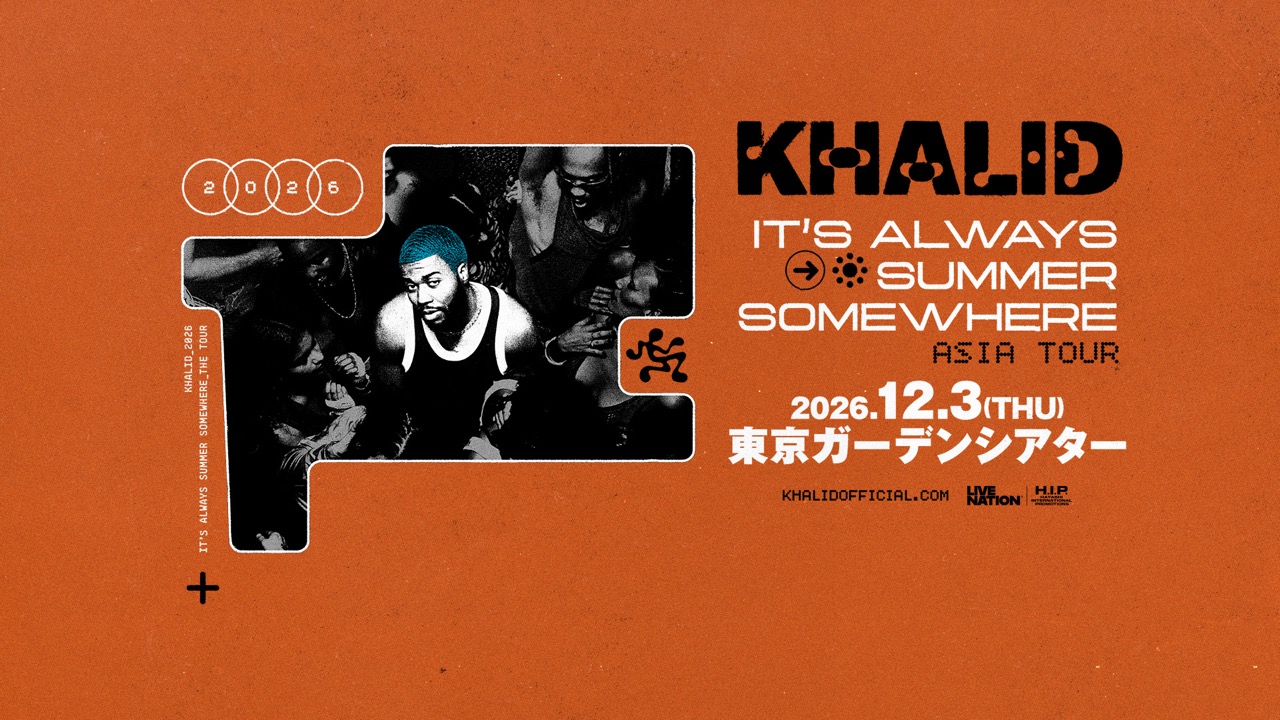
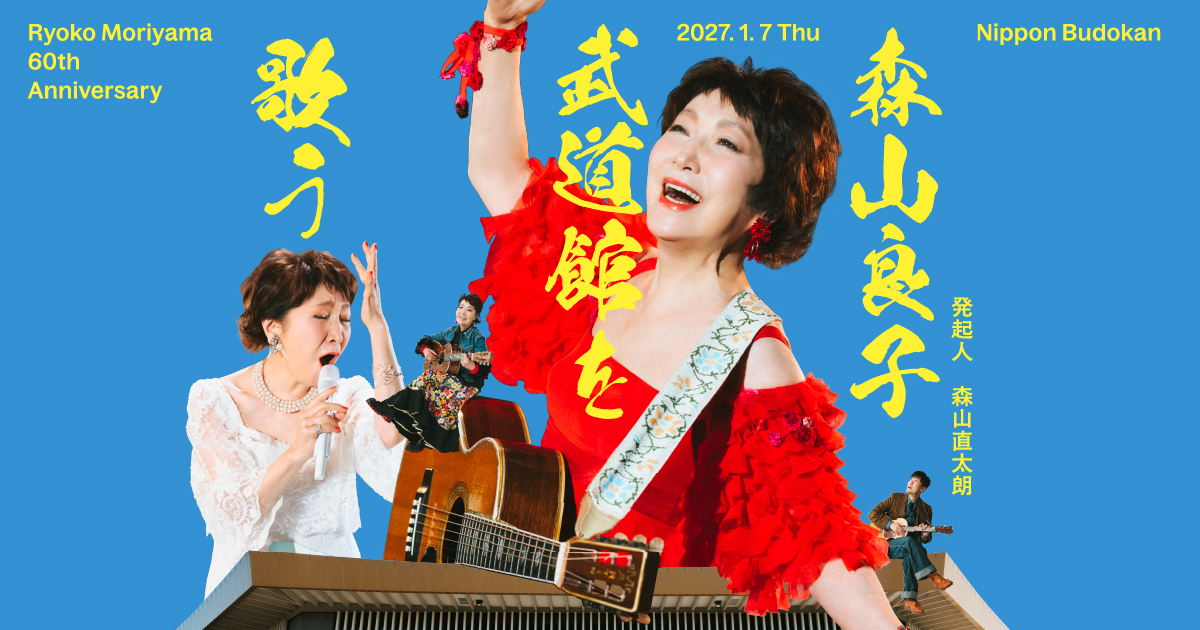
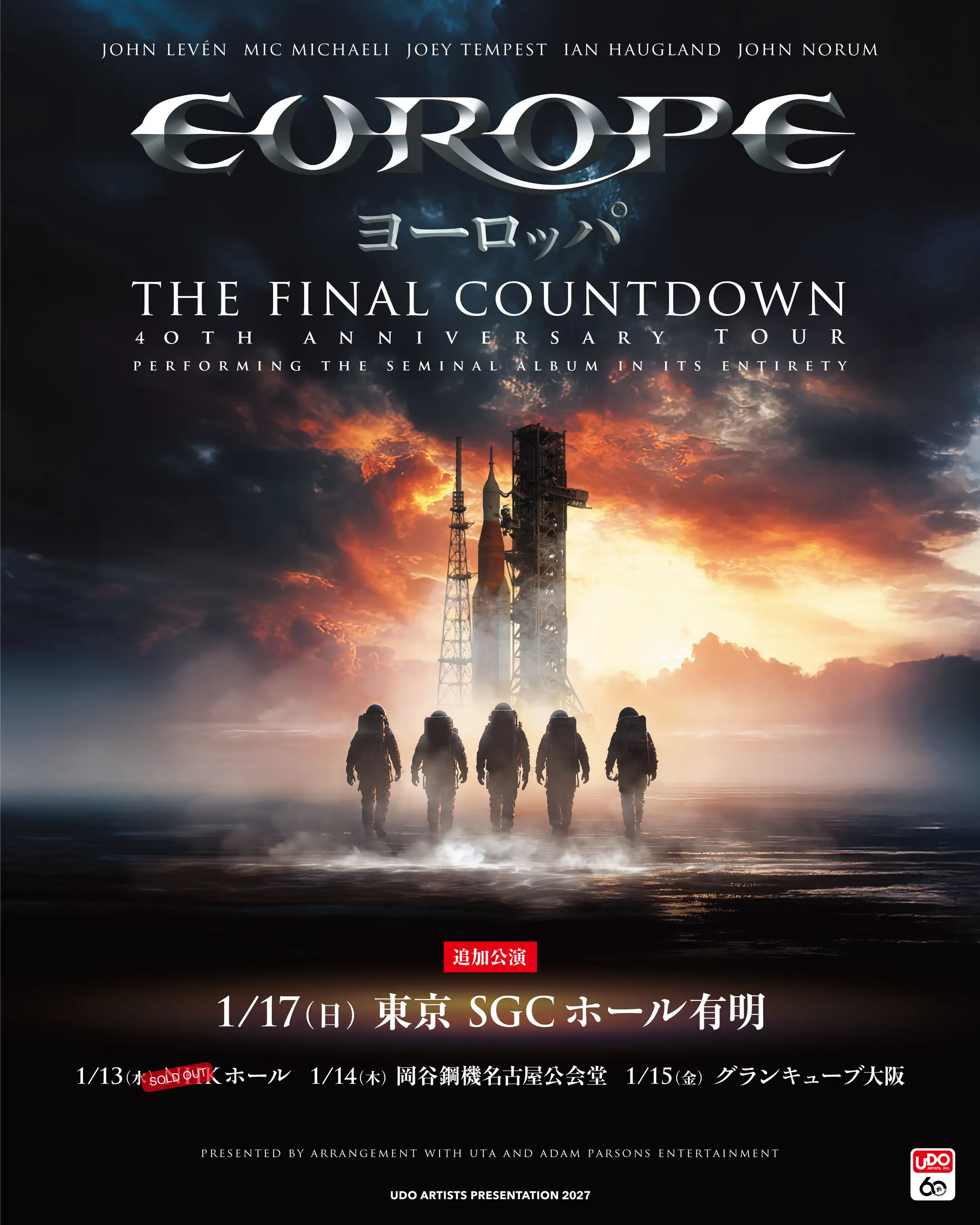
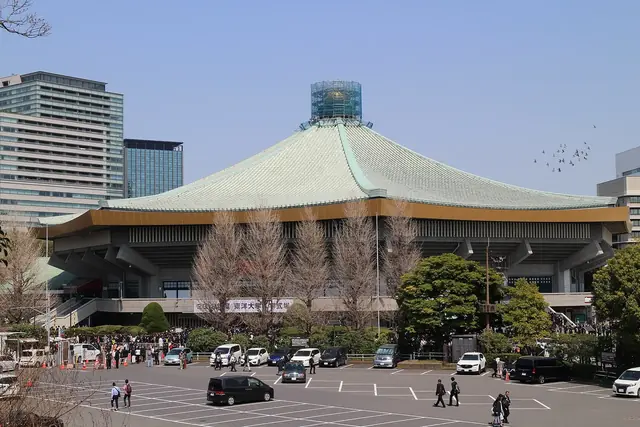
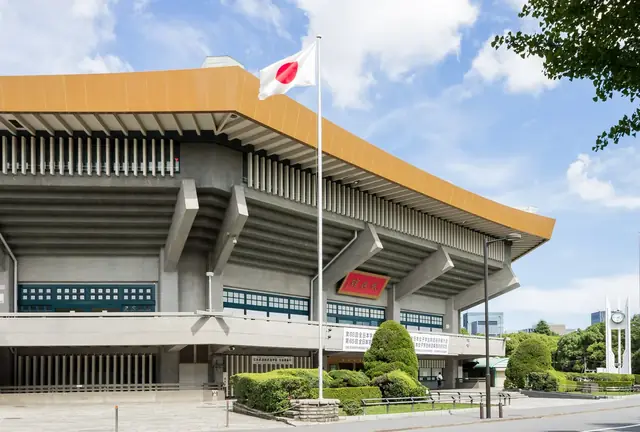
Seated halls hold a few thousand: NHK Hall next to Yoyogi Park, Tokyo International Forum near Yurakucho and Tokyo Garden Theater in Ariake. Nakano Sunplaza, a classic hall for decades, closed in 2023 for redevelopment. Arenas come next: Nippon Budokan near Kudanshita, the octagonal hall that has hosted concerts since the 1960s, Ariake Arena by the bay, Yoyogi National Gymnasium, Saitama Super Arena and K-Arena Yokohama, a 20,000-capacity venue built only for music.
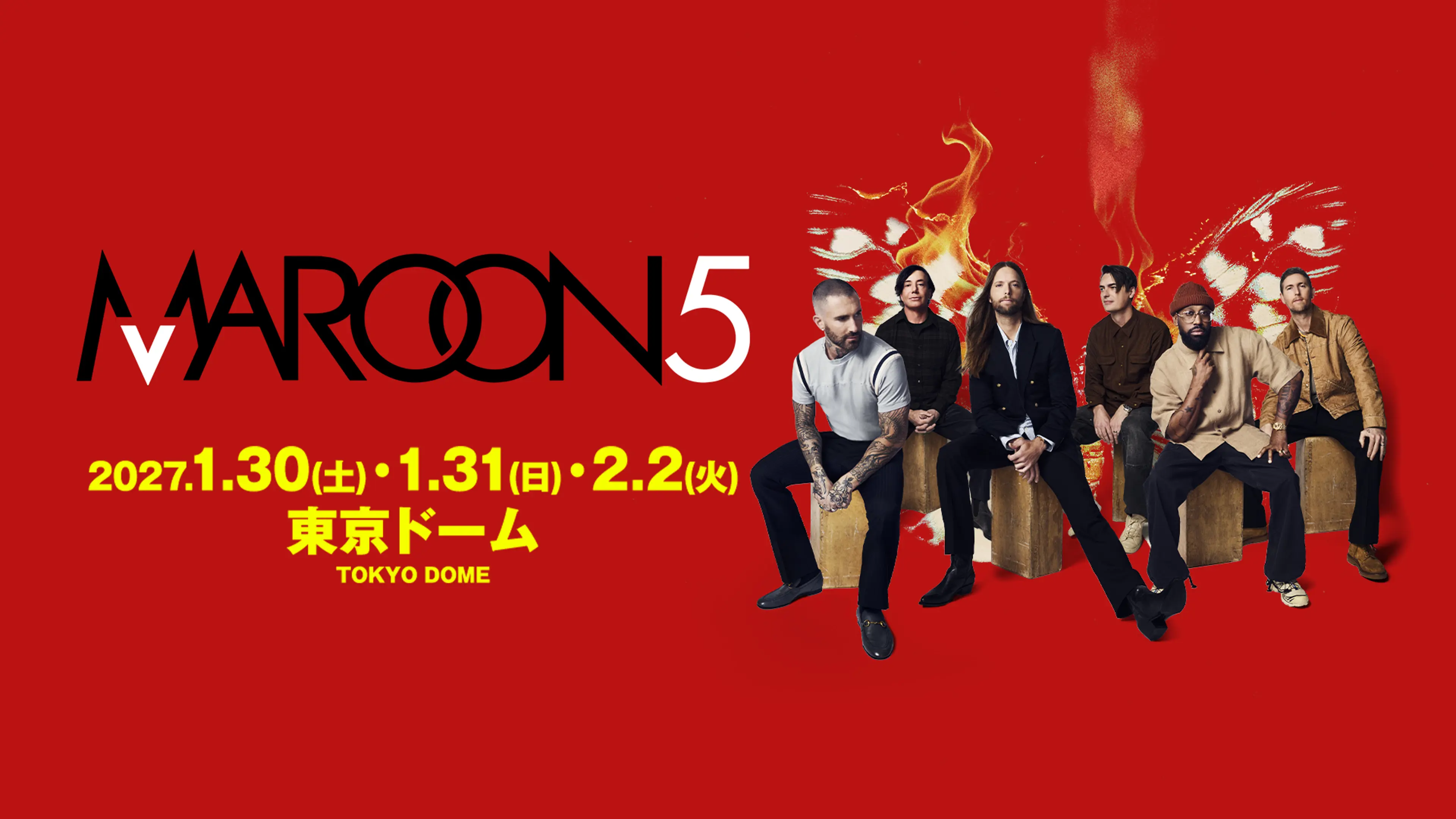
The biggest tours play domes and stadiums. Tokyo Dome in Suidobashi is the classic, and Belluna Dome in Tokorozawa (Saitama) has a roof but open sides, so it gets hot in summer and cold in winter. Summer stadium shows fill Nissan Stadium in Yokohama and the Japan National Stadium in Sendagaya, which has carried the name MUFG Stadium since 2026. Several of these are outside Tokyo proper, so check the travel time before you buy.
Before the show: merch, lockers, penlights and phones
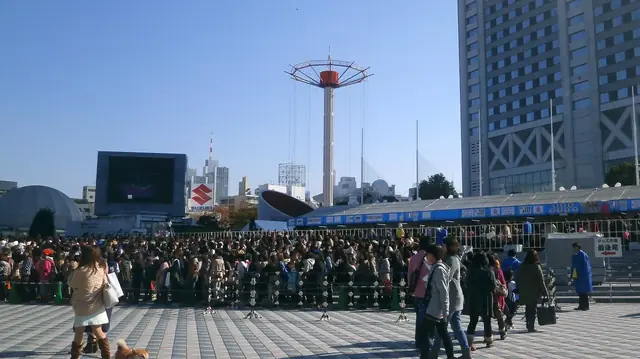
Merch (物販) is a ritual of its own. At big shows the stalls often open several hours before doors, the queue can be long, and popular sizes sell out. Many tours now sell online in advance or let you order ahead and pick up at the venue, which saves hours. Coin lockers at the nearest stations fill up early on concert days, and many venues have no cloakroom, so come with a small bag.
At idol, anime and many J-pop shows the crowd waves penlights in the artist's or member's colour. Most shows ask you to use the official penlight, keep it below head height and not wave anything that blocks the view behind you. Photography and filming are still banned at most Japanese concerts, and staff will stop you. Some artists now allow phones for one song or for the whole show; that is announced on screen or on the official site, and if nobody says it is allowed, assume it is not.
- Bring the photo ID that matches your ticket name. Popular shows check it at the door.
- Carry cash. Live house drink charges and some merch stalls do not take cards.
- Eat before you go. Food inside arenas is limited and the queues are long.
Getting home after a big show
At arenas, domes and stadiums the exit is regulated (規制退場): staff announce which blocks may leave, and everyone else waits in their seats. At Tokyo Dome or a stadium this can take 30 minutes or more for the last blocks. Stations nearby are then packed, and police and staff hold crowds at the entrances. Tokyo Dome itself asks visitors to leave in stages and to use stations other than the nearest one.
The easy trick is to walk to a second station. From Tokyo Dome, Korakuen, Kasuga and Iidabashi are all within walking distance besides Suidobashi. If the venue is in Saitama, Chiba or Yokohama, check the last train back to your hotel before the show, because an encore that runs late plus a long exit can cost you the connection.
Music festivals near Tokyo
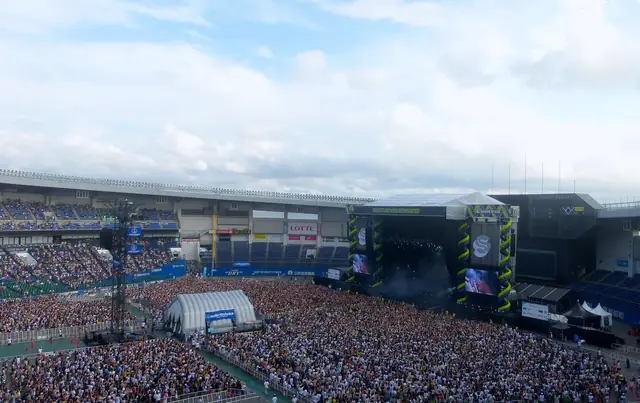
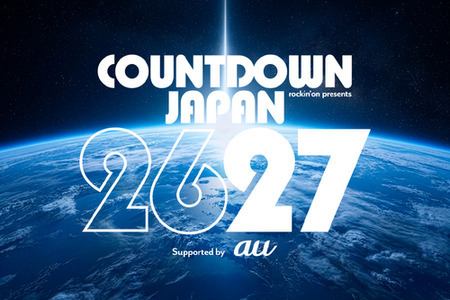
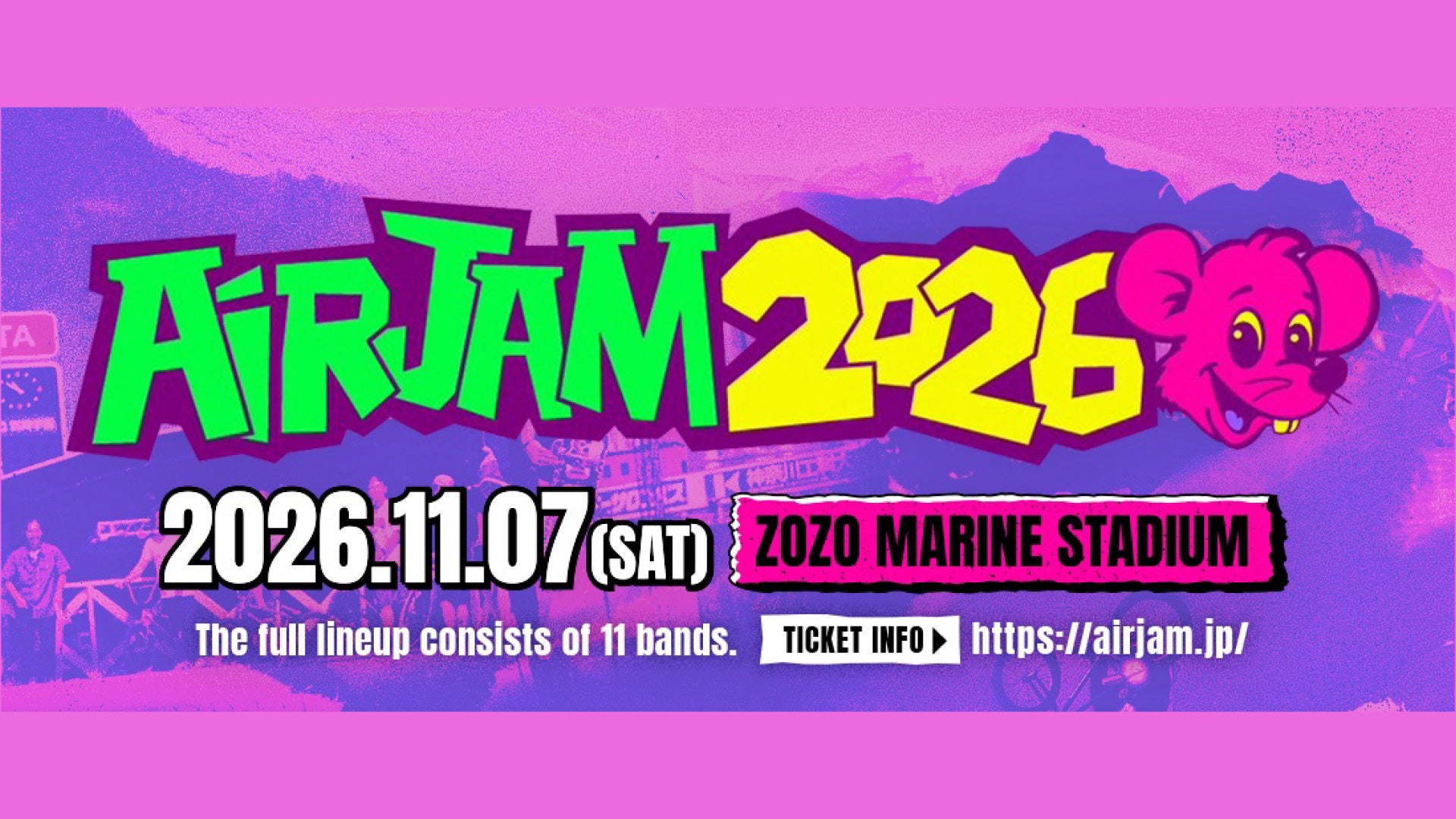
Summer Sonic is the big summer festival for Tokyo, held in mid-August at ZOZO Marine Stadium and Makuhari Messe in Chiba, about 30 to 40 minutes from central Tokyo by train, with international headliners. COUNTDOWN JAPAN, a Japanese rock and pop festival run by the magazine publisher rockin'on, fills Makuhari Messe over several days at the end of December and ends with a New Year countdown.
Fuji Rock Festival is not in Tokyo or at Mount Fuji. It takes place at Naeba Ski Resort in Niigata in late July, reached by shinkansen to Echigo-Yuzawa and then a shuttle bus. It is a mountain camping festival with rain gear as standard, so treat it as a trip rather than a day out from Tokyo.
- Festival tickets usually go on sale in stages, with early-bird and lottery rounds months ahead.
- Makuhari in August is hot. Bring water, a towel and a hat for the outdoor stadium stage.