The year in Tokyo weather
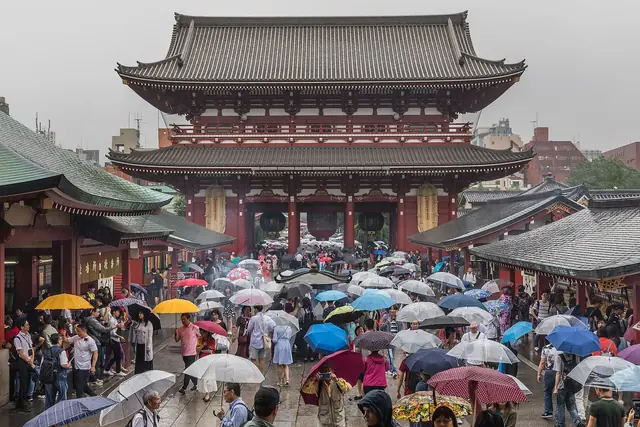
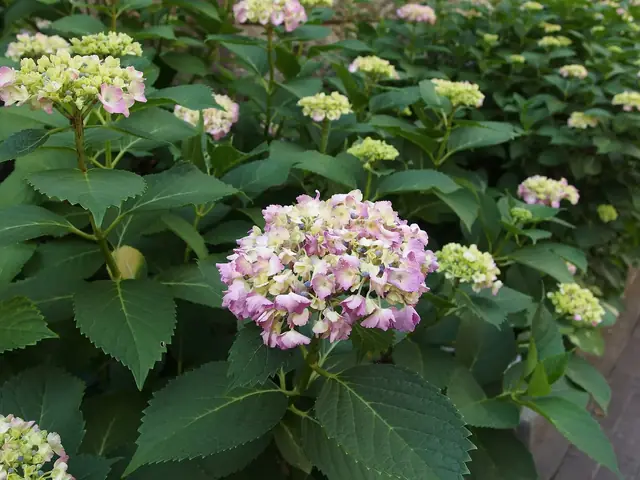
Spring is mild, but March evenings are still cool, so a light coat helps at night events. The rainy season (梅雨, tsuyu) in the Kanto region usually starts in early June and ends around the third week of July. It brings many grey, drizzly days rather than constant downpours, and humidity sits around 75 percent. Summer runs hot through August: average daytime highs are around 31°C and nights rarely drop much below 24°C.
September and October are actually the wettest months by rainfall, thanks to autumn rain fronts and typhoons, although October also has many clear, comfortable days. November is one of the best months for outdoor events. Winter, from December to February, is dry and often sunny, with daytime highs around 10 to 12°C and nights close to freezing. Many outdoor events, from fireworks to illuminations, happen in the evening, so plan for the night temperature, not the midday one.
Rain words on event pages
Outdoor events in Japan say in advance what happens if it rains, usually in a short set phrase near the date. Learn the handful below and you can read almost any poster. Many events also post a same-day decision, called 開催可否 (kaisai kahi), on their website or social accounts early in the morning, sometimes with a set time for the announcement.
Note the difference between rain and storm. Plenty of festivals go ahead in ordinary rain, and only stop for 荒天, rough weather such as a typhoon, heavy rain warnings or lightning. Fireworks are the classic case of postponement: they cannot launch in strong wind or heavy rain, so many have a backup day.
- 雨天中止 (uten chūshi): cancelled if it rains.
- 雨天決行 (uten kekkō): goes ahead in rain.
- 小雨決行 (kosame kekkō): goes ahead in light rain; heavy rain may still stop it.
- 荒天中止 (kōten chūshi): cancelled only in stormy weather.
- 順延 (jun'en): postponed to the next day or a set backup day (予備日, yobibi).
Summer heat: alerts, water and timing
Tokyo summers are hot and humid well after dark, and heatstroke is a real risk at outdoor festivals where you stand in a crowd for hours. Japan uses WBGT (暑さ指数), a heat index that combines temperature, humidity and sunlight. When it is forecast to reach 33 or more, the government issues a heatstroke alert (熱中症警戒アラート), announced at 5 pm the day before and again at 5 am on the day. The alert season runs from late April to late October, and since 2024 there is also a stronger special alert for extreme heat.
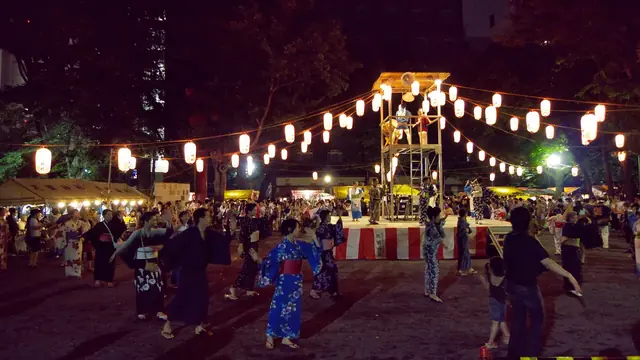
On alert days, do the outdoor part of your plans in the late afternoon or evening, which is when most summer festivals and bon odori start anyway. Drink water before you feel thirsty, add something salty, wear a hat or carry a parasol (日傘, used by plenty of men too), and take breaks in air-conditioned shops or stations. Convenience stores and vending machines are everywhere, so you do not need to carry litres of water, only the habit of buying it.
- Cooling towels, neck coolers and hand fans are sold in convenience stores and drugstores all summer.
- Freeze a bottle of tea overnight. It stays cold for hours at an evening festival.
- If you feel dizzy or stop sweating, get into shade or air-conditioning and tell staff.
Typhoons, snow and earthquakes
Typhoons reach the Tokyo area most often from August to October. They are forecast days ahead, so you usually see them coming. Outdoor events cancel or postpone, and railways such as JR East announce planned suspensions (計画運休, keikaku unkyū), often the day before, listing which lines stop and from what time. If a typhoon is due in the evening, do not count on a late train home. Stay indoors while it passes; umbrellas are useless in the gusts. The next day is often clear and hot.
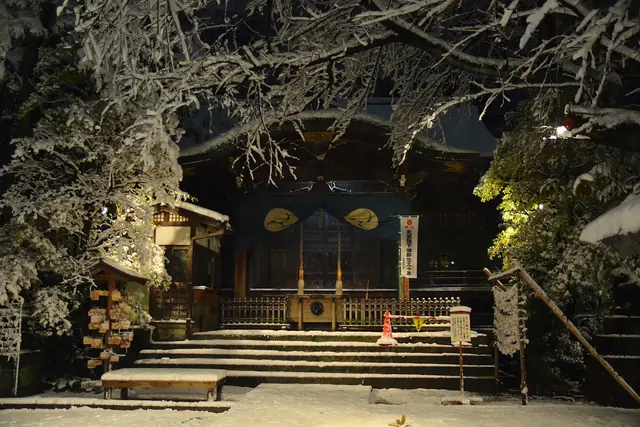
Snow is rare in central Tokyo, but a few centimetres every few winters is enough to delay trains and close some roads, and evening events may be cut short. Earthquakes can happen at any time of year. Phones sound a loud Emergency Earthquake Alert (緊急地震速報) seconds before strong shaking. Protect your head, stay where you are and follow the staff instead of rushing for the exit. The Safety tips app from the Japan Tourism Agency sends earthquake, tsunami and weather warnings in many languages.
Where to check, and what about refunds
For forecasts, the Japan Meteorological Agency (JMA) has warnings, typhoon tracks and forecasts in 15 languages, and tenki.jp has detailed hourly forecasts and a rain radar in Japanese that is easy to read even without the language. For the event itself, the official website and its X or Instagram account are where same-day cancellations appear first, often hours before news sites. For trains, check the railway's own service information page.
Refund rules depend on the organiser and the ticket seller, but the general pattern is consistent. If the organiser cancels, tickets are usually refunded through the place you bought them, sometimes after a few weeks. If the event is postponed, your ticket is often valid for the new date, with a refund offered if you cannot make it. If the event goes ahead and you choose not to go because of rain or trains, you usually get nothing back. Read the refund notes (払い戻し, haraimodoshi) on the ticket page before you buy.
- Follow the event's official account the day before, so the announcement lands in your feed.
- Free outdoor events have nothing to refund, so a light-rain plan B is worth having.