Narita or Haneda: what changes
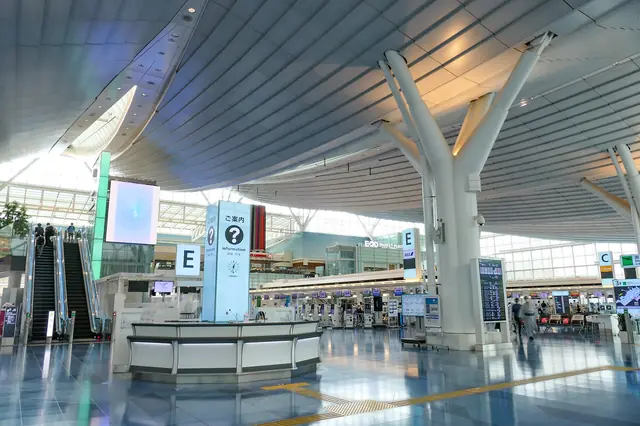
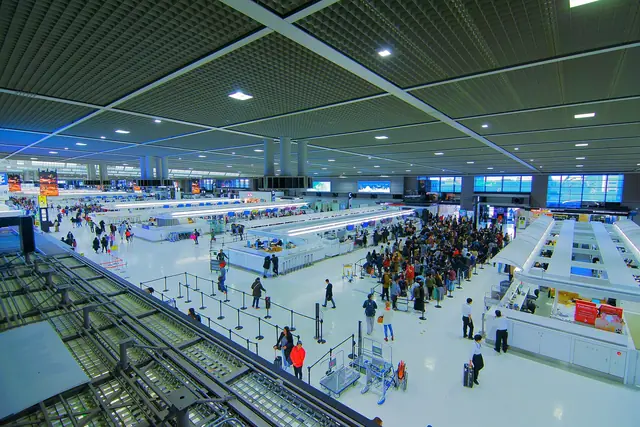
Both airports handle international flights. Haneda's international flights mostly use Terminal 3, and Terminals 1 and 2 are mainly domestic. Narita has three terminals: Terminal 1, Terminal 2, and Terminal 3 for low-cost carriers, which is about a 10-minute walk from the Terminal 2 station. Check your terminal before you land, because each has its own station.
From Haneda the ride is short and cheap, and even a taxi is a realistic choice. From Narita the choice matters more: the fast trains and the cheap options differ a lot in price, and each one serves a different part of the city. The simplest way to decide is to look up your hotel's nearest station first, then pick the train or bus that goes closest to it.
- Buy or set up a Suica or PASMO at the airport station. It covers the regular trains and the monorail below; the Skyliner and N'EX also need a seat ticket, and Limousine buses usually need a ticket from the counter or online.
- Arrival halls have English-speaking information desks and rail ticket counters that will point you to the right platform.
From Narita: Skyliner, Narita Express, cheap trains, buses and taxis
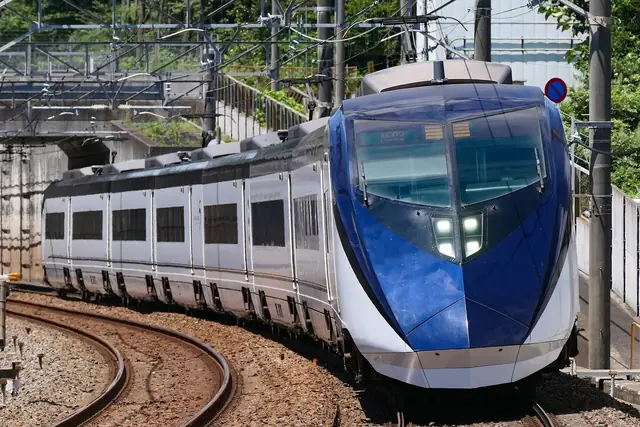
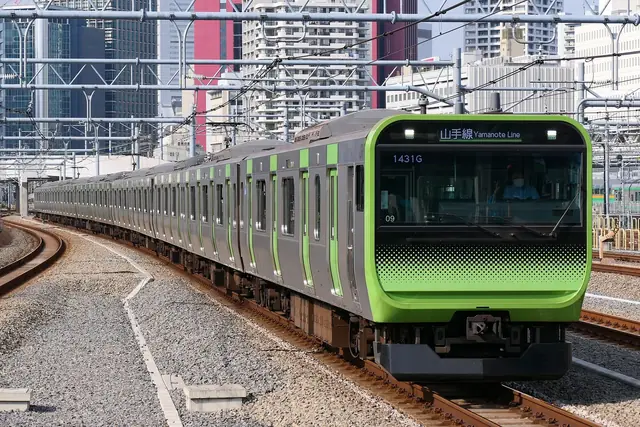
The Keisei Skyliner is the fastest train into the city: about 36 minutes to Nippori and about 41 minutes to Keisei Ueno, for about ¥2,600 as of 2026, with all seats reserved. At Nippori you can change to the JR Yamanote Line, and from Ueno the subway reaches Asakusa, Akihabara and Ginza easily. It is the best choice for the east side of the city. Keisei sells discounted Skyliner tickets for overseas visitors, including combined tickets with the Tokyo Subway Ticket.
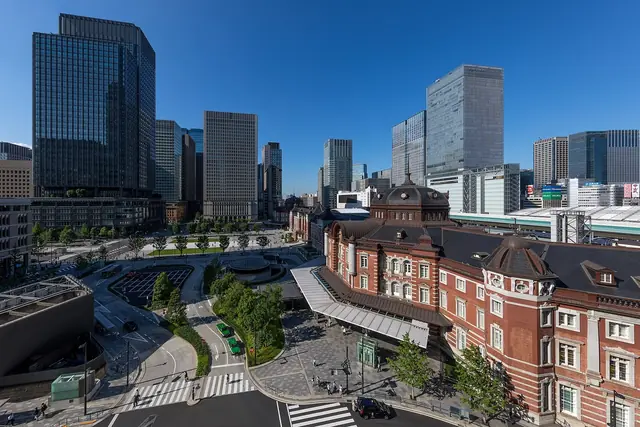
JR East's Narita Express (N'EX) runs to Tokyo Station in about an hour, then continues to Shinagawa, Shibuya, Shinjuku and Yokohama, and costs about ¥3,100 to Tokyo Station as of 2026. All seats are reserved, trains run every 30 to 60 minutes, and the Japan Rail Pass covers it. It suits hotels around Tokyo Station, Shinjuku and Shibuya, since you ride all the way without a change. JR East also sells a discounted round-trip N'EX ticket for overseas visitors.
On a budget, Keisei's Access Express charges only the basic fare, roughly half the Skyliner price, and needs no seat ticket. Some trains go to Nippori and Keisei Ueno, and many run straight onto the Toei Asakusa Line to Nihombashi, Shimbashi and Shinagawa, which is handy for Ginza and the Asakusa area. The Keisei Main Line is cheaper still and slower. The Airport Bus TYO-NRT goes to Tokyo Station for ¥1,500 as of 2026 (late-night and early-morning runs cost more), taking 65 minutes at best, and Airport Limousine buses go to Shinjuku and many large hotels. Fixed-fare taxis to the central wards cost about ¥29,000 to ¥32,500 plus expressway tolls as of 2026.
- Skyliner and N'EX need a seat ticket: buy it at the airport counters, ticket machines or online before you board.
- Buses are easiest with big luggage, but traffic into the city can add a lot of time on weekday evenings.
- Through trains on the Asakusa Line split by destination. Check the train's final stop on the platform screen.
From Haneda: Keikyu, monorail, buses and taxis
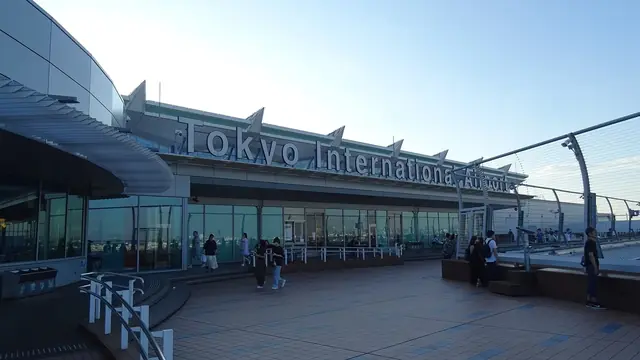
Keikyu trains leave from the Terminal 3 station and the Terminal 1 and 2 station. The airport expresses reach Shinagawa in roughly 15 to 20 minutes, where you can change to the JR Yamanote Line or the Shinkansen, and many trains run straight onto the Toei Asakusa Line to Shimbashi, Nihombashi and Asakusa. Other trains head towards Yokohama. The fare is a few hundred yen, and Keikyu also accepts contactless credit card taps at most stations.
The Tokyo Monorail runs to Hamamatsucho in about 15 minutes on the fastest trains, and there you change to the JR Yamanote Line. It is also a few hundred yen, the Japan Rail Pass covers it, and it does not take credit card taps, so use an IC card. The monorail is a good pick for hotels around Hamamatsucho, Shiodome and the Tokyo Station side, Keikyu for Shinagawa, Ginza and Asakusa.
Airport Limousine buses go to Shinjuku, Shibuya, Tokyo Station, Ikebukuro and many large hotels, which saves dragging suitcases through stations. Because Haneda is so close, taxis are a realistic option, especially for three or four people, and the terminals have separate stands for app taxis such as GO and Uber.
- At Shinagawa the Keikyu and JR gates are side by side, so a transfer to the Yamanote Line is quick.
- If a Keikyu train shows a destination you do not know, check the route map: some go to Yokohama, not central Tokyo.
Arriving late or flying out early
From Narita, the last trains into the city leave around 11pm, and the Narita Express stops earlier in the evening than the Keisei trains. If you land after that, the choices are a late bus where one runs, a fixed-fare taxi, a pre-booked transfer or a hotel near the airport for the first night, which many people find easiest after a long flight. For an early departure from Narita, check the first train from your station the night before; the first trains may not leave you enough time, and the earliest buses or an airport hotel are the usual backups.
Haneda's international terminal stays open through the night, and trains run until around midnight and start again from around 5am, with some late-night and early-morning buses on main routes. That makes Haneda much easier for late arrivals and dawn flights. Wherever you land, check the timetable for your actual date, since weekend and holiday times differ.
- Japan's departure tax rose to ¥3,000 for departures from July 2026. It is normally included in your air ticket price.
- Book the first night's hotel near a station on your airport line if you land late.
- From November 2026 tax-free shopping is refunded after a customs check at departure. Do it with all the goods before you check in bags.
Which to choose, and sending luggage ahead
For Ueno, Asakusa, Akihabara or Yanaka, take the Skyliner from Narita or a Keikyu train through to Asakusa from Haneda. For Tokyo Station, Marunouchi or Ginza, take the Narita Express or the Tokyo Station bus from Narita, and the monorail or a Keikyu train to Shimbashi from Haneda. For Shinjuku or Shibuya, the Narita Express or a Limousine bus from Narita is simplest, and from Haneda a Keikyu train to Shinagawa then the Yamanote Line, or the bus. For Shinagawa and Roppongi, Keikyu from Haneda is hard to beat.
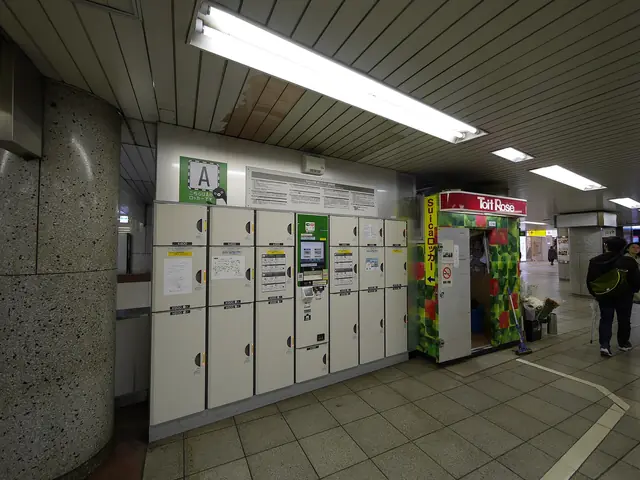
If you do not want to drag suitcases on trains, use the delivery counters in the arrivals halls. They send luggage to your hotel by delivery service (宅急便, takkyubin), usually arriving the next day, so you can travel light on day one. Keep an overnight bag with you, and give the counter your hotel's address and booking name. Keisei also sells a hands-free package with the Skyliner that includes luggage delivery.
- Avoid weekday rush hour (about 7:30 to 9:30 and early evening) with big suitcases on city trains.
- Write your hotel's address in Japanese on your phone; taxi drivers and delivery counters will ask for it.