How to choose
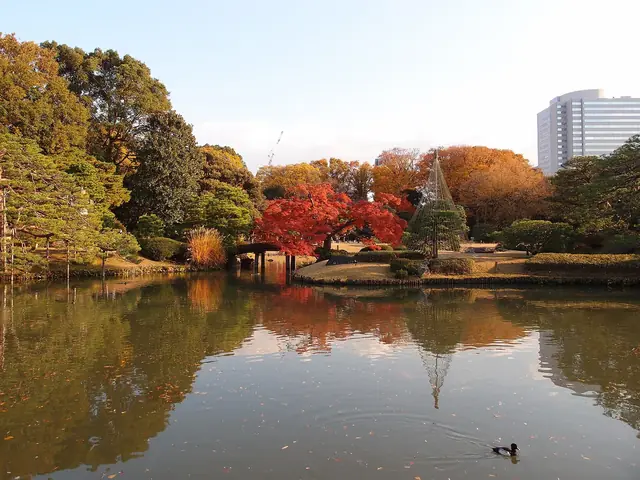
Most of the city's classic gardens are stroll gardens (kaiyu-shiki) laid out around a pond, with islands, hills and bridges that open a new view at each turn. Nine are metropolitan gardens run by the Tokyo Metropolitan Park Association: Hama-rikyu, Kyu-Shiba-rikyu, Koishikawa Korakuen, Rikugien, Kyu-Iwasaki-tei, Mukojima-Hyakkaen, Kiyosumi, Kyu-Furukawa and Tonogayato. Shinjuku Gyoen is a national garden, the Imperial Palace East Gardens are run by the Imperial Household Agency, and a few private venues such as Happo-en let the public walk their gardens.
If you have time for one, choose by what you want. For the classic feudal lord's garden: Rikugien or Koishikawa Korakuen. For water and skyline: Hama-rikyu. For lawns, picnics and the longest cherry season: Shinjuku Gyoen. For free entry and castle history: the East Gardens. For a calm pond with stepping stones: Kiyosumi. For roses and a stone mansion: Kyu-Furukawa. For wildflowers and Edo townsfolk's taste: Mukojima-Hyakkaen. For a quiet half day out west: Tonogayato.
The big five, compared
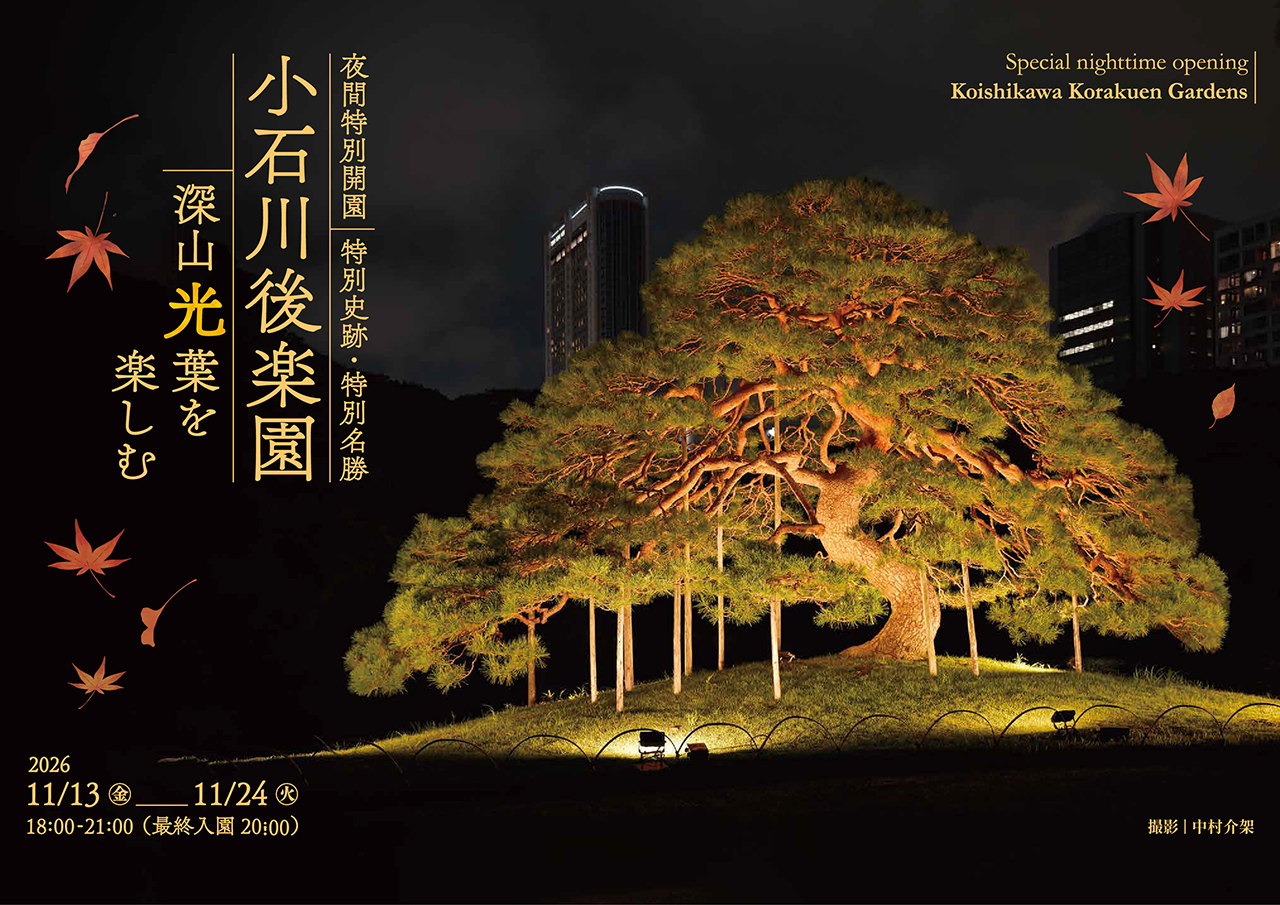
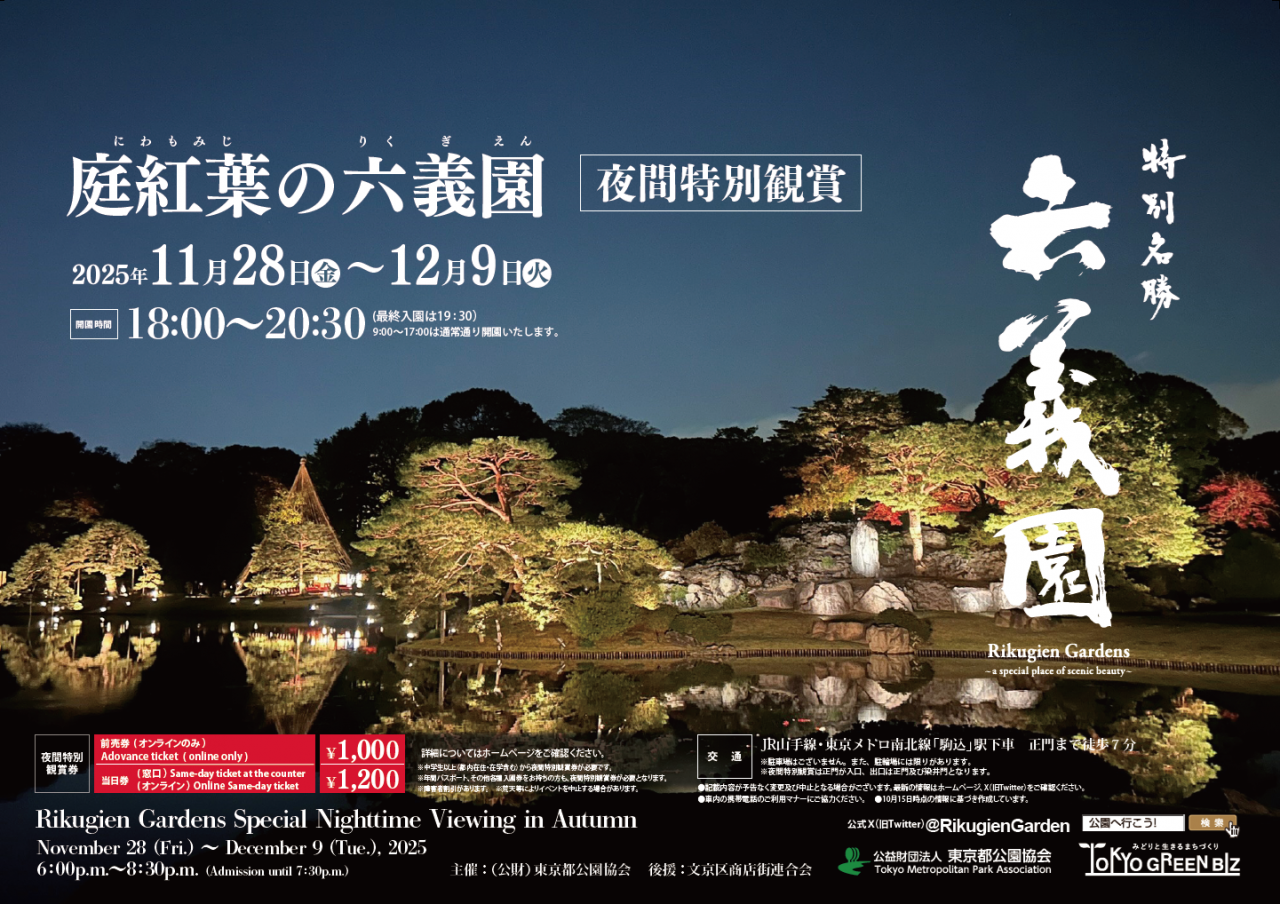
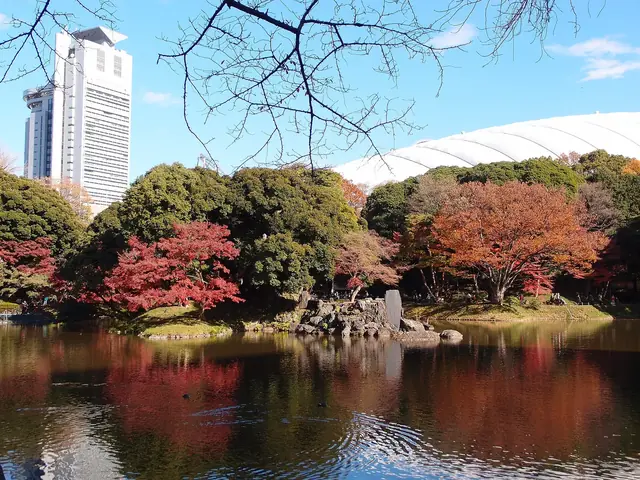
Rikugien in Komagome was laid out from 1695 by an adviser to the shogun around scenes from waka poetry. It is the most intimate of the big gardens, best known for a giant weeping cherry in late March and maples lit up after dark in late autumn. Koishikawa Korakuen, begun in 1629 right next to today's Tokyo Dome, is the oldest surviving daimyo garden in Tokyo, with Chinese touches such as a full-moon stone bridge and the red-lacquered Tsutenkyo bridge among maples.
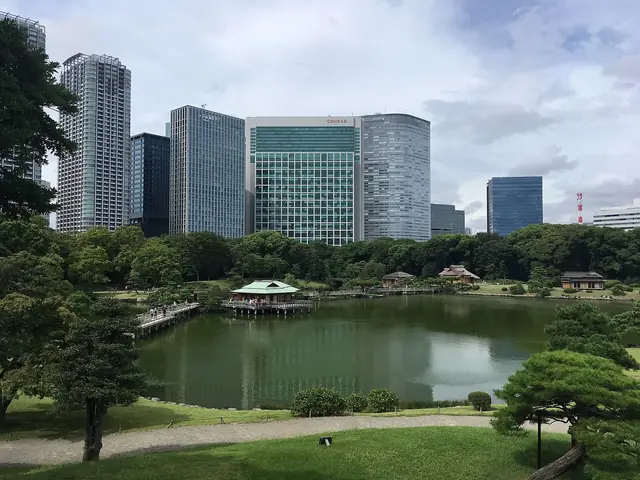
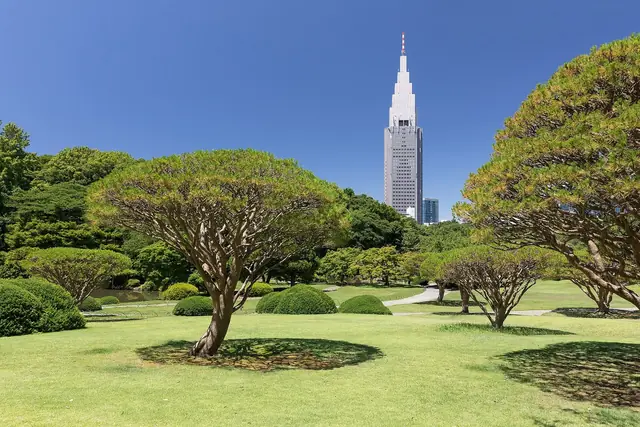
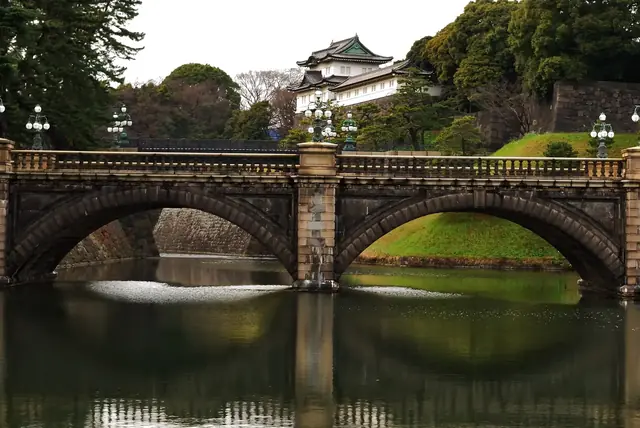
Hama-rikyu is the shoguns' villa on Tokyo Bay and the only Edo-period garden in the city whose pond still takes in sea water, with a tea house over the water, rapeseed fields in early spring and the Shiodome towers behind; boats from Asakusa land at its own pier. Shinjuku Gyoen puts Japanese, English and French gardens side by side on a big scale, with about 900 cherry trees of some 70 kinds and a chrysanthemum exhibition every year from November 1 to 15, and its rules are stricter than a park's (no alcohol, no ball games). The Imperial Palace East Gardens are free and sit on the inner citadel of Edo Castle, with stone walls, the base of the old keep and the Ninomaru pond garden; they close on Mondays and Fridays.
- Rikugien and Kyu-Furukawa share a combined ticket (Enmusubi), and Hama-rikyu has one with Kyu-Shiba-rikyu.
- Each of the five has its own page on our site with history, the year in the garden and how to get there.
Kiyosumi and Kyu-Furukawa: two Meiji-era gardens
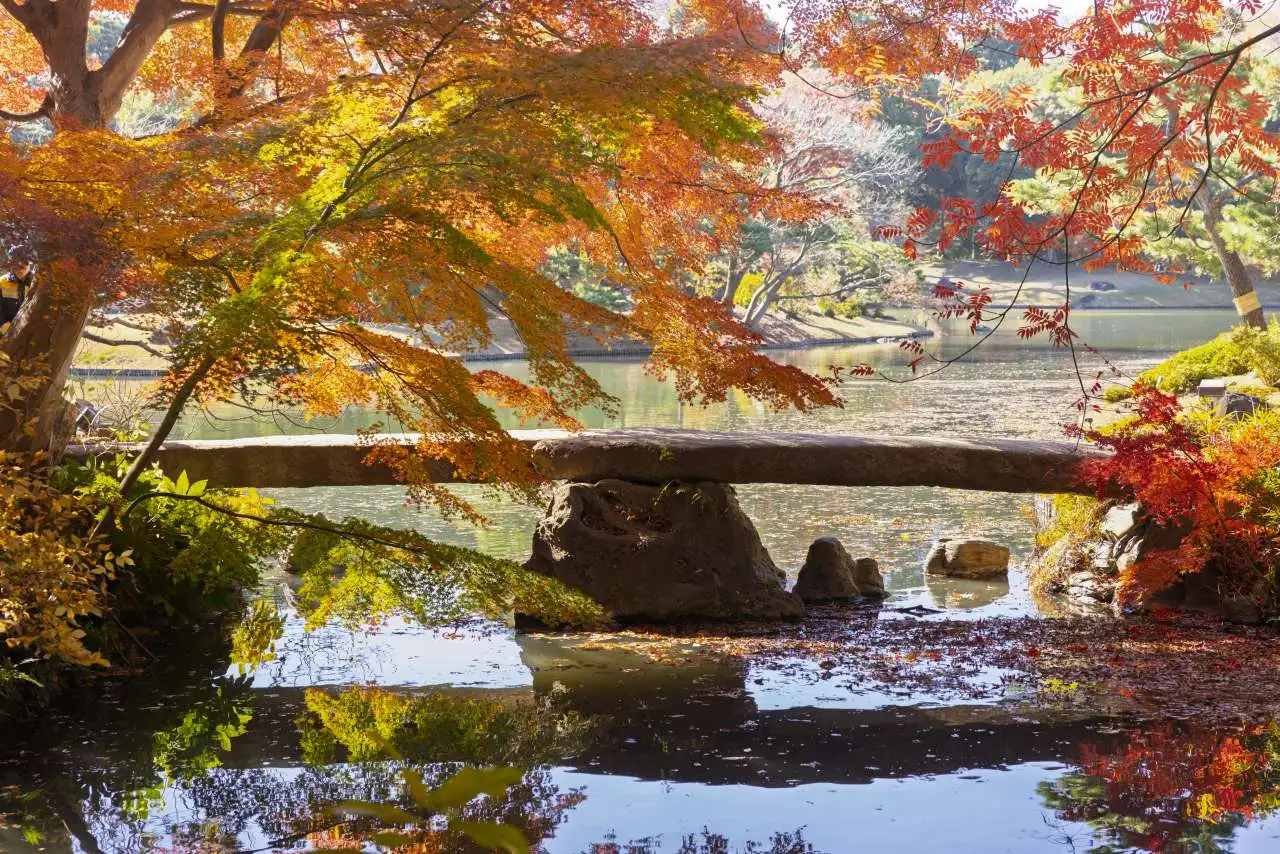
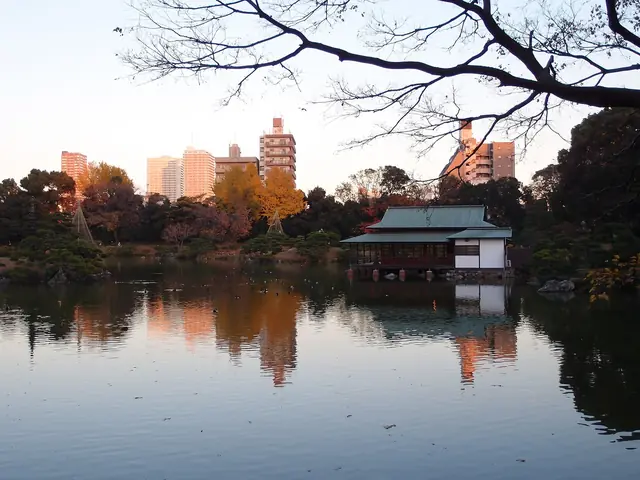
Kiyosumi Teien is the garden of the Iwasaki family, founders of Mitsubishi. Iwasaki Yataro bought the run-down estate in 1878, and the family brought in famous stones from all over Japan on their own company's steamships, so the garden feels like a stone garden around a wide pond. Walk the isowatari stepping stones along the water's edge, past the Ryotei, a tea house built out over the pond in 1909 to welcome Lord Kitchener, and a stone carved with Basho's frog haiku. Herons and cormorants live here, and diving ducks arrive in winter. The garden is three minutes from Kiyosumi-shirakawa Station, close to the area's coffee roasters and the Museum of Contemporary Art Tokyo.
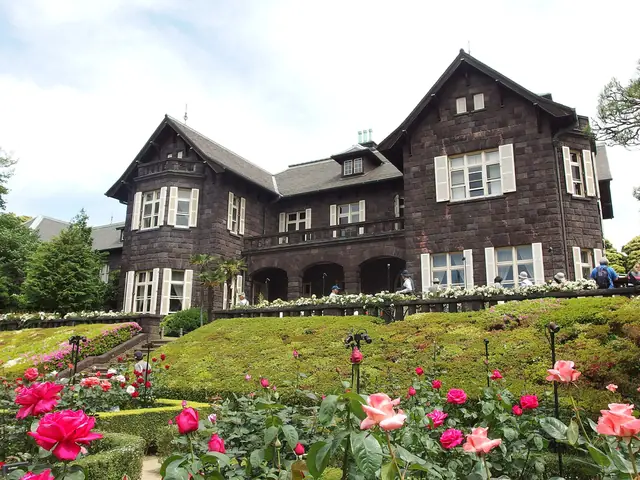
Kyu-Furukawa Gardens stack three gardens on a slope: a stone-clad Western mansion on top, finished in 1917 as one of the last works of the British architect Josiah Conder, a terraced Western garden of roses below it and, at the bottom, a Japanese garden by the Kyoto gardener Ogawa Jihei VII around a pond shaped like the character for heart. The roses peak in May and again in October, with a rose festival in each season. The mansion is run separately by the Otani Museum, with its own ticket and guided tours booked ahead, and photos are not allowed inside. Kami-Nakazato Station (JR Keihin-Tohoku Line) and Nishigahara Station (Namboku Line) are about 7 minutes away.
Mukojima-Hyakkaen, Tonogayato and Happo-en
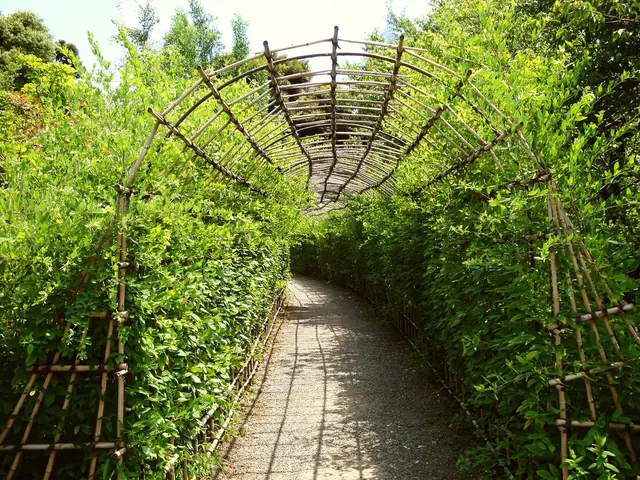
Mukojima-Hyakkaen is a different kind of garden: an antiques dealer, Sahara Kikuu, created it in the early 1800s with the writers and artists of Edo, first with 360 plum trees and then with plants named in Chinese and Japanese classical poetry. It is small and informal, with the seven flowers of autumn, a bush-clover tunnel about 30 metres long that blooms in September, and a moon-viewing evening that has run for a long time. It is about 8 minutes from Higashi-Mukojima Station on the Tobu Skytree Line, a short ride from Tokyo Skytree.
Tonogayato Teien in Kokubunji, two minutes from the JR Chuo Line station, uses a natural slope of the Musashino terrace: a sunny lawn on top, then a path down to a spring-fed pond in the woods, a bamboo grove and the Momiji-tei pavilion above the maples, which are at their best from late November into early December. Built as a villa in 1913 to 1915 and later owned by the Iwasaki family, it was saved from redevelopment by local residents and bought by Tokyo in 1974. The paths are steep in places.
Happo-en in Shirokanedai is a private wedding and banquet venue around a pond garden whose history goes back about 400 years, with bonsai said to be over 500 years old and a tea house, Muan, that serves matcha. Visitors can usually stroll the garden without a ticket, and it lights the garden up in late autumn (check the official site for tickets), but ceremonies and photo shoots come first, so keep a polite distance. It is a minute from Exit 2 of Shirokanedai Station. Two more metropolitan gardens are worth a detour: Kyu-Iwasaki-tei near Ueno, an 1896 Conder mansion with a lawn garden, and Kyu-Shiba-rikyu, a small Edo-period garden beside Hamamatsucho Station.
The garden year
Late winter starts with plum blossoms in February at Mukojima-Hyakkaen, Koishikawa Korakuen and Hama-rikyu, and Hama-rikyu's rapeseed field turns yellow from late February. The cherry season runs from Rikugien's weeping cherry in late March to Shinjuku Gyoen's double-flowered trees in mid and late April. Azaleas fill Rikugien and Kiyosumi from mid-April, wisteria hangs from Mukojima-Hyakkaen's trellis in early May, and Kyu-Furukawa's roses open in May.
June is for irises: Koishikawa Korakuen's iris field, Kiyosumi and the Ninomaru garden in the East Gardens. Summer is hot and quiet, and the free guided walks usually pause in July and August. In September Mukojima's bush clover flowers, red spider lilies appear at Koishikawa Korakuen and moon-viewing evenings come around the harvest moon. Kyu-Furukawa's second rose season runs through October.
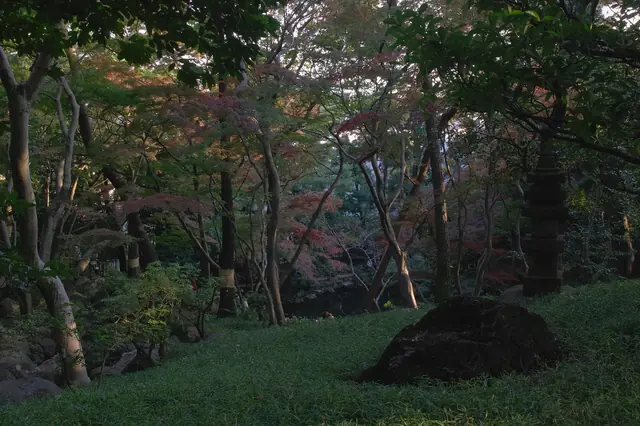
November brings snow ropes (yukitsuri) tied on the pines and chrysanthemums at Shinjuku Gyoen and Mukojima-Hyakkaen. From late November into early December come the maples: Rikugien and Koishikawa Korakuen usually hold ticketed evening light-ups, Tonogayato's wooded valley is at its best and Happo-en lights its garden. In recent autumns a stamp rally has linked the nine metropolitan gardens. Winter brings camellias and wintersweet, and in recent years Hama-rikyu has held a falconry demonstration on January 3.
Tickets, the annual pass, manners and photos
The metropolitan gardens charge a small fee, 150 to 400 yen for adults as of 2026, and children of primary school age and younger enter free. All nine are free on Greenery Day (May 4) and Tokyo Citizens' Day (October 1), which also makes them crowded. Most are open from 9am to 5pm with last entry at 4:30pm, and they close from December 29 to January 1 (Mukojima-Hyakkaen until January 3). The gates take IC cards, credit cards and QR payments, and several gardens sell same-day tickets online.
The Park Association also sells an annual pass for all nine gardens, valid for a year from the day you buy it at any of the gates: 4,000 yen, or 2,000 yen for visitors aged 65 and over, as of 2026, with cheaper single-garden passes too. One visit to each of the nine costs about 2,000 yen in total, so the pass pays off only if you go back often, for example to follow one garden through the seasons. On a short trip, single tickets and the combined tickets are cheaper.
Gardens are protected cultural properties, so the rules are stricter than in parks. Pets are not allowed (assistance dogs are), keep to the paths and off moss, stones and roped areas, and keep your voice down. Kyu-Furukawa asks visitors not to spread mats or bring alcohol, and Shinjuku Gyoen bans alcohol. Ordinary snapshots are fine everywhere. Model shoots and commercial photography need permission in advance, cosplay shoots are refused at Kyu-Furukawa and Tonogayato, and Kyu-Furukawa bans tripods, monopods and selfie sticks in its busy seasons. Repairs sometimes close a path or lower a pond, so check the official garden pages before a photo trip.
- Free guided walks run at most metropolitan gardens on weekends, some in English. They usually pause in July and August.
- A bowl of matcha in a garden tea house is a quick break, not a tea ceremony. For the full ritual, see our tea ceremony guide.
- Rain is no reason to skip a garden: moss and stones look richer when wet and the paths empty out. Wear shoes with grip.