What a tea gathering is
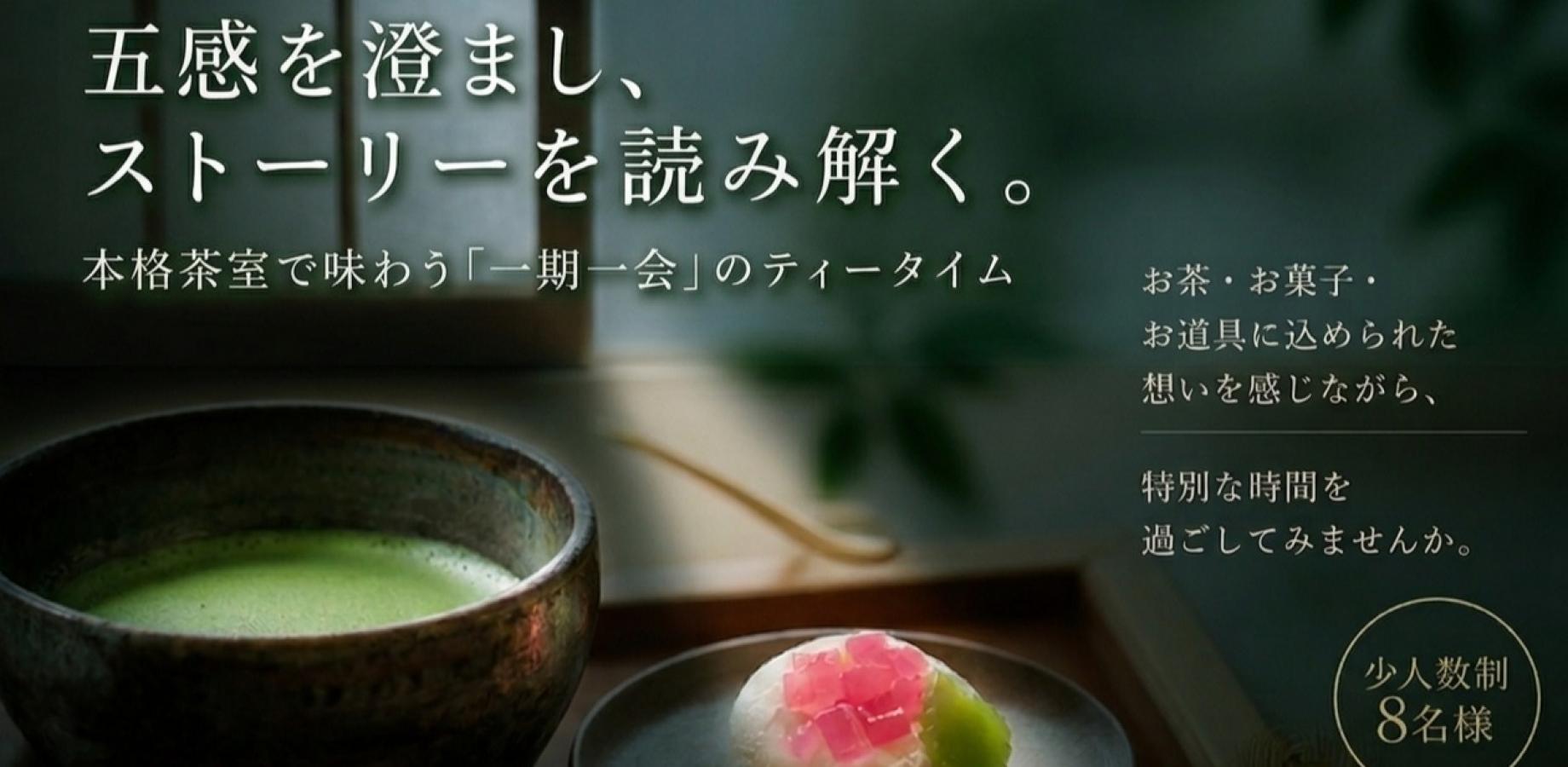
The Japanese tea ceremony is called chanoyu, sado or chado, the way of tea. It took its familiar form in the 16th century with the tea master Sen no Rikyu, and today it is taught through schools, the best known being Urasenke and Omotesenke. At its heart is a simple exchange: a host prepares matcha in a fixed order of movements, and guests receive it with set gestures of thanks. The scroll, flowers, sweet and bowl are all chosen for the season.
A chakai (茶会) is a tea gathering. Guests are seated in turns, eat a sweet and drink a bowl of usucha, the thin, frothy matcha most people picture. A chaji is the full formal version, several hours long with a meal and thick tea (koicha), and rarely open to the public. Open chakai at gardens, temples and cultural festivals are the easiest way for a visitor to see the real thing: you buy a ticket for a seat, wait to be called, and sit through a short session with other guests.
Where visitors can try it
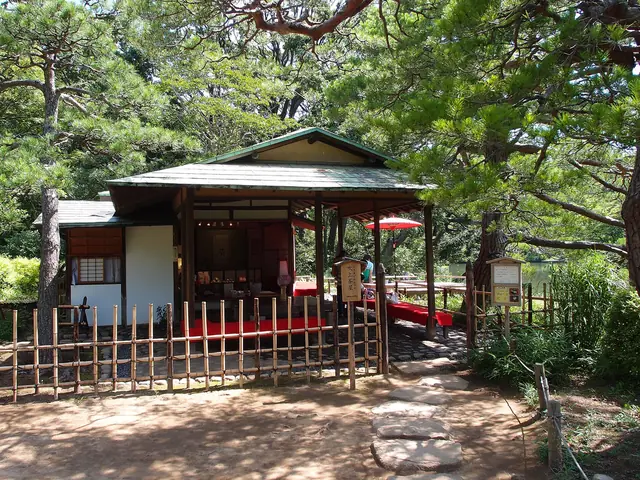
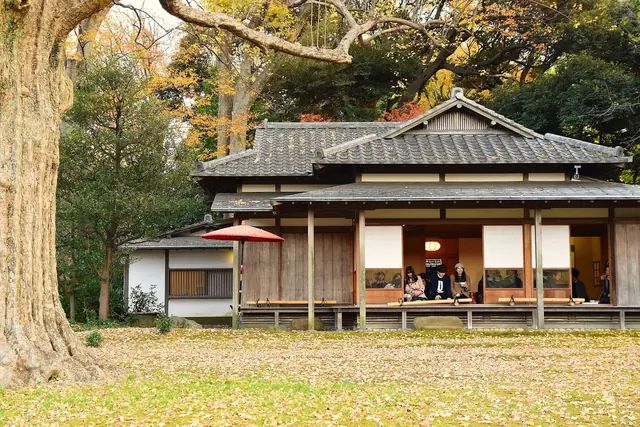
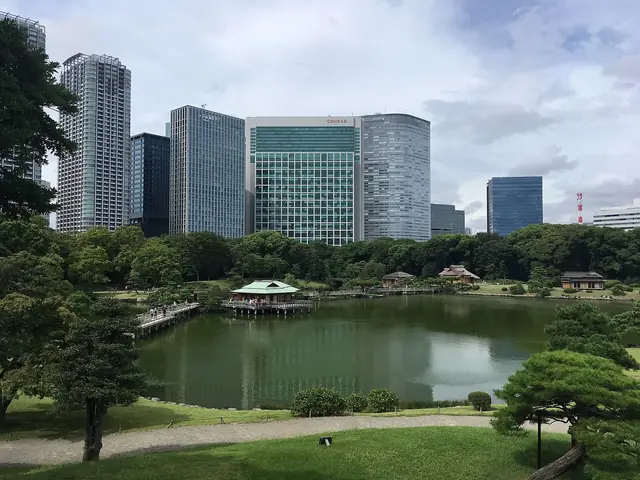
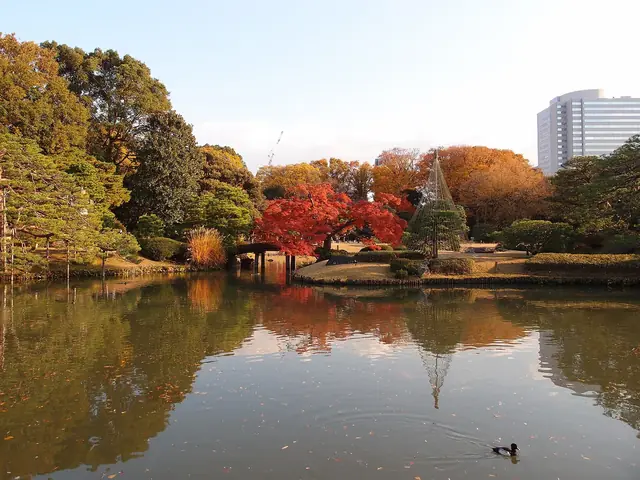
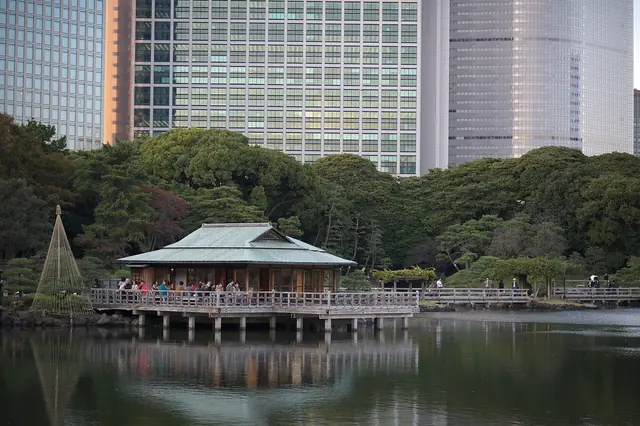
Gardens are the easiest start. At Hama-rikyu, Nakajima no ochaya, the tea house on an island in the tidal pond, serves matcha with a seasonal sweet, no booking needed. Rikugien has Fukiage-chaya on the shore of its pond, and Koishikawa Korakuen and Shinjuku Gyoen also have tea houses serving matcha and sweets, though their opening days vary. It is tea in a lovely setting rather than a ceremony, but a good first taste.
For an explained ceremony, some of the big hotels keep tea rooms with sessions in English. The Okura Tokyo has Chosho-an, an Urasenke-style tea room in its Heritage Wing, where short ceremonies run on set days and are booked about a week ahead. The Keio Plaza Hotel in Shinjuku has had its tea room Sho-fu-an since it opened in 1971; it reopened in 2026 after renovation, with small-group sessions led by a tea master in English and booked a couple of days ahead. Days, prices and whether non-guests can join change, so check the hotel's page first.
Small studios and private teachers also run sessions for visitors. Look for small groups, a teacher who practises seriously, and a clear note on the language used.
The Tokyo Grand Tea Ceremony and autumn tea
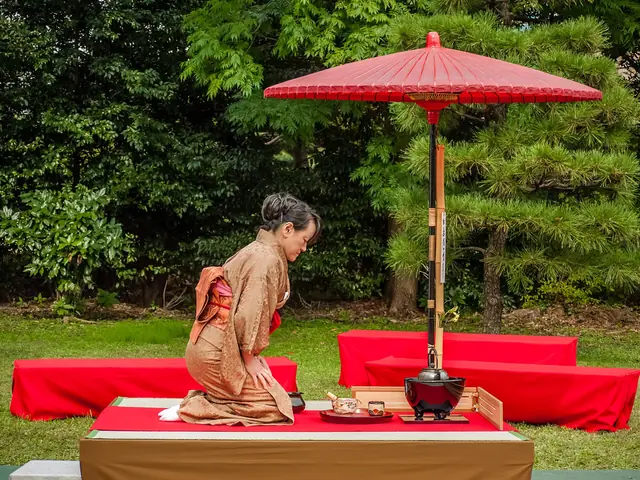
Every autumn the Tokyo Metropolitan Government holds the Tokyo Grand Tea Ceremony (東京大茶会, Tokyo Daichakai) over two weekends at two venues: Hama-rikyu Gardens and the Edo-Tokyo Open Air Architectural Museum in Koganei Park. Tea seats are hosted by several different schools, there is outdoor tea (nodate) in the gardens, and there is a session explained in English. It is aimed at people new to tea, children and visitors from abroad, and the tickets are inexpensive.
How tickets work changes from year to year: some years the indoor tea seats need an advance application, other years everything is sold on the day, so check the official site from late summer. Arrive early, since popular seats go by the afternoon. Hama-rikyu charges its usual garden entry, while the open-air museum has been free during the event. Autumn is also the season of moon-viewing evenings with tea in gardens and temples.
- Look for 野点 (nodate) on event pages. Outdoor tea is the most relaxed format for first-timers.
- Seats are called in groups. Note the time on your ticket and stay close to the waiting area.
Etiquette in a few lines
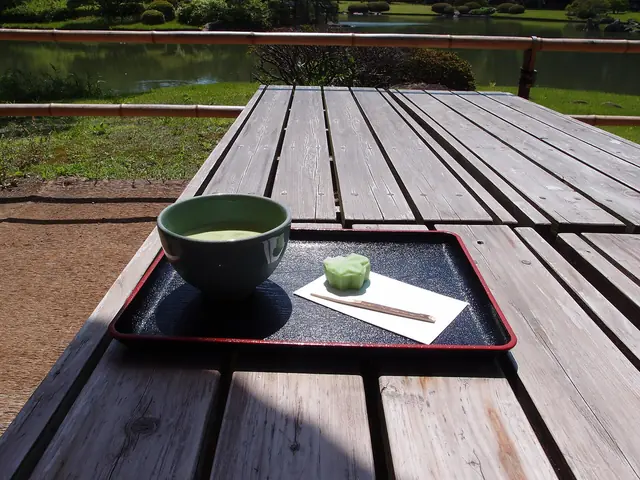
When the sweet arrives, eat it first, on the paper (kaishi) if you are given one; it prepares your mouth for the bitter tea. When your bowl is set down, bow slightly to the guest next to you and say osaki ni (excuse me for going first), then thank the host. Pick the bowl up with your right hand, rest it on your left palm and turn it clockwise twice, so that its front, the decorated side, faces away from you. Drink in a few sips, wipe the rim where your lips touched with your fingertips, turn the bowl back and set it down.
Details differ between schools, and nobody expects a first-timer to get them right: follow the guest beside you or the host's instructions. Sit in seiza if you can, and say so if your legs hurt; many sessions for visitors let you sit cross-legged or offer a stool.
- Wear clean socks, white if you have them. You will walk on tatami.
- Take off rings, watches and bracelets so they don't scratch the bowls.
- Skip perfume. Scent competes with the tea and the flowers.
- Ask before taking photos. Many hosts allow them only before or after the session.
What to wear, and matcha cafés vs a real ceremony
You don't need a kimono. Neat, comfortable clothes you can kneel in work well: skip short skirts and tight jeans, and choose something that doesn't ride up when you sit on the floor. Some studios offer a plan with kimono dressing if you want the full look. As a rough guide, a garden tea house costs about as much as a café drink and cake, and a hotel ceremony or a private class several times that.
Matcha cafés are a different thing: lattes, soft serve and parfaits, sometimes excellent tea, but no ritual. A garden tea house gives you properly whisked matcha and a seasonal sweet in a calm room, with no rules beyond keeping your voice down. Only a ceremony or chakai shows you the host's movements and the quiet exchange between host and guest, so if you have time for one, choose that.