What Tokyo is like in winter
Tokyo winters are cold but bright. Daytime highs sit around 10°C, mornings and nights drop close to freezing, and rain is rare compared with the rest of the year, so you get day after day of sunshine. Most winters bring a few days of snow, usually in January or February. It rarely settles for long, but even a few centimetres slows trains and buses, so give yourself extra time on those days.
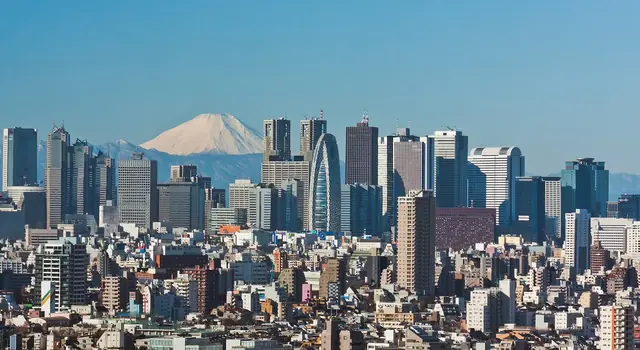
The dry air is also why winter is the best time of year to see Mount Fuji from the city. Your chances are best early in the morning, before haze builds up. The free observatories of the Tokyo Metropolitan Government Building in Shinjuku are the easy option, and Tokyo Skytree and Tokyo Tower work too on a clear day. You can also catch Fuji from bridges and riverbanks in the west of the city, and from many trains heading out of Tokyo.
- Sunset comes early in January, around 4:30pm to 5pm, so plan outdoor sightseeing for the morning and early afternoon.
- Check the forecast for snow warnings. Snow days mean delays, crowded platforms and slippery station stairs.
January: sumo, kimono and a 400-year-old market
Once the first week of shrine visits is over, January settles into a few fixed points. Coming of Age Day (Seijin no Hi) falls on the second Monday of January. Each ward holds a ceremony for people turning 20, and you will see young women in long-sleeved furisode kimono and young men in suits or hakama around ward halls, big shrines and photo spots. At Meiji Jingu the day is marked with a traditional archery ceremony.
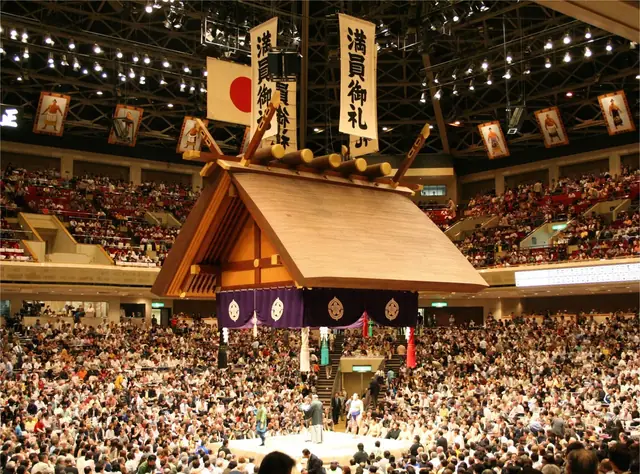
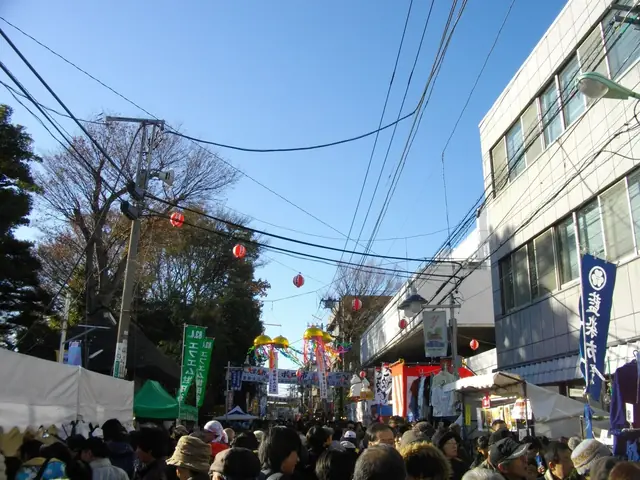
The January sumo tournament (Hatsu Basho) runs for 15 days around the middle of the month at Ryogoku Kokugikan. Tickets go on sale weeks in advance and good seats sell out fast, but the arena is worth visiting even from the cheap seats at the back. On January 15 and 16, and again on December 15 and 16 every year, Setagaya holds the Boroichi, a street market that dates back to 1578. Hundreds of stalls fill a long street near Kamimachi and Setagaya stations on the Tokyu Setagaya Line, selling antiques, old tools, kimono, plants and food. Try the daikan mochi rice cakes made on the spot, and bring cash.
January is also sale season. Department stores and fashion buildings start their winter sales after New Year and keep marking things down until late in the month.
- Boroichi is busiest at midday on weekends. Go in the morning on a weekday if the dates allow.
- Coming of Age Day is a public holiday, so shrines and photo spots are busy and some ward offices close.
February: Setsubun, plum blossoms and chocolate
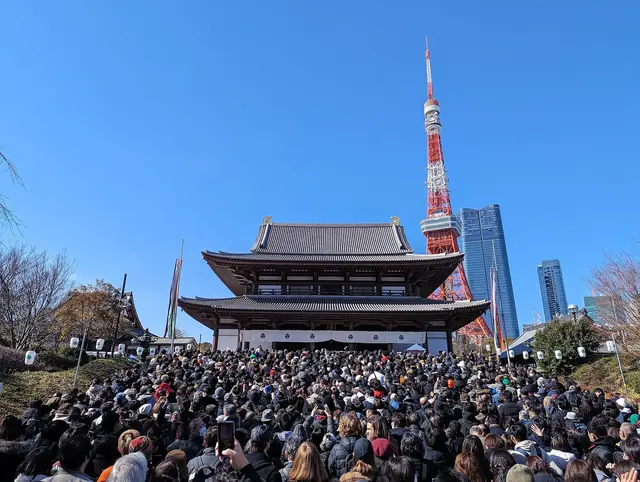
Setsubun, the day before the traditional start of spring, falls on February 3 in most years. Temples and shrines hold mamemaki, where roasted beans are thrown to drive out demons and bring in luck. Sensoji in Asakusa and Zojoji in Shiba Park are two of the best known, and at some temples sumo wrestlers and TV personalities throw the beans from a stage. People also eat ehomaki, a long sushi roll eaten in silence while facing the year's lucky direction. Supermarkets and convenience stores sell them everywhere that week.
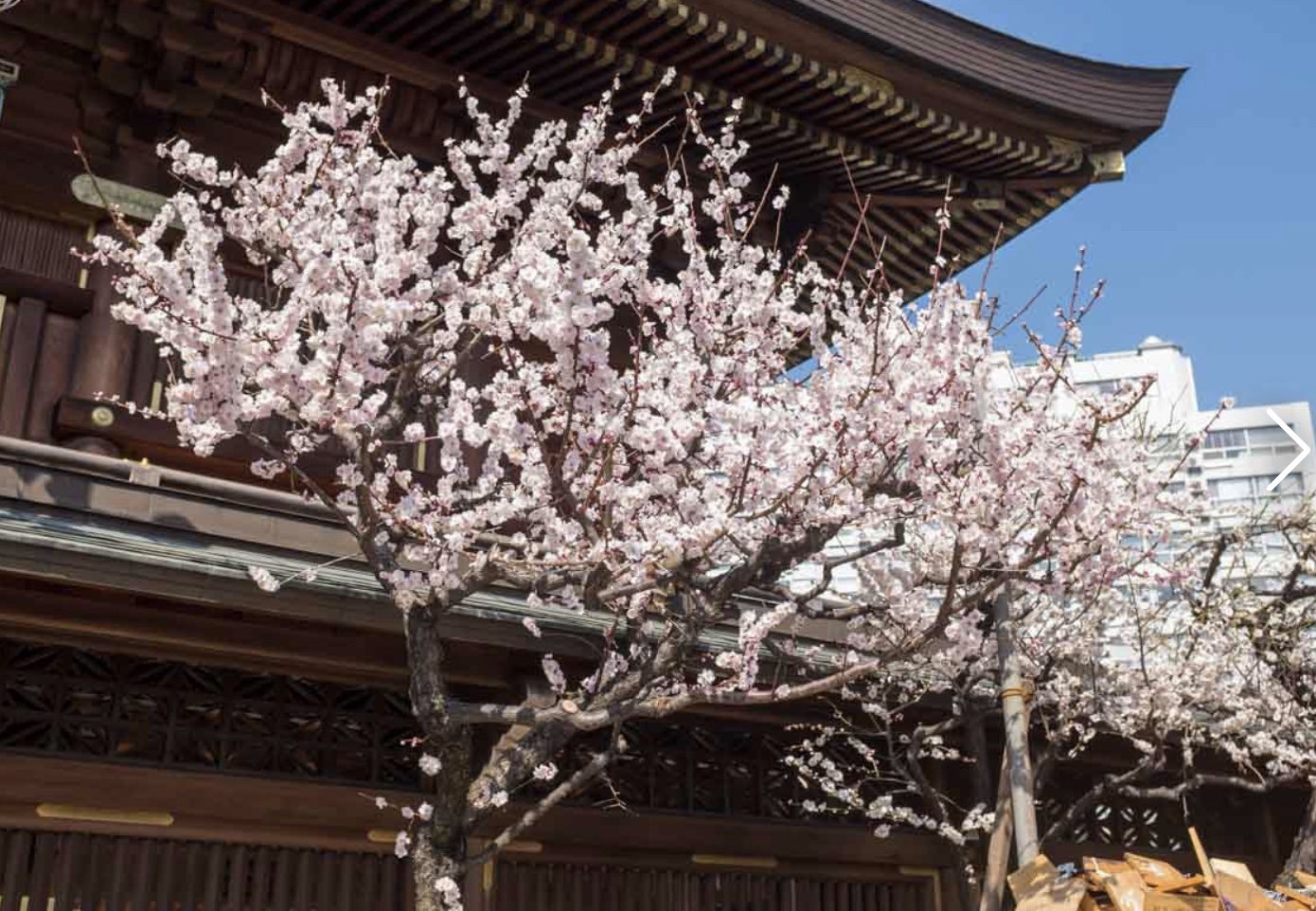
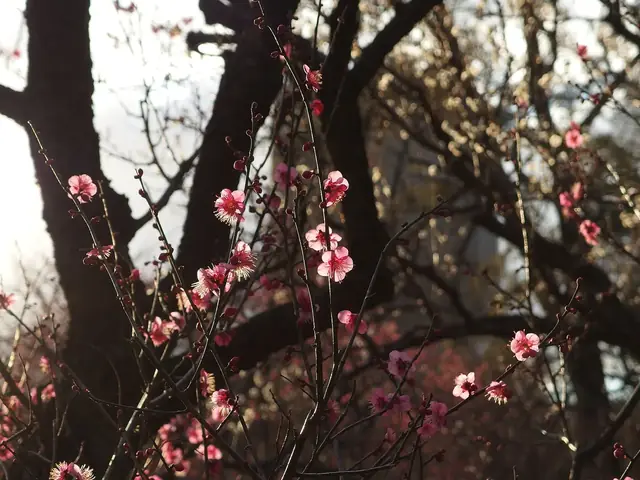
Plum blossoms (ume) are the first flowers of the year. They open from late January in a warm year, but most gardens look best in the second half of February. Yushima Tenjin near Ueno holds a month-long plum festival with stalls and performances, Hanegi Park in Setagaya has around 650 trees, Koishikawa Korakuen is a classic Edo-period garden with a plum grove, and Kameido Tenjin frames its trees with Tokyo Skytree in the background. Plum viewing is quieter than cherry blossom season, and the scent is part of the experience.
From mid-January, department stores turn whole floors into Valentine's chocolate fairs with chocolatiers from Japan and abroad. The biggest, Salon du Chocolat, has been held in recent years at Isetan Shinjuku, with long queues on the first days. In Japan, February 14 is traditionally the day women give chocolate, and men return the favour on White Day, March 14.
Evenings, ice rinks and winter food
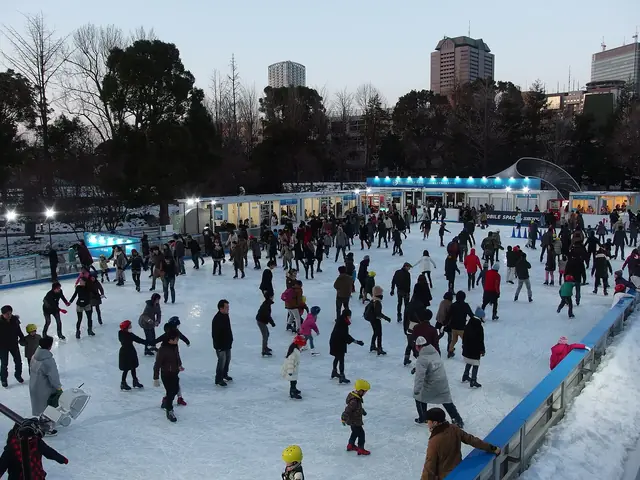
Winter illuminations do not end with Christmas. Many of the big ones keep going through January and into February, and some run until spring, so you can still see them with a fraction of the December crowds. Tokyo Midtown in Roppongi has set up a seasonal outdoor ice rink on its lawn in recent winters, usually from around late November to February, with skate hire on site. Outside Tokyo, Lake Kawaguchi near Mount Fuji has held short winter fireworks shows on weekends in late January and February in recent years.
This is also the best season for eating. Nabe hot pots, oden simmering at convenience store counters and sweet potatoes from yaki-imo trucks all taste better in the cold. Japanese strawberries are at their best now: farms in Chiba, Kanagawa and Saitama, plus a few within Tokyo, open for strawberry picking from around January, and hotels run strawberry dessert buffets that book up weeks ahead.
- Strawberry picking slots on January to March weekends fill up early. Book online before you go.
- Outdoor rinks often close for maintenance or in bad weather. Check the venue's page on the day.
Hot springs, day trips and staying warm
Cold days are the right time for a hot spring. Hakone is the classic day trip, reached from Shinjuku on the Odakyu Line, and the Mount Fuji Five Lakes area gives you hot baths with views of the mountain. In the city itself, neighbourhood sento bathhouses and large spa complexes are an easy evening option. At any onsen or sento you wash thoroughly before getting in, you go in without a swimsuit, and some places still refuse guests with tattoos, so check first.
Indoors, Tokyo is warm and trains are often heated to the point of being stuffy, so layers work better than one thick coat. The air is very dry, which means chapped lips and static shocks. Convenience stores sell disposable heat packs (kairo), and vending machines sell hot drinks, marked with a red label.
- Stick-on heat packs inside a jacket keep you warm through a long sumo day or an outdoor queue.
- Bring lip balm and hand cream. Humidity indoors can drop very low in January.