What tsukimi is and when it falls
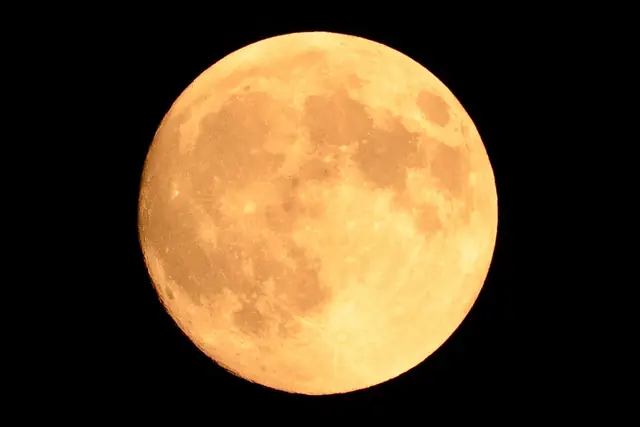
The main night is jugoya, the fifteenth night of the eighth month in the old lunar calendar, also called chushu no meigetsu (the mid-autumn moon). Because it follows the lunar calendar, the date moves every year and falls somewhere between early September and early October. It is often, but not always, the exact night of the full moon: the two can be a day or two apart, and either night looks full to the eye.
About a month later comes jusanya, the thirteenth night of the ninth lunar month, usually in October. It is the second moon of the season, and traditionally it was thought unlucky to view only one of the two (katamitsuki, a half viewing). Jugoya is also called imo meigetsu, the taro moon, because taro was offered at harvest time, while jusanya is the chestnut or bean moon. Many gardens and shrines schedule their events around one of the two nights, so check which one a place celebrates.
- Search for the year's date with 十五夜 or 中秋の名月 plus the year. Japanese calendars and weather sites print it well in advance.
- If it is cloudy, the evening is still on. Japanese poets even have words for it: mugetsu, the moon hidden by cloud, and ugetsu, the moon on a rainy night.
Where to go: gardens, a shrine and a day trip
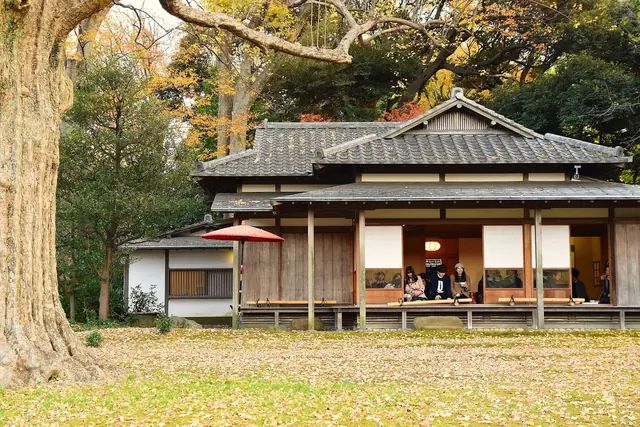
Mukojima-Hyakkaen in Sumida is the classic. It is a small flower garden created in the Edo period, and its Tsukimi no Kai, a moon-viewing gathering held around jugoya, has been going for a long time. The garden stays open into the evening, paper lanterns line the paths, offerings of dango and autumn produce are set out, and in some years there is koto music and a tea gathering. Bush clover is usually in flower at the same time.
Hama-rikyu Gardens, the former shogun's garden on the bay in Chuo ward, has in recent years held an evening moon walk around jusanya, with the garden lit up and open late, court music played from a boat on the tidal pond and moon-viewing sweets and matcha at the teahouse on the island. Hie Shrine in Akasaka holds the Chushu Kangensai on jugoya evening, a ticketed programme of taiko, gagaku court music and dance performed in front of the shrine.
For a day trip, Sankeien in Yokohama holds a moon-viewing week (Kangetsukai) in most years, with its historic buildings and three-storey pagoda lit up and free concerts of gagaku, koto and shinobue flute in the historic Rinshunkaku hall, all for the normal garden entry fee. It takes about an hour from central Tokyo.
Modern moon nights: rooftops, art and burgers
Not every moon event is traditional. In recent years observatories such as Sunshine 60 in Ikebukuro and Tokyo Tower have run moon-viewing evenings with late opening or special lighting, and Shimokitazawa has hosted Moon Art Night, a free outdoor art festival built around the moon. Some hotels with Japanese gardens also stage moon-themed light shows in autumn.
The moon also shows up on menus. Tsukimi soba and udon come topped with a raw egg yolk standing in for the moon, and fast-food chains bring out tsukimi burgers with a fried egg every autumn. Wagashi shops and supermarkets sell tsukimi dango, and convenience stores sell them in small packs in the week of jugoya.
Dango, pampas grass and the rabbit in the moon
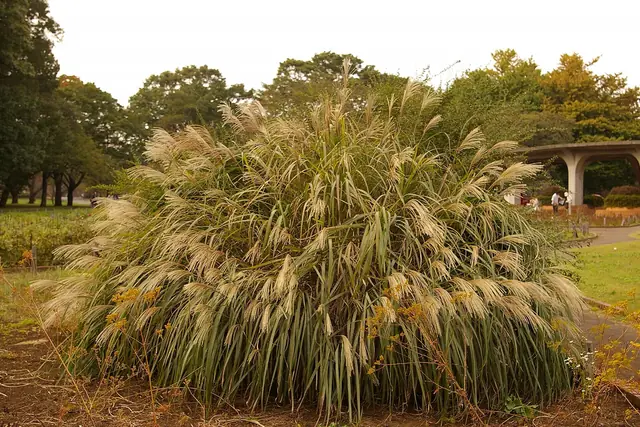
The traditional offering is a small stand piled with white rice dumplings, fifteen on jugoya, set by a window or on a veranda facing the moon. Next to it goes a vase of susuki, Japanese pampas grass, which stands in for the rice harvest and is said to keep bad luck away. Families add seasonal produce such as taro, chestnuts, grapes or persimmons. After the evening, the dango are eaten.
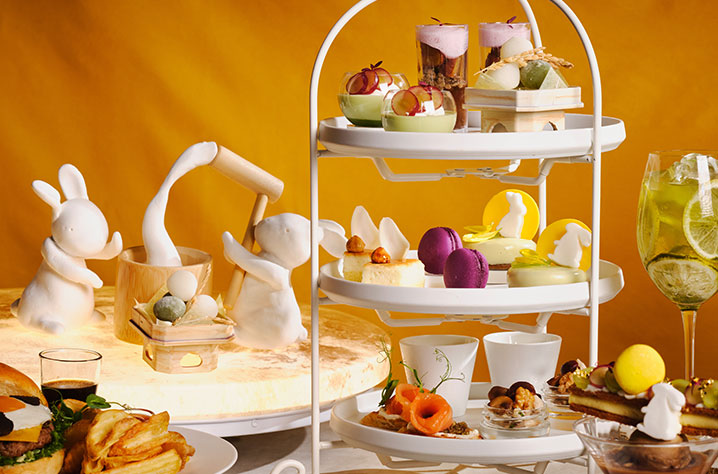
When people in Japan look at the full moon, they see a rabbit pounding rice cakes with a mallet rather than a face. You will see that rabbit all over the season, on dango packaging, shop displays and event posters. If you want to join in at home, a few dango, a sprig of susuki from a florist and a seat by a window facing east is all it takes.
- Florists and supermarkets sell bundles of susuki in the days before jugoya. They sell out on the day itself.
- Dango are best eaten fresh. Buy them on the day from a wagashi shop rather than a few days ahead.
Timing and comfort on the night
A full moon rises in the east around sunset, so for the first hour it is low and often hidden behind buildings. In the city it is usually best from about an hour or two after sunset, once it has climbed above the rooftops. Open water helps: gardens by the bay, river embankments along the Sumida and wide parks give you a clear view east. Garden events usually end around 9pm, and the last entry is earlier.
September evenings in Tokyo can still be warm and humid, and gardens have mosquitoes, so bring insect repellent. By jusanya in October you will want a light jacket. Weather in September is changeable, with autumn rain and the odd typhoon. Outdoor concerts and tea gatherings may be cut short in rain, so check the event page that afternoon.
- Garden moon events can get crowded on a fine weekend night. Arriving just after opening time is calmer.
- Most garden events are covered by the normal entry fee. Tea gatherings and seated concerts often cost extra or need booking.
- Bring a small torch or use your phone light. Paths in lantern-lit gardens are dim.