Sento, onsen and super sento: what is what
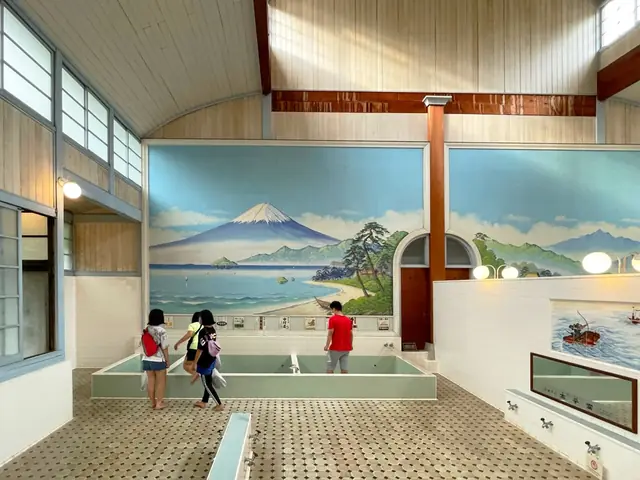
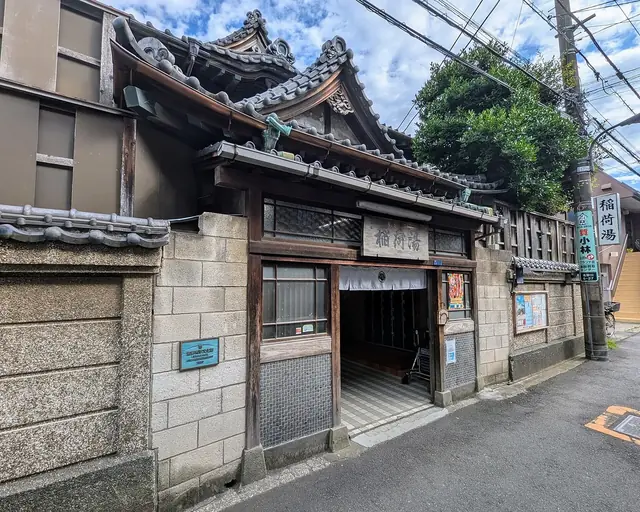
A sento is a local public bathhouse, built for the days when most homes had no bath. Tokyo had more than 2,600 at the peak in 1968; a few hundred remain, many run by the same family for generations. Most heat ordinary tap water, the main tub is usually around 42 degrees and deep, and many keep the classic details: a tall chimney, a raised attendant's booth at the entrance, yellow plastic Kerorin buckets and a huge painted Mt Fuji above the baths.
Prices are set by the Tokyo Metropolitan Government, so every member sento charges the same. As of August 2026 it is ¥600 for adults (12 and over), ¥200 for primary school children and ¥100 for younger children, with shampoo included. A sauna, where there is one, often costs a little extra. An onsen is a bath of natural hot spring water, and a 'super sento' is a big spa complex with many baths, saunas, restaurants and lounges, which costs several times more and is a different, more resort-like outing.
How a sento works, step by step
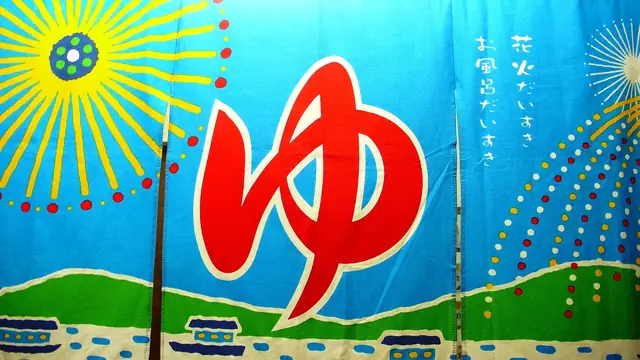
Take off your shoes at the entrance and put them in a shoe locker; keep the wooden key. Pay at the attendant's booth or front desk, or at a ticket machine, and buy a small towel, soap or shampoo there if you came with nothing, as most sento sell them. Men's and women's sides are marked on the curtains, usually 男 for men and 女 for women.
In the changing room, undress completely, lock your things in a locker and wear the key on your wrist. In the bathing room, sit on a stool at a tap, rinse yourself with a bucket of hot water and wash before you get in. Tie up long hair, keep your small towel out of the water (people fold it on their head or leave it at the edge), and do not swim or leave a shower running. Swimsuits are not worn. When you get out, wipe yourself down with the small towel before going back to the changing room.
- Phones and photos are banned in sento changing rooms and baths. Leave your phone in the locker.
- Bring cash. Many sento do not take cards, and coins help at ticket machines and coin lockers.
- In Tokyo, children aged 7 and over must use the bath of their own sex, so plan family visits around that.
- Drink water before and after, do not bathe drunk or right after a big meal, and get out if you feel dizzy.
Real hot springs in the city
You do not have to leave Tokyo for onsen water. In Ota ward in the south of the city, the ground holds kuroyu, 'black water', a hot spring coloured dark brown like tea by ancient plant matter, and a number of neighbourhood sento there pump it up and serve it at the ordinary sento price. Soaking in water you cannot see your feet through is part of the fun.
For a long evening, two big complexes are easy to reach. Spa LaQua, on the upper floors of the LaQua building at Tokyo Dome City, opened in 2003 and uses its own natural hot spring, with indoor and outdoor baths, saunas and lounges. Tokyo Toyosu Manyo Club, part of the Toyosu Senkyaku Banrai complex next to Toyosu Market since 2024, is open 24 hours and trucks in hot spring water from Hakone and Yugawara; its rooftop footbath looks over Tokyo Bay. Oedo Onsen Monogatari in Odaiba, once the best-known of these, closed in 2021.
Saunas, totonou and tattoos
The sauna boom has changed the bath scene in recent years. Many sento have rebuilt or added saunas and cold plunge pools, and new sauna-focused places keep opening. The routine regulars follow is sauna, then a cold bath, then a rest in a chair outside, repeated two or three times, and the calm, light-headed feeling at the end has its own word: totonou, literally 'to be put in order'. Popular sento saunas fill up on weekend evenings, and some places take timed bookings.
Tattoo rules vary a lot, so check before you go. Many neighbourhood sento let people with tattoos bathe, while many larger spa complexes refuse them or only allow small ones covered by stickers. At Toyosu Manyo Club, for example, tattoos are allowed only if two of its cover stickers, sold at the front desk, hide them completely. When a place's website says nothing, a quick question at the desk avoids an awkward moment.
- Rinse off sweat with a shower or bucket before getting into the cold bath, and never dip a towel in it.
- Wipe down the sauna bench if the place asks you to, and keep conversation low. Many saunas are quiet rooms.
The bath year and sento events
Sento keep the old seasonal baths. On May 5 many fill the tub with iris leaves (shobu-yu), and around the winter solstice in late December with floating yuzu citrus (yuzu-yu), said to keep colds away. October 10 is Sento Day in Tokyo, because 10 10 can be read 'sen-to', and member baths hold a lavender bath on or around that day. Some sento also run herbal baths on fixed days each month.
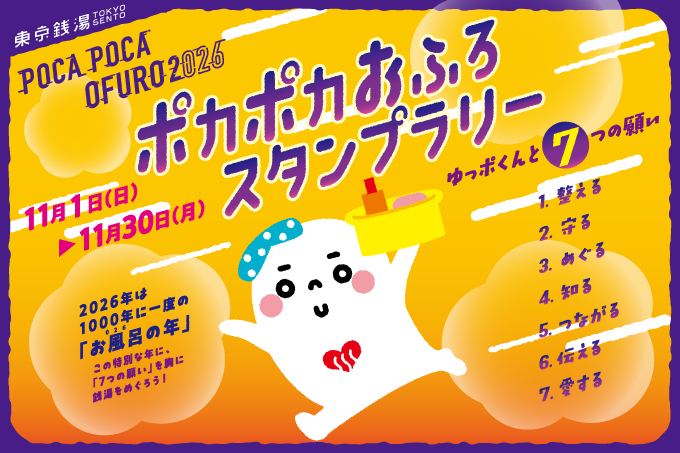
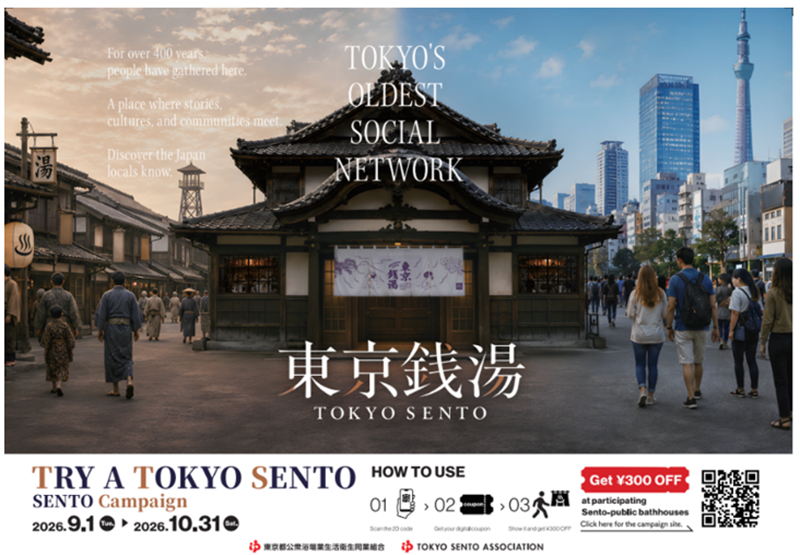
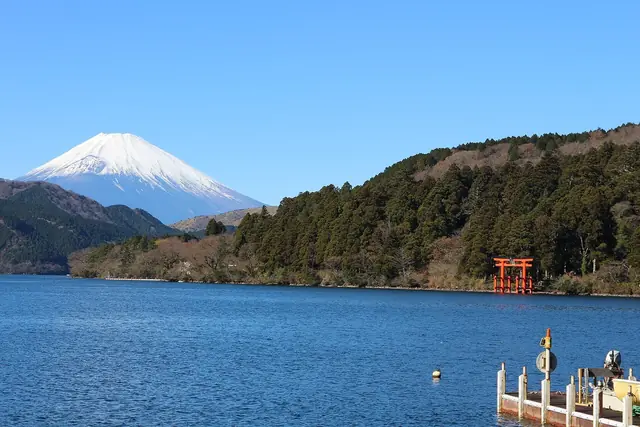
Through the year the Tokyo Sento Association and ward groups run stamp rallies, where you collect a stamp at each bath and swap a full card for small gifts, along with a long-running 'sento pilgrimage' for people who visit many baths. Winter is the best bath season, and a sento makes a good end to a cold day out. For hot spring towns outside the city, Hakone is the classic trip.