On trains, platforms and escalators
Trains are quiet. People talk softly or not at all, phones are on silent, and calls wait until you are off the train. Near the priority seats, railways ask you to switch your phone off when the car is crowded, and the seats themselves are for older people, pregnant women, people with injuries or disabilities and anyone travelling with small children. On a busy train, wear your backpack on your front or put it on the rack, and hold big suitcases close. Eating is fine on the Shinkansen and long-distance trains, but not on commuter lines.
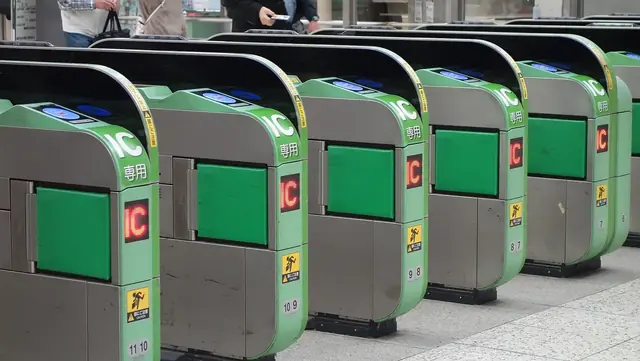
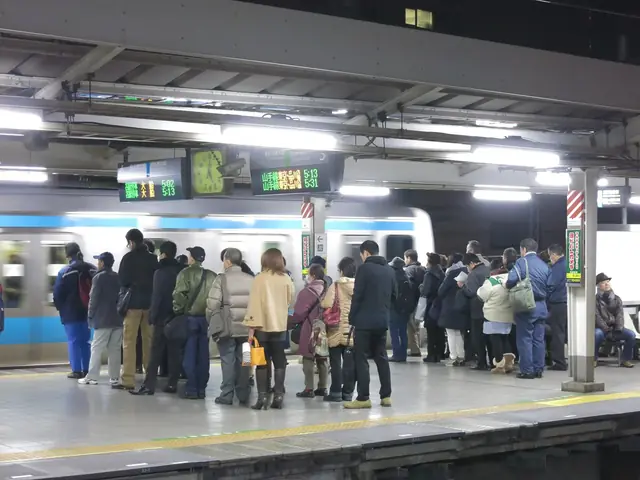
On the platform, line up at the marks on the floor and let everyone off before you get on. Many lines run women-only cars at rush hour, marked on the platform and the car. On escalators, Tokyo traditionally stands on the left and walkers pass on the right. Railway companies and the government now ask everyone to stand still and not walk at all, and Saitama and Nagoya have made that an official rule, but in Tokyo most people still keep left. Stand on the left, hold the handrail and do not walk.
- Switch your phone to silent mode (マナーモード) before you get on.
- Take off your backpack before you board a crowded train, not once you are wedged in.
- Do not hold the doors. Another train is usually only a few minutes behind.
On the street: rubbish, smoking, eating and drinking
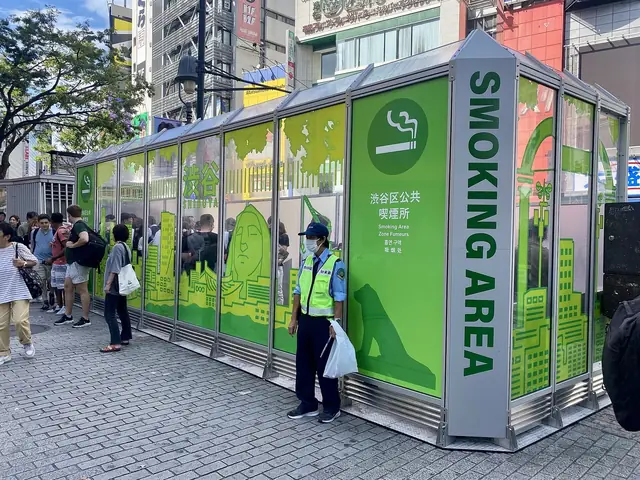
There are very few public bins in Tokyo, and the streets stay clean because people carry their rubbish until they find one, often back at the hotel. Convenience stores have bins, mostly for things bought there, and vending machines have slots for bottles and cans. Smoking is allowed only in designated smoking areas: most of Tokyo restricts smoking on the street and in parks, and smoking inside restaurants is banned in most cases. Look for the marked smoking corners near big stations.
Eating while walking is not illegal, but on crowded shopping streets like the ones in Asakusa it is frowned on, and many stalls ask you to eat where you bought the food. Stand to one side, finish, then move on. Drinking on the street is legal in most of Tokyo, with one big exception: in recent years Shibuya ward has banned drinking on the street and in public spaces around Shibuya Station every night from 6pm to 5am, all year round. There is no fine, but patrols will ask you to stop.
- Keep a small bag in your pocket for rubbish. You may carry a bottle for an hour before you see a bin.
- Separate bottles and cans from other rubbish when the bin asks you to.
- In Shibuya after 6pm, drink inside a bar, not on the crossing.
Shops, restaurants, tipping and shoes
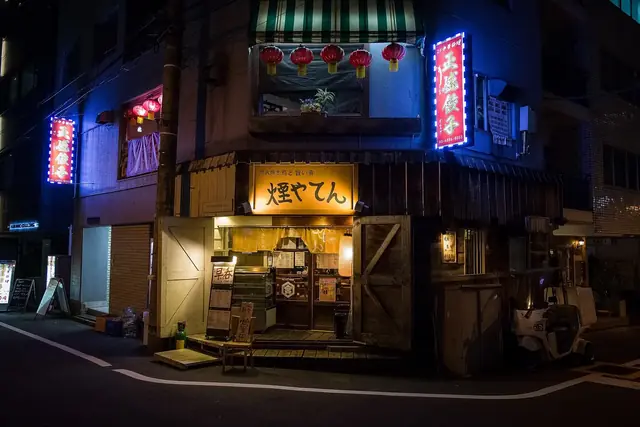
There is no tipping in Japan. Leave money on the table and the staff may run after you to give it back. Good service is simply part of the price. At an izakaya, a little dish called otoshi arrives with your first drink, and it comes with a small table charge; that is normal and not a mistake on the bill. Pay at the register near the door rather than at the table, unless the staff bring the bill to you.
Queues are taken seriously. People line up for trains, ramen shops, lifts and toilets, and at big events a staff member holds a sign saying 最後尾 that marks the end of the line, so join behind it. Inside shops, ask before taking photos, especially in small boutiques and galleries, and watch for 撮影禁止 (no photography) signs.
Take your shoes off whenever the floor steps up at an entrance or you see a shoe rack or slippers: in homes, ryokan, tatami rooms in restaurants, some temple halls and shop fitting rooms. Slippers are not worn on tatami, and toilets often have their own slippers that stay in the toilet.
- Put money or your card on the small tray at the register, not into the person's hand.
- Wear socks without holes and shoes that slip off easily on temple and ryokan days.
- Many small restaurants are cash only. Look for card logos at the door.
Onsen and sento basics
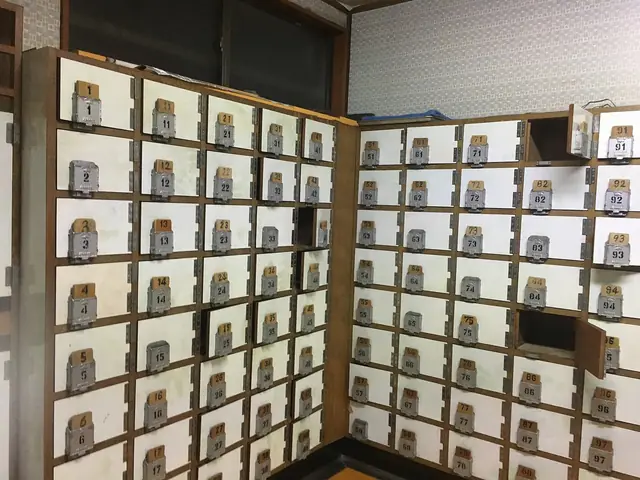
Japanese baths, whether a hot spring (onsen) or a neighbourhood bathhouse (sento), follow the same few rules. You bathe naked, with no swimsuit, in baths separated for men and women. Wash and rinse fully at the showers first, sitting on the small stool, and only then get into the bath. The small towel never goes in the water: fold it on your head or leave it at the side, and tie up long hair.
Keep your voice down, do not swim or splash, and avoid drinking alcohol before you soak. Tattoo rules differ by place. Big onsen complexes and hotel baths often refuse tattoos or ask you to cover them, while many neighbourhood sento in Tokyo are more relaxed, so check the rules or ask at the counter before you pay.
- Dry off a little before going back to the changing room, so the floor stays dry.
- Bring a small towel or rent one. Soap and shampoo are usually provided at onsen, not always at sento.
- Drink water after a long soak, and get out if you feel dizzy.
Photos, shrines and festivals
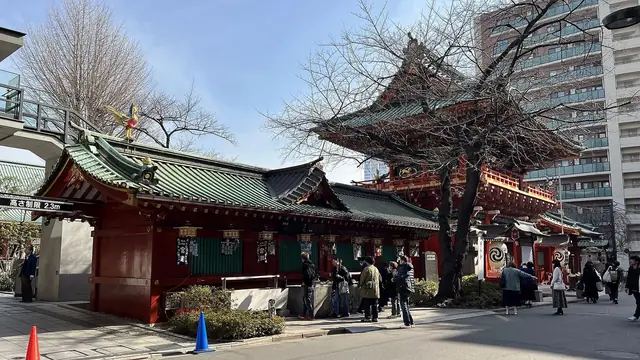
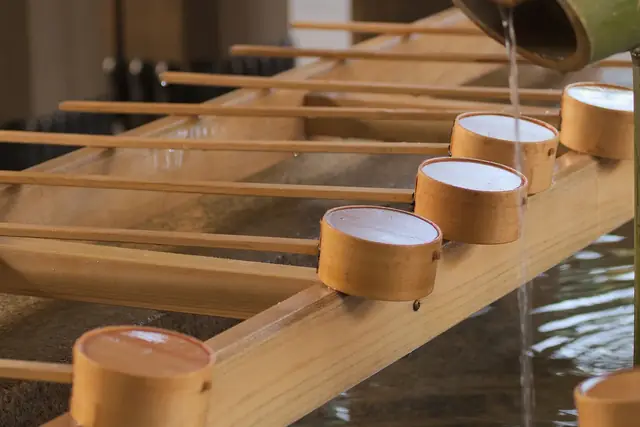
Ask before you photograph people, especially children, shop staff and anyone in kimono who is clearly not posing for tourists. At shrines and temples, a bow at the gate and a quiet prayer is enough; the shrine etiquette guide explains how to pray and what to do with fortunes and charms.
At festivals, bring cash in small notes and coins, because most stalls do not take cards. Eat near the stall, put your rubbish in the bins the organisers set up or take it with you, and do not stop in the middle of the street. When a mikoshi (portable shrine) comes through, step aside, do not touch it and follow the staff and police, who often close streets for the procession. Wearing a yukata is welcome, and nobody minds if you get the details slightly wrong.
- Stalls are busiest just after dark. Buy food early and find a place to stand away from the main path.
- Do not stand on stone lanterns, walls or steps for a better photo.
- Follow one-way routes at big festivals even if a shortcut looks empty.