What the museum is
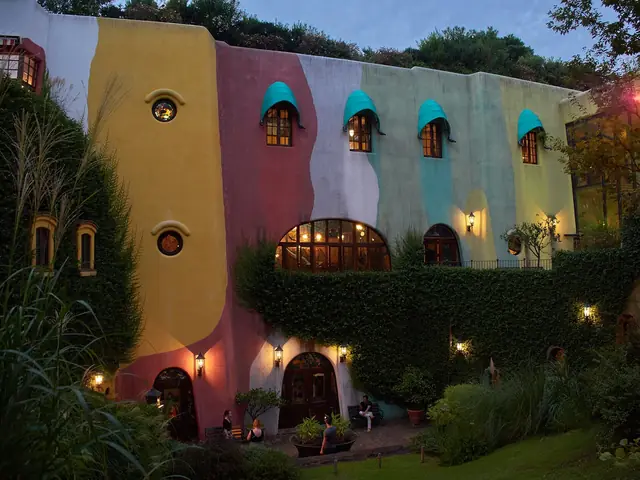
The museum opened in October 2001, and Hayao Miyazaki shaped both the building and the idea behind it. It is not a gallery of famous scenes in glass cases. It is a place about how animation is made and about the fun of looking closely, built so that children and adults can wander and find their own corners.
Even the ticket is part of it: at reception your booking becomes an entry card with a few frames of real 35mm film from a Ghibli feature. Hold it to the light to see which scene you got. Small children get their own, handed over at a special step at the counter.
What to see
A large Totoro sits at a fake ticket window by the gate, with soot sprites peering out of the portholes. Inside, the central hall rises through the whole building under a glass dome, with spiral staircases, narrow bridges and balconies. On the first floor, five rooms called Where a Film is Born show a film studio as if the artist had just stepped out, with sketches on every wall and models hanging from the ceiling.
In the basement, the Saturn Theater has about 80 seats and shows original Ghibli short films made for the museum and seen nowhere else. The film changes every month or two, and each visitor can watch it once. The special exhibition room changes its theme every year or two. On the second floor is a Cat Bus, a little smaller than the one in the film, that children aged 12 and under can climb on.
From the terrace a narrow spiral staircase leads to the rooftop garden, where the five-metre Robot Soldier from Castle in the Sky stands among the plants. Back on the ground there is a hand-pump well on the patio, the Straw Hat Cafe, the shop Mamma Aiuto and Tri Hawks, a reading room of books Miyazaki recommends.
- The cafe often has a queue at lunchtime. Eat early or late, or have lunch in Kichijoji before you go.
- The rooftop has no lift and may close in bad weather.
The year at the museum and in Inokashira Park
The museum has no festival calendar of its own. What changes through the year is the Saturn Theater film, on a rotating schedule published on the official site, and the special exhibition, which usually runs for a year or more. Short closures for maintenance come once or twice a year, and their dates change every year.
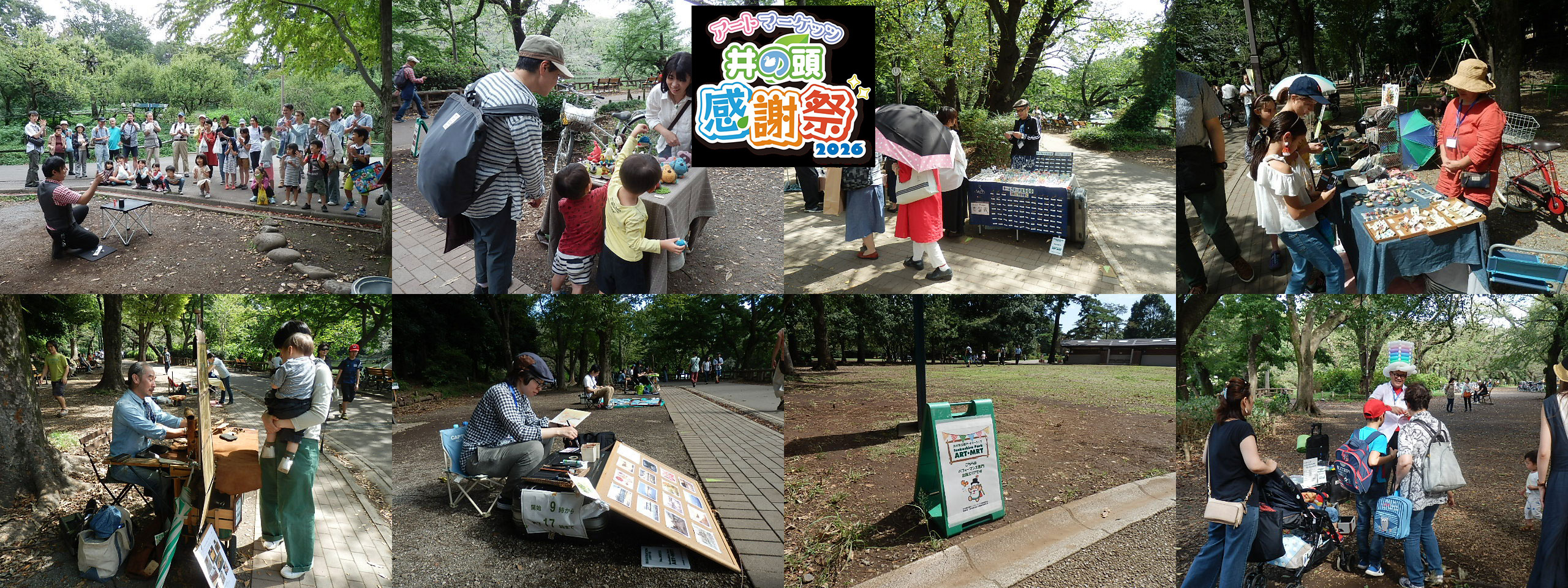
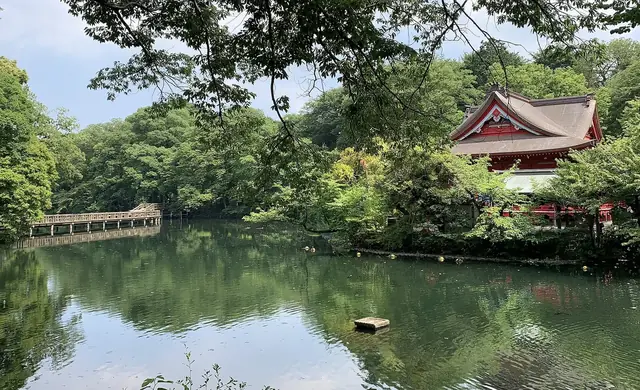
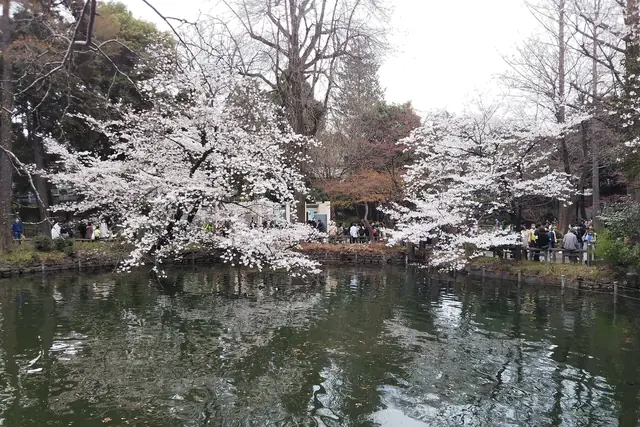
Inokashira Park around the museum has its own year. In early April the cherry trees over the pond make it one of the city's best-known sakura spots, with rowing boats under the branches. In autumn the park's trees turn, and in recent years the Mitaka no Mori Festival, a free day of stalls and stage shows, has been held in October in the park's west garden right next to the museum.
Tickets, timing and rules
There are no tickets at the door. All tickets are sold in advance through Lawson Ticket, which opens each month's dates at 10am Japan time on the 10th of the month before (tickets for March go on sale on February 10). Overseas visitors can book on Lawson Ticket's English site or join a JTB group tour that includes the museum. For visits from November 2026, tickets come as a QR code shown in your phone's browser, or as a paper ticket printed at a Lawson store.
Entry times run every hour from 10am to 4pm, and you need to arrive within an hour of your slot. There is no set exit time, but no re-entry either. Weekend, holiday and school-holiday slots go first, often on the day the sale opens, while weekdays stay open longer. Children under four go free without a ticket. Resold tickets are not valid.
The museum is closed on Tuesdays. Photos and videos are not allowed inside the building; the museum asks you to see it with your own eyes. People take photos outside, and the Robot Soldier on the roof is the usual spot. Food and drink only at the cafe or on its deck.
- Set an alarm for 10am Japan time on the 10th and have your account ready before the sale opens.
- Strollers are left at a stroller park, and one room in the basement has a strobe light effect.
- Plan on two to three hours, including the film and a coffee.
Getting there and what is nearby
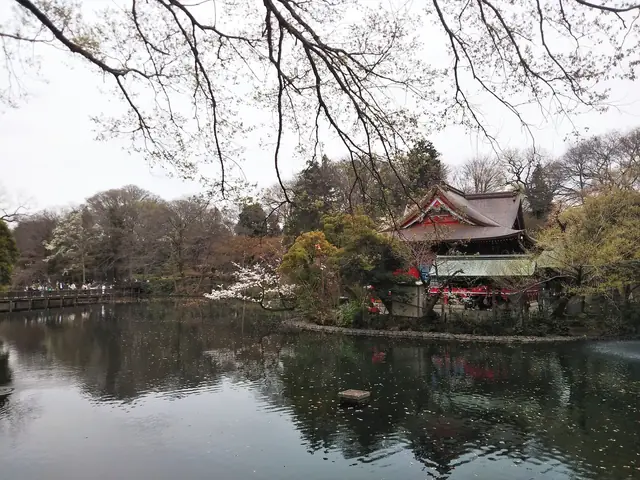
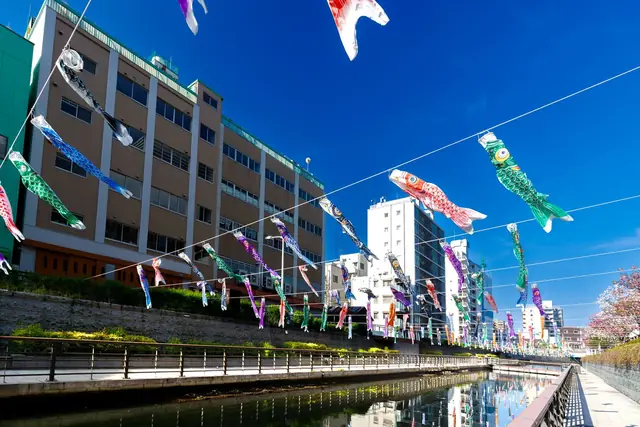
From the south exit of JR Mitaka Station it is about 15 minutes on foot along the Tamagawa Josui canal, with signs pointing the way. A community bus from the south exit takes about five minutes and runs often during opening hours (it does not run on closing days). From Kichijoji Station or Inokashira-koen Station it is also about 15 minutes on foot, through Inokashira Park, which is the nicer way in. There is no parking.
Inokashira Park has rowing and swan boats on the pond, a small zoo and plenty of benches. Kichijoji's covered shopping streets, Harmonica Yokocho alley bars and small live venues make it the easy place for dinner after your slot. One thing to know: Ghibli Park is a different place, in Aichi Prefecture near Nagoya, not in Tokyo, with its own tickets.
- Walk in through the park from Kichijoji and take the bus back to Mitaka, or the other way round.
- Mitaka is about 20 minutes from Shinjuku on the JR Chuo Line rapid service.