Cash, card, IC card or QR: what works where
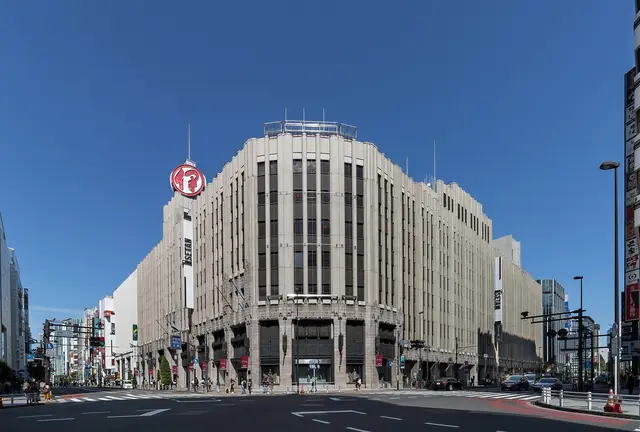
Japan has moved a long way from cash. Government figures for 2025 put cashless payments at roughly half of consumer spending, and the share is still rising. Visa and Mastercard are accepted in department stores, chain restaurants, convenience stores, hotels, big electronics stores and most taxis, and tapping a contactless card or phone is normal at the till.
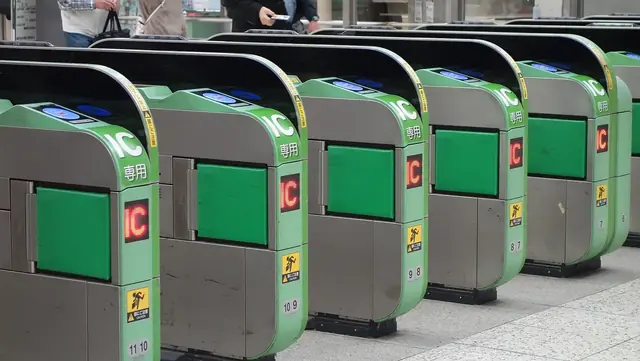
An IC card such as Suica or PASMO is still the most useful thing in your wallet. You tap it on trains and buses, and you can pay with it at convenience stores, vending machines, station shops, many coin lockers and plenty of cafes. Plastic cards are topped up with cash at station machines or convenience store tills; a Suica or PASMO in Apple Wallet is topped up from the phone. Since March 2026 you can also tap a contactless credit card or phone at the gates of Tokyo Metro, the Toei subway and most private railways, such as Keio, Tokyu, Odakyu and Keikyu. JR lines, including the Yamanote Line, are not part of this, and both the station where you start and the one where you finish must support it.
QR code payment is everywhere in Japan, led by PayPay, but these apps are built for residents. If you use Alipay or another wallet in the Alipay+ network, such as Kakao Pay or Naver Pay, you can scan PayPay codes at many shops, and Alipay and WeChat Pay are taken at many department stores, drugstores and shops used to visitors.
- Welcome Suica, sold at airports and big JR stations, needs no deposit and lasts 28 days. Welcome Suica Mobile for iPhone lasts 180 days.
- Spend the balance on a Welcome Suica before you leave: it cannot be refunded. Convenience stores are the easy place to use it up.
Where you still need cash
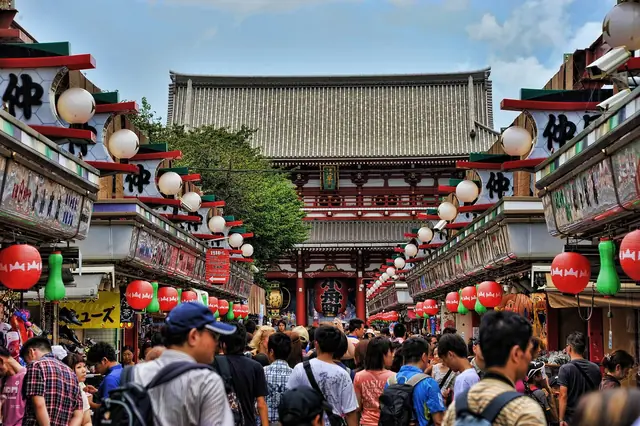
Cash is still the norm in a few places visitors meet often. Shrine and temple offerings are coins dropped in a box, and many shrines sell amulets and charms for cash only. Food stalls at festivals, flea markets and craft fairs mostly want coins and notes, though some now take PayPay or IC cards. Small family restaurants, old coffee shops, ramen shops with an older ticket machine and the door at small live houses can be cash only. Older coin lockers take only 100-yen coins.
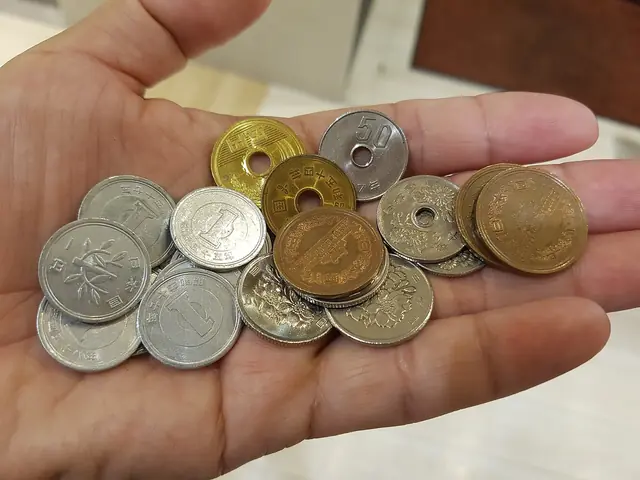
Coins come in 1, 5, 10, 50, 100 and 500 yen, notes in 1,000, 5,000 and 10,000 yen (a 2,000 yen note exists but is rare). New designs of the three main notes came out in July 2024, and the older ones remain valid. Prices on tags and menus must include consumption tax, so what you see is what you pay, unless a place adds a service charge. A small coin purse is worth buying, because you will collect a lot of coins.
- Break 10,000 yen notes at a convenience store before a festival. Stall holders often have little change early in the day.
- 現金のみ (genkin nomi) on a sign means cash only. Card and IC logos by the door mean you can pay without cash.
ATMs and changing money
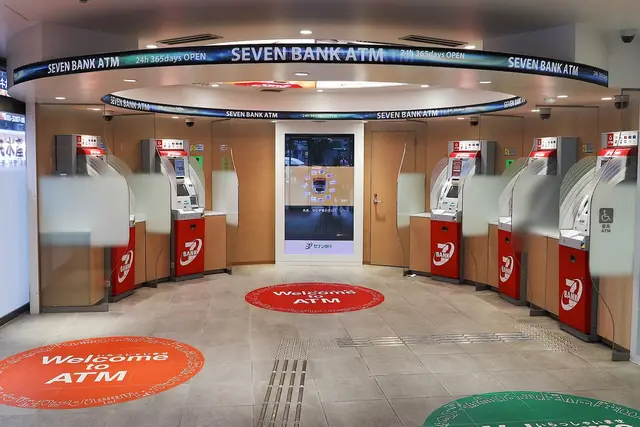
The easiest ATMs for foreign cards are in 7-Eleven stores. Seven Bank runs more than 28,000 of them across Japan, plus machines at airports and many stations, and they accept Visa, Mastercard, American Express, JCB, UnionPay, Discover, Diners Club and the Plus and Cirrus networks, with menus in English. Most 7-Eleven stores never close, so you can usually withdraw at any hour. Japan Post Bank ATMs at post offices also take overseas cards, but their hours follow the post office and vary by branch. Many other bank ATMs reject foreign cards.
The ATM may charge a fee and your own bank may add another, so a few larger withdrawals usually cost less than many small ones. If an ATM or a shop terminal offers to charge you in your home currency, choose yen: the conversion offered on the spot is usually at a worse rate. Exchange counters at Narita and Haneda are handy for your first cash, and there are more in busy shopping areas in the city.
- Tell your bank you are travelling so it does not block the card after the first Japanese withdrawal.
- Bring two cards on different networks. Now and then a card that works at home is refused by one machine but not another.
Tipping and other payment customs
There is no tipping in Japan. Good service is part of the price, and if you leave money on the table, staff will often run after you to return it. Instead, some hotels and higher-end restaurants add a service charge, often around 10 percent, which is stated on the menu or the bill. Many izakaya bring a small appetiser called otoshi with your first drink and charge a few hundred yen for it as a table charge; that is normal, not a mistake.
In shops you usually place cash or cards on the small tray by the till instead of handing them over. In many restaurants you take the bill to the register by the door rather than paying at the table, and in cheap chains you buy a ticket from a machine before you sit. Splitting a bill card by card is not always possible in small places, so groups often pay once and settle up among themselves. Tokyo taxis add a surcharge late at night.
- To ask for the bill, say okaikei onegaishimasu (お会計お願いします).
- Change from the till comes back on the tray too, with notes counted in front of you. Take it from there.
Departure tax, tax refunds and budgeting
Japan charges an International Tourist Tax on every departure. From 1 July 2026 it is 3,000 yen per person (it used to be 1,000 yen), and it is normally added to your plane or ferry ticket, so you do not pay it separately at the airport. Tickets issued on or before 30 June 2026 keep the old rate, and children under two are exempt. Visitors can also get consumption tax back on shopping of 5,000 yen or more per shop per day; from November 2026 that works as a refund after a customs check when you leave.
Tokyo can be cheaper than its reputation. Lunch sets, convenience store meals and chain restaurants keep food costs down, many festivals, markets and illuminations are free, and a subway pass pays off on days when you ride a lot. A simple system works well: a daily cash float for stalls, shrines and small places, bigger spending on a card, and an eye on the last train, since a late taxi is the quickest way to blow a budget.
- Keep some cash in reserve for the day a card or app does not work.
- Hotel bills, airport trains and big shopping go on a card. Coins go on shrines, lockers and festival food.