The styles: what you are ordering
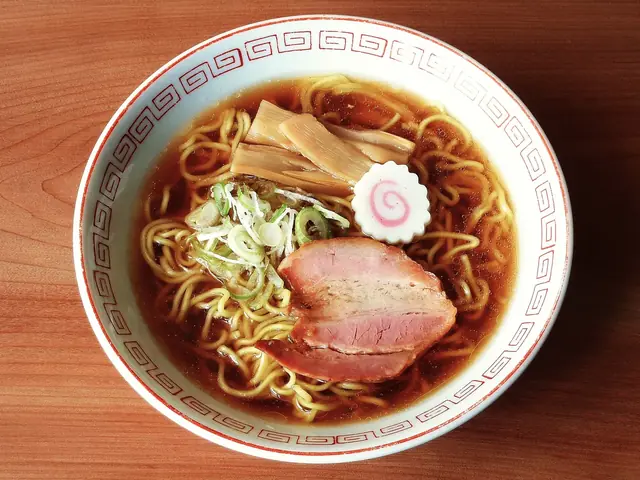
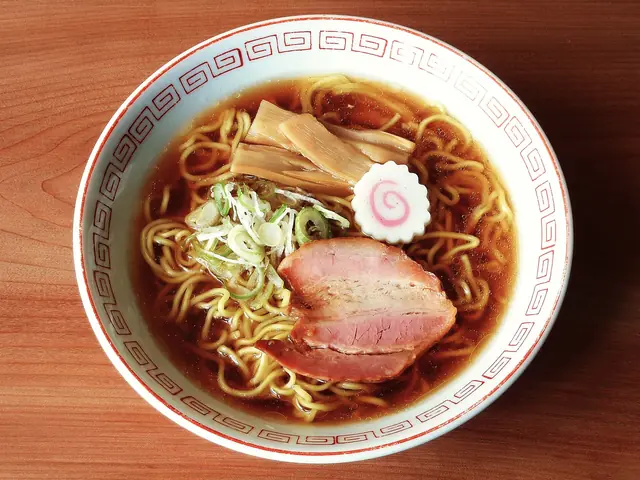
Tokyo's own bowl is shoyu ramen: a clear chicken and pork broth seasoned with soy sauce, with thin curly noodles. Ogikubo, on the JR Chuo Line, is known for an older version with fish stock from dried sardines and bonito. Shio is the lightest style, seasoned with salt so the stock has to carry the flavour. Miso ramen, the Sapporo style, is richer and often comes topped with stir-fried vegetables. Tonkotsu is the creamy pork-bone soup from Kyushu, served with thin straight noodles.
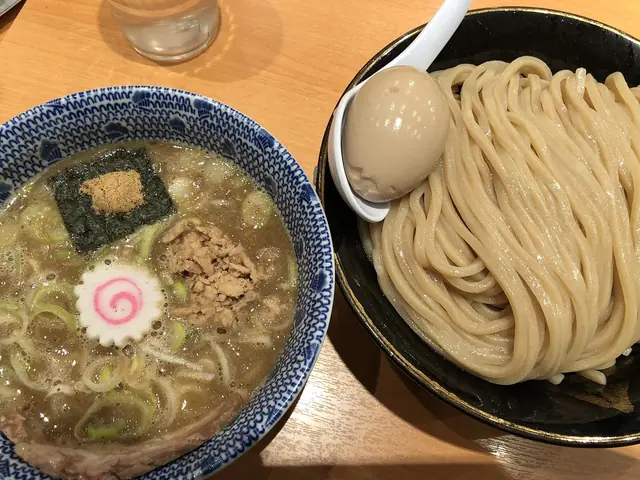
Three styles have their own rules. Tsukemen, thick noodles with a dense dipping soup, is credited to Kazuo Yamagishi, who first served it in 1955, and Rokurinsha made the rich pork and fish version the standard. When you finish, ask for soup-wari, hot broth to thin the leftover dip. Iekei comes from Yoshimuraya in Yokohama, opened in 1974: pork bone and soy with chicken fat, spinach and nori, often eaten with rice, and staff ask how firm, strong and oily you want it. Jiro style, after Ramen Jiro in Mita, is thick noodles under a mountain of bean sprouts and cabbage with garlic and pork fat; just before serving, staff ask about toppings, and your quick answer is known as the call.
- Iekei shops ask about noodles, flavour and oil: katame (firm), koime (strong), oome (more). Futsu means normal for any of them.
- Jiro-style free extras: yasai (vegetables), ninniku (garlic), abura (fat), karame (more sauce). Saying just ninniku is fine.
- Even the small bowl at a Jiro-style shop is a big meal. Order small the first time: leaving half the bowl is frowned on.
The ticket machine, step by step
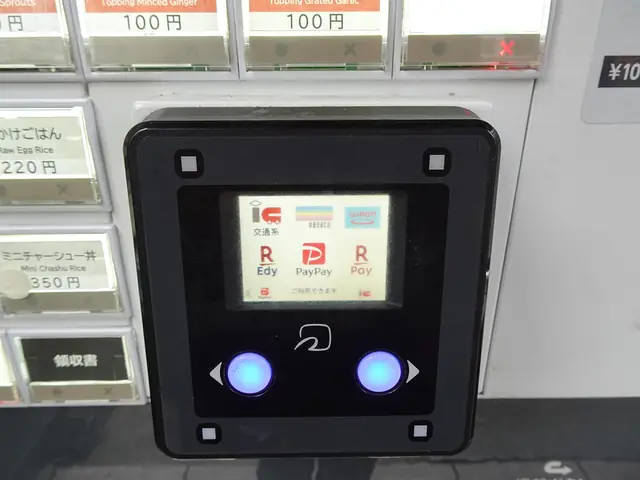
Most ramen shops sell through a ticket machine (shokkenki) by the door. Each button carries a bowl name, sometimes with a photo, and the top-left button is often the shop's signature bowl. Toppings, a large portion (oomori) and extra noodles (kaedama) are separate buttons. Older machines take cash only, some only 1,000 yen notes, and a few still refuse the new banknotes issued in July 2024. Newer machines also take IC cards such as Suica or QR payments, shown by a card reader on the panel.
Shops without a machine take your order at the counter, and you pay when you leave. At Ichiran-style booths you tick boxes on a sheet for richness, garlic and noodle firmness, and an English sheet is usually available.
- 1. Put money in first. The buttons light up once there is enough credit.
- 2. Press your bowl, then any toppings. Press the change button or lever (otsuri) to get your change.
- 3. Hand the tickets to the staff, or put them on the counter when you sit. Say how firm you want the noodles if asked.
- 4. Stuck? Let the next person go first, then ask: osusume wa dore desu ka (which do you recommend).
- Useful words: nami (regular), oomori (large), ajitama (seasoned egg), chashu (sliced pork), negi (spring onion).
Queues and counter manners
Queues are part of ramen in Tokyo, and they move fast because people eat and leave. Join the end of the line and do not save places for friends who have not arrived. Some shops want you to buy your ticket before you queue, so look at what the people ahead are holding. Staff seat people as places open up, which means a group of three may be split along the counter. A few famous shops use numbered tickets or online booking for set times; a notice at the door explains how.
At the counter, water is often self-service from a jug or a tap. Slurping is normal and helps cool the noodles. Eat while it is hot, keep phone use short when people are waiting, and leave when you finish. At many shops you lift the empty bowl onto the raised counter and wipe your place, and a quiet gochisousama on the way out is appreciated. Most shops expect each person to order a bowl.
- Busiest at about 12:00 to 13:00 and 18:00 to 20:00. Mid-afternoon or right at opening time is calmer.
- Some shops close early when the soup runs out. A sign saying スープ切れ means they are done for the day.
- Leave big bags in a coin locker. Counters are narrow and there is rarely room under the stool.
Where to start: ramen streets and ramen areas
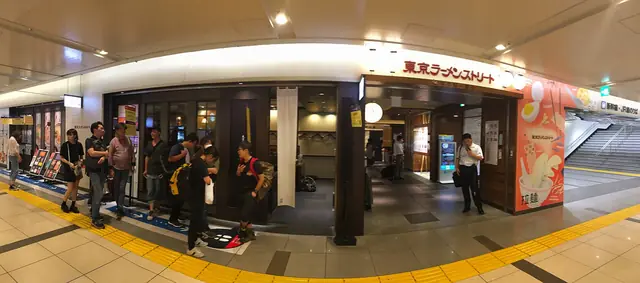
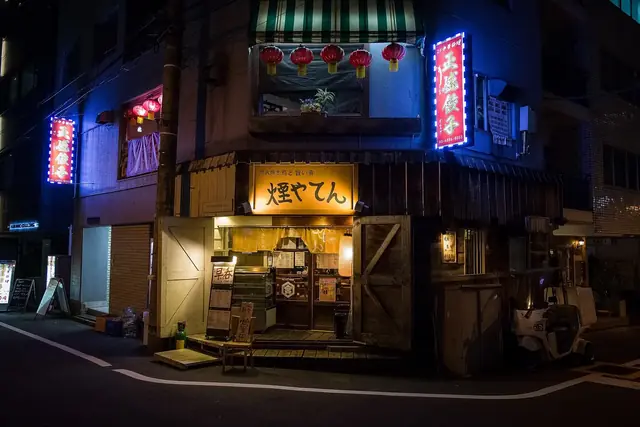
The easiest first stop is Tokyo Ramen Street, eight shops in a row in the basement of Tokyo Station Ichibangai, just outside the Yaesu-side ticket gates. Between them they cover most styles: tsukemen at Rokurinsha, shio at Hirugao, miso at Hanamichian, iekei at Kakushinya, tonkotsu at Oreshiki Jun and niboshi (dried sardine) ramen at Tama. Queues are long at lunch and dinner and shorter mid-afternoon, and you do not need a train ticket to get in.
After that, follow a style or a neighbourhood. Takadanobaba, Ikebukuro and Shinjuku are packed with well-known shops within walking distance of each other, and Ogikubo is the place for old-school shoyu. Okubo Park in Kabukicho hosts long-running ramen and tsukemen fairs with rotating shops. For a half-day trip, the Shin-Yokohama Ramen Museum, five minutes on foot from Shin-Yokohama Station, has seven regional shops in a recreated 1958 street: a small entry fee, then you buy bowls shop by shop.
- The current line-up is on the official page (Japanese). Shops change every few years.
- Ramen counters at big stations open early and close late, which makes them a good fallback after a late arrival.
Vegan bowls, Michelin and ramen festivals
Almost every ramen broth is made with pork, chicken or fish, including the clear ones, and toppings like chashu and fish cake are standard. For vegan ramen, T's Tantan in GranSta Tokyo makes sesame tantanmen with no animal products at all and sits outside the ticket gates, and Soranoiro NIPPON on Tokyo Ramen Street has vegan and gluten-free bowls. Elsewhere, ask before you order, since fish stock and lard hide in many soups.
The Michelin Guide Tokyo lists ramen mainly under Bib Gourmand, its label for good cooking at moderate prices: Tsuta got the first ramen star in 2015, but by the 2024 guide no Tokyo ramen shop held one. Locals check the ranking site Tabelog, where a high score mostly means a queue.
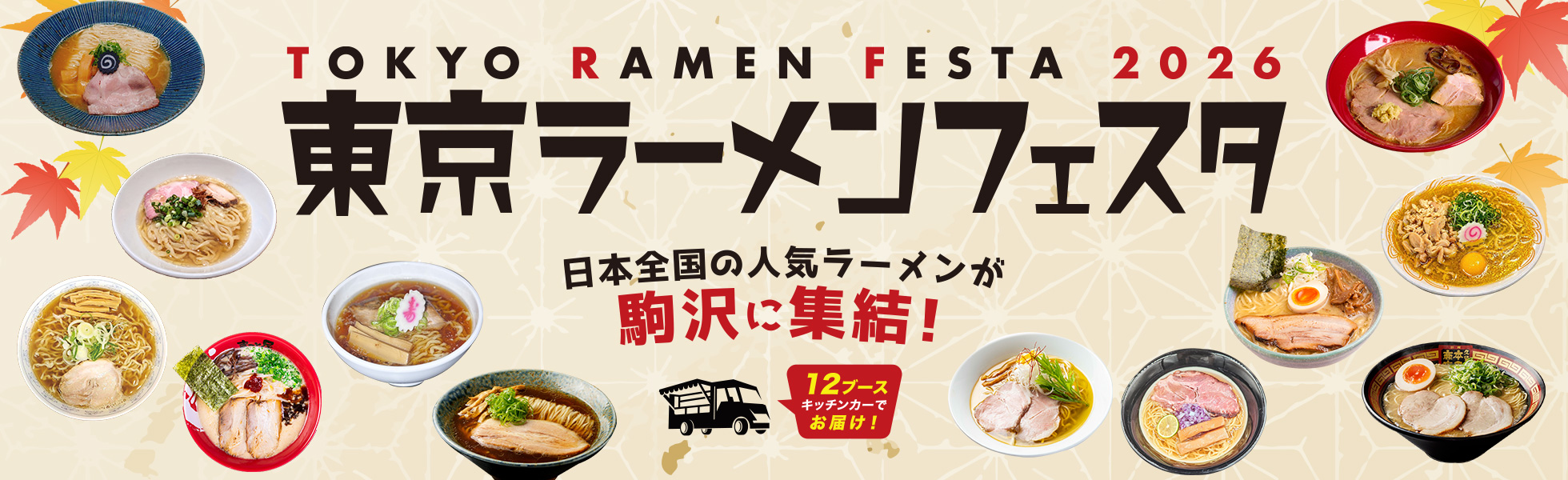
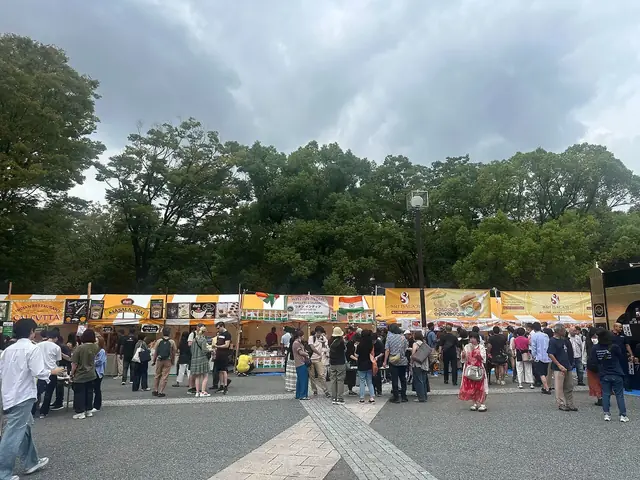
Ramen festivals bring regional shops to one park for several days. The biggest, Tokyo Ramen Festa, has filled Komazawa Olympic Park from late October into early November for years. Entry is free, you buy a meal ticket for each bowl, advance tickets have been sold at convenience stores, and it goes ahead in the rain. Some listings called the 2026 edition the last one at Komazawa, so check the official site for where it goes next. Okubo Park fairs and smaller festivals, in Nakano for example, fill the rest of the year.
- Useful phrase: niku to sakana wa taberaremasen (I can't eat meat or fish). Show it written down if the shop is busy.
- Want to make it yourself? Ramen cooking classes in central Tokyo teach broth, noodles and toppings in a few hours.