Dashi, extracts and what labels do not tell you
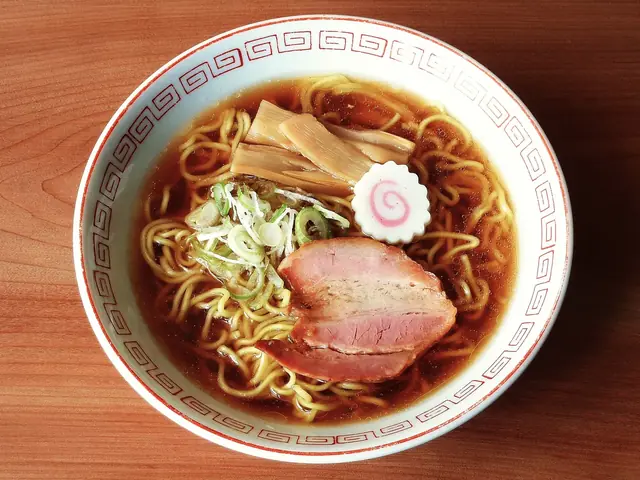
The biggest surprise for vegetarians is dashi, the stock behind Japanese cooking. The everyday version is made with katsuobushi (dried, smoked bonito flakes) and kombu seaweed, and it goes into miso soup, the broth of soba and udon, tempura dipping sauce, simmered vegetables, rolled omelette and many sauces, so a plate of tofu and vegetables is often not vegetarian. Ramen broth is usually pork or chicken based, gyoza fillings normally contain pork, and pork extract (ポークエキス) or lard turns up in snacks, curry roux and bread. For a halal diet, add mirin and cooking sake, both alcoholic, which are standard in teriyaki and many simmered dishes.
Packaged food lists its ingredients (原材料名) and allergens in Japanese. Egg, milk and wheat must be shown, but pork, beef, chicken and gelatin are only on the list of items makers are encouraged to show, so a label without them does not prove they are absent. Look for the words below, and when in doubt, choose products marked vegan or halal, or ask.
- 肉 meat, 豚 pork, 牛 beef, 鶏 chicken, 魚 or 魚介 fish and seafood, かつお or 鰹 bonito.
- だし or 出汁 stock, エキス extract, ゼラチン gelatin, ラード lard, 乳 milk, 卵 egg.
- 酒 sake, みりん mirin, アルコール alcohol, 洋酒 liquor (common in cakes and chocolates).
How to order: phrases to show staff
Spoken requests often get lost, so show a short written note. Restaurants that cook to order can often leave out meat or fish sauce, but set-menu restaurants, ramen shops with one broth and busy chains usually cannot change a dish, and staff may not know what goes into a ready-made sauce. Be precise: no meat is often understood as no visible meat, with fish stock still in the pot. An honest no is better than a guess, and many cooks will tell you when they cannot be sure.
For meals that take preparation, such as kaiseki, shojin ryori or dinner at a ryokan, state your diet when you book, ideally a few days ahead. Two sites do most of the searching: HappyCow lists vegan and vegetarian restaurants with recent reviews, and Halal Gourmet Japan maps halal-certified and Muslim-friendly restaurants and prayer places across Japan.
- 私はヴィーガンです。肉、魚、卵、乳製品、かつおだしは食べられません。(I am vegan: no meat, fish, egg, dairy or bonito stock.)
- 私はベジタリアンです。肉と魚、魚のだしは食べられません。(I am vegetarian: no meat, fish or fish stock.)
- 豚肉とアルコールは食べられません。みりんや料理酒もだめです。(No pork or alcohol, including mirin and cooking sake.)
- これにだしや肉のエキスは入っていますか。(Does this contain stock or meat extract?)
Vegan and vegetarian: where to eat
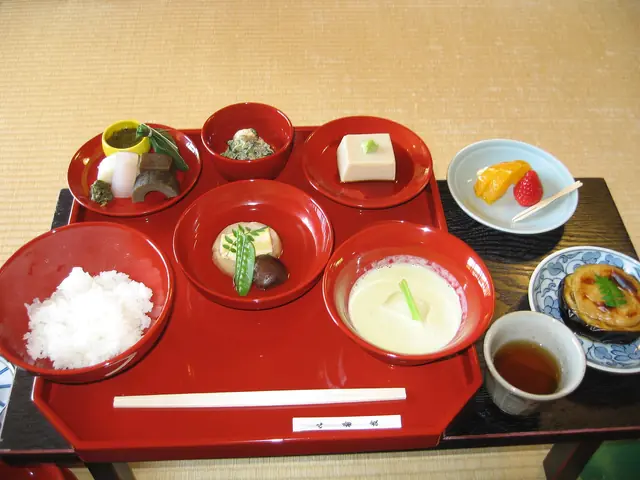
Shojin ryori, the vegetarian cooking of Buddhist temples, is Japan's own plant-based cuisine: no meat or fish, stock made from kombu and dried shiitake, and traditionally no pungent vegetables such as garlic and onion. It comes as a multi-course meal at some temples and a few specialist restaurants, and it makes a good special lunch. Ask even here: Daigo in Atago, one of Tokyo's best-known shojin restaurants, says on its own site that some dishes use a little bonito and egg, and prepares a fully plant-based meal if you ask by the day before.
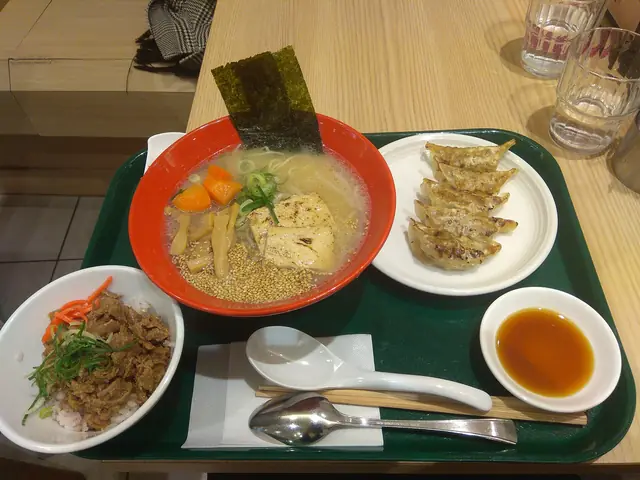
For everyday meals, AIN SOPH. has run fully vegan restaurants since 2009, now in Ginza, Shinjuku and Ikebukuro, and marks dishes free of the five pungent vegetables, which matters to many Buddhist vegetarians. T's TanTan serves vegan ramen inside the stations at Tokyo, Ueno, Ikebukuro and Akihabara and at Narita Airport Terminal 2, which helps on travel days. The curry chain CoCo Ichibanya offers a vegetable curry sauce made without animal ingredients, to which you add your own toppings. Indian and Nepali restaurants, found in most neighbourhoods, usually have vegetarian curries, though ghee and cream are common, so vegans should ask.
- 大豆ミート (soy meat) on a menu means a plant-based meat substitute, but the sauce and stock still need checking.
- Chain menus change. Check the company's site or ask staff before relying on one dish.
- Book shojin ryori and vegan kaiseki in advance, and say whether you also avoid garlic, onion or alcohol.
Halal food, mosques and prayer rooms

Two labels are worth telling apart. Halal certified means a certification body has checked the ingredients and the kitchen; Muslim friendly usually means no pork or alcohol on the menu but no certificate, and it is up to you whether that is enough. Tokyo has both, from halal ramen and wagyu yakiniku to Turkish, Indonesian, Malaysian and South Asian restaurants, and Halal Gourmet Japan shows which label each place carries. Around Shin-Okubo Station, a cluster of halal grocers and restaurants is known as Islam Yokocho, Islam Alley.
Tokyo Camii, the large Ottoman-style mosque near Yoyogi-Uehara Station, has a halal market and offers free guided tours on weekend and holiday afternoons. Prayer rooms are easier to find than many visitors expect: Narita Airport has them in all three terminals, Haneda in Terminals 2 and 3 (none in Terminal 1), and JR East runs a small prayer room with washing facilities at its Travel Service Center by the Marunouchi North Exit of Tokyo Station. Shopping centres such as Shibuya PARCO and Tokyo Midtown have prayer spaces too, and JNTO's Muslim travel guide lists more.
- Several private bodies certify halal food in Japan, so the logo varies. Ask staff what it covers if you are unsure.
- Some prayer rooms are locked and opened on request. Look for an intercom by the door.
- Tokyo Camii's website lists daily prayer times and the days of its guided tours.
Convenience stores, supermarkets and festival stalls
Convenience stores are useful but need label reading. Onigiri with salt only (塩むすび) or umeboshi plum are usually the safest picks, while fillings such as kombu or tuna mayonnaise can contain fish extract or egg, so check the back label. Plain tofu, natto, edamame, salads (watch the dressing), bananas, nuts and soy milk are easy, and products marked プラントベース (plant-based) or 大豆ミート appear more often than they used to. Supermarkets and department store food halls have a wider range, but bakery items often contain milk, butter or lard.
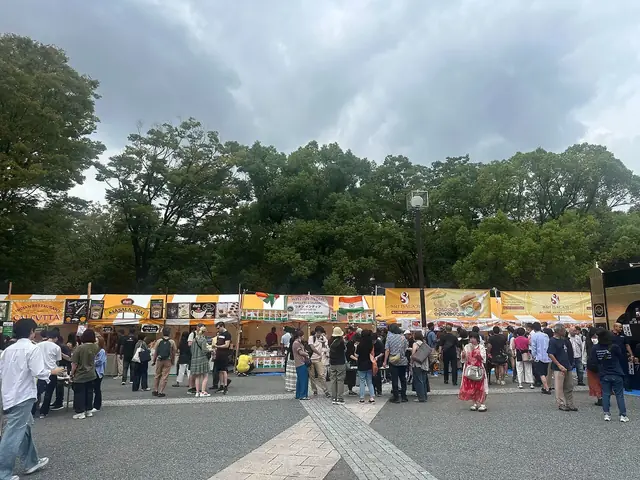
Festival stall food is mostly meat or seafood, or cooked on shared griddles: yakisoba usually has pork, takoyaki contains octopus, and batters and sauces often include dashi. Simpler choices are grilled corn (brushed with soy sauce, sometimes butter), chocolate bananas, shaved ice and candied apples. On long sightseeing days, carry a few snacks so you are not stuck choosing between a convenience store and nothing.
- Onigiri wrappers name the filling on the front. The full ingredient list is on the back.
- Halal grocers and some large supermarkets sell halal or vegan instant noodles and ready-made curries. Stock up there before a long trip.