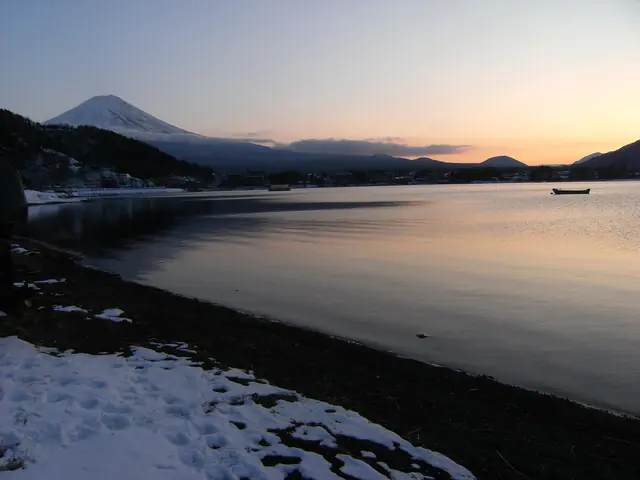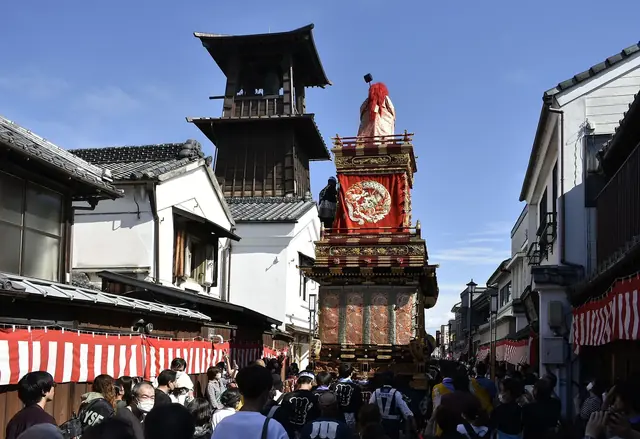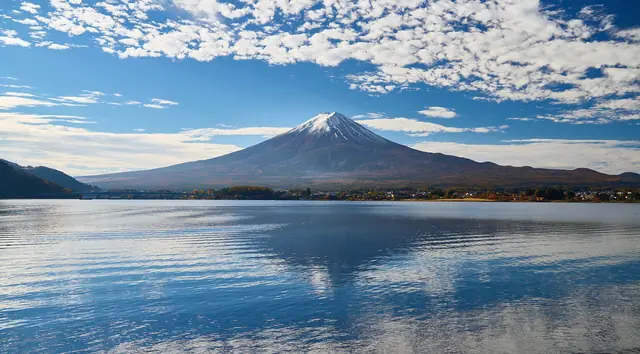
Kawaguchiko and the Five Lakes at a glance
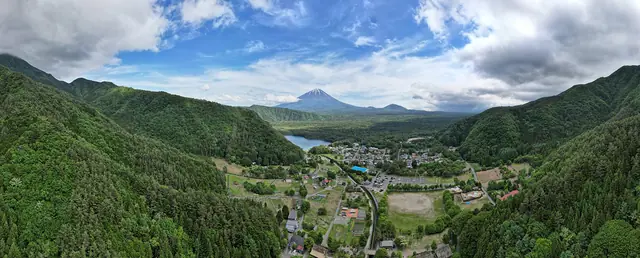
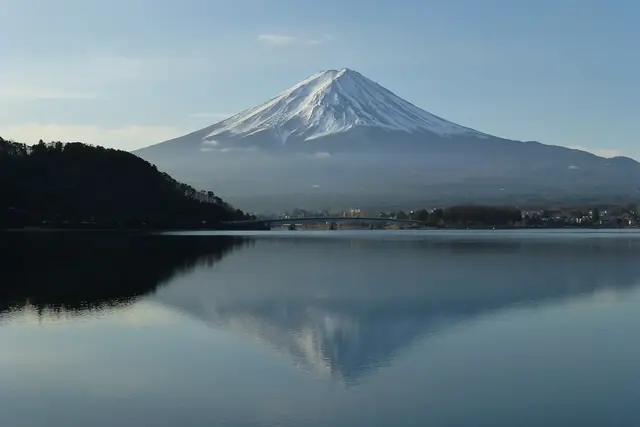
The five lakes curve along the northern foot of Fuji in Yamanashi, at about 800 to 1,000 m. From east to west: Yamanakako, the largest, with campsites and water sports; Kawaguchiko, the busiest and easiest to reach; quiet, wooded Saiko, with a village of restored thatched houses; Shojiko, the smallest, known for Fuji 'holding a child', a smaller peak in front of it; and Motosuko, the clearest, whose view of Fuji was on the old 1,000 yen note.
Kawaguchiko Station and the hot spring district of Funatsu sit at the eastern end of the long, narrow lake, and the Kawaguchiko Ohashi bridge crosses it a little further west. The north shore (Kawaguchi, Oishi, Nagahama) faces Fuji across the water and holds the museums, Oishi Park and the maple corridor. Most events happen at Oike Park near the station, Yagisaki Park by the bridge on the south shore, or Oishi Park.
- The lake is several degrees colder than Tokyo. From November to March, mornings are often below freezing, so pack a warm layer even for a day trip.
What is on through the year
Winter: the Kawaguchiko Winter Fireworks run on Saturdays and Sundays from mid or late January to late February, plus February 23, Mt Fuji Day: about 20 minutes from 8pm, launched from Oike Park, Yagisaki Park and the Tatami-iwa rocks, free and with no paid seats. In the same weeks the Saiko Ice Festival (long called the Ice Tree Festival) fills Saiko Wild Bird Forest Park with ice 'trees' several metres tall, lit from sunset to 7pm, with food stalls at weekends.
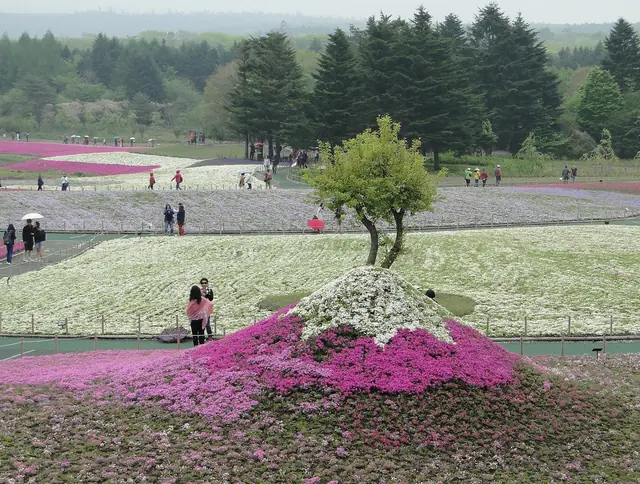
Spring: cherry trees on the north shore bloom around early to mid April, when the town's cherry blossom festival on the lakeside path near Kawaguchiko Round Hall adds an evening light-up, crafts and food. From mid-April to late May the Fuji Shibazakura Festival at Fuji Motosuko Resort spreads about 500,000 moss phlox plants below Fuji. It is the one big event here that charges admission, and a seasonal bus runs to it from Kawaguchiko Station.
Summer: lavender blooms in Oishi Park and Yagisaki Park from mid or late June to mid-July, long the season of the town's herb festival. In early August the lakes take turns with fireworks: Yamanakako's Hokosai on August 1, then Kawaguchiko's Kojosai on August 5, about 10,000 shells over the lake, watched from the Funatsu shore and Oike Park. It is free, and a storm cancels it rather than postponing it.
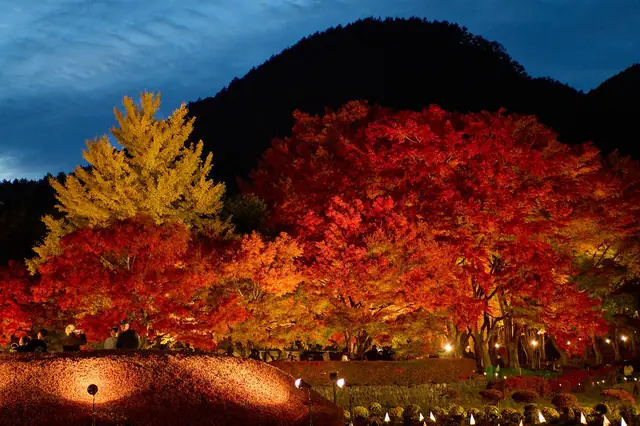
Autumn and December: the round kochia bushes in Oishi Park turn red around October, and the Autumn Leaves Festival at the maple corridor runs through most of November, with a big walking event mid-month. In December the Fuji Mountain Marathon closes roads around the lake; from 2026 it takes two days.
- Dates shift by a week or so each year and depend on the flowers. The town posts the current ones on its official tourism site.
Crowds and overtourism measures
Kawaguchiko is now one of the busiest day trips from Tokyo, for Japanese and foreign visitors alike. The peaks are predictable: Golden Week and the moss phlox weeks, the summer holidays and weekends in the first half of November. Expect queues for the sightseeing buses at the station, slow traffic on the north shore and full buses back to Tokyo on Sunday afternoons.
The town has started to push back. It asks drivers not to park on roads or in shop and hotel car parks; in October 2026 it told tour buses to use a temporary lot instead of the Oishi Park car park; and for the 2026 autumn festival the main car park by the maple corridor became paid and cashless. From April 1, 2027, Fujikawaguchiko charges an accommodation tax of 200 yen per person per night (as announced in 2026), paid at the hotel. The crowds at the convenience store with a famous Fuji view and at Chureito Pagoda are covered in our Mt Fuji guide.
- Go on a weekday if you can, and reach the lake before 9am, ahead of the buses from Tokyo and the midday cloud on Fuji.
- Bins are rare around the lake. Take your rubbish back with you.
Getting there from Tokyo
Highway buses are the simplest way: from Busta Shinjuku to Kawaguchiko Station in about one hour 45 minutes to two hours without traffic, and since autumn 2026 as often as every ten minutes in the morning peak. Keio and Fujikyu run the route together but sell seats on separate sites, and a booking cannot be moved to the other company's bus. There are also buses from Tokyo Station and Shibuya. On weekends, book the return seat with the outbound one.
By train, a few Fuji Excursion limited expresses a day run straight from Shinjuku in about two hours; they usually leave coupled to a Kaiji limited express and split at Otsuki. Otherwise take the JR Chuo Line to Otsuki and change to the Fujikyu line, about an hour by local train; since March 2026 Fujikyu runs its own limited expresses mostly in the morning. The Japan Rail Pass covers only the JR part to Otsuki; the JR Tokyo Wide Pass for visitors from abroad covers the whole way, with a seat reservation.
By car, the Chuo Expressway reaches Kawaguchiko IC in about 90 minutes in light traffic, but Sunday evening jams near the Kobotoke tunnel can double the trip back.
Around the lakes, three sightseeing buses leave Kawaguchiko Station: the Red Line loops Kawaguchiko, the Green Line goes to Saiko and the Blue Line to Narusawa, Shojiko and Motosuko. Two-day passes for these buses, with or without the Fujikyu trains, are sold at the station.
- The Red Line is frequent; the Green and Blue lines are not. Check the last bus back from Saiko or Motosuko before you go.
Day trip or one night
A day trip is enough for Kawaguchiko alone: an early bus, the Red Line along the north shore, a museum or Oishi Park, a bowl of hoto (thick noodles in miso broth, the local dish) and a bus home in the late afternoon. Adding the moss phlox at Motosuko or the thatched village at Saiko makes a long day, as buses there are less frequent.
Stay a night if your event is after dark: the August and winter fireworks start around 8pm and the autumn light-up runs to 9pm, after the last sightseeing bus. A night also gives you the morning, when Fuji is most often clear and the shore is quiet. With two days, do Kawaguchiko first and Saiko, Shojiko and Motosuko or Yamanakako next. Hakone, on the other side of Fuji, is a separate trip.
Where to stay
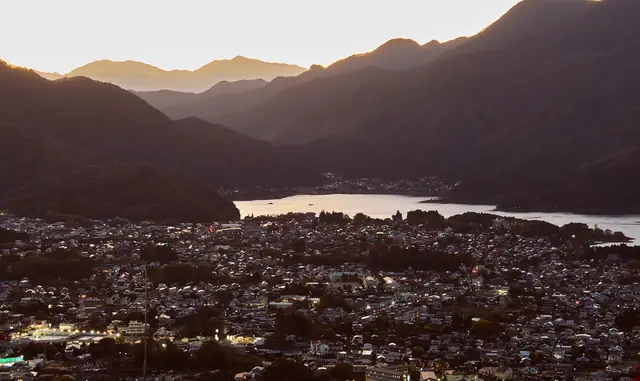
Kawaguchiko Onsen's ryokan line the east shore in Funatsu and Asakawa, a walk or a short hotel shuttle from the station, with Fuji across the lake to the southwest and the summer and winter fireworks close by. Examples: Fuji Lake Hotel, about ten minutes on foot from the station, and Kozantei Ubuya in Asakawa.
The north shore around Kawaguchi and Oishi looks straight across at Fuji and is quieter at night, near the maple corridor and Oishi Park; Shuhokaku Kogetsu is one example. Without a car you rely on the Red Line or taxis, so ask about a shuttle.
Business hotels and guesthouses around the station and in Fujiyoshida suit late arrivals and first buses home, and Saiko has small family-run minshuku. For festival weekends and November, book months ahead.