What Nakano is like
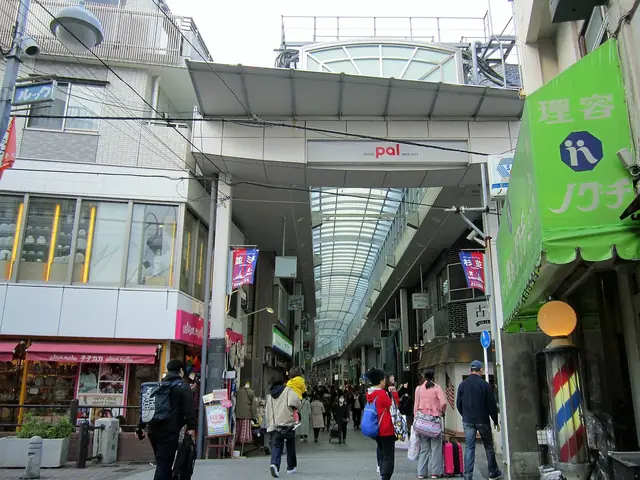
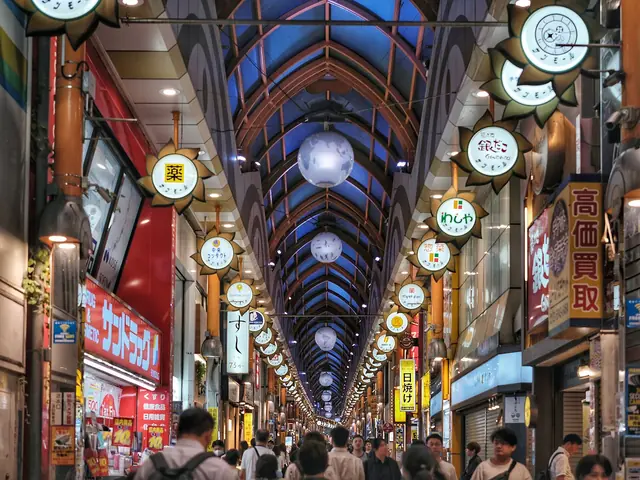
Nakano is a residential ward just west of Shinjuku, and most of what visitors come for lies within ten minutes of the north exit of Nakano Station. Straight ahead is Nakano Sun Mall, a covered shopping street of about 220 metres with more than a hundred shops, and at its far end stands Nakano Broadway. On both sides of Sun Mall, narrow lanes such as Fureai Road and Showa Shindo are packed with izakaya, yakitori counters, ramen shops and small bars, which makes Nakano one of the easiest places in west Tokyo for a cheap night out.
The area by the station is changing. Nakano Sunplaza, the 2,222-seat hall that opened in 1973 and was known for decades as a landmark stage for Japanese pop concerts, closed in July 2023. The first redevelopment plan fell through in 2025 as building costs rose, and the ward is now revising it, aiming for a new centre for culture and the arts that carries on Sunplaza's role, with completion expected in the mid-2030s. At the station itself, a new west gate with a passage across the tracks and a new station building are due to open in December 2026, but the decks and plazas around it will be finished step by step until about 2029, so construction fences will stay for a while.
Nakano Broadway and Mandarake
Nakano Broadway opened in 1966 as one of Japan's first buildings to put shops and apartments together, and people still live on the floors above. About 200 shops fill the basement to the fourth floor. The basement and ground floor are everyday food, clothing and household shops, while the second to fourth floors are where collectors go: second-hand manga, anime cels, figures, retro toys and games, idol goods, trading cards and model kits. The building is also known for a dense cluster of watch dealers selling vintage and luxury pieces.
Mandarake opened its first tiny shop here in 1980 and now runs more than thirty specialist sections around the building, each with its own focus, from cosplay and trading cards to anime goods and music. Mandarake's Nakano shops open at noon every day, and most other hobby shops keep similar hours, so a morning visit finds many shutters down. Weekday afternoons are the calmest time to browse.
- Prices in second-hand shops are fixed. Haggling is not part of the deal.
- Ask before taking photos inside shops. Many do not allow pictures of their stock.
- The building's entrances close late at night, so the shortcut through it only works by day.
Nakano's parks and the festival year
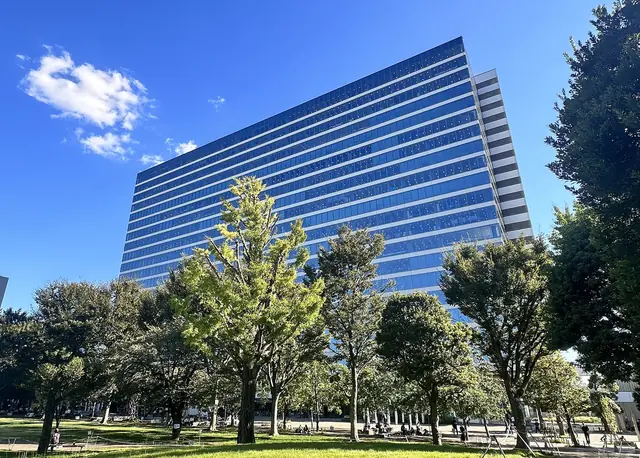
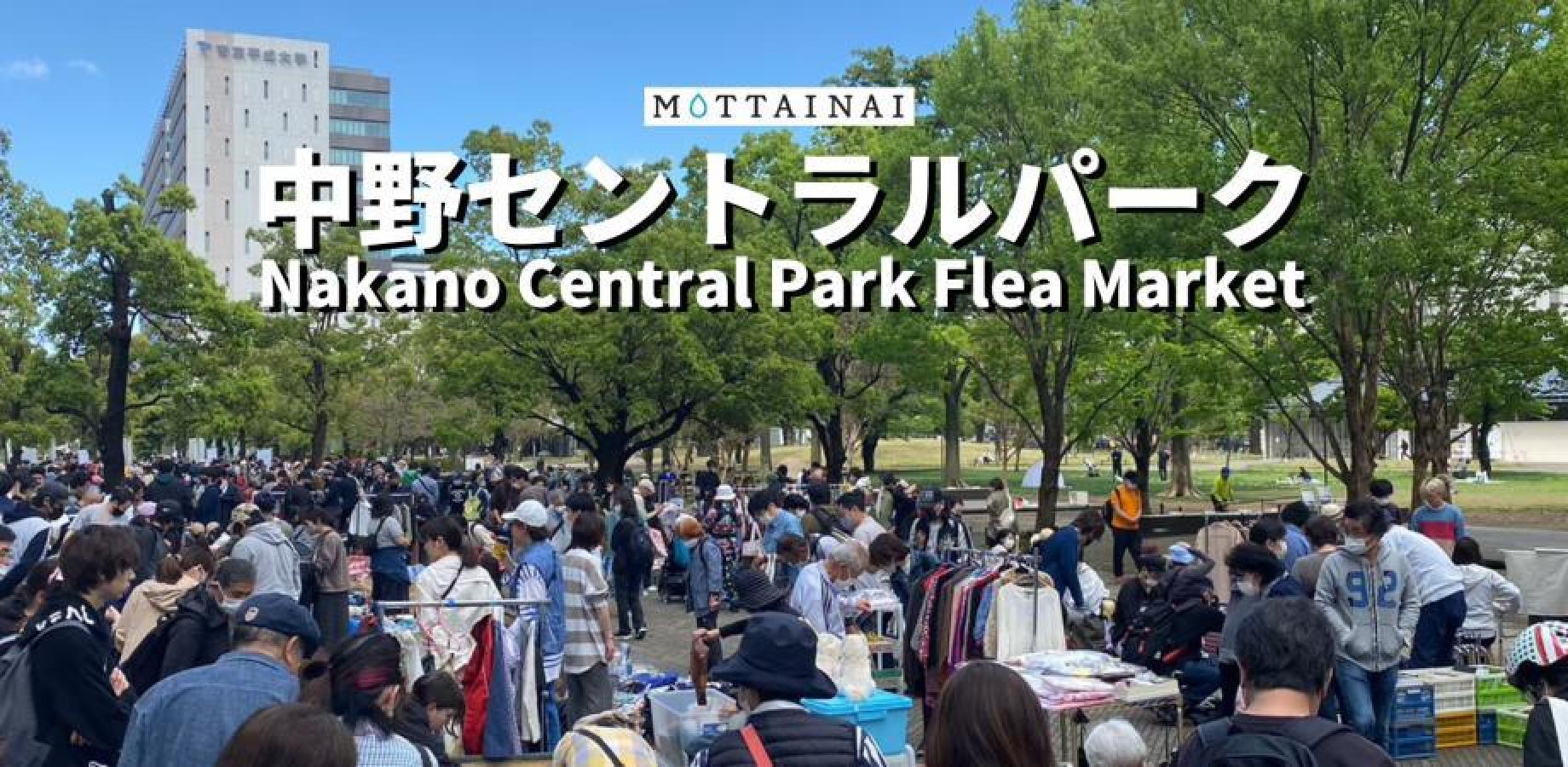
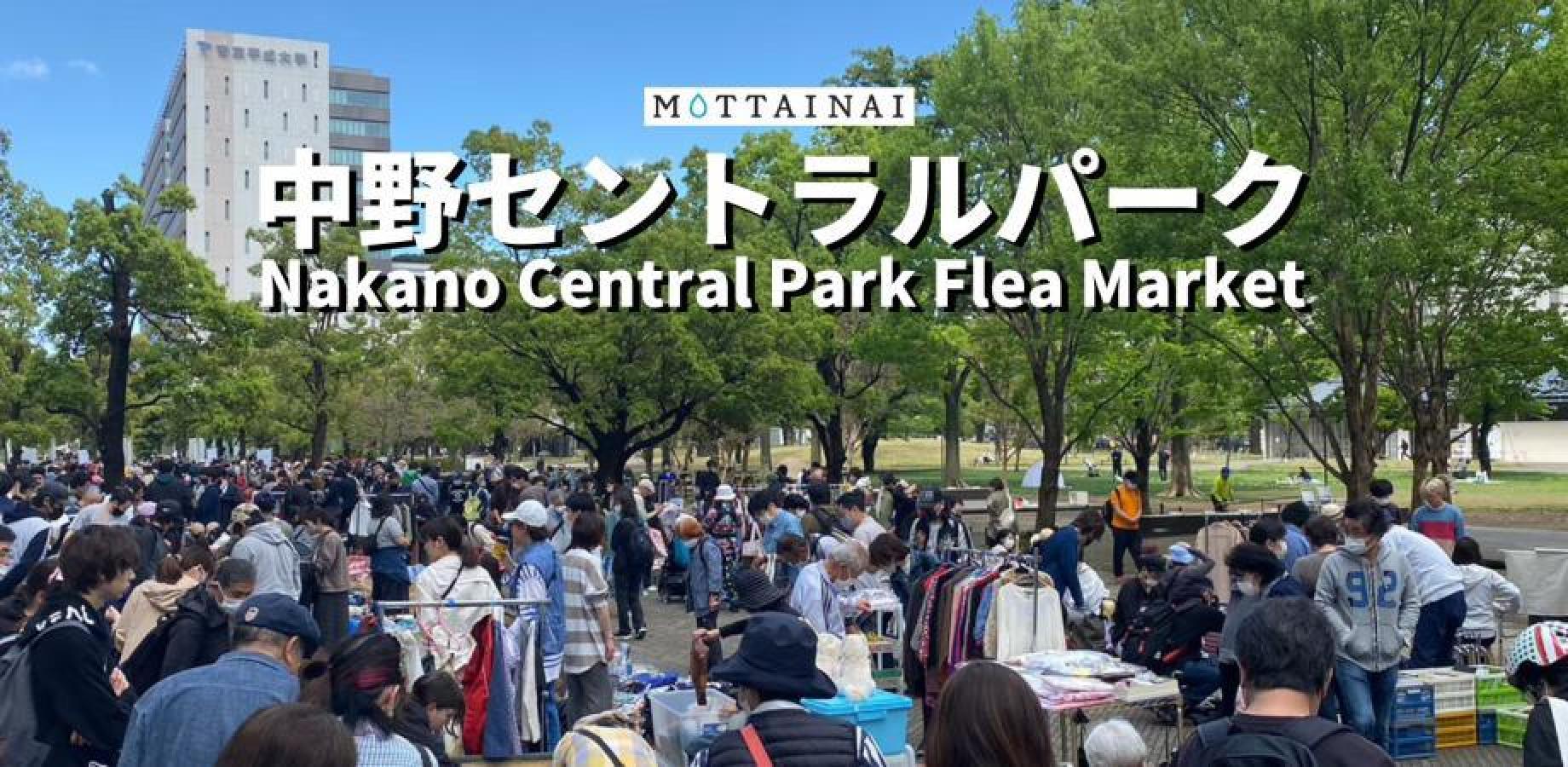
A few minutes north of the station, Nakano Shiki no Mori Park and the office towers of Nakano Central Park opened in 2012 on the site of a former police academy. The open plaza of the park and Park Avenue, the tree-lined walkway between the towers, have become Nakano's main event ground, and most of the area's festivals happen here.
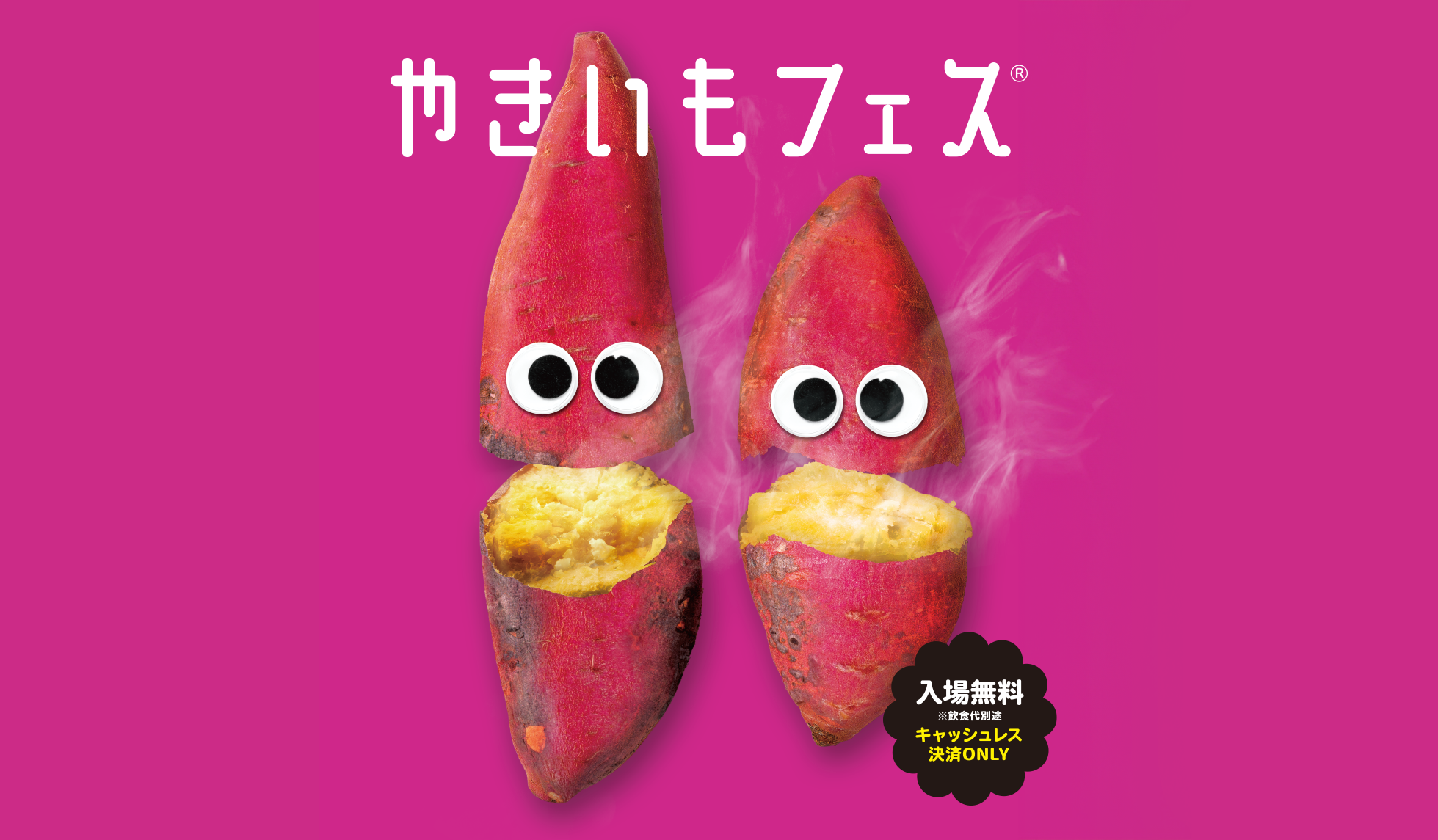
The MOTTAINAI flea market regularly sets out up to 300 stalls on Park Avenue at weekends, and in summer a barbecue beer garden opens there. In early August the Nakano Ekimae Dai Bon Odori, held since 2013, brings a big bon-odori dance to Park Avenue. The Nakano Champuru Festival, running since 2005, is an Okinawan festival with eisa drum dancing, music and food around the north side of the station, and it has recently moved from summer to autumn because of the heat. In autumn the park also fills with food festivals, from ramen to roasted sweet potatoes.
- Flea market and festival stalls are usually cash only. Bring coins and a bag for what you buy.
- Park events are mostly free to enter. You pay for food, drink and anything you take home.
Concerts, plays and an evening out
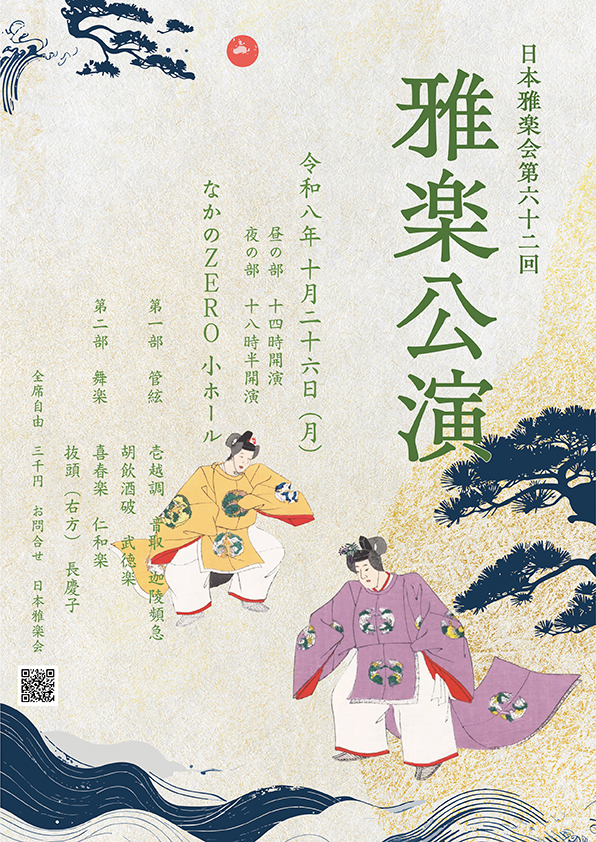
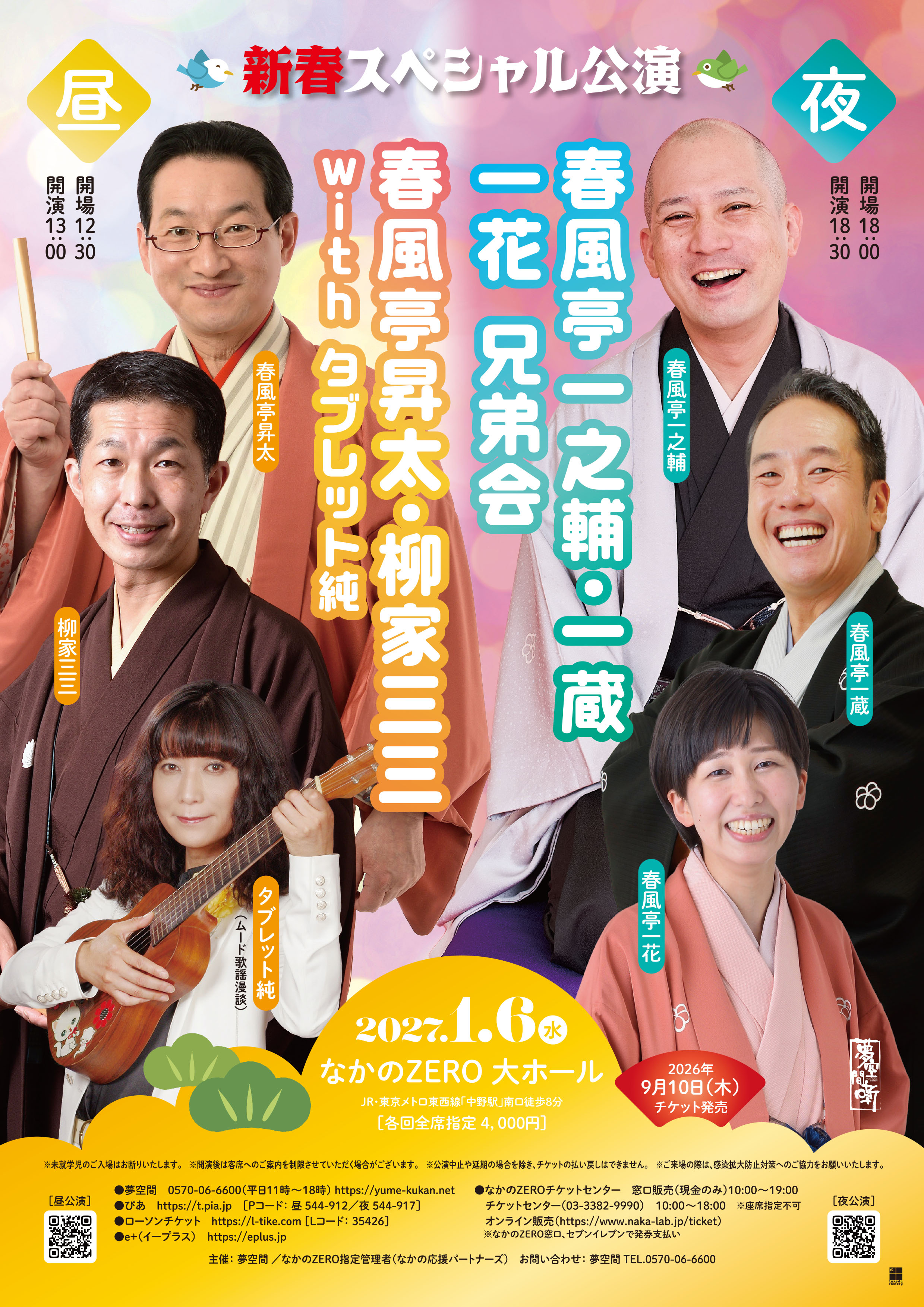
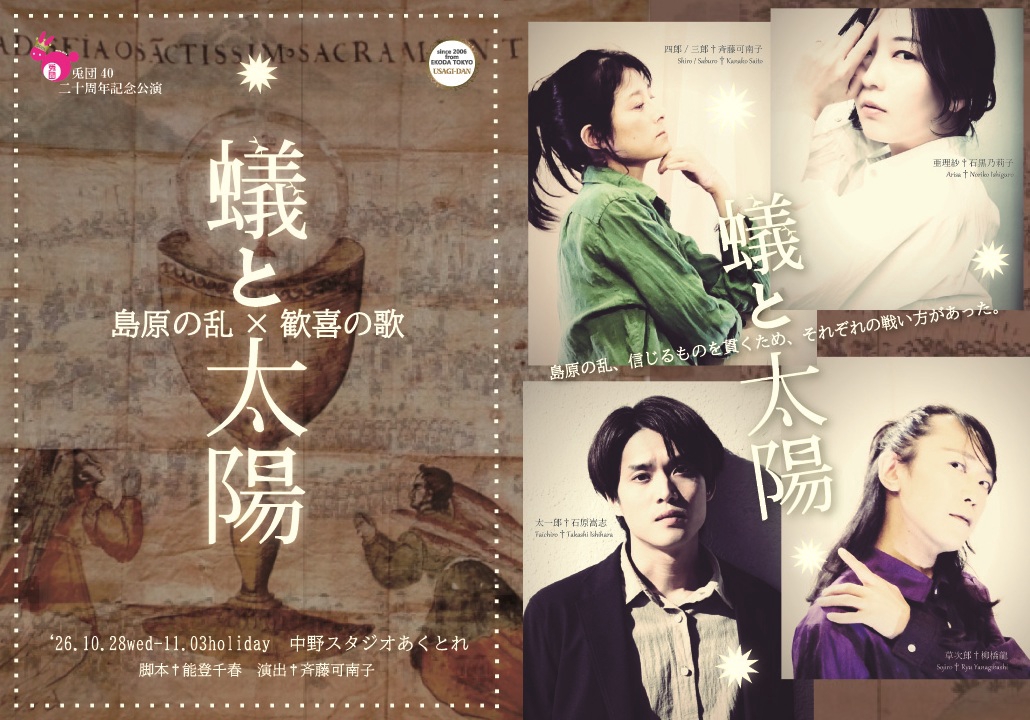
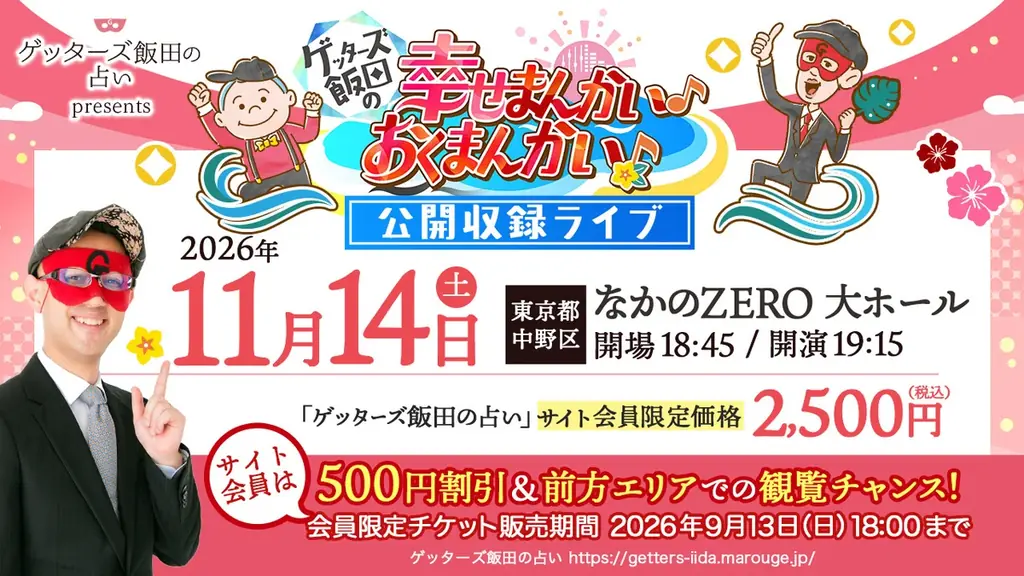
Nakano Zero, about eight minutes on foot from the south exit, is the ward's cultural centre, with a large hall of about 1,300 seats, a small hall of about 500 and a planetarium. Its programme runs from classical concerts, ballet and amateur orchestras to comedy, theatre and children's musicals, and it holds a classical music festival in autumn. Nakano also has small fringe theatres such as The Pocket and Terpsichore, where new plays and dance pieces run for a few days at a time.
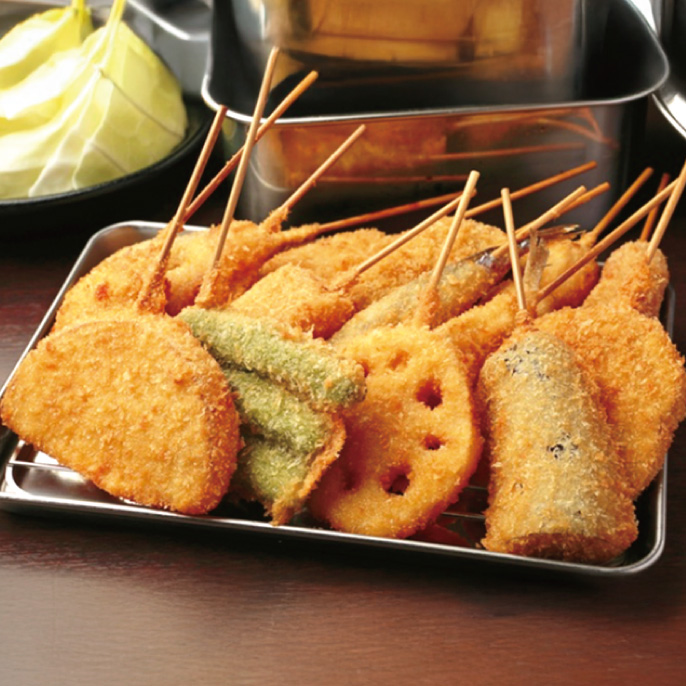
A good evening here goes like this: Broadway in the afternoon, then the lanes around Sun Mall for yakitori or ramen and a drink at a small bar. Many izakaya have only a counter and a few tables and fill up on Friday nights, so go early or be ready to try two or three. Trains run until around midnight, and Shinjuku is only a few minutes away if you want to carry on.
- Cash still helps in the smaller izakaya and bars around the station.
- Check which exit is closest to your venue: north for Broadway and the parks, south for Nakano Zero.
Getting there and nearby
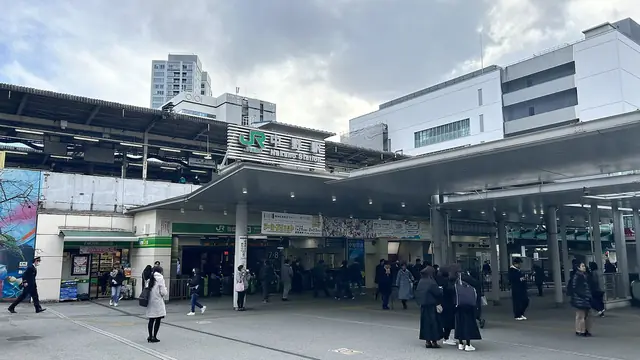
Nakano Station is on the JR Chuo Line, with both rapid and local trains, and the Tokyo Metro Tozai Line, which runs through to Otemachi and Nihonbashi. From Shinjuku the Chuo rapid takes about five minutes. Koenji, with its vintage shops, live houses and the huge Awa Odori dance festival in late August, is the next stop west. On weekends and public holidays Chuo rapid trains do not stop at Koenji, so take the yellow Chuo-Sobu local for that one stop.
Further west on the same line are Kichijoji and Inokashira Park, and to the east Shinjuku has Golden Gai, Kabukicho and the free observatory of the Metropolitan Government Building. For new anime goods and big stores rather than second-hand finds, Akihabara is about half an hour away on the Chuo-Sobu Line. Put together, Nakano, Koenji and Kichijoji make an easy day along the Chuo Line.