Trains and stations
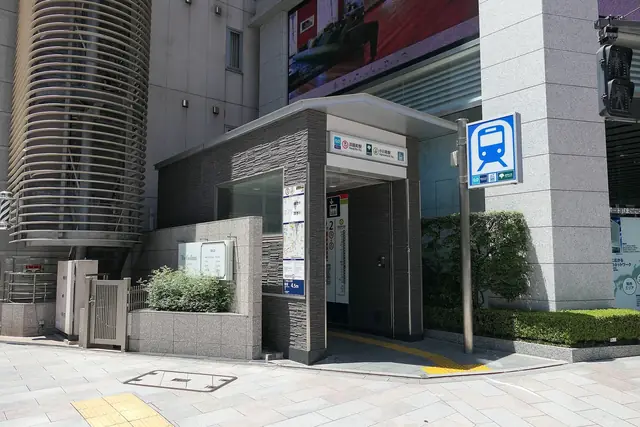
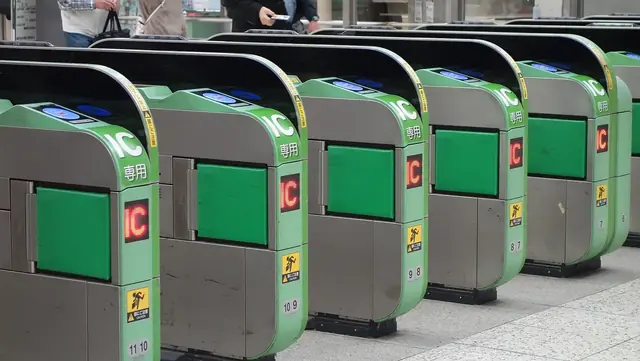
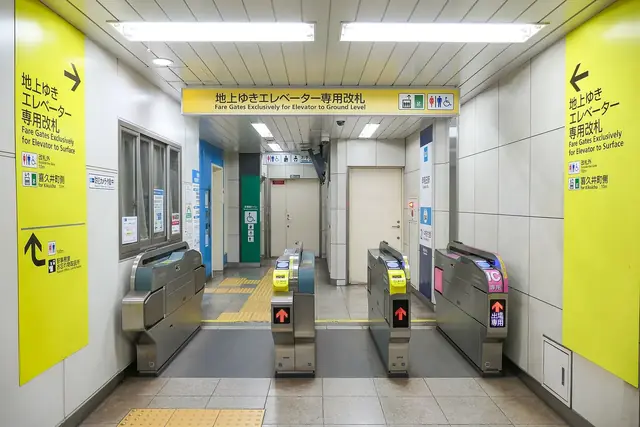
Almost every station in central Tokyo has at least one step-free route from the street to the platform. Toei Subway has put lifts in all of its stations, and Tokyo Metro's station pages show the step-free route and lift positions for each one. Ticket gates include at least one wide gate (on Toei lines, in every bank of gates), usually next to the staffed window. Lifts can be at only one exit or at the far end of a long platform, so before a big event look at the station map on the operator's website and find the exit you need.
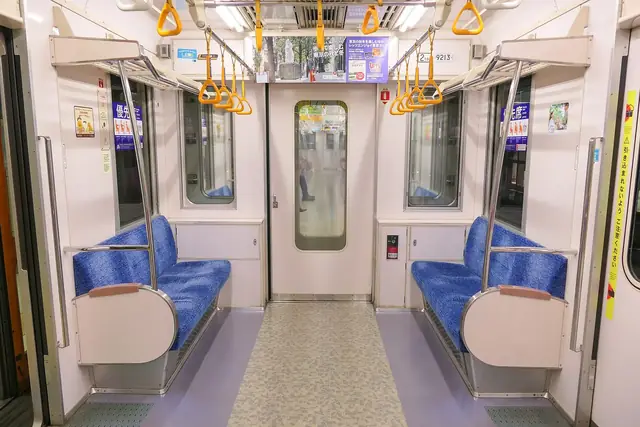
To board with a wheelchair, tell the staff at the gate where you are going. They bring a portable ramp, help you on, and phone ahead so someone is waiting with a ramp at your arrival or transfer station. It is free and needs no booking, but it can take a few minutes, and JR East asks wheelchair users to come a little early. Trains have spaces for wheelchairs and strollers, marked on the floor of the car and on the platform. Rush hour on weekday mornings and evenings is hard going, so travel outside it when you can.
- Say your destination station clearly, and the car you plan to ride if you know it. Staff call ahead so a ramp is ready.
- After a big event the nearest station gets packed. Waiting 30 to 60 minutes, or rolling to the next station, is often easier.
- JR East's limit for wheelchairs on its trains is about 70 cm wide and 120 cm long. Check in advance with a large power chair.
Toilets, priority seats and the Help Mark
Accessible toilets are easy to find in stations, department stores, shopping centres, museums and big parks. Signs say 多機能トイレ (multipurpose toilet), だれでもトイレ (toilet for everyone) or バリアフリートイレ, all with the familiar wheelchair pictogram. Many have grab rails, a baby changing table and an ostomate sink (オストメイト). Because one room serves many people, there can be a wait at busy times. At outdoor events the temporary toilets are mostly standard cabins with only a few accessible ones, so a station or department store nearby is often the better plan.
The Help Mark (ヘルプマーク) is a red tag with a white cross and heart. The Tokyo Metropolitan Government created it in 2012 and it is now used across Japan. People hang it on a bag to show they may need help or consideration that isn't visible: an artificial joint, an internal condition, early pregnancy. In Tokyo it is handed out at Toei Subway station offices and other public places. When people see one, they are meant to offer a seat on the train or ask if you need anything. Priority seats (優先席) are near the ends of each train car.
Concerts, stadiums, theatres and museums
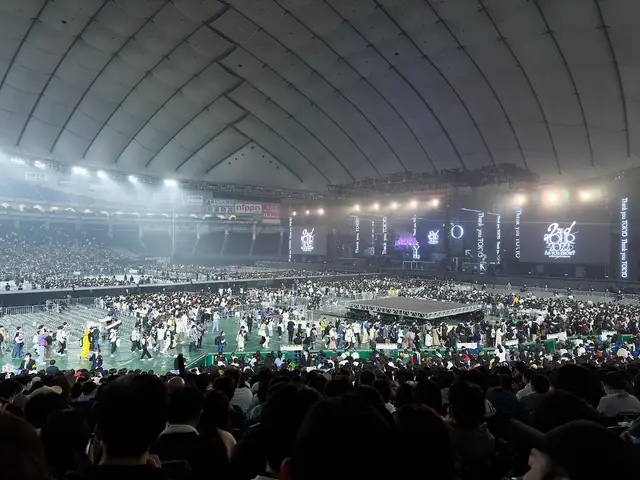
Big venues have wheelchair spaces, but they are rarely sold on the normal booking screen. The usual route is to buy a ticket and then apply for wheelchair seating (車いす席) through the ticket site or the organiser, often by a deadline before the show, and by lottery when demand is high. Look for 車いす席 or 障がい者席 (accessible seats) on the event's ticket page. Usually one companion can sit with you and others sit in their own seats, some organisers ask for proof on the day, and wheelchairs are not lent, so bring your own. Sumo at Ryogoku Kokugikan, for example, takes wheelchair seat bookings by phone on a dedicated line before the day.
Many museums waive admission for holders of a Japanese disability certificate and one or two companions. Whether a certificate from abroad counts depends on the museum, so ask at the counter or by email first. For films and some stage shows, the UDCast app gives audio description and captions on your phone; download the data for the title before you go. A few theatres offer captioning tablets or scripts for selected performances, listed on the show's page. If you need a wheelchair for a day, the Tokyo Tourist Information Center at Busta Shinjuku lends them.
- Apply for wheelchair seats as soon as you have a ticket. Deadlines can be weeks before the show.
- Email in simple English works with most organisers. Give the show date, your ticket number and your chair's width.
- Since April 2024 Japanese law requires businesses, event organisers included, to make reasonable accommodation. Asking for help is normal.
Festivals, fireworks and crowds
Street festivals and fireworks are the hardest part of the Tokyo calendar. Shrine festivals fill narrow streets and gravel grounds, and big fireworks shows close roads and send the crowd to the stations in slow one-way flows managed by police. Some large fireworks shows set aside a small wheelchair viewing area (車いす観覧エリア). If there is one, it is on the official page, usually with limited space and sometimes with an advance application.
Timing makes the biggest difference. Go early in the day or on the first day of a festival that runs over several days, watch a parade from a wider street near the start of the route, and leave before the final act. Big shrines and temples such as Sensoji and Meiji Jingu have worked on step-free routes, though long gravel paths can be heavy going in a manual chair. For sensory sensitivity, earplugs or noise-cancelling headphones help with taiko drums and fireworks, and weekday mornings are the calmest time at museums and long-running exhibitions.
- Look for a festival's daytime programme. Parades and shrine rituals in the afternoon are far less crowded than the evening.
- Pick events in big paved spaces, such as weekend fairs at Yoyogi Park's event square, when you want an easy day out.
Assistance dogs and useful resources
Japan's assistance dog law covers guide, mobility service and hearing dogs certified by Japanese organisations, and shops, restaurants, hotels and transport must accept them, although refusals still happen, mostly at small restaurants. Dogs trained abroad are not automatically recognised and are treated as pets, unless you get a temporary certificate through a Japanese certifying body. That route is open to dogs trained by members of the International Guide Dog Federation or Assistance Dogs International, and the health ministry advises starting about seven months before the trip because of quarantine rules. Emotional support animals are not recognised.
A few sites are worth bookmarking. Accessible Japan, run by Josh Grisdale, a wheelchair user who lives in Tokyo, reviews sights, transport and hotels in English. The Tokyo Metropolitan Government's Accessible Tourism Tokyo portal links its sightseeing accessibility guide, an accessible restaurant guide and other services. WheeLog is a map where wheelchair users share step-free routes and places. Operator websites show lifts and exits station by station, and every event in our listings links to its official page, where access details usually sit near the bottom.