The running year in Tokyo
Road race season runs from autumn to spring, roughly October to March, when the air is cool and dry. Summer is hot and humid, so in July and August races are fewer and shorter, and many runners switch to early mornings or night runs. Small races happen almost every weekend in the cooler months, from 5 km fun runs in parks to half marathons along the rivers.
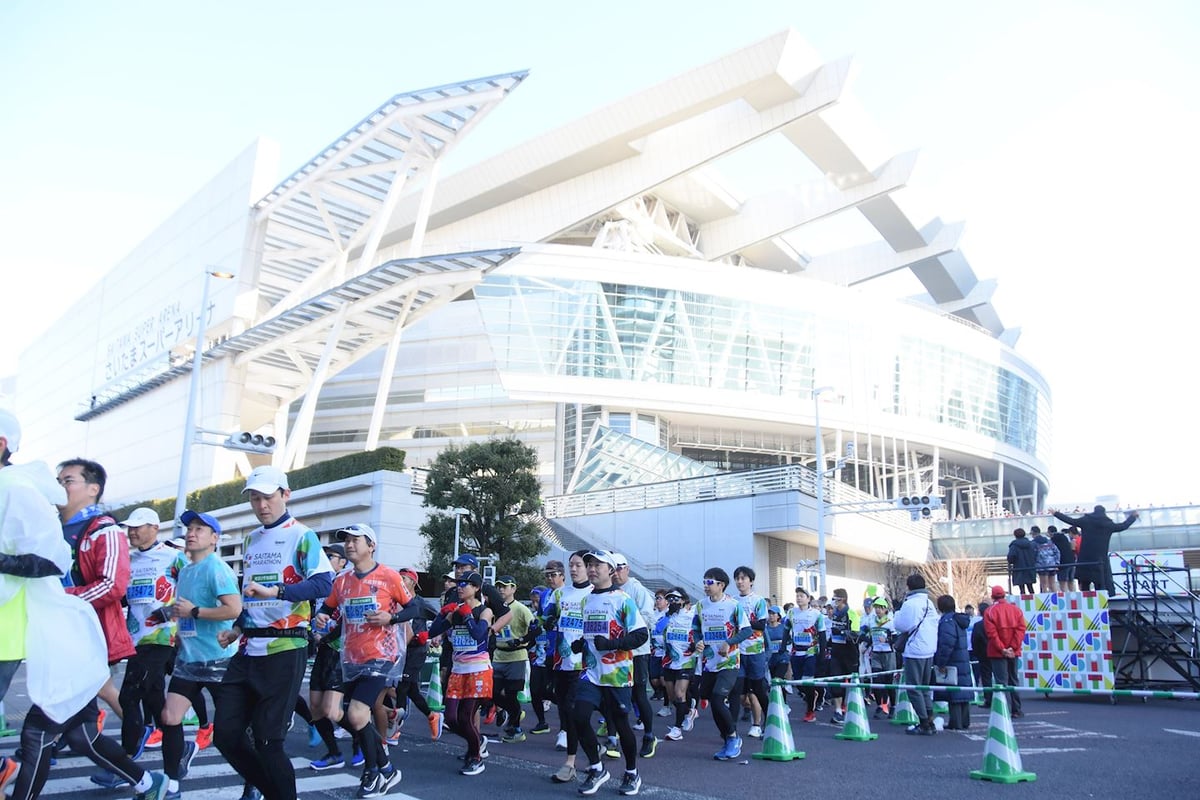
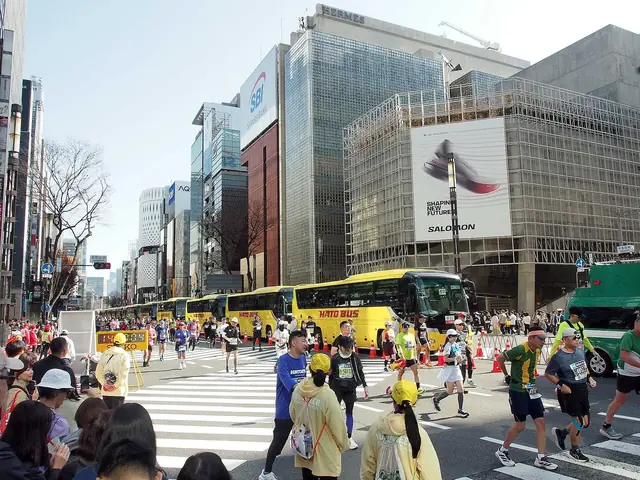
A few big dates anchor the year. The Tokyo Marathon, one of the World Marathon Majors, is usually held on the first Sunday of March, from the Tokyo Metropolitan Government Building in Shinjuku through Asakusa and Ginza to a finish near Tokyo Station. The Tokyo Legacy Half starts and finishes at the National Stadium (named MUFG Stadium since 2026) in October, on the course of the Tokyo 2020 Paralympic marathon. The Yokohama Marathon, usually in late October, closes sections of the Shuto Expressway to let runners through. In the mountains west of the city, the Hasetsune Cup in October is a 71.5 km mountain endurance race through Okutama with a 24-hour limit.
How race entry works
Most Japanese races take entries through RUNNET, the sign-up site run by the publisher of the magazine Runners, which handles well over a thousand races a year. Some organisers use other sites such as moshicom or Sports Entry. Pages are mostly in Japanese, so a browser translation helps. Four words matter: 抽選 (lottery), 先着 (first come, first served), 定員 (field cap) and 制限時間 (cutoff time). Popular first-come races can fill within hours of opening.
The Tokyo Marathon runs its own entry. The general lottery opens in late summer for the following March, and in recent years only around one applicant in ten has won a place. Other routes are charity entry, which comes with a required donation, a paid membership for runners based overseas, and official tour packages. If you get in, you collect your bib in person at the expo at Tokyo Big Sight in the days before the race, with photo ID. There is no pickup on race day.
- Make a RUNNET account before entry opens. On busy days the first minutes count.
- Check the cutoff times and checkpoints (関門) before you enter. Some races are strict about them.
Running the Imperial Palace loop
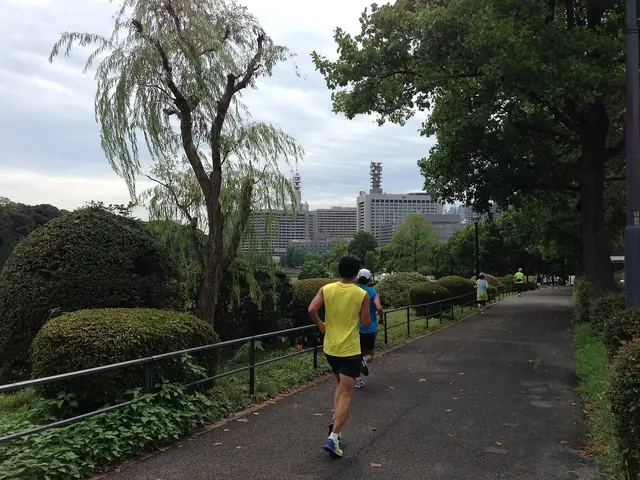
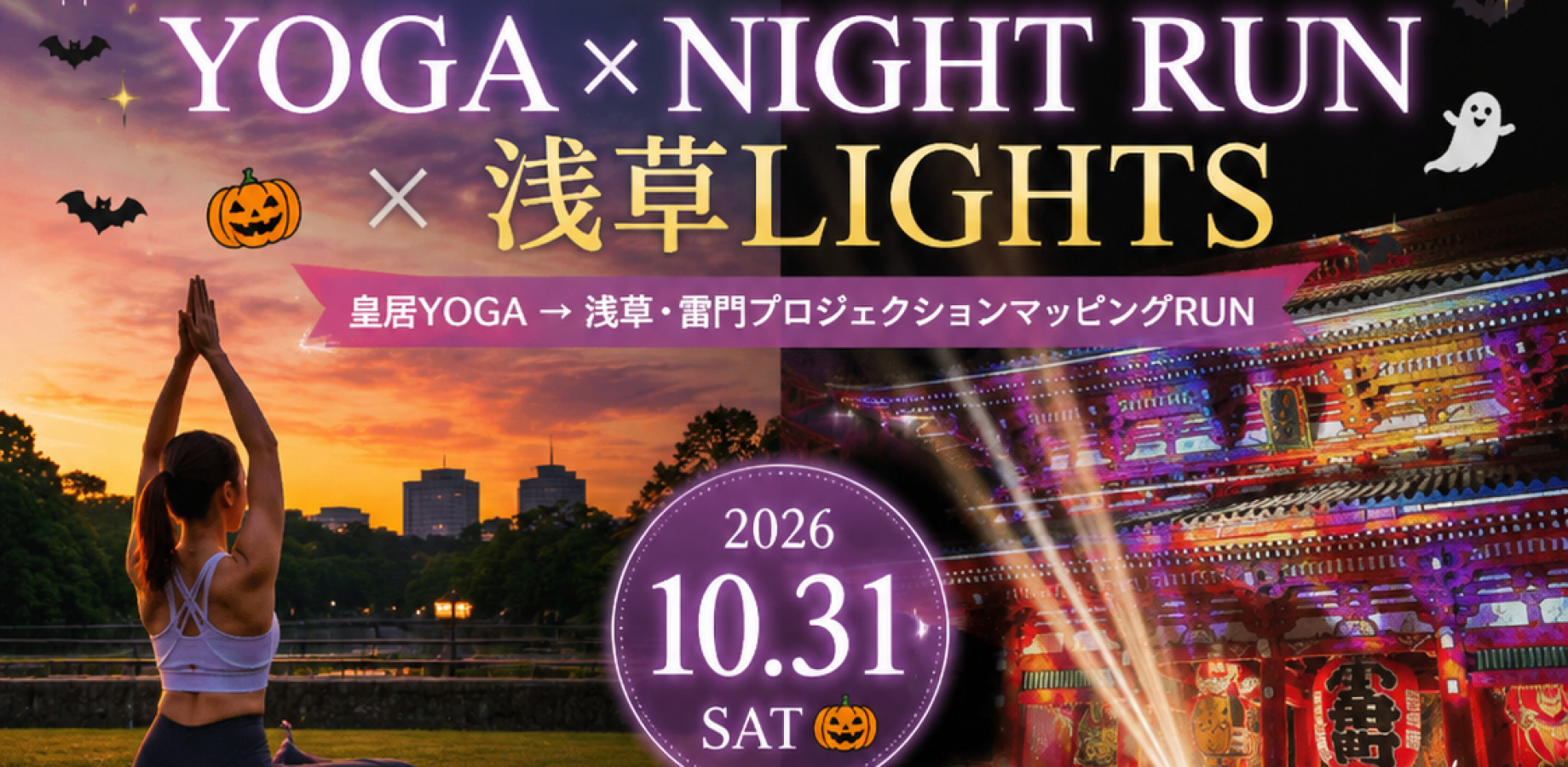
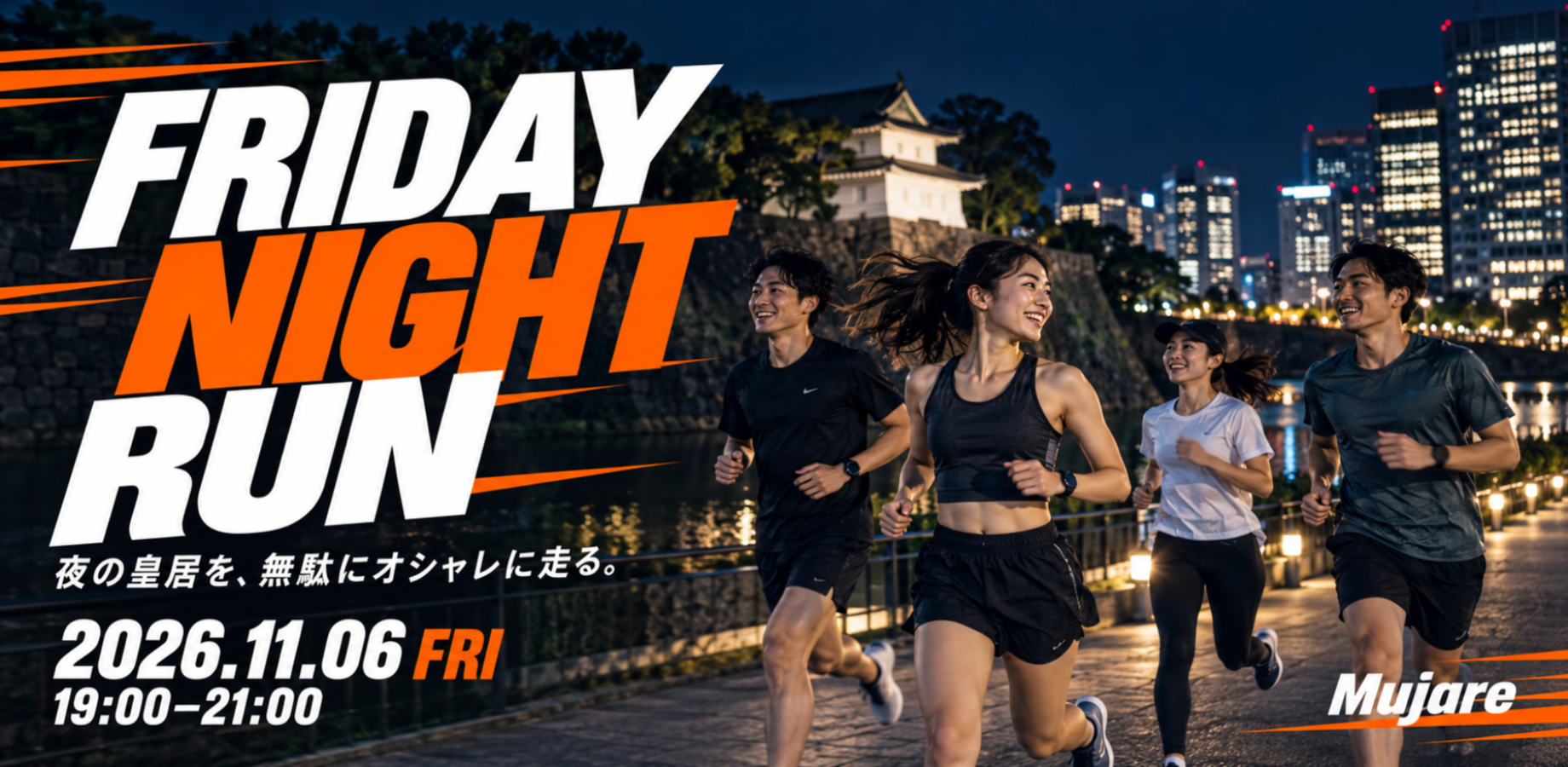
The loop around the Imperial Palace is about 5 km with no traffic lights and only gentle slopes, which makes it the most popular run in Tokyo. The custom is to run anticlockwise and keep to the left. You share the pavement with walkers and tourists, so run single file where it narrows and say sumimasen when you pass. Weekday evenings after office hours are the busiest time; early mornings are calm. There are water fountains and toilets along the way.
Runner stations near the course, such as JOGLIS near Hanzomon and others near Kojimachi and Nagatacho, rent lockers and showers for a fee, and some rent shoes and clothes, so you can come straight from work. Since 2013, organised group runs of 20 or more on weekends and holidays follow a set of local rules, so large group events at the palace are limited. Small timed races such as the long-running UP RUN series still use the loop regularly.
For other easy routes, Komazawa Olympic Park has a 2.1 km loop in the shade, the roughly 1.3 km loop around Meiji Jingu Gaien turns gold with ginkgo leaves in autumn, and the Sumida River path lets you run about 9 km from Asakusa to Tsukishima past the bridges.
- In summer, run before 7am or after dark and carry water. Heatstroke is a real risk in July and August.
Trail running: Takao and Okutama
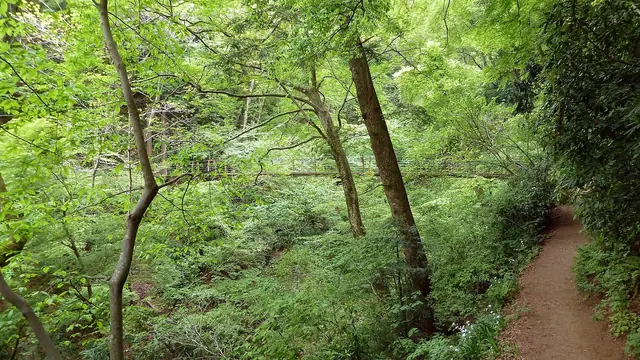
Mount Takao is the easy way into the mountains, about an hour from Shinjuku on the Keio Line, with well-kept trails. It is also one of the most climbed mountains in the world, so on weekends and in the autumn leaf season the main trails are packed with hikers. Run on weekdays if you can, slow to a walk when you pass people, and give way to hikers on narrow sections.
Okutama, further west, has longer and rougher trails and is where the Hasetsune Cup is held. Asian black bears live in these mountains. In recent years Tokyo has published a sighting map (TOKYO Kumap) and closed some trails after bear attacks, so check it before you go, carry a bell, and avoid running alone at dawn and dusk. Carry a headlamp, more water than you think, and the time of the last bus or train out of the valley.
- Check trail closures with Okutama town or the Tokyo government before a long run.
- Many trail races require mandatory gear such as a headlamp, rain jacket and emergency blanket. Read the list.
Watching the big races
Watching the Tokyo Marathon is free. Asakusa near Kaminarimon and the long straights of Ginza draw the biggest crowds, and roads along the course close for hours, so crossing the route can take time. Bring a sign, find a spot early and cheer by name if a runner has it on their shirt.
The Hakone Ekiden is Japan's favourite race to watch. On January 2 university teams from the Kanto region run from Otemachi, in front of the Yomiuri Shimbun building, to Lake Ashi in Hakone, and on January 3 they run back. More than a million people line the route, and millions more watch on TV. Stand behind the barriers, never step into the road or run alongside the runners, keep dogs on a short lead, and take your rubbish home. It is cold and you will wait a while, so dress warmly.
- The start in Otemachi gets crowded well before the morning start. A spot further along the course is easier.
- Runners pass in seconds. Check the live broadcast or race app to know when they are coming.