Free parks, paid gardens and what that means
Most big parks in Tokyo are metropolitan parks run by the city: free, open around the clock, dogs welcome on a lead, and few rules beyond common sense. Three of the best-known places work differently. Showa Kinen Park is a national government park with gates, opening hours and an entrance fee (450 yen for adults as of 2026, free for junior high school students and younger). Shinjuku Gyoen is a national garden with a 500 yen fee as of 2026, a ban on alcohol, no pets and no ball games. Jindai Botanical Garden also charges 500 yen as of 2026, closes on Mondays and does not admit dogs.
Size matters. Showa Kinen has about 170 hectares open, roughly nine tenths of the planned site. Inside the 23 wards the largest metropolitan park is Mizumoto at about 97 hectares, followed by Kasai Rinkai (81), Toneri (65), Hikarigaoka (61), Yoyogi (54) and Komazawa Olympic Park (41). In a park that big you can find a corner to yourself even on a sunny Sunday, as long as you walk ten minutes away from the gate nearest the station.
- Most parks have few bins and some have none. Whatever park you choose, bring a bag for your rubbish.
Big lawns, picnics and BBQ
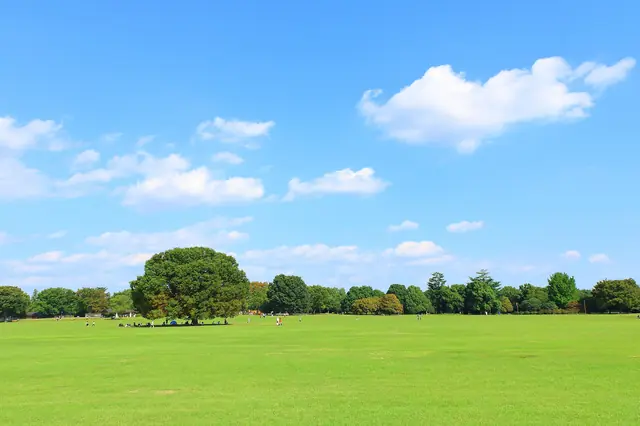
For a long lazy day on the grass, Showa Kinen's Minna no Harappa is the benchmark: one open lawn with a single great zelkova tree in the middle, so wide that the city disappears. The nearest entrance is the Nishi-Tachikawa Gate, two minutes from JR Nishi-Tachikawa Station on the Ome Line. Closer to the centre, the Central Lawn of Yoyogi Park is the easiest picnic in the city, three minutes from Harajuku, though it gets busy and Yoyogi does not allow tents, tables or chairs. Out west, Nogawa Park, once a university golf course, and its neighbour Musashino Park have rolling lawns along a shallow river where children paddle in summer.
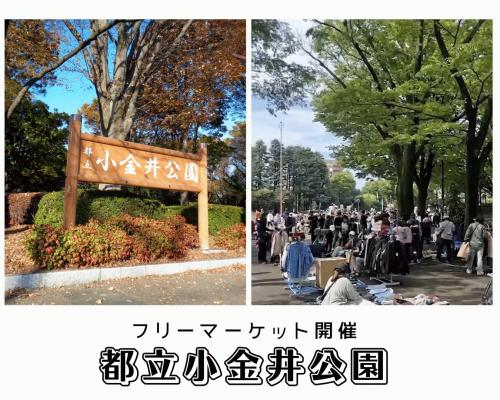
Barbecue is allowed only in booked BBQ areas, never on an ordinary lawn. Among the parks on this page you can grill at Kasai Rinkai, Kiba Park, Toneri, Mizumoto, Hikarigaoka, Nogawa, Musashino and Koganei, and at the BBQ Garden in Showa Kinen. The metropolitan BBQ sites are free to use but must be booked ahead, and most offer hands-free sets with food and grills ready. Yoyogi, Ueno, Inokashira, Kinuta and Komazawa have no BBQ areas. Booking windows and rules are on our picnics and BBQ page.
- For an evening BBQ, Kasai Rinkai has slots from 5pm to 9pm every day in July to September and during Golden Week, and on weekends and holidays in June and October. Kiba has a 5pm to 8pm slot on Saturdays from April to October.
Kids, bikes and running
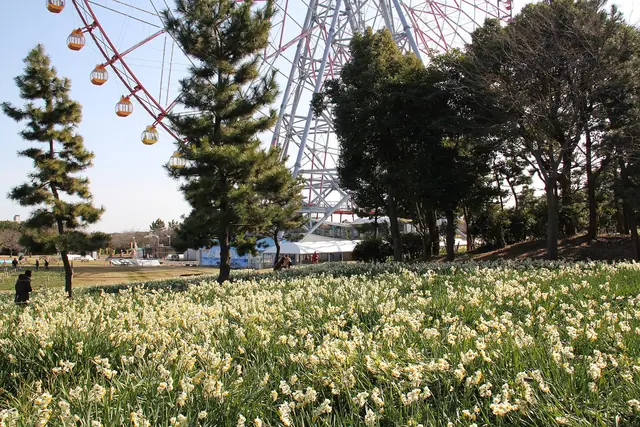
With children, Showa Kinen is the day out most Tokyo families know: a huge play forest with trampoline domes, a mist forest in the warm months, a park train, and a cycling course of about 14 km where walkers are not allowed, with rental bikes including child seats and tandems. Kasai Rinkai pairs the aquarium (closed on Wednesdays) and a big Ferris wheel with a sandy beach on the bay, one minute from Kasai-Rinkai-Koen Station on the JR Keiyo Line. Toneri Park, right by Toneri-koen Station on the Nippori-Toneri Liner, has a shallow paddling pond in summer, and Mizumoto has an adventure playground under the trees.
For cycling inside a park, the city rents bikes at Komazawa Olympic Park, Yoyogi and Koganei, though Koganei's cycling centre is closed for renovation from December 28, 2026 to March 1, 2027. Komazawa, 15 minutes on foot from Komazawa-daigaku Station, is also Tokyo's classic running park, with a marked loop of about 2.1 km around the 1964 Olympic venues and a separate lane for bikes. At Kinuta Park the Family Park is a lawn for young children where bikes and dogs are not allowed, and Hikarigaoka and Kiba both have big playgrounds a short walk from the subway.
- While the winter illumination runs at Yoyogi, the cycling course there closes in the evening, so ride in daylight.
Flowers, cherry blossoms and autumn colour
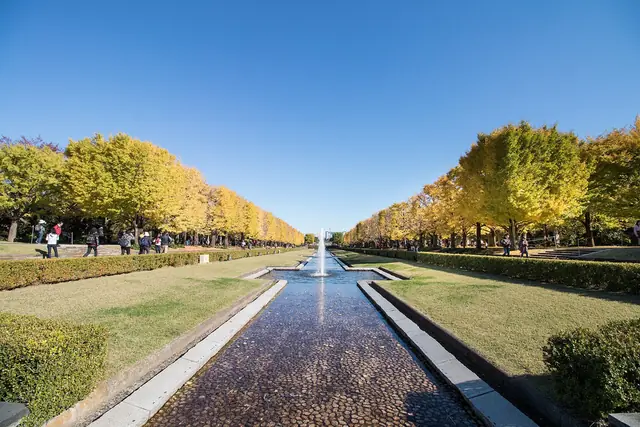
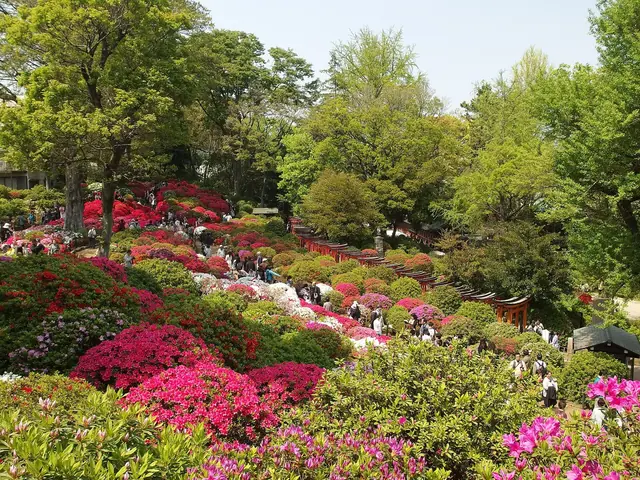
Showa Kinen plants by the season on a scale nobody else matches: tulips along the stream garden in April, a hillside of cosmos from September into October, and the ginkgo avenue beside the long canal, usually best in mid November. Shinjuku Gyoen has the longest cherry season in the city, from early varieties in winter to double blossoms in late April, then chrysanthemums in the first half of November. Jindai Botanical Garden is the place for roses, in mid to late May and again in October, with plum, azalea and peony in between.
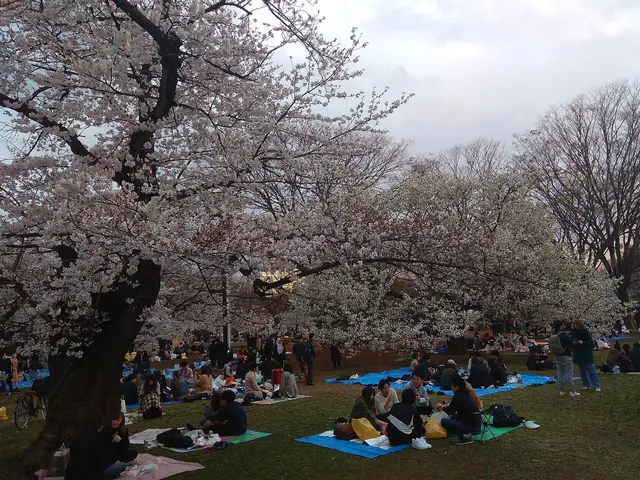
In the east, Mizumoto has an iris garden that peaks in early to mid-June and a metasequoia forest that turns rust red in late November and early December. Hikarigaoka is known for its long ginkgo avenue in November, and Kasai Rinkai has narcissus by the sea in January and February, an early start to the flower year. For cherry blossoms with a party, Ueno and Inokashira are the classics. For cherry blossoms with room to spread out, try Kinuta, Toneri, Koganei or the lawns of Showa Kinen.
- Flower timing moves with the weather by a week or more. Showa Kinen and Jindai post bloom updates on their sites; check them the day before.
The famous central parks: crowds and culture
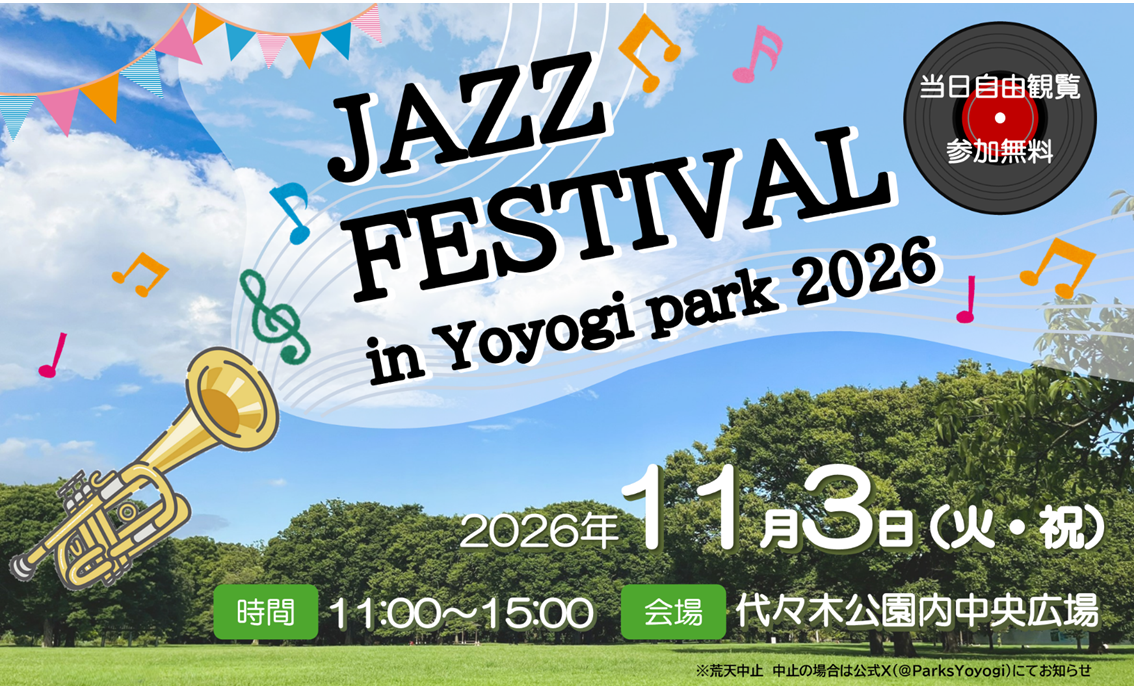
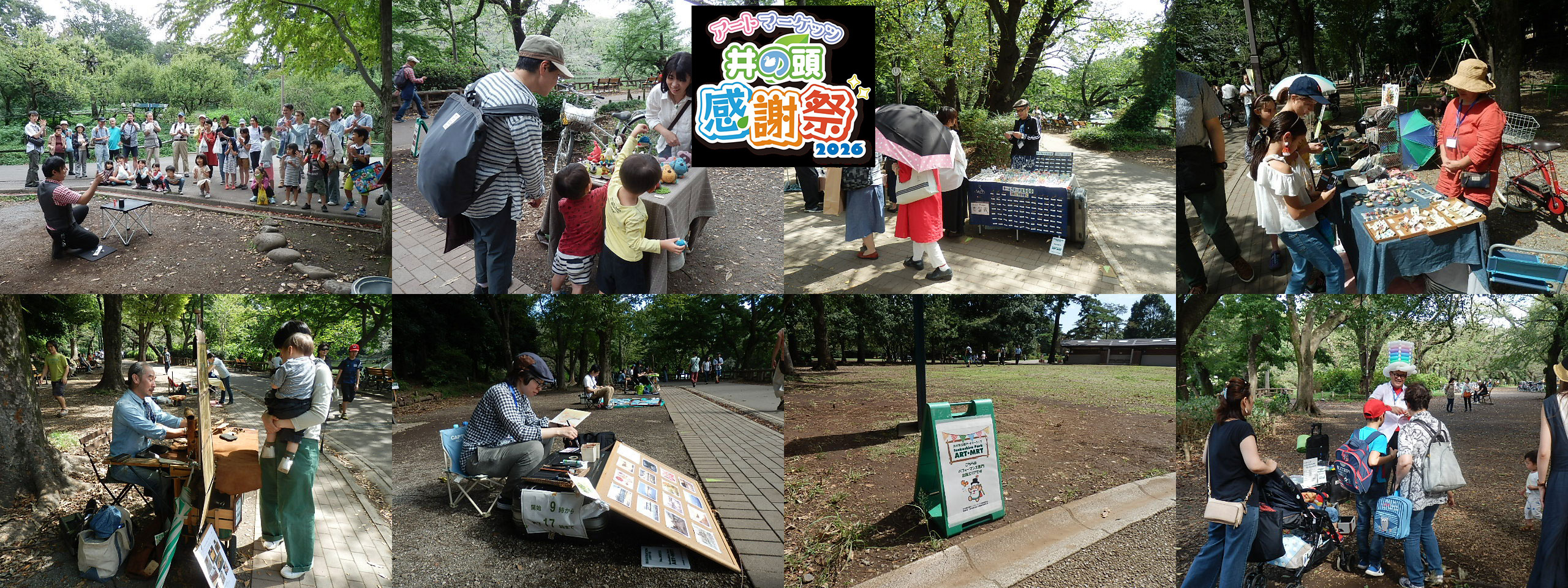
Yoyogi is the city's front lawn: festival weekends at the Event Plaza, dancers and musicians on Sundays, a huge hanami crowd in spring. The fountain area in the middle has been under reconstruction, planned to finish around autumn 2026, so parts may still be fenced off. Ueno Park is less a place for lying on grass than for museums, the zoo and Shinobazu Pond, and its cherry avenue becomes a one-way walkway at peak bloom. Inokashira Park, five minutes from Kichijoji Station, has rowing boats on a pond lined with cherry trees and the Ghibli Museum in its western woods.
Thanks to its fee and rules, Shinjuku Gyoen is the calmest of the central parks, and on a weekday morning it feels almost private. Hibiya Park is small next to the others, but it sits between Ginza and the Imperial Palace and its lawn is the easy choice for an office-district lunch.
Quiet and further out
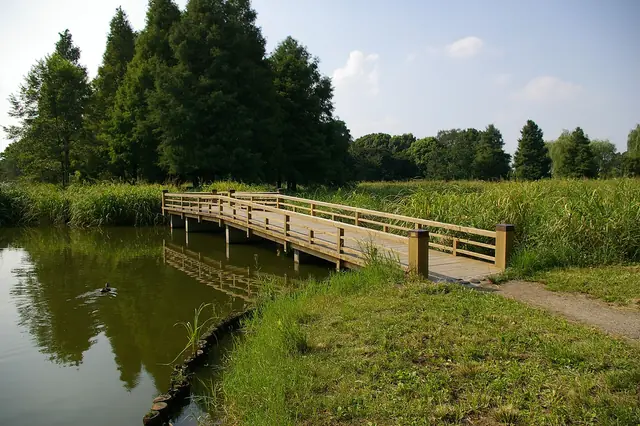
If you want room rather than a scene, head to the edges. Mizumoto, on the border with Saitama, is the only park in Tokyo laid out as a water village, with creeks, rows of poplars and a bird sanctuary; take a bus from Kanamachi Station and walk about seven minutes from the stop. Toneri and Hikarigaoka, eight minutes from Hikarigaoka Station on the Oedo Line, are big, flat and mostly local. Kiba Park, ten minutes from Kiba Station, is smaller but has the Museum of Contemporary Art Tokyo inside and a cable-stayed footbridge with a view of the Skytree.
In the west, Nogawa and Musashino feel almost rural, 15 minutes on foot from Shin-Koganei or Tama on the Seibu Tamagawa Line, with a nature observation garden beside the river. Pair Jindai Botanical Garden with soba at Jindaiji temple next door, and Inokashira with the cafés of Kichijoji. Kinuta Park, 20 minutes on foot from Yoga Station, is a wide lawn park next to the Setagaya Art Museum. After a tree fell there, parts of the park have been closed for tree checks, and some areas were still fenced off in autumn 2026, so look at the latest notice before you go.