What Shichi-Go-San is
The custom grew out of old rites of passage at a time when many children did not survive early childhood, so reaching three, five or seven was worth marking. At three, both boys and girls traditionally celebrated letting their hair grow out (kamioki). At five, boys put on their first hakama trousers (hakamagi). At seven, girls switched from a simple cord to a proper obi sash (obitoki). Odd numbers are considered lucky in Japan, which is part of why these three ages stuck.
Today most families celebrate girls at three and seven and boys at five, and in the Tokyo area many boys are celebrated at three as well. Some families count the old way, by kazoedoshi (where a baby is one at birth), and others use the child's actual age, so you will see a range of sizes. The core of the day is a visit to a shrine, often with a short prayer ceremony inside, followed by family photos and a meal.
Where families go in Tokyo
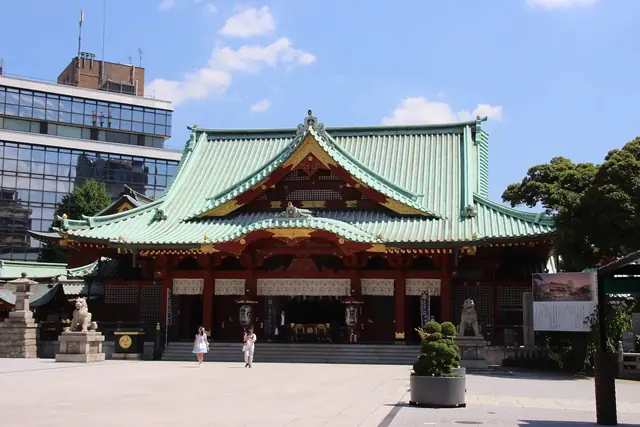
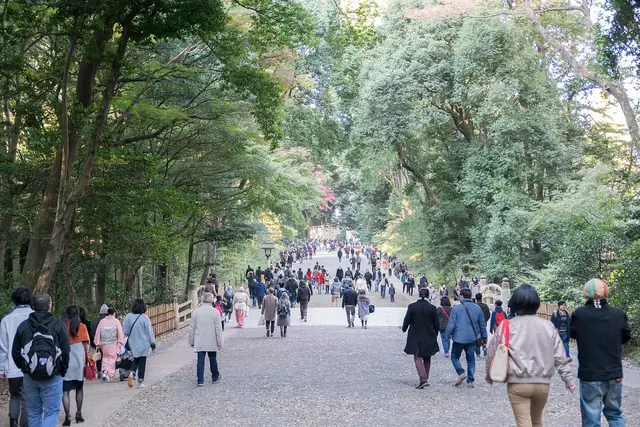
Meiji Jingu near Harajuku is the biggest: on November weekends the long gravel approaches are full of families, and prayers are held in the Kagura-den hall without advance booking. Kanda Myojin near Akihabara and Hie Shrine in Akasaka are two other central shrines where families come in large numbers, and both offer Shichi-Go-San prayers. Plenty of families simply go to their local neighbourhood shrine, where it is calmer and the priests may know them by name.
A prayer ceremony is booked at the shrine office on the day at most big shrines. You fill in a form, pay an offering called hatsuhoryo, and wait to be called in with other families. Afterwards the child usually receives a charm, chitose ame candy and sometimes a small gift. Some Buddhist temples also hold prayers for Shichi-Go-San.
- Families visiting Tokyo with a child of the right age can join in. Prayers are open to anyone, and kimono is not required.
- The prayer halls are for families taking part. Visitors can watch the comings and goings from the grounds, not from inside.
Chitose ame and kimono
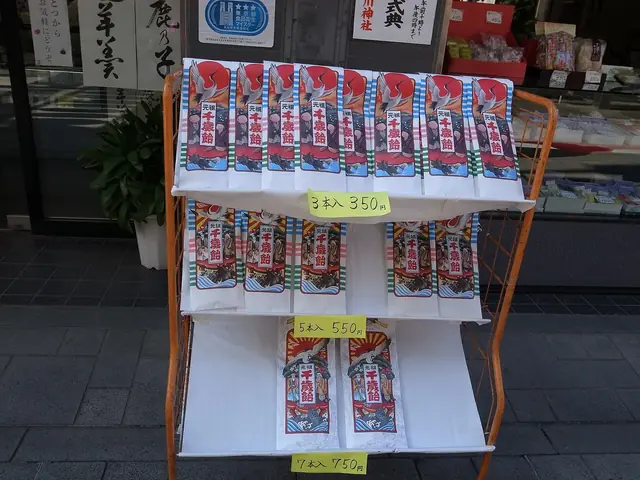
Chitose ame, thousand-year candy, is the symbol of the day: a long, thin stick of red and white sugar candy, sold in a paper bag printed with cranes, turtles, pine and bamboo, all symbols of long life in Japan. The length stands for a long life. The candy is usually traced back to the Edo period, with a candy seller in Asakusa often named as its origin, though there are several stories. Shrines give it to children after the prayer, and confectioners sell it in the season, so it is easy to pick up as a souvenir.
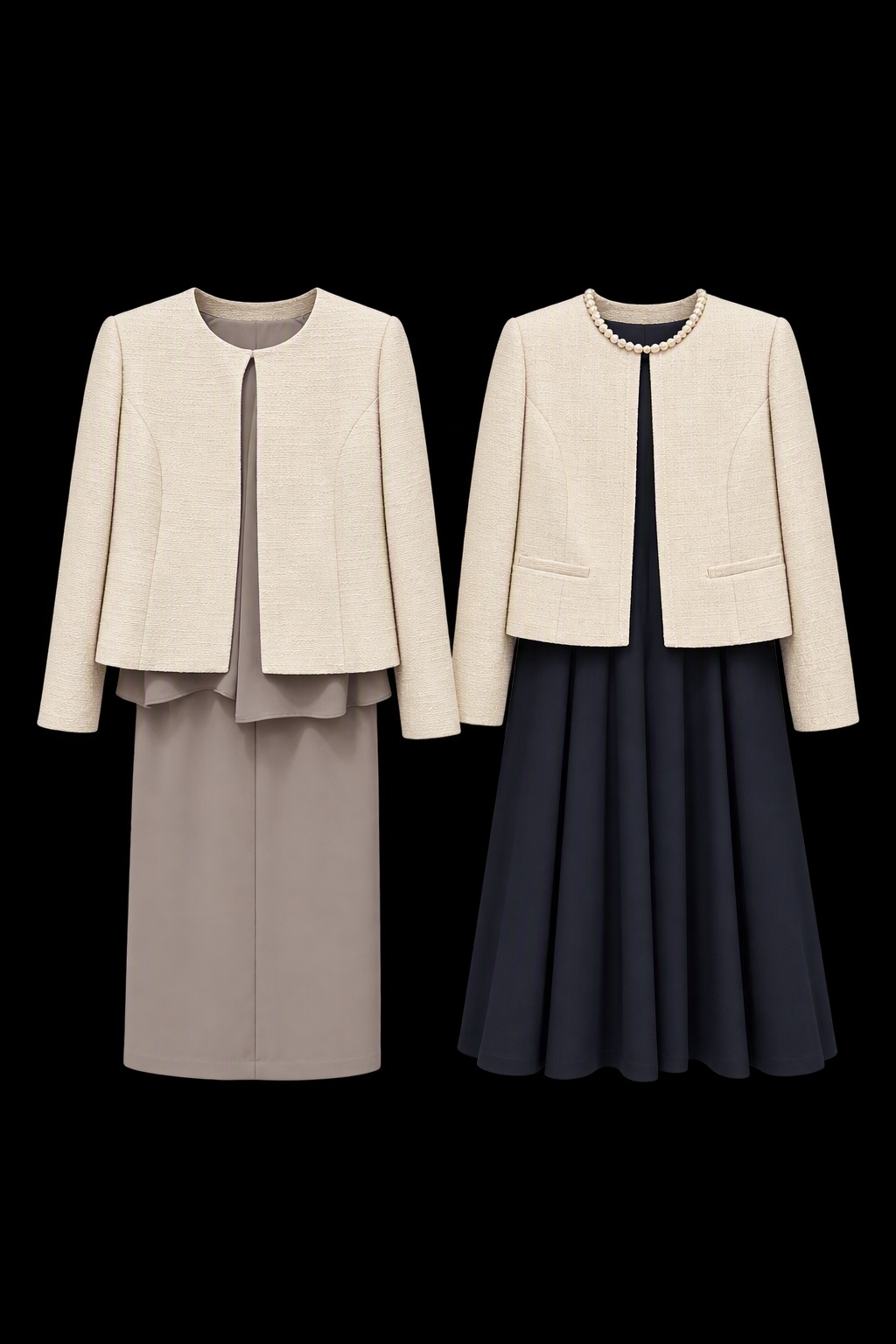
Seven-year-old girls usually wear a full kimono with an obi, often in bright reds and pinks. Three-year-olds wear a kimono with a padded sleeveless vest (hifu) on top, which is easier for small children. Five-year-old boys wear hakama with a crested haori jacket. Many children wear Western dresses or little suits instead, and that is completely normal too. Most families rent rather than buy, either from a photo studio package or from a kimono rental shop that also does the dressing and hair.
When families go and how busy it gets
November 15 is the official date, but it is rarely a holiday, so most families go on a weekend from mid-October to late November. The busiest days are the weekends around November 15, public holidays and days marked taian (the luckiest day in the traditional six-day calendar). At Meiji Jingu late morning to mid-afternoon is the peak, and the wait for a prayer can stretch to about an hour.
If you want to see families in kimono, a sunny November weekend at a big shrine is when you will see the most. If you are celebrating with your own child, a weekday or late afternoon is much calmer, and October is less busy than November.
- Small children tire quickly in kimono and zori sandals. Bring their own shoes for the walk back and a snack.
- November days are usually mild and dry, but it gets cool in the shade by late afternoon. Bring a cardigan for the child.
Photos and etiquette
Many families book a photo studio for Shichi-Go-San, and studios run rental kimono, hair and photo packages. A lot of families do the studio photos in advance (maedori), often in summer or early autumn when studios are quieter and cheaper, and then visit the shrine on the day in lighter clothes. Autumn weekend slots at studios are often booked months ahead. Some families hire a location photographer for the shrine visit. Shrines have their own rules: Meiji Jingu, for example, asks families not to bring a hired professional photographer, and other shrines ask professional photographers to get permission first.
If you are a visitor, remember that these are other people's children on a private family day. Do not photograph children without asking the parents first, and if you are not sure, simply don't. Never post identifiable photos of strangers' children online. Give families space at the torii and in front of the main hall, where they wait to take their photos, and keep paths clear for prams and grandparents.
- If a child ends up in the background of your photo, crop or blur them before sharing.
- Don't ask children to pose or hand them anything. A smile at the parents is enough.
- No photos inside prayer halls or during ceremonies, unless staff say it is fine.