Yukata or kimono, and when people wear them
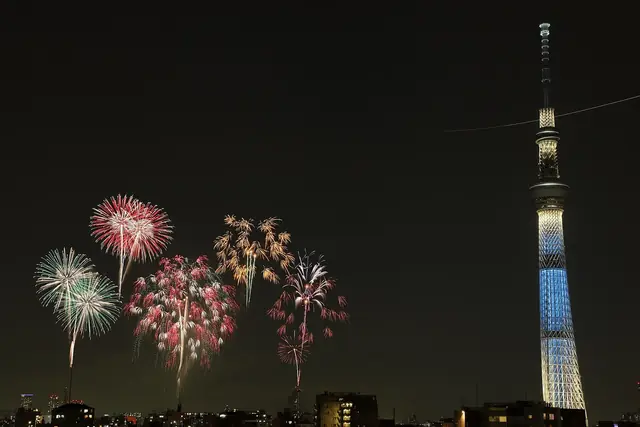
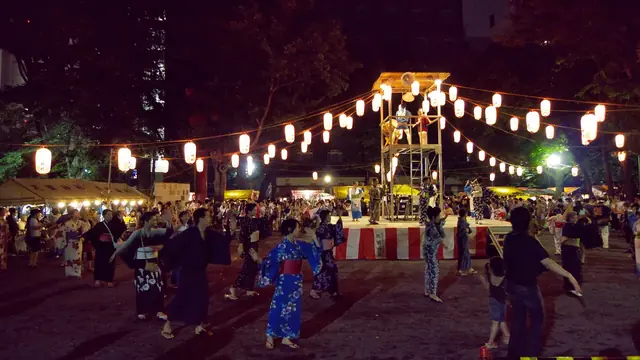
A yukata is an unlined cotton kimono made for hot weather. It is worn without the layers of underkimono, with bare feet in wooden geta, and tied with a simpler obi. That is why it is the uniform of summer festivals, fireworks and Tanabata, roughly from late June to the end of August. A full kimono is lined, layered and worn with white tabi socks, and you see it at New Year visits to shrines, Coming of Age Day, weddings and Shichi-Go-San.
One thing to know: the cotton robe you get in a ryokan or hotel is also called a yukata, but it is meant for the building and the hot spring town. Do not wear the hotel one on the train to a fireworks show.
Renting or buying
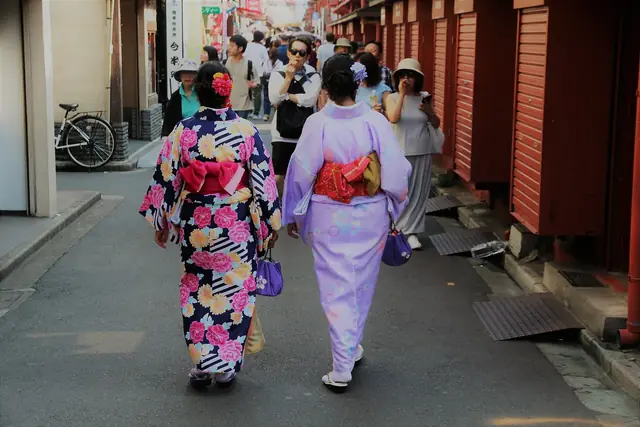
Renting is the easiest first time. There are many kimono and yukata rental shops around Asakusa, and more in Harajuku and other tourist areas. A typical plan includes the yukata, obi, geta and a small bag, staff dress you and often do your hair for an extra fee, and you return everything the same evening. Book ahead for the weekends of the big fireworks shows, and check the return time, because shows can end after the shop closes; some shops let you return the next day.
There are also delivery rentals that post a full set to your hotel and include a return bag, which is handy if you will dress yourself. Buying is cheaper than you might think: from late spring, department stores, shopping centres and big clothing chains sell sets of yukata, obi and geta, and second-hand kimono shops have yukata for little money. A set you own lets you wear it to several festivals.
- If you have broad shoulders or are tall, mention it when you book. Rental shops keep only a few long sizes.
- Ask the shop to show you how to retie the obi in case it slips during the evening.
Putting it on: left over right, and the obi
The one rule everyone should know: the left panel goes over the right. As you look down at yourself, the right side is wrapped against your body first and the left side lies on top, so you could slip your right hand into the front fold. Right over left is how the dead are dressed for a funeral, so getting it backwards is the mistake people will gently point out. Men and women close it the same way.
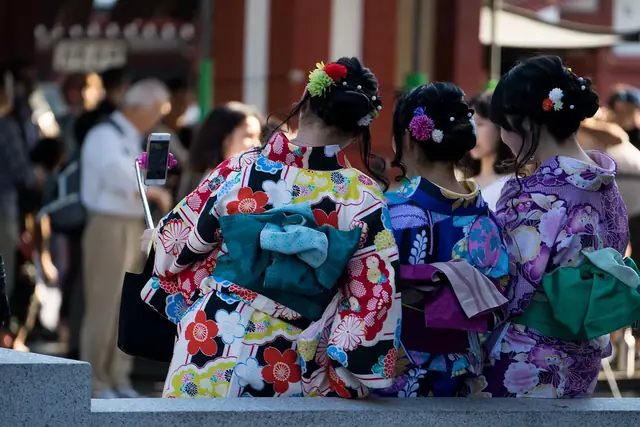
For women the yukata is usually longer than your height; the extra is folded at the waist into a neat tuck called ohashori, held with cords, and then the wide obi goes on high around the waist, often tied in a bow at the back. Men wear it ankle length with no tuck, and tie a narrow stiff obi, or a soft one called heko obi, low on the hips rather than at the waist. Pull the collar slightly back from the neck for women; for men it sits closer.
Children wear small yukata tied with a soft heko obi, and many boys, and girls too, wear jinbei instead: a two-piece set of a wrap top tied with strings and shorts, cool and easy to move in. Jinbei are also a comfortable choice for men who want the look without the robe.
- Wear a thin undershirt and shorts, or a slip, under the yukata. Cotton gets damp in the heat and can turn see-through under bright lights.
- Check left over right in a mirror before you leave, then forget about it.
Geta, blisters and what to carry
New geta are the usual reason a nice evening ends early. The thong between the toes rubs, and you will be standing and walking for hours. Before you go out, gently stretch and soften the cloth strap with your hands, wear them around the room for a while, and stick plasters between your first two toes in advance rather than after it hurts. Many people carry a pair of flat sandals in their bag for the walk back to the station.
Yukata have no pockets. Women usually carry a kinchaku, a drawstring cloth bag, or a small basket bag; men often tuck a slim wallet into the obi or the sleeve. A folding fan (sensu) or a round paper fan (uchiwa) is both useful and part of the look, and paper fans are often handed out free at festivals. For hair, putting it up so the back of the neck shows is the classic style, with a simple pin or ornament.
- Pack plasters, tissues, wet wipes, a small towel and coins in the kinchaku. Keep your IC card where you can reach it quickly.
- Geta are loud on hard floors and slippery on wet stone. Take short steps.
Heat, rain, toilets and wearing it as a visitor
Yukata are cooler than jeans, but summer nights in Tokyo are hot and humid, so drink often and step into shade. If rain is forecast, wear the yukata only if you are fine with getting it wet: cotton stains when splashed, and geta get slippery. Check whether the event says it is cancelled in rain (雨天中止) before you dress.
The toilet is easier than it looks. In a Western-style cubicle, open the front panels from the bottom, gather them up together with the sleeves, and hold them against your chest or tuck the hem into the obi for a moment. Go before the crowds arrive, because the queues at fireworks shows are long and you will want time.
Visitors in yukata are welcomed in Tokyo, and nobody expects perfection. Wear it with the same care Japanese people do: closed left over right, obi straight, and avoid sitting on dirty ground in a rental. If an older person fixes your collar or obi without asking, take it as kindness.