What Ryogoku is like
Ryogoku sits in Sumida ward, just across the river from Asakusabashi and a short ride from Akihabara. The name comes from Ryogoku Bridge, which people called that because it joined two old provinces, Musashi and Shimosa, and which took the name officially in 1693. In the Edo period sumo bouts were held at Eko-in, a temple a few minutes south of the station, and that is how the area became the home of the sport. Today it is a calm mix of offices, flats and low-rise shops, and it changes character completely during a tournament, when coloured banners with wrestlers' names line the street to the hall and wrestlers in yukata walk past the station.
The old station building by the West Exit of JR Ryogoku Station now holds Edo NOREN, a food hall built like an Edo townhouse around a full-size sumo ring. It has a chanko restaurant, soba, sushi and monja, plus a tourist information desk for the area, and it is open into the evening, which makes it a useful first stop.
Sumo at the Kokugikan and the stables
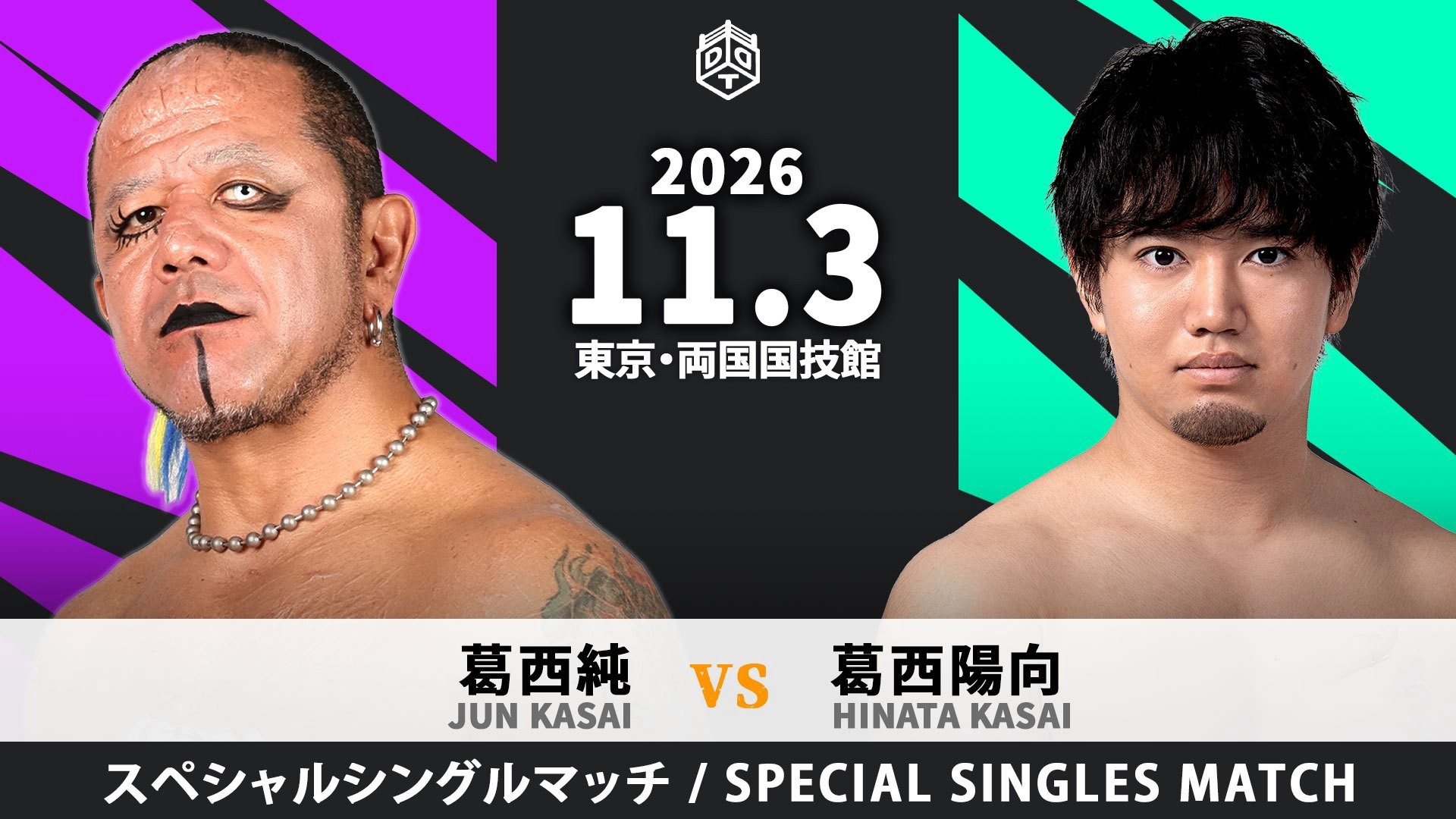
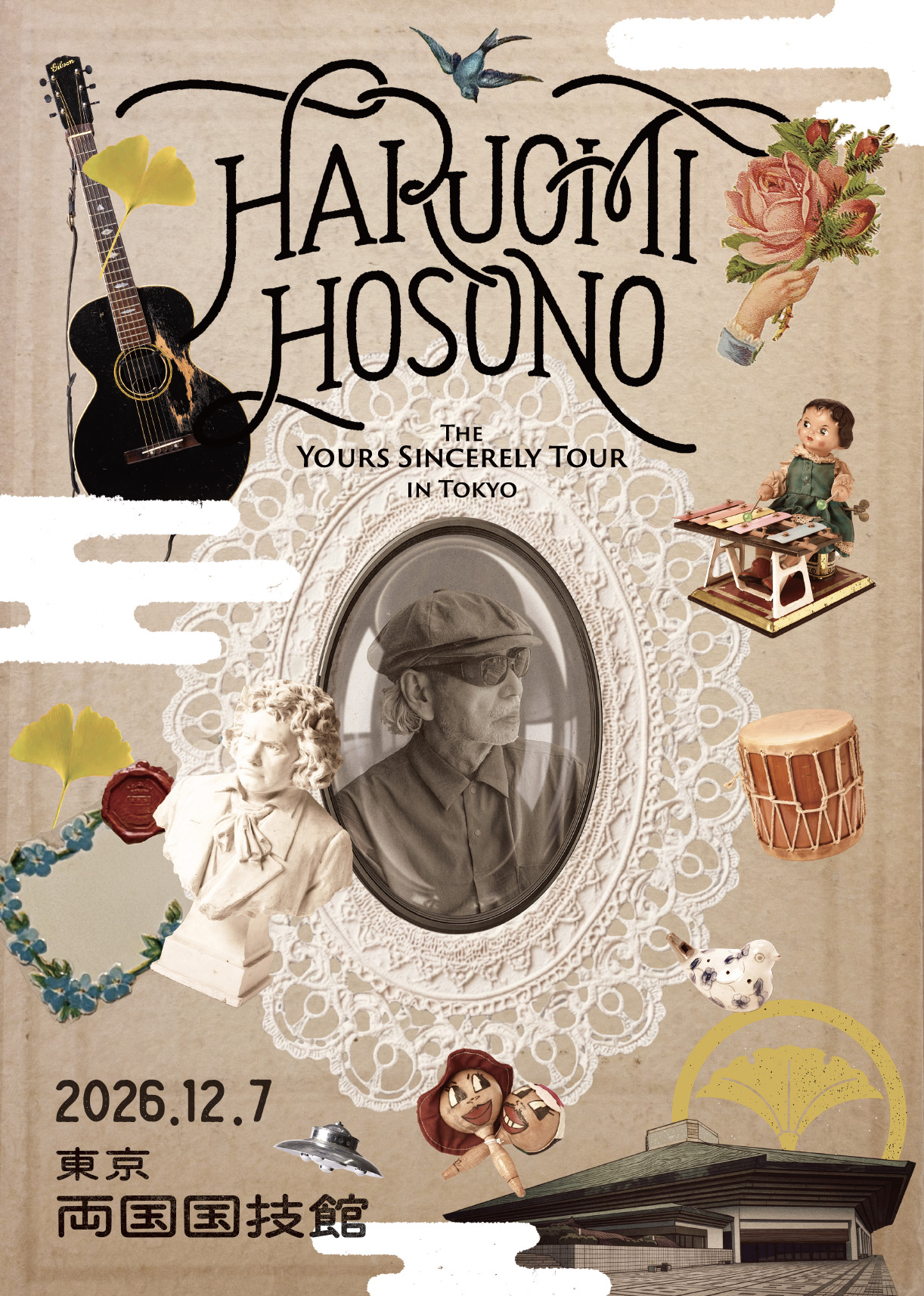
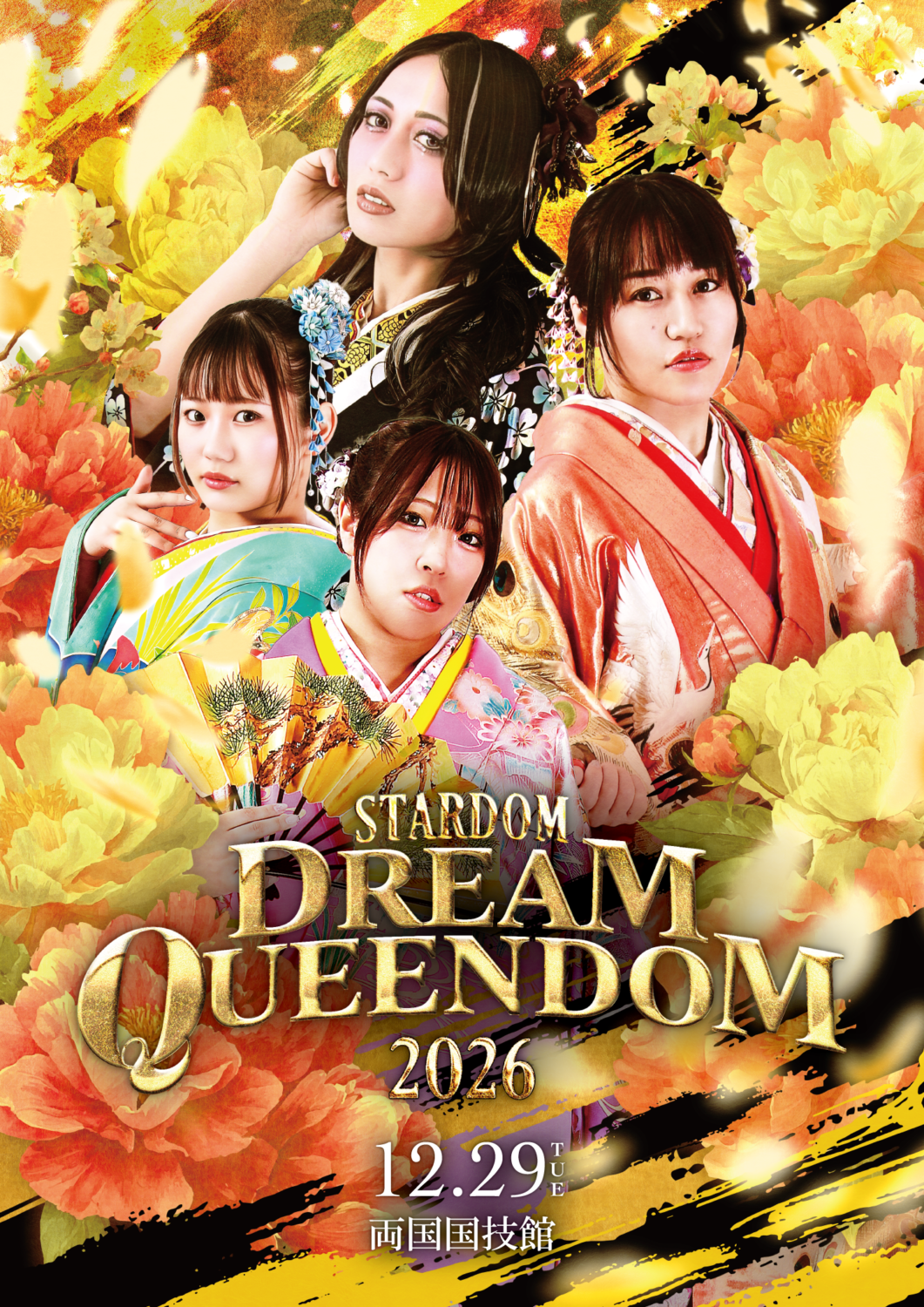
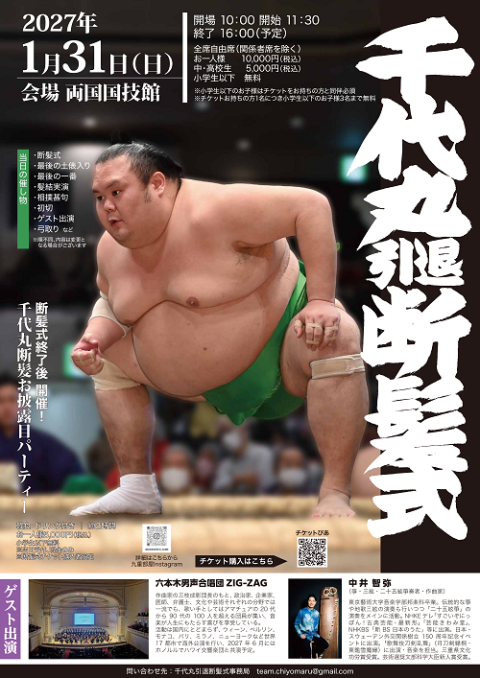
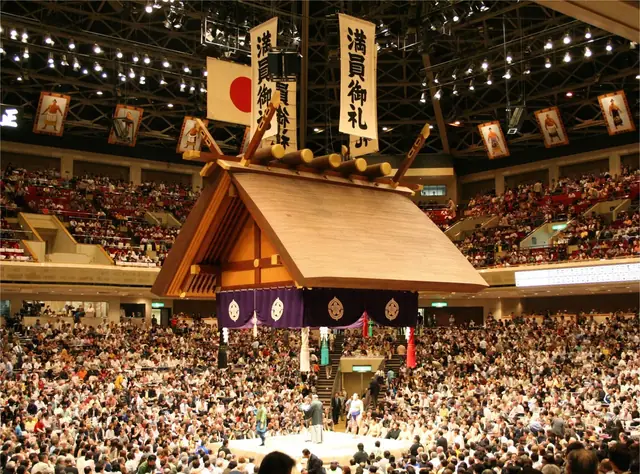
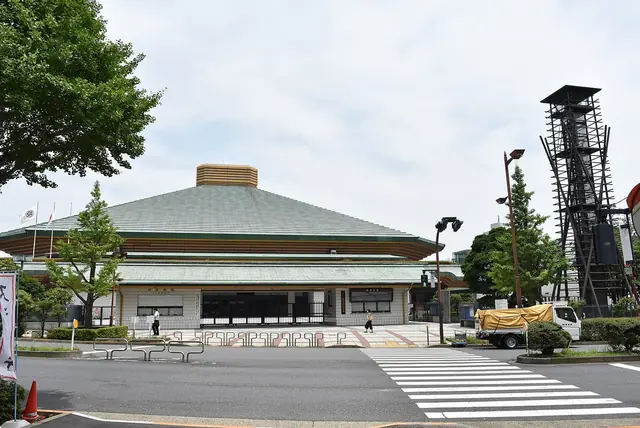
Ryogoku Kokugikan, with its green roof just north of the JR station, hosts the January, May and September grand tournaments, each 15 days long. Tickets are sold through the official Ticket Oosumo site about five weeks ahead, and in recent years Tokyo tournaments have sold out, so do not count on buying at the door. Between tournaments the hall is used for concerts and other events, which appear in the list below. The small Sumo Museum inside is free; outside tournaments it opens on weekdays, and during a tournament you need that day's ticket.
Many of the several dozen stables (heya) are within walking distance, around Ryogoku, Kiyosumi and Morishita. Morning practice starts early and usually ends by late morning, but it is a workplace, not a show. Each stable sets its own rules, and they change often: some no longer admit the public, some accept small groups booked through tour operators, and turning up unannounced rarely works. If you do get in, sit where you are told, keep silent and take photos only if allowed.
- On tournament mornings you may pass wrestlers near the station. A small bow is fine; following them for selfies is not.
- Book practice tours only through operators that name the stable and explain the rules before you pay.
- If you have no ticket, NHK shows the top divisions live every afternoon of a tournament.
The museums and the old garden
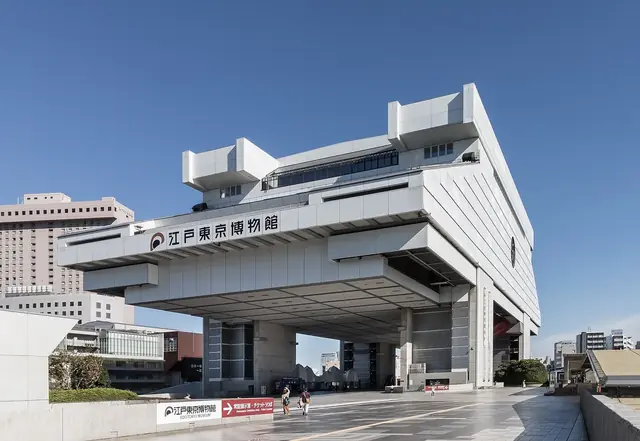
The Edo-Tokyo Museum, the huge raised building next to the Kokugikan, reopened on March 31, 2026, after a long renovation. Its permanent exhibition fills two floors, one zone for Edo and one for modern Tokyo, and starts with a full-size reconstruction of part of the old wooden Nihonbashi bridge, surrounded by detailed scale models of streets and houses. Allow at least two hours. It is closed on Mondays (the next weekday when Monday is a holiday) and stays open later on Saturdays.
The Sumida Hokusai Museum, a silver building designed by Kazuyo Sejima, opened in 2016 a few streets east, close to where Katsushika Hokusai was born in 1760. He spent most of his life in Sumida, and the museum shows his prints and paintings in rotating exhibitions, so what is on display changes through the year. It is closed on Mondays and needs about an hour.
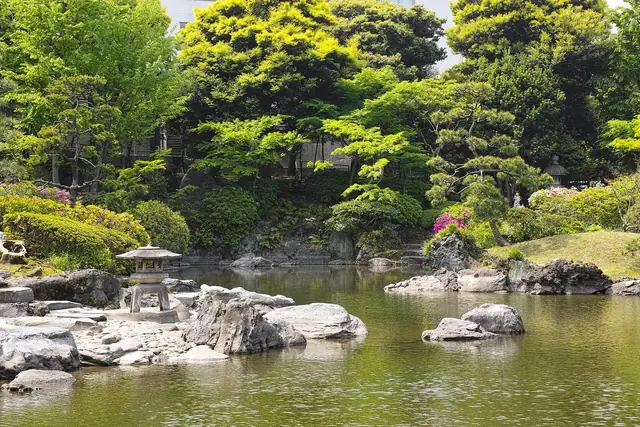
Kyu-Yasuda Garden, a few minutes north of the station, is a strolling garden laid out by a feudal lord around the end of the 17th century. Its pond once rose and fell with the tides of the Sumida; today a pump recreates the effect. It is lit after dark until closing and makes a quiet break between museums. The Japanese Sword Museum stands next to it and is also closed on Mondays.
- From late November to late December, Kyu-Yasuda Garden has held an evening light event in recent years, with longer opening hours.
Chanko, the river and the year in Ryogoku
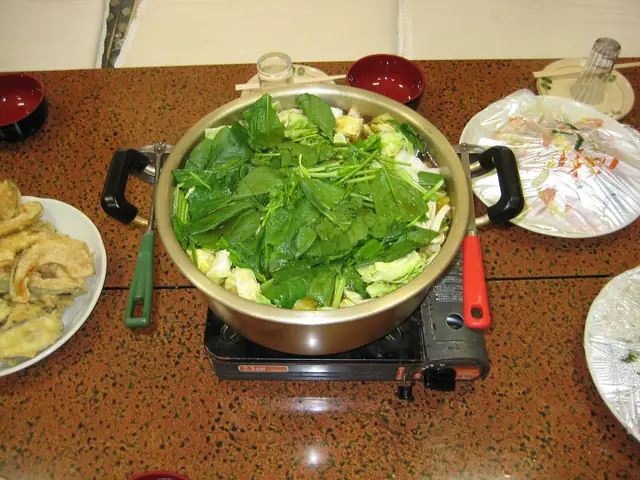
Chanko nabe is the hot pot wrestlers eat to build their size: a big pot of broth with chicken or fish, vegetables and tofu, finished with rice or noodles in the leftover soup. Ryogoku is known for its many chanko restaurants, a good number of them opened by retired wrestlers, and during tournaments the Kokugikan basement serves a bowl of it to ticket holders. Chanko is at its best in the cold months, which suits the January tournament.
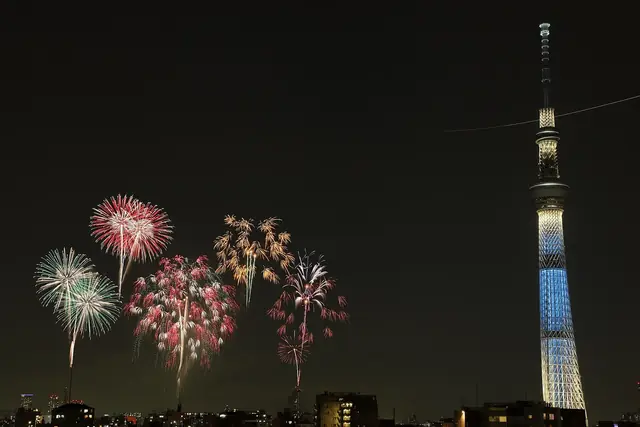
The river is the other half of Ryogoku's story. The Sumida River Fireworks began with the Ryogoku kawabiraki, the river-opening festival of 1733, when fireworks were launched near Ryogoku Bridge in memory of the victims of famine and epidemic. They were held near the bridge until 1961, and since the revival in 1978 they have been launched from two sites further upstream, usually on the last Saturday of July. Ryogoku is one of the stations for the southern viewing area, and it gets very crowded on the night.
Through the year the rhythm is simple: tournaments in January, May and September, the fireworks in late July, and new exhibitions at the Edo-Tokyo and Hokusai museums every few months.
- On tournament days restaurants near the hall can fill up at lunch and right after the last bout. Eat a little earlier or later.
- On fireworks night, plan your way home before you arrive. Stations near the river often limit entry after the show.
Getting there and nearby
JR Ryogoku Station is on the yellow Chuo-Sobu local line, which runs straight through from Shinjuku and Akihabara. The Kokugikan is right outside the West Exit, and the Edo-Tokyo Museum is about three minutes away. Ryogoku Station on the Toei Oedo Line is a separate station a few minutes east; its exits A3 and A4 come up in front of the Edo-Tokyo Museum, and the Hokusai Museum is about five minutes from exit A3 (or about nine minutes from the JR East Exit).
Ryogoku pairs well with its neighbours. Akihabara is two stops west on the JR line, Asakusa and Tokyo Skytree are a short trip north, and two stops south on the Oedo Line you reach Kiyosumi-shirakawa, with Kiyosumi Garden and the quiet coffee streets of Fukagawa. A full day could be a museum in the morning, chanko for lunch, the garden in the afternoon and a walk along the river at dusk.