What the museum is
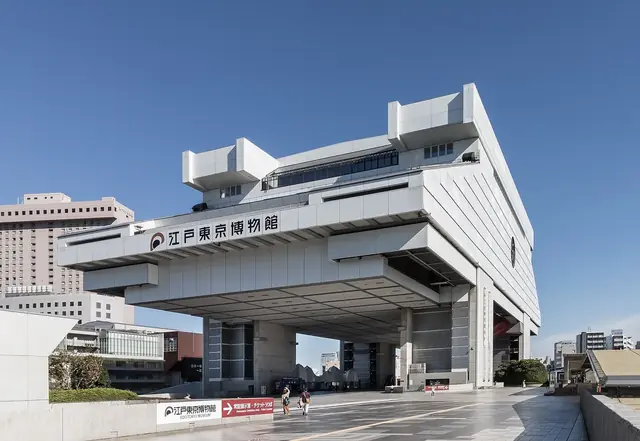
The museum opened in 1993 as Tokyo's own history museum, run by the Tokyo Metropolitan Government. The building by architect Kiyonori Kikutake is hard to miss: a huge block lifted on four legs, modelled on a raised storehouse and about 62 metres tall. Its collection holds around 350,000 items, from woodblock prints and kimono to firefighters' coats and everyday tools.
In 2022 it closed for its first large renovation since opening. The work renewed the roof, climate control and visitor facilities, and the architect Shohei Shigematsu reworked the spaces inside and out, with a torii-like approach on the ground floor and large projections on the third-floor plaza. The permanent exhibition fills the fifth and sixth floors, about 9,000 square metres, split into an Edo Zone and a Tokyo Zone.
What to see inside
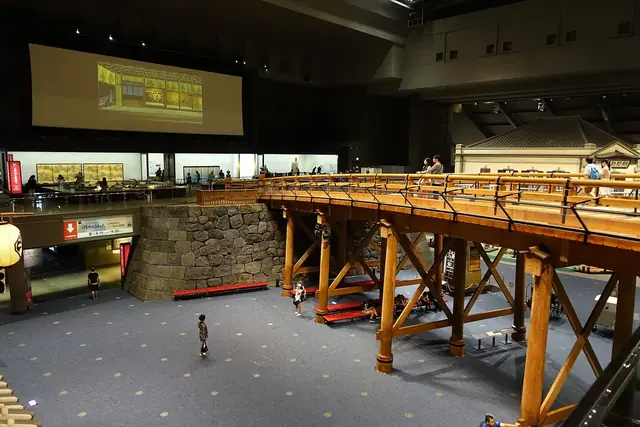
The visit starts on a life-size Nihonbashi, the wooden bridge every road out of Edo was measured from. Only the northern half is rebuilt, but at full width and height, based on records from the early 1800s. From the bridge you look down on the Edo Zone: a scale model of the palaces of Edo Castle, a daimyo residence, townspeople's streets and a full-size nagaya row house you can step into.
Further on are the Nakamura-za kabuki theatre at full scale (since the renovation you can go inside), new street stalls such as a morning glory seller and a tempura stand, a full-size festival float of Kanda Myojin, and a model of the crowded Ryogoku Bridge area with around 1,500 tiny figures. The Tokyo Zone moves through the Meiji era with the brick streets of Ginza, a model of the Rokumeikan and a new full-size Hattori clock shop, the building that became today's Wako. It ends with the 1923 earthquake, the postwar years and a 1960s housing estate flat.
Free audio guides play on your own phone through QR codes in more than a dozen languages, and tablets by the exhibits carry multilingual notes. Bring earphones.
- Look down from the bridge first, then walk the Edo Zone floor. The scale models make more sense once you have seen the layout from above.
- A free museum talk (in Japanese) is usually held on Fridays, meeting under the Nihonbashi on the fifth floor.
The year at the museum and in Ryogoku
Special exhibitions in the first-floor gallery change a few times a year and need their own ticket. The opening show after the reopening drew on the museum's own collection, with kabuki, sumo and ukiyo-e by Hokusai, Utamaro and Sharaku. The museum stays open later on Saturdays and adds occasional late evenings, usually announced on its calendar.
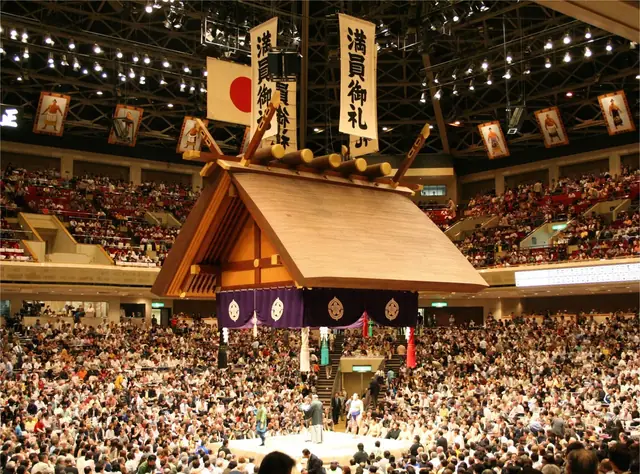
Ryogoku's year runs on sumo. The Kokugikan next door hosts the Tokyo grand tournaments in January, May and September, and on those fifteen days the streets fill with wrestlers in yukata and fans heading to the hall. The Sumida River fireworks, which began as the Ryogoku fireworks in the Edo period, now go up a little upstream near Asakusa on the last Saturday of July. The museum closes over the year-end and New Year holidays.
Tickets, timing and rules
No reservation is needed for the permanent exhibition. You can buy a ticket on the day at the first-floor counter (cash, transit IC cards and cards are accepted) or online in advance. Children up to junior high school age get in free, and on the third Wednesday of each month visitors aged 65 and over can see the permanent exhibition free.
The museum is closed on Mondays, or on the following weekday when Monday is a holiday. Most people need two to three hours for both zones. Weekday mornings are usually calmer than weekends, and on sumo tournament days Ryogoku Station gets busy in the late afternoon.
Photos are allowed in the permanent exhibition, for personal use. Flash is not allowed except at marked spots, and tripods, monopods, selfie sticks and gimbals are not allowed. Special exhibitions set their own photo rules. Large bags go into the first-floor lockers.
- Check the official calendar before you go: hours and special openings change through the year.
- Food and drink only in the designated areas. The museum restaurant serves soba, tempura and sushi.
Getting there and what is nearby
From the west exit of Ryogoku Station on the JR Sobu Line it is about a three-minute walk, and exits A3 and A4 of Ryogoku Station on the Toei Oedo Line open right in front of the building.
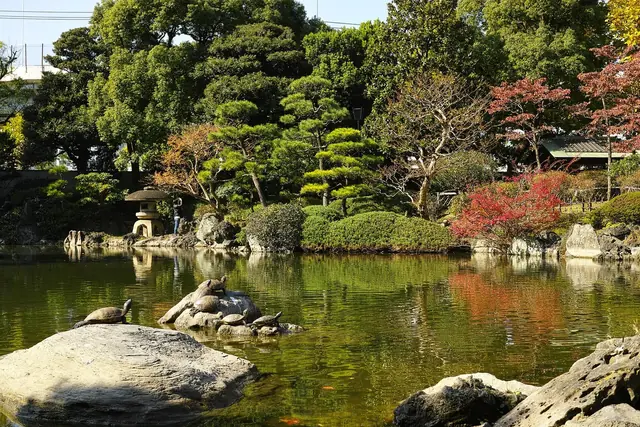
The Kokugikan stands beside the museum, and its small Sumo Museum is free on weekdays outside tournaments (during tournaments only ticket holders can enter). Kyu-Yasuda Garden, a small strolling garden around a pond, sits just past the sumo hall, with the Japanese Sword Museum in its grounds. The Sumida Hokusai Museum is a short walk away, and Ryogoku's chanko nabe restaurants, the hot pot sumo wrestlers eat, are a good place for lunch. Asakusa and Tokyo Skytree are a few stops away.
- Combine the museum with the Sumo Museum on a weekday, when both are open and the area is quiet.
- On a tournament day, walk around the outside of the Kokugikan in the morning to see the wrestlers arrive.