What New Year's Eve is like in Tokyo
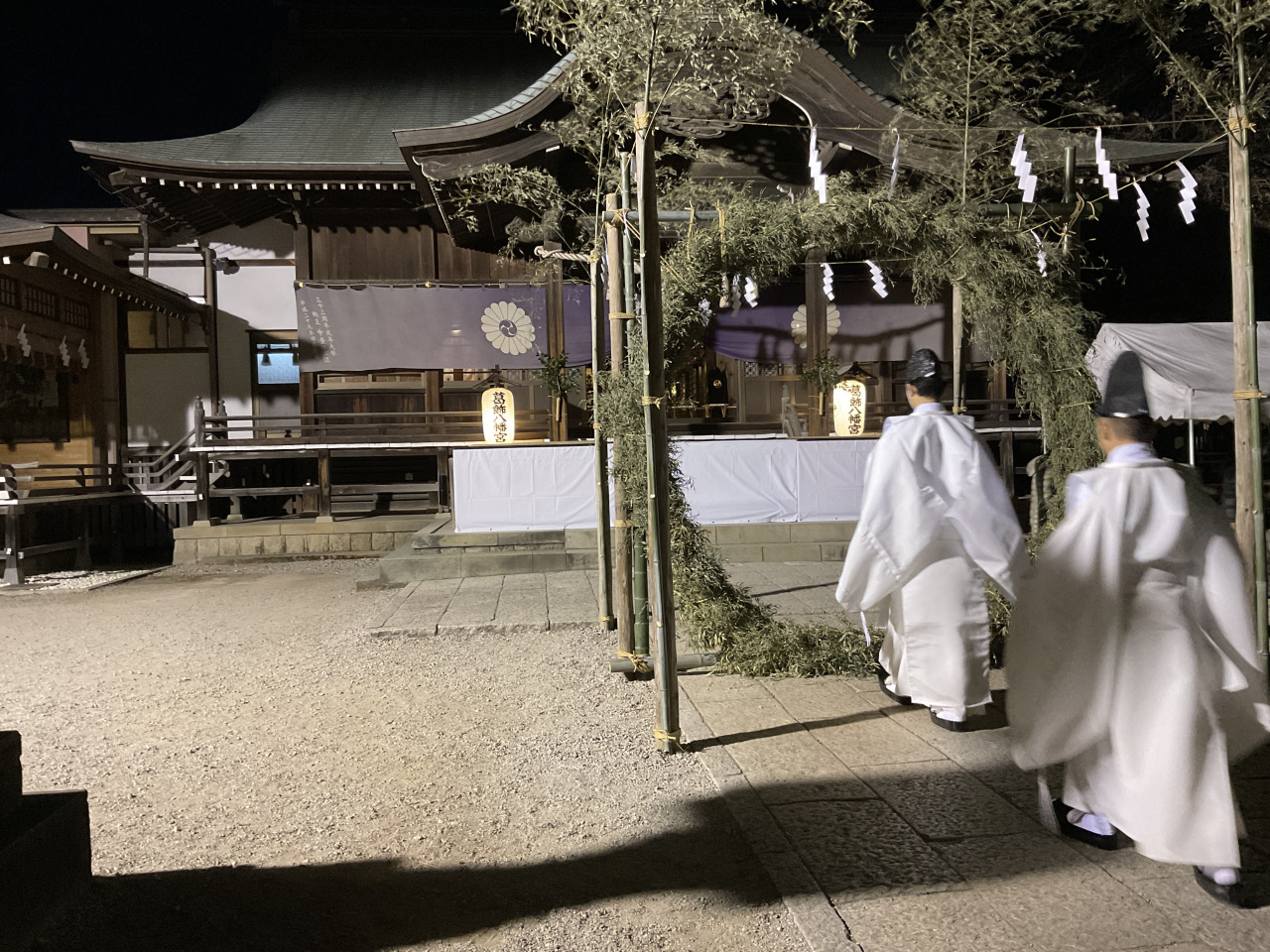
For most Japanese families, December 31 is a night in: toshikoshi soba for a long life, NHK's Kohaku song contest on TV and, close to midnight, a walk to a nearby temple to hear joya no kane, the bell struck 108 times to clear away the year's worldly desires. Shrines and temples hold their first services of the year at midnight, so at 0:00 the busiest places in Tokyo are temple grounds, not bars.
Countdown parties exist, from concerts and club nights to hotel parties and the city's own show in Odaiba, but there is no big street party. Pick your spot by about 10pm: crossing the city close to midnight is slow, and the subways run on holiday timetables.
The official countdown in Odaiba
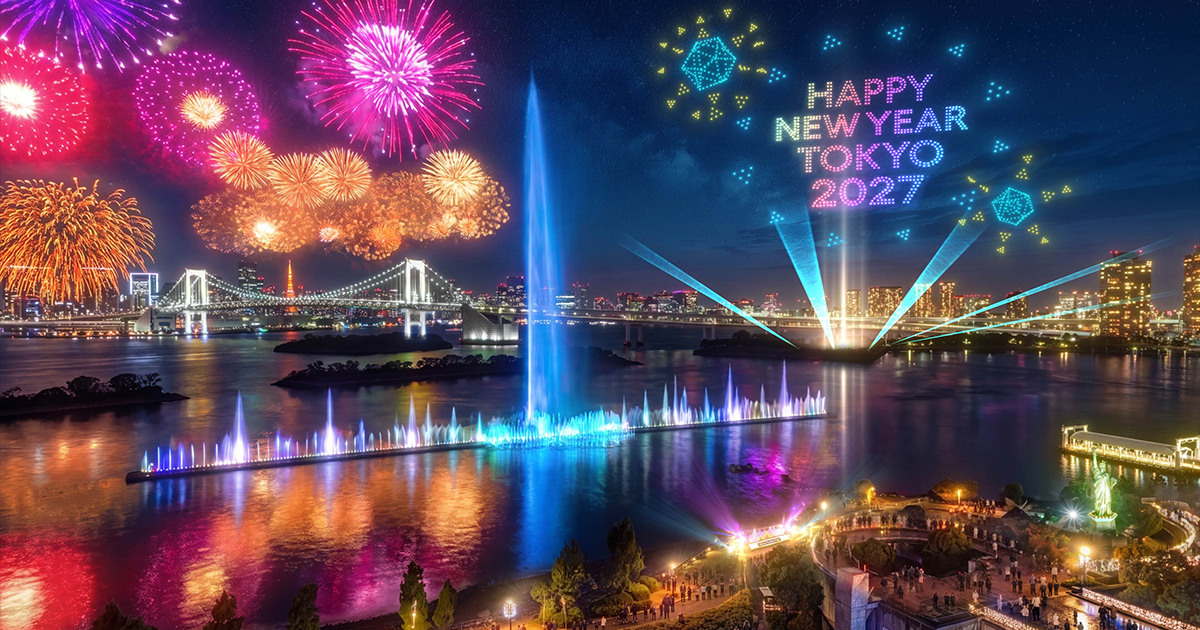
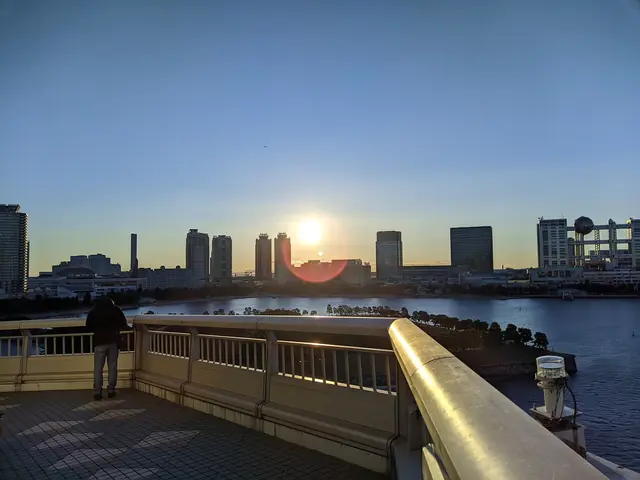
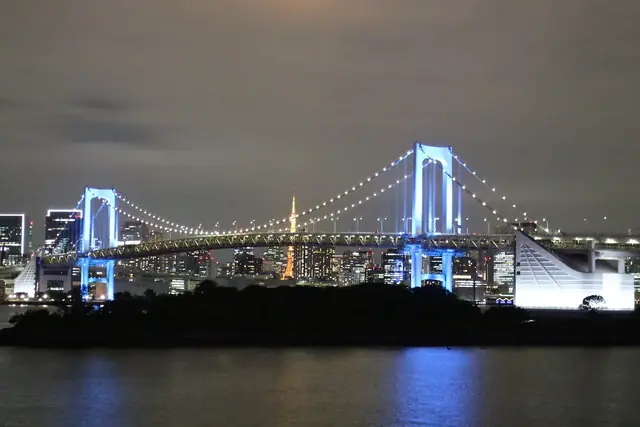
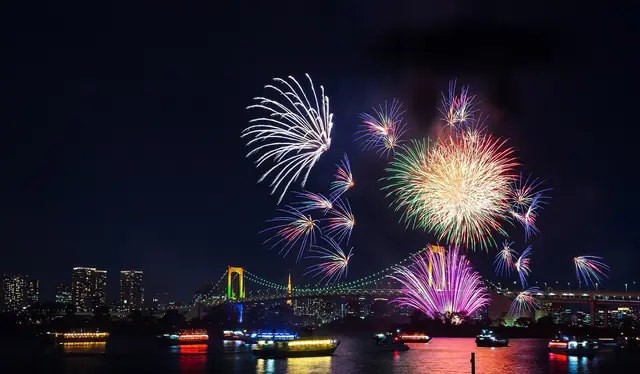
For the past two New Year's Eves the Tokyo Metropolitan Government held a countdown with projection mapping in front of its Shinjuku headquarters, with entry by lottery. It is not held this season. Instead, TOKYO NEW YEAR'S EVE takes place at Odaiba Seaside Park on December 31, with fireworks, a drone show, the Tokyo Aqua Symphony fountain show, a stage and food trucks. A projection mapping show on the sand, TOKYO BEACH REFLECTIONS, runs on a few evenings around Christmas and on the night itself.
Times and how viewing works are due to be announced at the end of November, so check the official site before you plan around it. The beach faces Rainbow Bridge and is open to the wind off the bay. The Yurikamome did not run through the night last New Year's Eve, so work out your way home before you go.
- The bay feels colder than the streets. Bring a hat, gloves and something to sit on.
Temple bells: where you can ring joya no kane
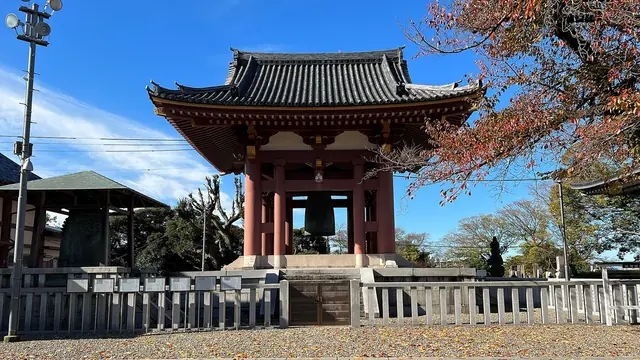
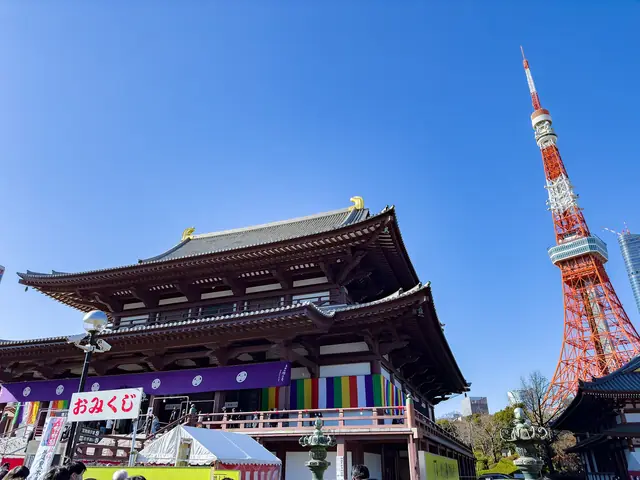
At most temples the monks ring the bell and visitors listen, but a few let the public strike it. At Zojoji, next to Tokyo Tower, a limited number of bell tickets have in recent years gone on sale at the temple office at 9am on December 1 (2,000 yen with a small gift last season). Ringers go up in groups of four, and note the timing: the ringing has run from about 9:45pm to around 11pm, not at midnight. The Sanmon gate is under restoration and last New Year it was closed to walkers from the evening of December 31 to January 3, so check the way in on the temple's New Year page. The midnight balloon release that older guides mention is not on Zojoji's own programme.
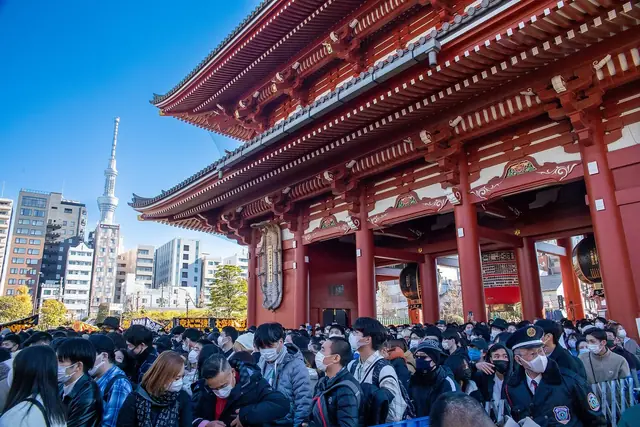
Ikegami Honmonji in Ota ward has in recent years handed out free numbered tickets in front of the bell tower from 11pm to the first 600 people, who ring in small groups from midnight. Shibamata Taishakuten has let the first 108 people who apply in advance for a New Year prayer strike the bell. At Senso-ji the bell on Bentenyama hill is rung by members of a temple association, so you listen from below and then join the first-visit crowd.
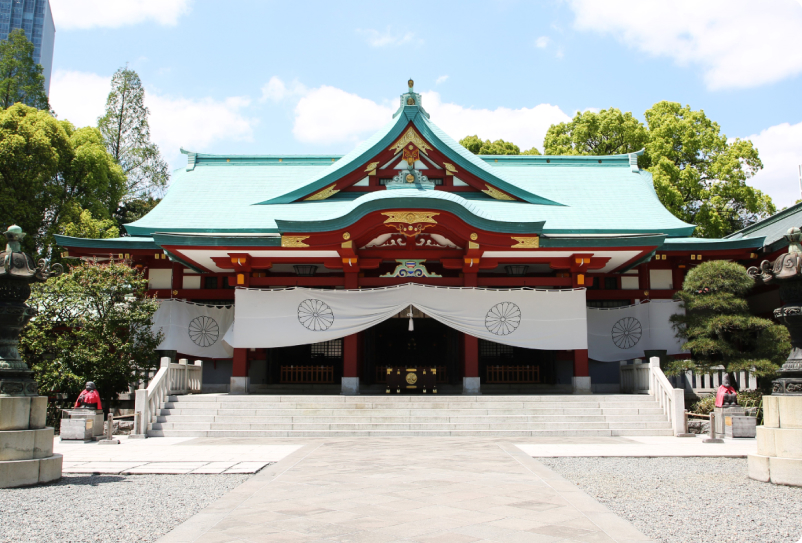
Shrines mark the moment differently. Hie Shrine in Akasaka opens its gates at midnight with the Wakamizu rite, when fresh water is offered and the sacred noh piece Okina is performed in the main hall. On Mount Takao, Yakuoin holds a year-crossing visit on New Year's Eve and a sunrise ceremony on January 1.
- Numbered tickets go to the people already in line. At Ikegami Honmonji, be there well before 11pm.
- Bell times and ticket rules change from year to year. Check each temple's own page in December.
Shibuya Crossing on New Year's Eve
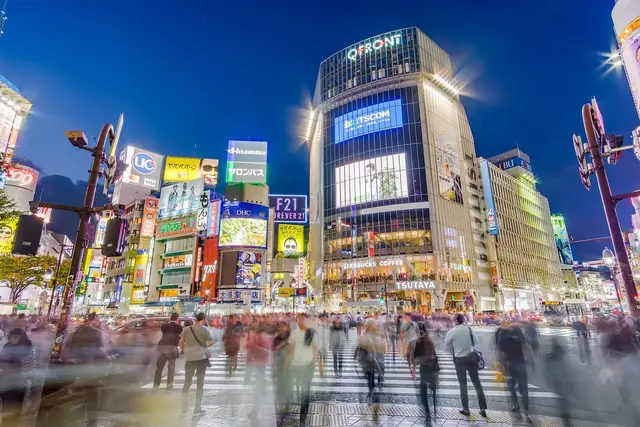
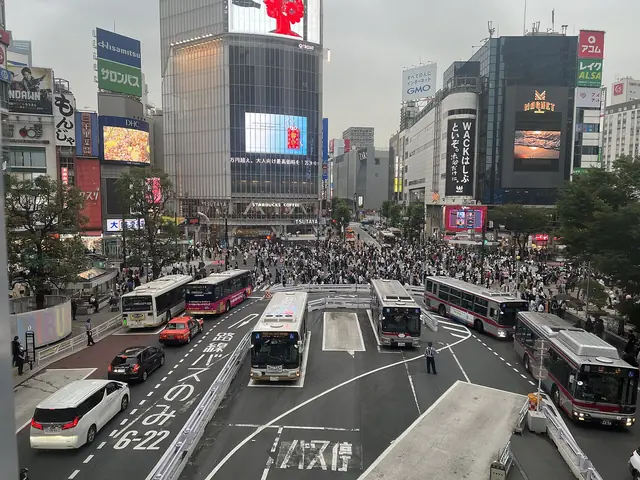
From 2016 to 2019 the Shibuya countdown drew more than 100,000 people to the scramble crossing. It has been cancelled every year since the pandemic, including last New Year's Eve, and the ward now discourages people from gathering. Since October 2024 drinking on the streets and in parks around Shibuya Station has been banned all year from 6pm to 5am. Last New Year's Eve the Hachiko statue was fenced off from 6am until 1am, and convenience stores nearby stopped selling alcohol for the night.
People still come to look, but there is no stage and nothing to wait for. For a Shibuya night, buy a ticket for a club or bar event instead. The ward announces its measures in December.
- Do not stop in the middle of the crossing to film. Police move people on to keep the crowd flowing.
- The ban covers streets and parks, not bars and clubs, but you cannot take your drink outside.
Concerts, clubs and hotel parties
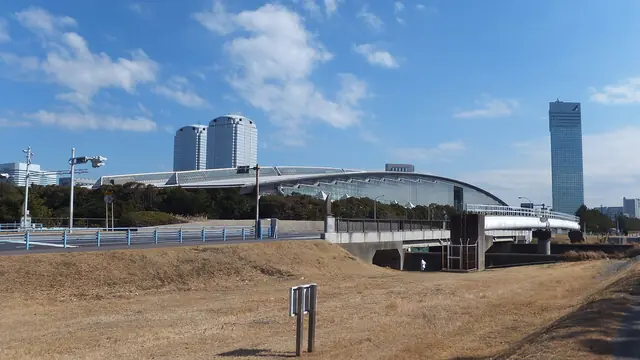
The biggest music countdown is COUNTDOWN JAPAN, a rock festival over several days at the end of December at Makuhari Messe in Chiba. The December 31 day runs from the afternoon until 5am, so you can stay inside until the first trains. Tickets are sold by lottery presales in autumn, and this season they sold out with no general or door sales; the festival's official resale is the only safe way to get one late.
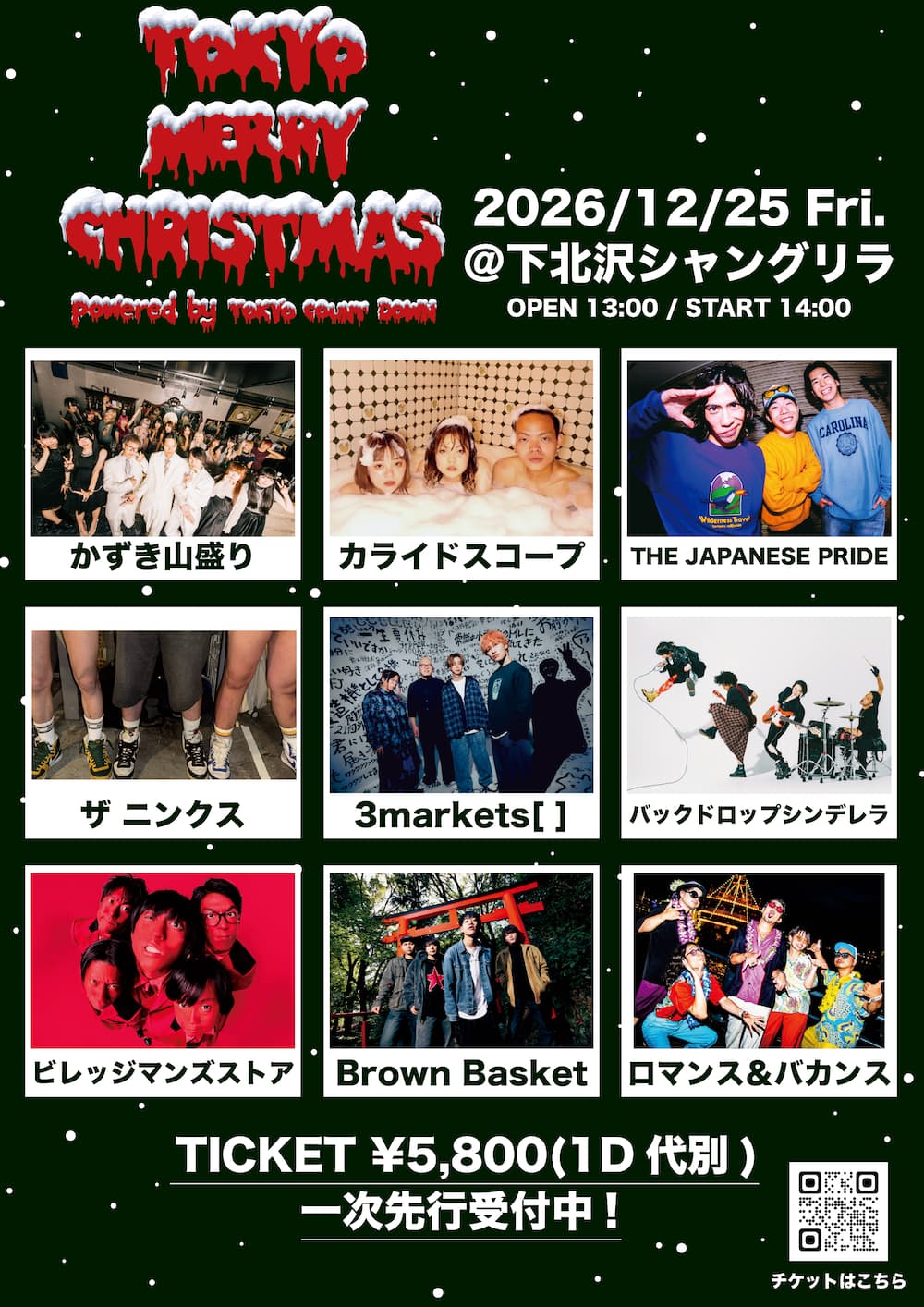
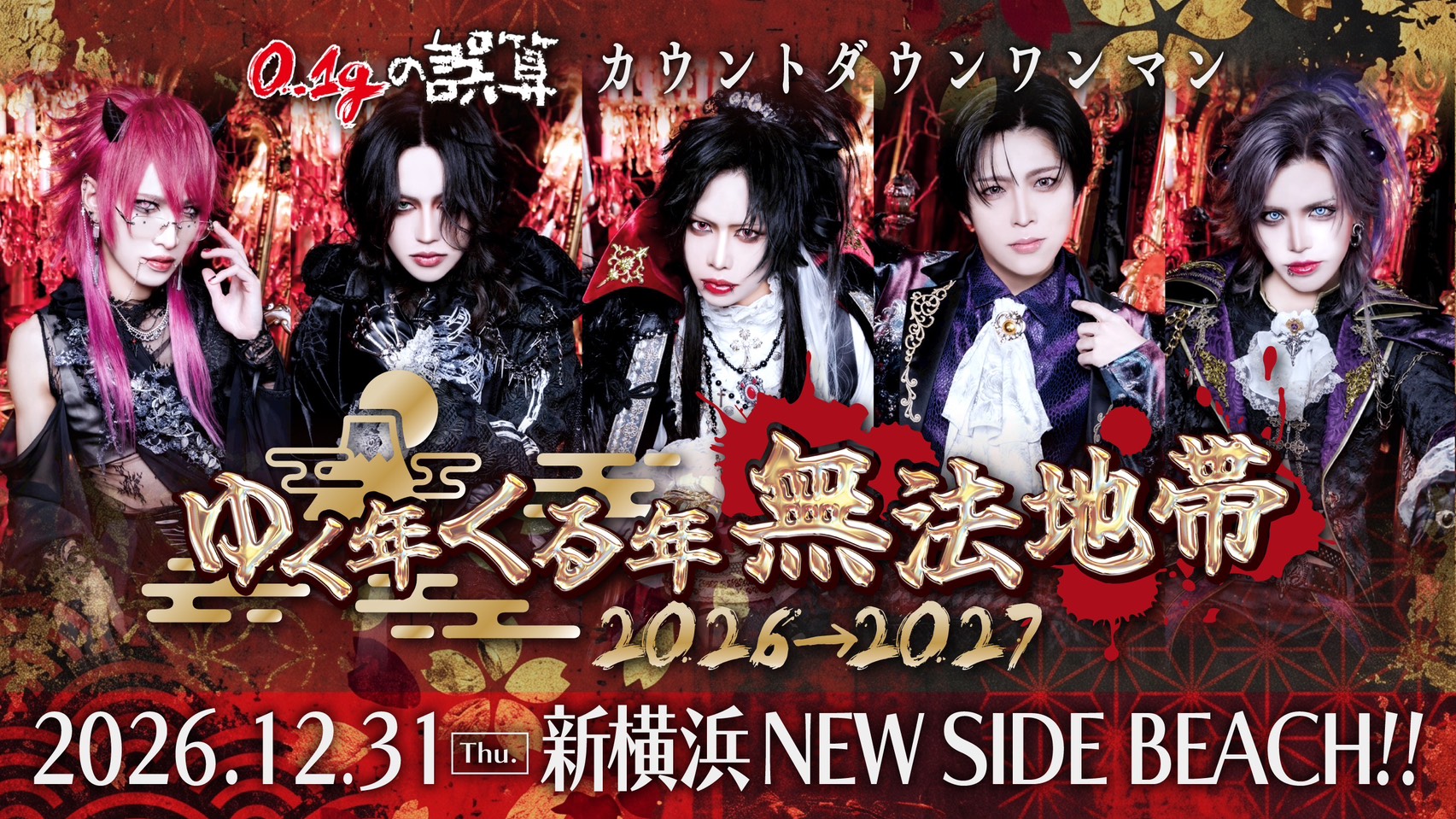
In Tokyo, singer Masashi Sada's countdown at Ryogoku Kokugikan, the sumo arena, is a yearly tradition that starts in the evening and runs into the new year, with general sales in early December. Live houses and clubs in Shimokitazawa, Shibuya and Shinjuku hold countdown shows; check the end time if you need a train home.
In Yokohama, The Westin Yokohama holds a countdown party with a DJ and a night view, and InterContinental Yokohama Pier 8 sells a two-night stay with a New Year's Eve party and a New Year cruise. Earlier in the evening, at 7pm on December 31, the Yokohama Night Flowers series fires five minutes of fireworks from Shinko Pier and Osanbashi Pier; watching is free and there are no seats.
- Clubs check photo ID at the door. Carry your passport or residence card.
Where to be at midnight with kids
Midnight crowds at the big temples are no place for strollers. A calmer plan is the bell at Zojoji, which in recent years has rung from about 9:45pm to around 11pm, so children can hear it, or ring it with a ticket, before bedtime. In Yokohama, the five-minute harbour fireworks at 7pm are another early option. Or keep it simple: soba at home, then a shrine visit or the first sunrise on January 1.
If you take children to the Odaiba countdown, read the timetable when it comes out, dress for a cold, windy beach, agree on a meeting point in case you get separated, and plan the way home before you set out.
Getting home and what is closed
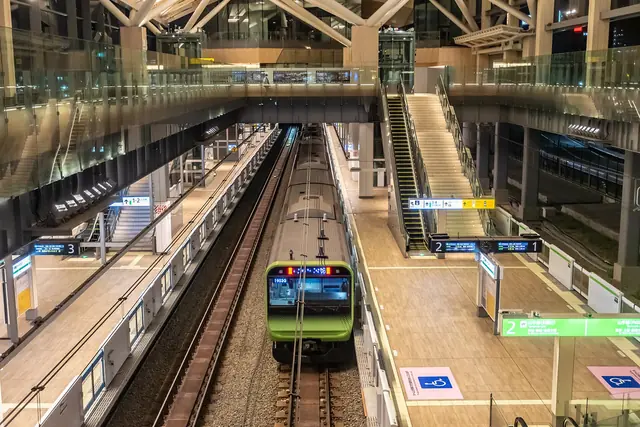
All-night trains are decided every year. For this season JR East has announced extra trains after the last train on six lines in the Tokyo area, with times to follow. Last New Year's Eve, JR East ran the Yamanote Line all night (roughly every 10 to 25 minutes between about 1am and 5am) as well as parts of the Keihin-Tohoku/Negishi, Chuo-Sobu local, Chuo Rapid and Yokosuka lines. Keisei ran all night between Ueno and Narita, Keio between Shinjuku and Takaosanguchi, and Tokyu ran late trains from Shibuya. Tokyo Metro, Toei, the Yurikamome, Odakyu, Seibu, Tobu and Keikyu did not run all night. Check this season's times on the JR East site and each operator's site in December.
Tokyo Metro runs its weekend and holiday timetable from December 30 to January 3. Banks are closed from December 31 to January 3 by law, so get cash beforehand. Museums set their own New Year closures: the Tokyo National Museum, for example, closes for the last days of December and this season reopens at noon on January 1.
- Look up your last train in a route app before you go out. Lines without all-night service stop at the usual time.
- If you plan to wait for the first train, a karaoke box or a manga café is the usual place to stay warm.