How to read a show listing
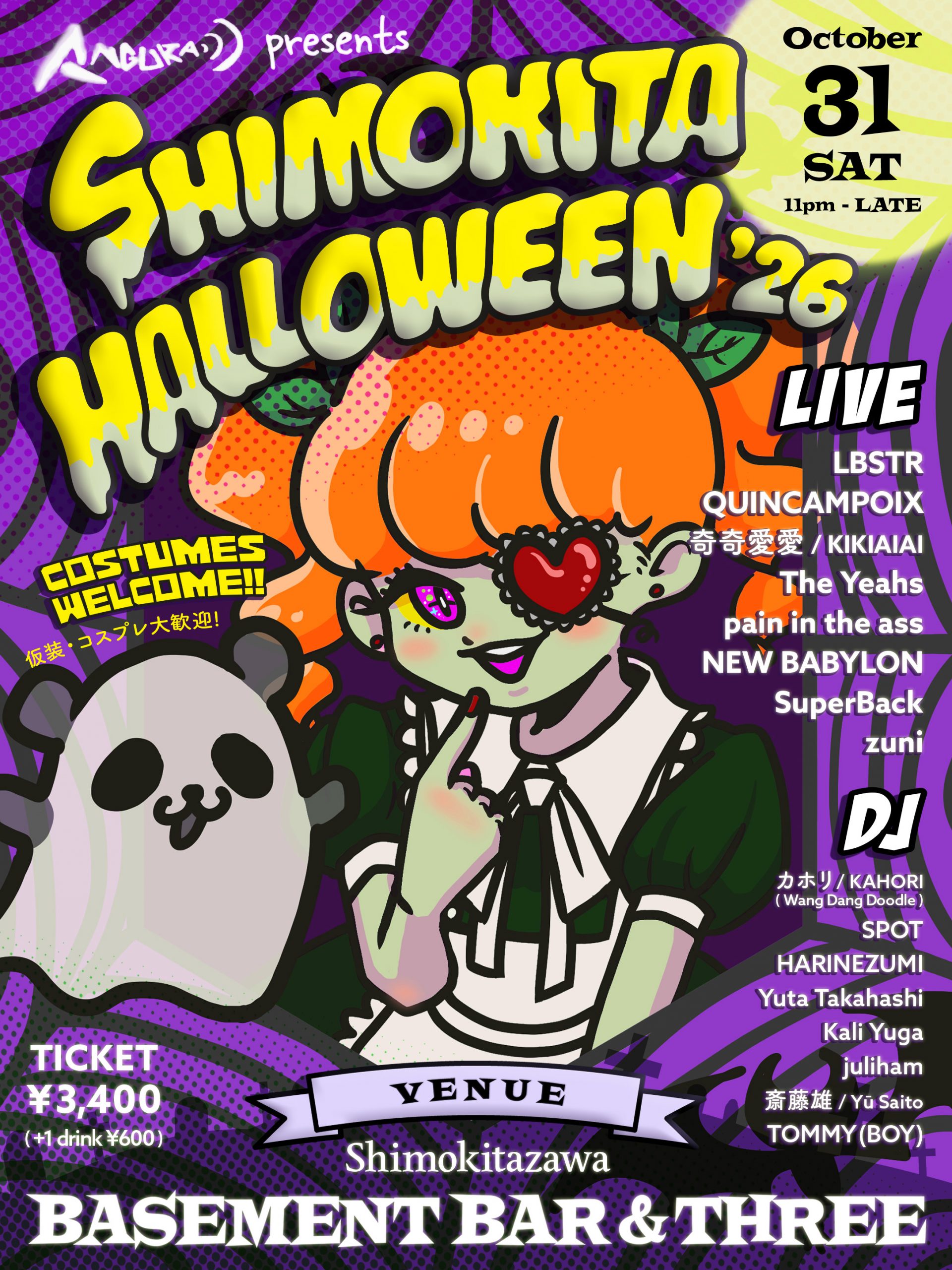
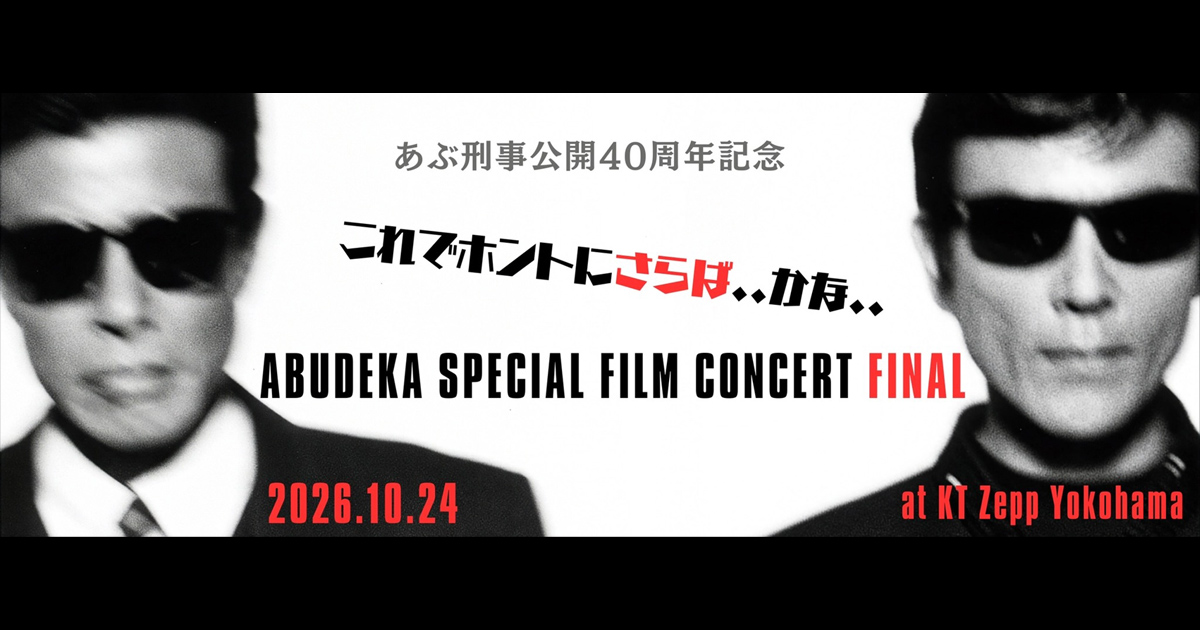
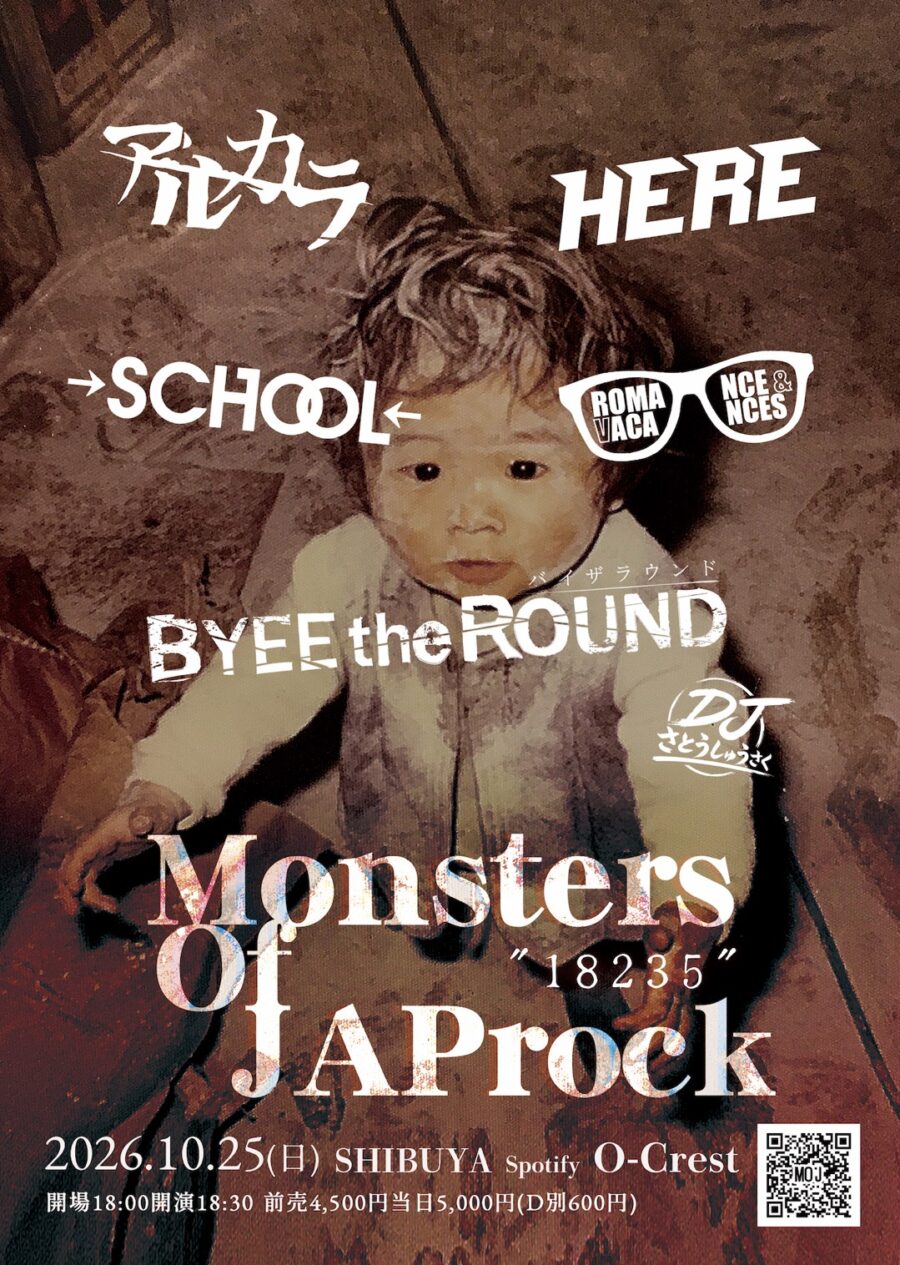
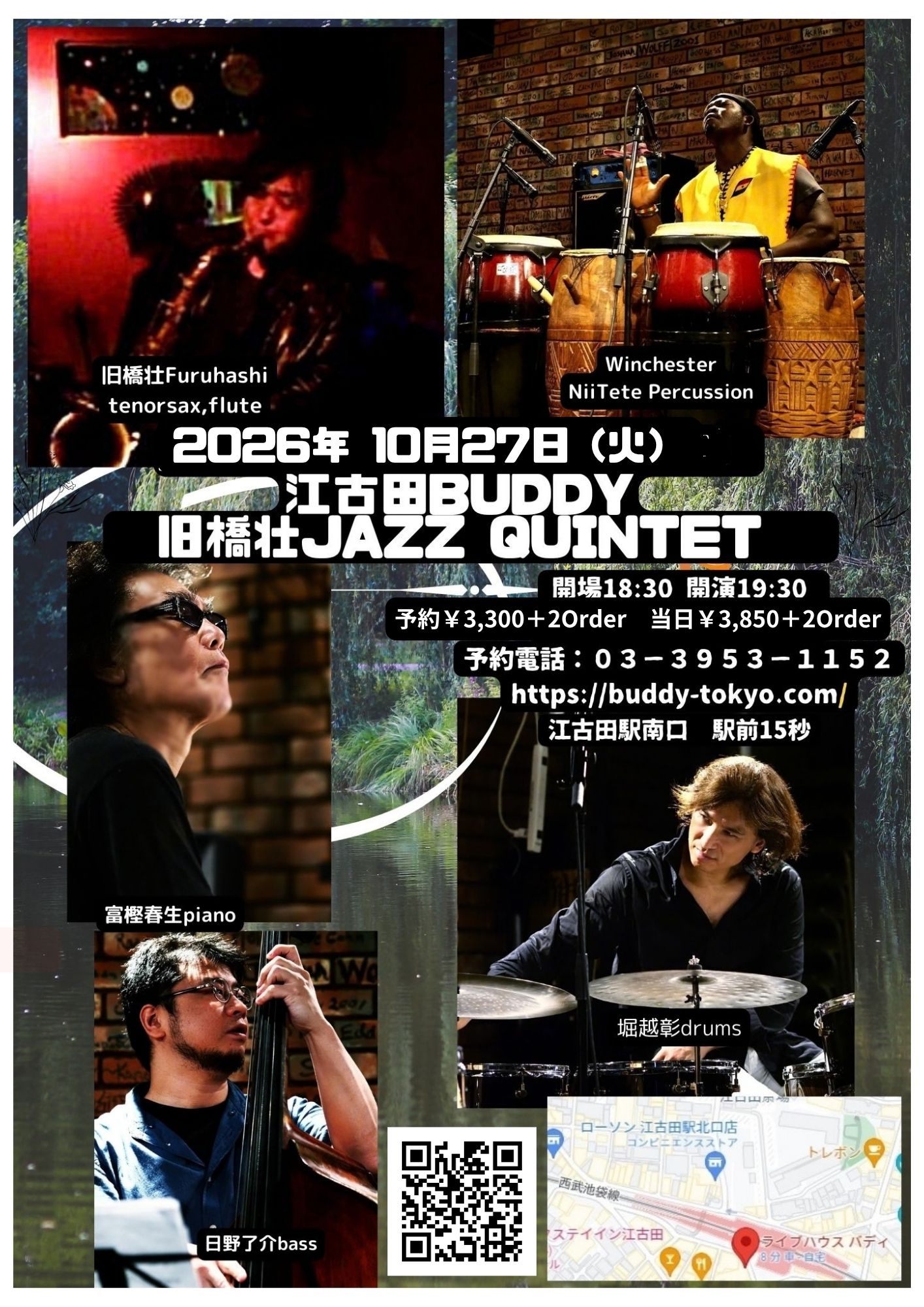
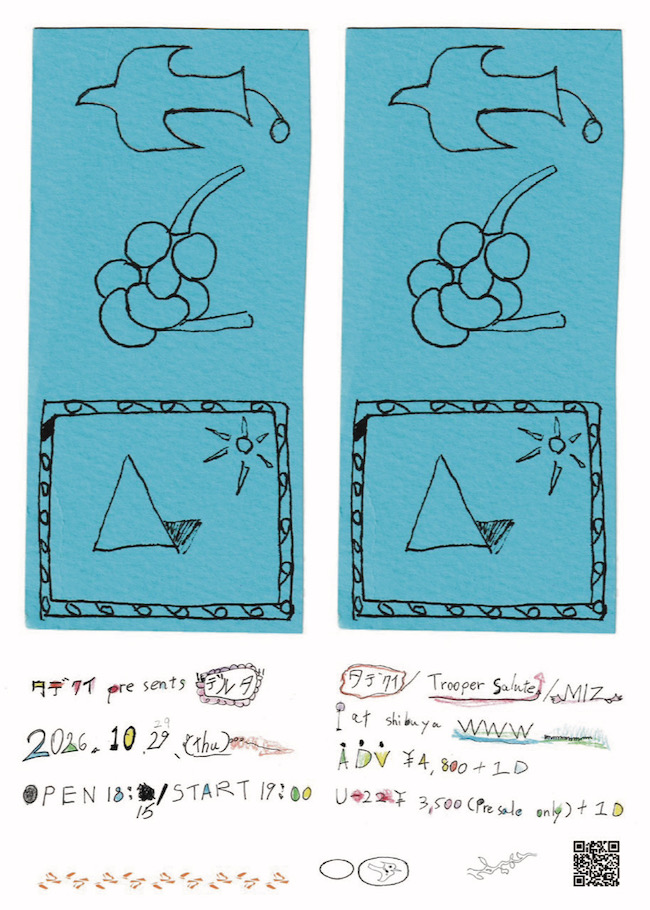
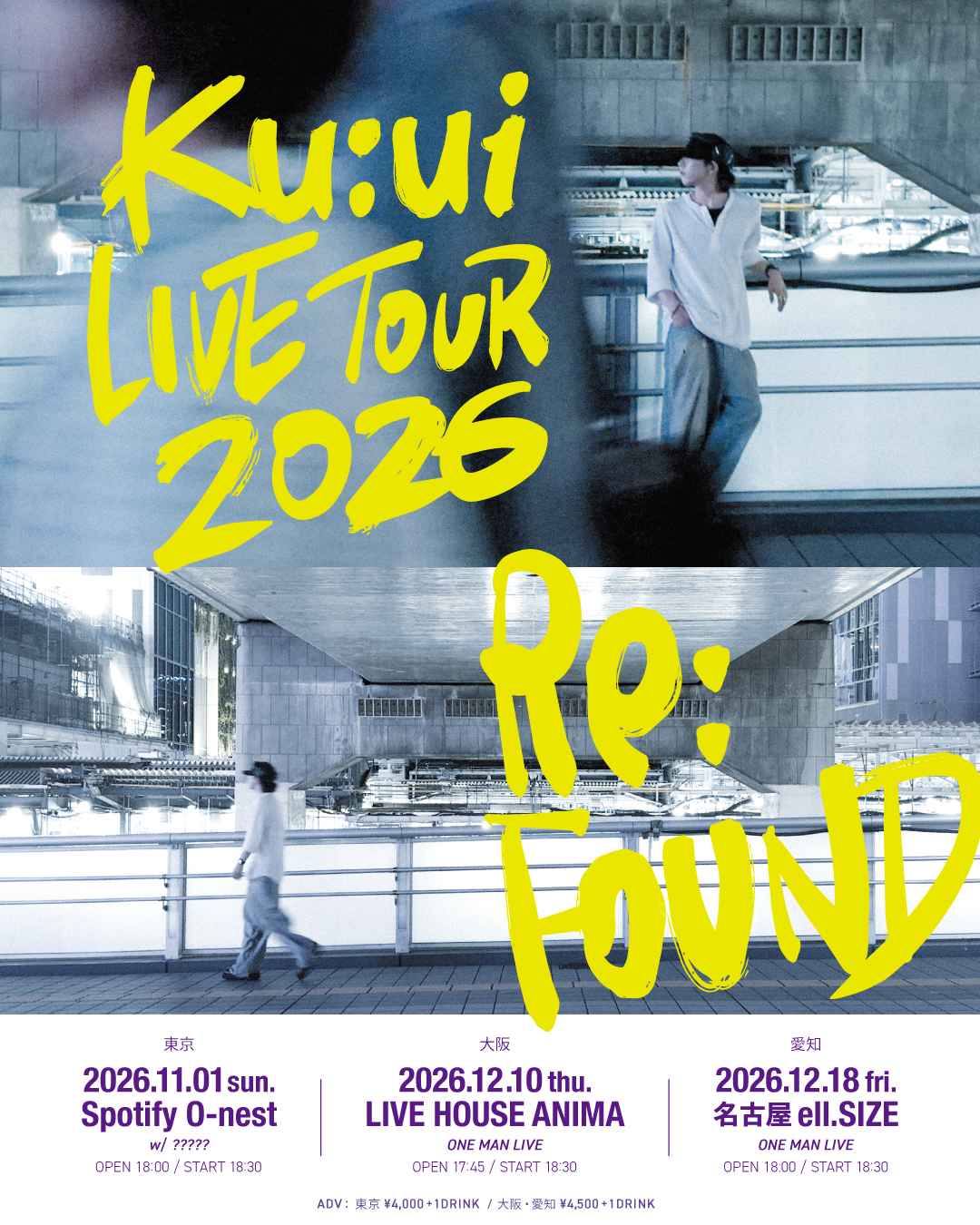
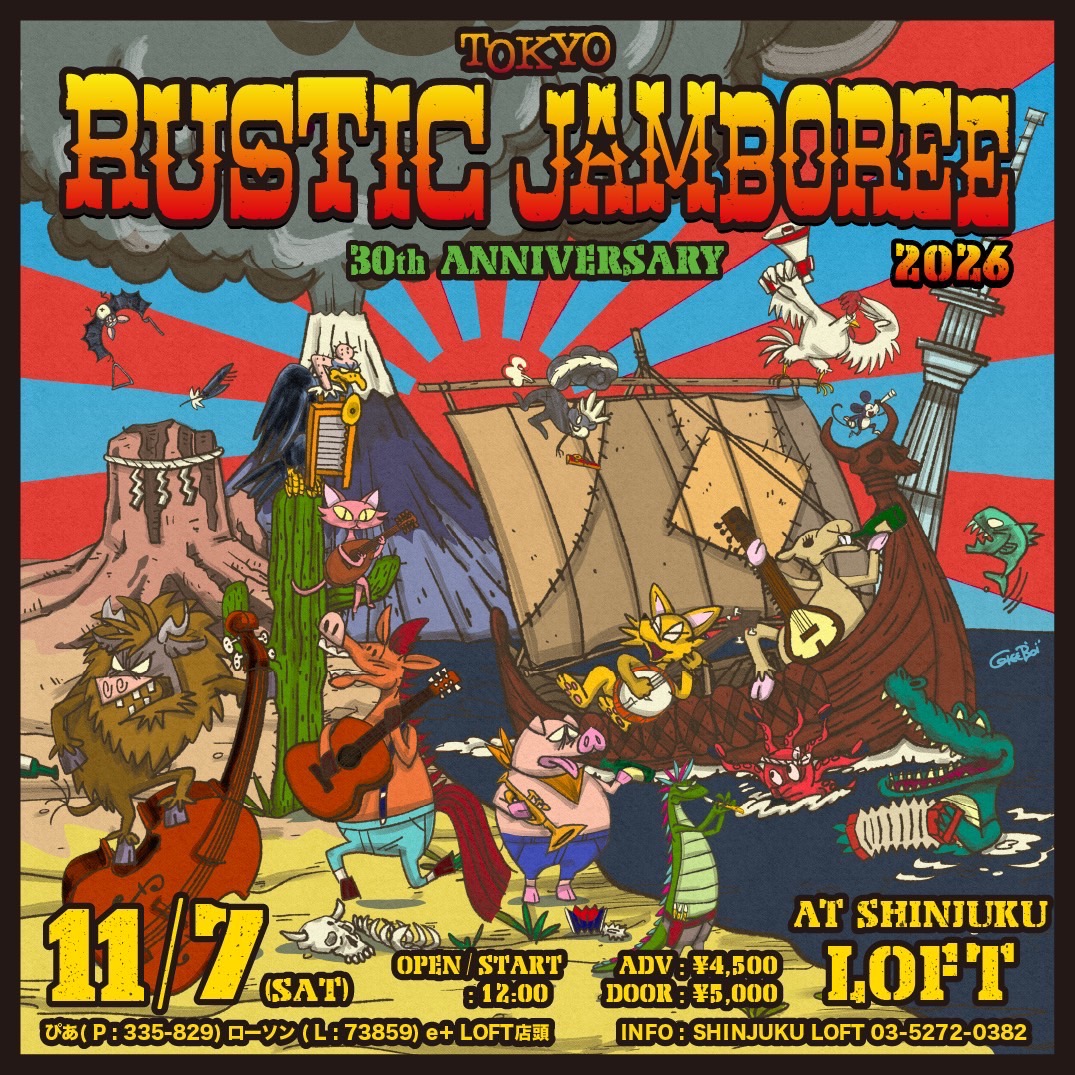
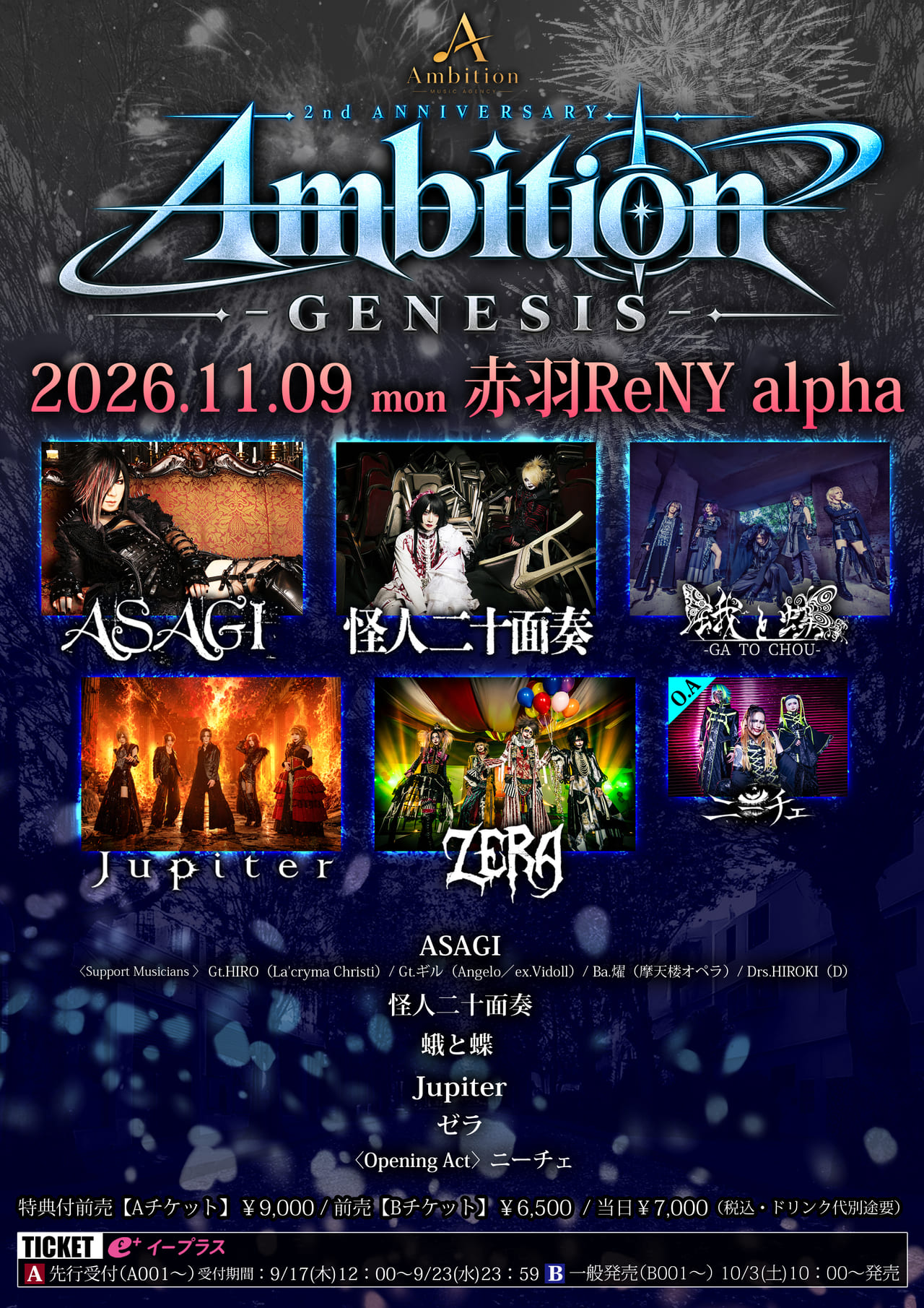
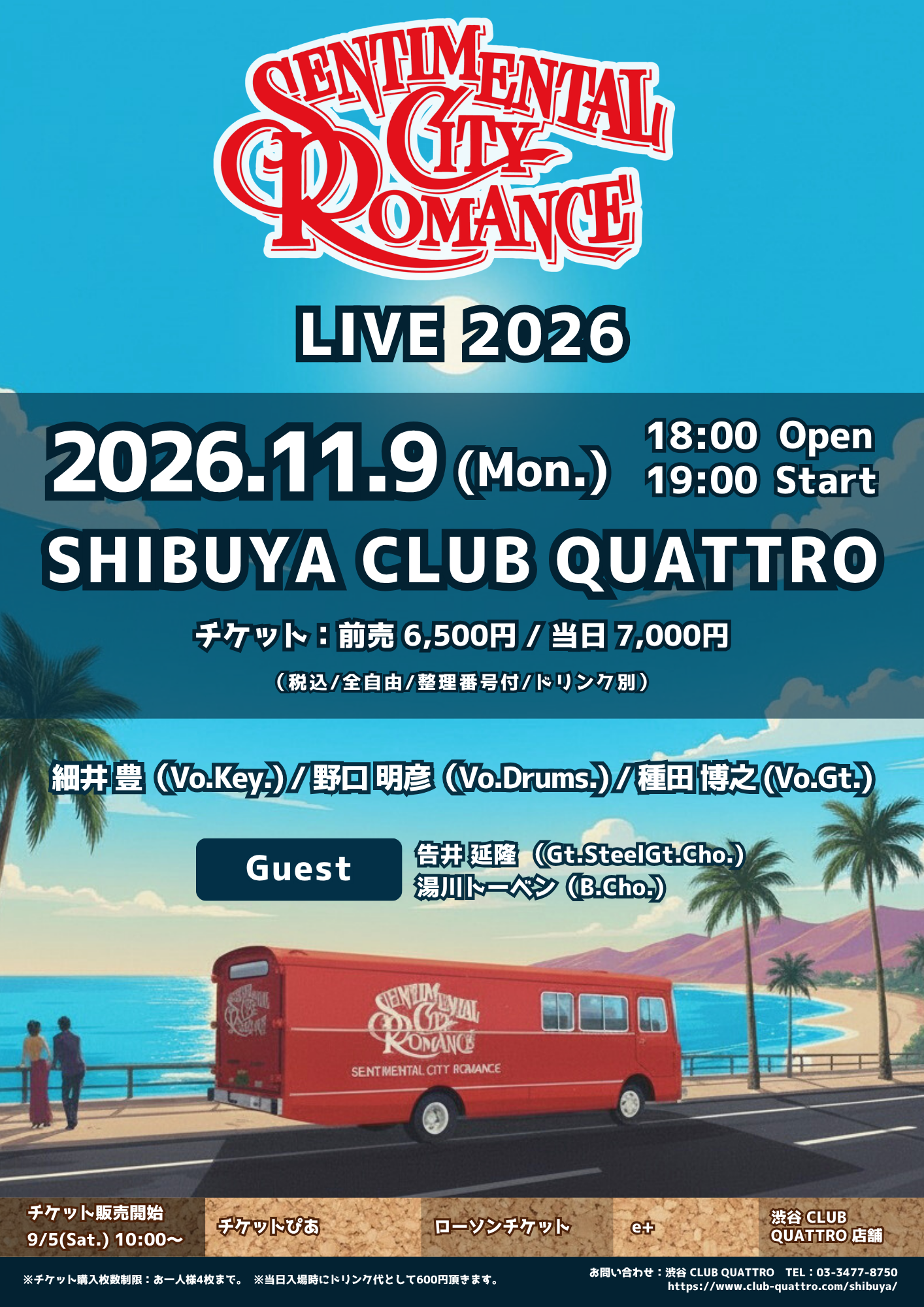
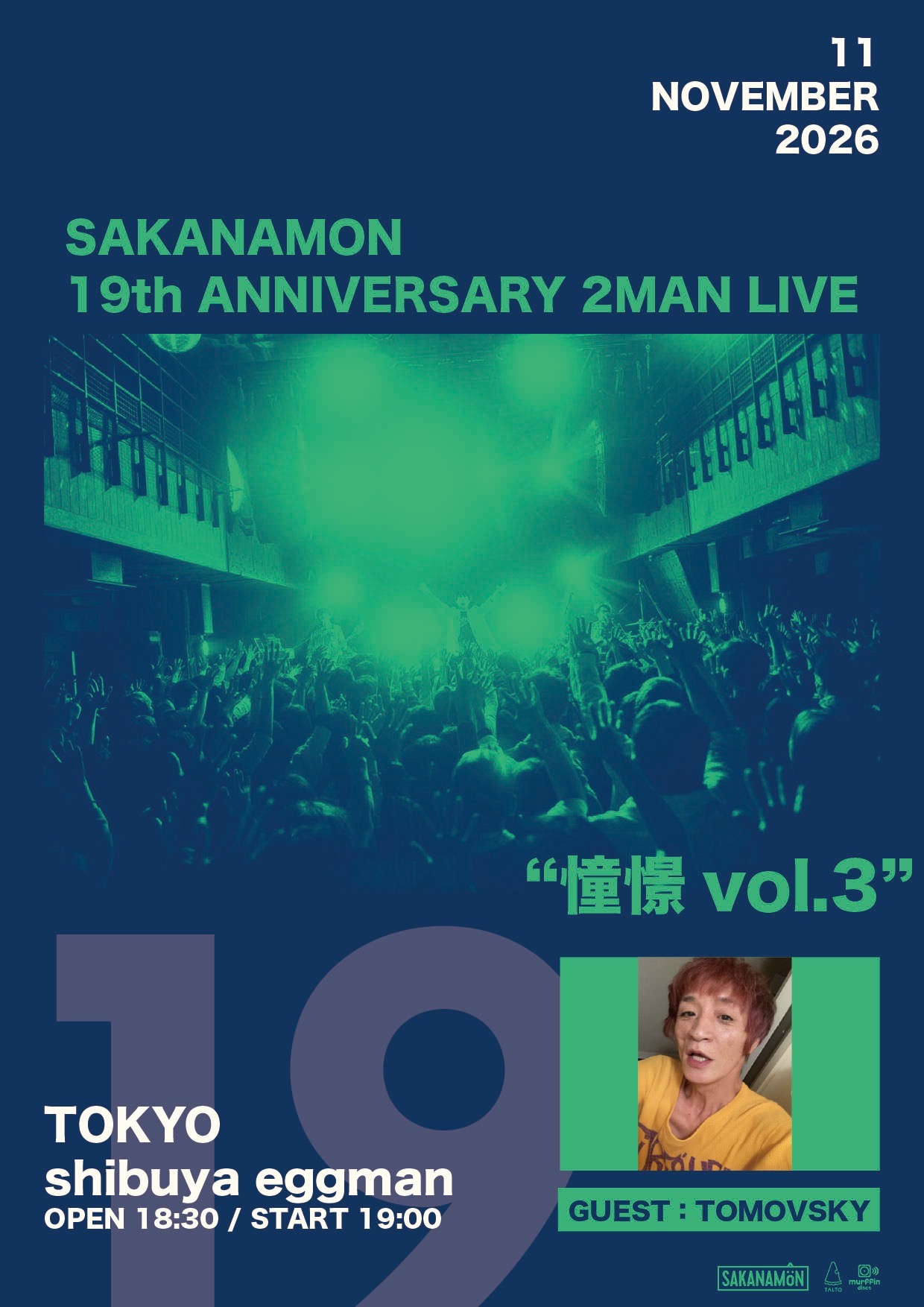
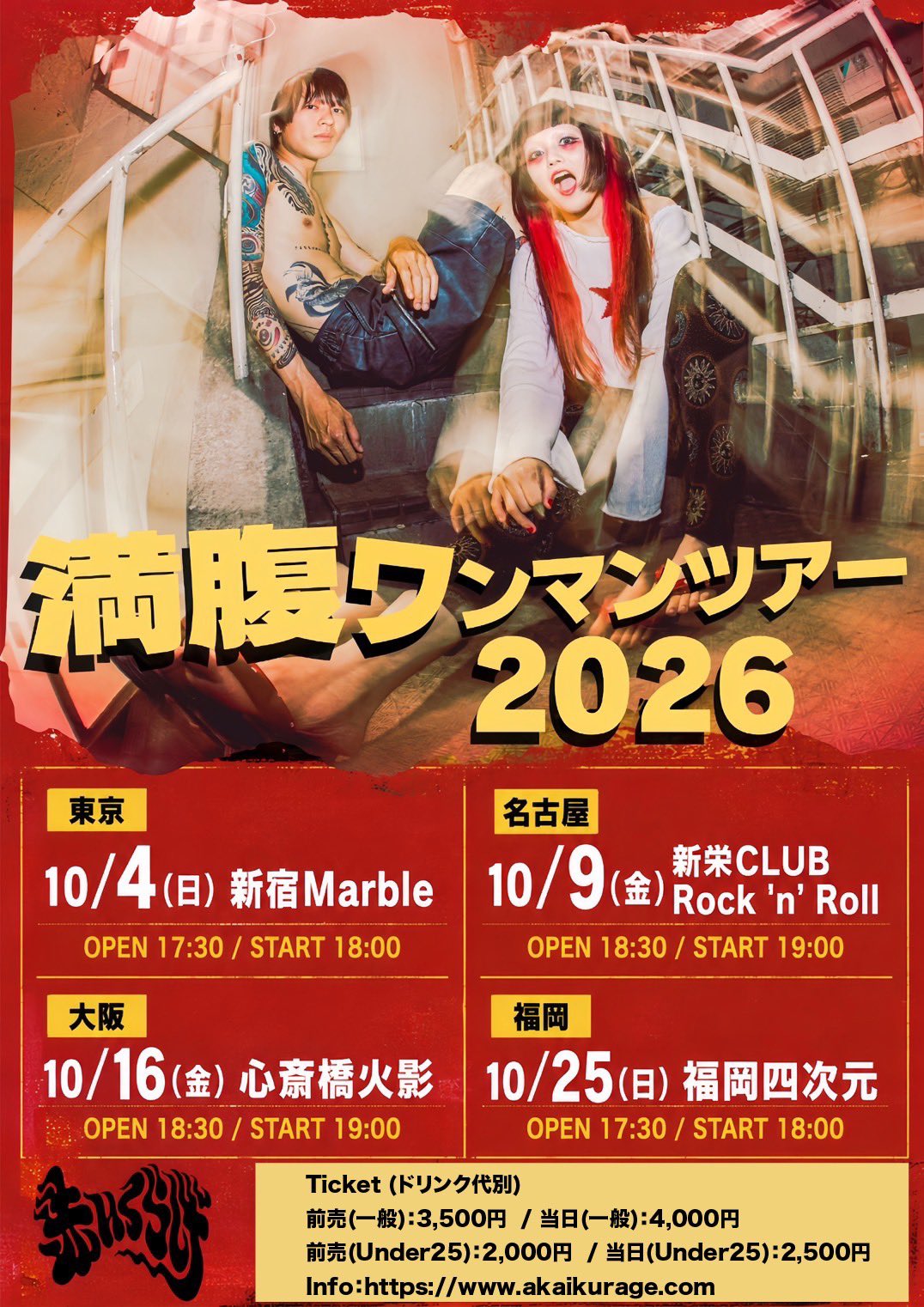
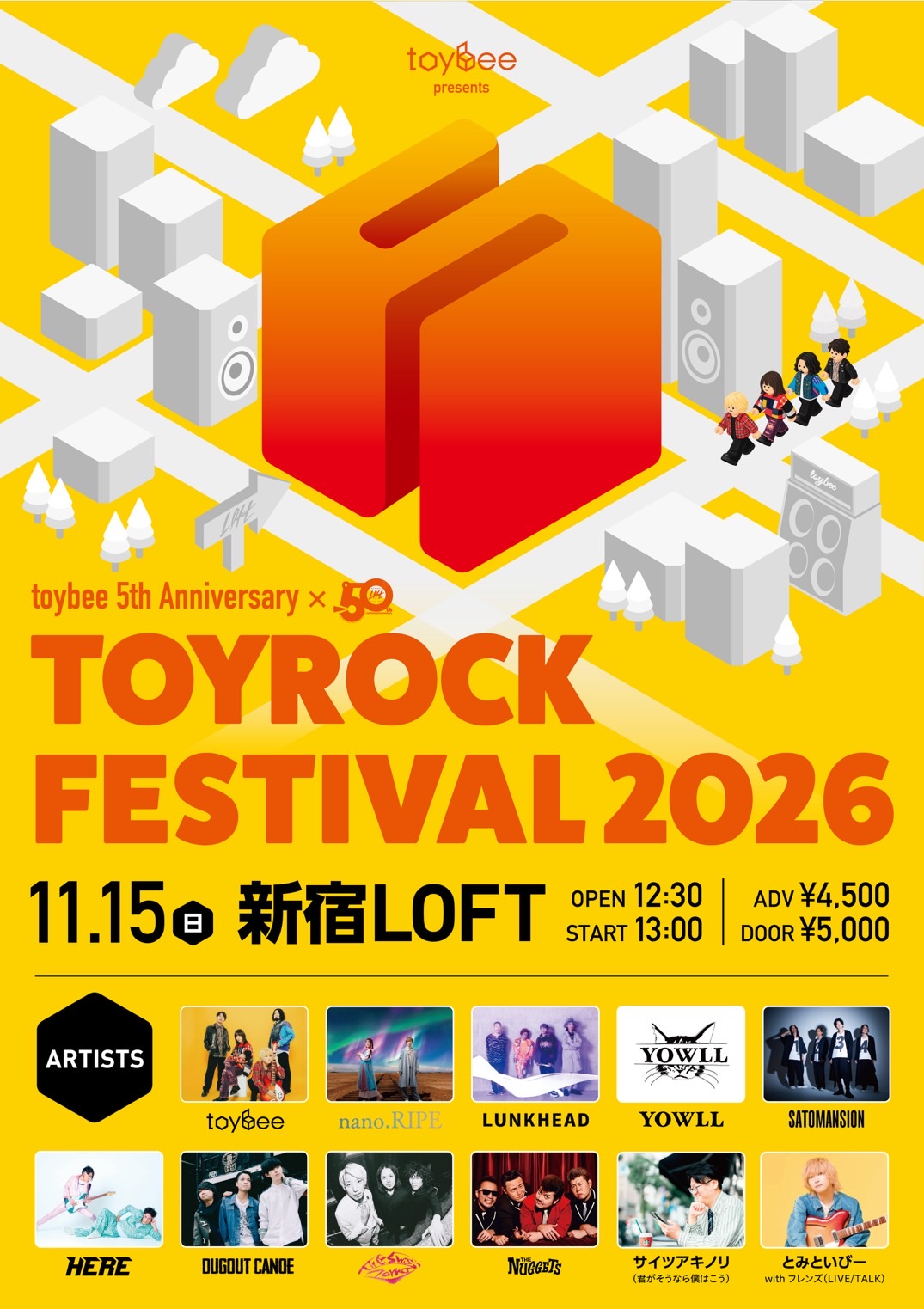
Every listing gives the same few lines. OPEN is when the doors open and START is when the first act plays, usually 30 minutes later; at small venues weekday shows often start between 6:30pm and 7:30pm, and weekend shows can start in the afternoon. ADV or 前売 is the advance price, and DOOR or 当日 is the price on the day, usually a few hundred yen more and often exactly ¥500. (+1D) or ドリンク代別 means the drink charge is paid at the door on top. You will also see 学割, a student price that needs a student ID, and age discounts such as U23 that need ID showing your birth date.
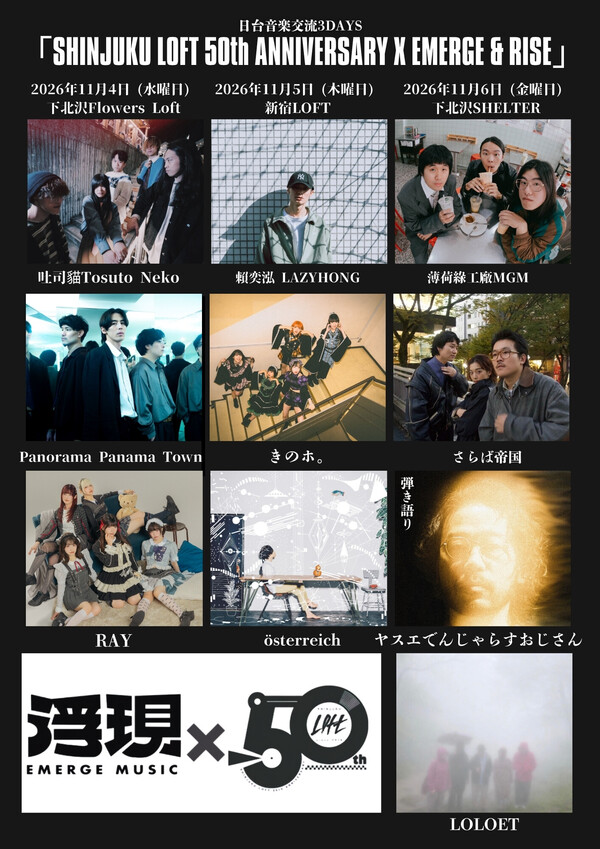
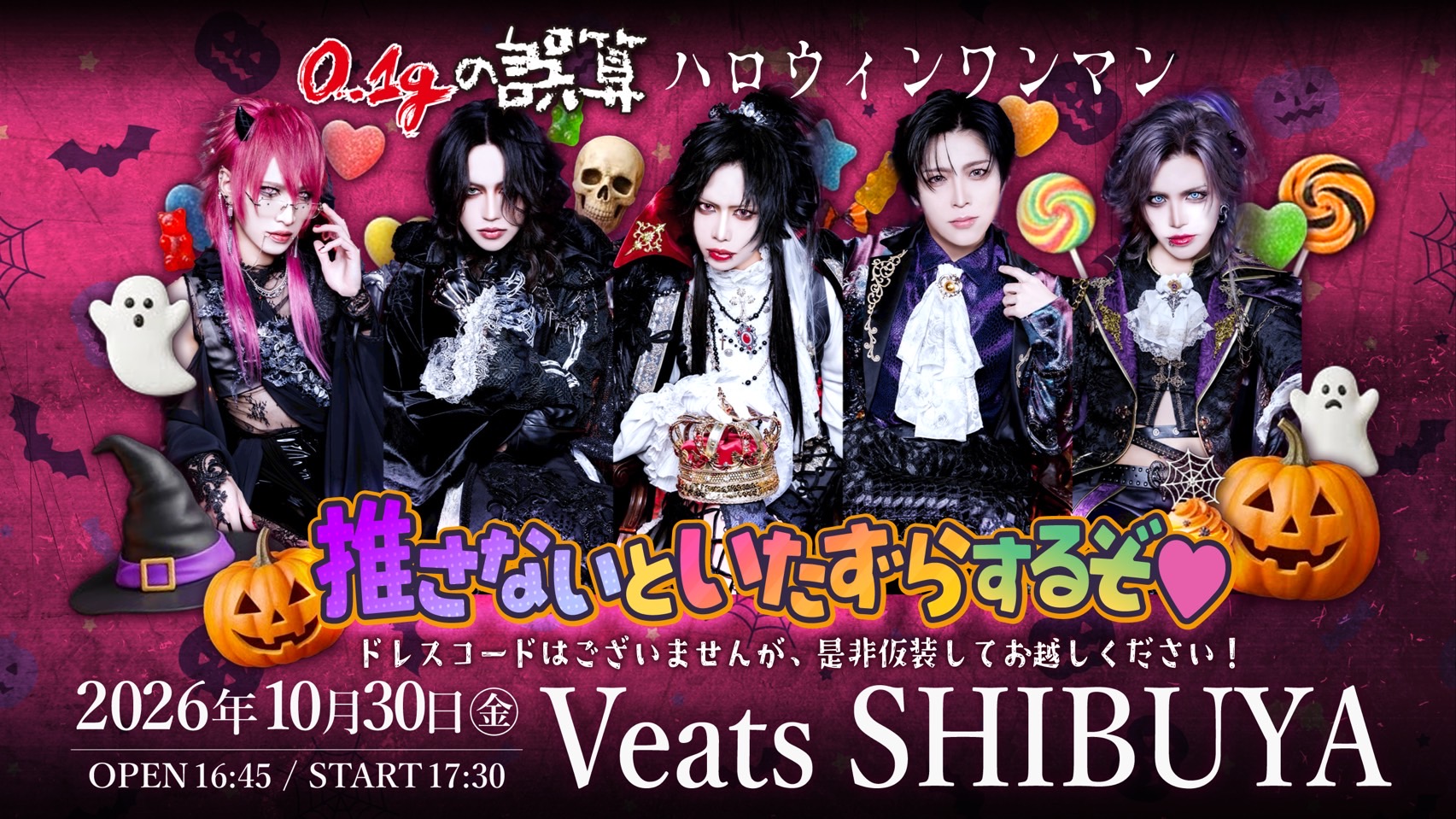
Most nights are 対バン (taiban), shared bills of three to five acts with a short set each, while ワンマン (one-man) means one act plays the whole night. Running orders for shared bills are often not announced in advance, and some are posted only on the day on the venue's or the bands' social media. If you came for one band, arrive close to the start or check their posts that afternoon.
- OPEN / START: doors / first act. ADV / DOOR: advance / day price.
- +1D or ドリンク代別: the drink charge is extra, paid at the door.
- 整理番号: your entry number. 当日券: tickets sold at the door.
- 配信: a livestream ticket, not a seat in the room.
Buying tickets, including from abroad
Bigger live house shows sell through the main ticket sites: e+, Ticket Pia and Lawson Ticket. They are mostly in Japanese and their SMS checks usually want a Japanese phone number; our tickets guide walks through the workarounds. Many indie, idol and club shows use smaller platforms instead. LivePocket accepts foreign mobile numbers for its SMS check if you choose your country first, and it moved to a new site in 2026, so old links beginning with t.livepocket.jp no longer work. ZAIKO runs in English, Chinese and Korean, signs you up with just an email and takes overseas credit cards.
The smallest shows work on reservations. A listing that says 予約 or チケット予約 lets you book with one of the bands or with the venue, by message, email or phone, and pay at the door on the night; people call this 取り置き (torioki). Give the name you booked under at the door. Some venues also sell advance tickets at their own counter. Door tickets are normal at small venues unless a show sells out, so for an unknown local bill you can often just turn up.
- No Japanese phone? Check the band's page for a ZAIKO or LivePocket link first.
- Write down the name your reservation is under. It is how the door finds you.
- Buy only from official sellers. Resale above face value is restricted by law.
On the night: entry numbers, drink charge, lockers
Get there before the doors open. Staff call entry numbers in order, often in blocks of ten, and people wait outside, on the stairs or along the pavement where staff ask them not to block the street. Zepp warns that if you arrive after the doors have opened your number may no longer count, and you go in after everyone else.
At the door you show your ticket and pay the drink charge, which in 2026 is mostly ¥600 to ¥700 per person: the Zepp halls charge ¥600, Shimokitazawa's DaisyBar went to ¥700 in July 2026, and Shibuya's WWW moves to ¥700 from January 2027. It is compulsory even if you only want water, because most live houses are licensed as food and drink businesses. You get a coin or ticket to exchange at the bar, valid on the day only, and the bar is quieter between bands than after the show. Cash is the norm, although Zepp Shinjuku is cashless and works mainly with IC cards such as Suica.
Lockers are small and few. WWW, for example, has coin lockers at ¥400 sized for a small backpack, many basements have only a handful or none, and station lockers fill early on busy nights. Most floors are standing room, so travel light and wear closed shoes. Re-entry is usually not allowed at ordinary shows, so finish your errands before you go in.
- Keep ¥1,000 notes or the exact coins ready for the drink charge.
- Swap the drink token early. It is worthless after the show.
- Earplugs make a long night in a small, loud room much easier.
Etiquette: photos, moshing and age rules
Photos and filming are banned at most shows unless the act says otherwise, and the rule is announced before the show or posted by the stage. Some acts now allow phones for one song or a whole set; if nobody says so, keep your phone away. Moshing and crowd-surfing depend on the scene. They are part of many punk and hardcore nights, while venues such as the Zepp halls ask people not to do anything that could hurt others. Watch the room and step back from the front if you would rather not be in the pit.
Between bands, go to the bar or the merch table, where musicians at small shows often sell their own CDs and T-shirts and are happy to talk. Age rules depend on the hour. WWW does not admit under-20s after 10pm and checks photo ID then, and all-night events have age limits set by the organiser and local rules, so bring your passport or residence card to any late show.
- No photos unless the act or the venue clearly allows them.
- Clap between songs, not over the quiet parts. Crowds here listen closely.
- Carry photo ID for anything that runs past 10pm.
Where the live houses are
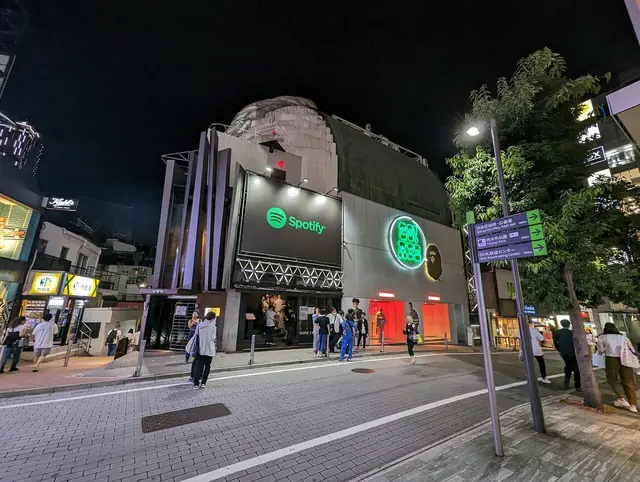
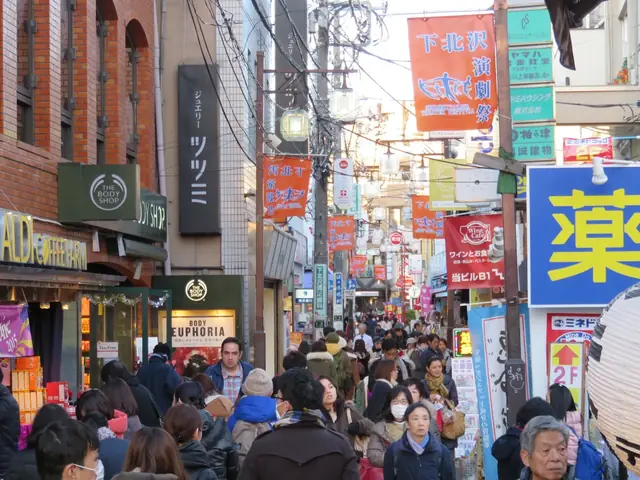
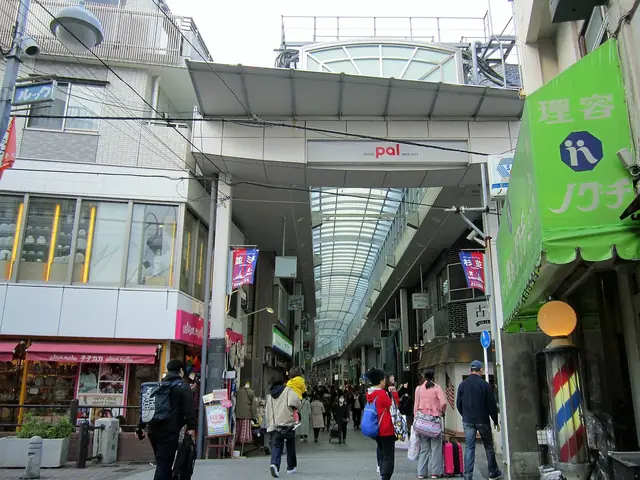
Shimokitazawa has the densest cluster, most within five minutes of the station: SHELTER for rock and punk, CLUB Que for guitar bands, DaisyBar for indie and pop, CLUB251, and BASEMENT BAR and THREE on one floor of the same building. In Shibuya, WWW and WWW X share a building on Spain-zaka, the four Spotify O-EAST venues sit in the Dogenzaka and Maruyamacho area up the hill, and CLUB QUATTRO is a long-running room for touring bands.
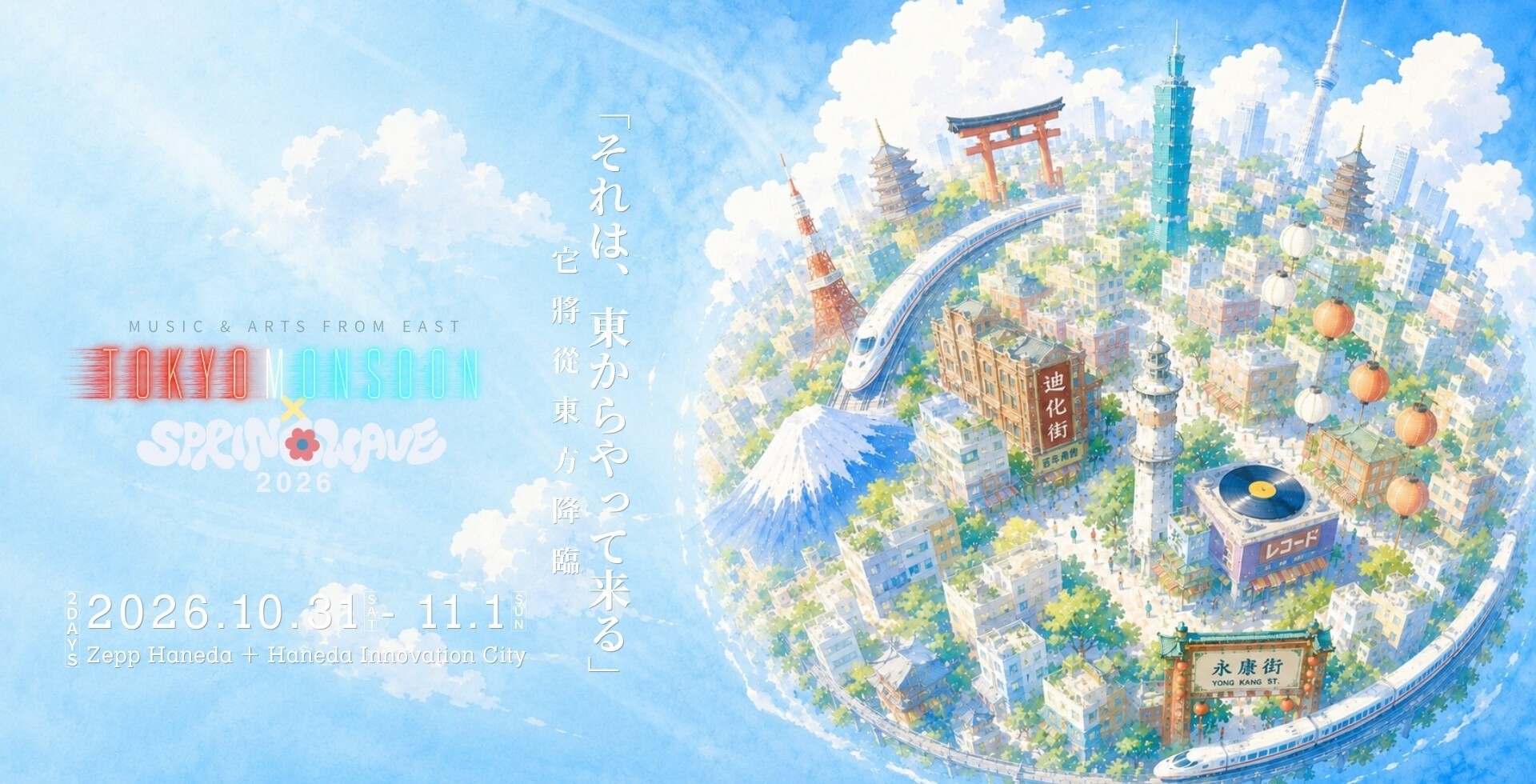
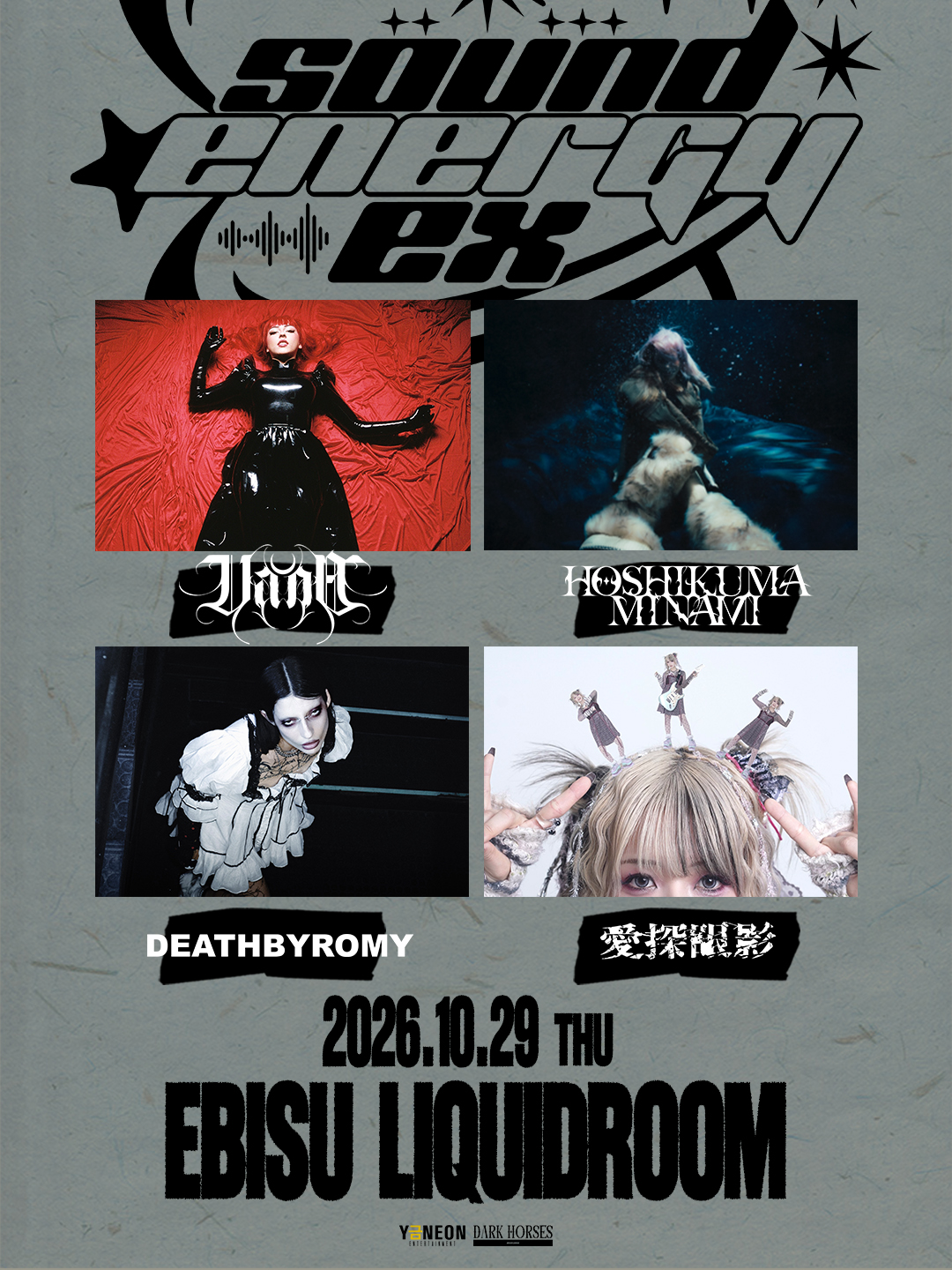
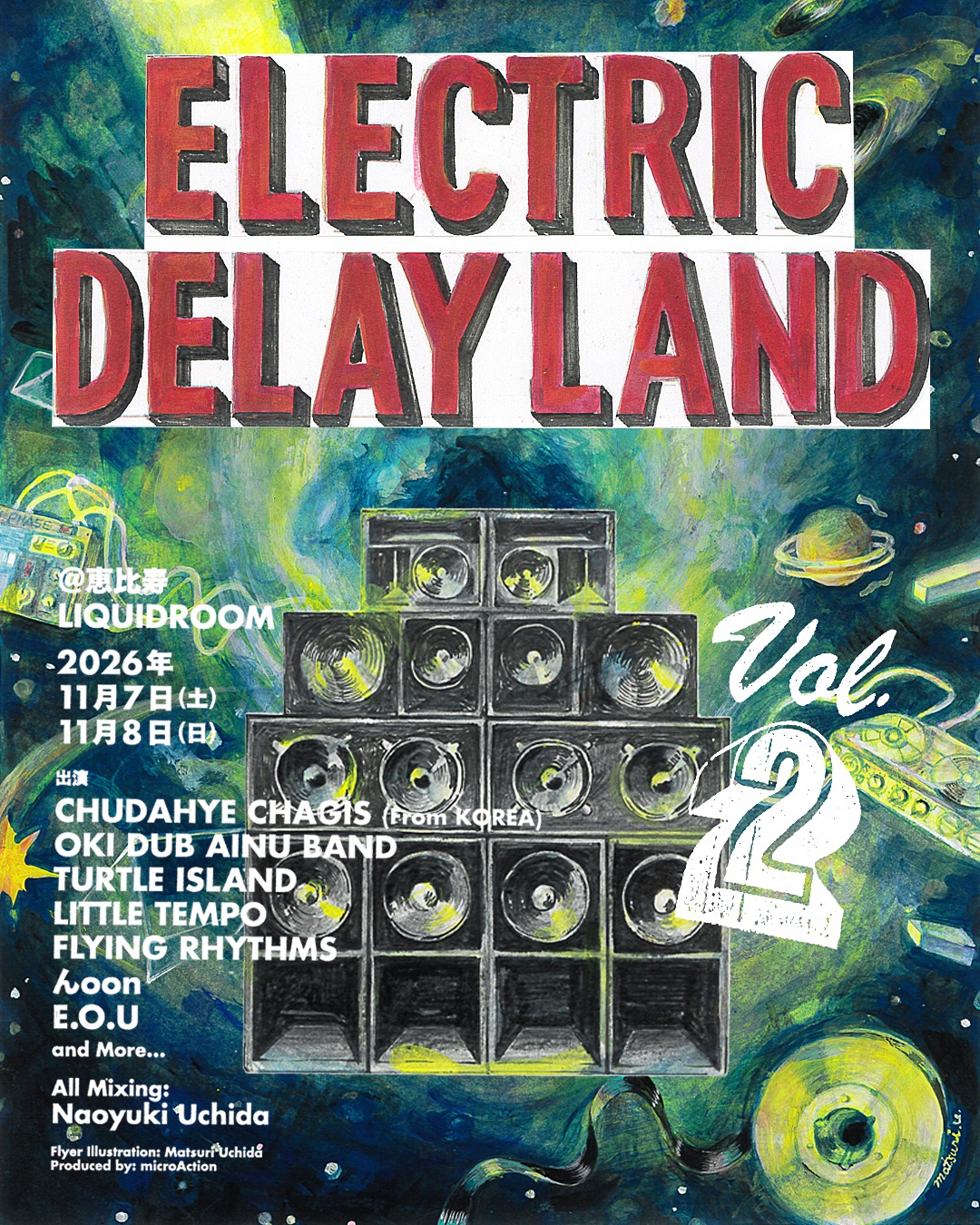
Koenji, often called the home of Japanese punk, has Koenji HIGH near the station, and around Higashi-Koenji on the Marunouchi Line there are the small basements UFO Club and 20000V. Shinjuku has Shinjuku LOFT, a rock venue since the 1970s now in a Kabukicho basement, and ANTIKNOCK for punk and metal. LIQUIDROOM in Ebisu and the Zepp halls in Odaiba, Haneda and Kabukicho are the bigger rooms where touring acts play.
- Check the access page for the right exit. Shimokitazawa Station has several.
- Small venues hide down unmarked stairs. Look for the schedule board on the street.