Genji and Heike: the two fireflies you will see
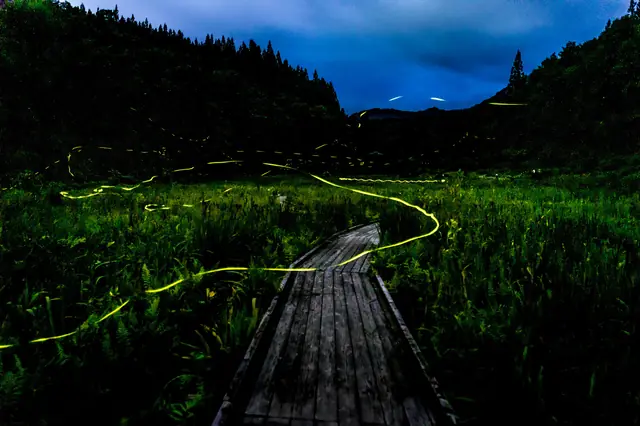
Japan has around 50 kinds of firefly, but two are the ones people go out to watch. The Genji firefly is the largest, up to about 2 cm long, and glows slowly and brightly as it drifts; in eastern Japan it flashes about once every four seconds, slower than in the west, and faster on warm nights. Its larvae live in clean, flowing water and feed on a small freshwater snail, kawanina, so Genji fireflies need streams. The smaller Heike firefly gives quick, flickering flashes, flies lower and straighter, and lives around rice paddies, ponds and ditches.
Around Tokyo, Genji fireflies fly from mid or late May to late June, usually peaking in early to mid-June; Heike fireflies start a little later and carry on into July. Adults live only a week or two and drink nothing but water, and the light is how males and females find each other. Most sites near the city keep their fireflies going by raising larvae and releasing them into the water each winter or spring, so every viewing spot is also a small conservation project.
Hotel Chinzanso Tokyo: fireflies in the city
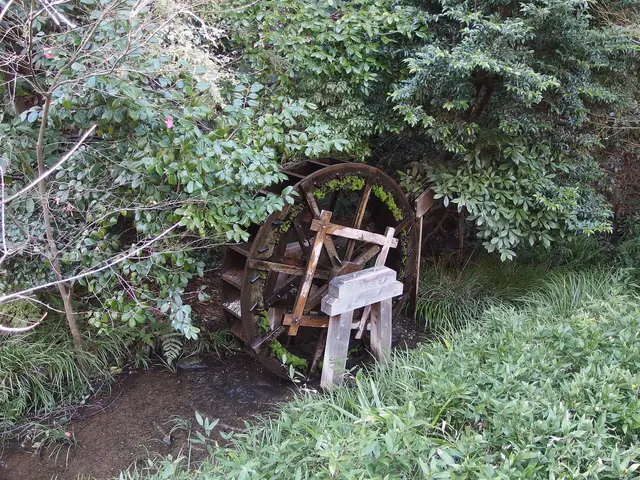
The garden of Hotel Chinzanso Tokyo in Bunkyo has held firefly evenings since 1954, when the company's founder wanted Tokyo children to see fireflies again after the war. The hotel raises Genji fireflies in a spring-fed stream and releases the larvae each winter; they usually fly from mid-May and peak in early June. Look along Hotaru-zawa under the red Benkei bridge, by the Kokoi spring and around the old water wheel. From late June into early July, and on rainy nights, they are shown in an indoor biotope, the firefly cave.
Getting in has changed. The garden is now normally reserved for people using the hotel, and in the 2026 season entry after 6:30pm was limited to hotel guests, visitors who spent at least 3,000 yen per adult or 1,500 yen per child at the hotel's restaurants or shop (one garden ticket each), and holders of garden tickets booked and paid for online in advance, sold only for limited dates. The hotel also runs a firefly dinner buffet on selected dates. Expect similar rules in later years and book early.
Fireflies show best after about 7:30pm. Flash photography and tripods are banned, and the garden's Tokyo Unkai fog is switched off around the firefly areas in season. The hotel is about 10 minutes uphill from Exit 1a of Edogawabashi Station on the Yurakucho Line; the Kabukimon gate on that side is closed, so use the Kanda River entrance.
More firefly evenings in the 23 wards
Adachi Park of Living Things, a small insect and animal park in Adachi ward, has bred fireflies for more than 40 years. On a few nights in late May its Hotaru no Yube lets you walk through an outdoor insect dome with hundreds of Genji fireflies flying around you. Places are limited and you must apply in advance (700 yen for adults in 2026). It is about 20 minutes on foot from the east exit of Takenotsuka Station, or a bus ride to Hokima-nakadori.
In early July the Setagaya Firefly Festival fills the grounds of the Setagaya Daikan Yashiki, an Edo-period magistrate's house, together with a market selling sagiso, an orchid whose white flower looks like a flying egret. Entry is free, viewing starts at 5pm and the queue closes at about 8:45pm. It is 4 minutes from Kamimachi Station on the Tokyu Setagaya Line.
West Tokyo: Fussa, Inagi, Hachioji and wild streams
Fussa, on the JR Ome Line, holds the Fussa Hotaru Festival on a single day around the end of May or start of June, along Seseragi-dori by Hotaru Park near the Tamagawa Josui canal. Genji fireflies raised by a local research group fly over the stream after dark, and the afternoon brings food stalls and stage events. On festival day, viewing inside Hotaru Park needs a numbered ticket, so arrive early. Use Ushihama Station, about 10 minutes away, which the organisers recommend to spread the crowd. There is no parking at the park, and only two school grounds open for limited parking on festival day.
HANA BIYORI, the garden attraction next to Yomiuriland in Inagi, runs Hotaru Biyori from late May to about the start of July, with Genji fireflies until mid-June and Heike after that. You need a timed viewing ticket bought online on top of admission (400 yen plus 800 yen for adults as of 2026), and viewing starts around 7:40pm. The nearest station is Keio Yomiuri-land.
Yuyake Koyake Fureai no Sato in the hills of Hachioji holds firefly evenings for about two weeks in June, with both Genji and Heike fireflies along the Kita-Asakawa river (200 yen for adults as of 2026). It is about 30 minutes by Nishi Tokyo bus from the north exit of Takao Station; check the last bus back before you go. For wild fireflies with no event at all, locals walk the Yozawa River valley in Akiruno from Tokuun-in temple in June. Wild sites have no lights, toilets or staff, and on some nights you see only a handful.
Worth the trip: Yugawara and Saitama
The hot spring town of Yugawara in Kanagawa holds Hotaru no Utage in Manyo Park for about ten evenings from late May into early June, from 7:30pm to 9pm. Local schoolchildren release the larvae every March, and you watch the fireflies along a stream in a narrow wooded valley. Entry is free, the paths have only low foot lights and flash is not allowed. Parking is tiny, so take the bus from Yugawara Station to Ochiaibashi, about 9 minutes. It works best as an overnight stay with a hot spring bath first.
In Saitama, Chikozan Park in Sayama holds a firefly evening at its nature garden on two nights in mid-June. Places are booked online in advance, about 600 a night (500 yen as of 2026), and in 2026 they all went within a week, so watch for the announcement in May. Buses run from Sayamashi Station on the Seibu Shinjuku Line.
How to watch fireflies
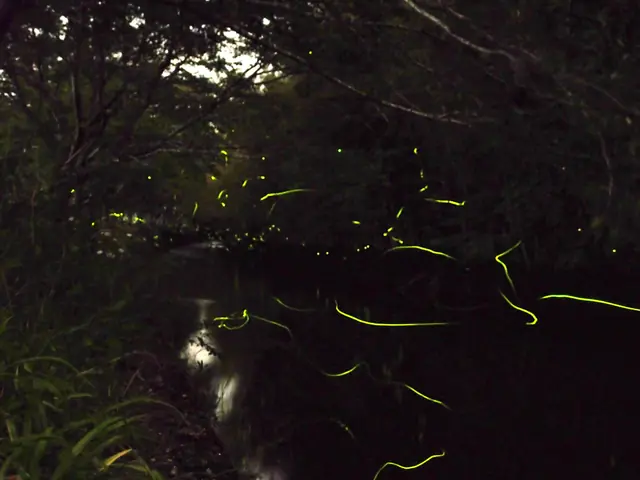
Fireflies start to glow once it is properly dark, about half an hour after sunset. Genji fireflies are most active from about 8pm to 9:30pm and settle down after 10pm. The best nights are warm, humid and still, ideally cloudy or moonless; a muggy evening after daytime rain is often excellent, while cold, windy or bright full-moon nights can be nearly empty. Each site has only a week or so at its best, so a weekday at the right time beats a weekend a week late.
Light is the main thing to manage. Turn off the flash, dim your phone and keep it in a pocket, and do not use a torch; if you need one to walk, point it at your feet. Stay on the paths, keep your voice low and never catch fireflies or take them home. Insect spray near the water is bad for them, so wear long sleeves instead. Photos need a long exposure, and some sites, Chinzanso included, ban tripods.
- Check the last train or bus before you set out: firefly sites in the hills empty quickly after 9pm.
- Light rain does not always cancel a firefly evening, but heavy rain or strong wind keeps the insects down. Check the organiser's page on the day.