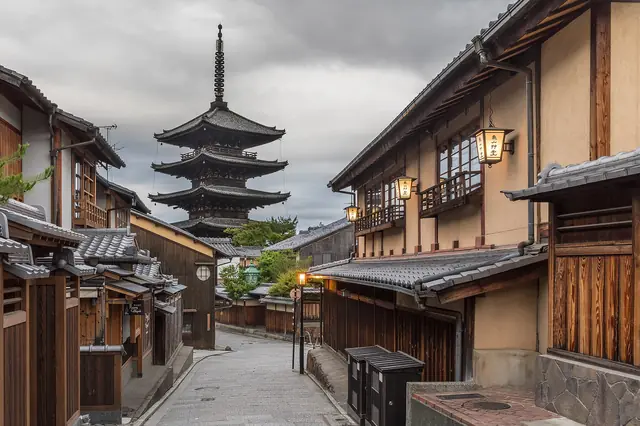
Getting there from Tokyo: Shinkansen, JR Pass or night bus
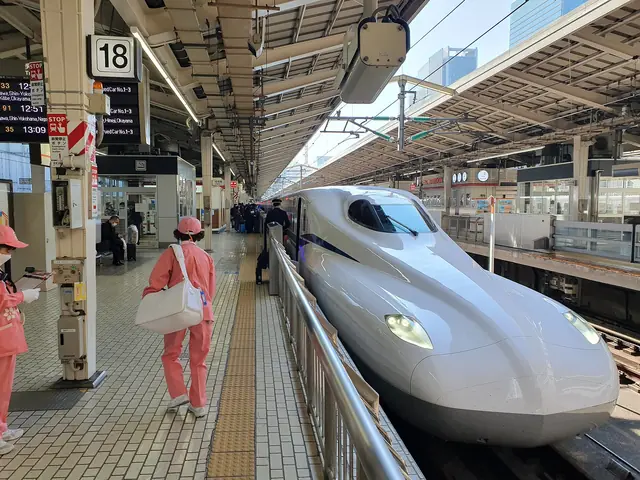
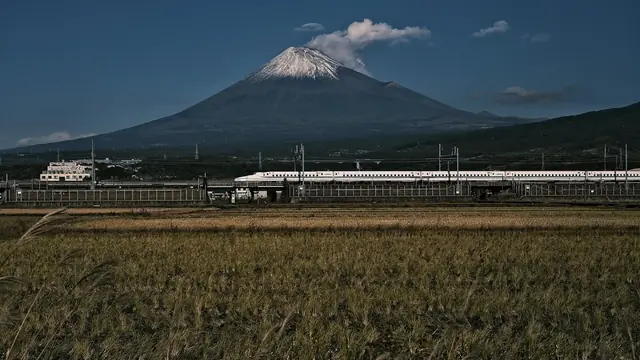
The Nozomi takes about 2 hours 15 minutes from Tokyo Station to Kyoto, also stopping at Shinagawa and Shin-Yokohama, with several trains an hour. Leave around 7am and you are in Kyoto a little after 9am. Book on JR Central's smartEX app, which takes overseas cards with 3-D Secure, or buy at a machine on the day; outside holidays and weekends seats are easy to get. Mt Fuji is on the right going to Kyoto, about 40 minutes out: ask for window seat E (D in the Green Car), and seat A on the way back.
The Japan Rail Pass does not pay off here: a Nozomi round trip costs well under a 7-day pass. The budget option is a night bus from Busta Shinjuku or Tokyo Station, about eight hours to Kyoto Station, arriving around dawn, which suits an early Fushimi Inari.
Leave the suitcase out of it. Have your Tokyo hotel send it to your Kyoto hotel by takkyubin the day before; it usually arrives the next day. On day 2 leave it at the hotel after check-out, since large lockers at Kyoto Station are often full by late morning in busy seasons.
- At Kyoto Station the Shinkansen gates are on the south (Hachijo) side; the subway and main bus terminal are on the north (Karasuma) side.
- On the Tokaido Shinkansen a bag over 160 cm in total needs a seat with an oversized baggage area, booked with your ticket.
Day 1: Higashiyama and Gion, with Kiyomizu-dera in the late afternoon
9:30 Drop your bags at the hotel. 10:00 Sanjusangendo, the long hall of 1,001 wooden Kannon statues, 20 minutes' walk from Kyoto Station; allow 45 minutes. It opens at 8:30 from April to mid-November and at 9:00 in winter. 11:30 Take the Keihan Line from Shichijo to Gion-Shijo and have lunch in Gion.
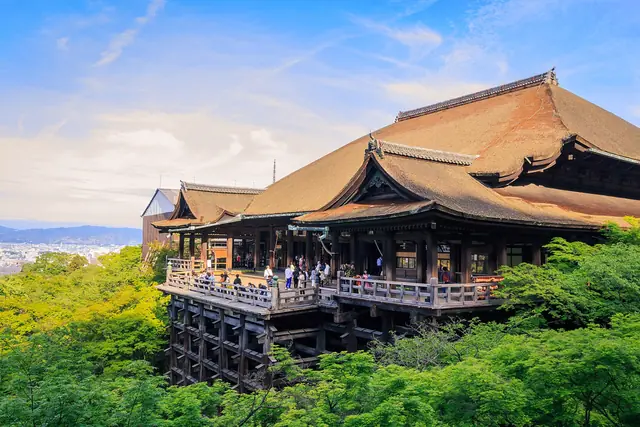
13:00 Kennin-ji, Kyoto's oldest Zen temple, with gravel gardens and twin dragons painted across a ceiling; it stays calm when Gion is busy. 14:00 Yasaka Shrine, open at all hours, then Maruyama Park and Nene-no-michi to Kodai-ji. 15:30 Up Ninenzaka and Sannenzaka to Kiyomizu-dera.
That order is the point. Kiyomizu-dera and its lanes are worst from mid-morning to mid-afternoon, when school groups and tour buses arrive; by late afternoon they thin out and you can watch the light fade over the city from the wooden stage. The temple opens at 6:00 and closes at a time that changes with the season, so check the opening hours. Jishu-jinja, the matchmaking shrine behind the main hall, is closed for a long restoration that began in 2022.
Evening: walk down as the shops close, then the Shirakawa canal and Hanamikoji after dark. Eat in Gion or along Pontocho by the Kamo River, booking ahead on weekends.
- Arriving the night before? Reverse it: Kiyomizu-dera at 6:00, then an almost empty Sannenzaka before the shops open.
Day 2: Fushimi Inari at 7am, then Arashiyama or Kinkaku-ji
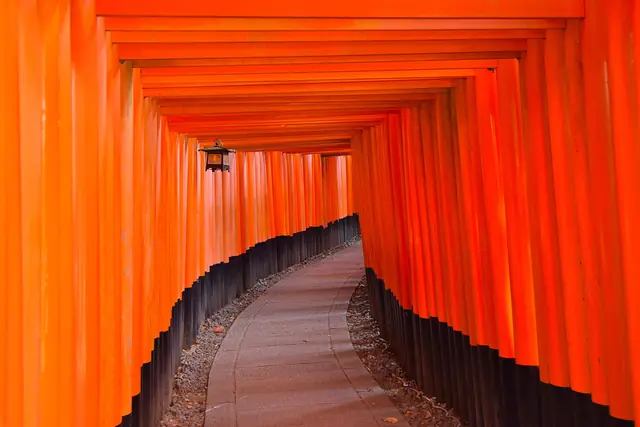
7:00 Fushimi Inari: 5 minutes on the JR Nara Line from Kyoto Station to Inari, right at the gate, or the Keihan Line from Gion to Fushimi-Inari (access). The shrine is open at all hours and free. Before 8:00 the Senbon Torii tunnels are almost empty; by 9:00 they are packed. Climb to the Yotsutsuji crossroads, 30 to 45 minutes from the main hall, for the view, and be back down by 9:30. The full loop of the mountain takes 2 to 3 hours.
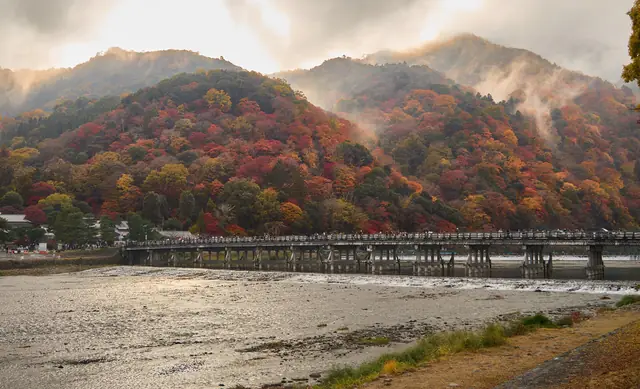
Option A, Arashiyama. Back to Kyoto Station, then the JR Sagano Line to Saga-Arashiyama, about 15 minutes. 10:30 The garden of Tenryu-ji (opens 8:30), out through its north gate into the bamboo grove, then keep walking north towards Okochi Sanso, Jojakko-ji and Gio-ji, where the crowds fall away. Lunch near Togetsukyo bridge, then the JR back for an afternoon Shinkansen.
Option B, Kinkaku-ji. Karasuma subway line to Kitaoji, about 15 minutes, then bus 205 or M1, or a 10-minute taxi. Kinkaku-ji is open daily 9:00 to 17:00 (access) and its one-way path takes about 40 minutes. Walk 20 minutes along Kinukake-no-michi to the rock garden of Ryoan-ji; from Ryoanji Station the Randen tram runs on to Arashiyama, changing at Katabiranotsuji.
If an empty bamboo grove matters more to you, flip the day: Arashiyama at 7:30 and Fushimi Inari in the late afternoon on the way to the Shinkansen. The shrine stays open after dark, when the lanterns come on and the upper paths go quiet.
- Few places near Fushimi Inari open before 8am, so buy breakfast at a Kyoto Station convenience store.
Getting around Kyoto, and the rules worth knowing in 2026
City buses to Kiyomizu-dera, Gion and Kinkaku-ji are packed and stuck in traffic, so build your days on rail: the Karasuma subway runs north from Kyoto Station, JR covers Inari and Arashiyama, the Keihan Line follows the Kamo River (Fushimi-Inari, Kiyomizu-Gojo, Gion-Shijo) and Hankyu runs from Kyoto-kawaramachi to Arashiyama via Katsura. Suica and PASMO work on all of them. For three or four people a taxi on short hops costs little more than the bus.
If you take a bus, take a fast one. On weekends and holidays the Sightseeing Limited Express buses EX100 (Kiyomizu-dera, Gion, Ginkaku-ji) and EX101 (Kiyomizu-dera) leave from stop D1 at Kyoto Station with few stops, for about twice the normal fare. On weekdays until late January 2027, Keihan Bus runs a reserved-seat Kiyomizu-dera Line from the station. The Subway and Bus 1-Day Pass (¥1,100 as of 2026) covers the subway and city buses, EX buses included. Kyoto also plans higher city bus fares for non-residents during the 2027 fiscal year; the details are not final.
In Gion, the district council has signposted the private lanes off Hanamikoji as closed to visitors, with a posted fine of ¥10,000. Hanamikoji itself is a public street: walk it, keep out of the side lanes, and never follow or photograph maiko and geiko without asking. Nishiki Market asks you not to eat while walking. And Kyoto raised its accommodation tax in March 2026: it is charged per person per night by room rate, so check whether your booking includes it.
- Route apps often suggest a bus that is a few minutes faster on paper. Take the train: it keeps to time.
Where to stay for one night
Around Kyoto Station is the practical choice, with the Shinkansen, JR and subway on your doorstep: Hotel Granvia Kyoto is inside the station building and The Thousand Kyoto two minutes from the central exit. It is plainer in the evening than the old centre.
For evenings out, stay around Shijo or Kawaramachi, a walk from Gion and Pontocho; Hotel Okura Kyoto connects directly to Kyoto Shiyakusho-mae Station. Gion and Higashiyama have small inns with quiet nights and Kiyomizu-dera at dawn on foot, but send your bags ahead. Book early for cherry blossoms, autumn leaves and weekends; if Kyoto is full, Osaka is 15 minutes away by Shinkansen.
Rainy days, heat and seasonal swaps
On a wet day, lean on Sanjusangendo, the Kyoto National Museum (closed Mondays), the covered Nishiki Market and the Kyoto Railway Museum (closed Wednesdays). Fushimi Inari in light rain is fine and quieter, but the upper steps get slippery.
Cherry blossoms (usually late March to early April) and autumn leaves (usually mid-November to early December) are the busiest weeks of the year, so start an hour earlier everywhere. In autumn, Tofuku-ji is one stop from Kyoto Station on the way to Inari and fits into day 2. Kiyomizu-dera opens in the evening in spring, mid-August and late autumn. The Gion Matsuri fills July, with float processions on 17 and 24 July. In summer walk outdoors before 10am and keep museums for midday; winter is the quietest season, with dark by about 5pm.