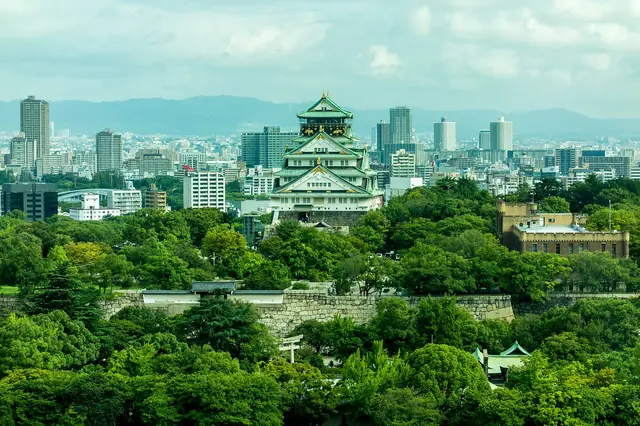
Day one: Osaka Castle, Kuromon, Shinsekai and Dotonbori
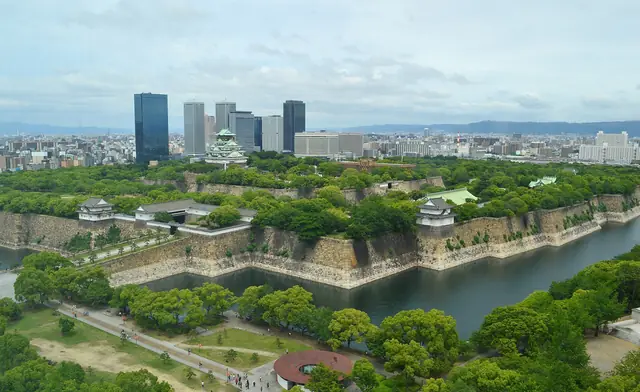
Take an early Nozomi from Tokyo and you reach Shin-Osaka by about 9:30. Drop your bag, ride the JR Loop Line to Osakajokoen and walk 15 to 20 minutes through the park to Osaka Castle. The tower is a 1931 concrete rebuild with a museum and a lift inside; the view from the top and the huge stone walls are the reason to come. The main tower is open 9:00 to 18:00 (last entry 17:30), and as of 2026 the ¥1,200 ticket includes the new Toyotomi Stone Wall Museum, which shows the buried walls of the first castle. Allow two hours.
Around 12:30, go to Kuromon Market for lunch, 15 to 20 minutes by subway from Tanimachi 4-chome (Chuo Line to Sakaisuji-Hommachi, then the Sakaisuji Line to Nippombashi). Stalls grill scallops and wagyu skewers and cut sashimi to eat on the spot. Many shops close by 16:00 or 17:00, and several shut on Sundays and holidays.
At about 14:30, ride the Sakaisuji Line one stop to Ebisucho (or walk about 15 minutes) for Shinsekai, the retro quarter around Tsutenkaku Tower. The tower now runs on timed entry, so book a slot online if you want to go up. Either way, stop for kushikatsu, Shinsekai's deep-fried skewers: the shared sauce pot is for one dip only.
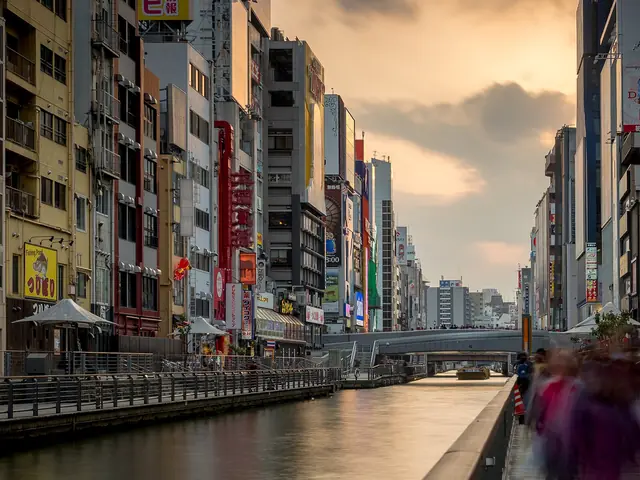
From 17:00, walk a few minutes to Dobutsuen-mae and take the Midosuji Line three stops to Shinsaibashi and stroll the covered Shinsaibashi-suji arcade down to the canal, reaching Dotonbori at dusk as the signs light up. Ebisubashi Bridge is the photo spot, the short Tombori River Cruise runs along the canal, and two minutes away the lantern-lit lane of Hozenji Yokocho hides a moss-covered statue that people splash with water as they pray. Dinner is okonomiyaki or takoyaki.
- Do the castle first: the park has little shade, and the lift queue in the tower grows after 11:00.
- In Osaka people stand on the right on escalators, the opposite of Tokyo.
Day two, option A: Nara in the morning, Umeda at sunset
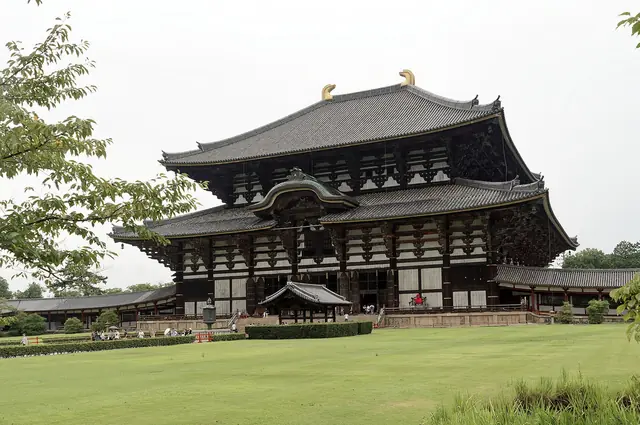
Catch a Kintetsu train from Osaka-Namba at about 8:00. The rapid express reaches Kintetsu-Nara in about 40 minutes, and the deer are five minutes from the station. With a JR Pass, take the JR Yamatoji Line from Osaka or Tennoji to JR Nara instead, about 50 minutes from Osaka.
Walk past Kofuku-ji, whose five-storied pagoda is under scaffolding for a repair that will take years, and across Nara Park to Todai-ji by about 9:00. The Great Buddha Hall opens at 7:30 from April to October and at 8:00 from November to March; admission is ¥800 as of 2026, cash only, and school groups arrive from about 10:00. Then walk 20 minutes along stone lanterns to Kasuga Taisha, have lunch near the station and head back to Osaka around 13:30.
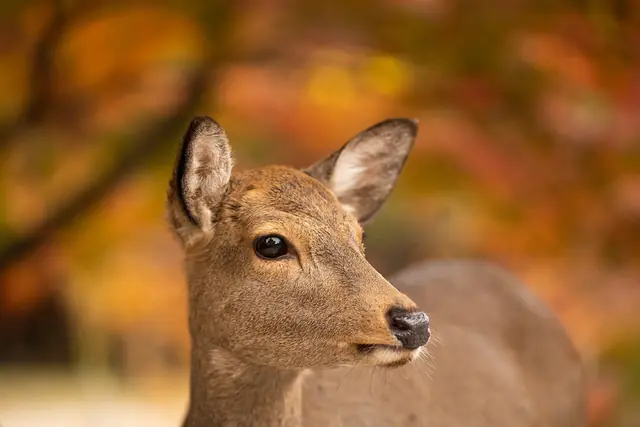
The deer are wild and protected. Buy crackers (shika senbei) at the park stalls, show your empty hands when you are done, and keep paper bags out of reach. Stags can butt in autumn and mothers guard fawns in early summer, so give them space.
Spend the afternoon in Kita, around Osaka and Umeda stations. Walk the 2.6 km roofed Tenjinbashisuji shopping street or the small cafes of Nakazakicho, then go up the Umeda Sky Building for sunset. Its open-air rooftop, the Floating Garden Observatory, is open 9:30 to 22:30 (last entry 22:00) and costs ¥2,000 as of 2026. Eat in the underground streets around Osaka Station; Shin-Osaka is four minutes away by JR.
- If you only have time for one building in Nara, make it the Great Buddha Hall.
- Check your last Nozomi to Tokyo before dinner: the last one leaves Shin-Osaka a little after 21:00.
Day two, option B: a full day at Universal Studios Japan
Universal Studios Japan takes the whole day, so it replaces Nara and most of Umeda. It is about 15 minutes from Osaka Station on JR, direct or with a change at Nishikujo, and Universal City station is a few minutes from the gates. Tickets (Studio Pass) are dated, the price changes by day, and the official site sells them. Weekdays outside Japanese school holidays are much calmer.
Super Nintendo World, home of Mario Kart and the Donkey Kong ride, often needs an area entry ticket. It is free in the official USJ app, but only after you pass the gates with your ticket registered in the app; each ticket lets you into the area once, and on busy days they run out. The sure way in is an Express Pass with an area entry guarantee: they are sold in limited numbers, ahead and on the day, sell out early for busy dates, cost more than the ticket and fix set times for some rides. The Harry Potter area can also need entry tickets on busy days.
Be at the gates 45 to 60 minutes before opening (they often open early), get the area ticket in the app at once, ride the biggest rides first and eat before 11:30 or after 14:00. Sesame Street Fun World, the play area for small children, closed in May 2026, so families with toddlers should check what is open.
- Install the USJ app and register everyone's tickets the night before. A group has to get its area tickets together.
- Hotels around Universal City station let you walk back at closing time.
Getting there from Tokyo and getting around Osaka
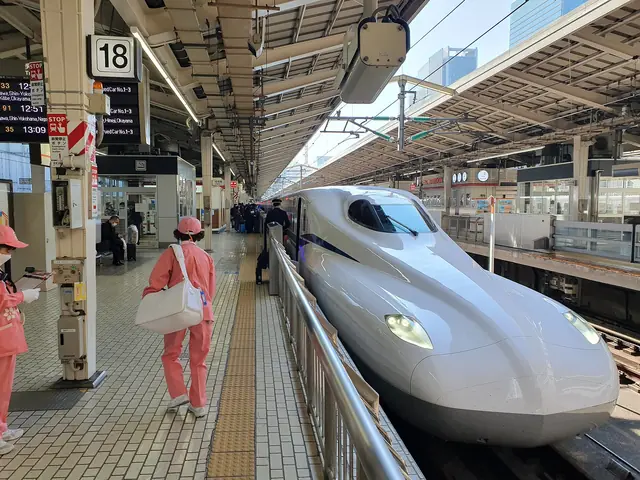
The Nozomi takes about two and a half hours from Tokyo to Shin-Osaka. Book on JR Central's smartEX app or buy at the station. Mount Fuji is on the right going west, so ask for seat E; on the way back it is on the left, seat A. A round trip costs far less than a 7-day Japan Rail Pass, so the pass only pays off on a longer trip. The budget option is the night bus, about eight hours from Tokyo Station or Busta Shinjuku, run by JR Bus Kanto and others.
The red Midosuji subway line links Shin-Osaka, Umeda, Shinsaibashi, Namba and Tennoji, and your Suica works on Osaka trains and buses. The Osaka Amazing Pass covers the subway, city buses and private railways within the city, plus about 40 sights including the castle tower, the Tsutenkaku deck and the Tombori River Cruise. It is a digital pass bought online and shown on your phone, and with it the Tsutenkaku time slot is booked at the tower. As of 2026 it costs ¥3,500 for one day and ¥5,000 for two consecutive days, and pays off with three paid sights in a day. It does not cover JR or the trains to Nara, and at the Umeda Sky Building it is free only until 15:00.
- Search for Shin-Osaka, not Osaka, when you book.
- Send big suitcases from your Tokyo hotel by delivery service; they usually arrive the next day.
Where to stay: Namba or Umeda
Minami, around Namba and Shinsaibashi, puts you next to Dotonbori and the late-night food streets, and Namba is where the Kintetsu trains to Nara start. Swissotel Nankai Osaka sits above Namba Station, and Hotel Nikko Osaka is on Midosuji at Shinsaibashi.
Kita, around Osaka and Umeda stations, is quieter at night, good for shopping and four minutes from Shin-Osaka, which helps on the day you leave. Hotel Granvia Osaka is above the JR station. For a Universal Studios day, either area works, or stay at Universal City.
- If you take option A, Namba is the easier base: day one ends there and the Nara train leaves from below.
Rainy days and seasons
In the rain, swap the outdoor parts of day one for Kaiyukan, a large aquarium around a deep central tank with a whale shark, and the underground malls of Umeda and Namba. Universal Studios stays open in the rain, though some rides and shows stop in bad weather.
Osaka Castle Park blooms in early April, and the cherry path at the Osaka Mint opens for about a week in mid April, with advance online booking. On 24 and 25 July the Tenjin Matsuri fills the river with boats and ends with fireworks; hotels sell out. Nara Park turns red from mid November to early December, and from November the trees along Midosuji are lit in the evenings.
- Kaiyukan is busiest at weekend midday. Buy online and go at opening or late afternoon.