Getting there from Tokyo
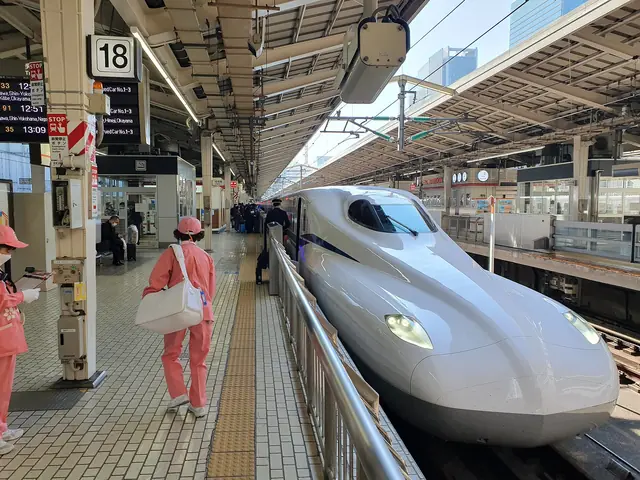
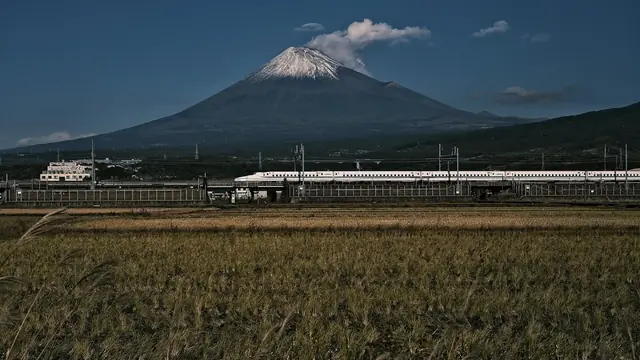
The Tokaido Shinkansen runs from Tokyo Station and Shinagawa to Shin-Osaka in about 2 hours 30 minutes on the Nozomi, every few minutes from about 6:00. Shin-Osaka is not Osaka Station: it is one JR stop, about 4 minutes, to Osaka Station in Umeda, or about 15 minutes on the Midosuji subway line to Namba. For Mt Fuji, sit on the right going west, seat E in an ordinary car; the view comes around Shin-Fuji, 40 to 45 minutes out of Tokyo.
Book on JR Central's smartEX app for a particular seat or a busy weekend; on an ordinary weekday the station machines are fine on the day. A Japan Rail Pass rarely pays off for one round trip, and with the pass the Nozomi needs an extra ticket. On a budget, overnight buses from Busta Shinjuku and Tokyo Station reach Osaka Station or Namba early in the morning, in about eight hours.
A same-day return is possible, but the last Nozomi back to Tokyo leaves Shin-Osaka a little after 21:00; staying one night and going on to Kyoto or Nara is easier.
- Send your suitcase to the hotel by takkyubin delivery the day before; coin lockers at Shin-Osaka and Namba fill up by mid-morning.
Morning: Osaka Castle, 9:00 to 11:30
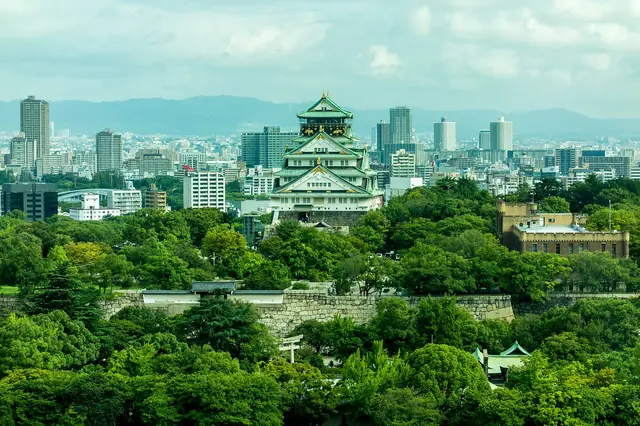
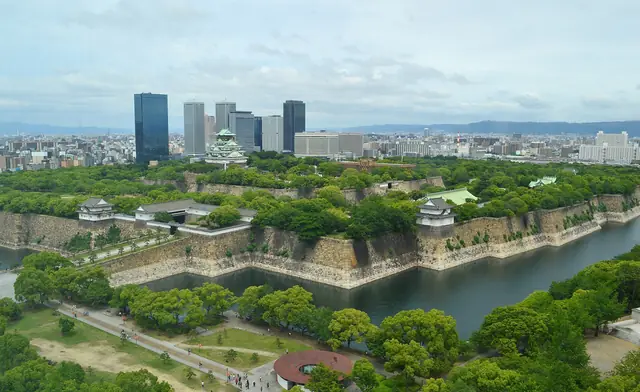
Start at Osaka Castle before the tour groups. From Osakajokoen Station on the JR Loop Line, or Tanimachi 4-chome on the subway, it is a 15 to 20 minute walk through the park past huge stone walls and two moats, and the walk is half the visit. The main tower is open 9:00 to 18:00 with last entry at 17:30, and adult entry is 1,200 yen as of 2026, after a price rise in April 2025. Tickets bought online skip the ticket queue but not the lift.
The tower is a 1931 concrete rebuild with a museum inside and an open deck on the 8th floor. The same ticket covers the Toyotomi Stone Wall Museum, opened in 2025, where you see part of the original 16th century wall that the Tokugawa buried when they rebuilt the castle. Allow about 2 hours in all.
- The lift queue builds fast after 10:00; the stairs are often quicker and take you past every floor.
- The tower opens every day except 28 December to 1 January.
Late morning: Umeda, 11:45 to 14:00
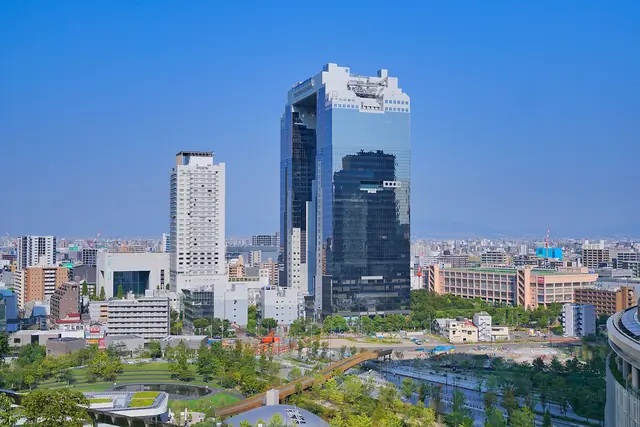
Take the JR Loop Line to Osaka Station, about 10 minutes. Umeda, the district around Osaka and Umeda stations, is the city's business and shopping centre and the easiest place for lunch: the food floors of Hankyu Umeda sell bento and Osaka sweets, and the station buildings' restaurant floors have short waits before noon.
Then walk 10 to 15 minutes north through Grand Green Osaka, the new park beside the station, open in stages since 2024, to the Umeda Sky Building. Its Floating Garden Observatory joins the two towers at the top with an open-air rooftop ring; it is open 9:30 to 22:30, last entry 22:00, and costs 2,000 yen for adults as of 2026. In the basement, Takimi Koji is a recreated early Showa street of small restaurants, good for okonomiyaki.
- For the city lights from above, skip the observatory now and come back after dinner: it stays open late.
Afternoon: Shinsekai and Tsutenkaku, 14:30 to 17:30
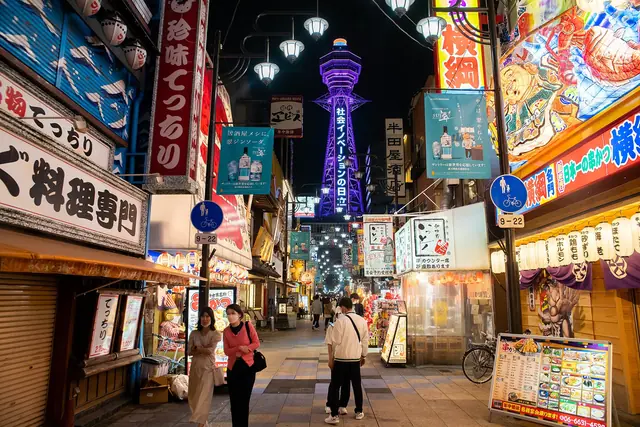
Take the Midosuji Line to Dobutsuen-mae, about 15 minutes, and walk two minutes into Shinsekai, an old entertainment district around Tsutenkaku tower. It is loud, a bit worn and very Osaka, all shogi parlours, arcades and huge signs. Kushikatsu, deep-fried skewers dipped once in a shared sauce pot, is the thing to eat. No double dipping is the one rule everyone knows; use a cabbage leaf to spoon on more sauce.
The Tsutenkaku observatory works on timed entry: you pick a time when you buy, online in advance or at the counter on the day, and evening slots can sell out. With an Osaka sightseeing pass you book your time at the counter on the day. For most of the year the deck stays open until about 21:45. For a higher view, the Harukas 300 deck of Abeno Harukas, 300 metres up and open until 22:00, is a 10 to 15 minute walk away.
From Shinsekai, walk north to Dotonbori in 25 to 30 minutes through Den Den Town, the electronics and anime street of Nipponbashi, or ride the Sakaisuji Line one stop from Ebisucho to Nippombashi.
- Most kushikatsu places serve from late morning to late evening, so an early dinner around 16:30 usually means no queue.
Evening: Dotonbori and Namba, from 18:00
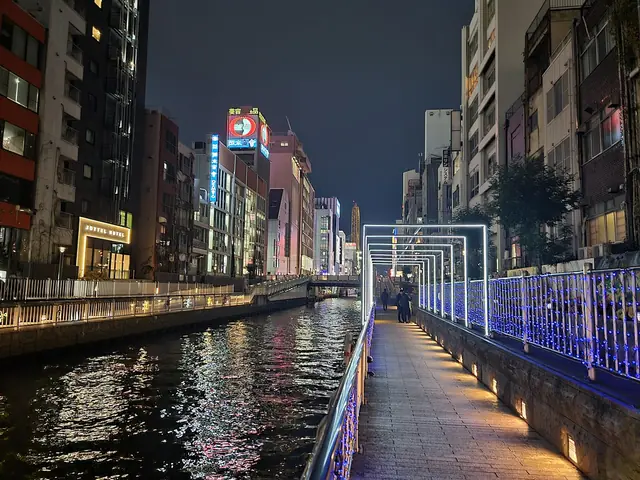
Dotonbori is at its best after dark, when the canal reflects the signs. Start at Ebisubashi bridge, the spot for the Glico running man sign, and walk the canal path both ways. The Tombori River Cruise, a 20-minute boat ride that boards in front of the Don Quijote store, is a calm way to see the lights. Takoyaki stands and okonomiyaki and udon shops serve until late, so graze.
Two streets south, Hozen-ji is a small temple whose Fudo statue is covered in moss from the water visitors splash on it. The stone-paved Hozenji Yokocho lane beside it has lanterns, small bars and okonomiyaki counters. For a drink after that, Ura Namba, the grid of izakaya behind Namba station, is where locals go.
- Shinsaibashi-suji, the covered arcade running north from Ebisubashi, stays dry in rain; most shops close around 20:00 to 21:00.
Getting around and tickets
The route needs only the JR Loop Line and two subway lines. The red Midosuji Line runs north to south through Shin-Osaka, Umeda, Shinsaibashi, Namba and Dobutsuen-mae, and the Sakaisuji and Tanimachi lines fill the gaps. A Suica from Tokyo works on all of it, and Osaka Metro gates also take contactless credit cards.
With four or more subway rides, Osaka Metro's 1-day pass pays for itself: the Enjoy Eco Card at stations or the digital pass in the e METRO app, cheaper on weekends and holidays. If you will go inside the castle tower and up to Umeda Sky, look at the Osaka Amazing Pass: as of 2026 the 1-day pass costs 3,500 yen and adds the subway and city buses to free entry at about 40 sights, including the castle tower and the Tombori River Cruise; Umeda Sky is free with it only before 15:00, which fits this route. The Osaka Rakuyu Pass from the city's tourism bureau covers entry to a list of sights but no transport, and only its Premium version adds the castle tower and Abeno Harukas 300.
Mondays are fine: the castle, Tsutenkaku, Umeda Sky and Abeno Harukas open every day. The Osaka Museum of History closes on Tuesdays, and some Kuromon Market stalls close on Sundays.
- In Osaka people stand on the right on escalators, the opposite of Tokyo.
Where to stay, rainy days and seasons
Namba is the most practical base for one night: Dotonbori is on the doorstep, the Nankai line runs to Kansai Airport and the Kintetsu line to Nara. Swissotel Nankai Osaka sits above Namba station and Cross Hotel Osaka is a minute from Ebisubashi. Umeda suits an early Shinkansen or a day in Kyoto next: Hotel Hankyu Respire Osaka and InterContinental Osaka are beside Osaka Station.
When it rains, the Osaka Museum of History, beside the castle park, looks down on the castle from its upper floors; the Kaiyukan aquarium, about 25 minutes from Namba by subway, fills a morning; and Tenjinbashisuji, a covered shopping street about 2.6 kilometres long, is a dry walk with cheap food all the way.
For a food-first morning, start at Kuromon Market near Nippombashi from about 9:00; it is busy and priced for visitors, but grilled seafood makes an easy breakfast. In spring the castle park and the Okawa river banks fill with cherry blossoms, on 24 and 25 July the Tenjin Matsuri brings boats and fireworks to the river, and in December the Midosuji avenue and Nakanoshima are lit up at night.