Disneyland or DisneySea: which park
Tokyo Disneyland, which opened in 1983, is the classic castle park: Cinderella Castle at the centre, Fantasyland rides, parades and a strong focus on families with young children. Tokyo DisneySea, which opened in 2001, has no counterpart anywhere else. It is built around themed ports, lagoons and a volcano, with more thrill rides, shows on the water after dark and a more grown-up mood, and it serves alcohol.
Fantasy Springs, the newest area of DisneySea, opened in 2024 with rides based on Frozen, Tangled and Peter Pan, a gentler Tinker Bell ride and its own hotel. At Disneyland, Space Mountain closed in July 2024 and is being rebuilt, with a new version planned for 2027. DisneySea is marking its 25th anniversary with a year of special shows and decorations that runs until March 2027.
A standard ticket covers one park on one day, so most people pick one park per day, and two days, one in each park, is the classic plan.
Tickets: dated, park-specific and priced by the day
Tickets are not sold at the parks. You buy a 1-Day Passport for a fixed date and park on the official site or in the Tokyo Disney Resort app, which needs a free MyDisney account, and you scan the QR code on your phone at the gate. Tickets for a given date go on sale at 2pm Japan time two months before, and popular dates sell out. If any are left, you can still buy online on the day.
Prices change by date: weekdays outside school holidays cost the least, weekends and holiday periods the most. The price is a crowd forecast in itself, because the resort charges more on the days it expects to be busy. Cheaper later-entry tickets let you in from 3pm on weekends and holidays (Early Evening Passport) or from 5pm on weekdays (Weeknight Passport). There are no multi-day tickets, so two parks means two separate 1-Day Passports. Children aged 3 and under enter free.
Guests at the Disney hotels can buy tickets for their stay at the hotel, even when those dates are sold out online, and the resort's official and partner hotels can arrange tickets if you ask when you book. Avoid resold tickets: each one is tied to a date and a park.
- Register every ticket in your group in the app before the trip. The app services work only for tickets linked to it.
The app: Premier Access, Standby Pass and Entry Request
Inside the parks the Tokyo Disney Resort app does most of the work: maps, wait times, show times and a set of services that you can use only after you have entered. Disney Premier Access is the paid one. You buy a set time for one of the most popular rides, or a reserved viewing area for a parade or show, and enter through a shorter queue. Prices differ by attraction, and on busy days the passes for the top rides sell out early.
The free services are narrower. A Standby Pass is a free time slot the resort issues on busy days for some venues that you cannot enter without one. Entry Request is a free lottery for certain shows and character greetings, one try per venue per day. The free 40th Anniversary Priority Pass, the last free fast pass, ended on August 31, 2026, so a shorter wait on the big rides now costs money.
Fantasy Springs shows how quickly the rules change: since it opened, its rides have at different times needed a free Standby Pass, paid Premier Access or neither. Premier Access is sold for its three main rides. Check the app on the morning of your visit, and if those rides matter to you, decide in the first hour.
- Bring a power bank. The app runs all day, and a flat phone means no ticket and no bookings.
- You may carry food in, but own meals are eaten in the picnic areas outside the gates. Water bottles are fine.
- You can leave and come back the same day: tell a cast member at the exit and show your ticket to re-enter.
The year at the resort: events, crowds and weather
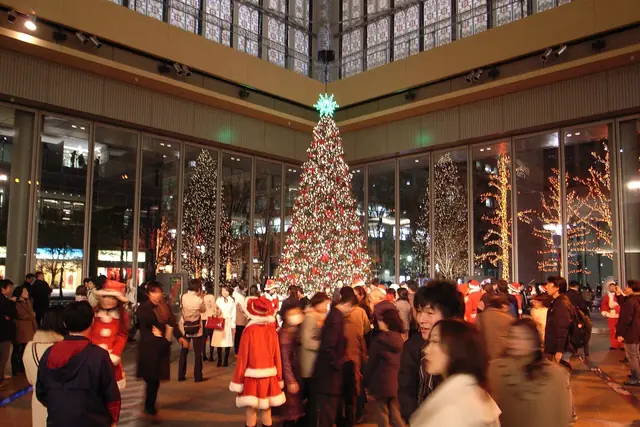
Both parks change with the seasons. Disney Halloween usually runs from mid-September to October 31, with themed parades and decorations. In recent years full costumes have been allowed only on set dates during the event, faces must stay visible and there are no changing rooms, so dress before you arrive. Disney Christmas follows from mid-November to December 25, there is a short New Year programme in early January, and spring and summer bring their own events. These programmes are what fills the list below.
Crowds follow Japanese holidays more than the weather. The busiest stretches are spring break in late March, Golden Week in early May, the summer holidays from late July through August, the last weekends of Halloween, December weekends and the New Year days. Weekdays in January and February, and in June during the rainy season, are usually the calmest, though school groups can fill weekdays in spring and autumn.
Rain thins the crowds and most rides keep running, but outdoor parades and shows may be shortened or cancelled. A poncho works better than an umbrella in queues. Summer is hot and humid, so bring water and something for the sun, and winter evenings by the bay are colder and windier than central Tokyo.
Getting there, hotels and nearby
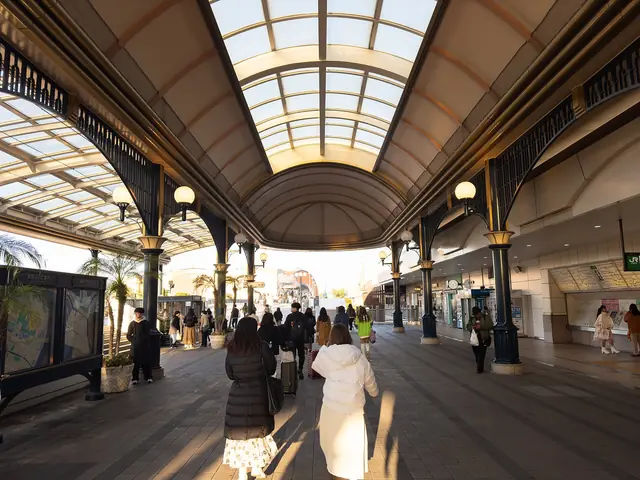
The resort is next to Maihama Station on the JR Keiyo Line, about 15 minutes from Tokyo Station. The Keiyo Line platforms at Tokyo Station are deep underground and far from the other lines, so allow 10 to 15 minutes for the transfer. From Maihama, the Disneyland gate is a few minutes on foot. DisneySea is about 20 minutes' walk, or a short ride on the Disney Resort Line monorail, which loops around the resort and has its own fare. Airport Limousine buses also run to the resort from Haneda and Narita.
Staying at the resort saves the commute at both ends of a long day. The Disney hotels are Hotel MiraCosta, built into DisneySea itself, the Fantasy Springs Hotel inside Fantasy Springs, the Tokyo Disneyland Hotel by the Disneyland gate, the Disney Ambassador Hotel, the Toy Story Hotel, and the Tokyo Disney Celebration Hotel in Shin-Urayasu, a bus ride away. Guests at several of them get a few minutes' early entry on many days. The official hotels around Bayside Station on the monorail are usually cheaper.
Ikspiari, the shopping and restaurant complex between Maihama Station and the parks, is free to walk around and handy for dinner or a rainy hour.