Tokyo International Film Festival and other festivals
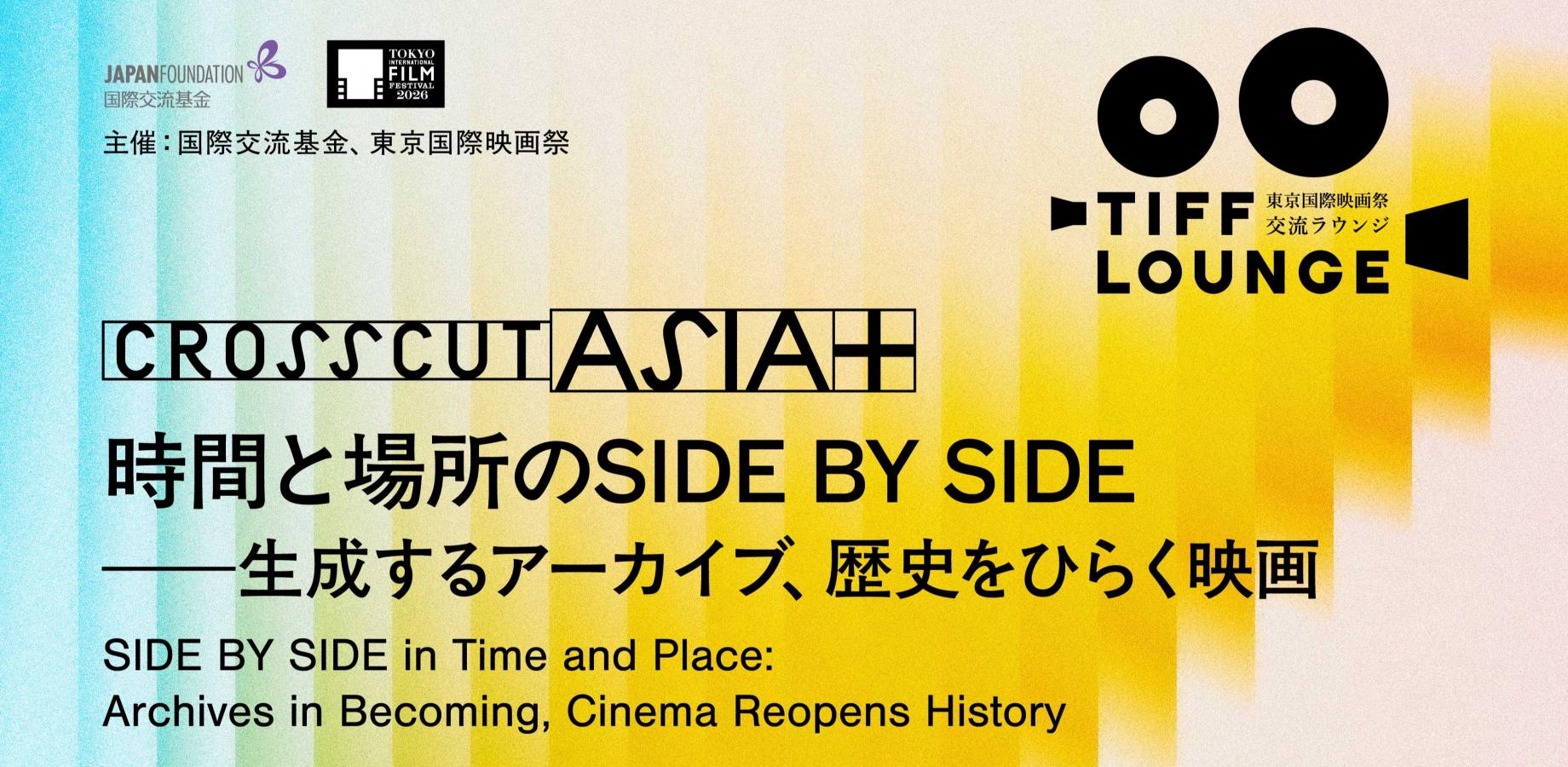
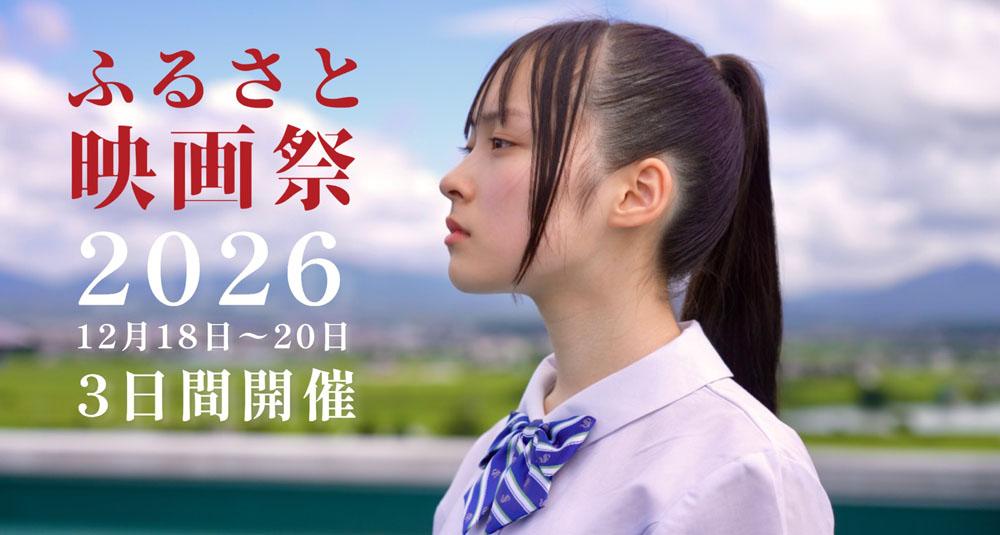
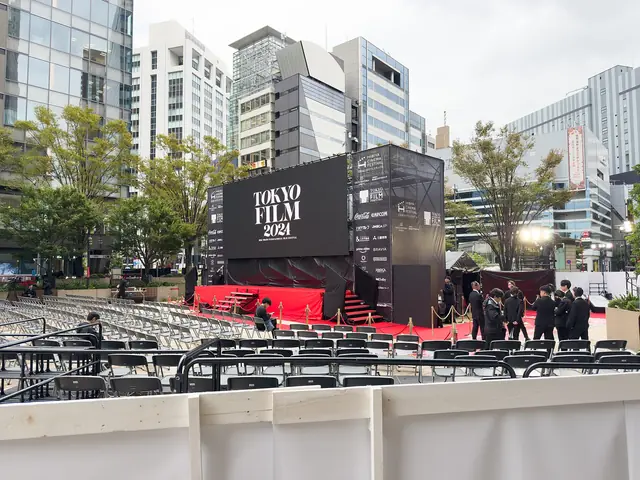
The Tokyo International Film Festival (TIFF) runs for about ten days from late October into early November. Since 2021 it has been centred on Hibiya, Yurakucho, Marunouchi and Ginza, with screenings in cinemas and halls a short walk apart, after many years with its main venue at Roppongi Hills. The programme mixes a competition, Asian and Japanese films, anime and big premieres, and most screenings carry English subtitles. Many are followed by a Q&A with the director or cast, usually with interpretation.
Tokyo Filmex, founded in 2000, follows in late November around Yurakucho, with a focus on Asian auteur cinema and new directors and English subtitles on many films. In June, the Short Shorts Film Festival & Asia, founded in 1999 by the actor Tetsuya Bessho and accredited by the Academy Awards, shows short films from around the world in Harajuku, Omotesando and other venues. Smaller festivals of documentaries, animation and national film weeks fill the rest of the year.
- Festival tickets go on sale online shortly before each edition, and premieres with guests can sell out within minutes.
- Check the festival site for cheaper same-day or student tickets, which TIFF has offered in recent years.
Anime screenings and cheering screenings
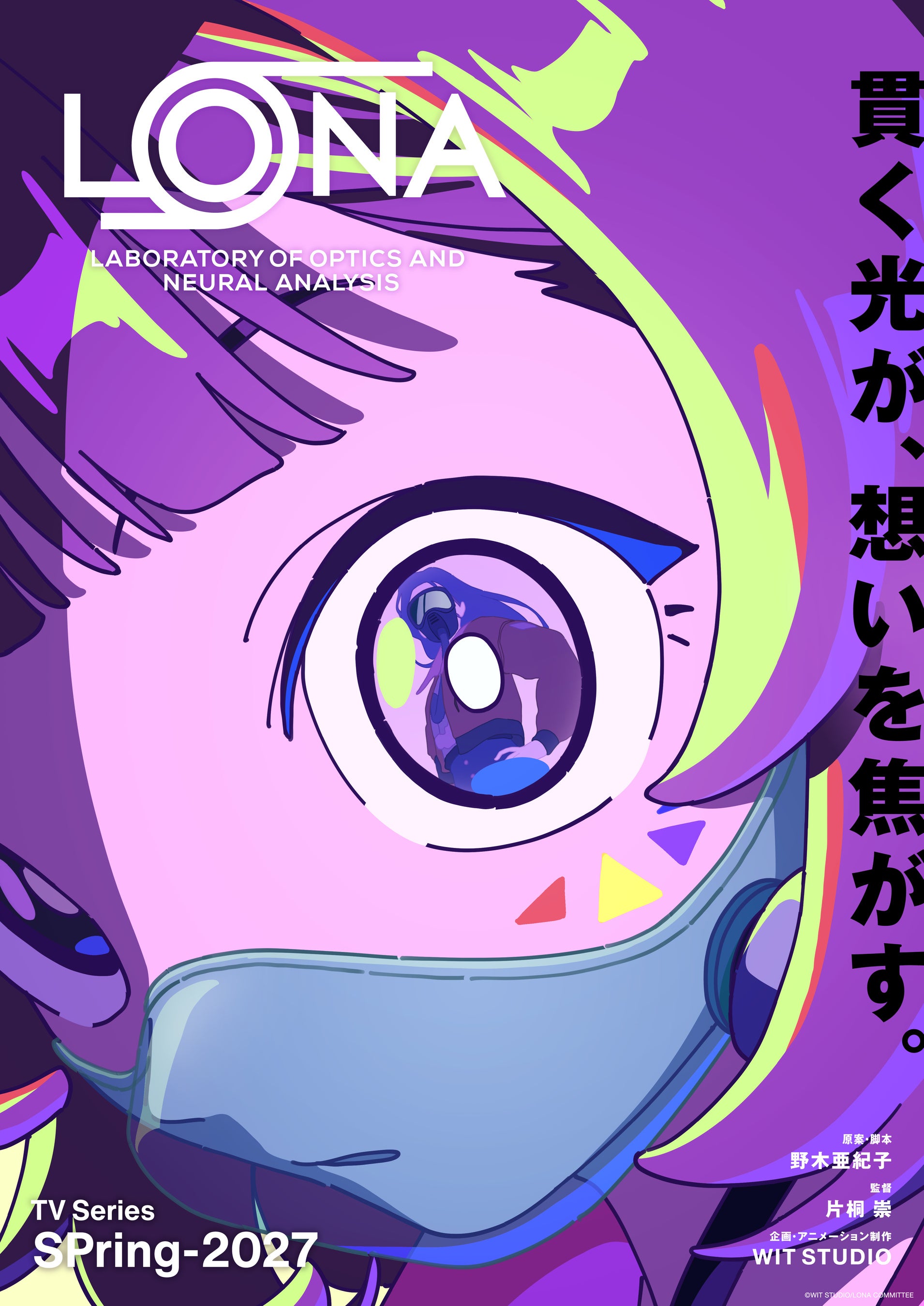
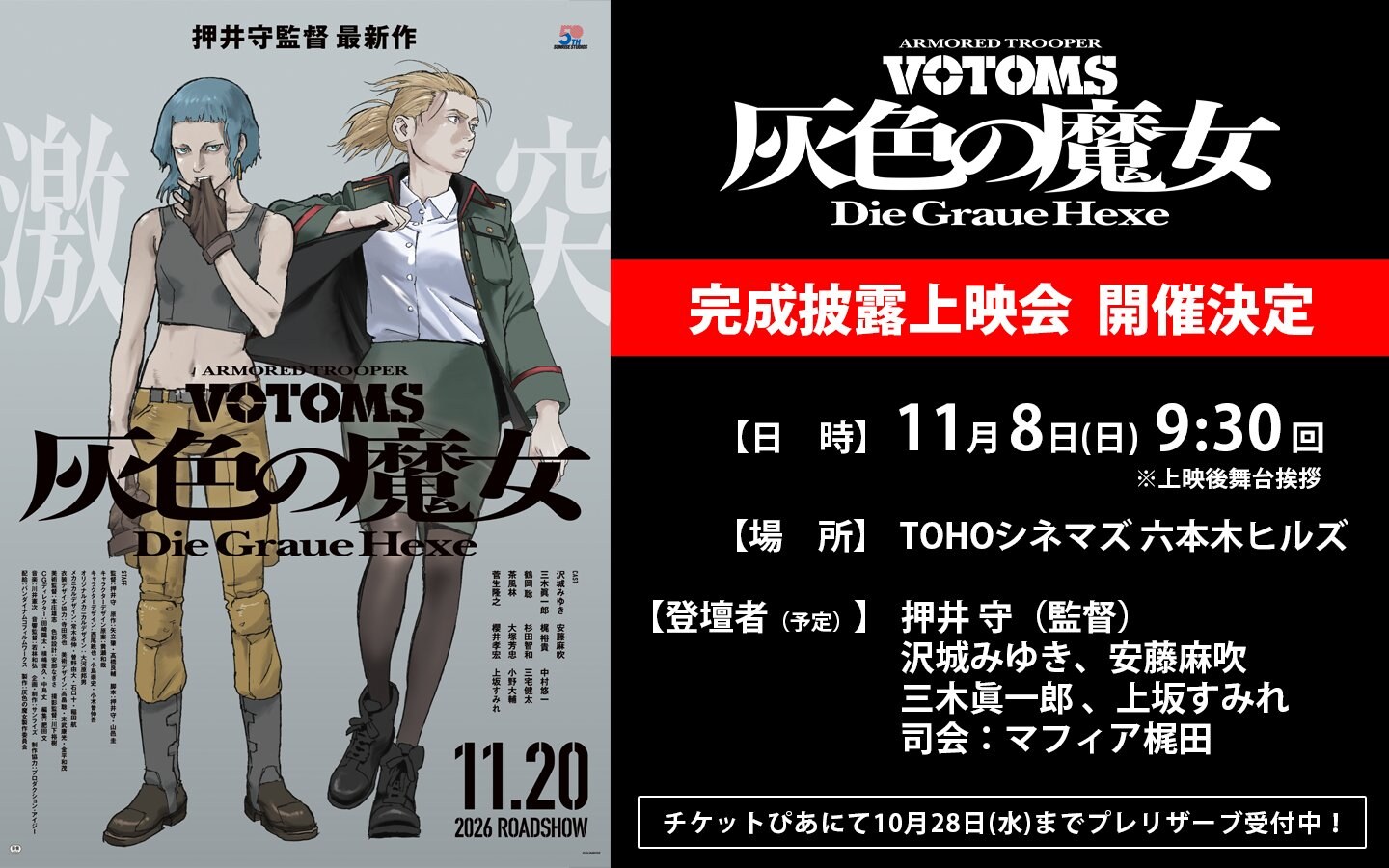
Anime films often open with stage greetings (butai aisatsu), where voice actors and directors appear before or after a screening; tickets for these are usually sold by lottery or go very fast. Many anime releases also hand out gifts with each ticket (nyujo tokuten), such as illustrated cards or small booklets, which change week by week and bring fans back for repeat viewings.
An ouen jouei (応援上映), a cheering screening, turns the usual silence upside down: the audience may call out to the characters, clap along to songs and wave penlights in character colours. The format took off in 2016 with the anime film King of Prism, with Shinjuku cinemas among the first to embrace it, and it is now used for idol, music and some live-action films. Rules differ by screening (some allow voices, others are clapping and penlights only, and party poppers or standing in the aisles are usually banned), so read the notes on the ticket page.
How Japanese cinemas work
Seats are reserved. You choose one on a seat map when you buy, on the cinema chain's site or app or at a ticket machine in the lobby, and most chains open sales a couple of days ahead. Big releases and weekend evenings fill up, so book early. Audiences are quiet: no talking, phones off, and most people stay until the end of the credits, when the lights come up.
Foreign films usually come in two versions: subtitled (字幕, jimaku), with the original audio and Japanese subtitles, and dubbed (吹替, fukikae) into Japanese. Japanese films are almost always shown without English subtitles, except at festivals and occasional special screenings at a few cinemas such as Toho Cinemas Roppongi Hills. Hollywood films sometimes open in Japan weeks or months after the US. Many chains have a discount day each month, and December 1 is Movie Day (映画の日), with cheaper tickets.
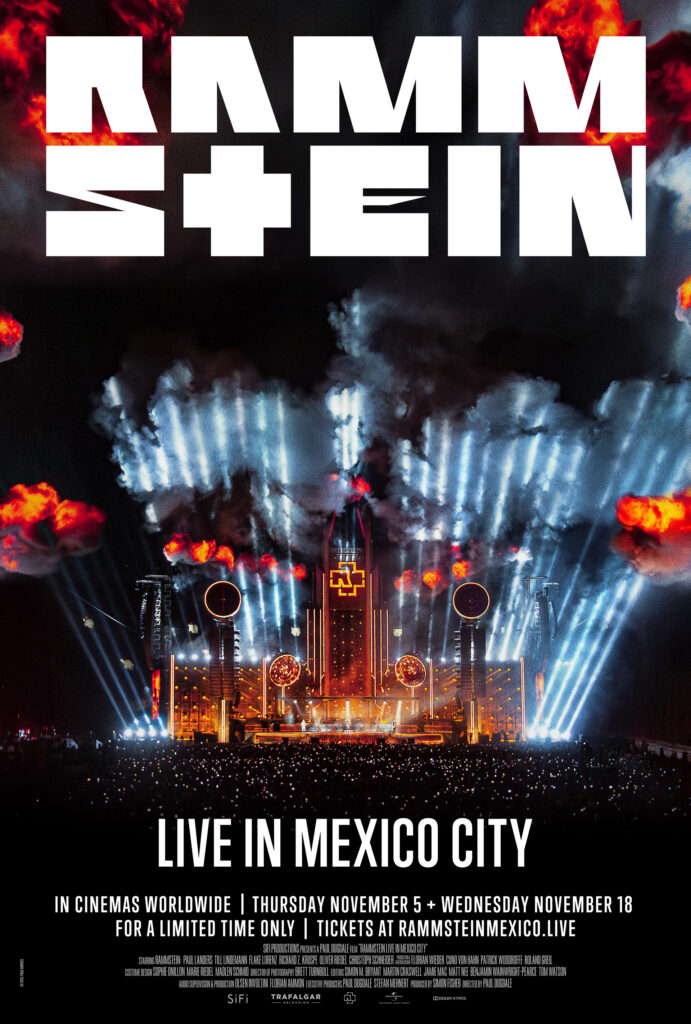
For the biggest screens, Grand Cinema Sunshine in Ikebukuro opened an IMAX laser theatre in 2019 that was billed as the largest permanent commercial cinema screen in Japan, and Marunouchi Piccadilly opened Tokyo's first Dolby Cinema the same year. Multiplexes in Shinjuku and other hubs also have IMAX or premium screens, at extra cost.
- Buy online to pick your seat. Ticket machines usually have an English button.
- Check for 字幕 (subtitled) or 吹替 (dubbed) on foreign films before you pay.
Independent cinemas
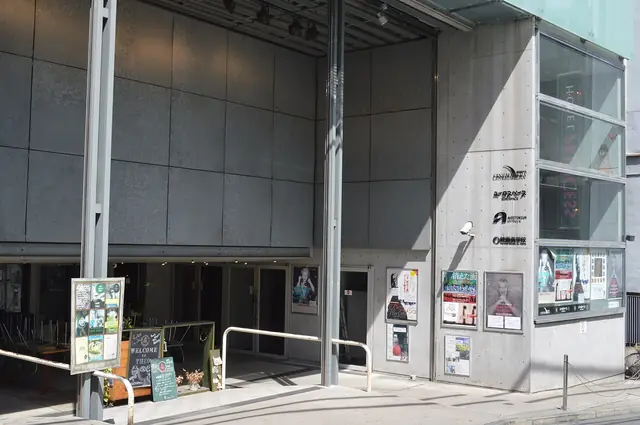
Tokyo's mini theatres, small independent cinemas, show what the multiplexes don't: arthouse, documentaries, classics and indie Japanese work. Shibuya has the most, including Eurospace in Maruyamacho and Theatre Image Forum, both long known for European, Asian and independent films. Shimokitazawa has Tollywood, a tiny cinema popular with younger audiences, and K2, right by the station. Waseda Shochiku in Takadanobaba shows themed double bills, often on 35mm film, and Meguro Cinema runs weekly programmes.
These cinemas are small, some with well under a hundred seats, and programmes change every week or two, often with talks by the director on opening weekends. Some sell tickets only at the box office, others online a few days ahead. As everywhere, foreign films carry Japanese subtitles and Japanese films rarely have English ones, so check each screening before you go.
Outdoor screenings and film around the city
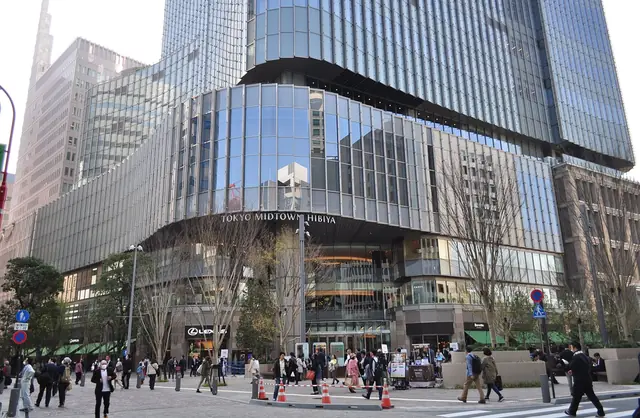
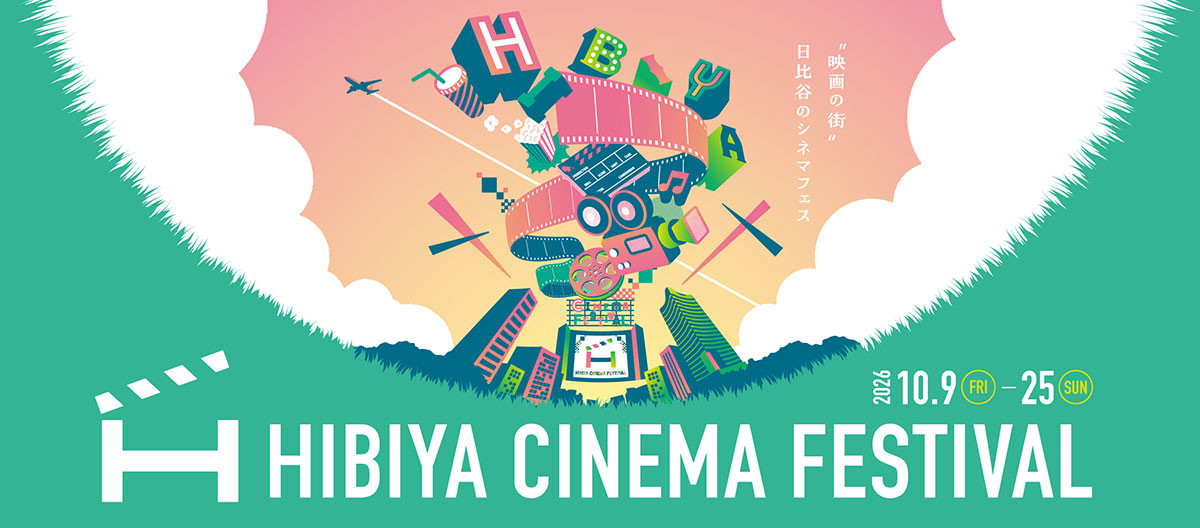
In summer and early autumn, open-air screenings appear on lawns and plazas, usually free. Ebisu Garden Place has held picnic-style cinema weekends on its central square, and the Hibiya Cinema Festival in October fills Tokyo Midtown Hibiya's Step Square and nearby Hibiya Park with free screenings in the weeks before TIFF. Bring something to sit on and a light jacket for the evening. Event pages say 雨天決行 (goes ahead in rain) or 雨天中止 (cancelled in rain), and storms stop most of them.
For classics, the National Film Archive of Japan in Kyobashi screens Japanese films from its collection and has a permanent exhibition on the history of Japanese cinema on its seventh floor. Fans of animation can see original short films, shown nowhere else, in the small Saturn Theater at the Ghibli Museum in Mitaka.