How a clinic visit works in Japan
For anything that is not an emergency, start at a clinic (クリニック or 医院), not a big hospital. Clinics are small, run by one or a few doctors, and the sign shows what they treat: 内科 internal medicine for colds, fevers and stomach trouble, 耳鼻咽喉科 ear, nose and throat, 皮膚科 skin, 整形外科 bones and joints, 眼科 eyes, 小児科 children and 歯科 teeth. Some take patients without an appointment during reception hours, others ask you to book or give priority to those who did, and hours change from day to day, so call ahead or ask your hotel to call for you.
Large hospitals work differently. They expect a referral letter (紹介状) from a clinic, and since 2022 university hospitals and large regional hospitals with 200 beds or more charge an extra fee of at least 7,000 yen for a first visit without one, on top of the treatment (patients brought by ambulance are exempt). At any clinic, tell reception it is your first visit (初診), show your passport and any insurance details, and fill in a questionnaire (問診票) about your symptoms, past illnesses, allergies and current medicines. After the consultation you pay at reception and receive a receipt and, if needed, a prescription.
- Bring your passport, cash and a list of your regular medicines with their generic names, not only the brand names.
- JNTO's guide for when you feel ill has a symptom sheet to fill in and a table that matches symptoms to departments.
- Ask at reception: 英語は大丈夫ですか (eigo wa daijobu desu ka, is English OK?). Short written notes in simple English help too.
What it costs without Japanese insurance
Japan's public health insurance covers residents, not visitors, so as a tourist you pay the full cost yourself. Treatment for visitors falls outside the insurance system, which means each hospital is free to set its own prices, and some charge visitors more than the national price list. A clinic visit for a cold costs far less than tests, scans, a night in hospital or surgery, which add up quickly: JNTO gives real examples of a 7.5 million yen bill for a bicycle injury with a 19-day stay and 10 million yen for a heart attack with 45 days in hospital. Ask reception for a rough estimate before treatment starts.
Small clinics are often cash only, hospitals usually take credit cards, and the pharmacy is paid separately. Travel insurance is worth buying before you fly. Some policies pay the hospital directly (cashless), which saves you from a large bill; with others you pay first and claim later, so keep the receipt (領収書) and the itemised statement (明細書), and ask for a medical certificate (診断書) if your insurer needs one, which the clinic charges for. Settle every bill before you leave: JNTO warns that visitors who leave medical bills unpaid may be refused entry to Japan in future.
- Check whether a credit card you already hold includes travel medical cover, and save the insurer's 24-hour number in your phone.
- Calling an ambulance is free in Tokyo. The treatment at the hospital afterwards is not.
- For a minor complaint, a pharmacist at a drugstore can suggest an over-the-counter medicine without a doctor's visit.
Finding a doctor who speaks your language
The most useful number is Himawari, the Tokyo Metropolitan Government's medical information service for foreign patients (03-5285-8181). It answers every day from 9am to 8pm, holidays included, in English, Chinese, Korean, Thai and Spanish, finds clinics and hospitals that can treat you in your language, and explains how the Japanese system and its fees work. Outside those hours, the Japan Visitor Hotline run by JNTO (050-3816-2787) answers 24 hours a day in English, Chinese and Korean.
To search yourself, use JNTO's medical institution search: pick Tokyo, then filter by language (Chinese and Russian are among the options), department and accepted credit cards, and it lists the nearest places first. Facilities with the JMIP mark are certified for receiving foreign patients. The nonprofit AMDA International Medical Information Center (0120-339-266 or 03-6233-9266) gives phone advice on where to go and, if you book, interprets by phone during your visit; it works on weekdays, with each language on set days. Central Tokyo also has clinics set up for the international community, such as Tokyo Medical and Surgical Clinic opposite Tokyo Tower, which sees patients by appointment and sets its own fees outside the national insurance system.
- Phone the clinic before you go, even after a referral. Language support often depends on which doctor is working that day.
- The national Navii site also searches clinics and pharmacies in several languages.
- If no service covers your language on the day, English is the safest second choice at most international clinics.
Pharmacies, drugstores and bringing your own medicine
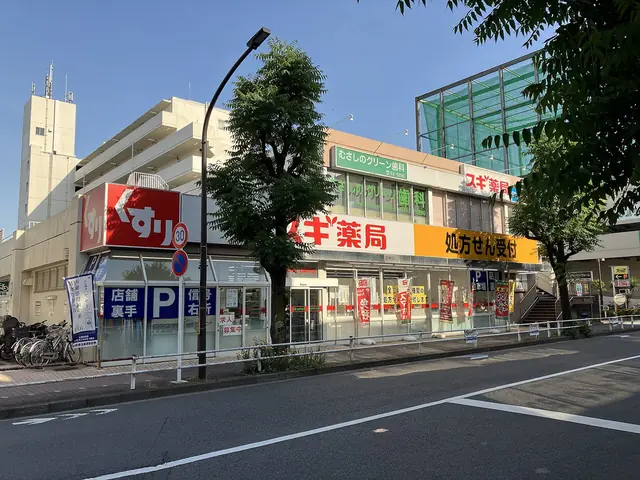
A pharmacy (薬局, look for the sign 処方せん受付, prescriptions accepted) fills prescriptions written by doctors in Japan. Take your prescription there within four days, after which it is no longer valid. Japanese pharmacies work from prescriptions issued in Japan, so if you run out of a regular medicine, see a doctor here and bring the packaging or your home prescription so they can choose a Japanese equivalent. Drugstores such as Matsumoto Kiyoshi or Sundrug sell over-the-counter medicines for colds, allergies, pain and stomach upsets, and many have a pharmacist who can recommend one; some stronger medicines are sold only while a pharmacist is on duty.
Bringing medicines into Japan has rules worth checking before you pack. According to the Ministry of Health, Labour and Welfare, you can bring up to one month's supply of prescription medicine and up to two months' supply of other medicines for your own use without any paperwork. Above that you need an import confirmation, the Yunyu Kakunin-sho, applied for online through the ministry's import confirmation system before you leave home. Narcotics and stimulant raw materials are stricter: painkillers with codeine, morphine or oxycodone, lisdexamfetamine (Vyvanse) and some pseudoephedrine decongestants need advance permission from the Narcotics Control Department, applied for at least 14 days before travel, and amphetamine medicines such as Adderall cannot be brought into Japan at all, even with a prescription.
- Keep medicines in their original packaging in your hand luggage, with a copy of the prescription or a letter from your doctor.
- The rules go by ingredient, not brand. If yours has a controlled substance, check the Narcotics Control Department's list early.
- If the leaflet is in Japanese only, ask the pharmacist to write the dose on the bag.
Emergencies, nights and holidays
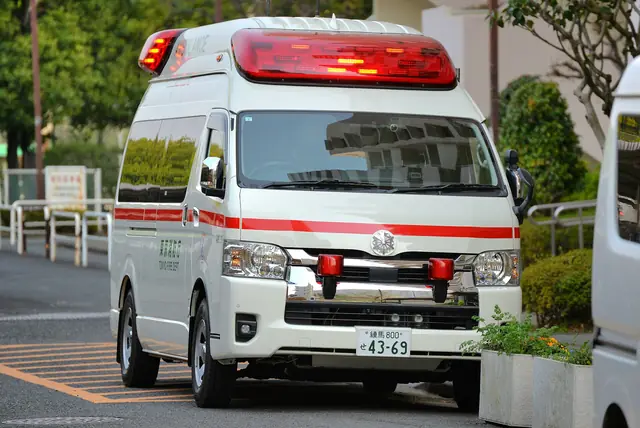
In an emergency, call 119 for an ambulance. The call is free, and Tokyo's 119 centre brings in an interpreter for English, Chinese, Korean, Portuguese and Spanish, so stay on the line. Say 救急車をお願いします (kyukyusha o onegai shimasu, an ambulance please) and give the address; if you cannot make the call, show that phrase to someone nearby. The ambulance crew chooses the hospital, not you. The city's page on calling an ambulance explains what to prepare.
Not sure whether it is an emergency? Tokyo's Emergency Medical Consultation Center, #7119 (or 03-3212-2323), is staffed by doctors, nurses and former paramedics 24 hours a day and tells you whether to go to hospital now and which hospitals are open, but it works in Japanese, so ask a Japanese-speaking friend or hotel staff to call with you. The Tokyo Fire Department's web-based Tokyo EMS Guide runs a similar check in English. At night and on holidays, Himawari (until 8pm) and the Japan Visitor Hotline (24 hours) can tell you where to go.
- Save 119, #7119, 03-5285-8181 and 050-3816-2787 in your phone before you need them.
- Keep your hotel's name and address in Japanese on your phone, for the 119 operator or a taxi driver.
- For anything that is not urgent, a taxi to a clinic is the right choice. Ambulances are for emergencies.