Reading a sake label
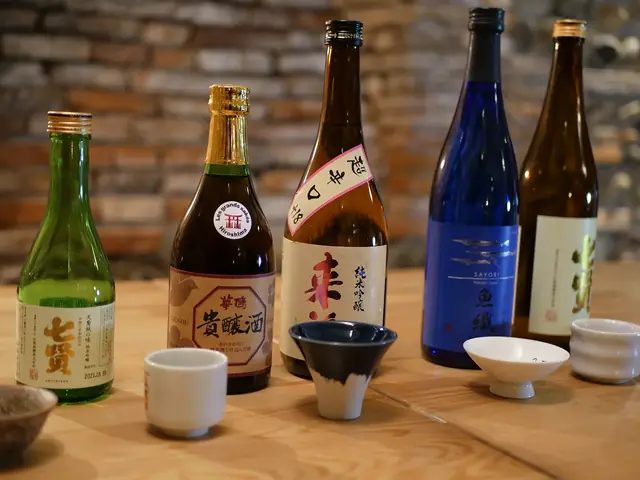
Sake (nihonshu in Japanese) is brewed from rice, koji mould and water, much like beer is brewed from grain, and most bottles are around 15 percent alcohol. Junmai on the label means nothing else went in. Sake without the word junmai, such as honjozo, has a small amount of distilled alcohol added, which usually makes it lighter and more aromatic, not worse.
The other key number is the polishing ratio (seimai buai), the share of each rice grain left after milling. Ginjo must be milled to 60 percent or less and daiginjo to 50 percent or less, which gives the fruity, delicate style; junmai ginjo and junmai daiginjo are the same grades with no added alcohol. A few more words are worth knowing: nama is unpasteurised and tastes fresh and lively, nigori is cloudy and slightly sweet, and genshu is undiluted and stronger. The sake meter value (nihonshu-do) is a rough guide: higher numbers usually mean drier.
- Point at the label and ask karakuchi desu ka (is it dry?) or amakuchi (sweet). Staff are used to the question.
- Nama sake needs the fridge. Buy it last and do not leave it in a hot bag.
Warm or cold, and the sake year
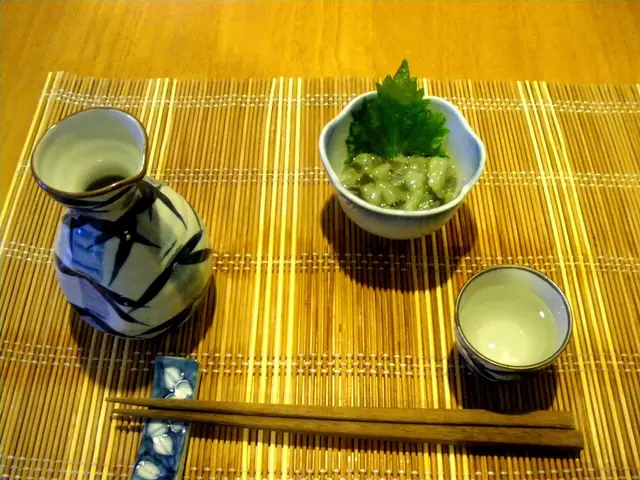
Both are right, depending on the sake. Fragrant ginjo is usually served chilled (reishu) so the aroma stays clean. Fuller junmai and honjozo often taste better warm: nurukan is gently warm, atsukan is hot, and a warm flask on a winter night is one of the plain pleasures of Tokyo. Hiya means room temperature. If you are unsure, ask the bar which way they recommend for that bottle.
In a bar you order by the go, about 180 ml, served in a small flask (tokkuri) with little cups, or as a glass set in a wooden box and filled until it overflows. It is polite to pour for others and let them pour for you. Sake also has seasons. New sake (shinshu) arrives in winter and spring, and breweries hang a ball of green cedar (sugidama) at the door that turns brown as the sake matures. In autumn comes hiyaoroshi, sake rested over the summer and released when the weather cools. October 1 is Nihonshu no Hi, Sake Day, and many bars and shops mark it.
Sake fairs and tasting events in Tokyo
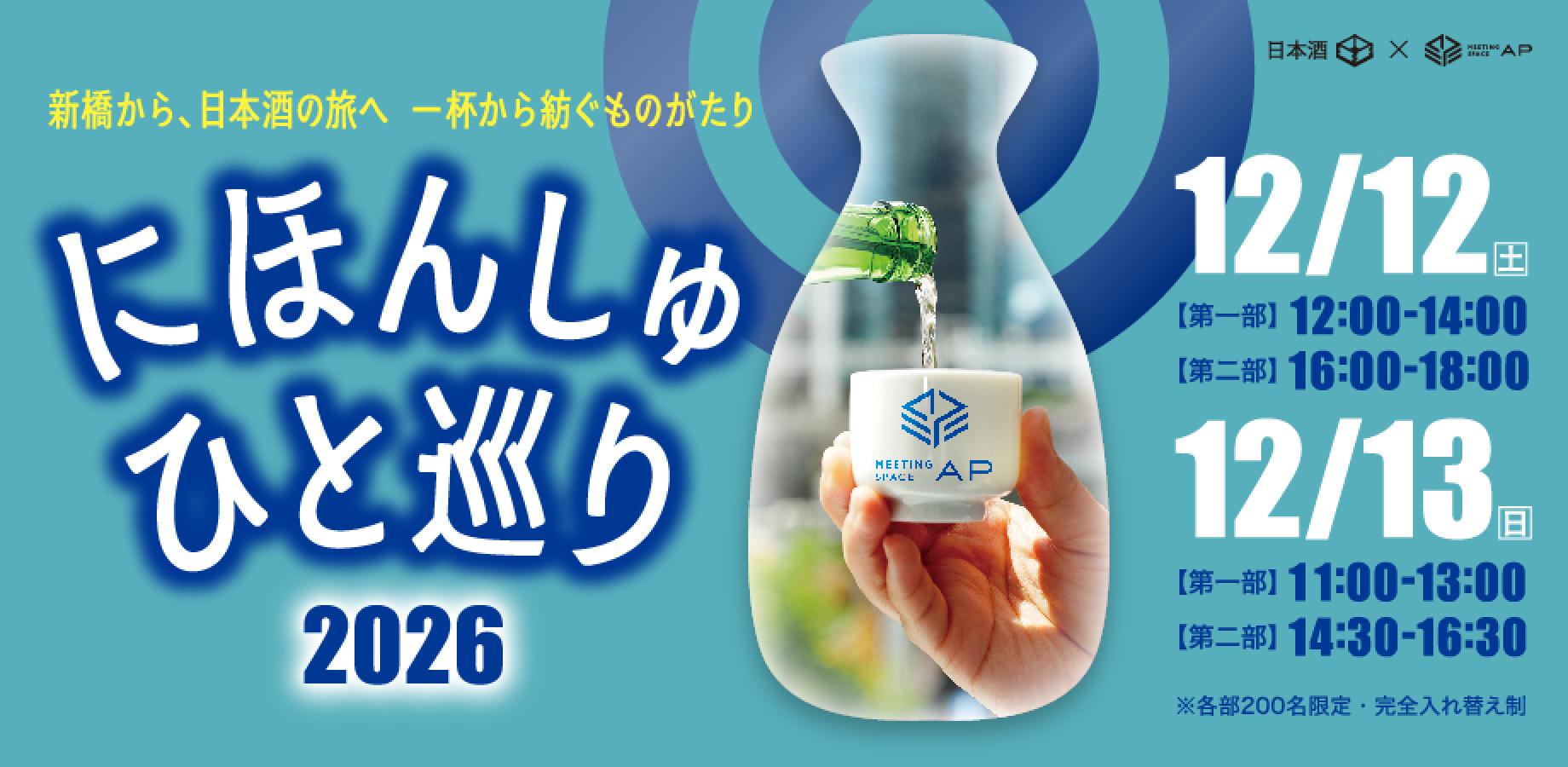
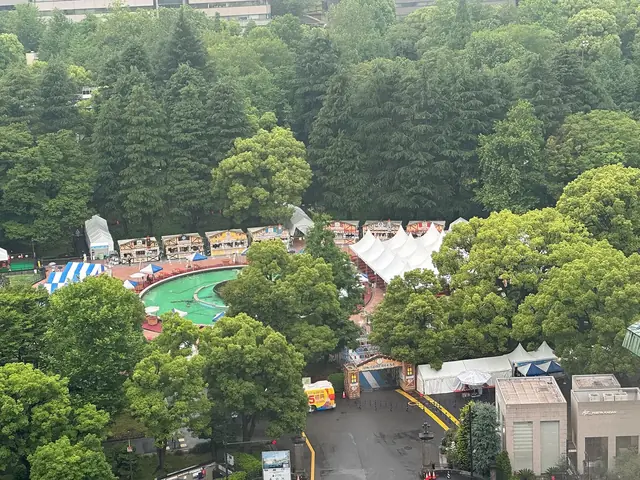
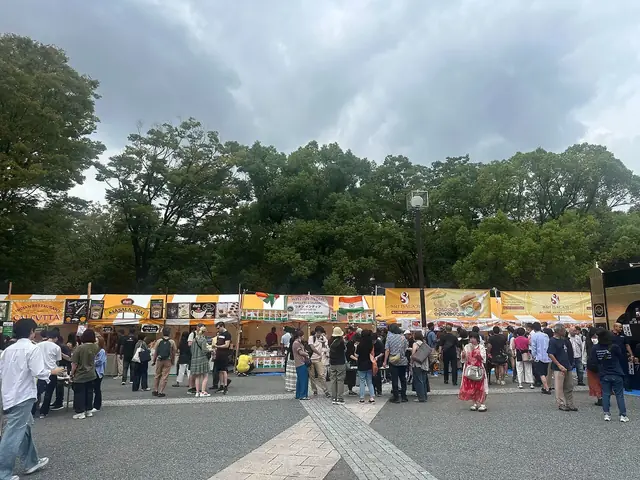
The biggest regular event is the Japan Sake Fair (Nihonshu Fair), run by the Japan Sake and Shochu Makers Association, usually in June and in Tokyo most years; in 2026 it was held at Sunshine City in Ikebukuro. It gathers brewers from across Japan and includes a public tasting of the prize-winning sakes from the national new sake competition. Tickets are sold in advance and you get a small glass to carry around.
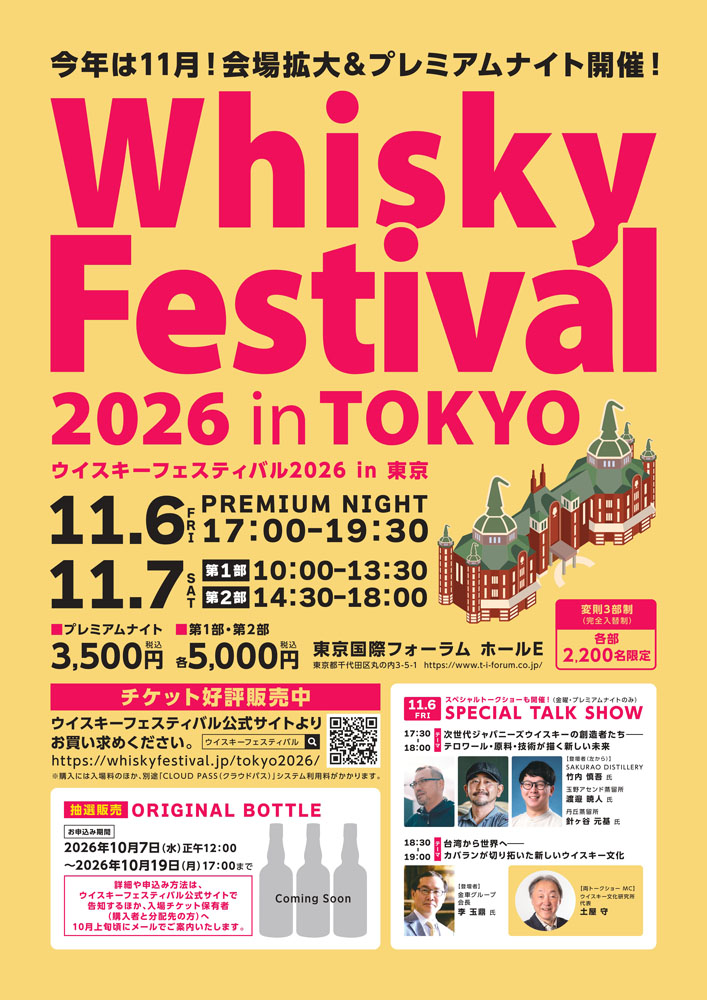
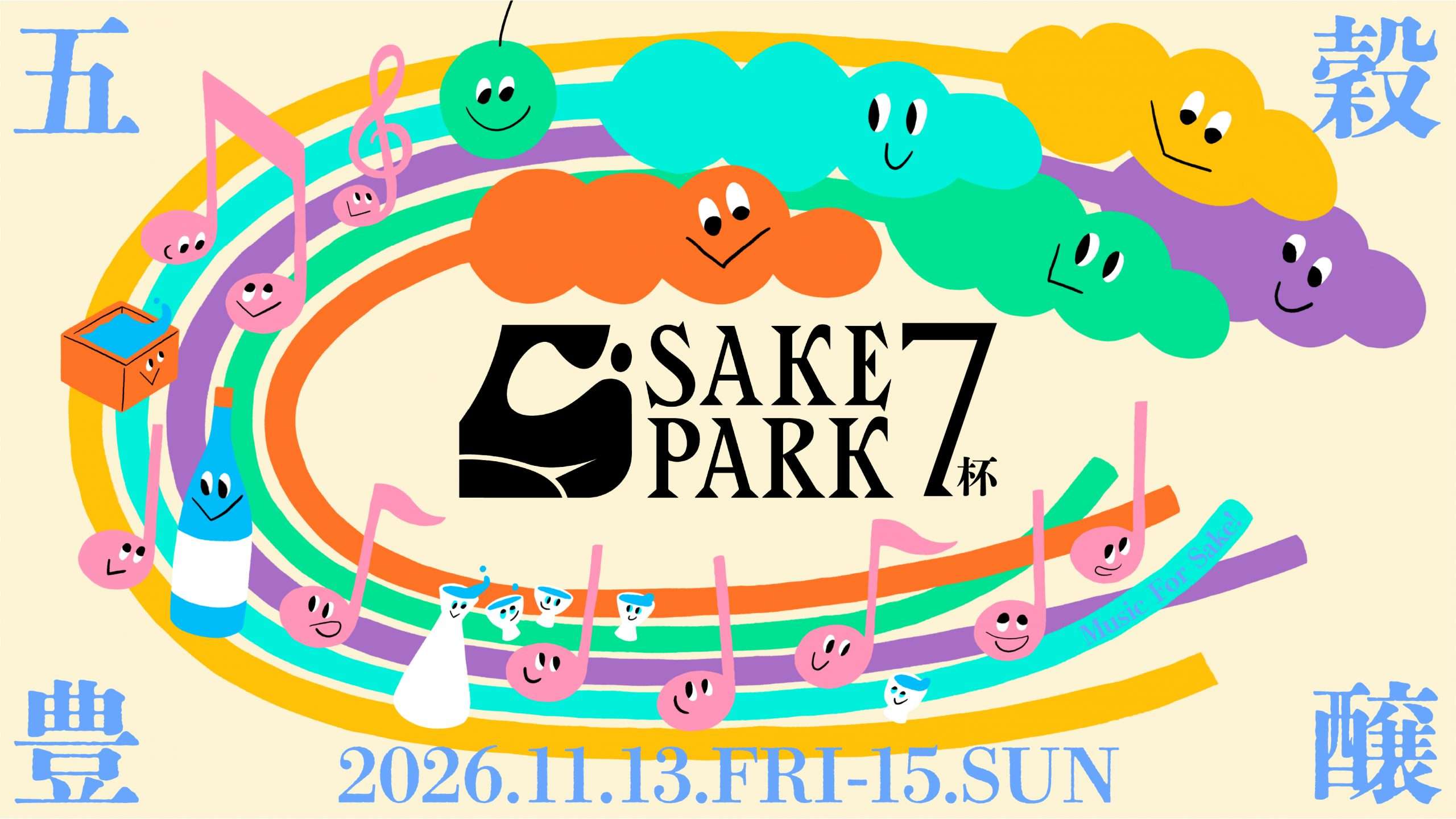
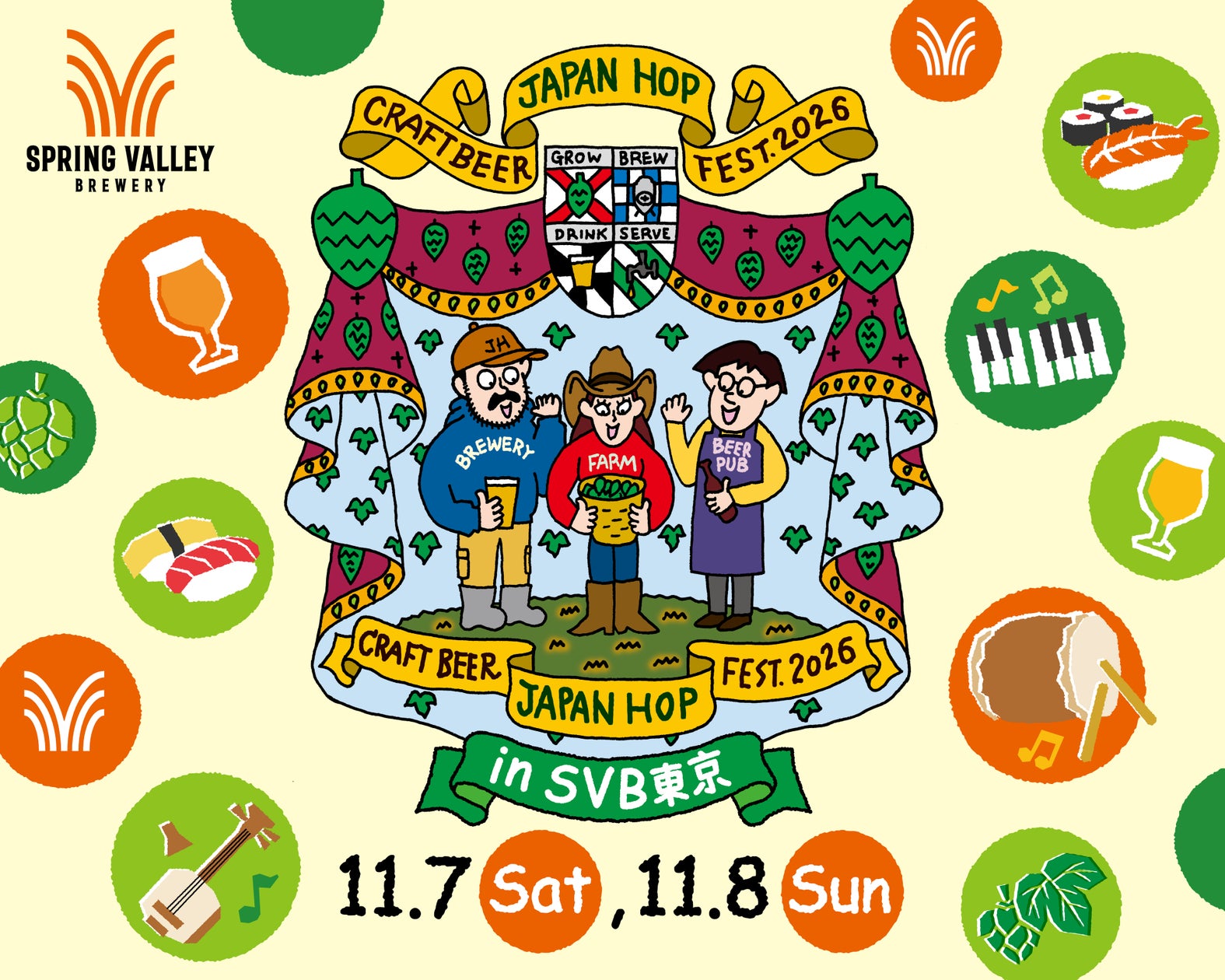
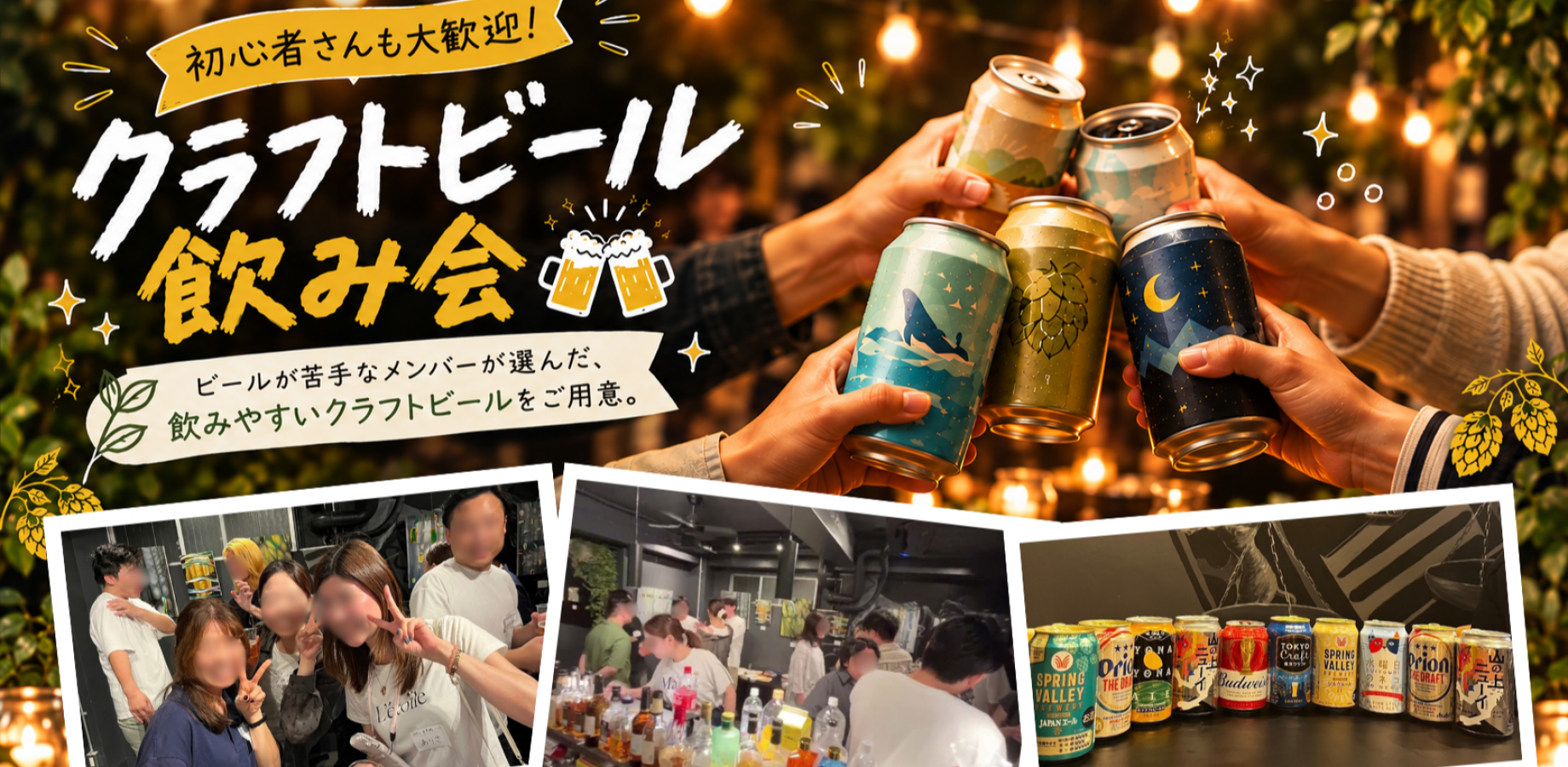
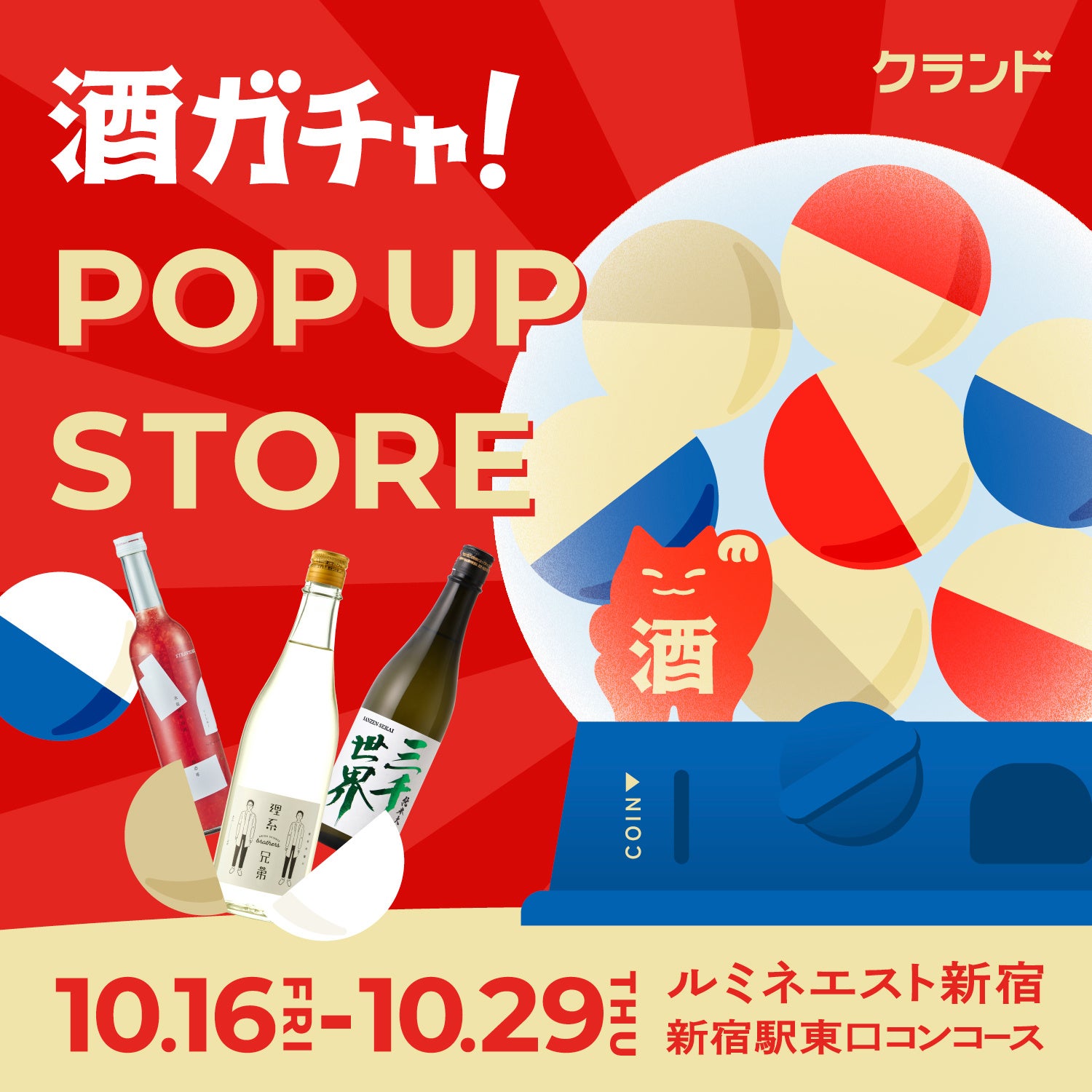
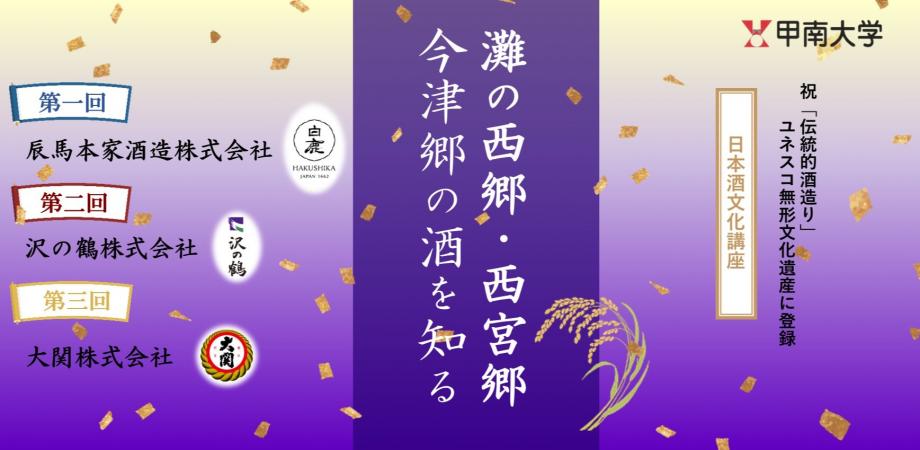
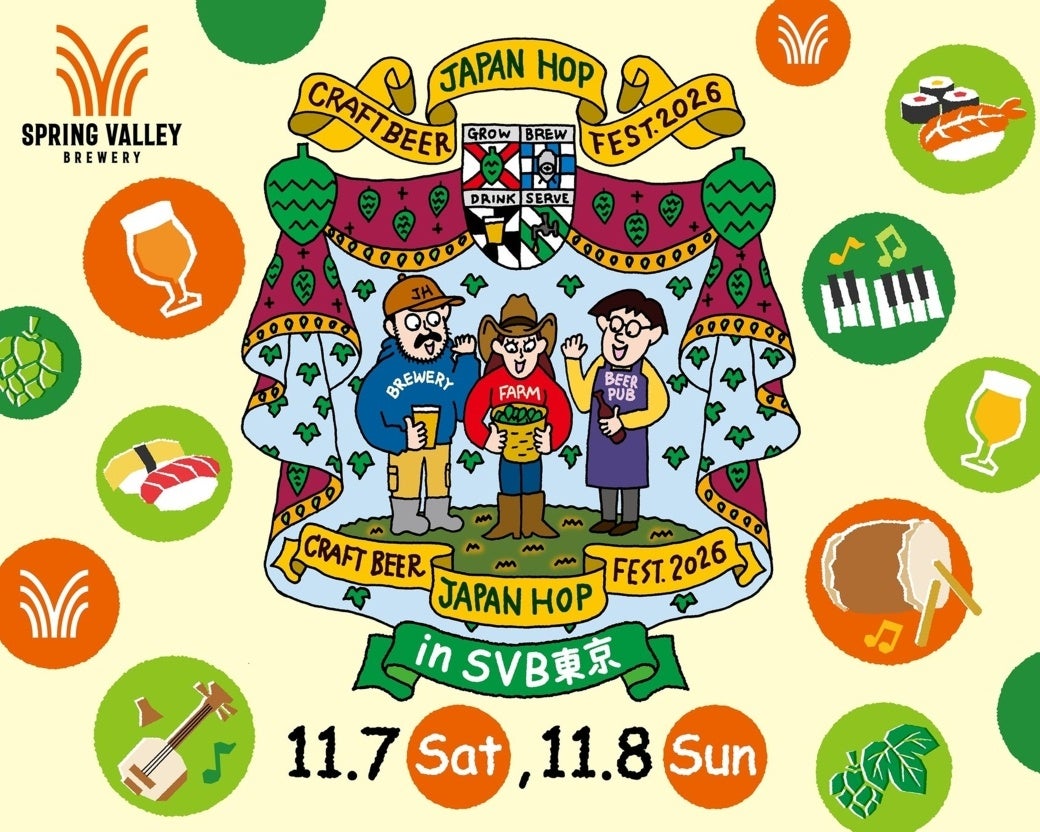
Through the year, prefectural brewers' associations hold tastings in Tokyo hotels and halls, department stores run regional sake fairs with free sips at the counters, and bars host brewery nights where the maker pours. The list below gathers sake, craft beer and whisky events as they are announced, and every event links to its official page.
- Drink water between tastings. The water you sip between sakes is called yawaragi-mizu, and many fairs hand out bottles of it.
- Eat before you go and use the spit cups if you plan to taste a lot.
- Expect ID checks at drinks events. The drinking age in Japan is 20.
Where to drink sake in the city
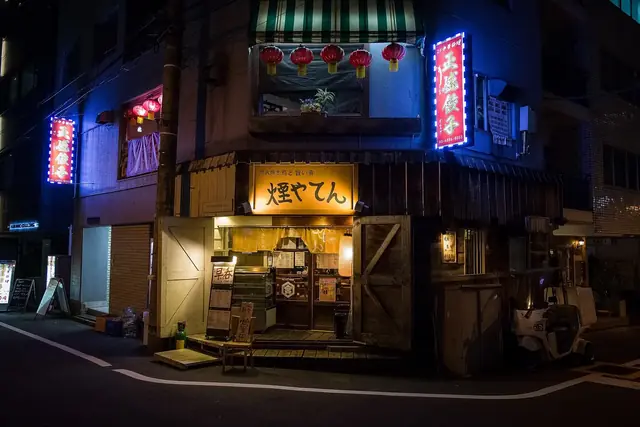
Standing bars (tachinomi) are the cheapest way to taste widely, and they cluster around stations such as Shimbashi and Ueno, where office workers stop for one or two on the way home. Kakuuchi is the older form: drinking inside a liquor shop, often at a counter by the fridges. Some bars run all-you-can-pour formats where you serve yourself from fridges full of bottles for a set time.
For a calm, cheap introduction, the Japan Sake and Shochu Information Center, run by the makers' association in Nishi-Shimbashi near Toranomon Station, sells tasting glasses from a rotating selection and has displays on how sake is made. It is closed on weekends and holidays, so plan a weekday. Department store food floors have sake corners where staff can help you choose a bottle to take home, and many izakaya keep a short list of seasonal bottles on a board.
Breweries you can visit, and beyond sake
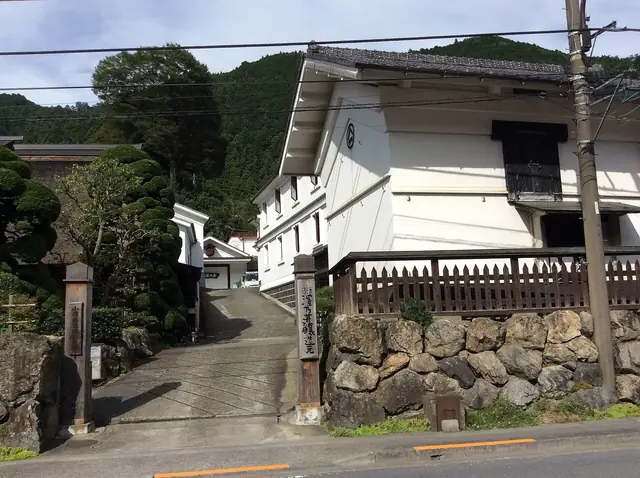
Tokyo has working sake breweries in its western suburbs. Ozawa Shuzo, maker of Sawanoi, is in Ome, about five minutes on foot from Sawai Station on the JR Ome Line, in the Tama River valley on the way to Okutama. Its storehouse dates back to the Genroku era around 1700, tours need a reservation, are given in Japanese with an English leaflet and do not run on Mondays, and across the road a riverside garden has a tasting corner. Ishikawa Brewery in Fussa, founded in 1863 and maker of Tamajiman sake and Tama no Megumi beer, is about 20 minutes on foot from Haijima Station. It runs English-guided tours by reservation made at least five days ahead, has restaurants on the grounds and does not run tours on Tuesdays.
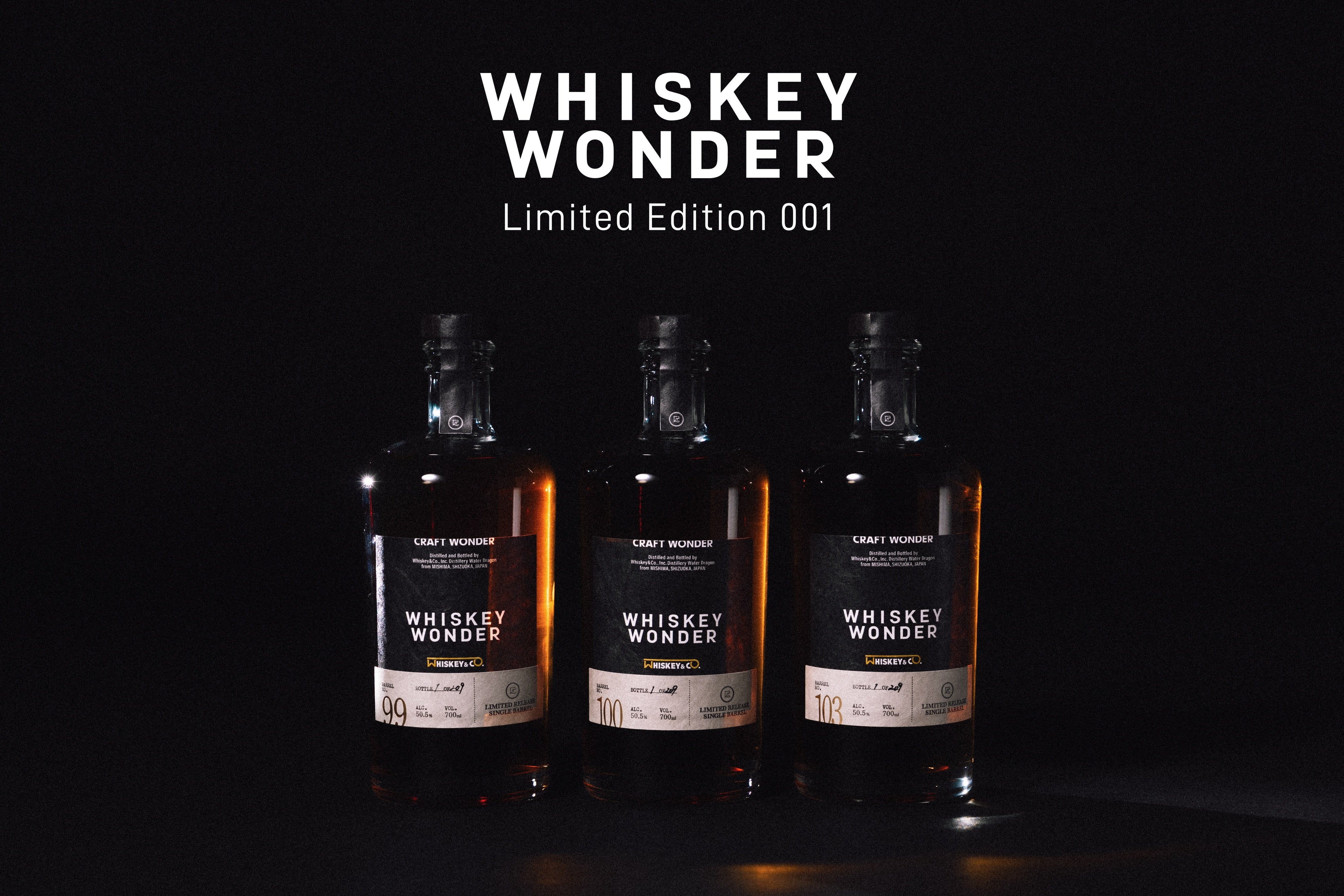
Beyond sake, shochu is a distilled spirit made from sweet potato, barley, rice or brown sugar, drunk on the rocks, with water or in sours, and awamori is Okinawa's own rice spirit made with black koji. Japanese craft beer has grown since rules for small breweries were relaxed in 1994, and Tokyo has many taprooms with a wall of local beers. Japanese whisky is easiest to meet as a highball in any izakaya, while quiet whisky bars in Ginza and Shinjuku pour the rarer bottles by the glass.
- Combine Sawai with a walk along the Tama River gorge. The area is green and cool in summer and red in autumn.
- Book brewery tours well ahead for weekends, and do not plan to drive.
- Some weekdays the JR Ome Line between Ome and Okutama stops during the day for track work. Check JR East or the brewery's news first.