How a language exchange night works
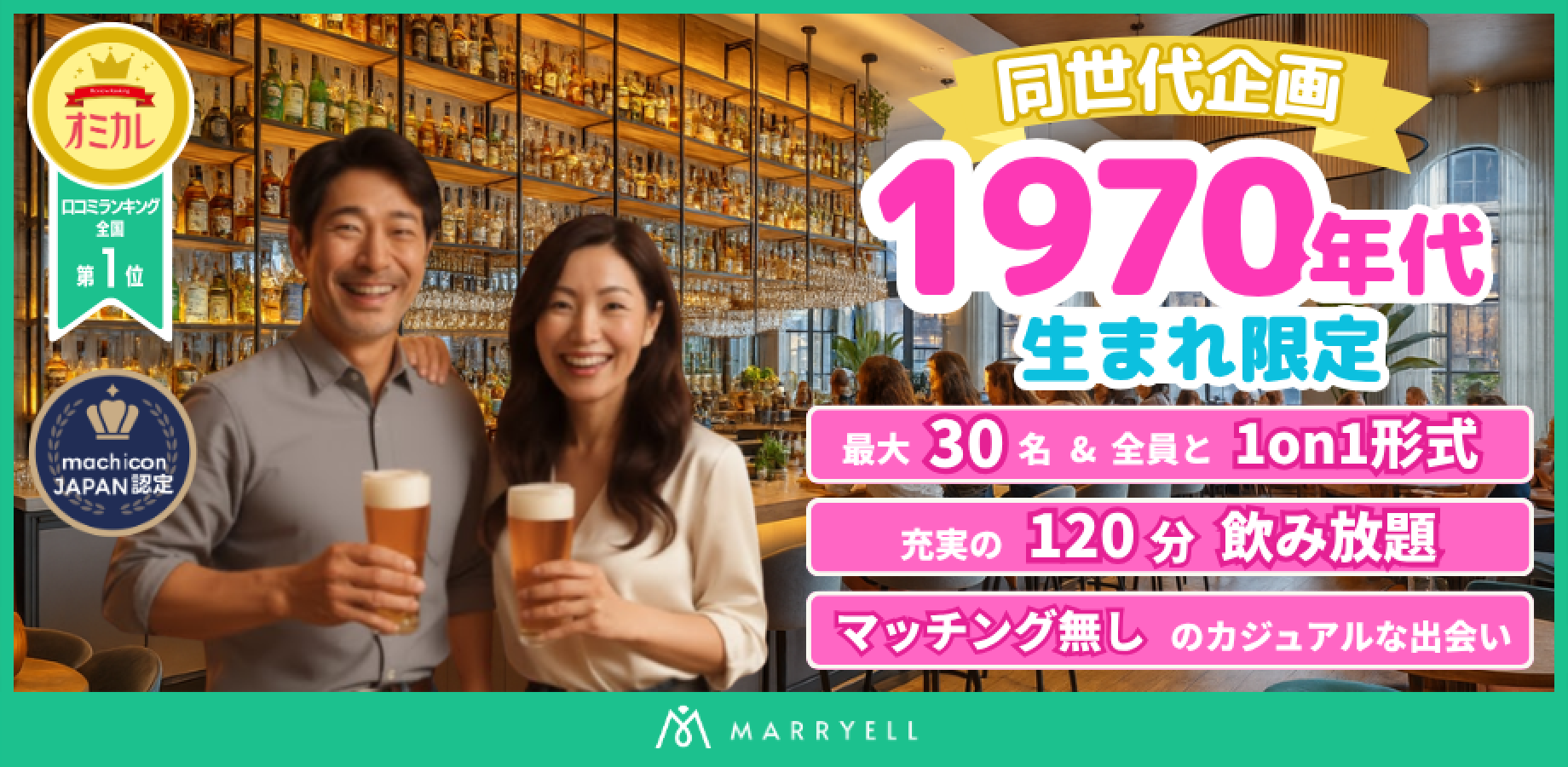
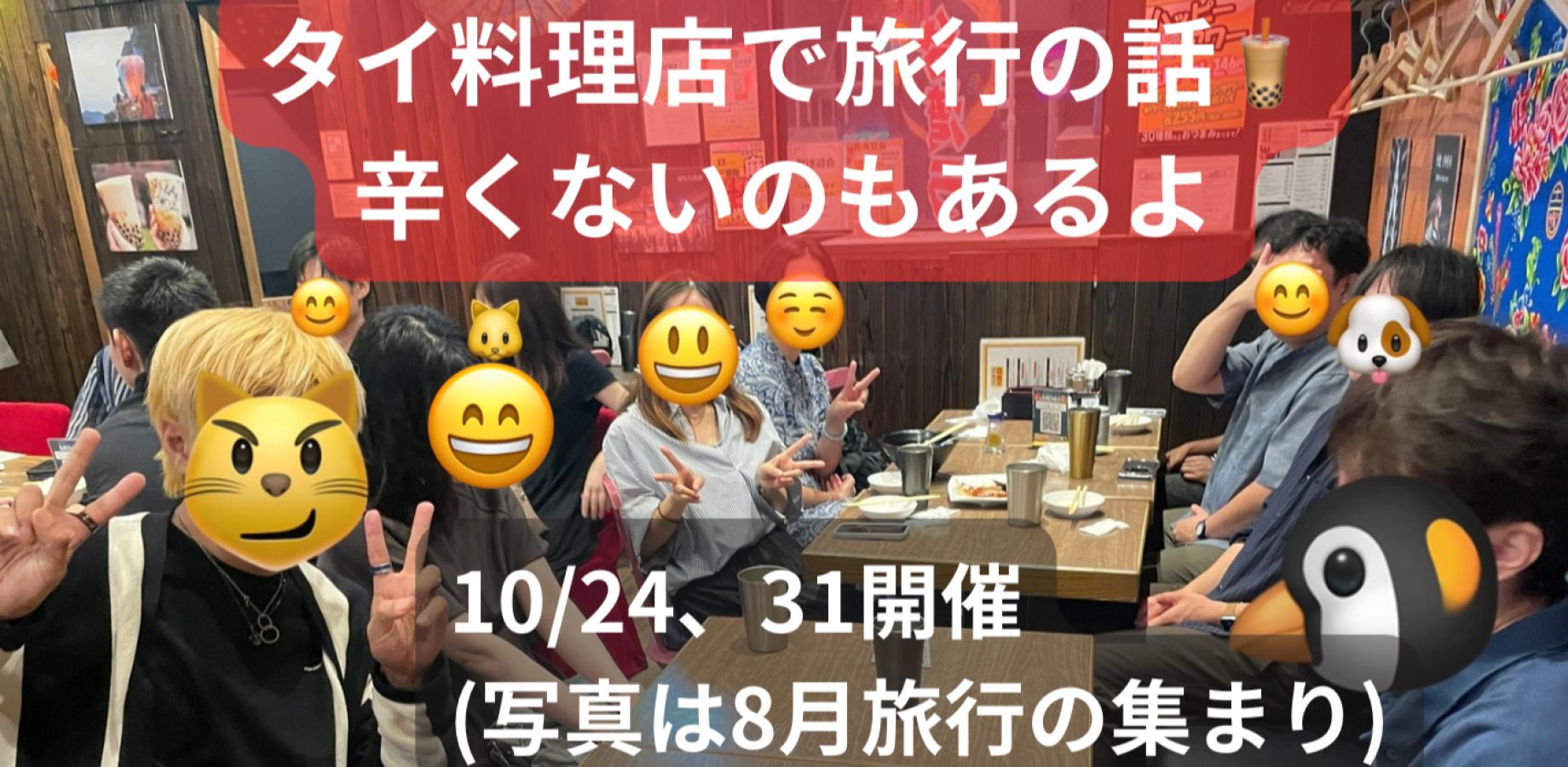
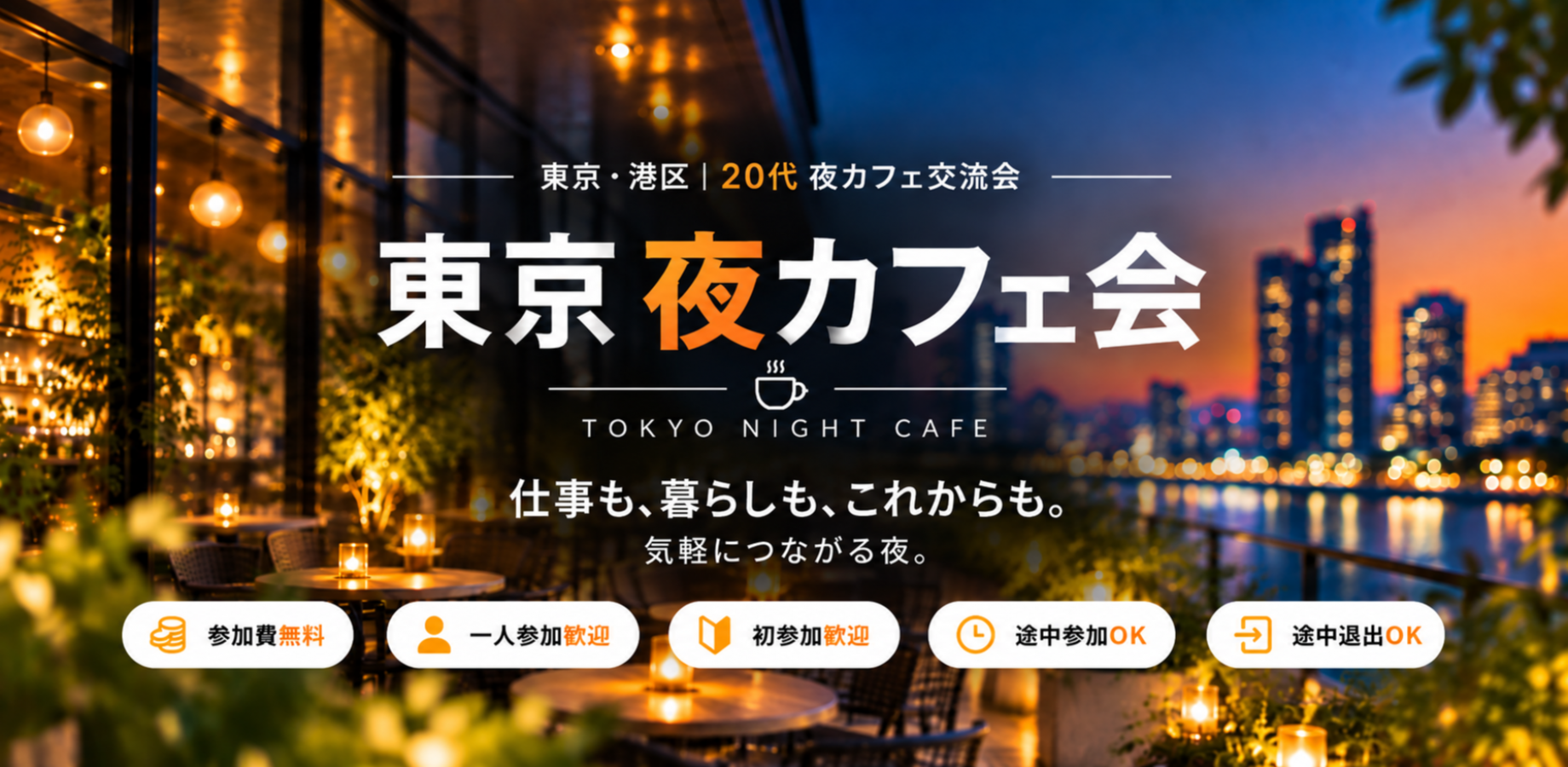
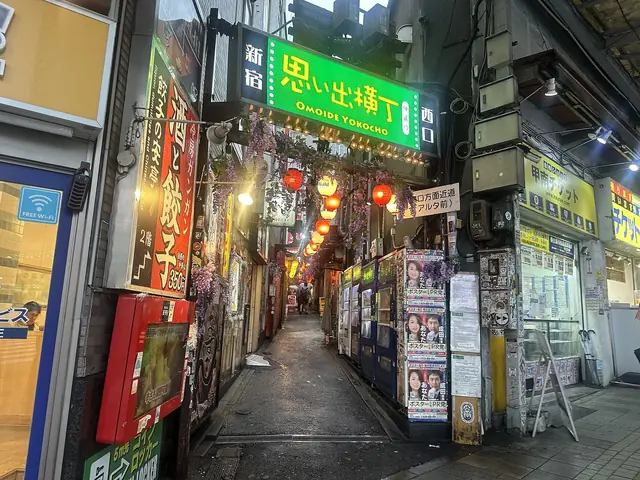
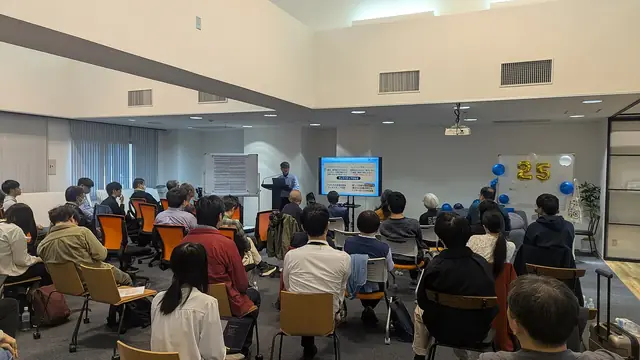
The classic Tokyo language exchange is an evening in a bar or café, often in Shibuya, Shinjuku or Harajuku, where Japanese speakers who want to practise English (or Chinese, Spanish, Korean) meet people who want to practise Japanese. You pay a small entry fee at the door, often in cash, and it usually includes one drink; some events offer an all-you-can-drink option instead. Hosts seat people in small groups and reshuffle the tables every so often, so in one evening you talk to a dozen people. Most run about two hours.
Some events switch languages by the clock (twenty minutes in Japanese, then twenty in English), others leave it to each table. Prices and rules vary a lot between organisers, and some charge different fees to different groups, so read the event page before you go. Language cafés and one-to-one exchanges set up through apps exist too, but group events are the easiest start: nobody has to carry the conversation alone.
- Bring cash in small notes. Many exchange nights take the fee at the door, and not all of them accept cards.
- Arrive at the start. Introductions are easiest while everyone is still new.
- Swap LINE or Instagram if you get on. That is how most Tokyo friendships move on from the first night.
Where meetups are listed
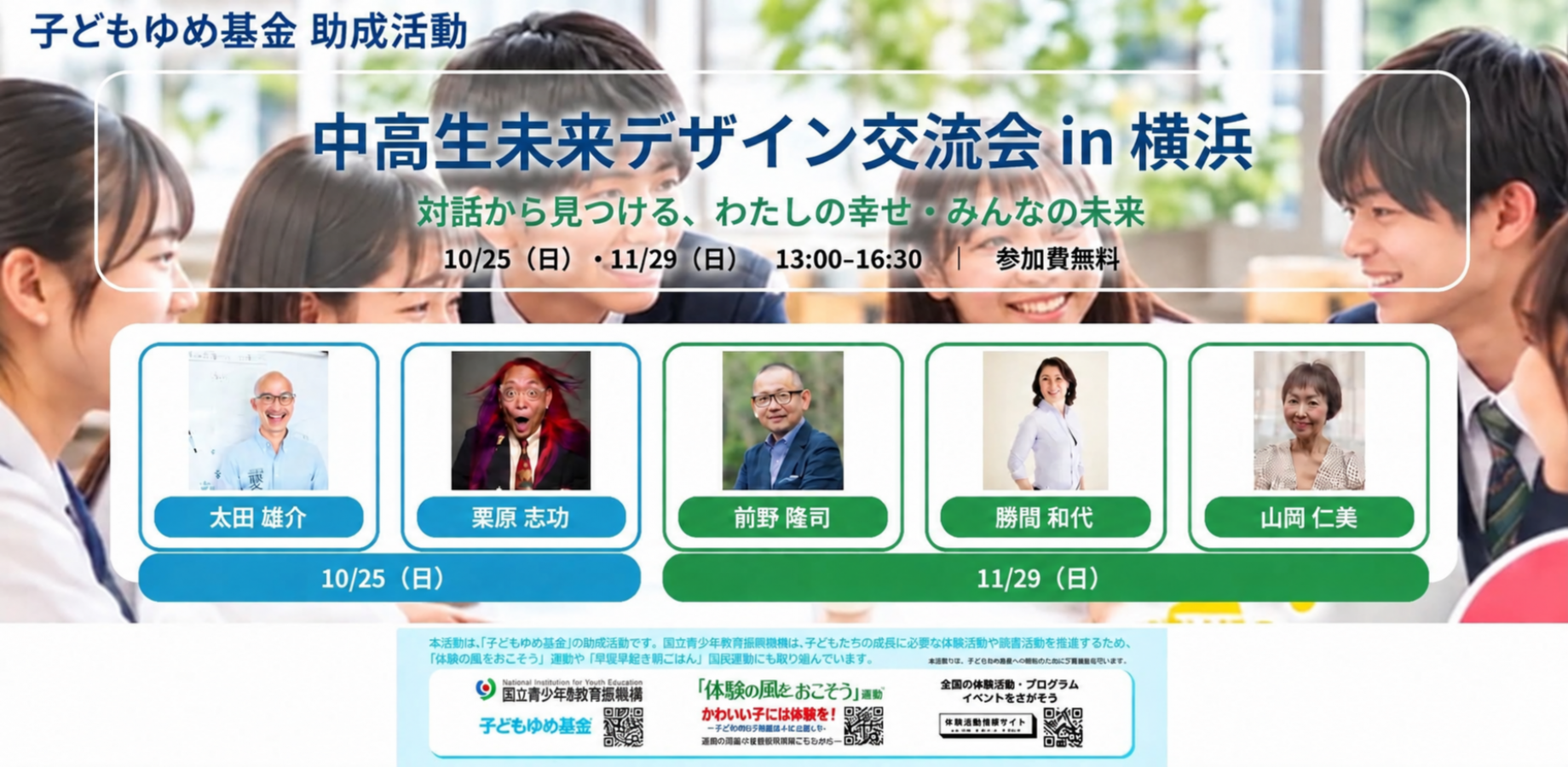
Most English-speaking groups live on Meetup, where hiking clubs, board game nights, photo walks, book clubs and international parties post their events. Peatix is the big Japanese platform for talks, workshops, small parties and community events, and it handles tickets and payment. Tech meetups gather on connpass and Doorkeeper, and startup and community events increasingly use Luma. Many other groups announce on Instagram or in Facebook groups for foreign residents.
A good group has a clear organiser, events that actually happen every week or month, and recent photos or comments from people who went. A group that meets regularly is worth more than one big party: you see the same faces, and the second visit is when people start to remember your name.
Professional meetups, hobby clubs and volunteering
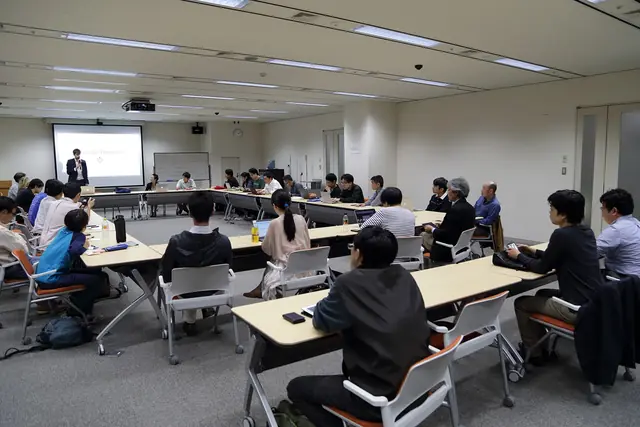
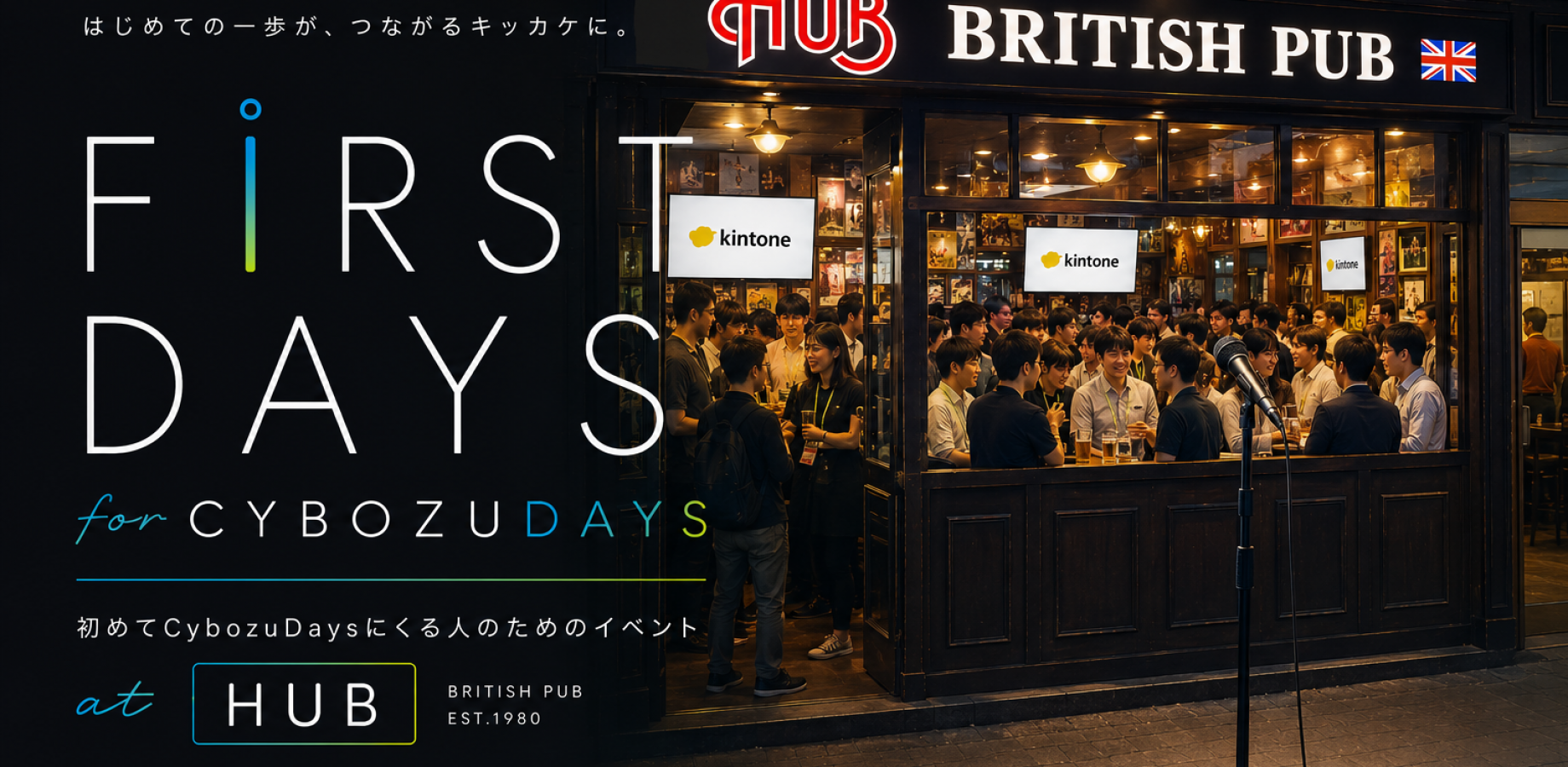
If you work in tech, developer meetups are one of the easiest ways in: a talk or a few lightning talks after work, then drinks and conversation in the same room. Many are bilingual or held in English, and nobody expects formality. Other fields have networking nights too, mostly listed on Peatix and Luma.
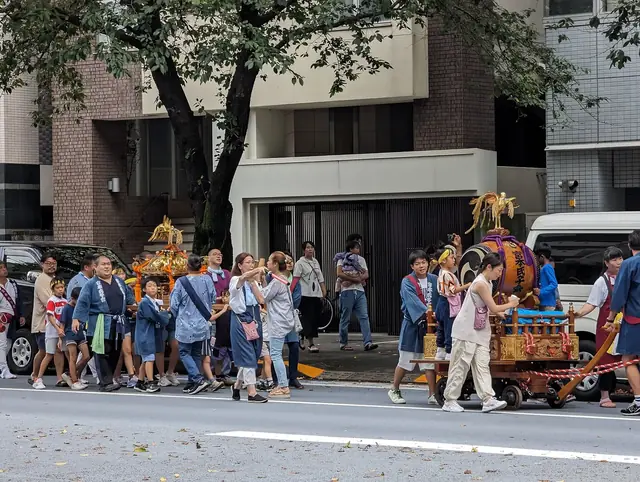
Hobby clubs work because there is something to do besides talk. Running groups meet for evening runs around the Imperial Palace or in the big parks, choirs and theatre groups rehearse every week, and board game cafés host open game nights. Volunteering is another good route: the Tokyo Marathon recruits thousands of volunteers through its official club, VOLUNTAINER, and other city runs, festivals and community events look for helpers too, usually through their official sites months ahead.
International centres and ward associations
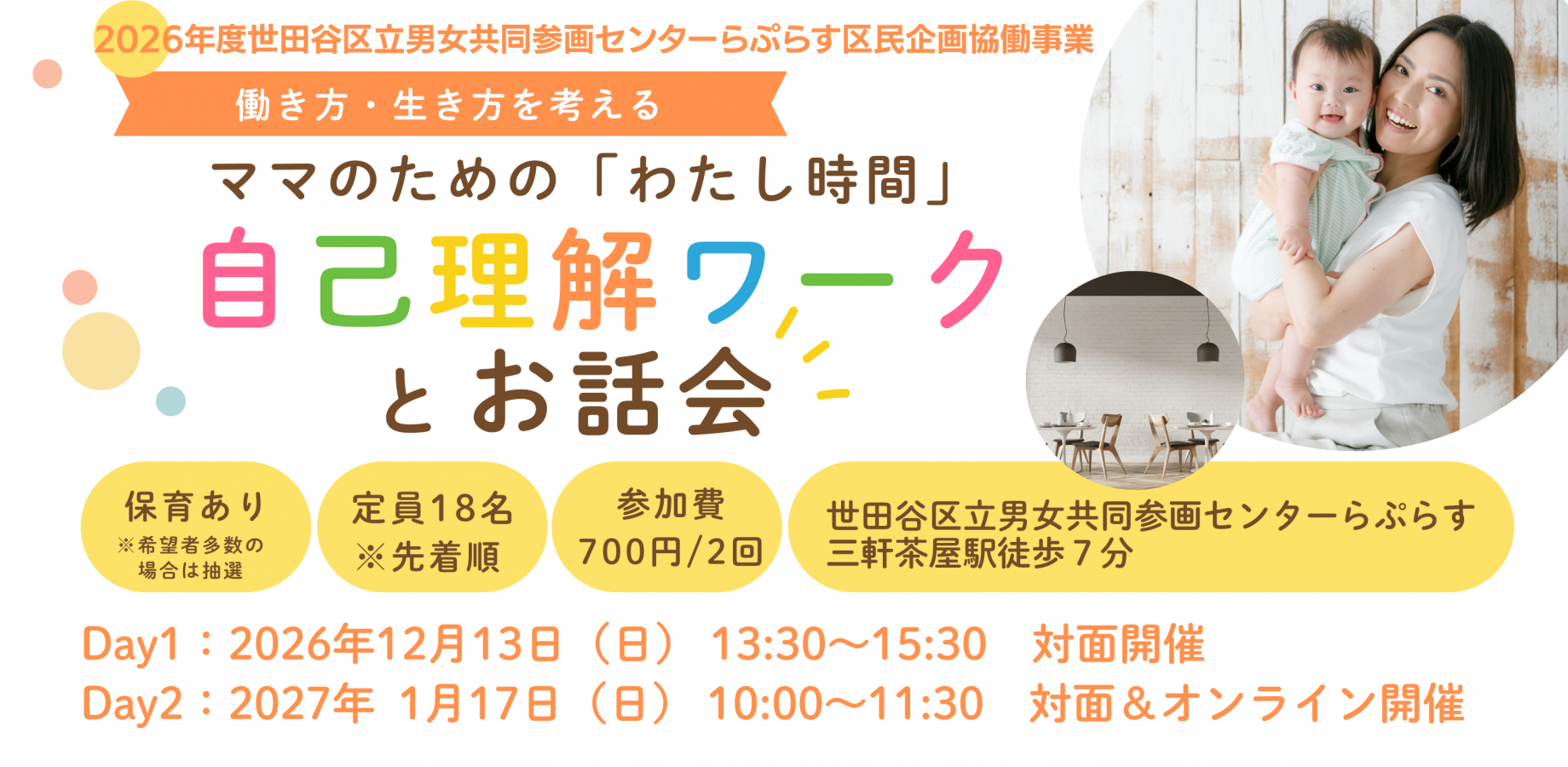
Many of Tokyo's wards and cities have an international association or a multicultural centre for foreign residents. They typically run low-cost Japanese classes taught by volunteers, cultural outings, exchange events and free advice in several languages, and they are some of the friendliest places to meet both Japanese and foreign neighbours. Examples include the Minato International Association and Shinjuku Multicultural Plaza (しんじゅく多文化共生プラザ), on the 11th floor of the Hygeia building in Kabukicho.
To find a community Japanese class near you, use the Tokyo Japanese classes site run by the Tokyo Tsunagari Foundation, which the metropolitan government set up to support foreign residents; the foundation also runs a multilingual consultation service. Volunteer-run Japanese classes are a quiet way to make friends: the same people every week, a shared task, and teachers who are often the best-connected people in the neighbourhood.
Staying safe, and tips for the shy
Meeting people in Tokyo is generally low risk, and ordinary city sense covers it. Meet in public places the first few times, tell a friend where you are going, and keep an eye on your own drink. Don't share your home address or personal details until you know someone. Pay only the fee shown on the event page, and if a new contact keeps steering the talk towards a business opportunity, an investment or a seminar you should join, it is fine to say no and leave.
If you are shy, choose events with a structure. A workshop, a class, a run, a volunteer shift or a board game night gives you something to do with your hands and an easy opening line. Arriving early helps, since hosts often introduce early arrivals to each other, and a simple question about the area or the event is enough to start. Go to the same group three or four times before you judge it.
- Pick one regular thing and keep going back. Familiarity does most of the work.
- Decide when you will leave. Knowing you can go at nine makes it easier to turn up at seven.
- Learn a short self-introduction (jikoshokai) in Japanese. People like the effort, even at English events.