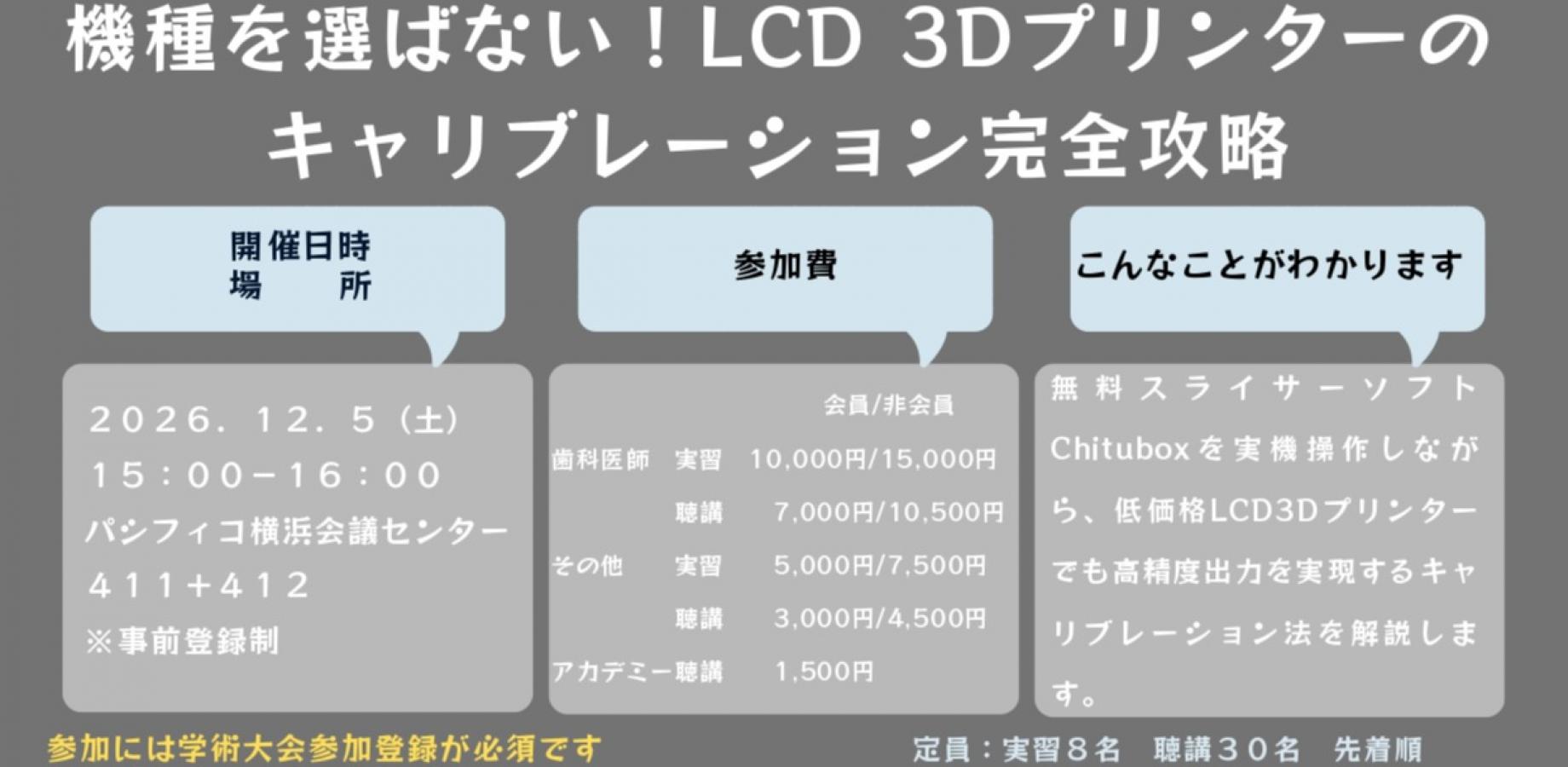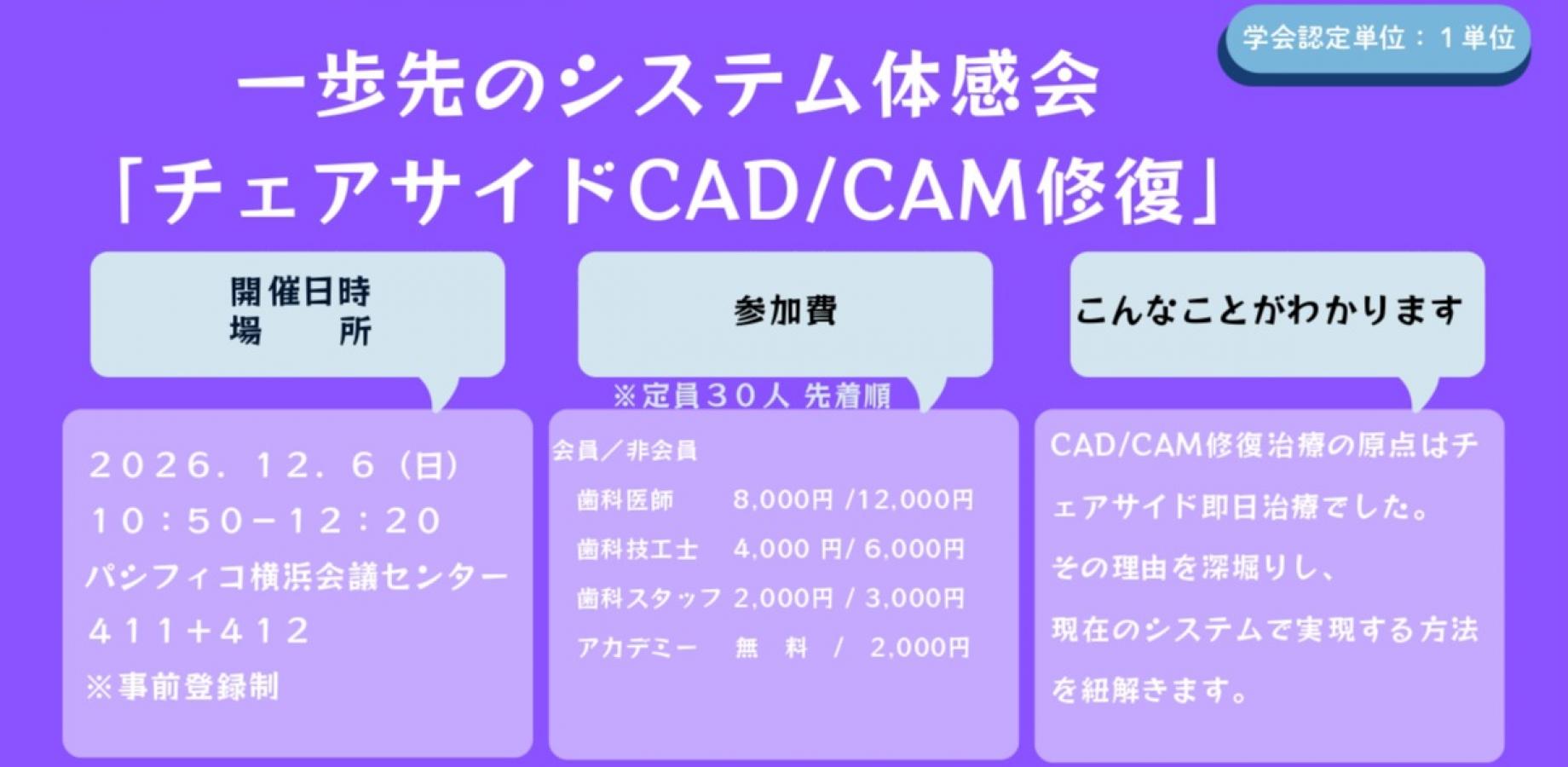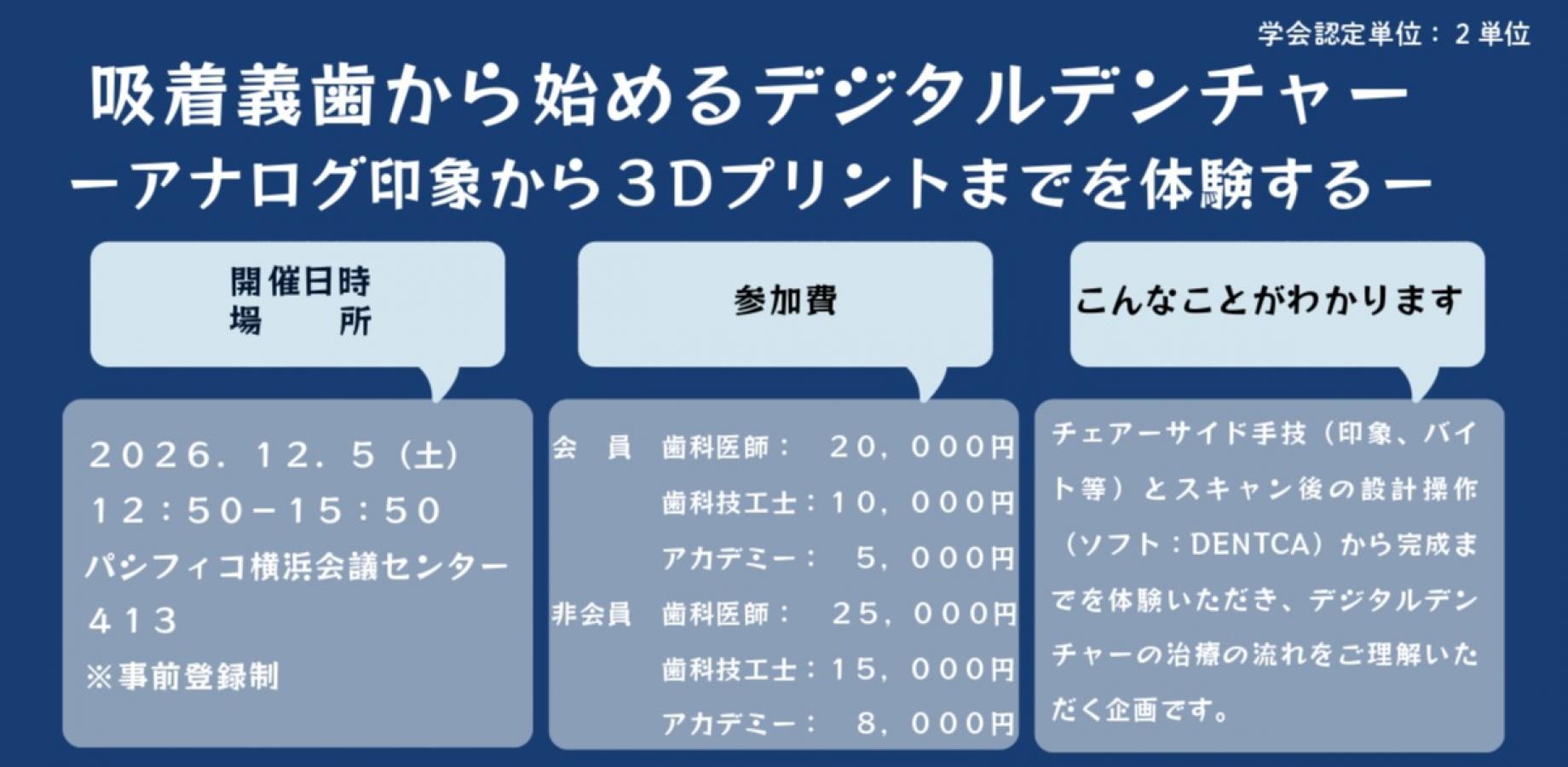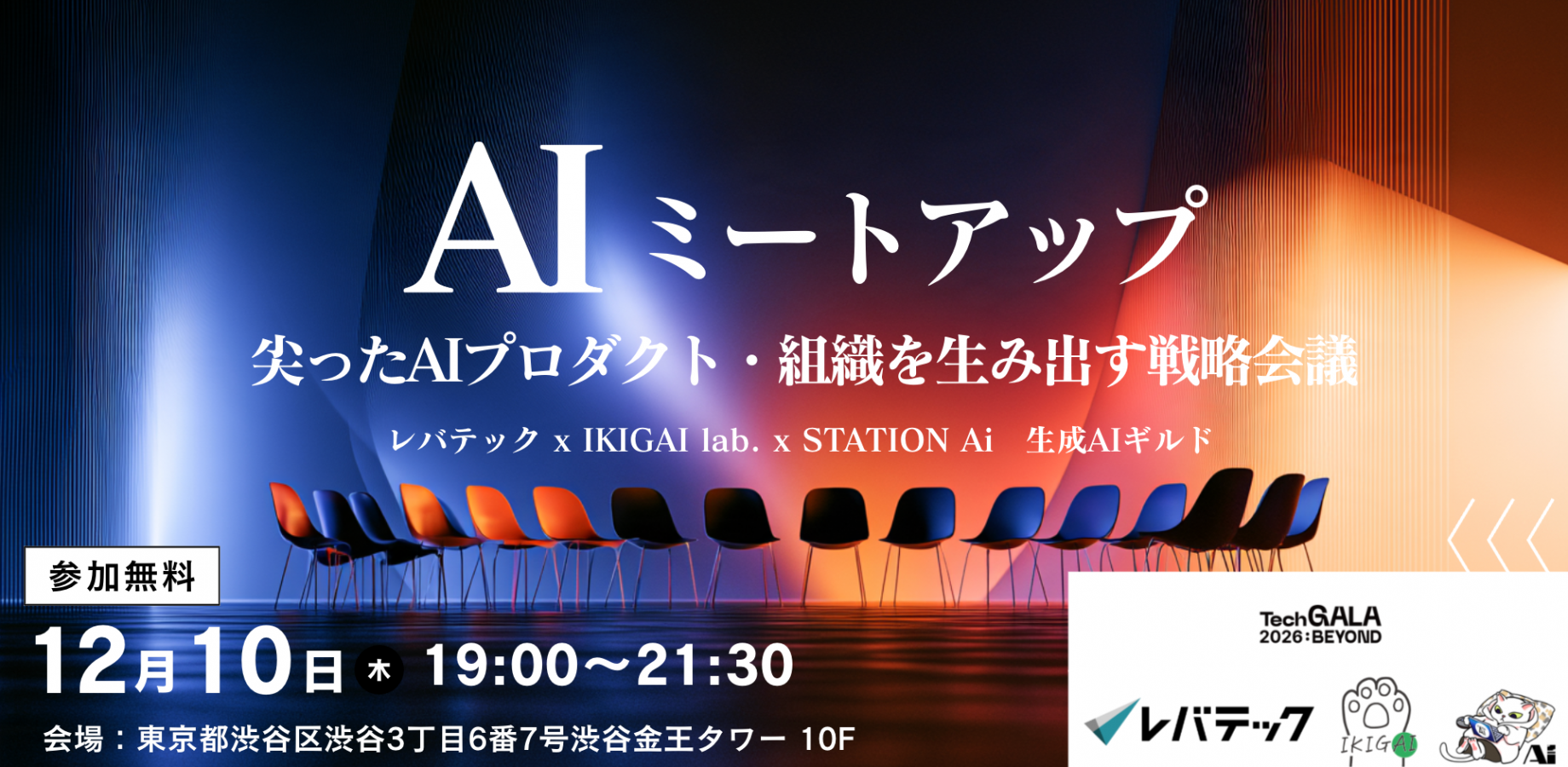
Where meetups are listed
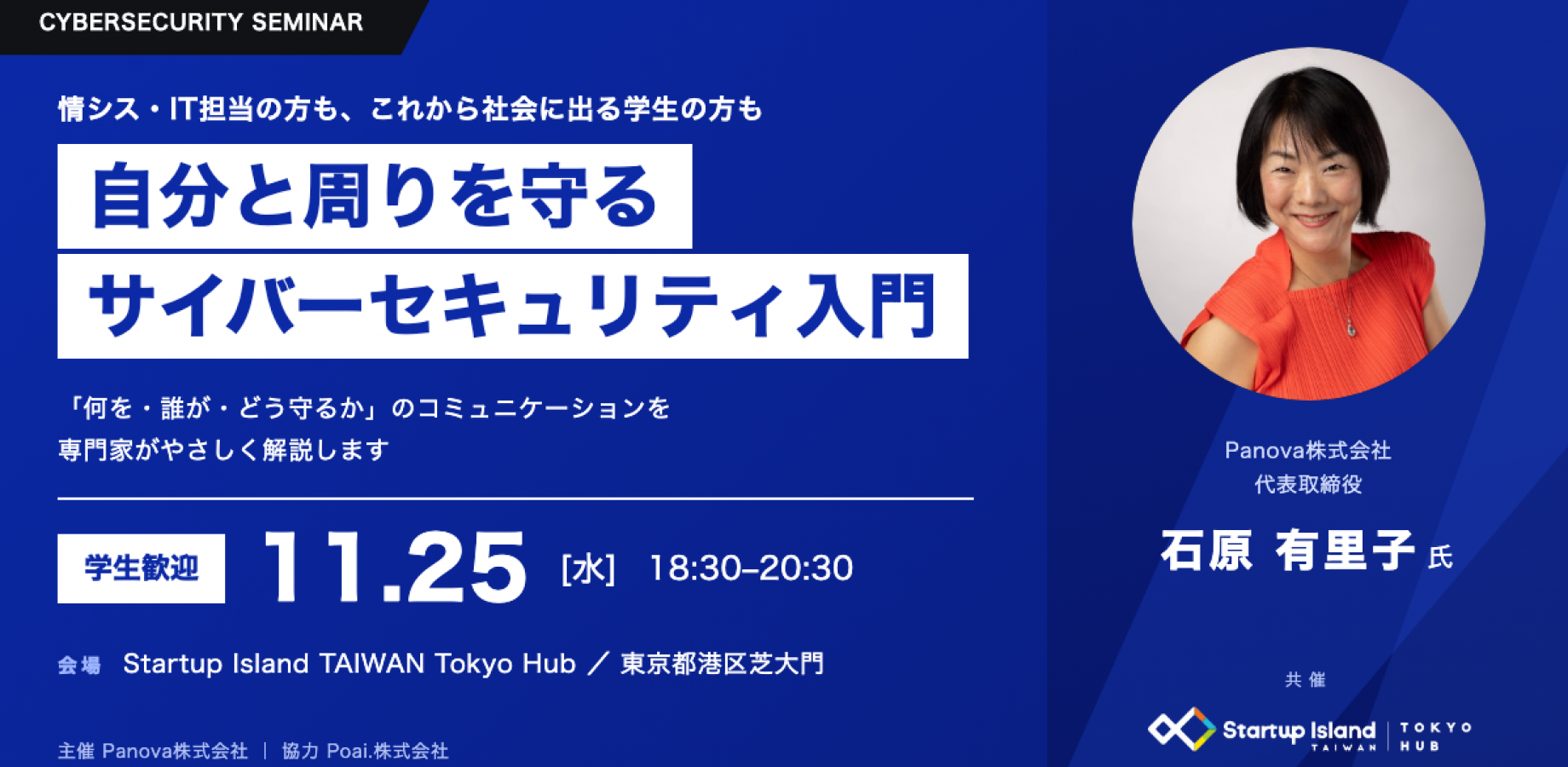
Most Japanese tech events live on connpass, a platform built for IT study sessions (勉強会, benkyokai). Search by keyword or tag (a language, a framework, a cloud) and narrow it to Tokyo. The pages are in Japanese, but they all follow the same pattern: date, venue, capacity and a set of participation slots. Doorkeeper is the other long-standing Japanese platform; it has an English interface and a mix of Japanese and English community events. TECH PLAY lists events too, many of them hosted by companies.
English-language groups lean towards Meetup, and startup and community events often use Peatix or Luma. Events usually run in the language they are advertised in: an English listing means English talks, a Japanese listing means Japanese ones, even if some people there speak English. TokyoDev, a site for international developers in Japan, keeps a calendar of English-friendly developer events and is a good first stop.
- Join the connpass group of a community you like. Members get an email when the group posts a new event, and popular ones fill fast.
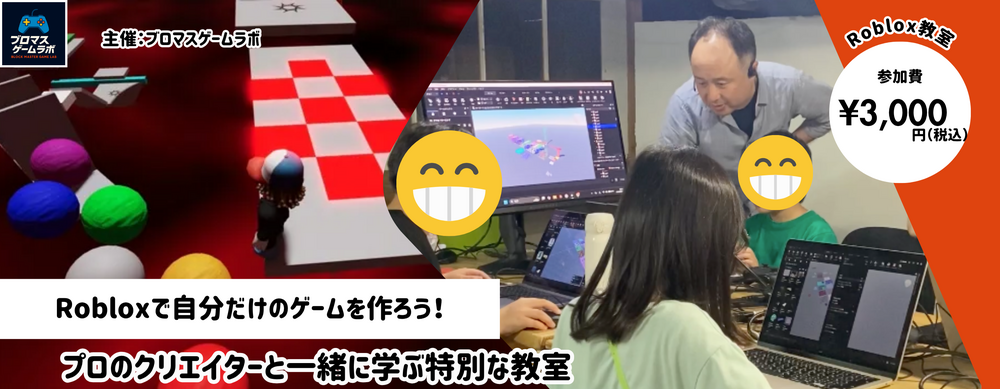
- Search in Japanese too: 初心者 (beginners), ハンズオン (hands-on), もくもく会 (quiet sessions where everyone works on their own thing).
English-friendly communities
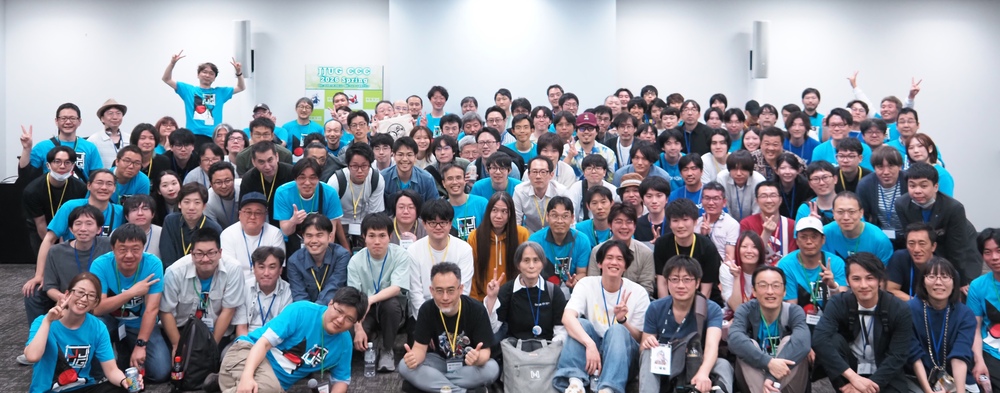
A handful of English or bilingual communities have been around for years. Hacker News Tokyo is the long-running startup and tech social, with regular evenings held mostly in English. Tokyo Tech Meetup is a bilingual evening with Japan tech news, short talks and networking. Language communities such as Tokyo Python, Tokyo Rust and Tokyo Rubyist Meetup show up on TokyoDev's calendar. Groups pause and restart, so look at their most recent event before planning around one.
The big Japanese user groups are worth a visit even if your Japanese is limited. JAWS-UG, the Japan AWS User Group, is a network of dozens of regional and topic chapters, and its Tokyo chapter is the largest. GDG Tokyo, the local Google Developer Group, has in recent years held a Google I/O Extended event in summer to talk through the year's announcements. Slides are full of English terms and code, and people are often happy to switch to English over pizza afterwards.
How a Tokyo meetup works
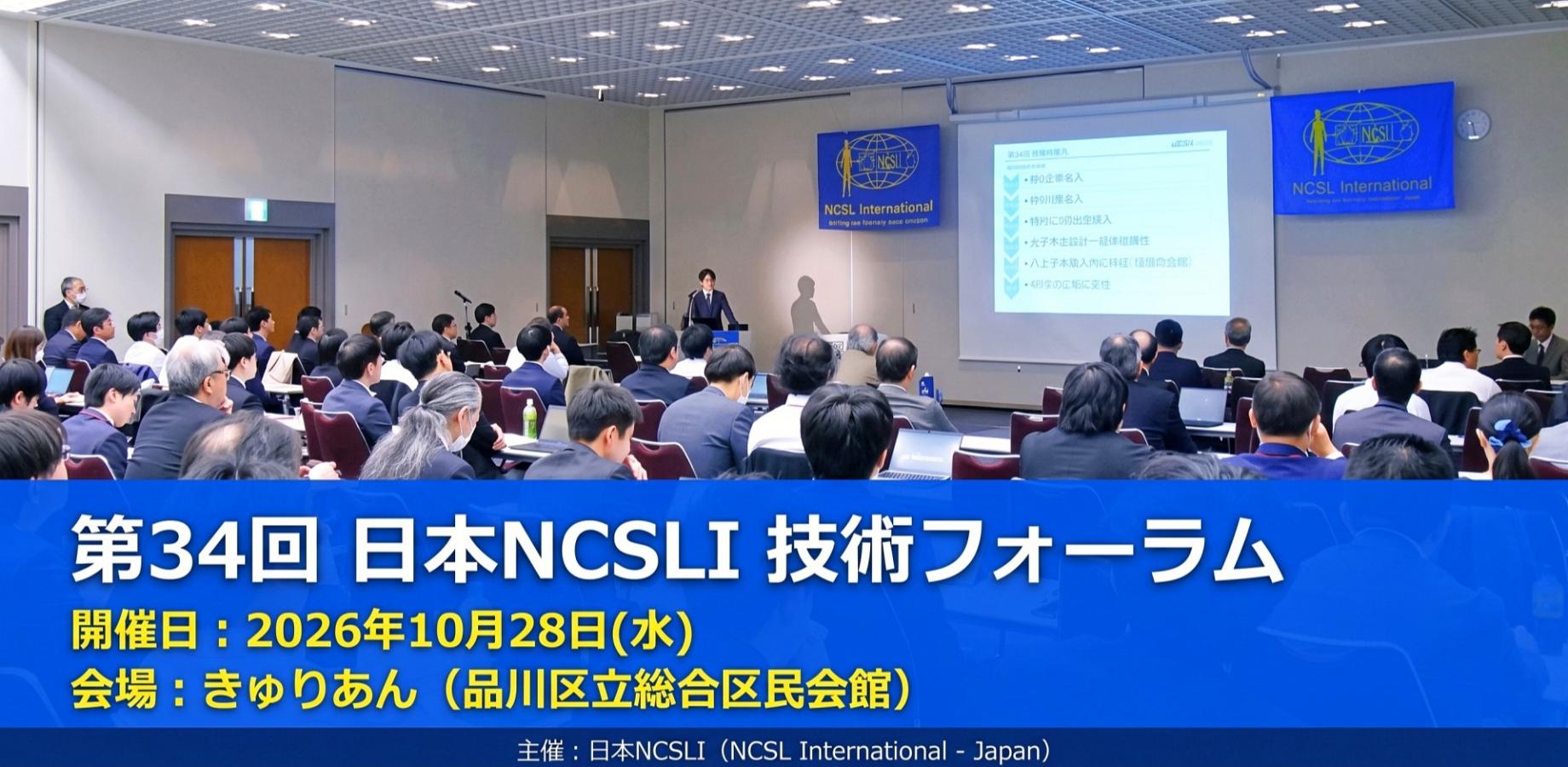
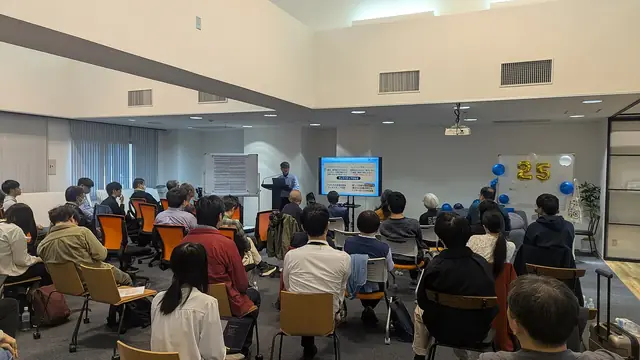
A weeknight meetup usually starts after work in a company office or an event space. Talks come first: one or two longer sessions, then a round of lightning talks (LT), about five minutes each. After that comes the 懇親会 (konshinkai), a networking hour with pizza, snacks and drinks, which is where most of the real conversation happens. Many study sessions are free. Some collect a small fee for food, and the konshinkai is sometimes a separate slot with its own price.
Sign-up matters more than in many cities. On connpass every event has participation slots (参加枠), and each slot is either first come, first served (先着) or a lottery (抽選) drawn on a date shown on the page. When a first-come slot is full you go on the waiting list (補欠), and when someone cancels, the first person on the list moves up automatically and gets an email. That is why the most important bit of etiquette is to cancel as soon as you know you can't come. A no-show keeps someone on the waiting list at home.
- Read the access notes (会場, 入館方法) on the event page. Office buildings often have a reception desk, and late entry is not always possible.
- Register under the name you will give at reception, and have the event page or your connpass reception ticket (受付票) ready on your phone.
- Many groups welcome first-time LT speakers. Five minutes in simple English is the quickest way to meet people.
Big conferences through the year
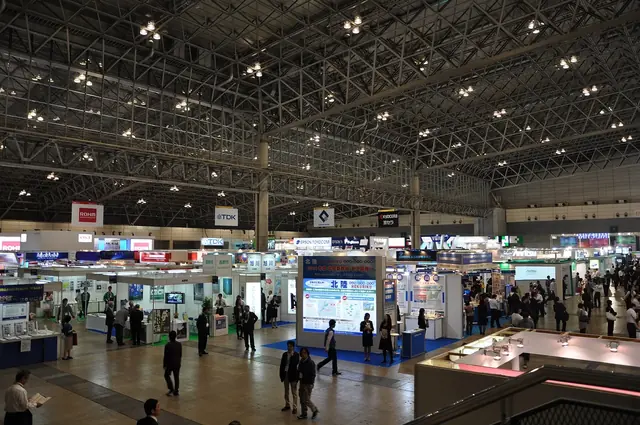
The year has a few fixed points. Developers Summit (デブサミ), run by the publisher Shoeisha, is a large developer conference usually held in February, and in recent years it has added a smaller summer edition. In spring, SusHi Tech Tokyo, a startup and technology conference organised by the Tokyo Metropolitan Government, fills Tokyo Big Sight and ends with a day open to the public. AWS Summit Japan usually takes place in June at Makuhari Messe in Chiba and is free with advance registration. Interop Tokyo, the big internet and networking show, is also at Makuhari Messe in June.
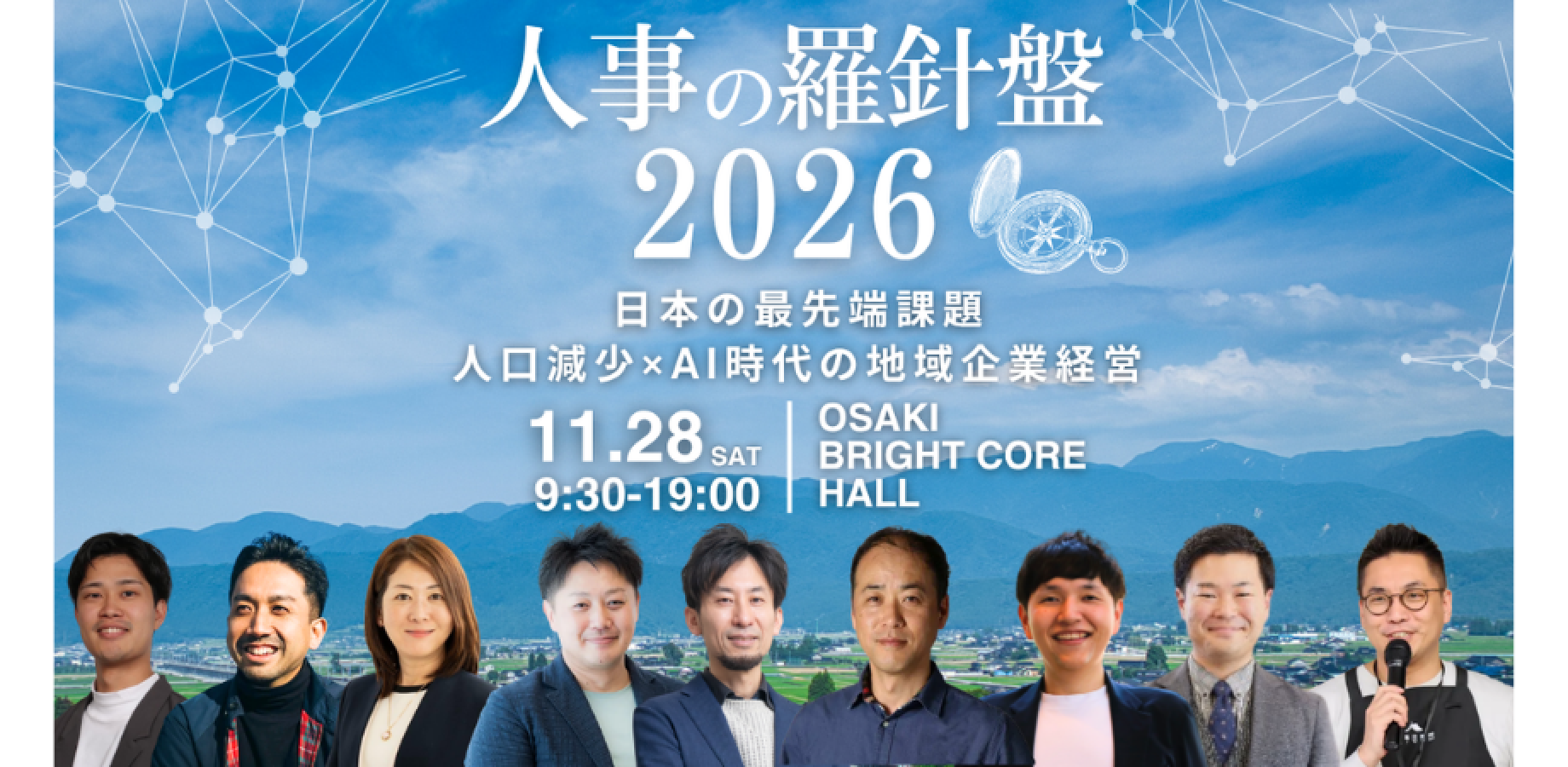
In October, CEATEC, the electronics and IT show run by the industry body JEITA, takes over Makuhari Messe, again free with registration. Japan IT Week holds trade shows several times a year at Tokyo Big Sight and Makuhari Messe; they are sales exhibitions more than talks. Community conferences such as PyCon JP and RubyKaigi are run by volunteers and move between cities, so check where the next one is before you plan a trip around it.
- Register online before you go. Most big shows want advance registration, and without it you queue at the entrance.
- Makuhari Messe is a short walk from Kaihin-Makuhari Station on the JR Keiyo Line. Allow about 40 minutes from Tokyo Station.
Business cards and small etiquette
At developer meetups nobody expects formality: t-shirts are normal, and in English-speaking groups first names are fine. At conferences, company-hosted events and anything with a business side, meishi (business cards) still matter. Offer and receive them with both hands, take a moment to read the card, and keep it on the table while you talk rather than putting it straight into a pocket. If you don't have cards, just say so; plenty of developers swap social profiles with a QR code instead.
A few small things help. Bring your own laptop and charger to hands-on sessions. Ask before photographing slides, because some talks are marked no photos or no social media (撮影NG, SNS投稿NG). At the end, help clear cups and pizza boxes: the organisers are volunteers who also do the cleaning up. If you enjoyed the evening, a short post with the event hashtag is the usual thank-you.