How collab cafés work
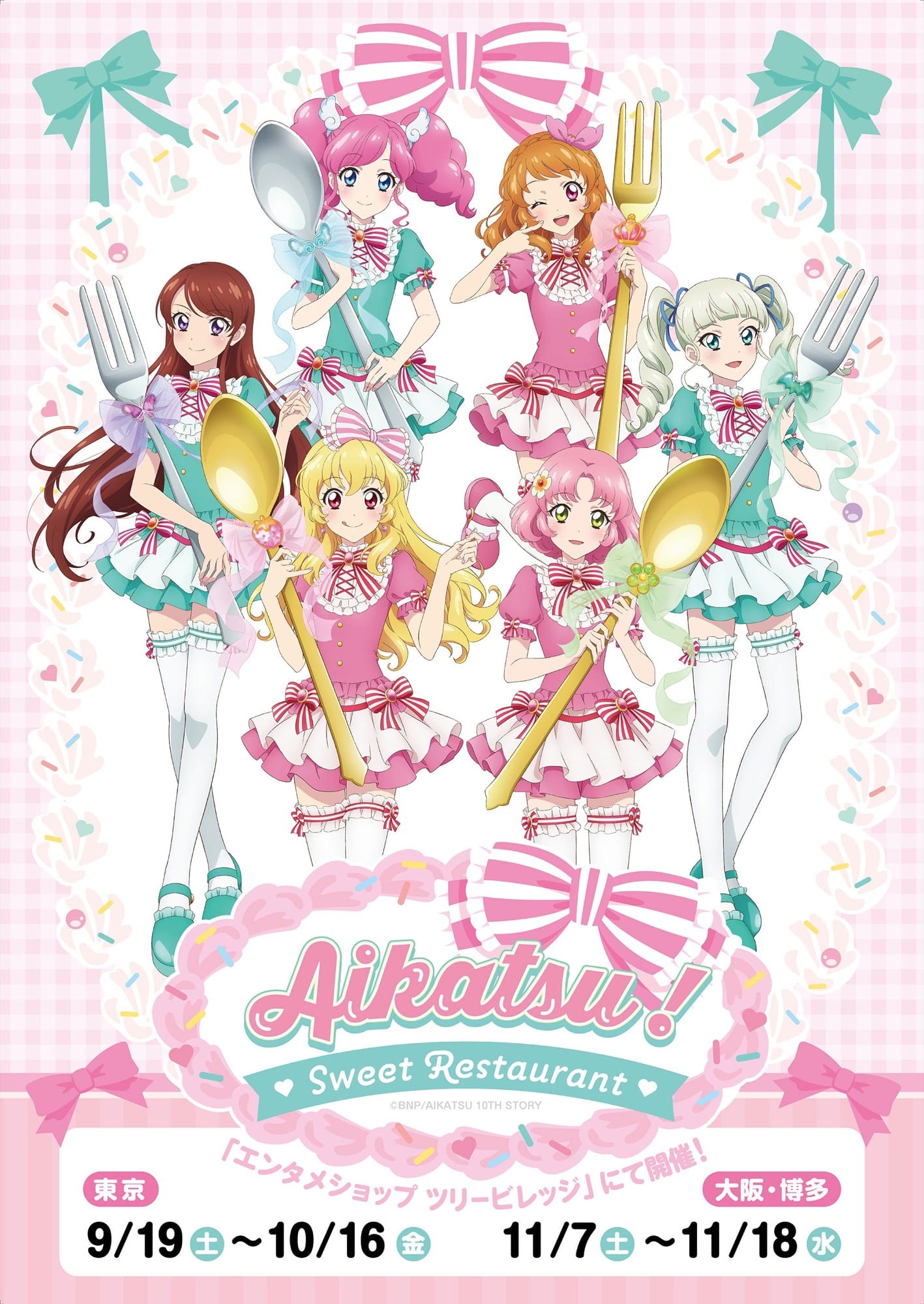
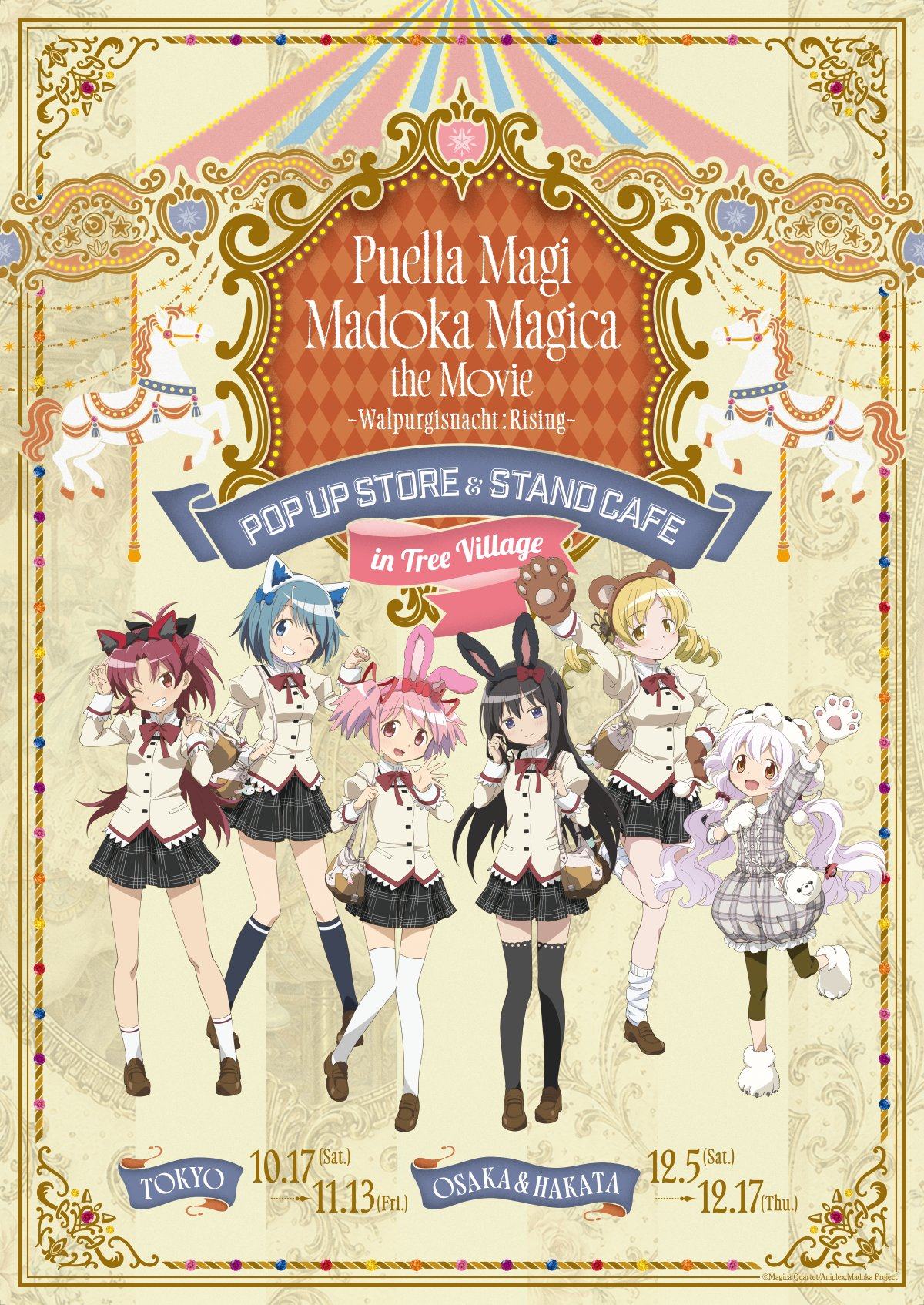
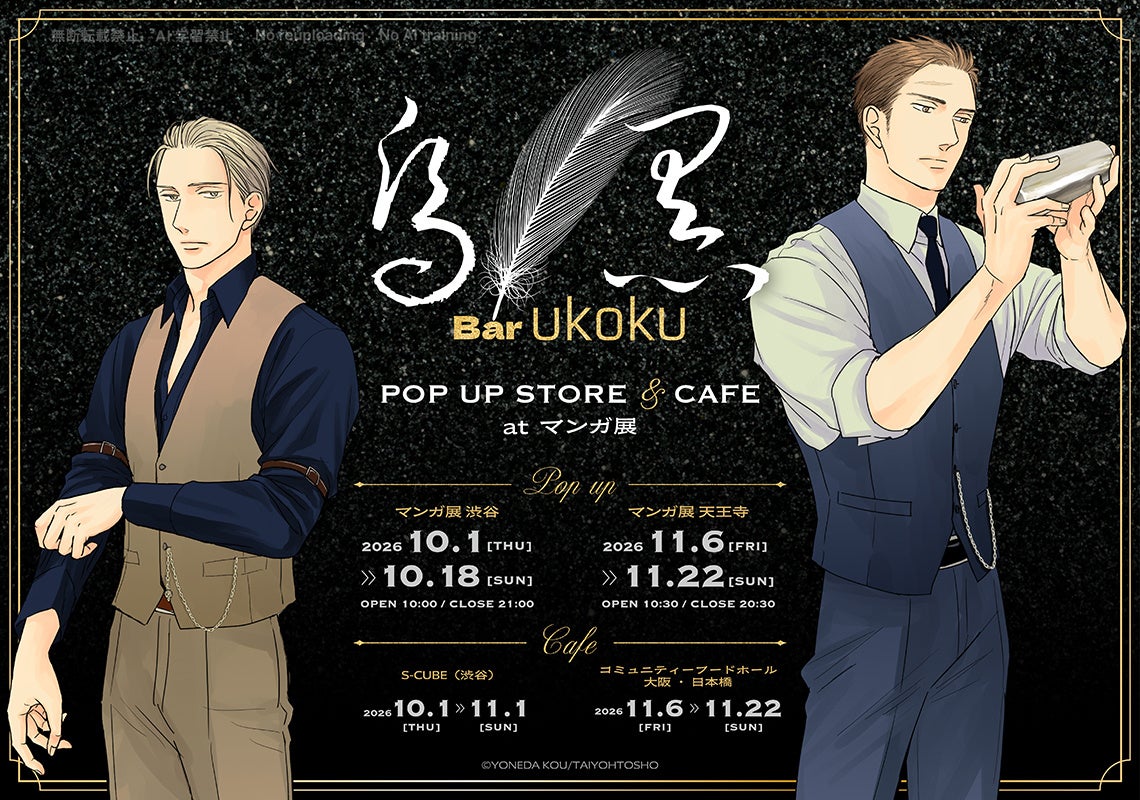
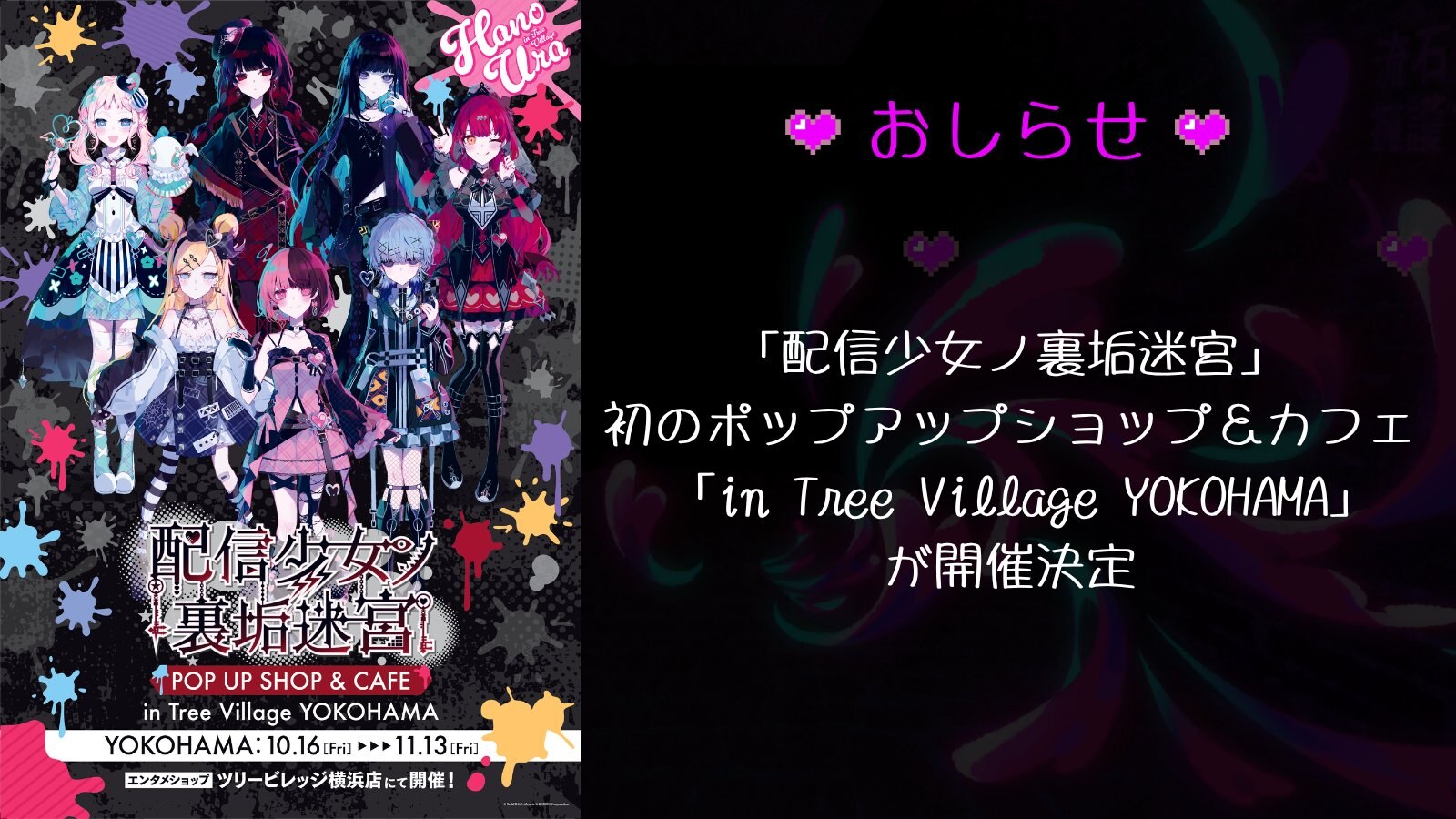
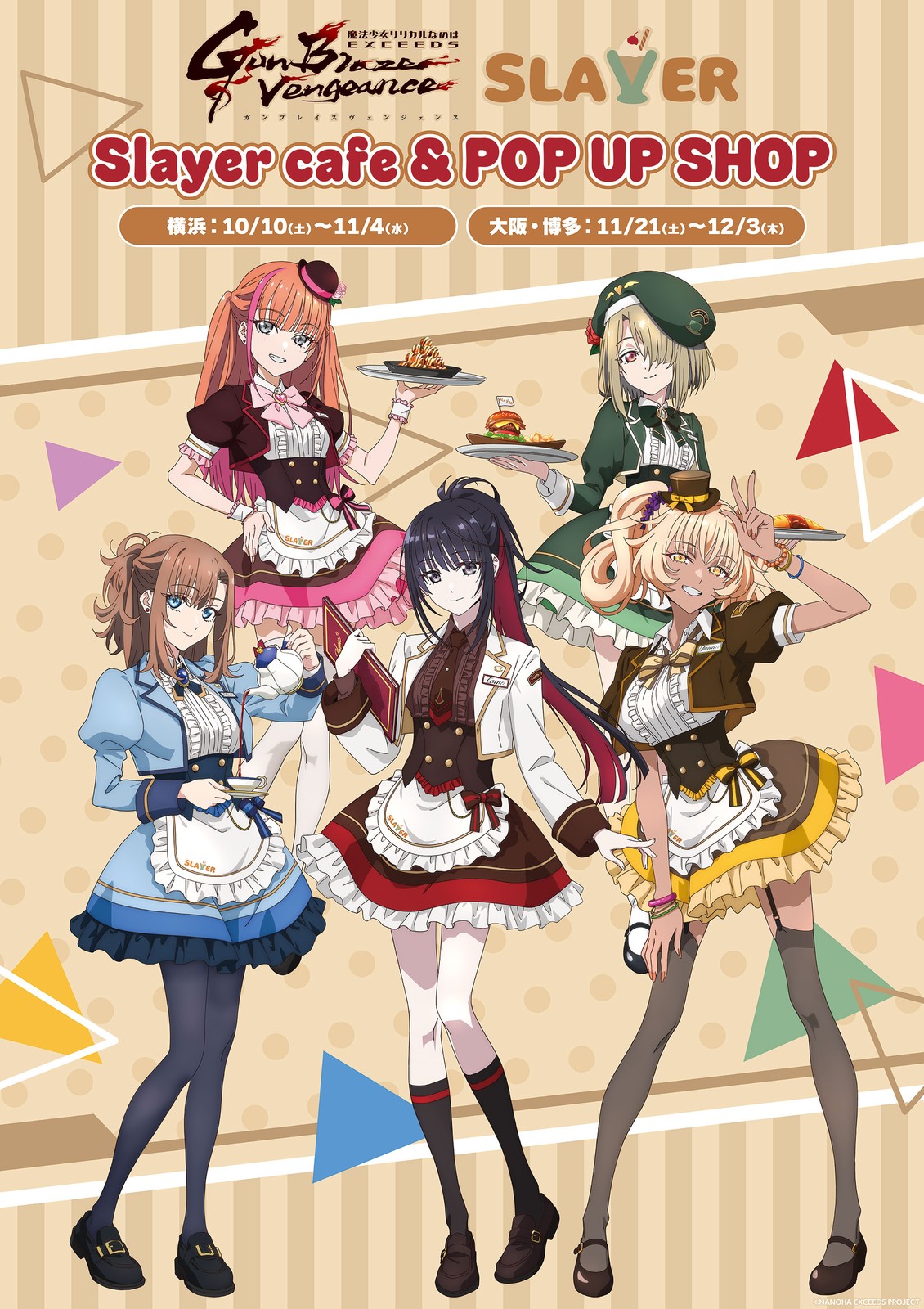
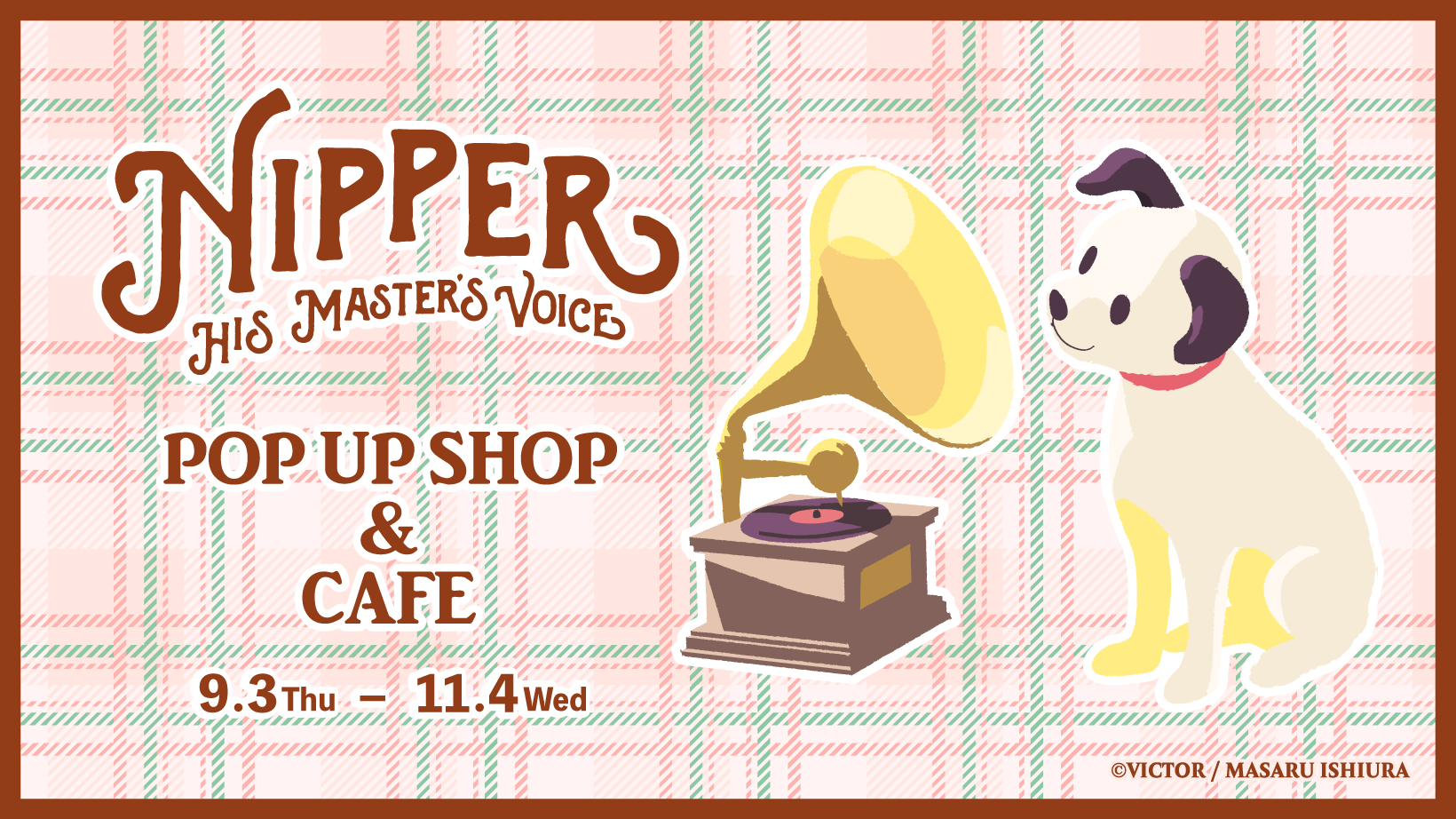
A collab café (コラボカフェ) takes on one anime, game or character series for a few weeks or months: themed food and drinks, decorations and a counter of limited goods. Popular titles are booked by time slot on the café's own site or through a ticket service, and the first days often go by lottery (抽選, chusen), with the seats left over sold first come, first served. Later in the run many cafés take walk-ins, sometimes with numbered tickets at the door. A slot is usually 60 to 90 minutes and ends on time even if you arrive late, and some cafés cancel a booking when you are more than a few minutes late.
The bonus (特典, tokuten) is the reason many fans go. Each dish or drink usually comes with a random coaster, card or acrylic item, and you cannot choose the character. Cafés also set a minimum order, often one item per person, and a limit on how many of each item you can order. Fans trade duplicates afterwards, mostly through social media. Some reservation tickets include their own bonus, which is lost if you cancel.
- Read the rules page (注意事項) before booking: order limits, how bonuses are given and what happens if you are late.
- Booking pages are often in Japanese only and some need an account. A browser translator handles most of them.
- Weekday afternoons late in a run are the easiest time to walk in.
Where the collab cafés are
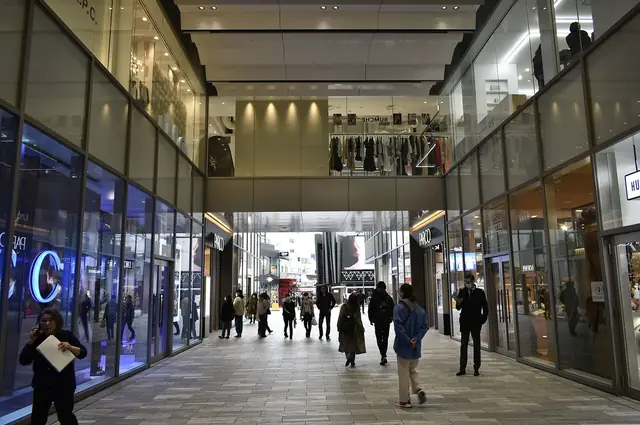
Ikebukuro has the most. animate café runs several branches around the east exit and Otome Road, often with lottery booking for the biggest titles, and BOX cafe&space has branches in Ikebukuro, Shibuya, Shinjuku and Tokyo Solamachi. In Shibuya, THE GUEST CAFE BY PARCO on the 6th floor of Shibuya PARCO opens a new collaboration every couple of months. Department stores, station buildings and the event floors of shopping centres in Akihabara, Shinjuku and Ginza add more.
A few characters have permanent cafés. The Kirby Café is on the 4th floor of Tokyo Solamachi at the foot of Skytree, and the Pokémon Cafe is in Nihonbashi next to Pokémon Center Tokyo DX. Both take bookings online well in advance and fill up quickly, so plan them before you fly.
Maid cafés in Akihabara
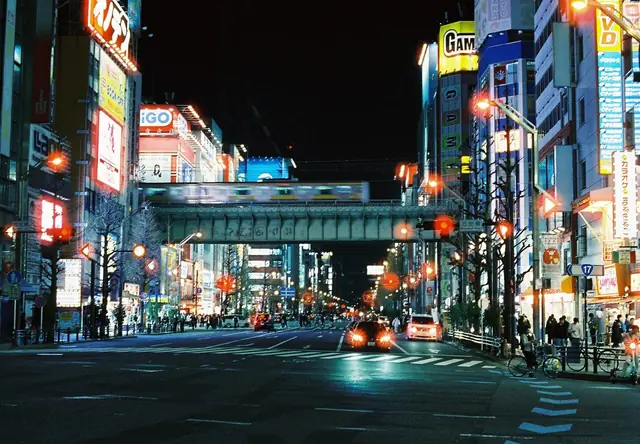
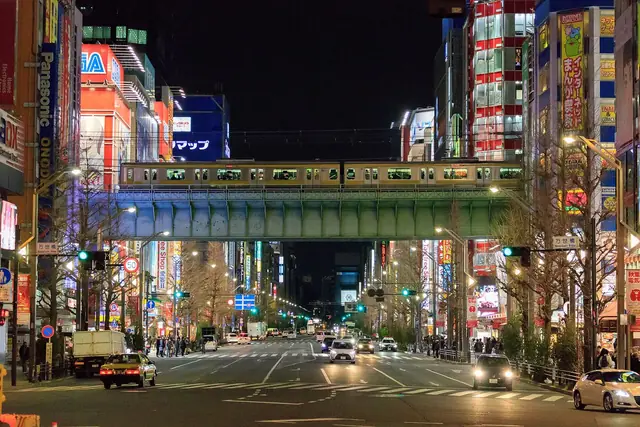
Akihabara is still the centre of maid cafés. Staff in maid costumes welcome you as their master or lady coming home, draw on your omurice with ketchup and lead short chants over the food and drinks. It is a performance, and the house rules are part of it. Most charge an entry fee per hour on top of the menu, plus a minimum order, and a usual visit is about an hour. Taking photos of the maids or other guests is not allowed; the souvenir is a paid instant photo (cheki) with a maid, decorated by hand. Touching the staff is off limits.
The big chains such as @home cafe and Maidreamin are used to foreign visitors and post their prices clearly. Take more care with staff handing out flyers on the street and with concept cafés (コンカフェ): some work more like bars, with charges by the hour and paid drinks for the staff. Check the price board before you sit down.
- Ask before you take out your phone. Some cafés allow photos of your food only.
- Weekday daytime is the quietest time to try one for the first time.
Animal cafés
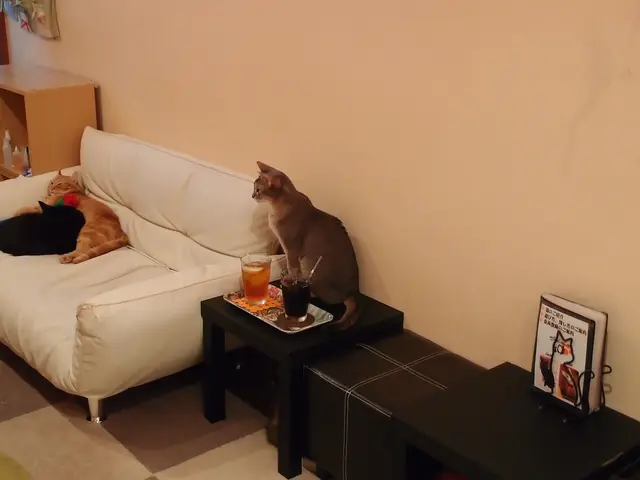
Cat cafés are the classic, with many across the city, and there are cafés with rabbits, dogs, birds and more exotic animals. The usual system is an entry fee by time with a drink, hand washing at the door and rules on touching: no picking animals up, no waking sleeping ones, no flash and no outside food. Rescue cat cafés (保護猫カフェ), where the cats can be adopted, are a popular choice.
Cafés with wild species such as owls, hedgehogs and otters are debated. Welfare researchers and groups such as WWF Japan have reported poor conditions in many of them, for example owls kept tethered to perches in bright, noisy rooms, and in 2026 Japan's Environment Ministry announced a survey of animal cafés. If you go, look for a café where animals can rest out of reach and handling is limited.
- Some animal cafés do not admit young children. Check the age rule before you take kids.
- Many cats sleep through the afternoon. Evenings and feeding times are livelier.
Closed classics and practical notes
Older guidebooks still list places that are gone. The Kawaii Monster Cafe in Harajuku closed in January 2021, and the Robot Restaurant in Kabukicho, Shinjuku, closed in 2020. Check that anything from an older list is still open before you build a day around it.
Themed menus cost more than at a normal café, since you are partly paying for the goods. Most collab cafés take cards and QR payment, and the goods counter often has its own queue and its own limits per person. On a rainy day, a booked café slot is a good anchor for an afternoon of shops around it.