What to expect
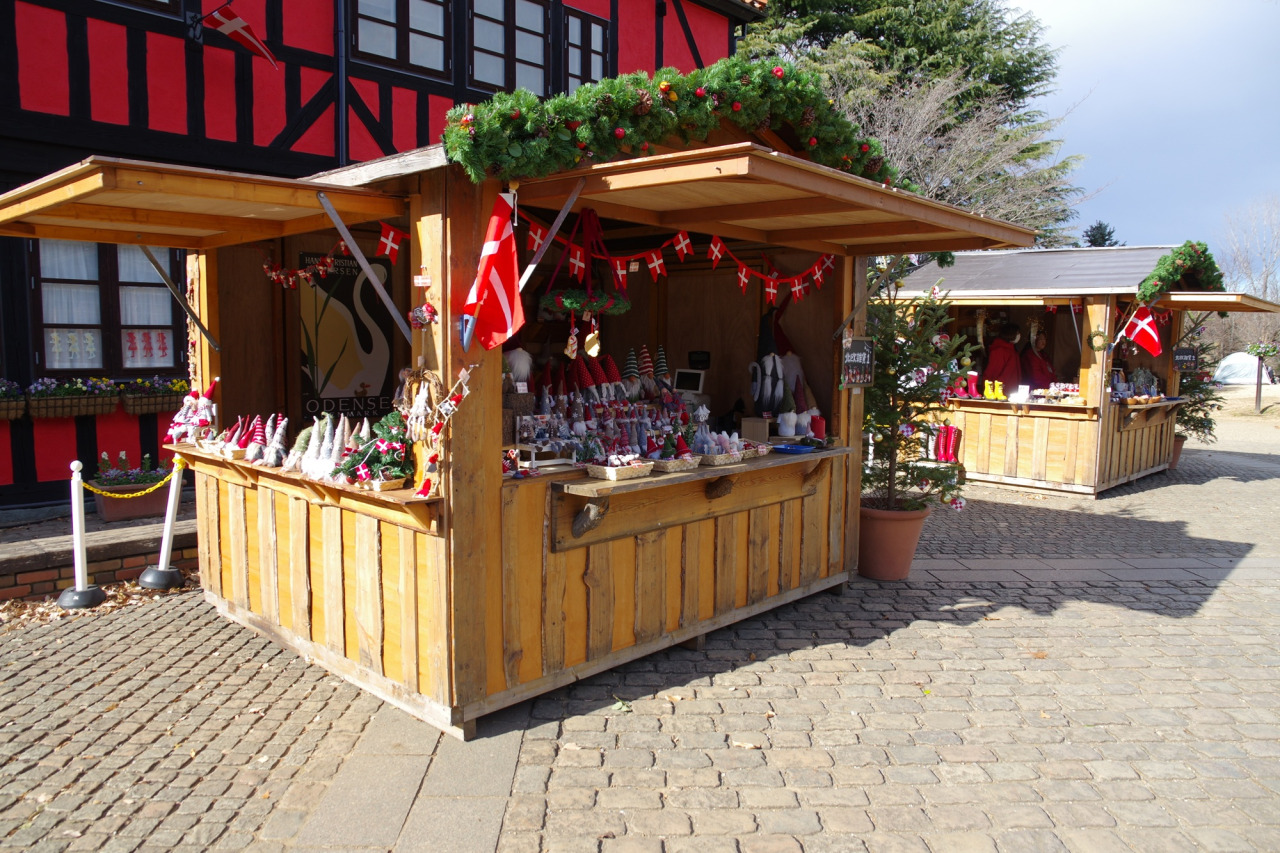
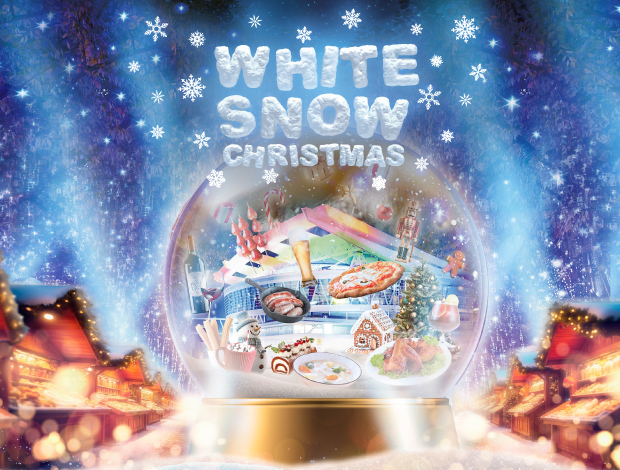
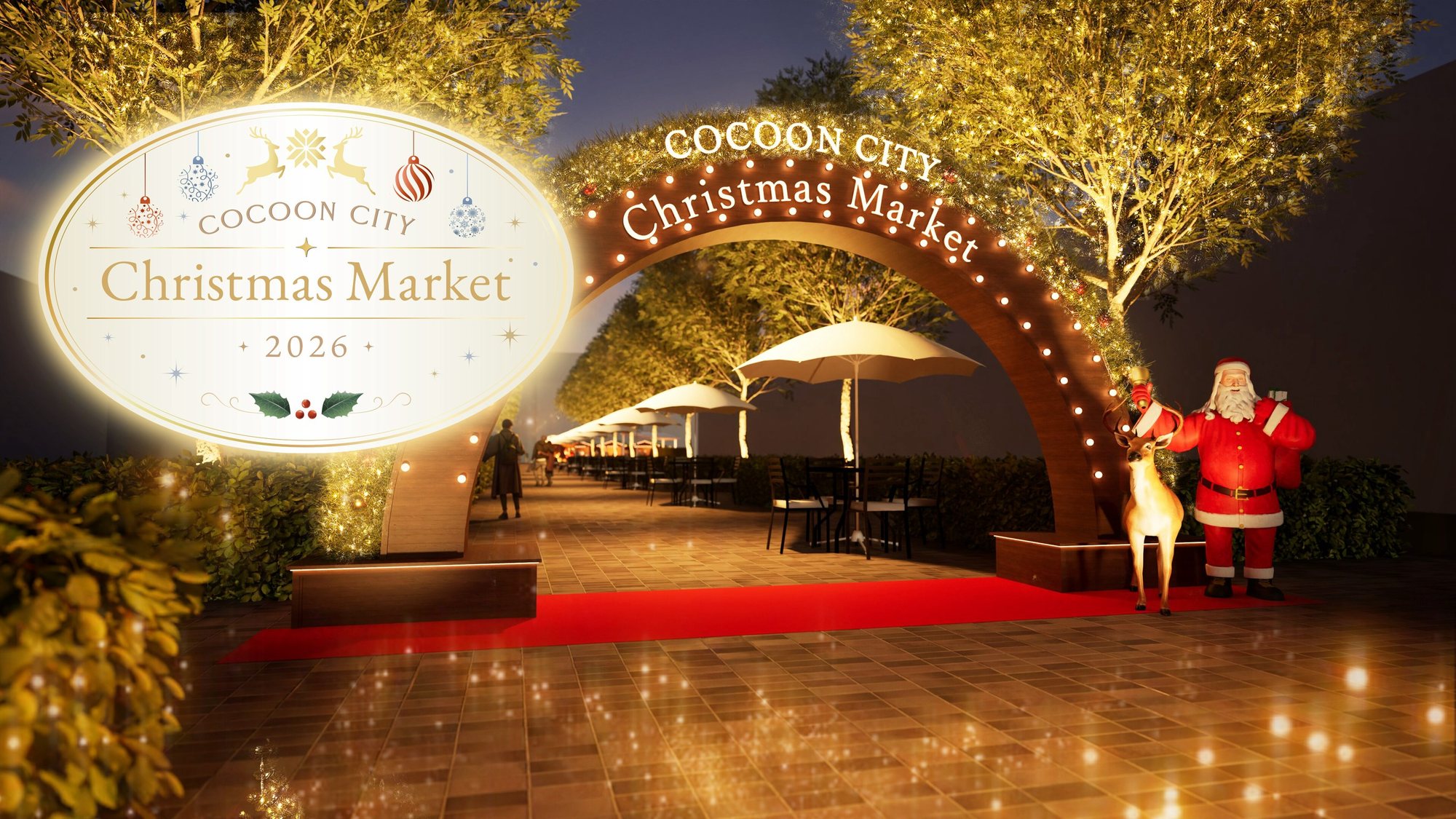
The model is the winter market of Germany and Scandinavia: wooden stalls around a big tree, mulled wine (Glühwein), sausages, pretzels, stollen and glass or wooden ornaments. Most markets also sell hot apple juice or cocoa, so they work for children and people who skip alcohol.
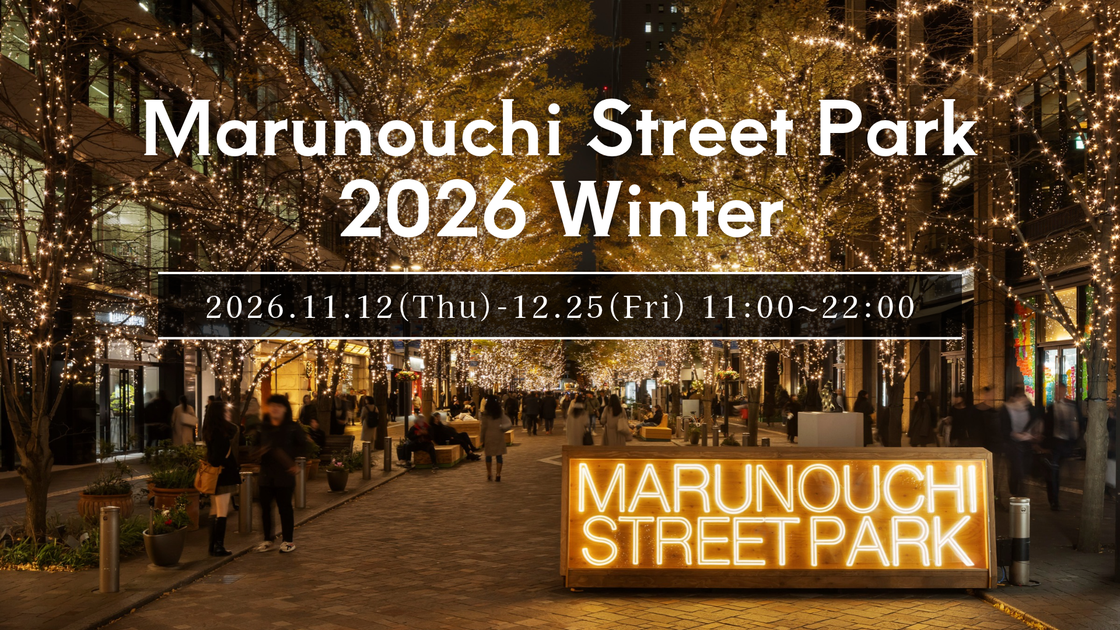
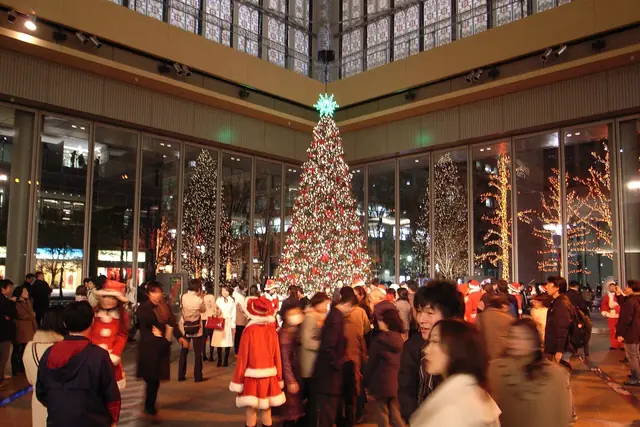
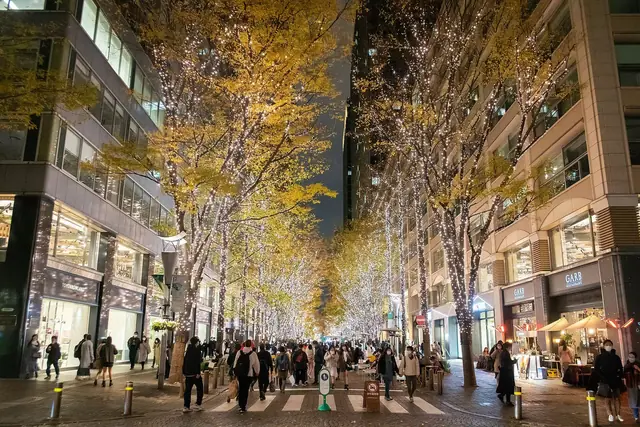
Tokyo markets come alive after dark. Many sit next to a winter illumination, so the crowds arrive in the early evening when the trees light up. Some evenings bring a choir or a brass band on a small stage.
The classic venues
The biggest is the Tokyo Christmas Market. It started in Hibiya Park in 2015 and has since moved between Meiji Jingu Gaien, Shiba Park and Shin-Toyosu, so check this season's location in the list below or on the official site before you go. In recent years it has charged an entry fee.
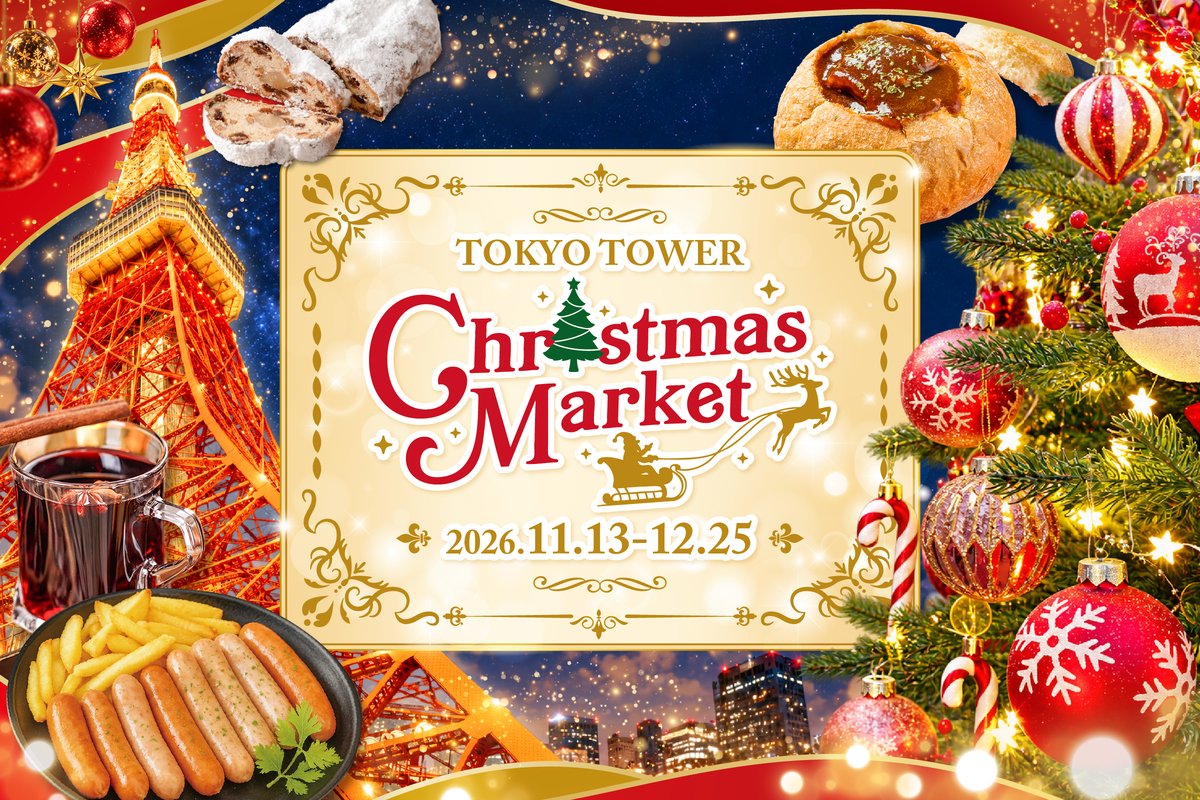
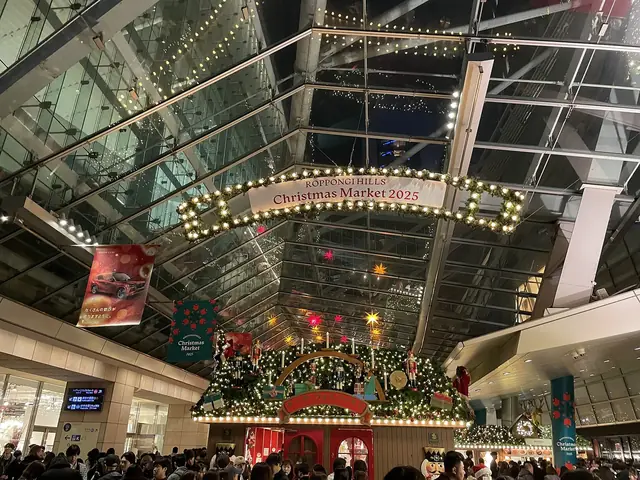
At Roppongi Hills, one of the city's longest running markets, modelled on Stuttgart's, sets up at O-yane Plaza, right by the Keyakizaka illumination. There are also markets at the foot of Tokyo Tower and at nearby Azabudai Hills, so you can visit several in one evening without leaving Minato.
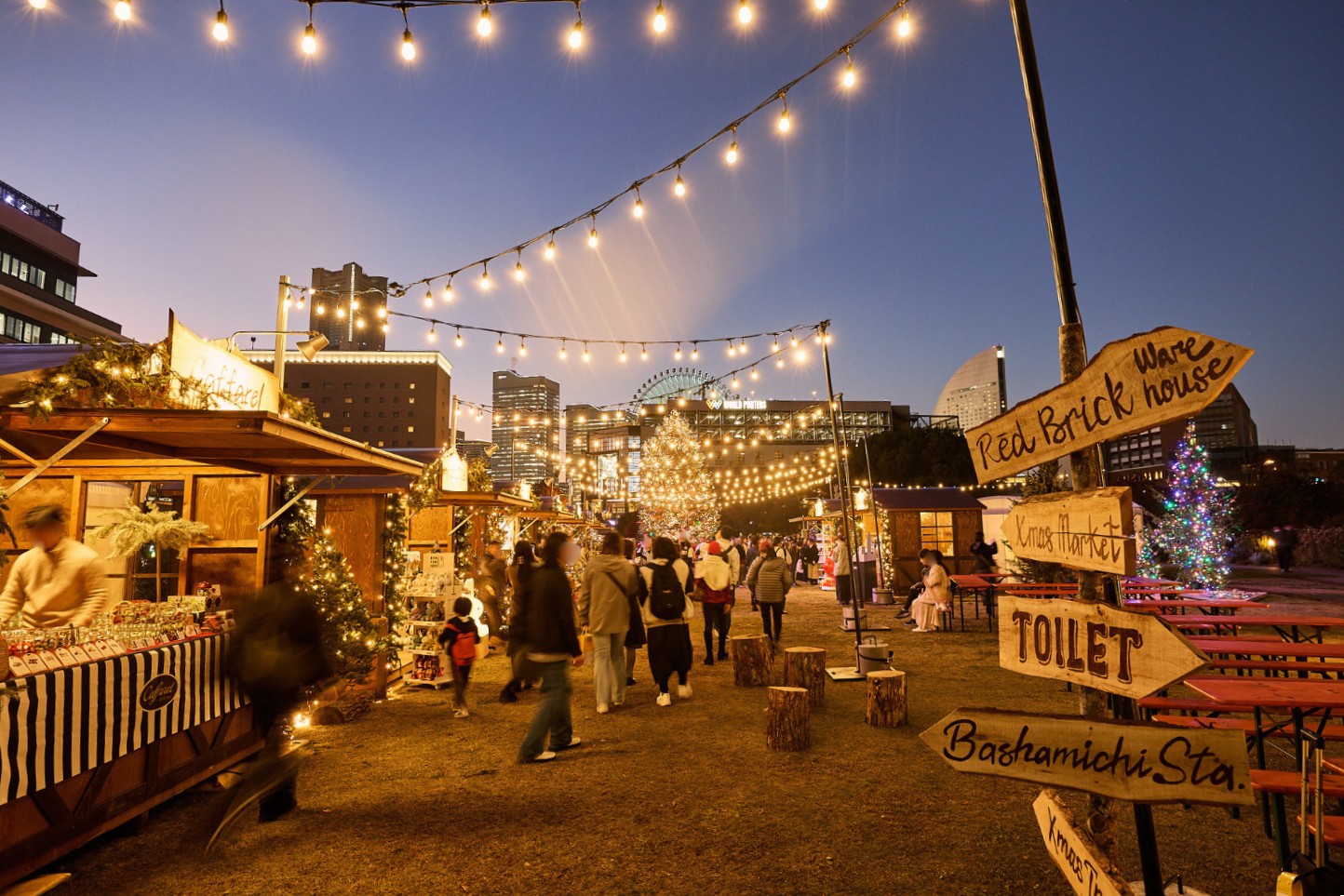
Further out, the market at Yokohama Red Brick Warehouse is a winter classic with its brick buildings and tall tree. Shopping complexes in Ginza, Ebisu, Futako-Tamagawa and at Keyaki Hiroba in Saitama Shintoshin also run free markets every year.
Prices and mugs
Most markets run by shopping complexes are free to enter and you pay for food and drinks at the stalls. Big ticketed markets such as the Tokyo Christmas Market sometimes sell entry with a souvenir mug included.
Mulled wine usually comes in a ceramic mug. Some markets add a deposit you get back when you return the mug, others let you take it home, and every venue has its own design, so plenty of people collect them. More stalls take cards and IC cards every year, but some are still cash only.
- Carry some coins and 1,000 yen notes for the cash only stalls.
- If you are not keeping the mug, find the return point first.
- Popular food stalls build queues from the early evening, so come early if you plan to eat.
Beating the crowds
The busiest times are weekend evenings and the last few days before 24 December. Arrive on a weekday just after sunset and you get the lights with room to move. On weekends the daytime hours are calmer.
To see the most in one evening, pick an area where markets and illuminations sit close together. Roppongi Hills, Tokyo Tower and Azabudai Hills are within walking distance of each other, and in Yokohama you can go from Red Brick Warehouse straight on to the Minato Mirai skyline.
Cold and rain
Almost every market is outdoors and seating is limited. Evenings often drop to single digits, so bring gloves and a scarf, and a disposable hand warmer from any convenience store helps. Standing around with a hot drink cools you down faster than you expect.
On rainy days some markets close early or shut part of their stalls. A covered venue, or a shopping complex with Christmas events indoors, is a good plan B.